In the rapidly evolving world of display technology, MicroLED has emerged as a promising innovation that could redefine how we experience screens, from smartphones to large-scale digital signage. As consumers demand brighter, more energy-efficient, and longer-lasting displays, MicroLED technology offers solutions that surpass traditional LCD and OLED panels. This article delves into what MicroLED is, how it works, its advantages and challenges, and its potential impact across various industries.
Understanding MicroLED Technology
What is MicroLED?
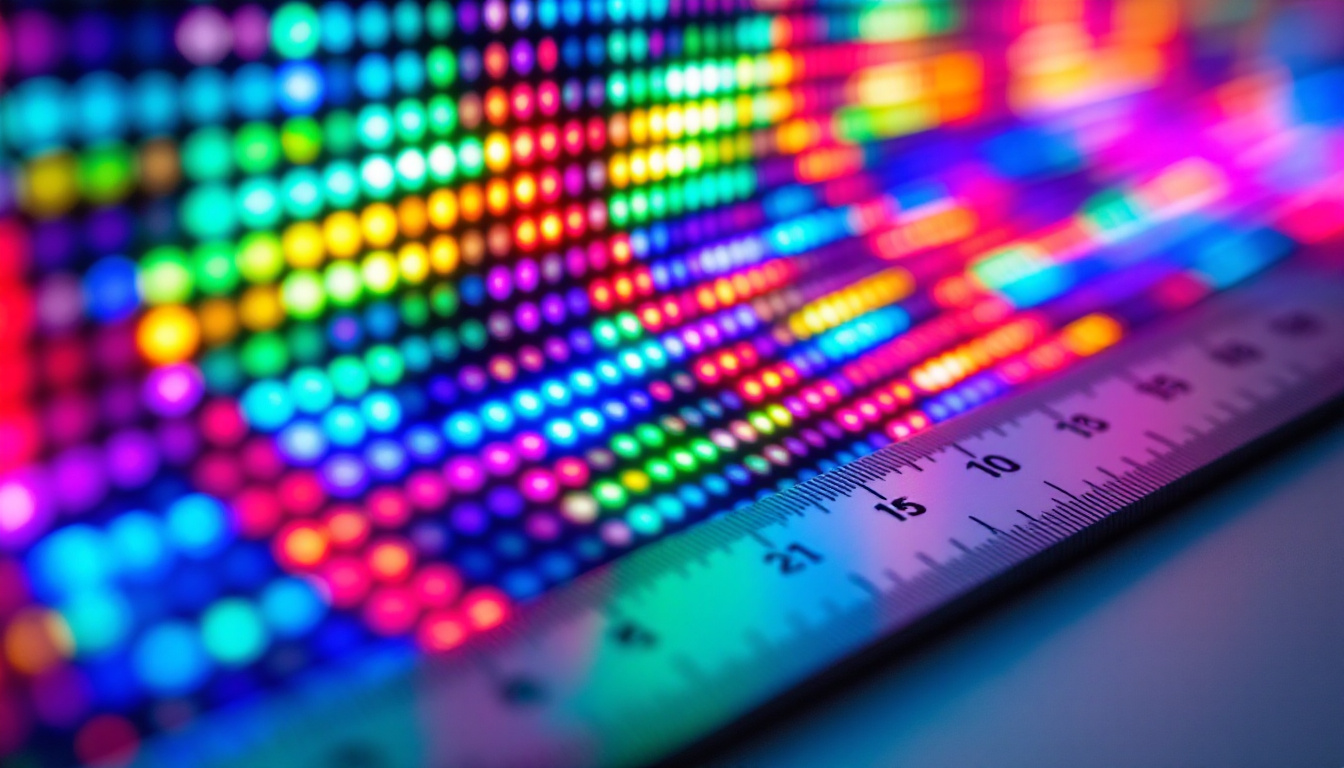
MicroLED is a display technology that uses microscopic light-emitting diodes (LEDs) to create images. Unlike traditional LED displays that rely on backlighting or OLED panels where organic compounds emit light, MicroLEDs are tiny inorganic LEDs that emit their own light individually. Each pixel in a MicroLED display consists of one or more of these microscopic LEDs, which can be controlled independently to produce vibrant and precise images.
The term “MicroLED” refers to the size of the LEDs, which are typically less than 100 micrometers in diameter. This is significantly smaller than the LEDs used in conventional LED displays, enabling higher pixel densities and sharper images. The technology is often compared to OLED because both are self-emissive, but MicroLED uses inorganic materials, which brings distinct advantages. For instance, MicroLED displays are less prone to burn-in, a common issue with OLED screens, making them a more durable option for long-term use. Additionally, they can achieve higher brightness levels, which is particularly beneficial in well-lit environments.
How Does MicroLED Work?
MicroLED displays operate by placing millions of tiny LEDs onto a substrate, each acting as an individual pixel or subpixel. When an electric current passes through these LEDs, they emit light directly without the need for a backlight. This direct emission allows for precise control over brightness and color on a per-pixel basis. The ability to turn off individual pixels completely contributes to true blacks and an impressive contrast ratio, enhancing the viewing experience, especially for high-definition content.
The manufacturing process involves transferring these microscopic LEDs from their growth wafer to a display backplane, a complex and delicate procedure known as mass transfer. This step is critical because any defects or misalignments can affect display quality. Once assembled, the MicroLED display can produce extremely bright images with high contrast ratios and wide color gamuts. Moreover, the modular nature of MicroLED technology allows for flexible display configurations, enabling manufacturers to create screens of various sizes and shapes, from large video walls to compact wearable devices. This adaptability opens up exciting possibilities for future applications in both consumer electronics and professional settings, such as digital signage and immersive virtual reality environments.
Advantages of MicroLED Displays
Superior Brightness and Contrast
One of the standout features of MicroLED technology is its exceptional brightness. MicroLED displays can achieve brightness levels exceeding 1,000 nits, and some prototypes have reached over 5,000 nits. This is significantly brighter than most OLED displays, which typically max out around 600-800 nits. The higher brightness makes MicroLEDs ideal for outdoor and high ambient light environments, such as digital billboards and automotive displays. This capability not only enhances visibility but also ensures that content remains vibrant and engaging, regardless of the surrounding light conditions. As a result, MicroLED technology is becoming increasingly popular in various sectors, including advertising, where eye-catching visuals are paramount.
Additionally, because MicroLEDs are self-emissive, they can achieve true blacks by turning off individual pixels completely. This results in an infinite contrast ratio, enhancing image depth and realism. In comparison, LCDs rely on backlighting, which can cause light bleed and reduce contrast. The ability to create such deep blacks not only improves the overall viewing experience but also allows for more dynamic range in images, making scenes appear more lifelike. This characteristic is particularly beneficial in cinematic experiences, where shadows and highlights play a crucial role in storytelling.
Energy Efficiency and Longevity
MicroLEDs are highly energy-efficient due to their direct emission and the ability to control each pixel individually. This means that darker images consume less power since fewer LEDs are lit. Studies suggest that MicroLED displays can consume up to 30-50% less power than OLEDs under typical viewing conditions, which is a significant advantage for battery-powered devices like smartphones and wearables. This efficiency not only extends battery life but also contributes to lower energy costs for consumers and businesses alike, making MicroLEDs an environmentally friendly choice in a world increasingly focused on sustainability.
Moreover, MicroLEDs use inorganic materials such as gallium nitride, which are more stable and less prone to degradation over time compared to the organic compounds in OLEDs. This translates to longer display lifespans and reduced risk of burn-in, a common issue with OLED technology where static images cause permanent ghosting on the screen. The durability of MicroLEDs also means they can withstand harsher conditions, making them suitable for a variety of applications, from industrial settings to consumer electronics. As the technology matures, we can expect to see MicroLEDs being integrated into more robust devices designed for longevity and performance.
Color Accuracy and Wide Color Gamut
MicroLED displays can reproduce a wide color gamut with high accuracy, making them suitable for professional applications such as medical imaging, graphic design, and cinema. The inorganic LEDs emit pure colors, and the precise pixel control allows for fine-tuning of color balance and saturation. This capability supports standards like DCI-P3 and Rec. 2020, which are essential for high-end video production and broadcasting. The result is a viewing experience that not only captivates audiences but also meets the stringent requirements of professionals who rely on color fidelity for their work.
Furthermore, the ability of MicroLEDs to maintain color accuracy across different brightness levels enhances their versatility. Unlike traditional displays that may suffer from color shifting at varying brightness, MicroLEDs provide consistent color performance, ensuring that images remain true to life regardless of the viewing conditions. This characteristic is particularly advantageous in environments where color precision is critical, such as art galleries or design studios, where the integrity of color representation can significantly impact the outcome of creative projects.
Challenges in MicroLED Development
Manufacturing Complexity
Despite its advantages, MicroLED technology faces significant manufacturing hurdles. The process of mass transferring millions of tiny LEDs onto a display substrate with high precision is technically demanding and costly. Defects such as dead pixels or misaligned LEDs can impact display quality, and repairing these defects at such a microscopic scale is challenging.
Currently, production yields are relatively low, and scaling the technology for large displays or high-resolution screens remains a major obstacle. Companies are investing heavily in research and development to improve transfer techniques, such as using robotic pick-and-place systems or laser-based methods, but widespread commercial availability is still limited.
Cost Considerations
Due to the complexity of manufacturing and the need for advanced equipment, MicroLED displays are currently expensive to produce. This cost barrier restricts their use primarily to premium applications and prototypes. For example, MicroLED TVs and monitors can cost several times more than comparable OLED or LCD models.
However, as manufacturing processes improve and economies of scale are achieved, prices are expected to decrease. Industry analysts predict that MicroLED could become more competitive within the next five to ten years, especially as demand for high-performance displays grows.
Technical Limitations and Integration
Another challenge is integrating MicroLED technology into flexible or curved displays. While OLEDs are inherently flexible due to their organic layers, MicroLEDs rely on rigid inorganic materials and substrates. Researchers are exploring ways to develop flexible MicroLED displays, but these are still in the experimental stage.
Additionally, driving circuitry and control electronics must be highly sophisticated to manage millions of individual LEDs efficiently. This requires advanced backplane technologies and robust software algorithms to ensure smooth image rendering without artifacts.
Applications and Future Prospects
Consumer Electronics
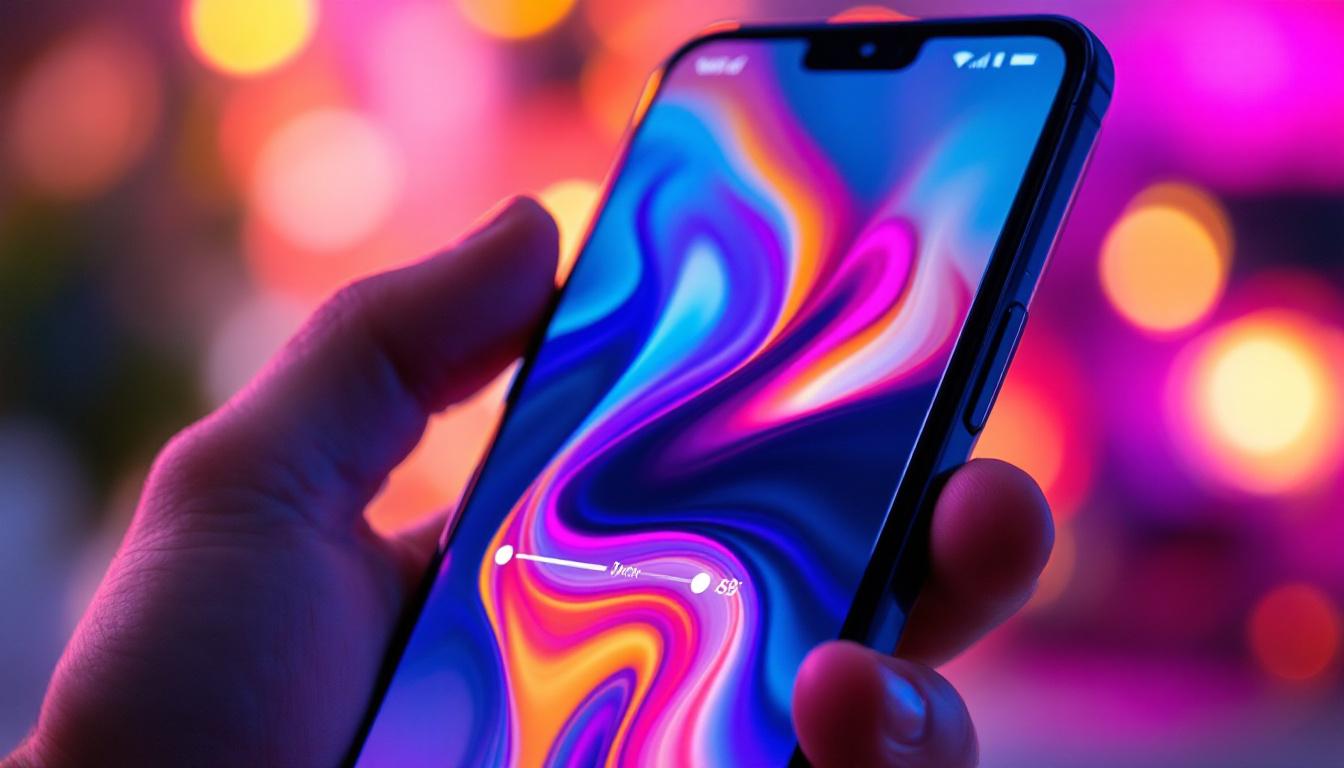
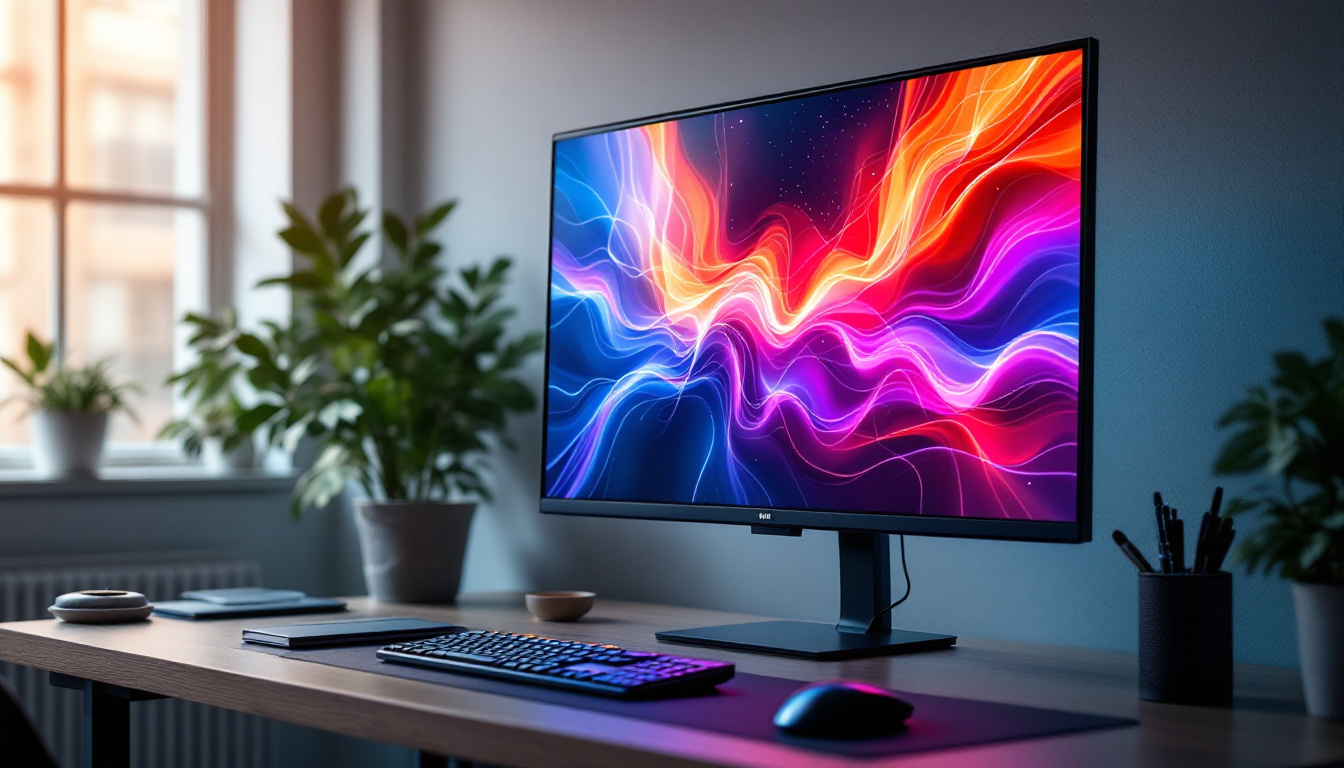
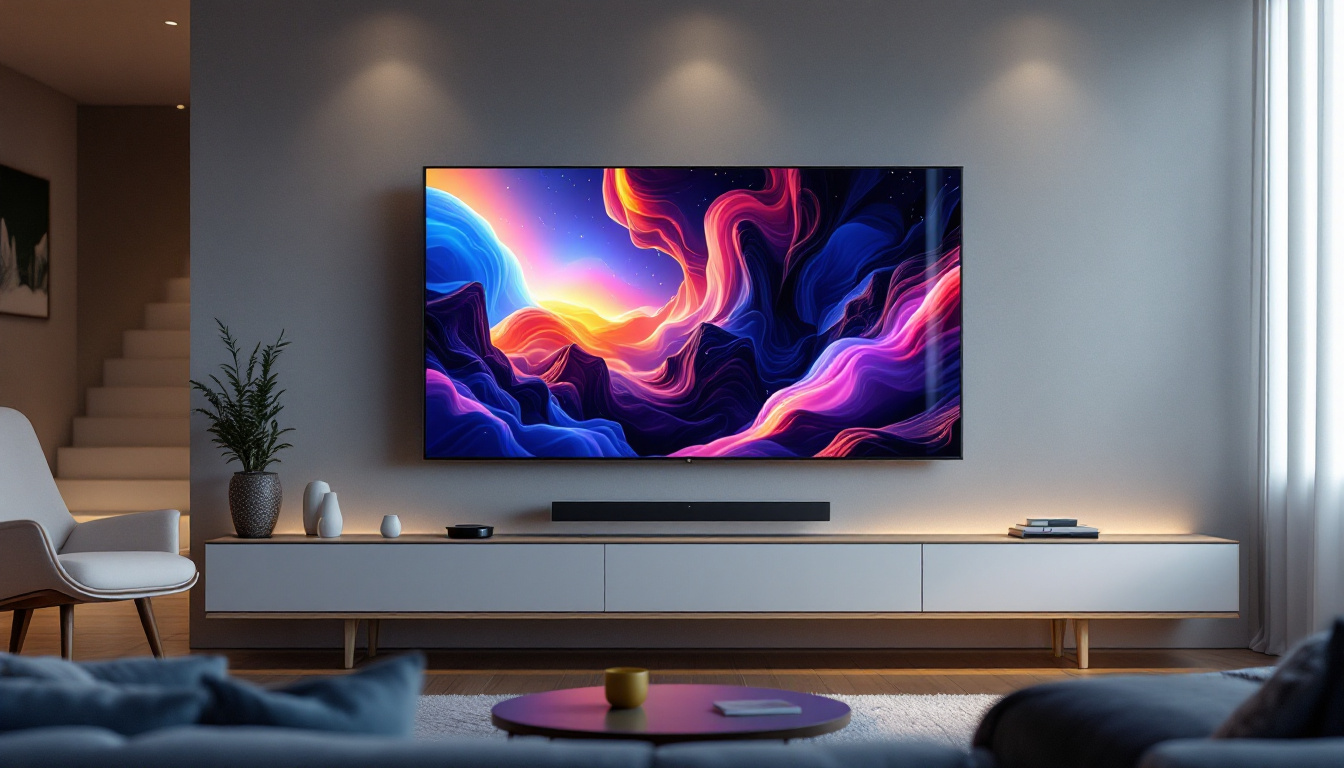
MicroLED technology has the potential to revolutionize consumer electronics, particularly in smartphones, smartwatches, and televisions. The combination of high brightness, energy efficiency, and longevity makes it an attractive alternative to OLED and LCD panels. Some leading manufacturers have already demonstrated MicroLED prototypes for smartphones and TVs, showcasing stunning image quality and durability.
For wearable devices, MicroLED’s low power consumption and brightness are especially beneficial, extending battery life and improving outdoor visibility. As production costs decrease, MicroLED could become the standard for premium mobile displays.
Large-Scale Displays and Digital Signage
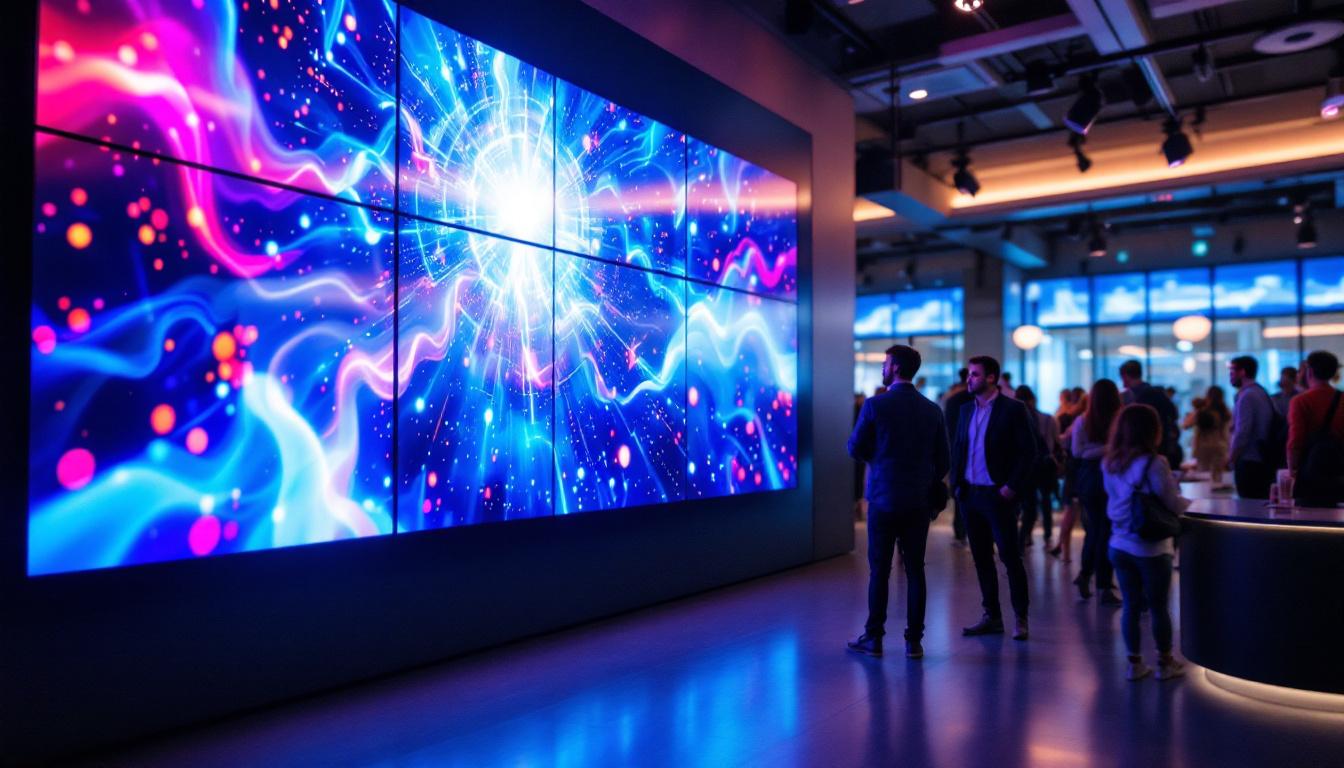
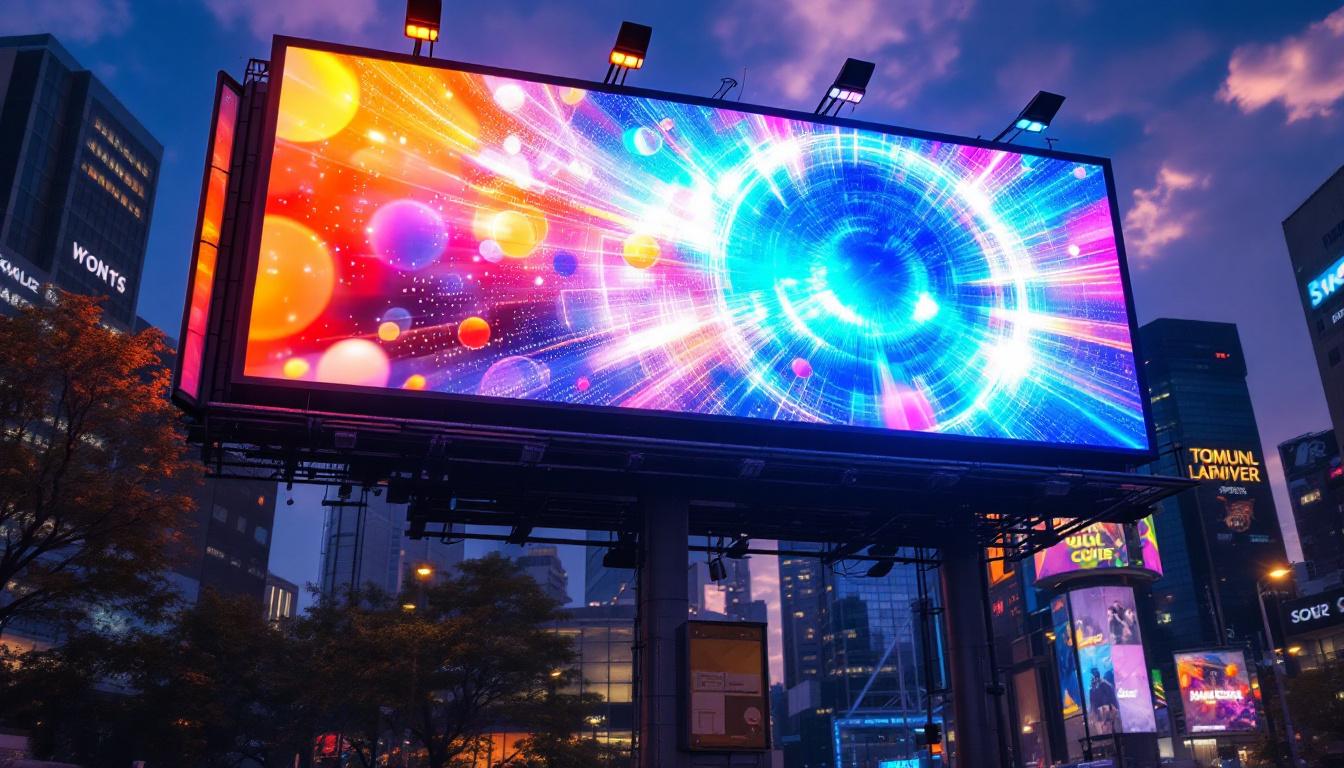
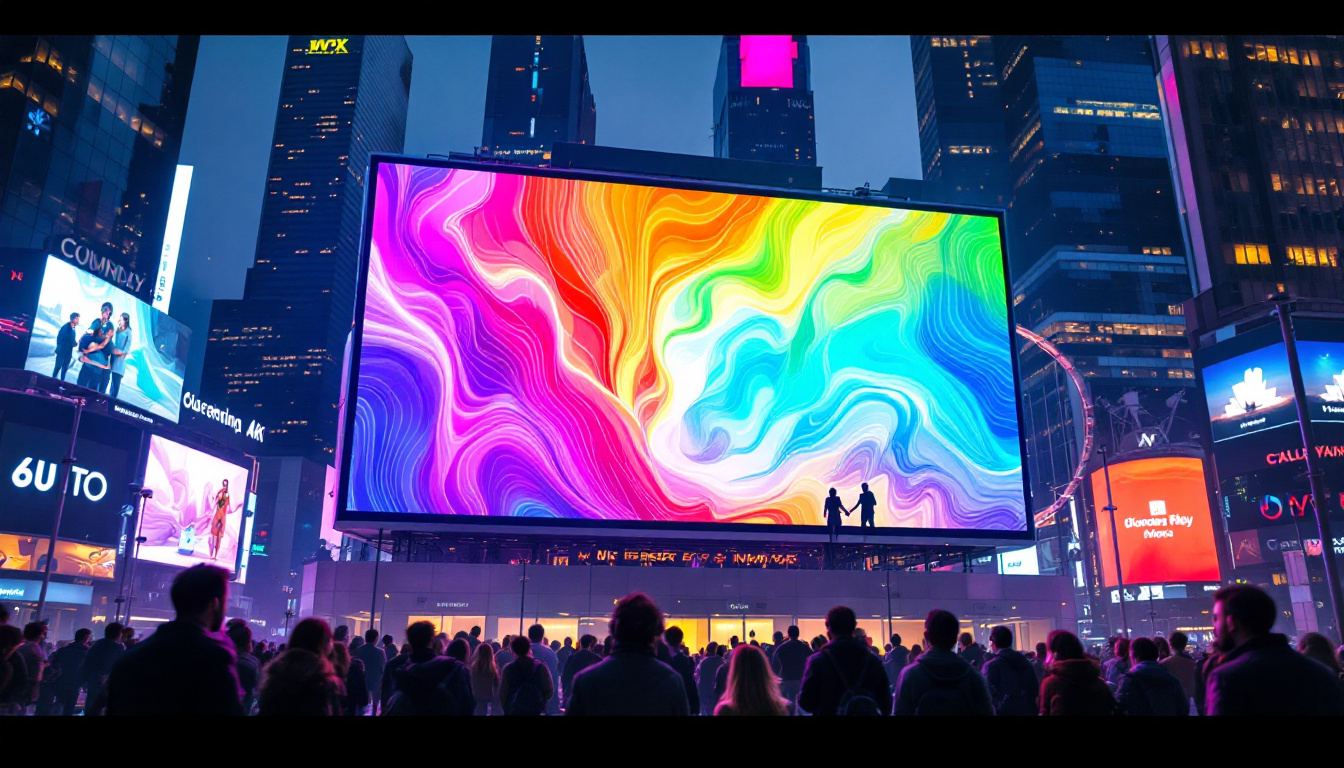
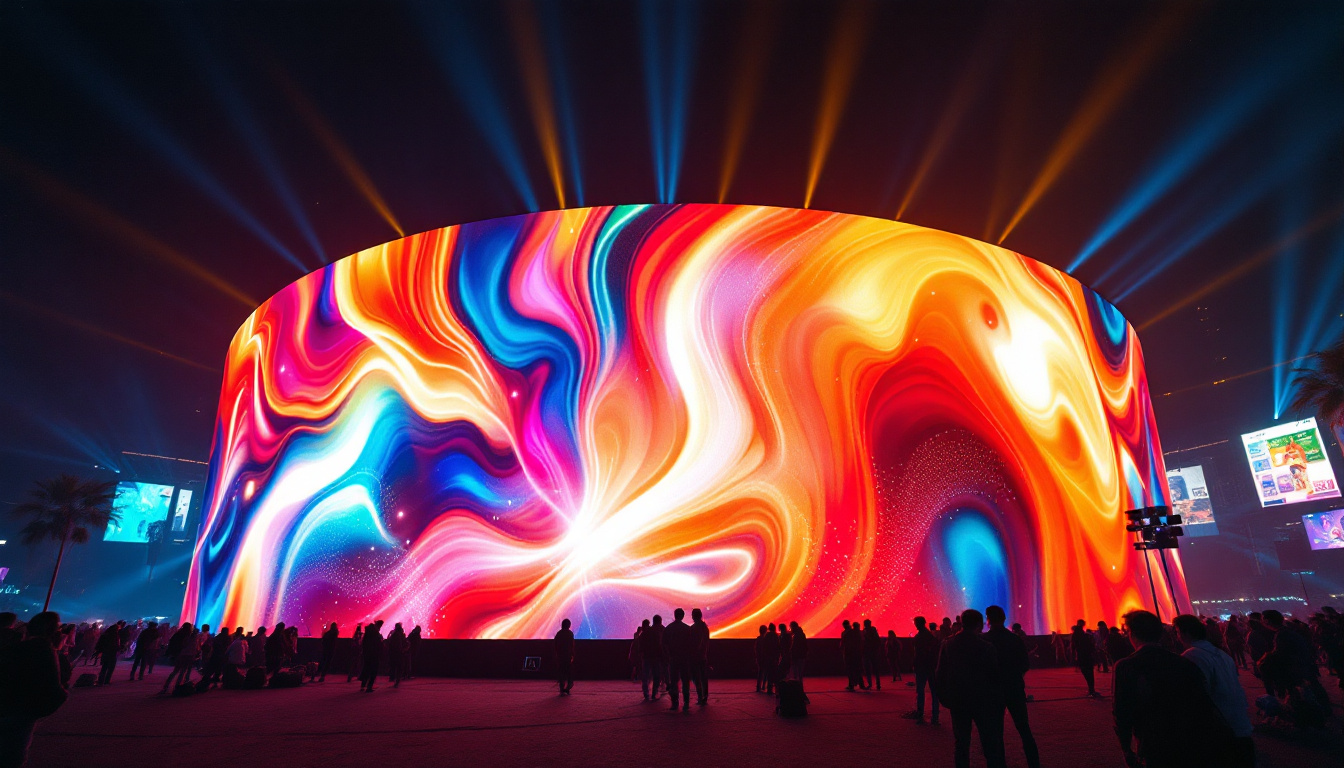
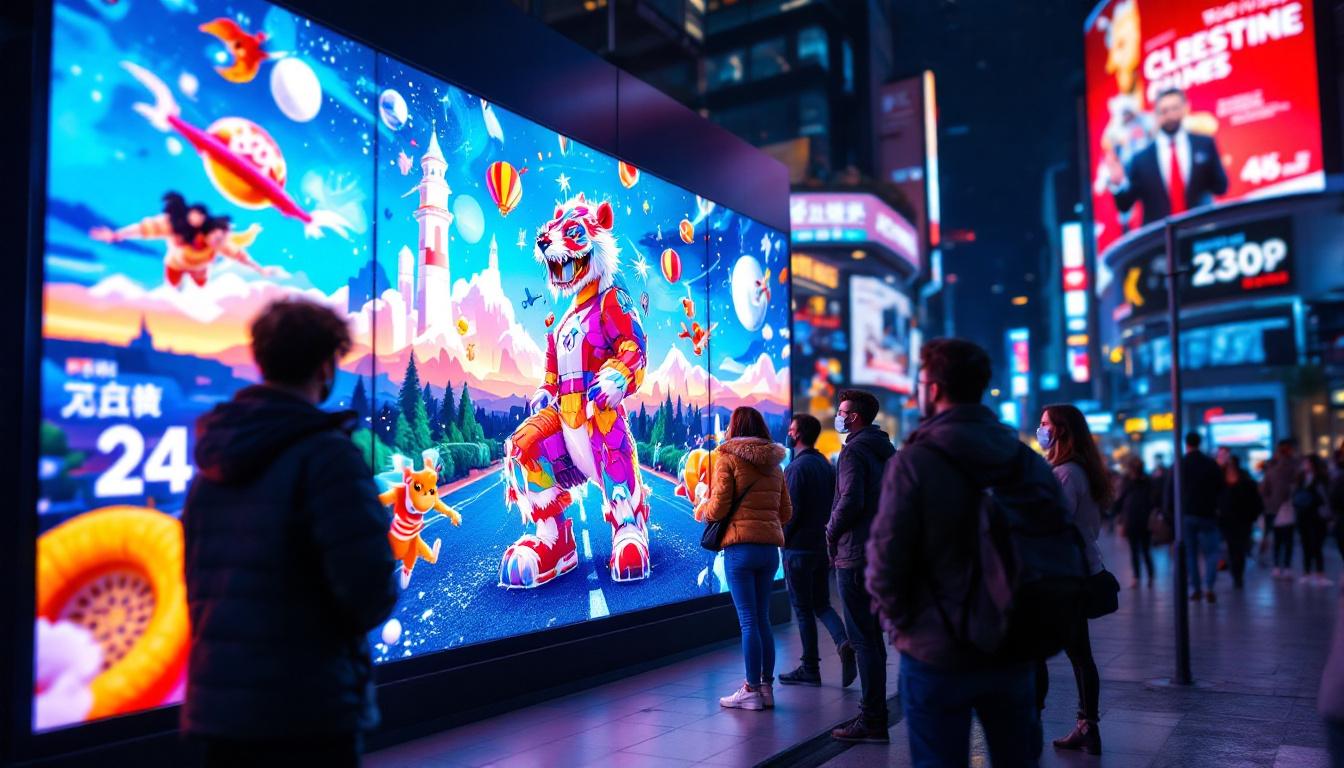
MicroLED’s ability to scale to very large sizes without sacrificing image quality makes it ideal for digital signage, stadium screens, and public information displays. Its superior brightness and durability allow it to perform well in outdoor environments where traditional displays struggle.
Companies are already deploying MicroLED video walls in airports, shopping malls, and sports arenas, offering vivid visuals that attract attention and enhance user engagement. The modular nature of MicroLED panels also enables flexible configurations and seamless scaling.
Automotive and Industrial Uses
In the automotive sector, MicroLED displays are gaining interest for use in dashboard panels, head-up displays (HUDs), and infotainment systems. Their high brightness ensures visibility in direct sunlight, and their robustness suits the demanding conditions inside vehicles.
Industrial applications, including medical imaging, aerospace, and military, also stand to benefit from MicroLED’s precision, reliability, and long lifespan. These sectors require displays that maintain performance over extended periods and under harsh conditions, making MicroLED a compelling choice.
Conclusion: The Bright Future of MicroLED
MicroLED technology represents a significant leap forward in display innovation, combining the best attributes of existing technologies while addressing many of their limitations. Its superior brightness, energy efficiency, color accuracy, and longevity position it as a future standard for a wide range of applications.
Although challenges in manufacturing complexity and cost remain, ongoing advancements and investments suggest that MicroLED will become increasingly accessible and prevalent. For consumers and industries alike, MicroLED promises a new era of vivid, durable, and efficient displays that enhance visual experiences across the board.
As the technology matures, keeping an eye on MicroLED developments will be essential for anyone involved in display technology, consumer electronics, or digital media. The next generation of screens is on the horizon, and MicroLED is poised to illuminate the way.
Discover the Future of Displays with LumenMatrix
As MicroLED technology paves the way for the next generation of display innovation, LumenMatrix stands at the forefront, offering a diverse range of LED display solutions tailored to meet the evolving needs of modern visual communication. Whether you’re looking to enhance your brand’s visibility with an Indoor LED Wall Display, captivate passersby with an Outdoor LED Wall Display, or create immersive experiences with Custom LED Displays, LumenMatrix has the cutting-edge technology to bring your vision to life. Check out LumenMatrix LED Display Solutions and join the revolution in creating vibrant, energy-efficient, and engaging visual displays.