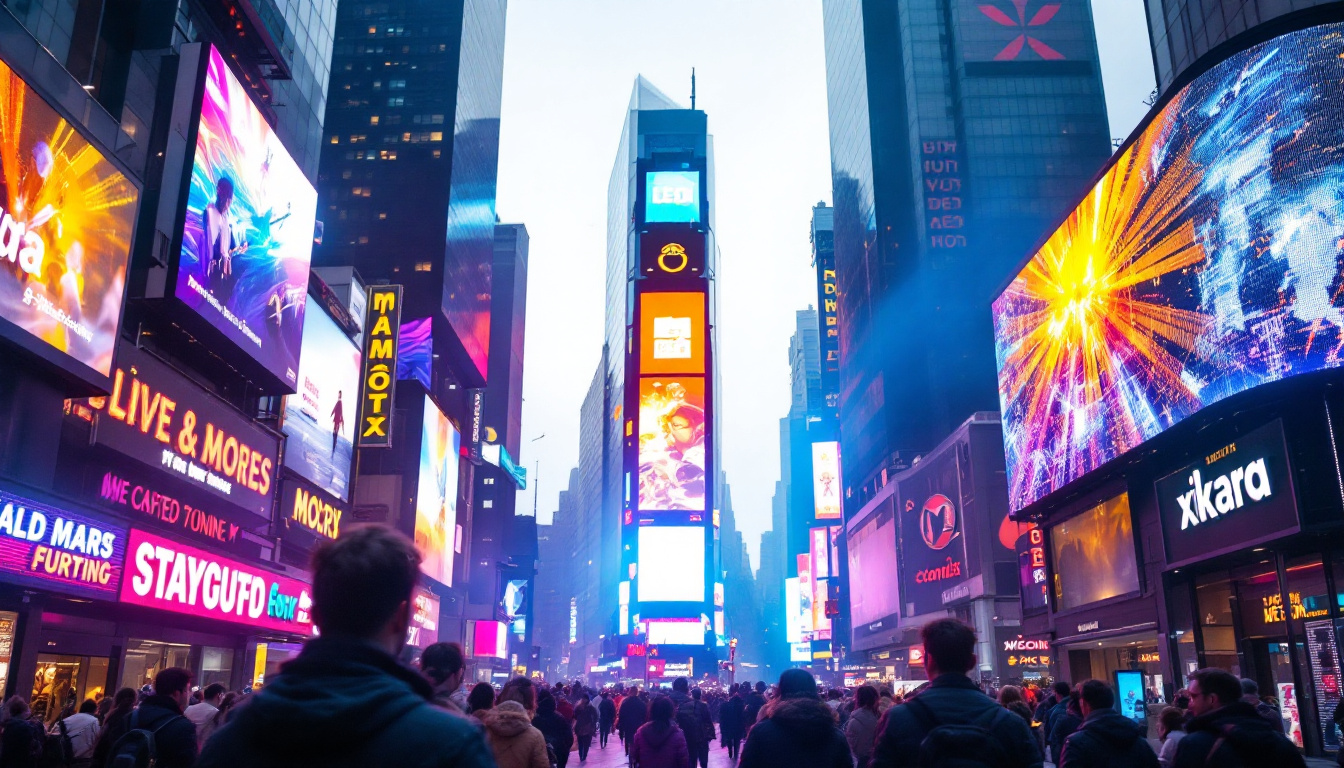
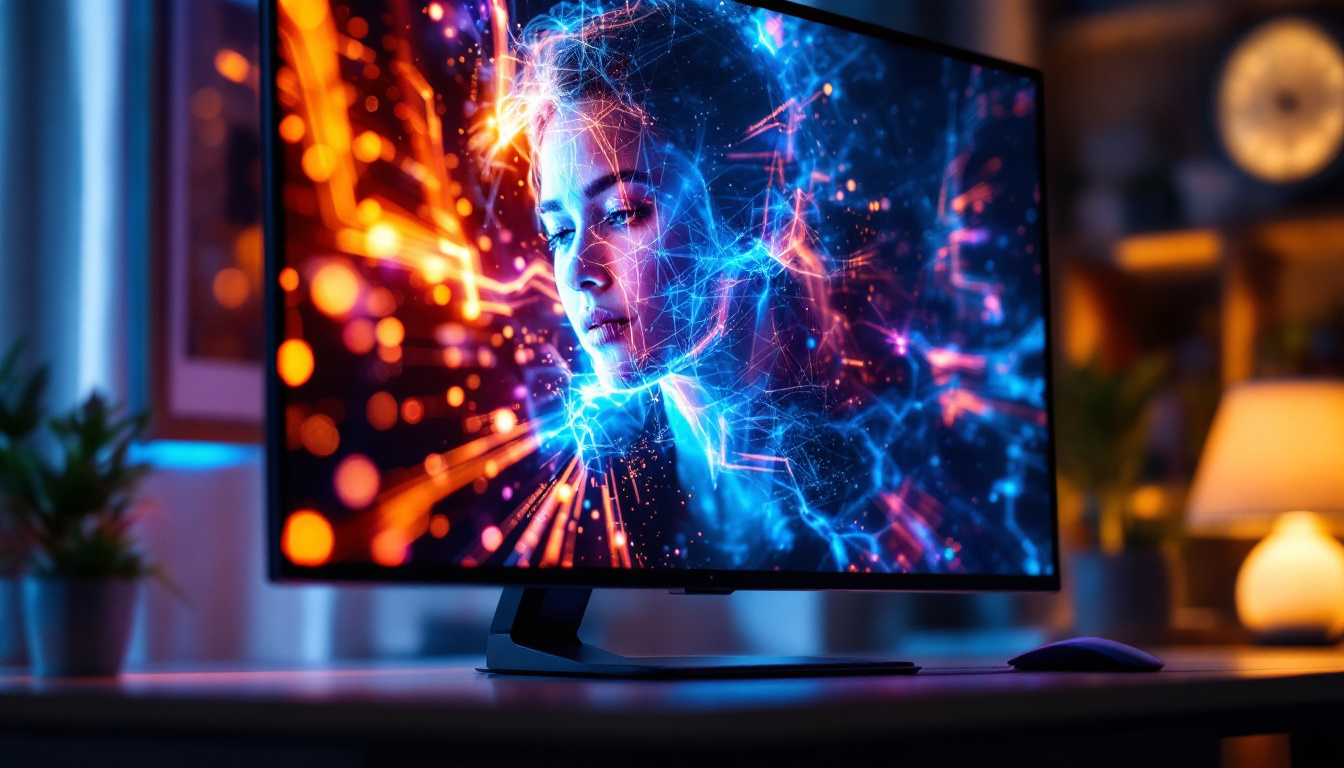
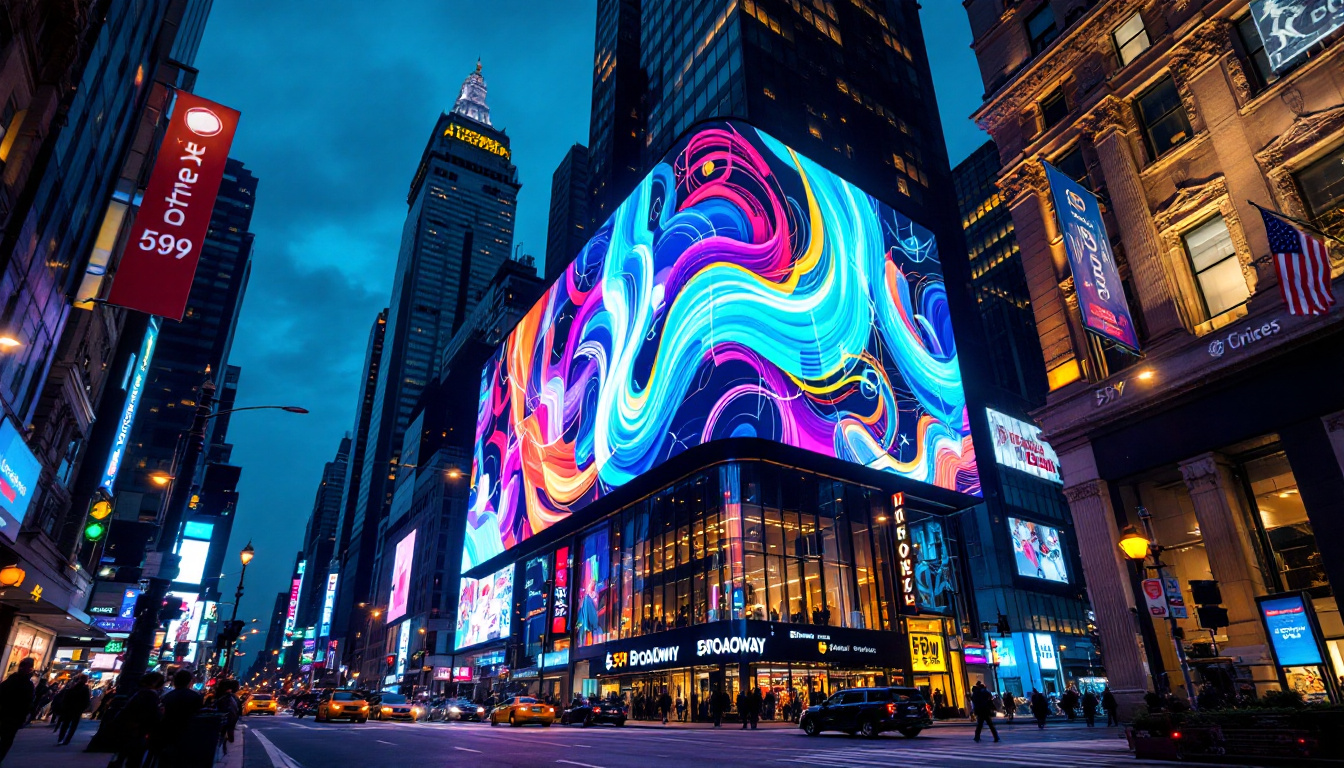
In the rapidly evolving world of digital technology, LED displays have become an integral part of how information is presented visually. From the vibrant billboards in Times Square to the sleek screens on smartphones and televisions, LED displays are everywhere. Understanding what LED displays are, how they work, and their various applications can provide valuable insight into one of the most influential display technologies today.
What is an LED Display?
LED stands for Light Emitting Diode, a semiconductor device that emits light when an electric current passes through it. An LED display is a flat panel display that uses an array of LEDs as pixels for a video display. These displays are known for their brightness, energy efficiency, and versatility, making them suitable for a wide range of uses, from small indicator lights to large-scale digital billboards. The technology has evolved significantly over the years, allowing for increasingly sophisticated applications in various industries, including advertising, entertainment, and even healthcare.
Unlike traditional LCD (Liquid Crystal Display) screens that rely on backlighting, LED displays generate their own light. This self-illumination allows for better contrast, deeper blacks, and higher brightness levels, which is especially beneficial in outdoor or brightly lit environments. Additionally, LED displays can be designed to be thinner and lighter than their LCD counterparts, making them easier to install and integrate into various settings, from retail spaces to public transportation systems.
Types of LED Displays
LED displays come in several varieties, each tailored for specific applications:
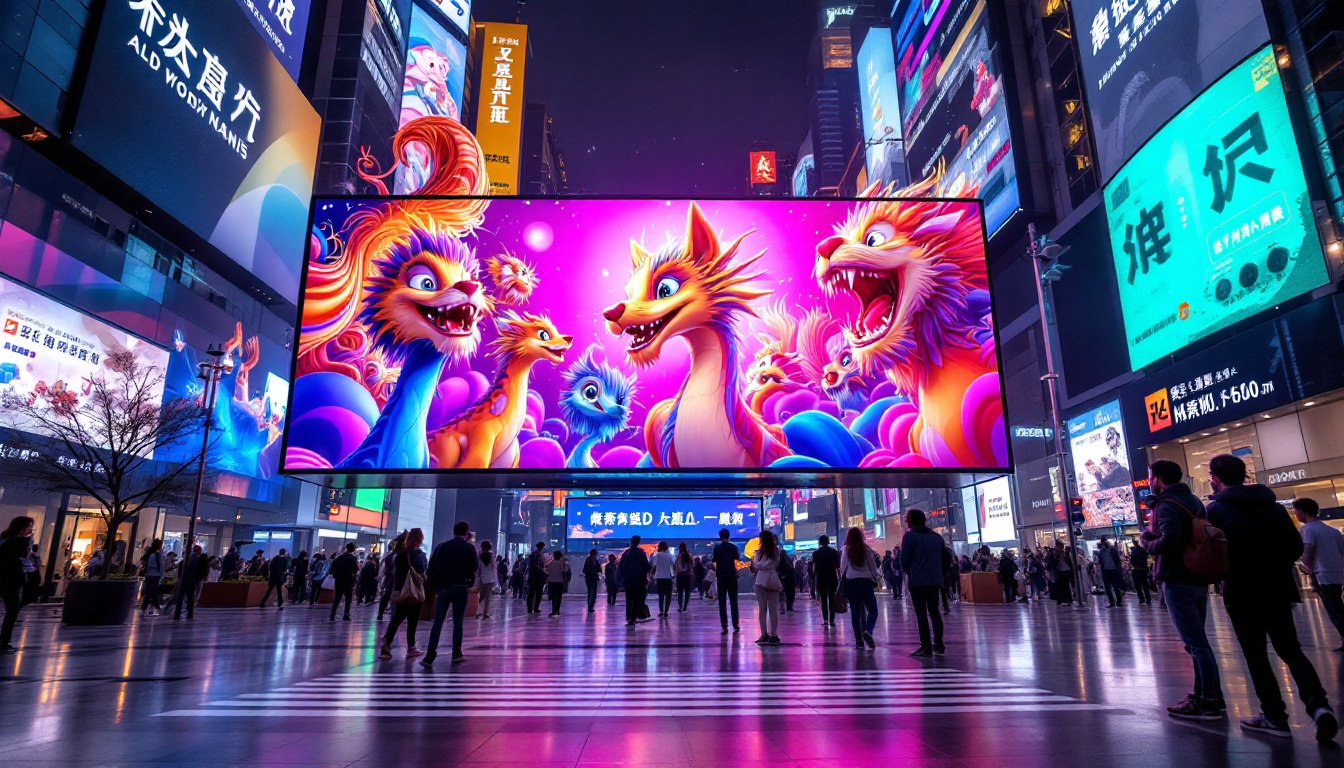
- Direct View LED Displays: These are composed of individual LEDs that form the pixels directly visible to the viewer. They are commonly used in large outdoor screens, stadium displays, and video walls. Their ability to deliver vibrant colors and high resolution makes them ideal for live events and advertising, where capturing attention is crucial.
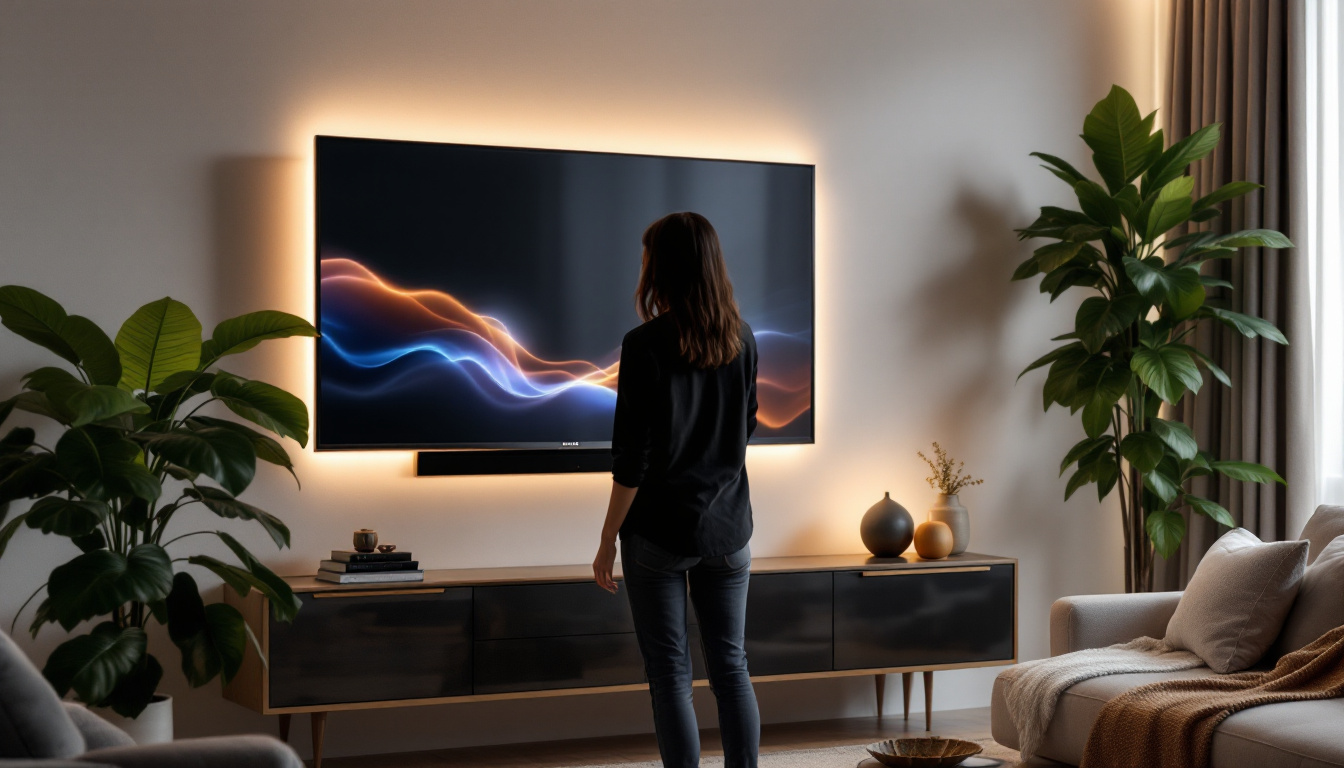
- LED-backlit LCD Displays: These use LEDs as a backlight source behind an LCD panel. This technology is prevalent in televisions, computer monitors, and smartphone screens. The use of LED backlighting enhances the overall picture quality by providing brighter whites and deeper blacks, improving the viewing experience for users.
- OLED (Organic LED) Displays: A newer technology where each pixel emits its own light using organic compounds. OLEDs offer superior color accuracy and flexibility but are generally more expensive. Their thin profile and ability to bend make them suitable for innovative applications, such as curved screens and flexible displays that can be integrated into clothing or other unconventional surfaces.
In addition to these types, there are also specialized LED displays like Transparent LED Displays, which allow for visibility through the screen while still displaying vibrant images. These are increasingly being used in retail environments to create eye-catching advertisements without obstructing views of the products behind them. Furthermore, advancements in LED technology have led to the development of MicroLED displays, which promise even greater resolution and efficiency by utilizing microscopic LEDs to create images. As the technology continues to advance, the possibilities for LED displays seem virtually limitless, opening new avenues for creativity and innovation in visual communication.
How Do LED Displays Work?
At the core of an LED display is the principle of electroluminescence, where certain materials emit light in response to an electric current. Each pixel in an LED display consists of red, green, and blue LEDs, which combine to produce a wide spectrum of colors through varying intensity levels.
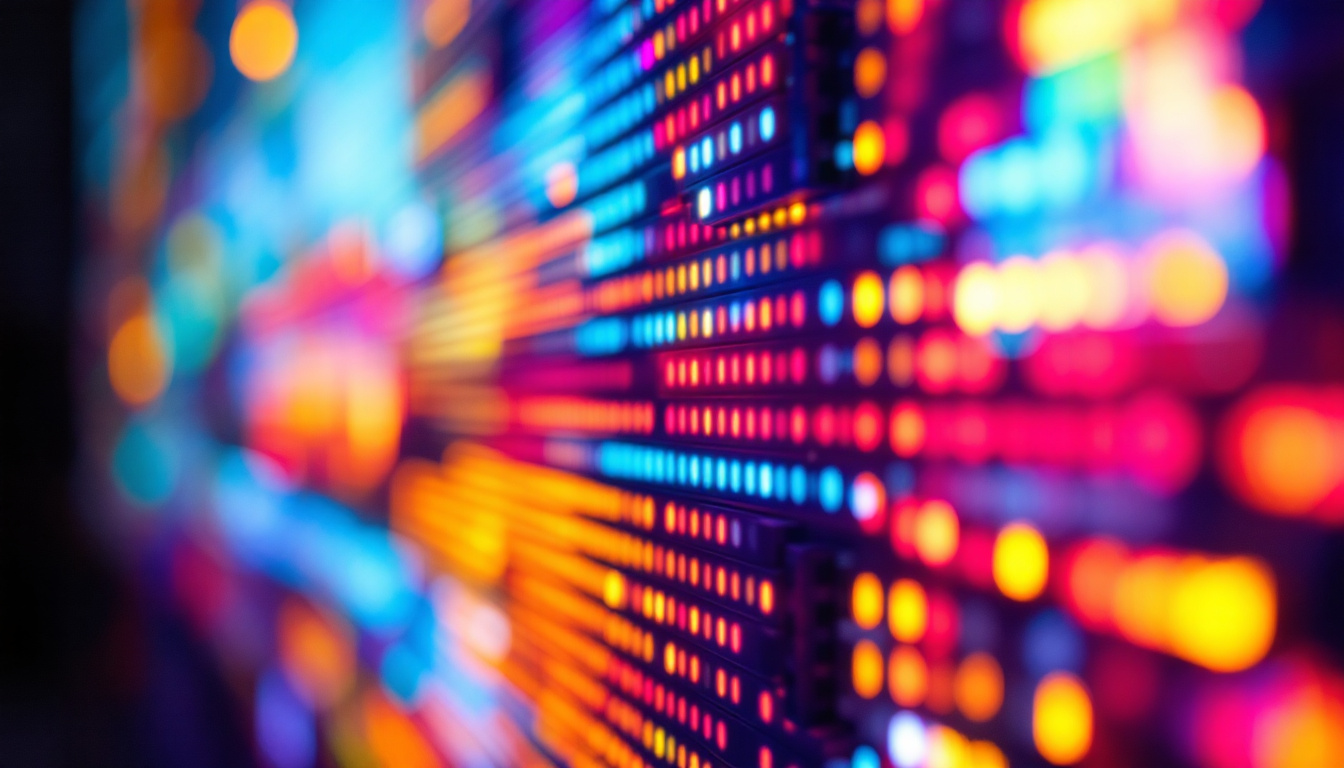
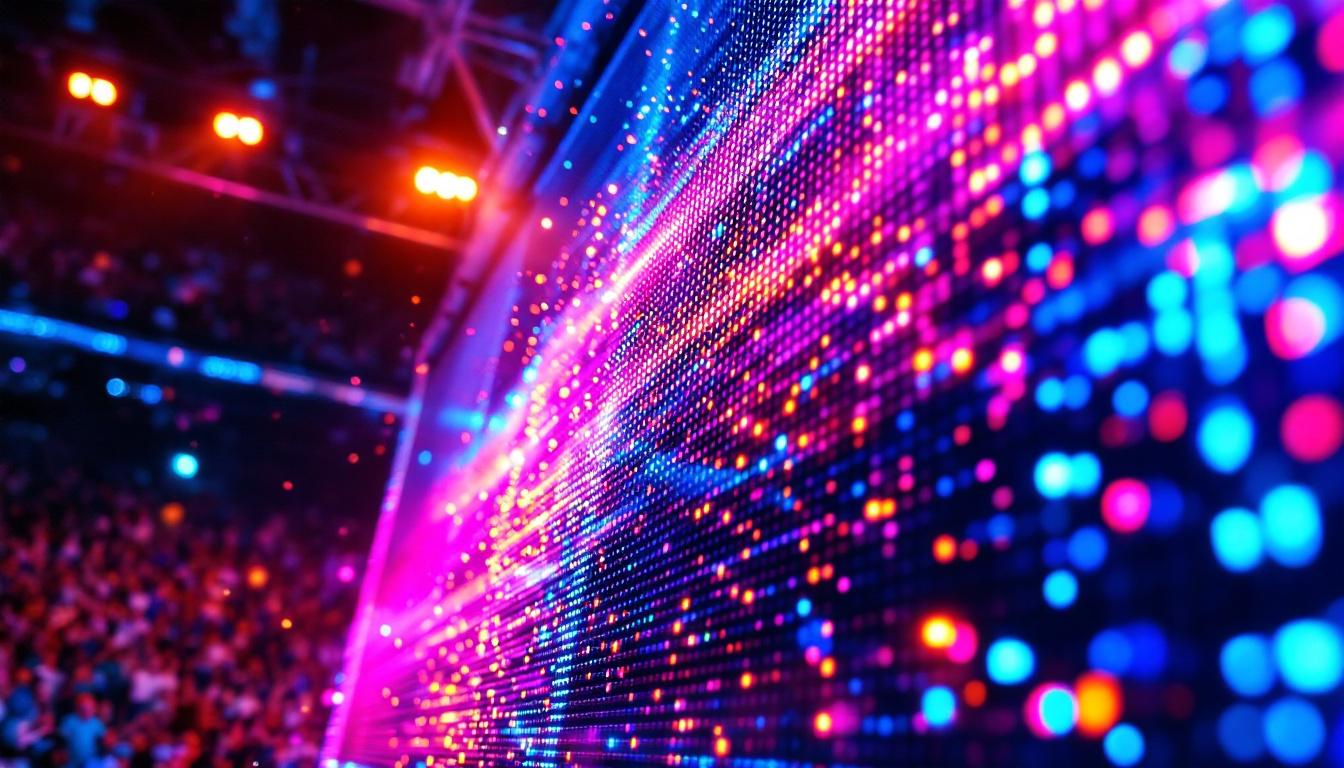
In direct view LED displays, the LEDs themselves form the image. Each LED is controlled individually, allowing for precise color and brightness adjustments. The density of these LEDs, often measured in pixel pitch (the distance between the centers of two adjacent pixels), determines the resolution and clarity of the display. A smaller pixel pitch means higher resolution and sharper images, which is crucial for close-up viewing. This is particularly important in applications such as digital signage and high-end televisions, where viewers are often positioned just a few feet away from the screen.
Control Systems and Image Processing
Modern LED displays are equipped with sophisticated control systems that manage the timing, color calibration, and image processing. These systems ensure that the display renders images smoothly and accurately, even when showing high-definition video content.
Advanced processing algorithms also help in compensating for environmental factors such as ambient light, temperature variations, and LED aging, thereby maintaining consistent image quality over time. These algorithms can dynamically adjust the brightness and contrast of the display based on the surrounding light conditions, ensuring optimal visibility in both bright and dim environments. Additionally, many LED displays now incorporate features like HDR (High Dynamic Range) support, which enhances the color range and contrast, providing viewers with a more immersive experience.
Furthermore, the integration of smart technology in LED displays has revolutionized their functionality. Many modern displays come with built-in connectivity options, allowing them to interface with various devices and platforms. This connectivity enables seamless streaming of content from the internet, mobile devices, or local networks, making LED displays not just passive screens but interactive hubs for information and entertainment. As a result, they are increasingly used in diverse settings, from corporate environments for presentations to public spaces for advertising and information dissemination.
Applications of LED Displays
LED displays have transformed numerous industries by providing dynamic, high-impact visual communication. Their versatility and performance make them ideal for a variety of settings.
Outdoor Advertising and Digital Billboards
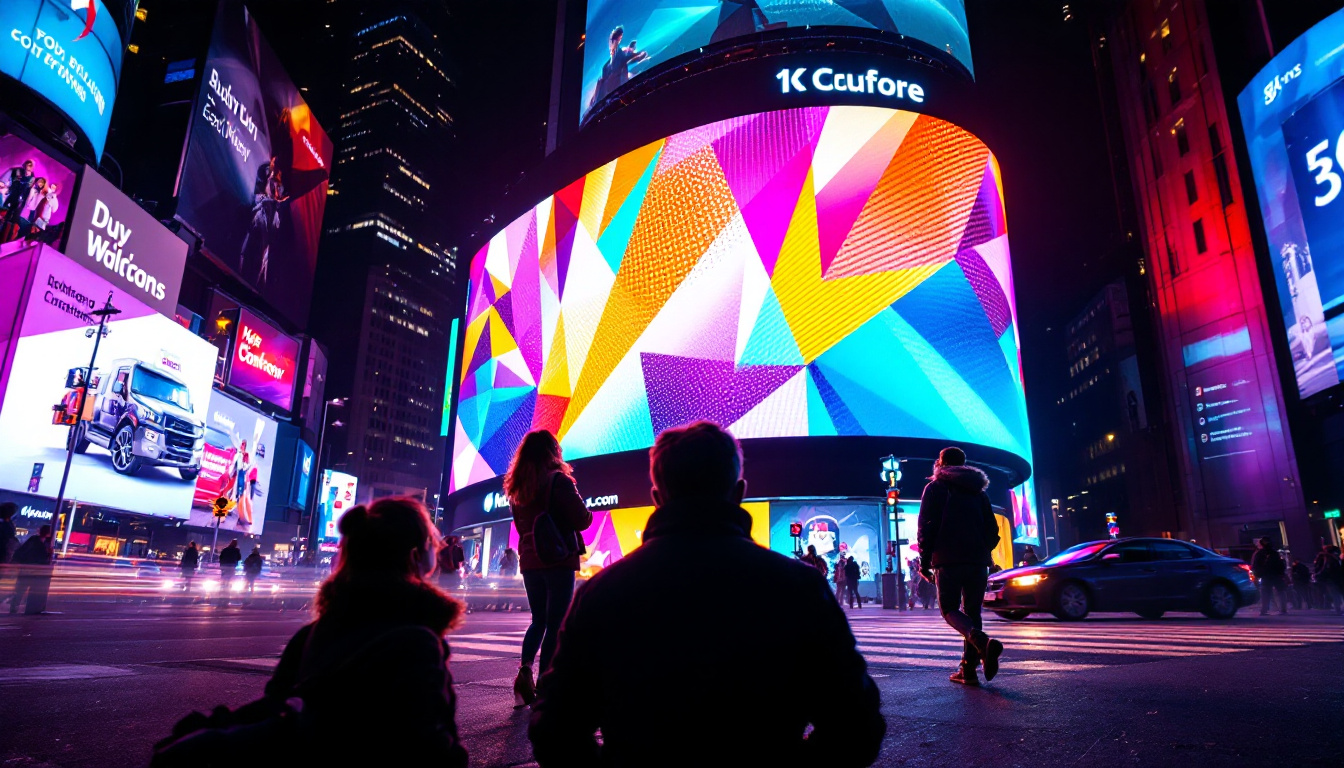
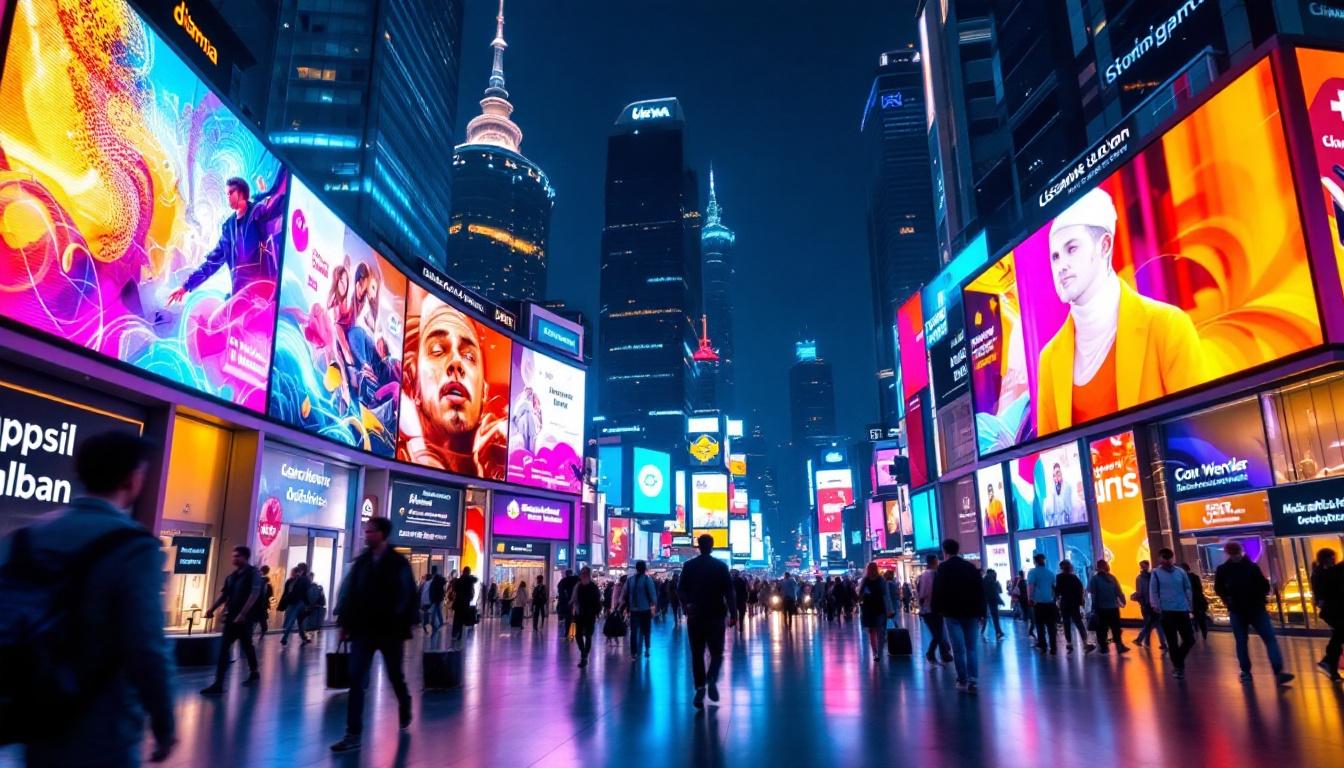
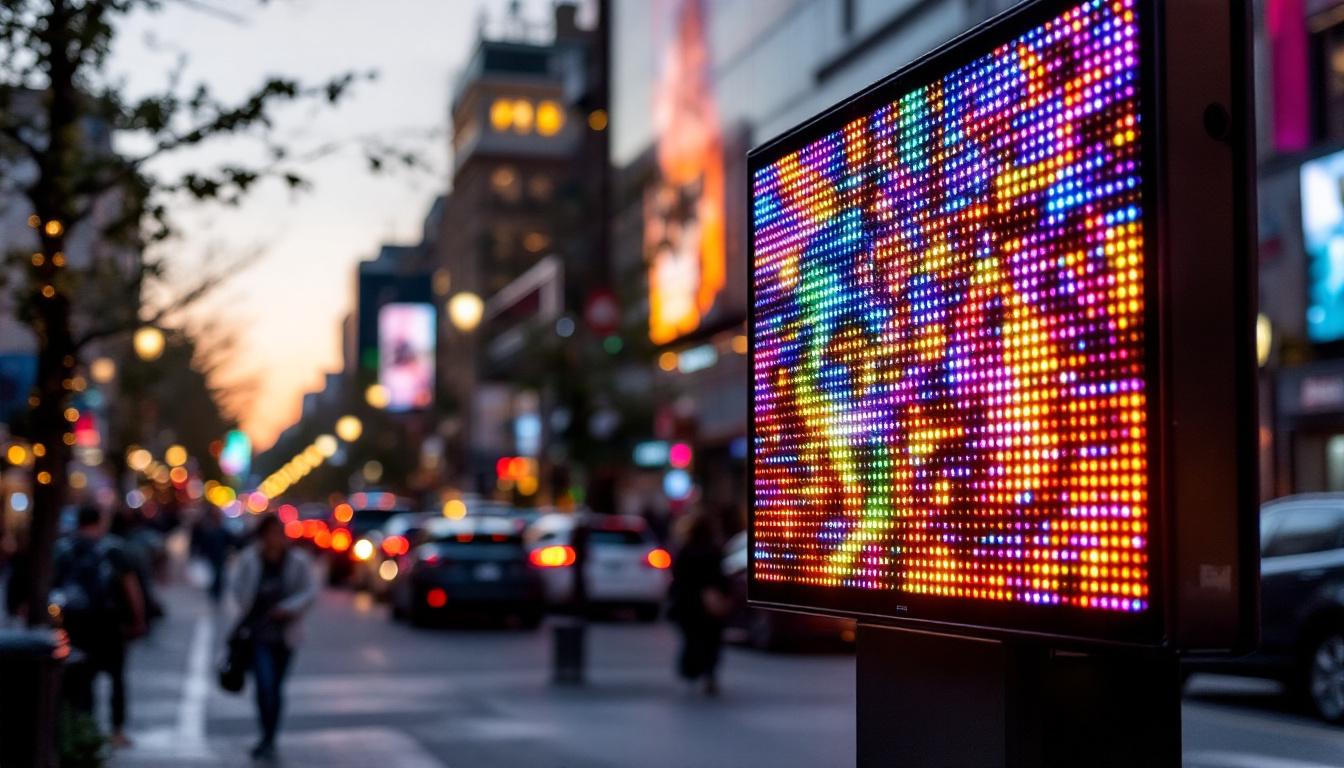
One of the most visible uses of LED displays is in outdoor advertising. Digital billboards equipped with high-brightness LEDs can be seen clearly even in direct sunlight, making them highly effective for marketing campaigns. According to recent industry reports, the global digital out-of-home advertising market is expected to grow at a compound annual growth rate (CAGR) of over 10% through 2027, driven largely by advancements in LED technology.
These displays allow advertisers to change content in real-time, enabling targeted and timely promotions. The ability to display video, animations, and interactive content significantly enhances audience engagement compared to traditional static billboards.
Sports and Entertainment Venues
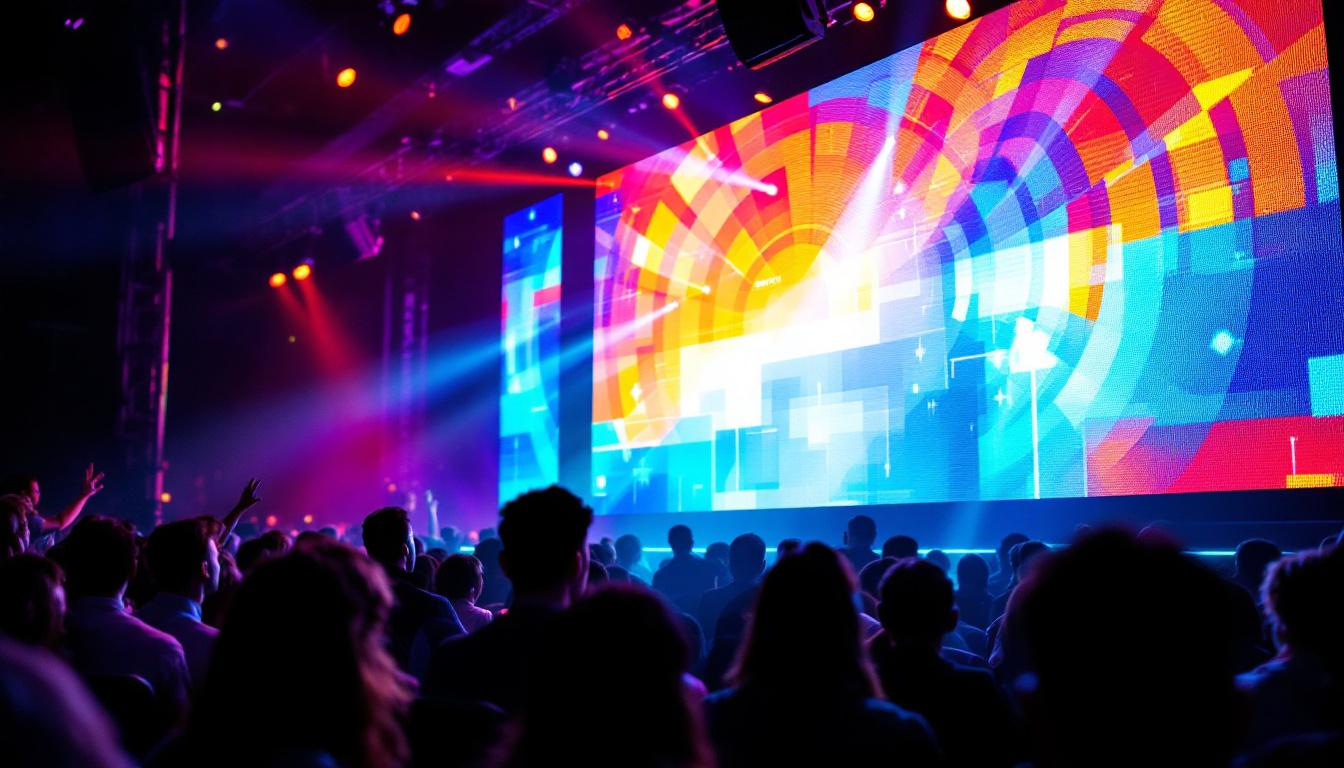
Stadiums and arenas utilize large-scale LED screens to provide spectators with live feeds, replays, and interactive content. The high refresh rates and vibrant colors of LED displays improve the viewing experience, even from distant seats.
Additionally, concert stages often incorporate LED walls as dynamic backdrops, creating immersive visual effects that synchronize with performances. The flexibility and modularity of LED panels allow for custom shapes and sizes, catering to creative design requirements.
Retail and Corporate Environments
In retail spaces, LED displays are used for digital signage, product promotions, and interactive kiosks. Their bright, eye-catching visuals attract customers and can be updated instantly to reflect new offers or inventory changes.
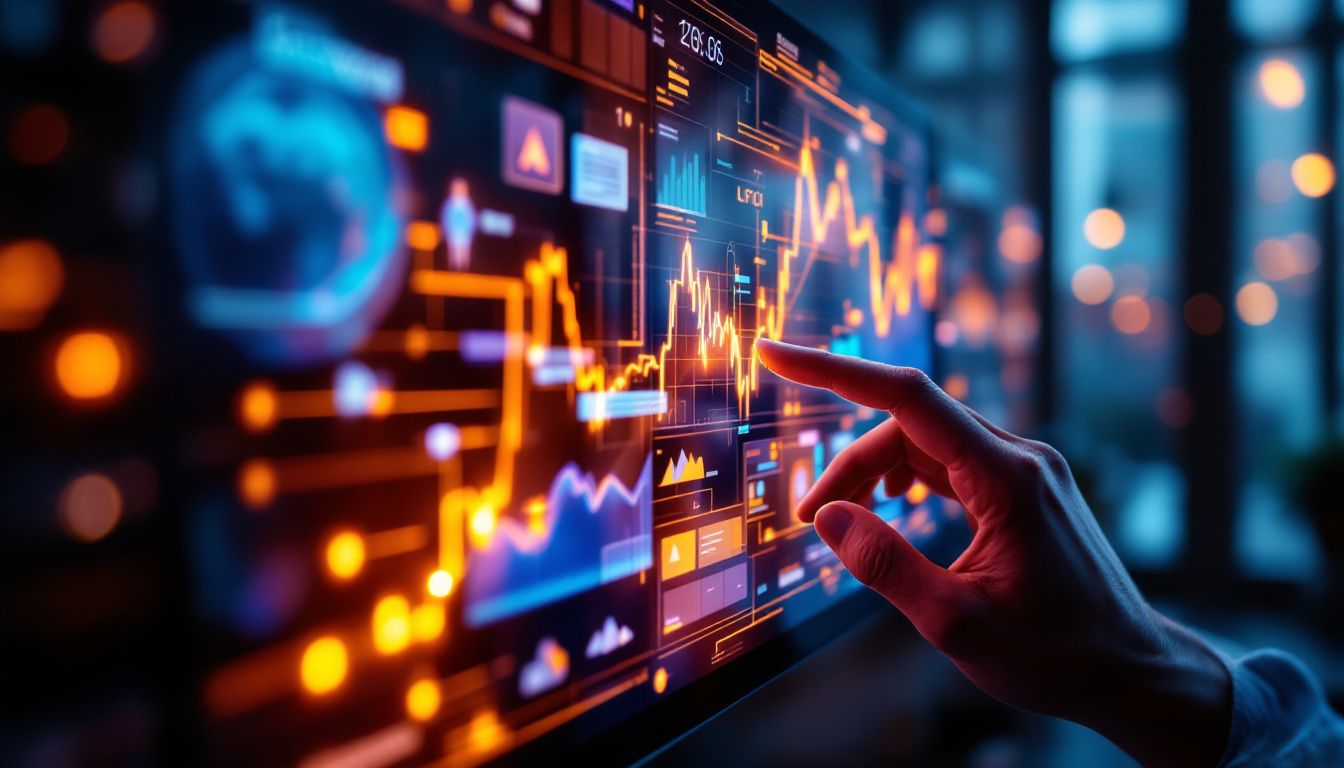
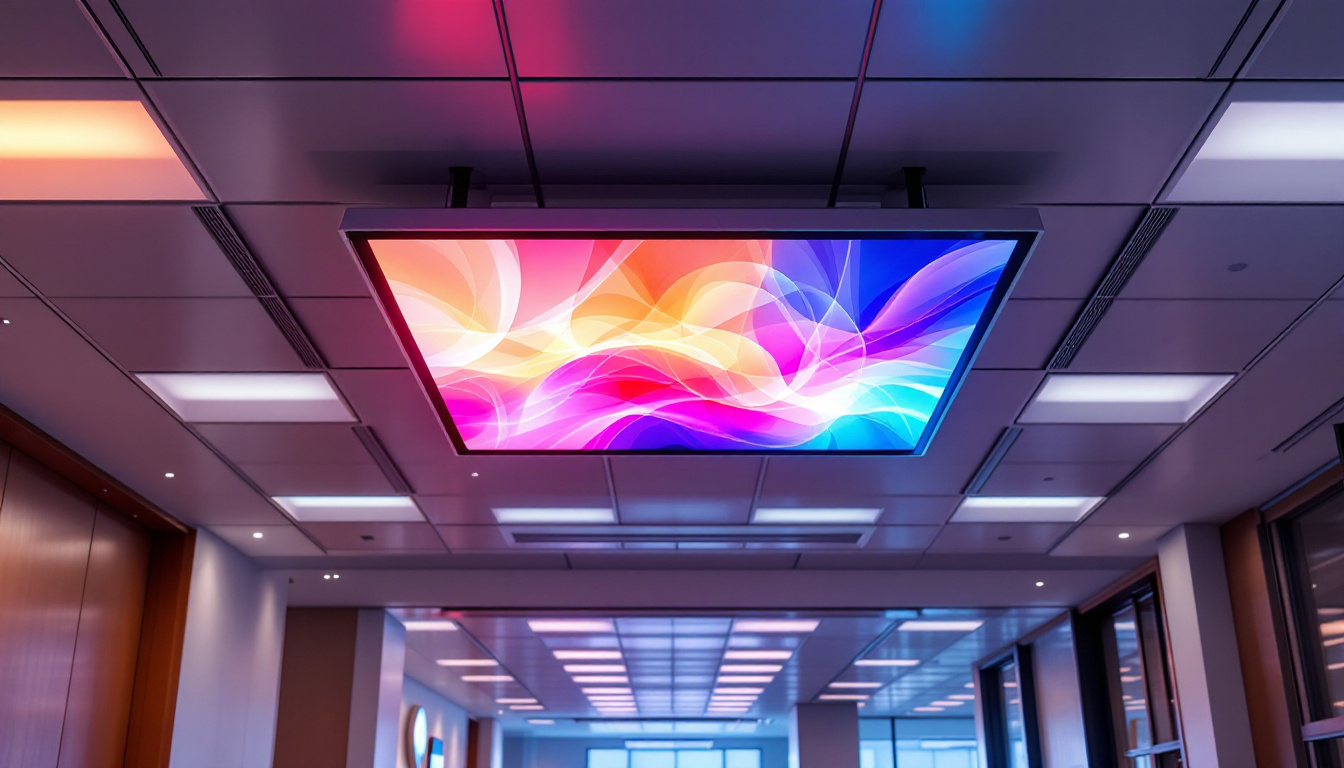
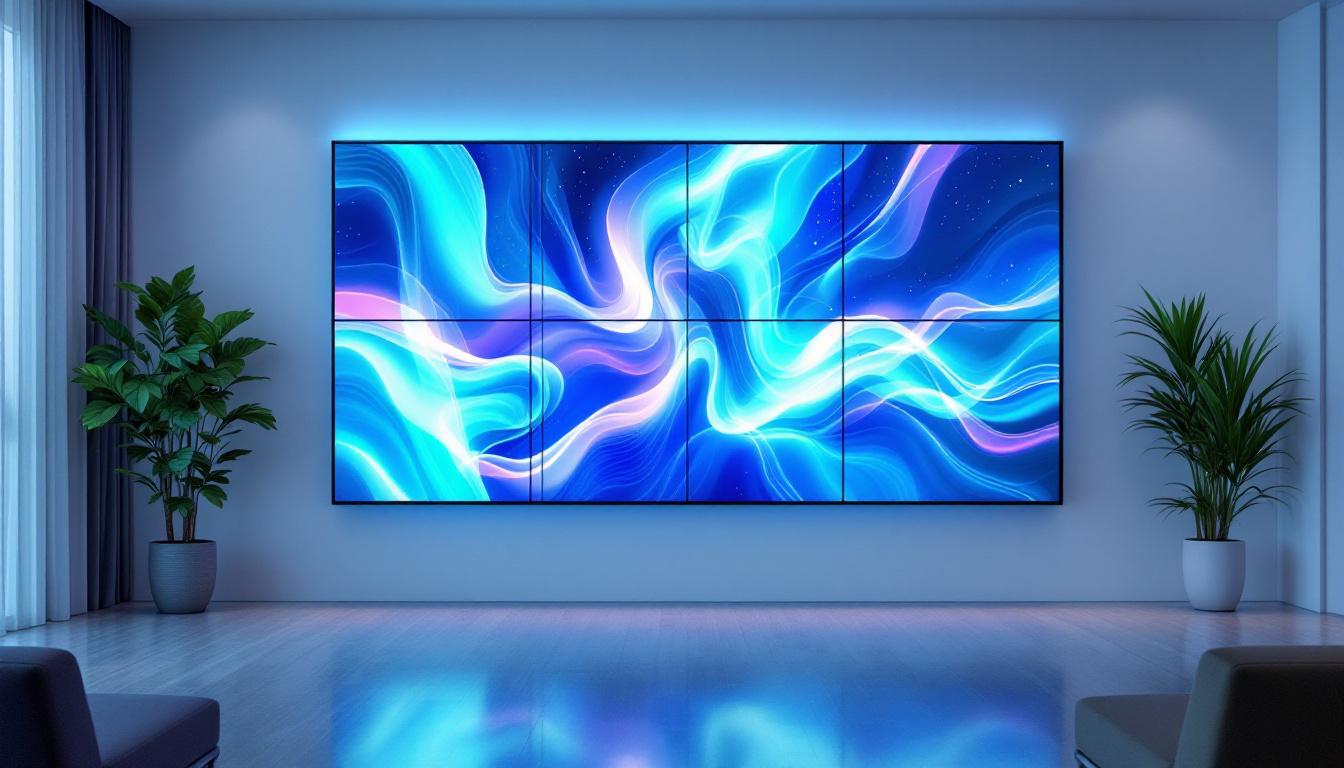
Corporate offices use LED video walls in conference rooms and lobbies to showcase branding, presentations, and real-time data dashboards. These displays facilitate communication and create a modern, professional atmosphere.
Advantages of LED Displays
Several key benefits have driven the widespread adoption of LED display technology:
Energy Efficiency
LEDs consume significantly less power than traditional incandescent or fluorescent lighting. For example, LED-backlit LCD TVs use up to 40% less energy than their CCFL-backlit counterparts. This efficiency translates into lower operating costs and reduced environmental impact, which is increasingly important for businesses aiming to meet sustainability goals.
Brightness and Visibility
LED displays can achieve brightness levels exceeding 5,000 nits, making them visible even in direct sunlight. This capability is critical for outdoor applications where ambient light conditions can vary dramatically throughout the day.
Longevity and Durability
LEDs have a long operational lifespan, often rated at 50,000 hours or more. They are also more resistant to shock and vibration compared to other lighting technologies, making LED displays reliable in harsh environments.
Design Flexibility
The modular nature of LED panels allows for custom configurations, including curved, flexible, and transparent displays. This versatility supports innovative design concepts and enables integration into diverse architectural settings.
Challenges and Considerations
Despite their many advantages, LED displays also present certain challenges that must be addressed to optimize performance and cost-effectiveness.
Initial Investment
The upfront cost of high-quality LED displays can be substantial, especially for large-scale installations. However, this initial expense is often offset by lower maintenance and energy costs over the display’s lifetime.
Pixel Pitch and Viewing Distance
Choosing the appropriate pixel pitch is crucial. A display with a large pixel pitch may appear pixelated when viewed up close, while a very fine pixel pitch increases cost and complexity. Understanding the typical viewing distance helps in selecting the right resolution for the application.
Heat Management
LEDs generate heat during operation, which can affect performance and lifespan if not properly managed. High-quality LED displays incorporate effective heat dissipation mechanisms such as heat sinks and cooling fans to maintain optimal operating temperatures.
The Future of LED Display Technology
Innovations in LED technology continue to push the boundaries of what is possible in display performance and applications. Emerging trends include microLED displays, which offer even higher resolution and brightness with lower power consumption, and flexible LED panels that can be integrated into wearable devices and curved surfaces.
Integration with Internet of Things (IoT) technology is also expanding the capabilities of LED displays, enabling real-time data visualization and interactive experiences tailored to individual users.
As LED manufacturing processes improve and costs decrease, it is expected that LED displays will become even more ubiquitous, transforming communication and entertainment across industries.
Conclusion
LED displays represent a cornerstone of modern visual communication technology. Their unique combination of brightness, energy efficiency, durability, and design flexibility makes them suitable for a vast array of applications, from advertising and entertainment to retail and corporate environments.
Understanding the fundamentals of how LED displays work, their advantages, and the challenges involved is essential for businesses and professionals looking to leverage this technology effectively. As LED innovations continue to advance, the potential for more immersive and dynamic visual experiences will only grow, shaping the future of digital display technology.
Explore Cutting-Edge LED Solutions with LumenMatrix
Ready to elevate your visual communication strategy with the latest in LED display technology? LumenMatrix offers a comprehensive range of innovative LED solutions tailored to meet your needs. From captivating Indoor and Outdoor LED Wall Displays to dynamic Vehicle and Sports LED Displays, our products are designed to enhance brand visibility and engage your audience. Discover the transformative power of LED Poster Displays, Floor LED Displays, Custom LED Solutions, and our All-in-One LED Displays, including the revolutionary LED Transparent Display. Embrace the future of digital signage with LumenMatrix and create unforgettable visual experiences. Check out LumenMatrix LED Display Solutions today and see your message come to life with unparalleled clarity and impact.