In recent years, the entertainment industry has witnessed a revolutionary shift in how films, television shows, and commercials are produced. Central to this transformation is the rise of virtual production techniques, with LED display technology playing a pivotal role. This article delves into the fundamentals of LED displays in virtual production, exploring their technology, applications, benefits, and future potential.
Understanding Virtual Production and Its Evolution
Virtual production is a filmmaking technique that integrates computer-generated imagery (CGI) with live-action footage in real time. Unlike traditional green screen methods, virtual production allows filmmakers to visualize and interact with digital environments on set, providing immediate feedback and creative flexibility.
The evolution of virtual production has been fueled by advances in real-time rendering engines, motion capture, and, crucially, LED display technology. The ability to project dynamic, high-resolution backgrounds directly onto LED walls has opened new avenues for immersive storytelling and streamlined production workflows. This innovative approach not only enhances the visual quality of the film but also allows for greater collaboration among departments, as directors, cinematographers, and production designers can make real-time adjustments to the environment and lighting, fostering a more cohesive creative vision.
The Shift from Green Screens to LED Walls
Green screen technology has been a staple in filmmaking for decades, enabling the compositing of actors into digital backgrounds during post-production. However, it often presents challenges such as lighting mismatches, reflections, and the need for extensive post-processing. These issues can detract from the overall quality of the film, as the final product may not seamlessly blend the live-action and CGI elements.
LED walls, by contrast, display the background environment live on set, providing natural lighting and reflections on actors and props. This real-time integration enhances realism and reduces the time and cost associated with traditional compositing techniques. Furthermore, the use of LED walls allows for a more dynamic shooting environment, where filmmakers can easily change backgrounds or adjust the scene’s mood with a simple software tweak. This adaptability not only saves time during production but also encourages creative experimentation, as directors can visualize different scenarios without the logistical constraints of location shooting or extensive post-production work.
Technical Foundations of LED Displays in Virtual Production
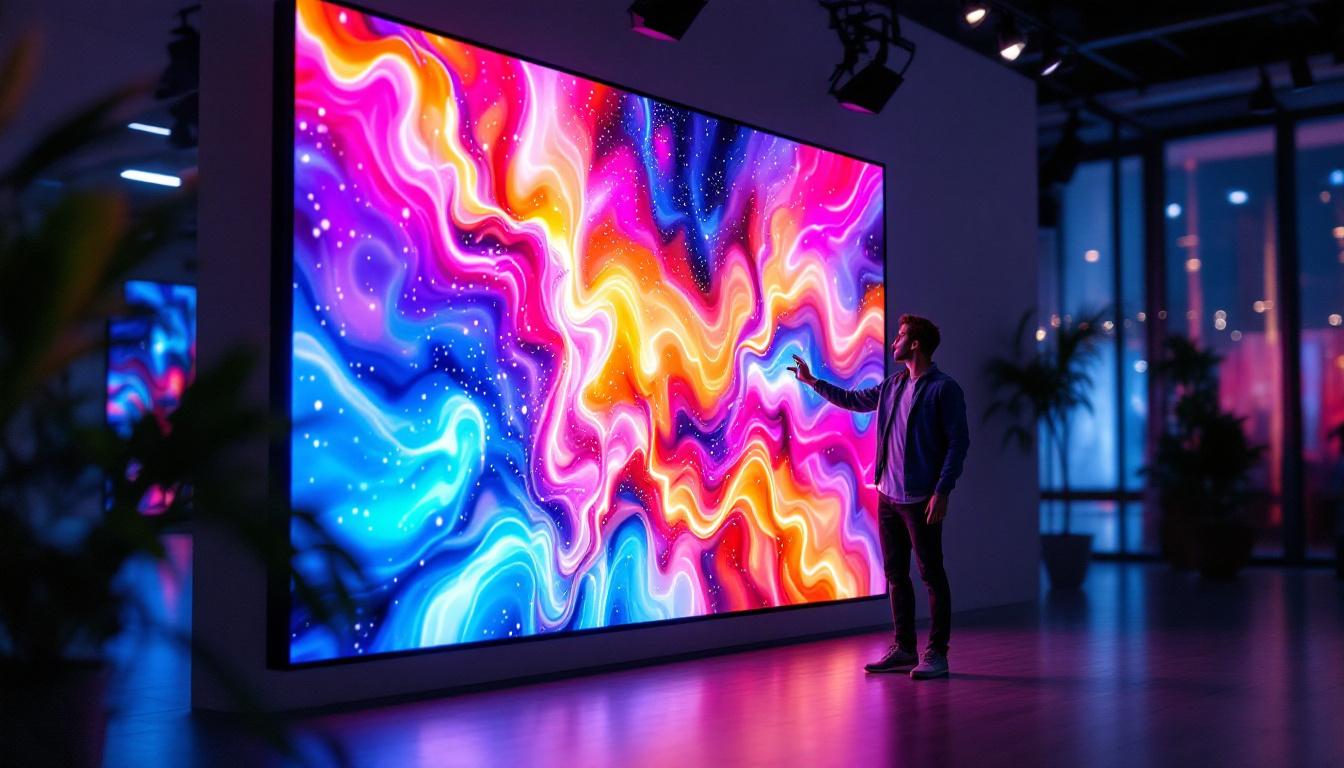
LED displays used in virtual production are not the typical screens found in consumer electronics. They are large-scale, high-resolution panels designed for seamless integration and optimal visual performance on set. These displays have revolutionized the way filmmakers approach storytelling, allowing for immersive environments that can be altered in real-time, providing a level of flexibility and creativity that traditional green screens simply cannot match.
How LED Displays Work
LED stands for Light Emitting Diode. Each LED panel consists of thousands of tiny diodes that emit light when an electric current passes through them. By controlling the intensity and color of each diode, the panels can produce vibrant, true-to-life images. This capability is particularly advantageous in virtual production, where the need for dynamic backgrounds can shift rapidly, requiring immediate visual updates that are both high-quality and realistic.
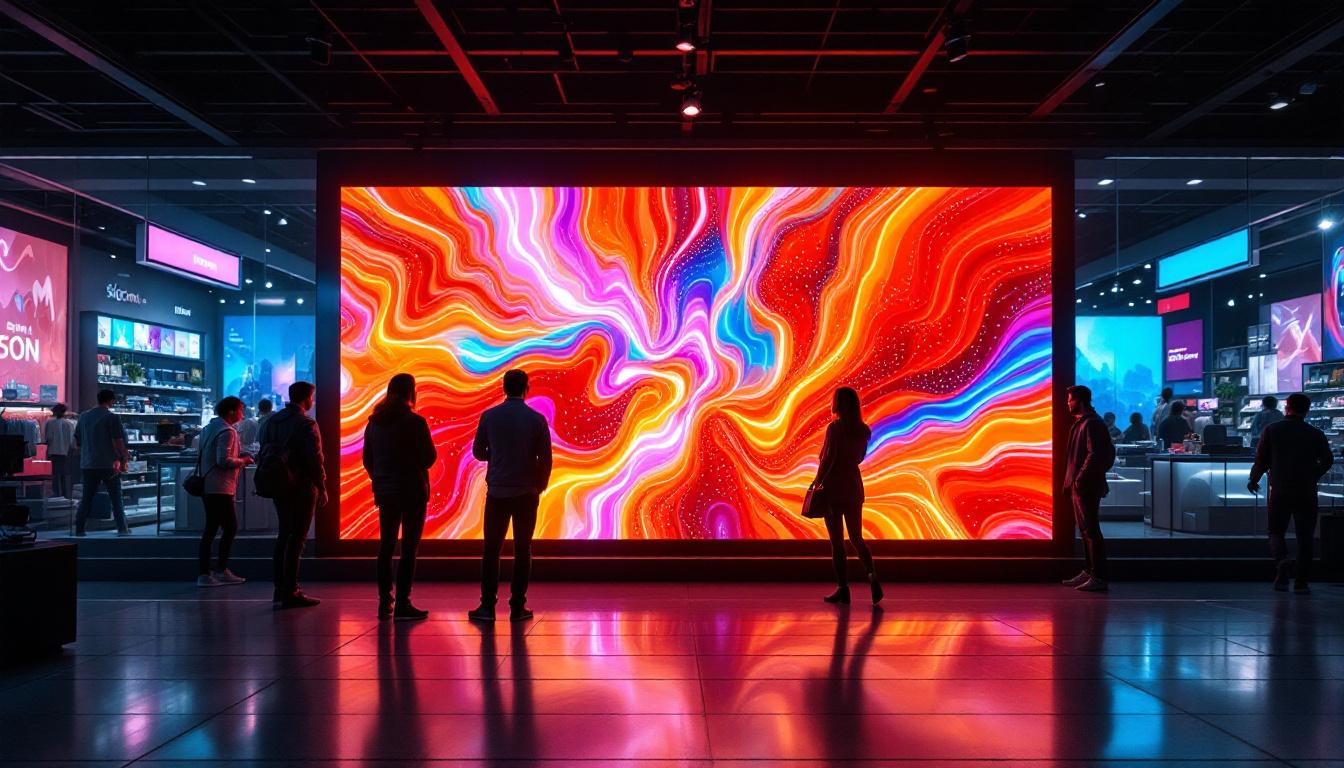
In virtual production, these panels are assembled into massive walls or curved volumes that surround the actors and camera. The content displayed is generated by real-time rendering engines, such as Unreal Engine, which update the visuals based on camera movement and scene changes. This synchronization between the physical and virtual worlds allows for a more cohesive performance from actors, who can interact with their surroundings in a way that feels authentic and engaging.
Key Specifications and Considerations
Several technical factors influence the effectiveness of LED displays in virtual production:
- Resolution and Pixel Pitch: Pixel pitch refers to the distance between individual LEDs. A smaller pixel pitch results in higher resolution and sharper images, which is critical for close-up shots. This precision is vital in ensuring that the audience remains immersed in the narrative without being distracted by pixelation or blurriness.
- Brightness and Contrast: LED walls must be bright enough to compete with studio lighting while maintaining high contrast to preserve image depth and detail. This balance is crucial, especially in scenes that require a dramatic interplay of light and shadow, as it enhances the overall visual storytelling.
- Color Accuracy: Accurate color reproduction ensures that the virtual environment looks natural and consistent with the physical set. Advanced calibration techniques are often employed to ensure that the colors displayed on the LED panels match the intended artistic vision, which can be particularly challenging in scenes with varied lighting conditions.
- Refresh Rate and Latency: High refresh rates and low latency are essential to prevent flickering and motion artifacts, especially when the camera or actors move rapidly. This technical requirement is critical for maintaining the illusion of reality, as any lag or delay can disrupt the viewer’s experience and detract from the immersive quality of the production.
Moreover, the integration of LED displays in virtual production also necessitates a robust infrastructure to support the high data throughput required for real-time rendering. This includes powerful graphics processing units (GPUs) and optimized networking solutions that can handle the demands of streaming high-resolution content without interruption. As technology continues to advance, the potential for even more sophisticated applications of LED displays in filmmaking grows, promising an exciting future for both creators and audiences alike.
Applications of LED Displays in Virtual Production
The versatility of LED display technology has made it a game-changer across various sectors within the entertainment industry.
Feature Films and Television
Major productions have embraced LED virtual production to create immersive environments without the need for on-location shoots. For example, the groundbreaking use of LED volumes in the production of “The Mandalorian” demonstrated how expansive digital worlds could be rendered live on set, reducing reliance on post-production VFX and enabling actors to perform within realistic settings.
This approach not only enhances creative control but also mitigates logistical challenges and costs associated with travel and weather-dependent shoots.
Commercials and Advertising
LED displays enable advertisers to produce visually striking content with greater efficiency. The ability to switch backgrounds instantly and customize environments in real time allows for rapid iteration and tailored messaging, which is invaluable in fast-paced marketing campaigns.
Live Events and Broadcasts
Beyond pre-recorded content, LED walls are increasingly used in live broadcasts and events to create dynamic backdrops that respond to the performance or audience interaction. This interactivity elevates the viewer experience and opens new creative possibilities.
Benefits of Using LED Displays in Virtual Production
Adopting LED display technology in virtual production offers numerous advantages that address many traditional filmmaking challenges.
Enhanced Realism and Immersion
By projecting realistic environments with accurate lighting and reflections, LED walls help actors immerse themselves in the scene, often leading to more authentic performances. The seamless blend of physical and digital elements also results in a more convincing final image.
Improved Production Efficiency
Virtual production with LED displays reduces the need for location shoots and extensive post-production compositing. Directors and cinematographers can see final or near-final visuals during filming, enabling faster decision-making and fewer reshoots.
Creative Flexibility
The ability to change environments instantly without physical set changes empowers creative teams to experiment with different settings and lighting conditions on the fly. This flexibility fosters innovation and can significantly enhance storytelling.
Cost Savings
While the initial investment in LED volume infrastructure can be substantial, the long-term savings from reduced travel, set construction, and post-production work can be significant. Additionally, faster turnaround times can lead to more projects completed within the same timeframe.
Challenges and Limitations of LED Display Virtual Production
Despite its many benefits, LED display technology in virtual production is not without challenges.
High Initial Costs and Technical Complexity
Setting up an LED volume requires substantial capital investment in hardware, software, and skilled personnel. The complexity of synchronizing real-time rendering with camera tracking and LED display output demands specialized expertise.
Physical Space Requirements
LED volumes occupy considerable studio space, which may not be feasible for smaller production companies or independent filmmakers. The size of the LED wall also limits the scale of the virtual environment that can be displayed.
Technical Limitations
Issues such as moiré patterns, color calibration drift, and latency can affect image quality. Continuous advancements in panel technology and software optimization are addressing these concerns, but they remain factors to consider.
The Future of LED Displays in Virtual Production
As technology continues to advance, the role of LED displays in virtual production is expected to expand and evolve.
Increasing Accessibility and Affordability
With ongoing innovations and economies of scale, LED display systems are becoming more accessible to a broader range of productions. Modular and portable LED walls are emerging, enabling smaller studios and independent creators to leverage virtual production techniques.
Integration with Emerging Technologies
Future developments are likely to see tighter integration between LED displays, augmented reality (AR), and artificial intelligence (AI). For instance, AI-driven real-time rendering could enhance scene realism and automate complex visual effects, while AR could provide interactive elements for both actors and audiences.
Expanded Creative Possibilities
The continuous improvement in resolution, color fidelity, and panel flexibility will allow for even more immersive and photorealistic virtual environments. This progress will empower filmmakers to push the boundaries of visual storytelling in unprecedented ways.
Conclusion
LED display technology has become a cornerstone of modern virtual production, transforming how visual content is created and experienced. By enabling real-time, high-fidelity digital environments on set, LED walls offer filmmakers unparalleled creative control, efficiency, and realism. While challenges remain, ongoing technological advancements promise to make this approach increasingly accessible and versatile.
For professionals in the entertainment industry, understanding the capabilities and limitations of LED displays in virtual production is essential to harnessing their full potential and staying at the forefront of cinematic innovation.
Discover the Future of Visual Storytelling with LumenMatrix
As you explore the transformative power of LED display technology in virtual production, take the next step with LumenMatrix. Our commitment to innovation positions us at the forefront of creating immersive visual experiences that captivate and engage. From Indoor and Outdoor LED Wall Displays to specialized solutions like Vehicle, Sports, and Floor LED Displays, LumenMatrix offers a comprehensive range of cutting-edge products designed to bring your creative vision to life. Check out LumenMatrix LED Display Solutions today and join the revolution in visual communication.