In the realm of modern display technology, LED screens have become ubiquitous—from smartphones and televisions to massive outdoor billboards and stadium screens. At the core of these displays lies the concept of pixel format, a critical factor that influences image quality, color accuracy, and overall visual experience. Understanding pixel format is essential for professionals in display manufacturing, digital signage, and content creation, as well as for consumers seeking to make informed decisions about their devices.
What Is Pixel Format in LED Displays?
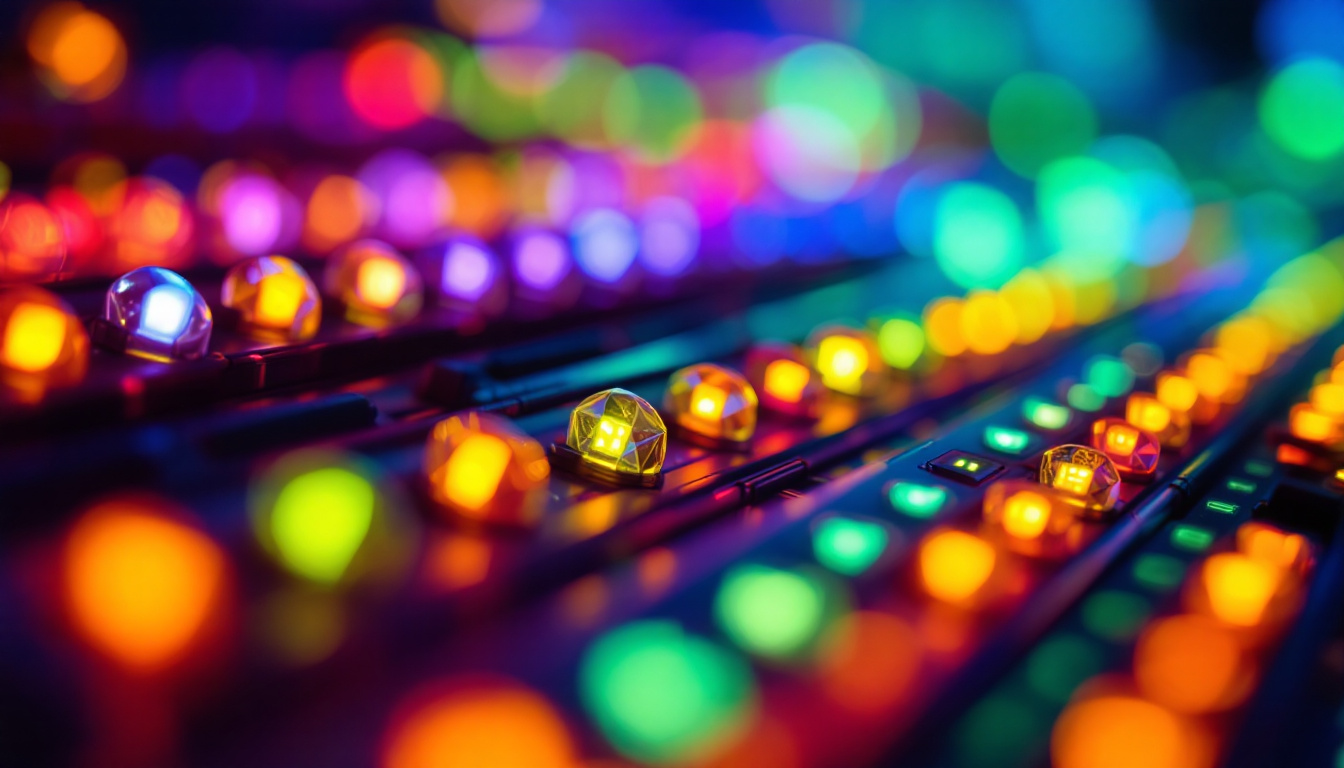
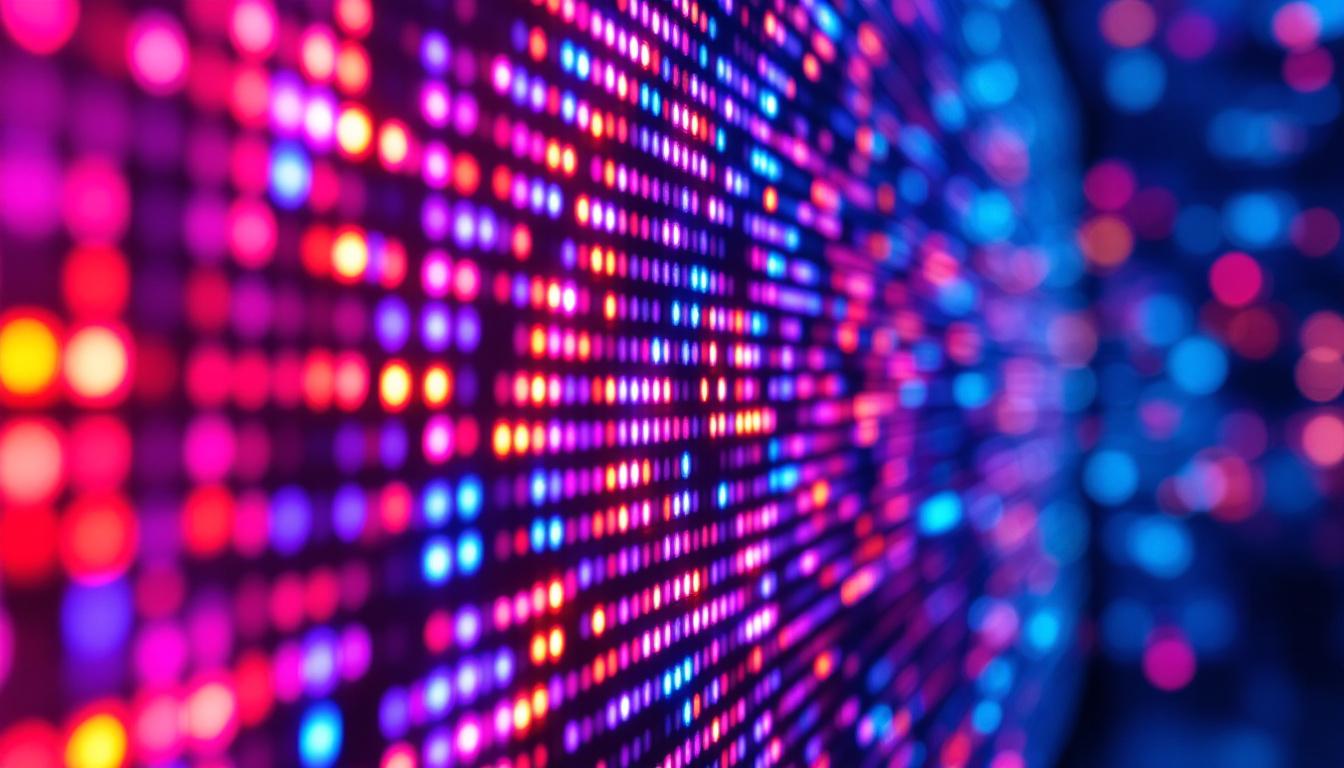
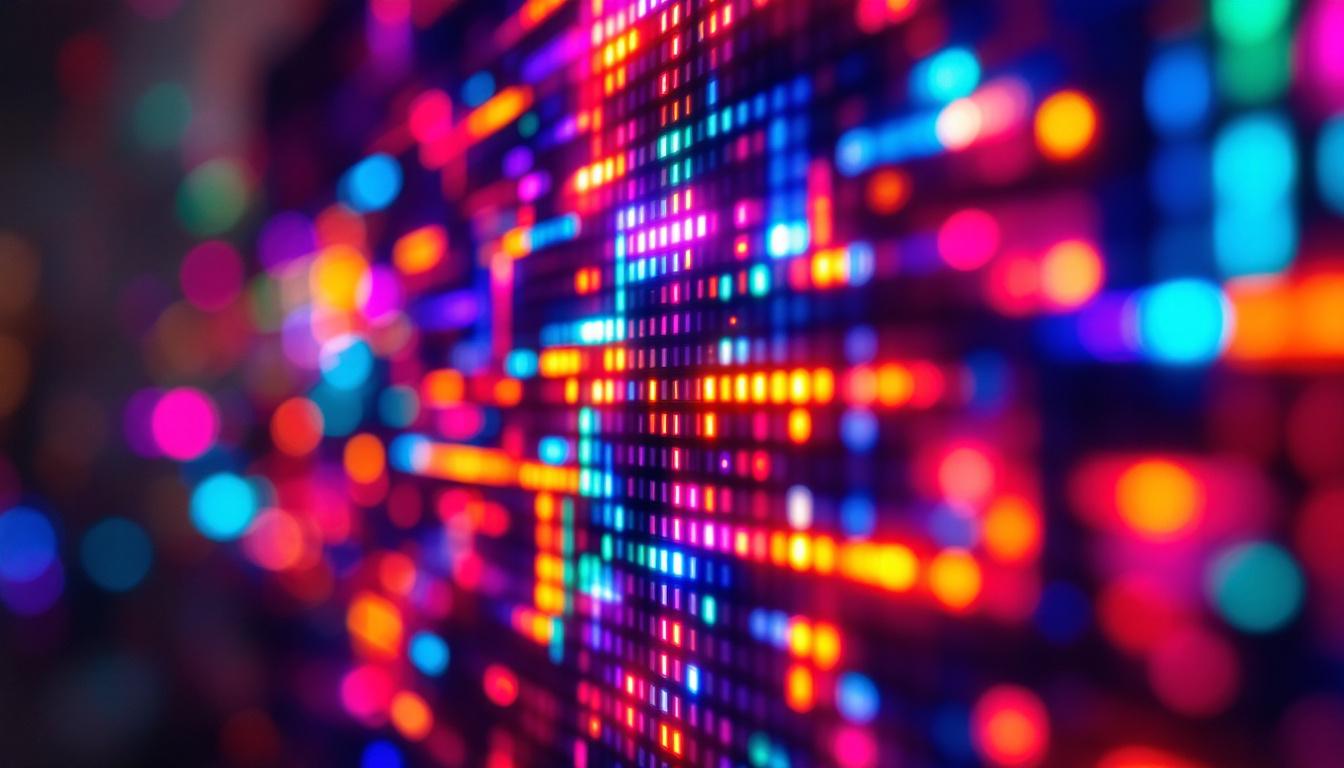
Pixel format refers to the way individual pixels on an LED display are arranged, structured, and encoded to represent colors and brightness levels. Each pixel is composed of subpixels—typically red, green, and blue LEDs—that combine to produce the full spectrum of colors visible on the screen. The pixel format dictates how these subpixels are organized and how the display processes incoming image data.
Unlike traditional LCDs that rely on liquid crystals and backlights, LED displays emit light directly from each pixel, offering higher brightness and contrast ratios. However, this direct emission also means that the pixel format must be carefully designed to optimize color mixing and minimize artifacts such as color fringing or pixelation. The precision in pixel arrangement not only enhances visual quality but also plays a crucial role in the display’s performance in various lighting conditions, making it essential for applications ranging from indoor environments to outdoor advertising.
Common Pixel Formats in LED Displays
Several pixel formats are prevalent in LED display technology, each with unique characteristics and applications:
- RGB Stripe: The most straightforward format, where red, green, and blue subpixels are arranged in vertical stripes. This format is common in high-resolution displays and offers excellent color accuracy. It is particularly favored in applications where fine detail and vibrant colors are paramount, such as in digital signage and high-end televisions.
- RGBW (Red, Green, Blue, White): Adds a white subpixel to increase brightness and improve energy efficiency. While it can enhance luminance, it requires sophisticated color processing to maintain color fidelity. This format is particularly useful in environments where high brightness is necessary, such as in outdoor displays that must compete with sunlight.
- PenTile Matrix: Uses an arrangement where subpixels are shared between adjacent pixels, reducing the number of subpixels needed. This format is often found in OLED displays but is also used in some LED modules to reduce cost and power consumption. The PenTile matrix can provide a more efficient use of space and resources, making it a popular choice in mobile devices and compact displays.
- SMD (Surface-Mounted Device): Refers more to the physical mounting of LEDs but often correlates with pixel pitch and arrangement, affecting pixel format indirectly. SMD technology allows for more compact designs and is widely used in large-scale displays, such as those found in stadiums and concert venues, where space and weight are critical factors.
Understanding pixel formats is essential for manufacturers and consumers alike, as it influences not only the visual quality of the display but also its suitability for various applications. For instance, in environments where viewing angles are critical, such as in control rooms or broadcast studios, certain pixel formats may perform better than others. Additionally, advancements in pixel technology continue to evolve, leading to new formats that enhance color accuracy, reduce power consumption, and improve overall display performance. As the demand for high-quality visual experiences grows, the importance of pixel format in LED displays will only become more pronounced, driving innovation in the industry.
Why Pixel Format Matters for LED Display Performance
The pixel format has a direct impact on several key performance metrics of LED displays:
Color Accuracy and Reproduction
Accurate color reproduction depends on the precise control of each subpixel’s intensity. The pixel format determines how colors are mixed and displayed. For example, RGB stripe formats allow for straightforward color calibration, whereas RGBW formats require complex algorithms to balance the white subpixel’s contribution without washing out colors.
In professional environments such as broadcast studios or digital art displays, color accuracy is paramount. Displays with optimized pixel formats and advanced color management systems can reproduce over 90% of the DCI-P3 color gamut, which is the industry standard for digital cinema.
Resolution and Pixel Density
Pixel format influences the effective resolution and perceived sharpness of the display. A well-designed pixel format maximizes pixel density without causing visual artifacts. For instance, a 4K LED display with a fine pixel pitch (distance between pixels) and an RGB stripe format will deliver crisp images suitable for close viewing distances.
Conversely, outdoor LED billboards often use larger pixel pitches and different pixel formats optimized for visibility from afar rather than fine detail. Understanding the pixel format helps in selecting the right display for the intended viewing environment.
Brightness and Power Efficiency
Incorporating a white subpixel in the pixel format (RGBW) can significantly boost brightness while reducing power consumption. This is particularly advantageous for outdoor displays exposed to direct sunlight, where high luminance is necessary for readability.
However, the trade-off is the complexity of maintaining color accuracy, as the white subpixel can dilute color saturation if not properly managed. Manufacturers balance these factors by designing pixel formats that optimize both brightness and color fidelity.
Technical Considerations in Designing Pixel Formats
Designing an effective pixel format for LED displays involves multiple technical challenges and considerations:
Pixel Pitch and Viewing Distance
Pixel pitch—the distance between the centers of adjacent pixels—directly correlates with pixel format design. Smaller pixel pitches allow for higher resolution and finer pixel formats, but increase manufacturing complexity and cost.
For example, indoor LED displays typically have pixel pitches ranging from 0.9 mm to 4 mm, enabling detailed images for close viewing. Outdoor displays might have pixel pitches of 10 mm or more, where pixel format prioritizes visibility over fine detail.
Subpixel Arrangement and Color Mixing
The geometric arrangement of subpixels affects how colors blend at different viewing angles and distances. Some advanced pixel formats use diagonal or triangular arrangements to improve color uniformity and reduce moiré patterns.
Additionally, the physical size and intensity of each subpixel must be calibrated to ensure balanced color output. Unequal subpixel sizes can cause color shifts and reduce image quality.
Signal Processing and Data Encoding
Pixel format also dictates the data format used to drive the LEDs. Displays must decode incoming video signals and map them correctly to the physical pixel layout. Complex pixel formats, such as those incorporating white subpixels or non-standard arrangements, require sophisticated firmware and hardware to process image data accurately.
Advances in FPGA and ASIC technologies have enabled real-time color correction and pixel mapping, allowing manufacturers to implement innovative pixel formats without sacrificing performance.
Applications and Trends in Pixel Format Technology
The evolution of pixel format technology is closely tied to emerging applications and market demands:
High-Resolution Indoor Displays
In environments such as control rooms, conference centers, and retail spaces, high-resolution LED displays with fine pixel formats are becoming standard. These displays often use RGB stripe or advanced subpixel arrangements to deliver lifelike images and video content.
Recent innovations include microLED displays, which feature microscopic LEDs with extremely fine pixel pitches, pushing the boundaries of pixel format design to achieve unprecedented resolution and color performance.
Outdoor and Large-Scale Digital Signage
For outdoor advertising and public information displays, pixel formats prioritize brightness, durability, and energy efficiency. RGBW pixel formats are common here, as they provide the necessary luminance to combat sunlight glare.
Additionally, modular pixel formats allow for scalable display sizes, where individual LED panels with standardized pixel formats can be combined seamlessly to create massive video walls.
Wearable and Flexible Displays
Emerging applications such as wearable technology and flexible LED displays require novel pixel formats that accommodate curved surfaces and dynamic form factors. These pixel formats often involve irregular subpixel arrangements and adaptive driving schemes to maintain image quality despite physical deformation.
How to Choose the Right Pixel Format for Your LED Display
Selecting the appropriate pixel format depends on the intended use case, budget, and performance requirements. Consider the following factors:
Viewing Distance and Environment
For close-range viewing, such as in retail or corporate settings, prioritize fine pixel pitches and RGB stripe formats for sharp images and accurate colors. For outdoor or large venues, opt for pixel formats that enhance brightness and visibility, such as RGBW.
Content Type and Color Requirements
If your content demands high color fidelity—like digital art or broadcast video—choose pixel formats that support wide color gamuts and precise color calibration. For simpler content such as text or logos, more basic pixel formats may suffice.
Budget and Energy Efficiency
More complex pixel formats and finer pitches generally increase cost and power consumption. Assess the total cost of ownership, including maintenance and energy expenses, when making a decision.
Future Outlook: Innovations in Pixel Format Technology
As LED display technology continues to advance, pixel formats are evolving to meet new challenges and opportunities. Research into microLEDs and quantum dot LEDs promises even greater color accuracy, brightness, and energy efficiency.
Artificial intelligence and machine learning are also being integrated into display firmware to dynamically optimize pixel driving and color correction based on ambient conditions and content type.
Moreover, the rise of augmented reality (AR) and virtual reality (VR) is driving demand for ultra-high-resolution displays with novel pixel formats capable of delivering immersive, flicker-free visuals.
Conclusion
Pixel format is a foundational concept in LED display technology that profoundly affects image quality, color reproduction, brightness, and efficiency. By understanding the various pixel formats and their implications, professionals and consumers alike can make informed decisions about display selection and usage.
Whether designing a cutting-edge indoor video wall or selecting an outdoor digital billboard, appreciating the nuances of pixel format ensures that the final visual experience meets or exceeds expectations. As technology progresses, pixel formats will continue to innovate, enabling ever more vibrant and immersive displays in a wide range of applications.
Discover the Future of Visual Experience with LumenMatrix
As you consider the importance of pixel format in LED displays, remember that the right technology can transform your visual communication. LumenMatrix is at the forefront of this transformation, offering a wide array of LED display solutions tailored to your needs. From Indoor and Outdoor LED Wall Displays to innovative LED Sports and Floor Displays, our products are designed to captivate your audience and amplify your message. Experience the difference with LumenMatrix and revolutionize the way you engage with your viewers. Check out LumenMatrix LED Display Solutions today and step into the future of vibrant, immersive displays.