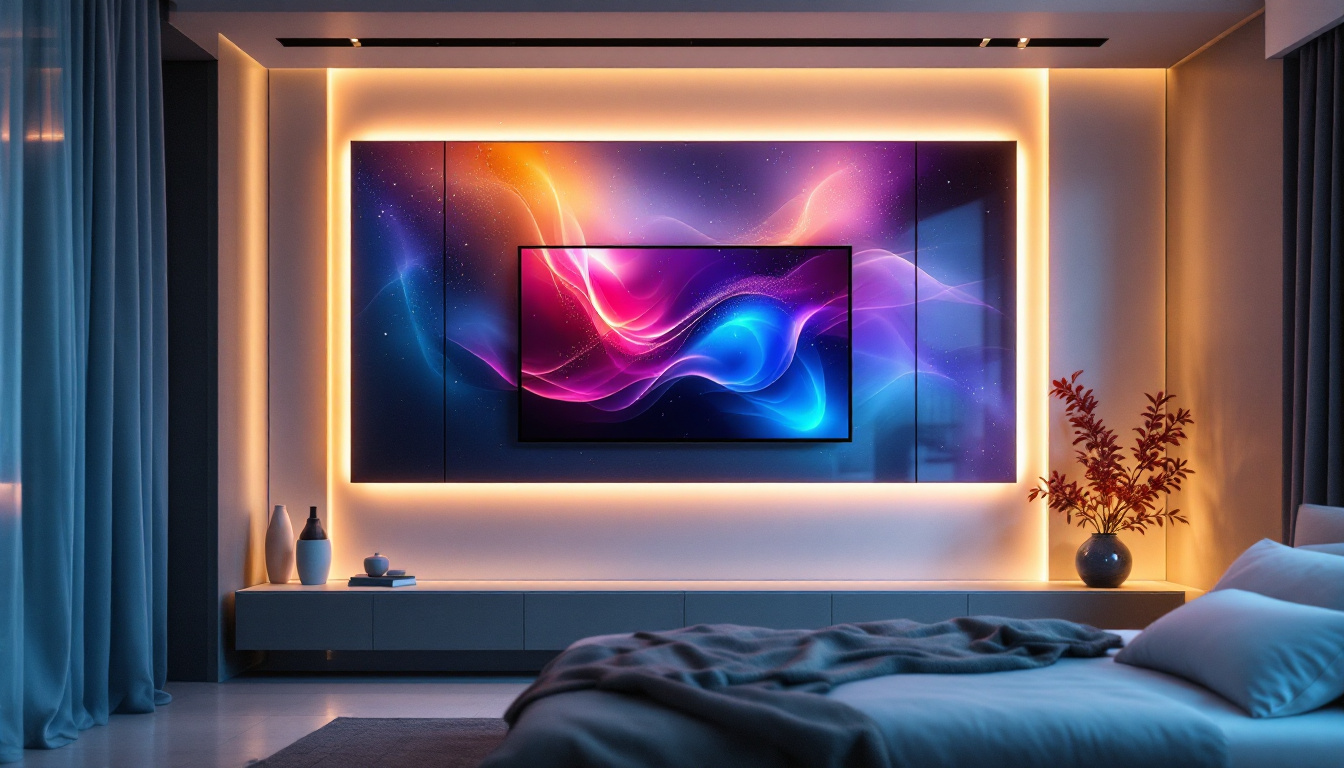
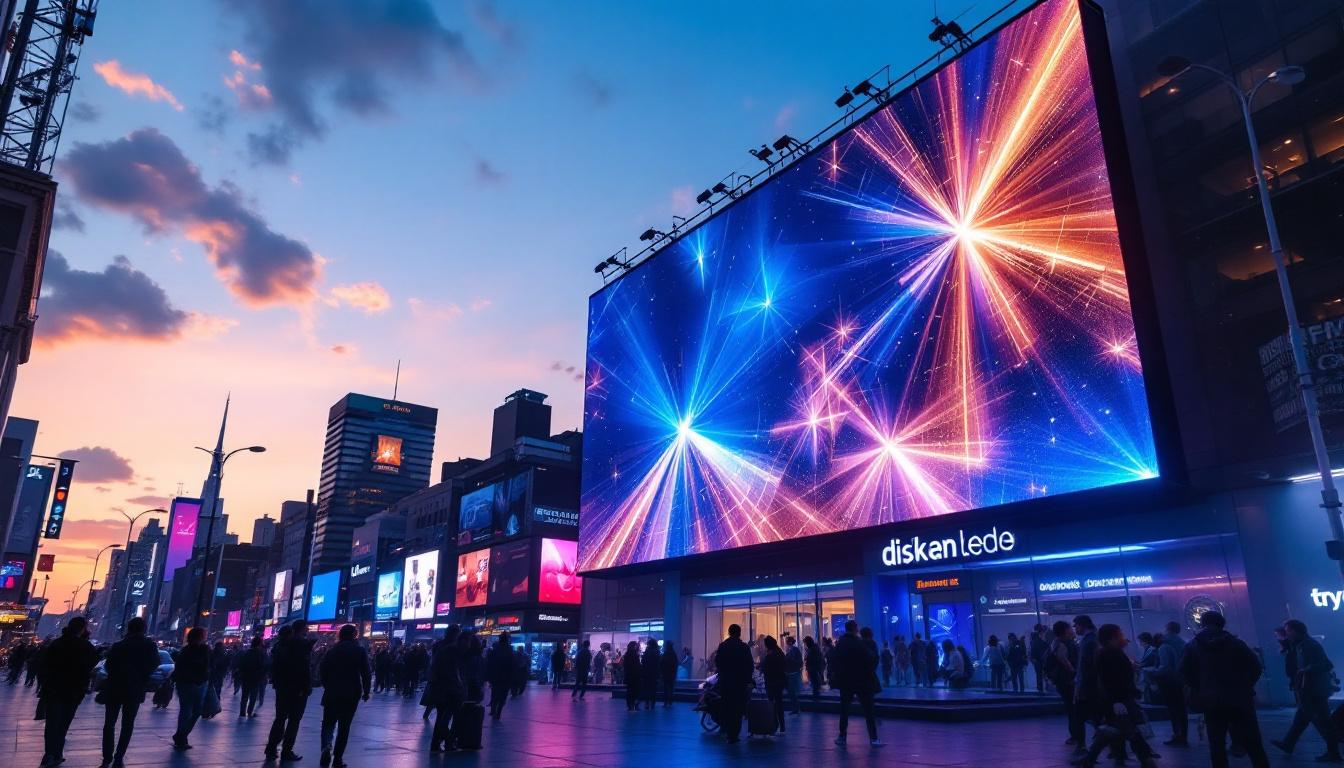
In today’s digital age, the demand for interactive and visually stunning display technologies continues to grow across various sectors—from education and corporate environments to retail and entertainment. Among these technologies, LED displays have emerged as a leading choice for delivering bright, clear, and responsive touch experiences. This article explores the fundamentals of LED display technology, the advantages it offers, and how it creates a clear touch experience that enhances user engagement and operational efficiency.
Understanding LED Display Technology
What Is an LED Display?
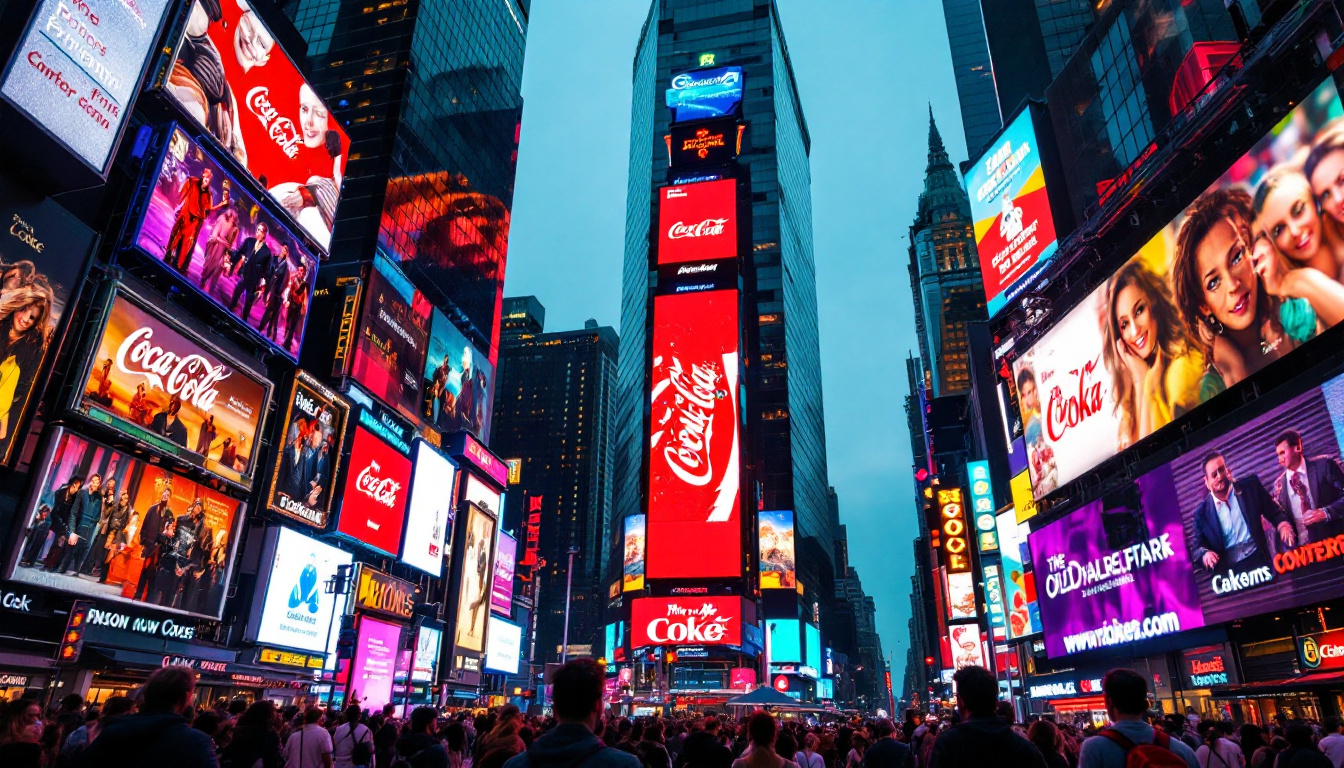
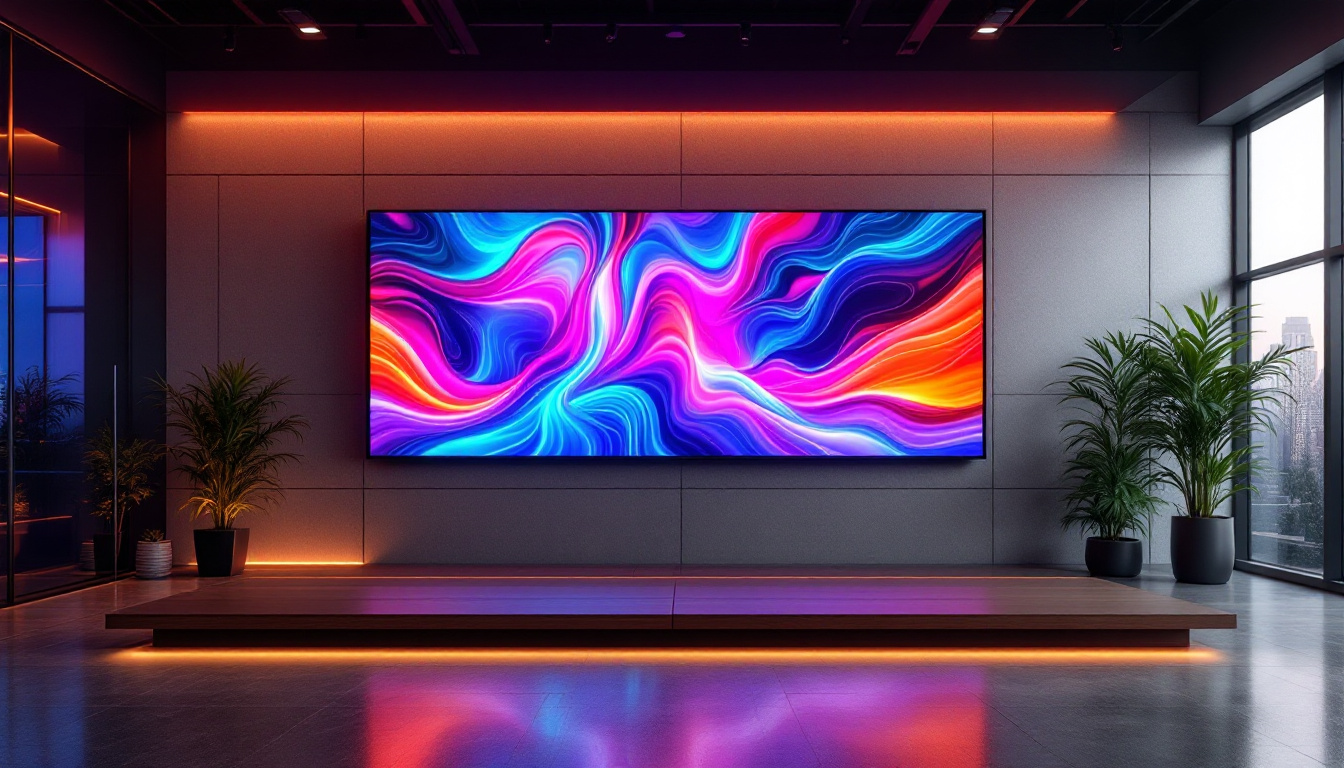
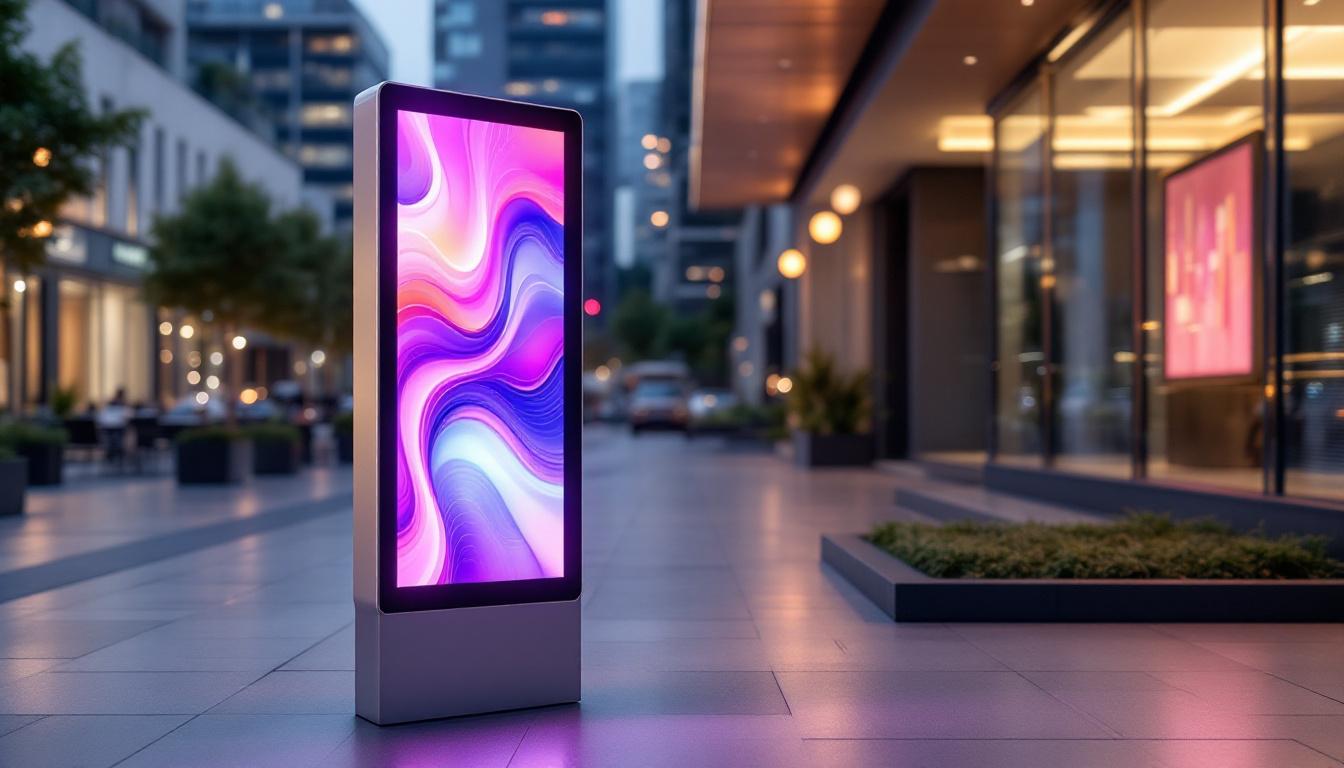
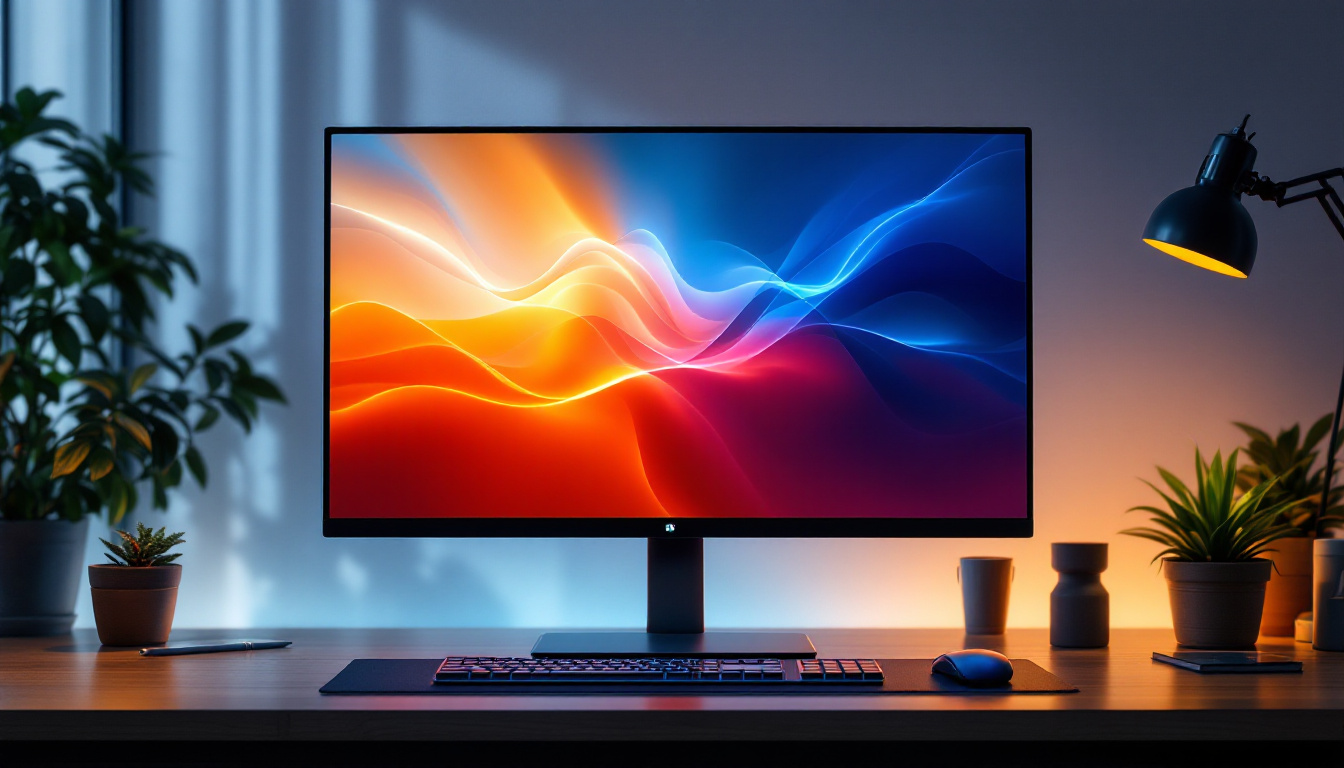
LED stands for Light Emitting Diode, a semiconductor device that emits light when an electric current passes through it. An LED display is a flat panel display that uses an array of LEDs as pixels to produce images, videos, and other visual content. These displays can be found in various forms, including large outdoor billboards, indoor video walls, and interactive touchscreens.
Unlike traditional LCD screens that rely on backlighting, LED displays generate their own light, resulting in higher brightness levels and better contrast ratios. This self-illumination allows LED displays to perform exceptionally well in bright environments, such as outdoor settings or well-lit conference rooms. The vibrant colors and sharp images produced by LED technology make it a popular choice for advertising, entertainment, and information dissemination, enhancing viewer engagement and experience.
Types of LED Displays
LED displays come in several configurations, each suited to different applications:
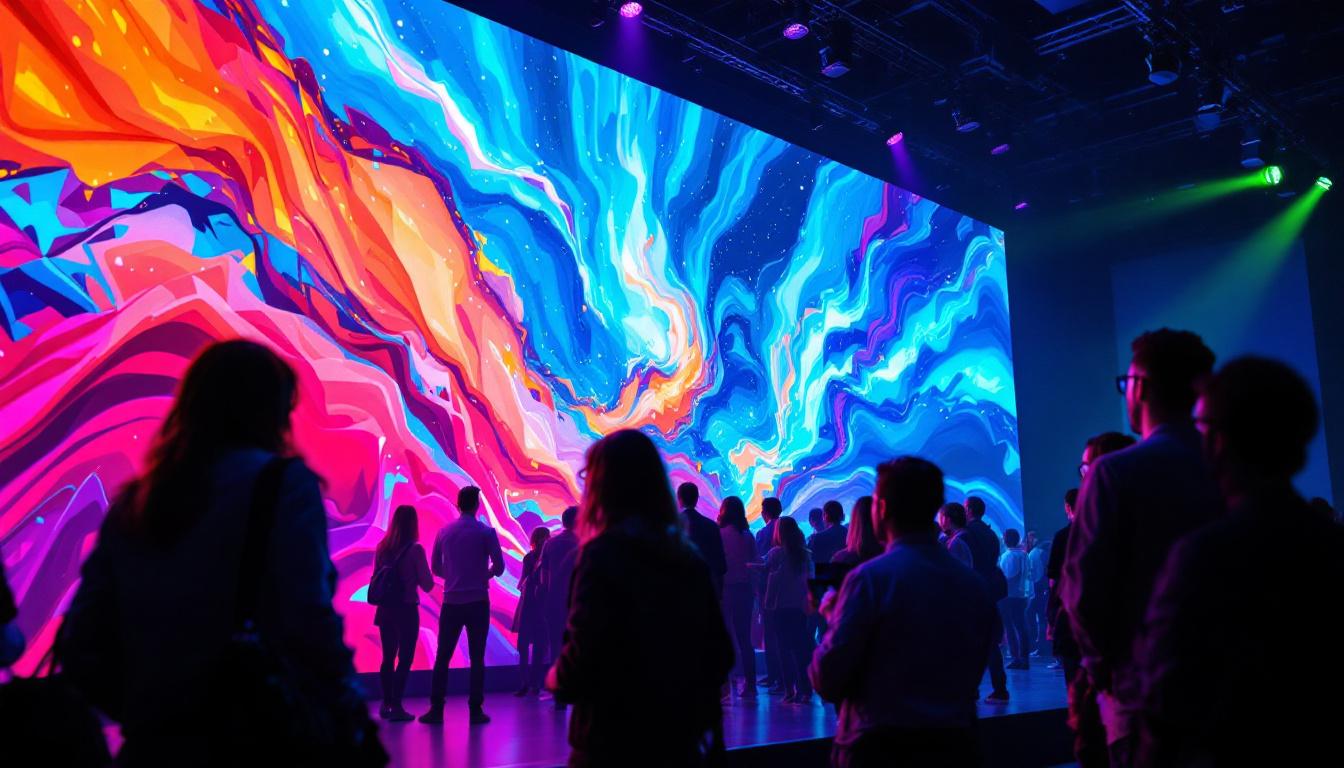
- Direct View LED (DVLED): Composed of individual LEDs arranged in a grid, these displays offer high brightness and are typically used for large-scale video walls and outdoor signage.
- Mini-LED: These displays use thousands of tiny LEDs as backlighting for LCD panels, improving contrast and color accuracy.
- Micro-LED: An emerging technology that integrates microscopic LEDs directly into the display surface, promising superior brightness, contrast, and energy efficiency.
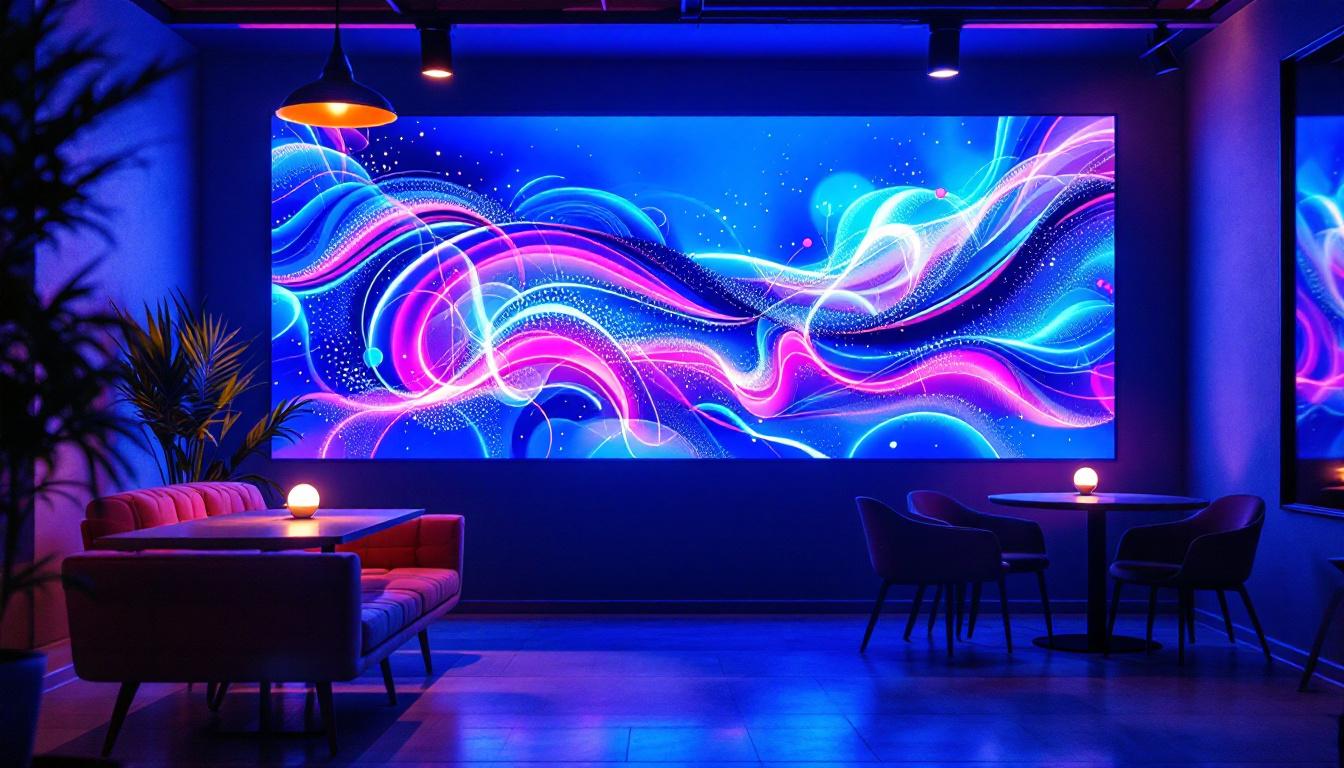
For touch-enabled LED displays, manufacturers often combine the LED panel with capacitive or infrared touch sensors to create an interactive experience. This integration allows users to engage with content in a dynamic way, making these displays ideal for educational settings, retail environments, and trade shows. The ability to interact with visual content not only enhances user engagement but also opens up new avenues for creative presentations and marketing strategies.
Furthermore, the versatility of LED technology extends to its energy efficiency. Compared to traditional display technologies, LED displays consume significantly less power, making them an environmentally friendly option. This energy efficiency is particularly beneficial for large installations, where the cumulative power savings can lead to substantial cost reductions over time. As the demand for sustainable solutions grows, LED displays are increasingly being recognized as a responsible choice for businesses looking to reduce their carbon footprint while still delivering high-quality visual experiences.
The Clear Touch Experience: How LED Displays Enhance Interaction
Brightness and Visibility
One of the most significant advantages of LED displays is their exceptional brightness. Typical LED screens can achieve brightness levels of 1,000 to 5,000 nits, far surpassing standard LCD displays, which usually max out around 300 to 500 nits. This high brightness ensures that content remains vivid and readable even in direct sunlight or brightly lit indoor environments.
For touch applications, this means users can interact with the display without struggling to see the content clearly. Whether in a bustling retail store, a sunlit classroom, or a large conference hall, the clarity of an LED display ensures that touch inputs correspond with visible feedback, creating a seamless user experience. Furthermore, the enhanced visibility of LED displays can significantly reduce eye strain for users who spend extended periods interacting with the screen, promoting a more comfortable and productive environment. This is particularly beneficial in educational settings, where students can engage with interactive lessons without the distraction of glare or dim lighting.
Color Accuracy and Contrast
LED displays offer superior color reproduction and contrast ratios compared to many other display technologies. The ability to produce deep blacks and vibrant colors enhances the overall visual appeal and makes interactive content more engaging. For example, in digital signage or collaborative workspaces, accurate color representation can improve the effectiveness of presentations and marketing messages.
High contrast also aids touch interaction by making interface elements like buttons, menus, and icons stand out clearly, reducing user errors and increasing satisfaction. The richness of color and depth of contrast can also evoke emotional responses, making the content more memorable. In environments such as art galleries or museums, where visual impact is crucial, LED displays can showcase artworks or exhibits with stunning fidelity, allowing viewers to appreciate the nuances of color and detail that might be lost on lesser technologies. This capability not only enhances the viewer’s experience but also serves to elevate the overall quality of the displayed content.
Touch Responsiveness and Precision
Interactive LED displays often incorporate advanced touch technologies such as projected capacitive (PCAP) or infrared (IR) touch sensors. These technologies enable multi-touch capabilities, allowing multiple users to interact simultaneously with smooth and precise touch response.
Capacitive touch sensors, for instance, detect changes in the electrostatic field caused by a finger or stylus, providing fast and accurate input recognition. Infrared touch systems use a grid of IR beams to detect touch points, which can be more durable and less prone to calibration issues. The integration of such technologies not only enhances the responsiveness of the display but also allows for innovative applications in various fields. For instance, in healthcare, interactive LED displays can facilitate real-time data visualization during patient consultations, enabling doctors and patients to collaboratively explore medical information. Similarly, in retail, these displays can serve as interactive kiosks where customers can browse products, compare features, and make informed purchasing decisions, all while enjoying a fluid and engaging touch experience.
The combination of LED’s visual clarity and responsive touch technology creates a clear touch experience where users feel confident and engaged during interactions. This confidence is further bolstered by the intuitive nature of touch interfaces, which often require minimal training, allowing users of all ages and technical backgrounds to navigate with ease. As a result, businesses and institutions can leverage this technology to foster collaboration, creativity, and communication, ultimately enhancing the overall effectiveness of their operations.
Applications of Clear Touch LED Displays
Education and Collaborative Workspaces
Interactive LED displays have revolutionized classrooms and meeting rooms by enabling dynamic presentations, real-time collaboration, and immersive learning experiences. According to a 2023 report by Futuresource Consulting, the global interactive display market for education is expected to grow at a compound annual growth rate (CAGR) of 12% through 2027.
Teachers can annotate directly on LED touchscreens, display multimedia content in vivid colors, and engage students with interactive lessons. Similarly, corporate teams benefit from large LED touch displays that facilitate brainstorming sessions, video conferencing, and data visualization, improving productivity and communication.
Retail and Advertising
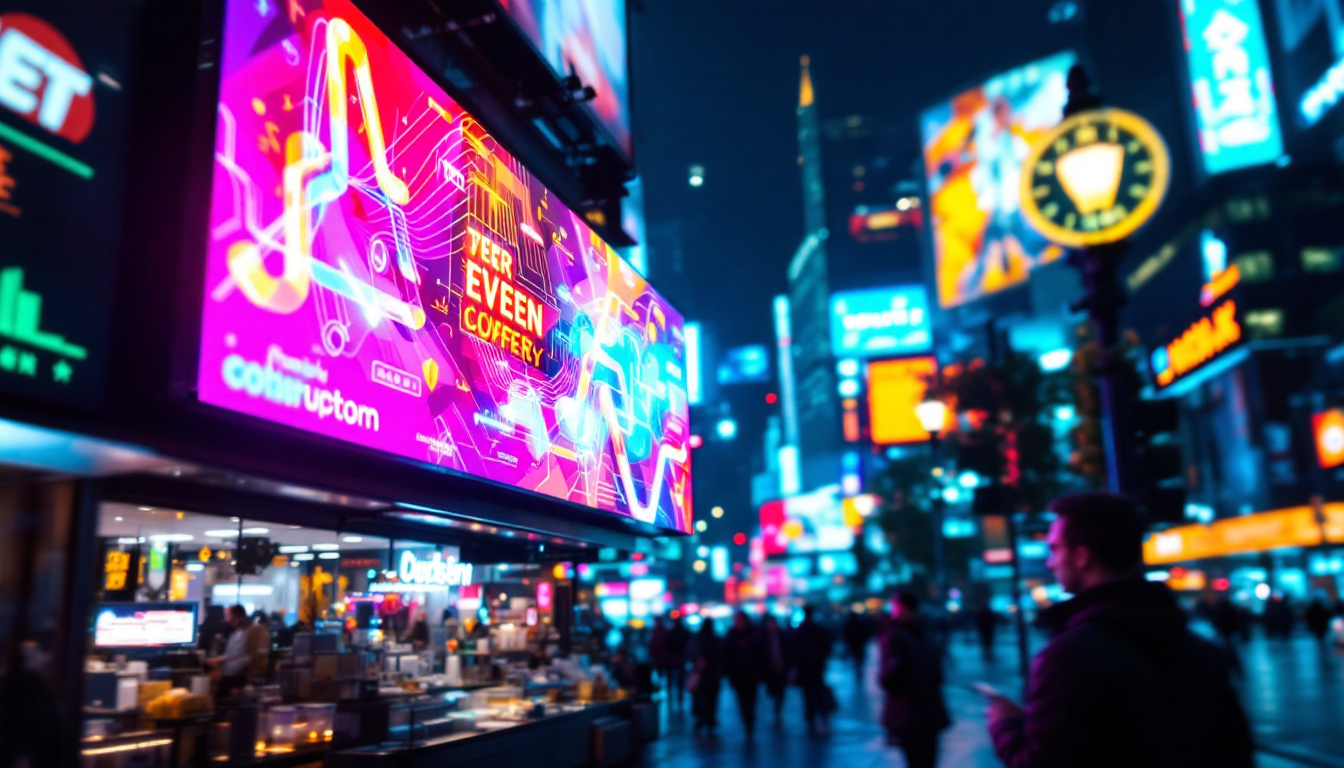
Retailers leverage LED displays to attract customers with eye-catching digital signage and interactive kiosks. The ability to display high-resolution images and videos in bright environments helps brands stand out in crowded spaces.
Interactive LED displays enable shoppers to browse product catalogs, customize items, or access promotions with a simple touch, enhancing the shopping experience and driving sales. A 2022 study by Nielsen found that digital signage with interactive elements can increase customer engagement by up to 30% compared to static displays.
Public Spaces and Transportation
Airports, train stations, and other public venues use LED displays for information dissemination and wayfinding. The clarity and brightness of LED screens ensure that travelers can easily read schedules, maps, and alerts, even in challenging lighting conditions.
Touch-enabled LED kiosks provide an intuitive interface for ticket purchases, check-ins, and customer service, reducing wait times and improving overall satisfaction.
Technical Considerations for Optimal LED Touch Displays
Resolution and Pixel Pitch
Resolution and pixel pitch are critical factors that influence the sharpness and detail of an LED display. Pixel pitch refers to the distance between the centers of two adjacent pixels and is typically measured in millimeters. A smaller pixel pitch means higher pixel density and sharper images.
For interactive touch displays, a pixel pitch of 1.2mm to 2.5mm is common, offering a balance between image clarity and cost. Higher resolution is particularly important for applications requiring fine detail, such as graphic design or medical imaging.
Durability and Maintenance
LED displays designed for touch interaction must withstand frequent physical contact. Manufacturers often use tempered glass or anti-glare coatings to protect the screen surface while maintaining touch sensitivity.
Additionally, LED modules are generally modular, allowing for easy replacement of faulty sections without replacing the entire display. This modularity reduces maintenance costs and downtime.
Energy Efficiency
LED technology is known for its energy efficiency compared to traditional display technologies. Advances in LED driver circuits and power management have further reduced power consumption, making LED displays a sustainable choice for continuous operation.
Energy-efficient displays also generate less heat, which can improve the longevity of touch components and reduce cooling requirements in enclosed environments.
Future Trends in LED Touch Display Technology
Micro-LED and Beyond
Micro-LED technology is poised to redefine the future of LED displays by offering even higher resolution, improved color accuracy, and lower power consumption. Unlike traditional LEDs, micro-LEDs are microscopic and can be integrated directly into flexible substrates, enabling new form factors such as foldable or transparent displays.
As manufacturing processes mature, micro-LED touch displays are expected to become more affordable and widely adopted across consumer electronics, automotive dashboards, and wearable devices.
Integration with AI and IoT
Interactive LED displays are increasingly being integrated with artificial intelligence (AI) and Internet of Things (IoT) technologies. AI-powered analytics can adapt content in real-time based on user interactions, environmental conditions, or demographic data.
IoT connectivity allows LED displays to communicate with other smart devices, enabling automated updates, remote diagnostics, and personalized user experiences. For example, retail stores can use AI to tailor promotions displayed on LED touchscreens based on customer profiles and behavior patterns.
Enhanced Touch Technologies
Emerging touch technologies aim to improve accuracy, responsiveness, and durability. Innovations such as haptic feedback provide tactile sensations to users, simulating the feel of physical buttons and enhancing the interactive experience.
Additionally, advances in gesture recognition and voice control are complementing touch interfaces, offering multimodal interaction options for greater accessibility and convenience.
Conclusion
LED display technology has transformed the way people interact with digital content by delivering bright, clear visuals combined with responsive touch capabilities. The clear touch experience enabled by LED displays enhances user engagement, improves operational efficiency, and opens new possibilities across education, retail, public spaces, and beyond.
As LED technology continues to evolve with innovations like micro-LEDs, AI integration, and advanced touch sensors, the future promises even more immersive and intuitive interactive experiences. For organizations seeking to invest in display solutions, understanding the benefits and technical considerations of LED touch displays is essential to making informed decisions that meet their unique needs.
Discover the Future of Interactive Displays with LumenMatrix
Ready to elevate your space with the latest in LED display technology? LumenMatrix is at the forefront of creating immersive environments through innovative LED solutions. From vibrant Indoor and Outdoor LED Wall Displays to dynamic Vehicle and Sports LED Displays, our range caters to every need. Experience the revolution in visual communication with our All-in-One LED Displays, LED Posters, and even Custom LED solutions tailored to your unique requirements. Embrace the future of engagement with LumenMatrix’s captivating and energy-efficient LED displays. Check out LumenMatrix LED Display Solutions today and transform your visual storytelling.