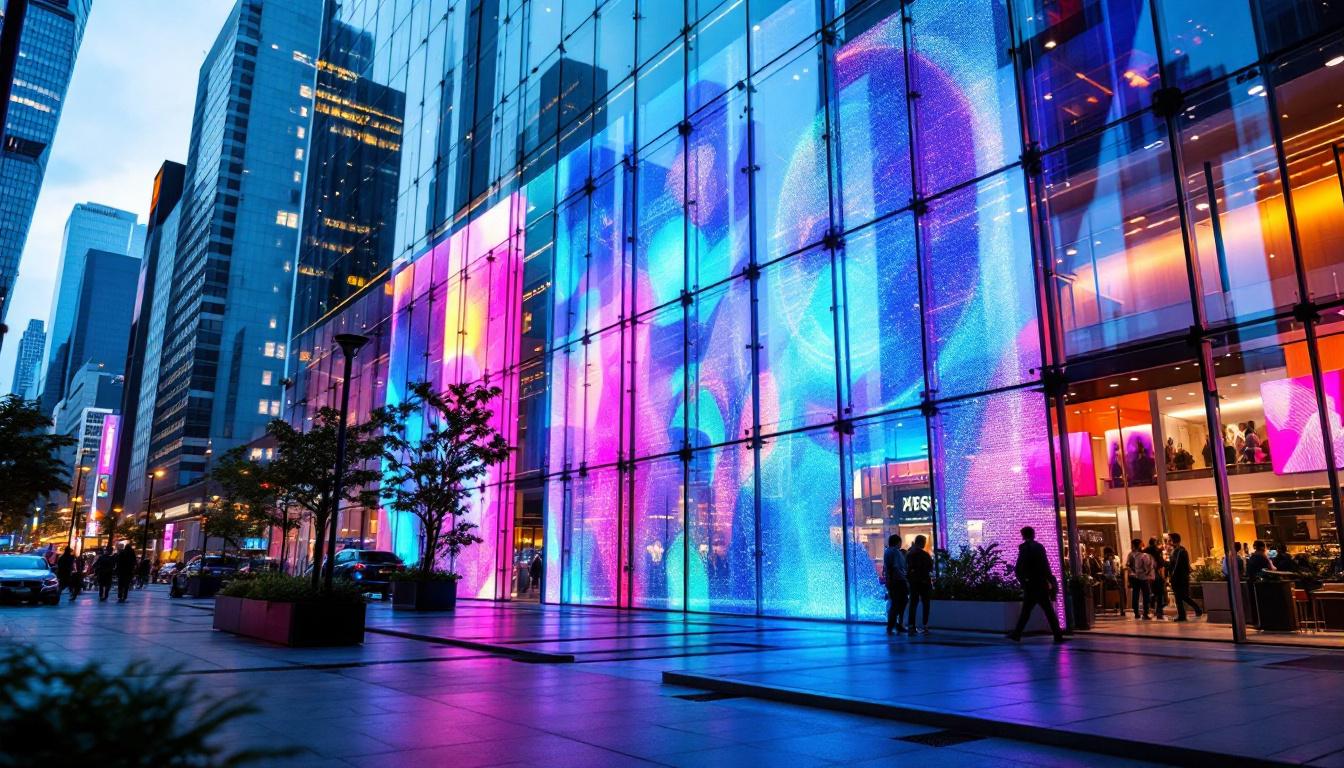
Digital Out-of-Home (DOOH) advertising has transformed the way brands communicate with their audiences in public spaces. Among the various DOOH formats, LED displays stand out as one of the most dynamic and effective mediums. This article explores the world of DOOH LED advertising, delving into its technology, advantages, applications, and future trends.
Understanding DOOH and LED Display Technology
Digital Out-of-Home advertising refers to digital media used for marketing purposes outside the home environment. Unlike traditional static billboards, DOOH leverages digital screens to deliver dynamic, real-time content to consumers in high-traffic locations. This innovative approach allows brands to engage with audiences more interactively and responsively, adapting messages based on time of day, weather conditions, or even current events. As a result, DOOH has become an essential component of modern marketing strategies, offering a unique blend of creativity and technology.
LED (Light Emitting Diode) displays are a cornerstone of DOOH advertising. These screens consist of thousands of tiny LEDs that emit light when an electric current passes through them. The LEDs are arranged in a grid to form images, videos, or animations with vibrant colors and high brightness levels. The energy efficiency of LED technology not only reduces operational costs but also minimizes environmental impact, making it a preferred choice for many advertisers aiming to align with sustainability goals.
How LED Displays Work
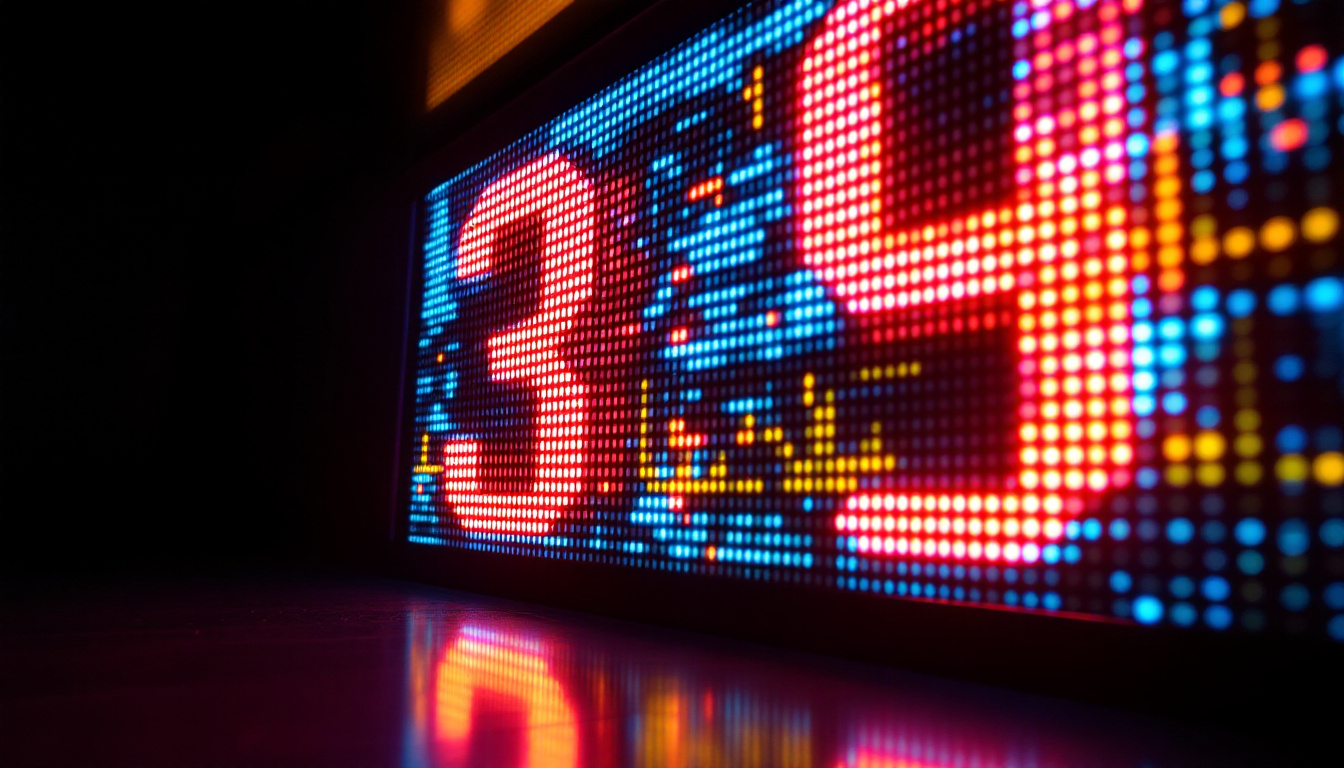
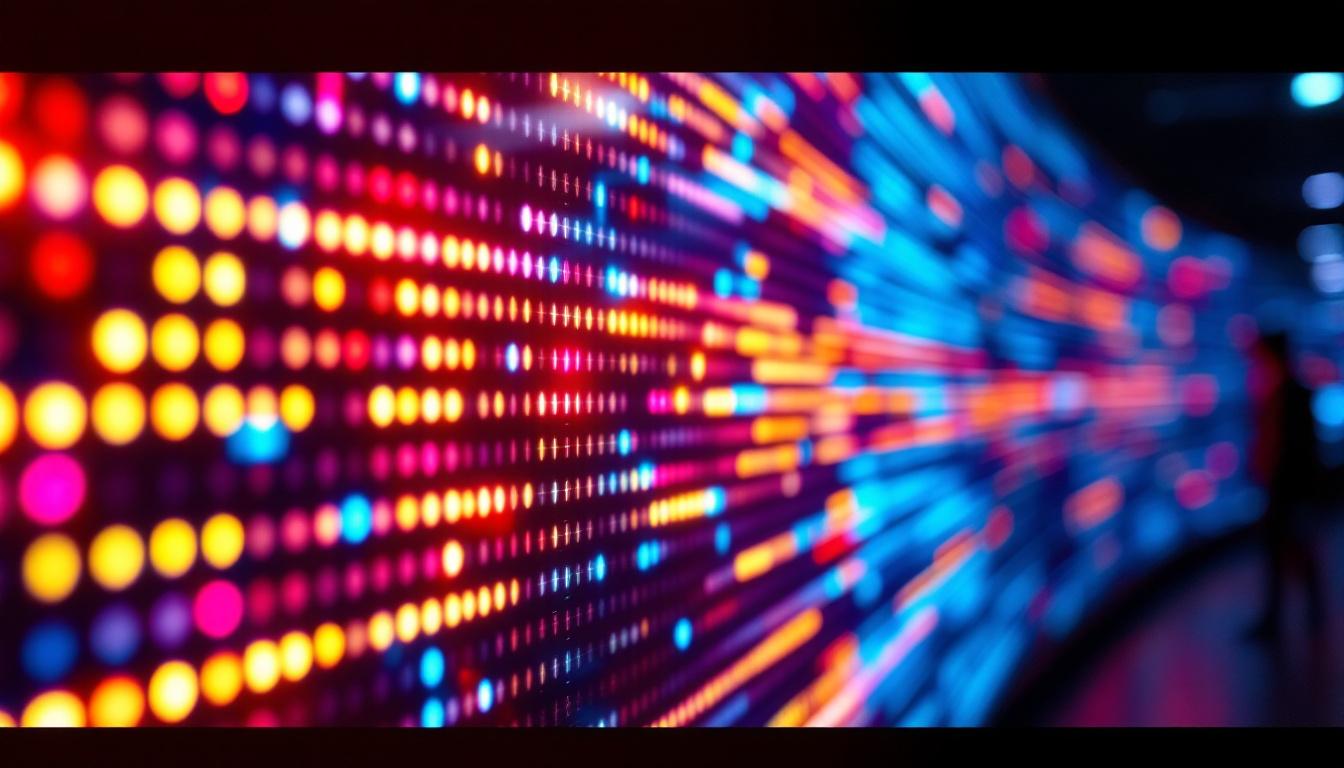
Each LED pixel is composed of red, green, and blue diodes that combine to create a full spectrum of colors through varying intensities. The resolution of an LED display depends on the pixel pitch—the distance between individual LEDs. Smaller pixel pitches result in higher resolution and sharper images, making them ideal for close viewing distances. This capability allows for intricate graphics and detailed animations that can captivate audiences, drawing them into the advertising experience. Furthermore, advancements in LED technology have led to improved color accuracy and brightness, enhancing the visual appeal of the content displayed.
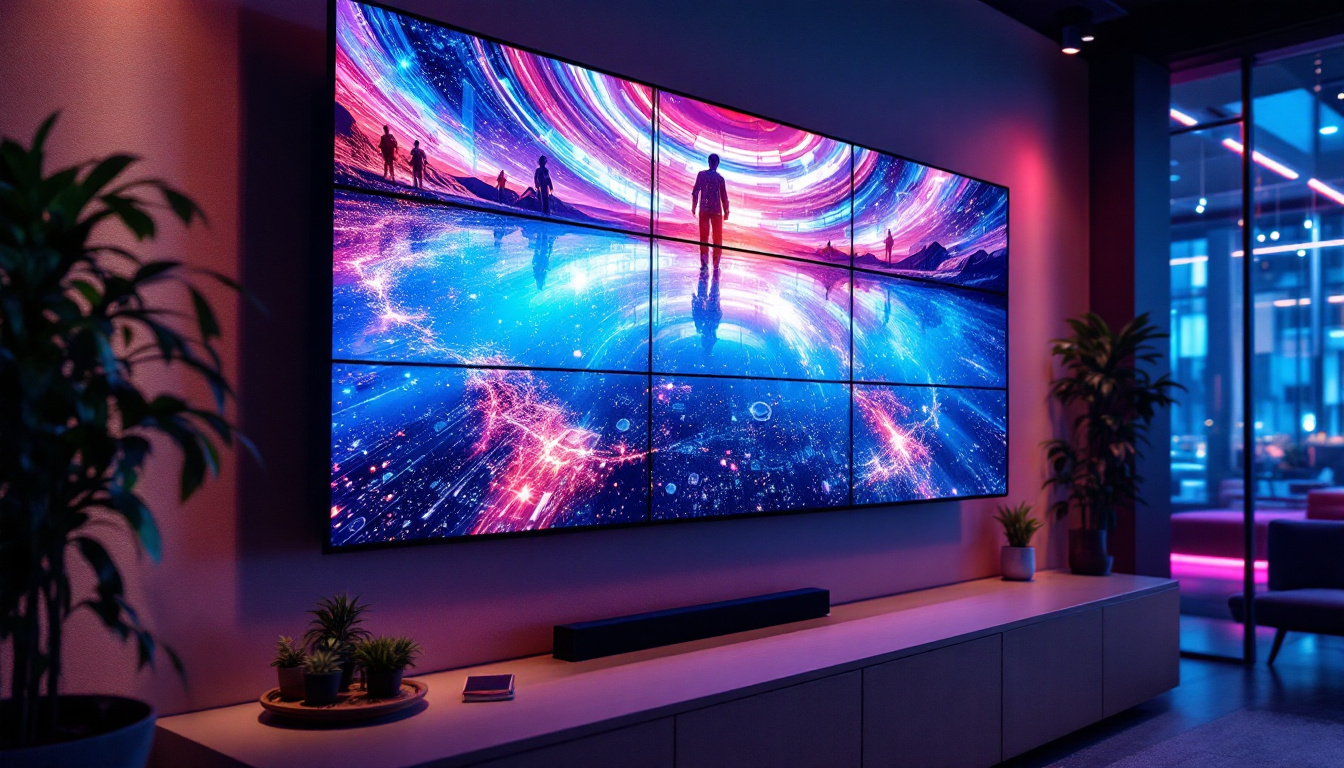
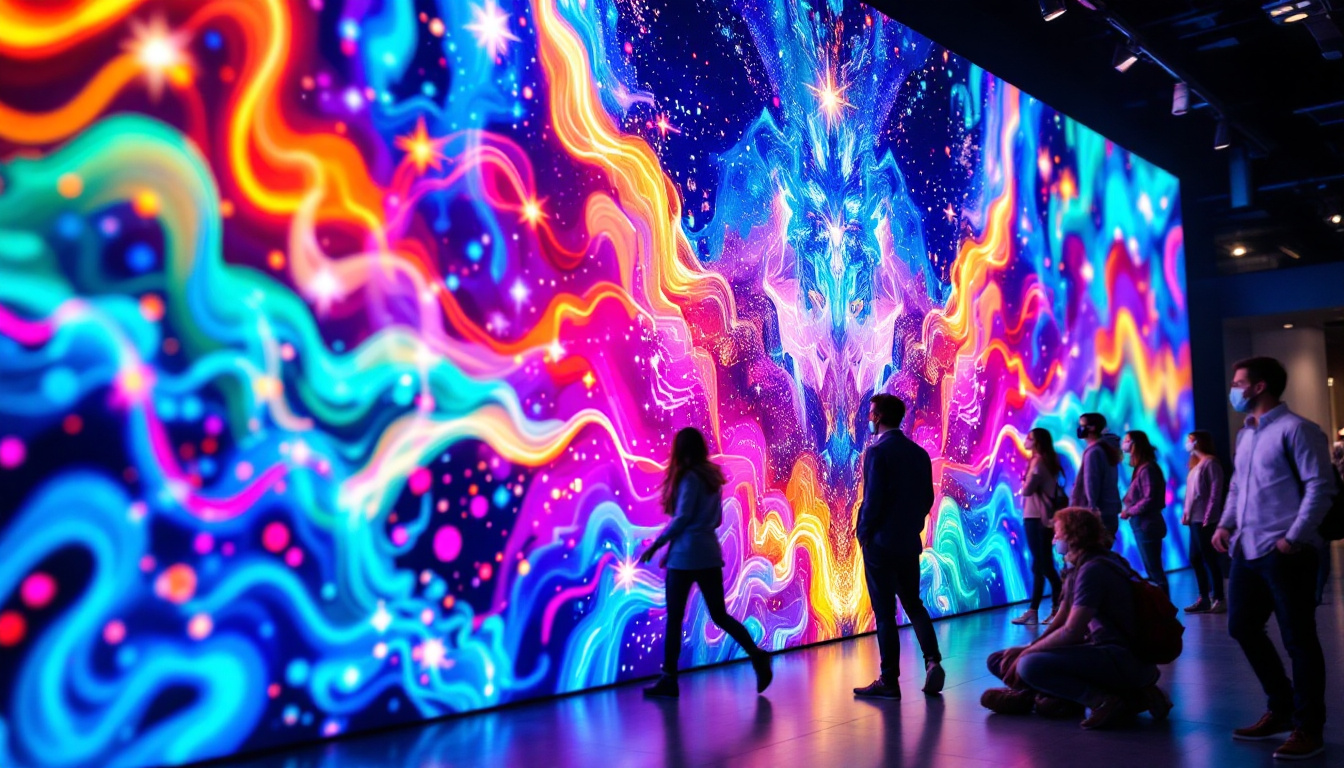
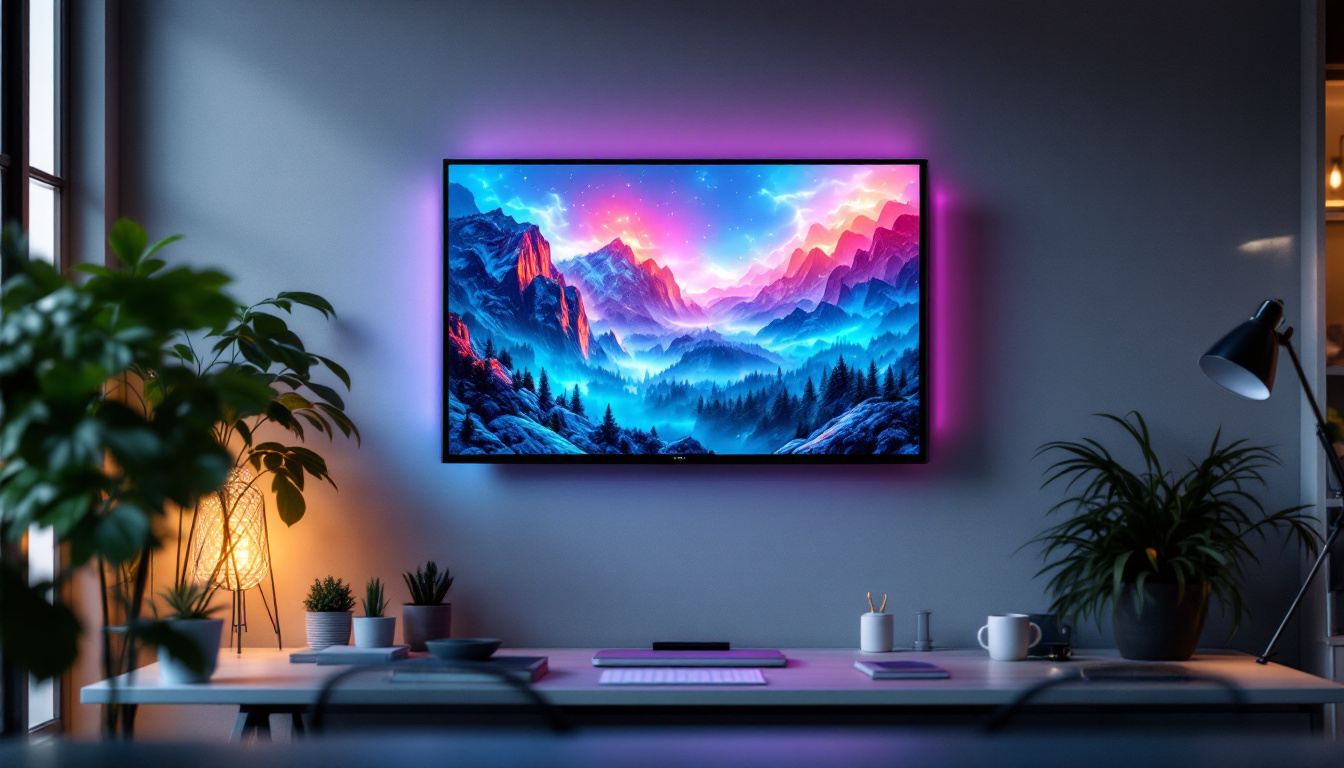
Modern LED displays are modular, allowing for flexible screen sizes and shapes. They can be curved, transparent, or even flexible, expanding creative possibilities for advertisers and designers. This versatility means that brands can create unique installations tailored to specific locations, whether it’s a massive video wall in a stadium or a sleek, curved display in a retail environment. The ability to customize displays not only enhances brand visibility but also fosters a more engaging atmosphere for consumers, encouraging them to interact with the content.
Types of LED Displays Used in DOOH
LED displays used in DOOH advertising generally fall into two categories: indoor and outdoor. Indoor LED screens typically have smaller pixel pitches (1-4 mm) to ensure crisp visuals in close proximity, such as in shopping malls or airports. These displays often incorporate advanced features like touch interactivity and motion sensors, allowing for a more immersive experience. Outdoor LED displays have larger pixel pitches (typically 4-20 mm) to maintain visibility from greater distances and withstand environmental conditions like sunlight, rain, and dust. They are engineered to be robust and weather-resistant, ensuring that advertisements remain vibrant and effective regardless of the elements.
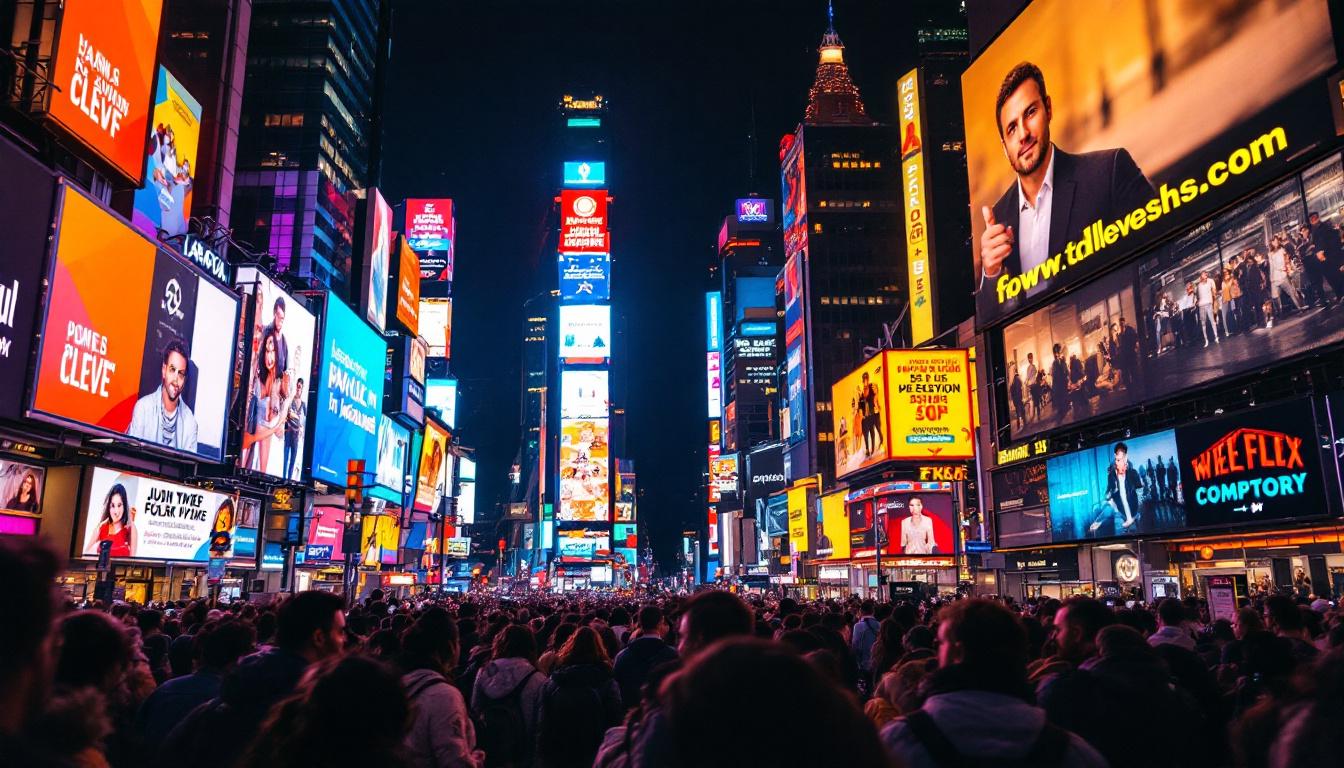
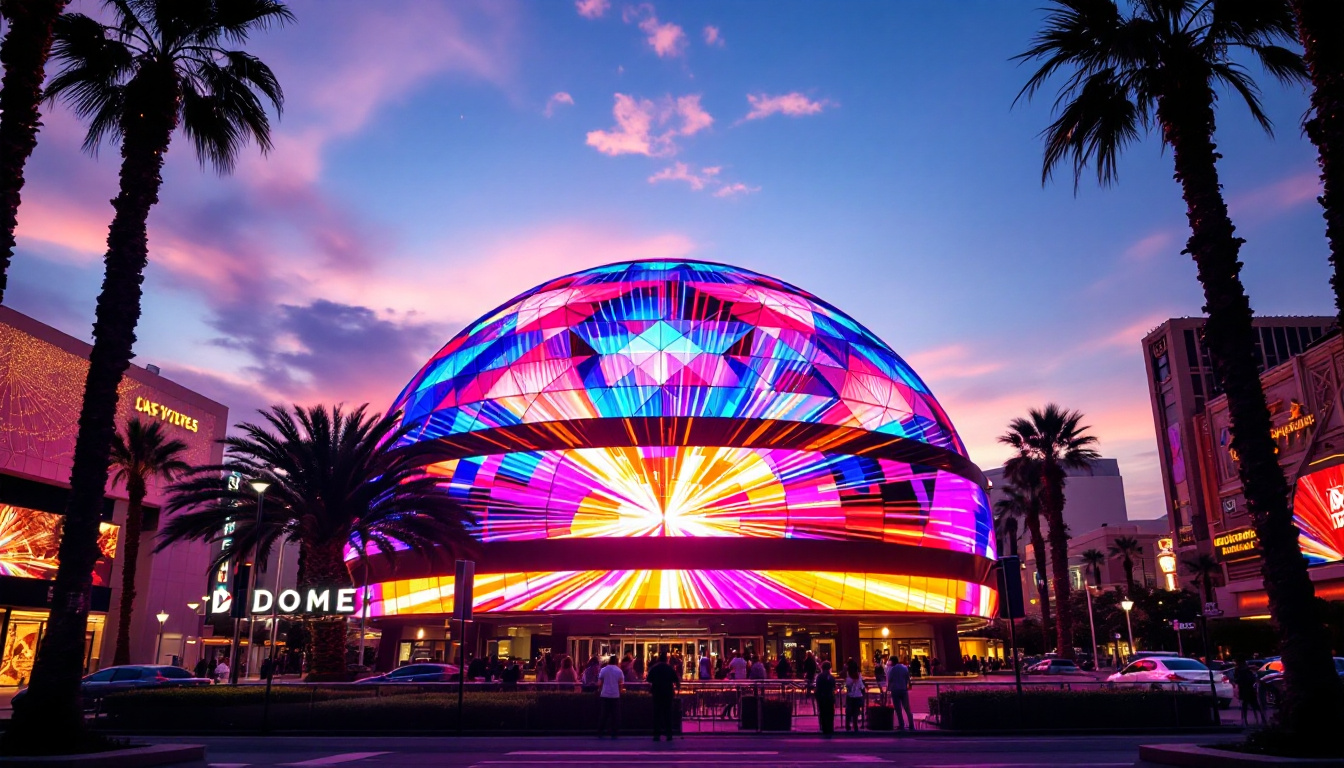
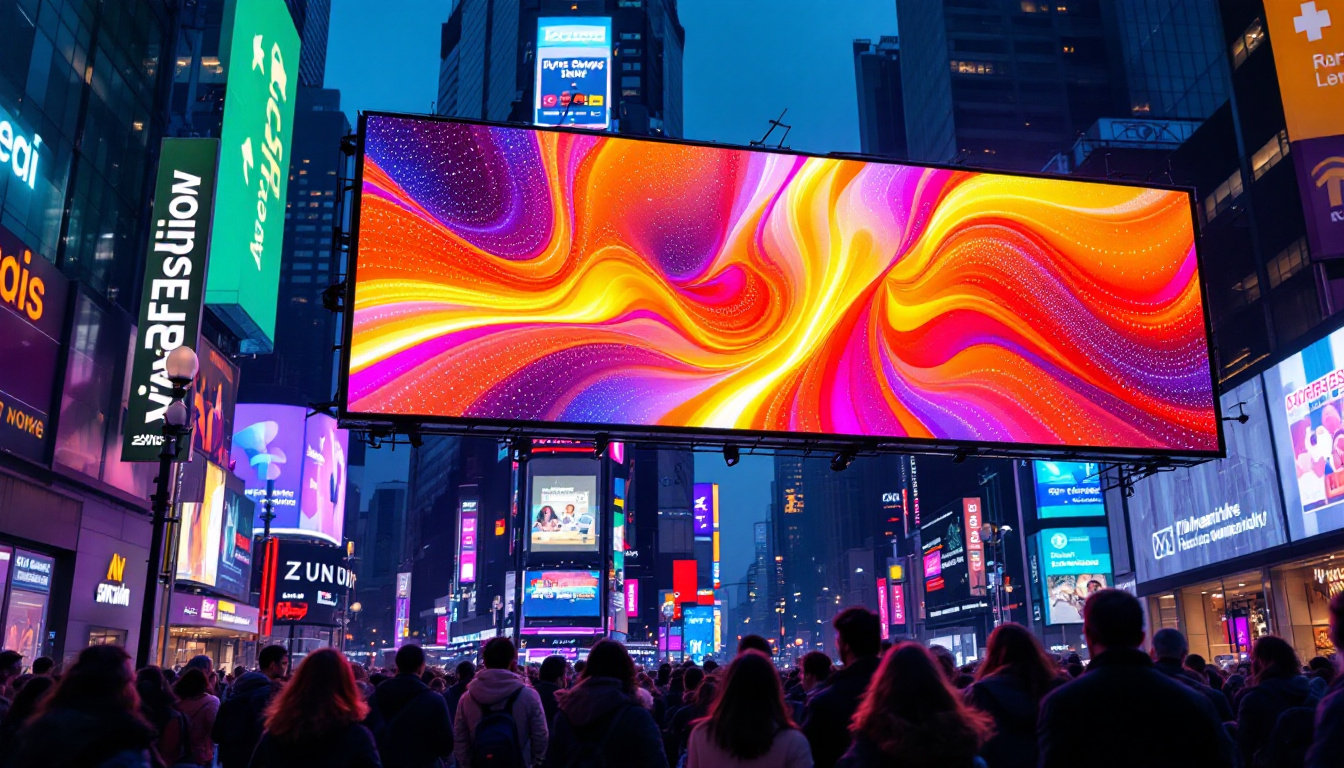
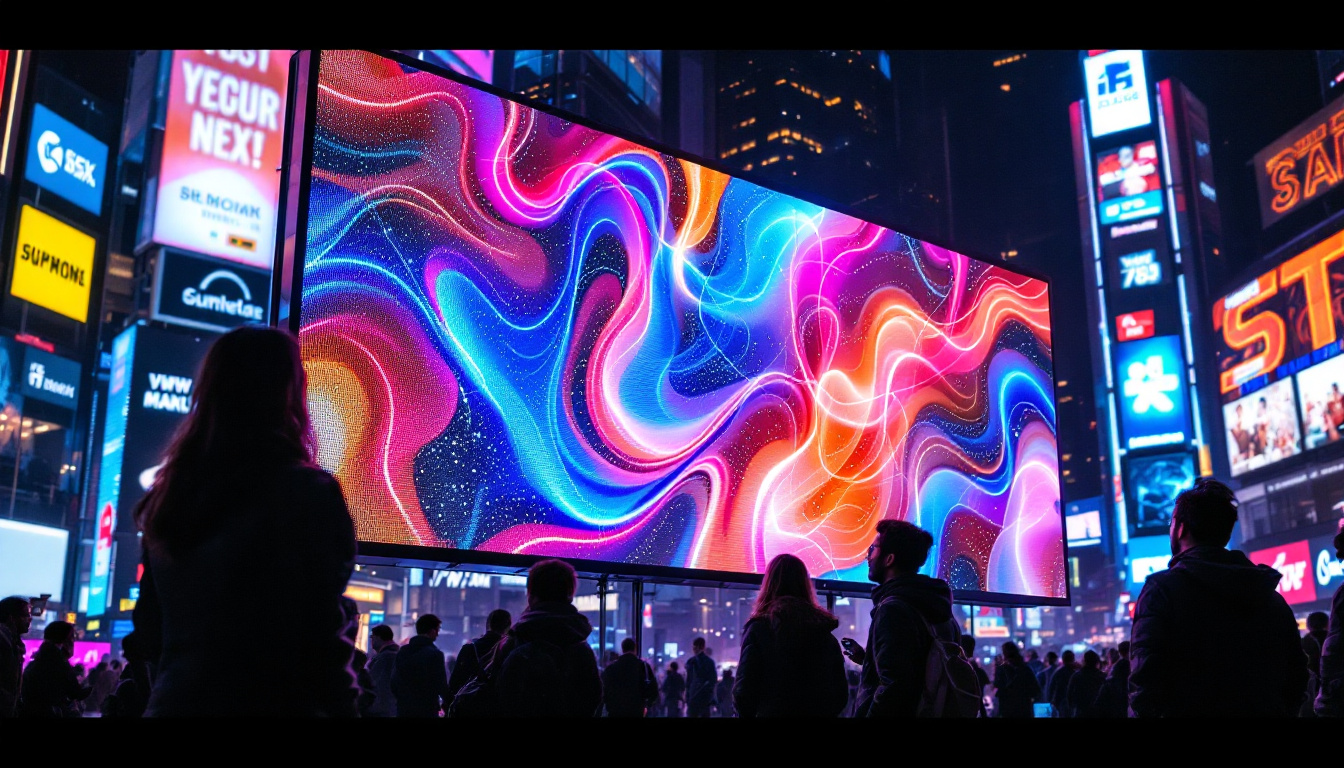
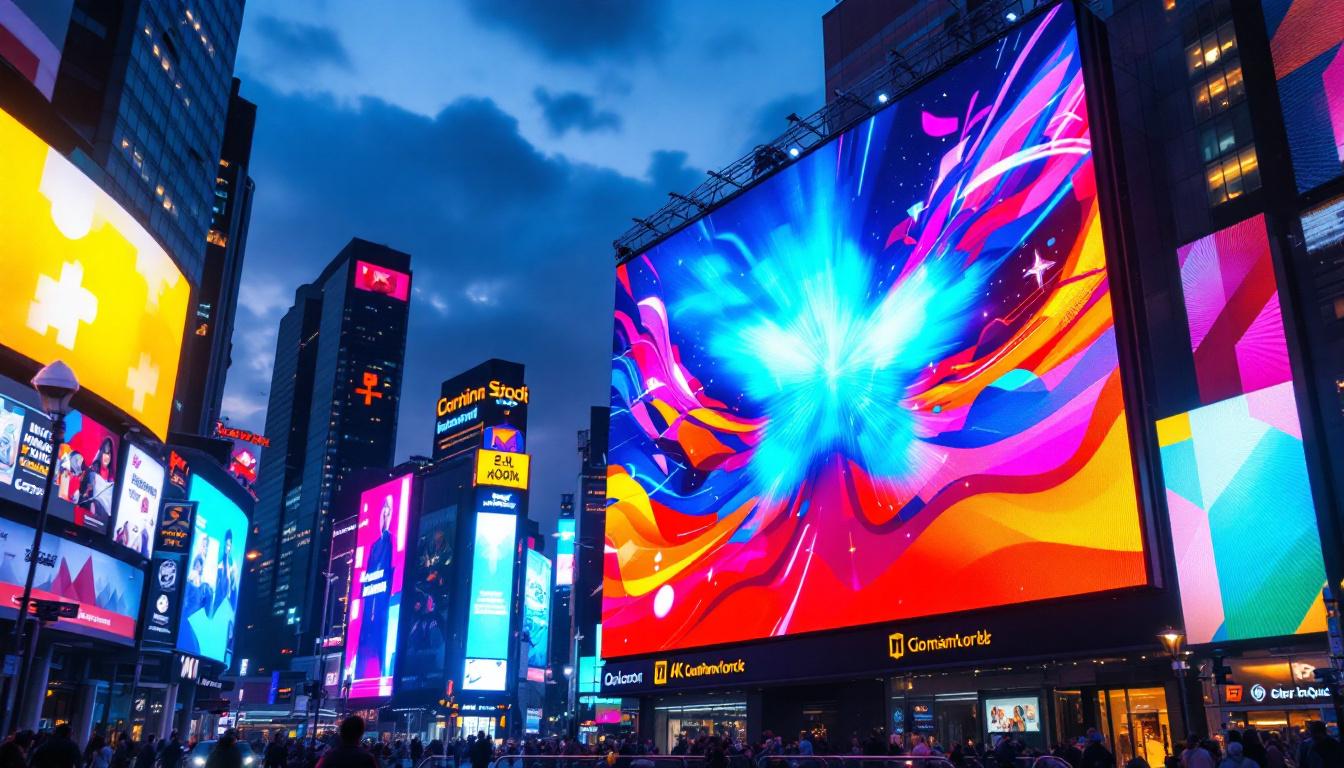
In addition to the basic indoor and outdoor classifications, there are specialized LED displays designed for specific applications within the DOOH landscape. For instance, some displays are tailored for transit environments, providing real-time information to commuters while simultaneously showcasing advertisements. Others may be designed for high-impact locations, such as Times Square, where massive LED screens create a dazzling visual spectacle that attracts millions of viewers daily. These specialized displays not only enhance the effectiveness of advertising campaigns but also contribute to the overall aesthetic of urban environments, transforming public spaces into dynamic canvases for creativity.
The Advantages of LED Displays in DOOH Advertising
LED displays offer several compelling benefits that make them a preferred choice for DOOH campaigns. These advantages contribute directly to improved engagement, brand recall, and return on investment (ROI).
High Visibility and Brightness
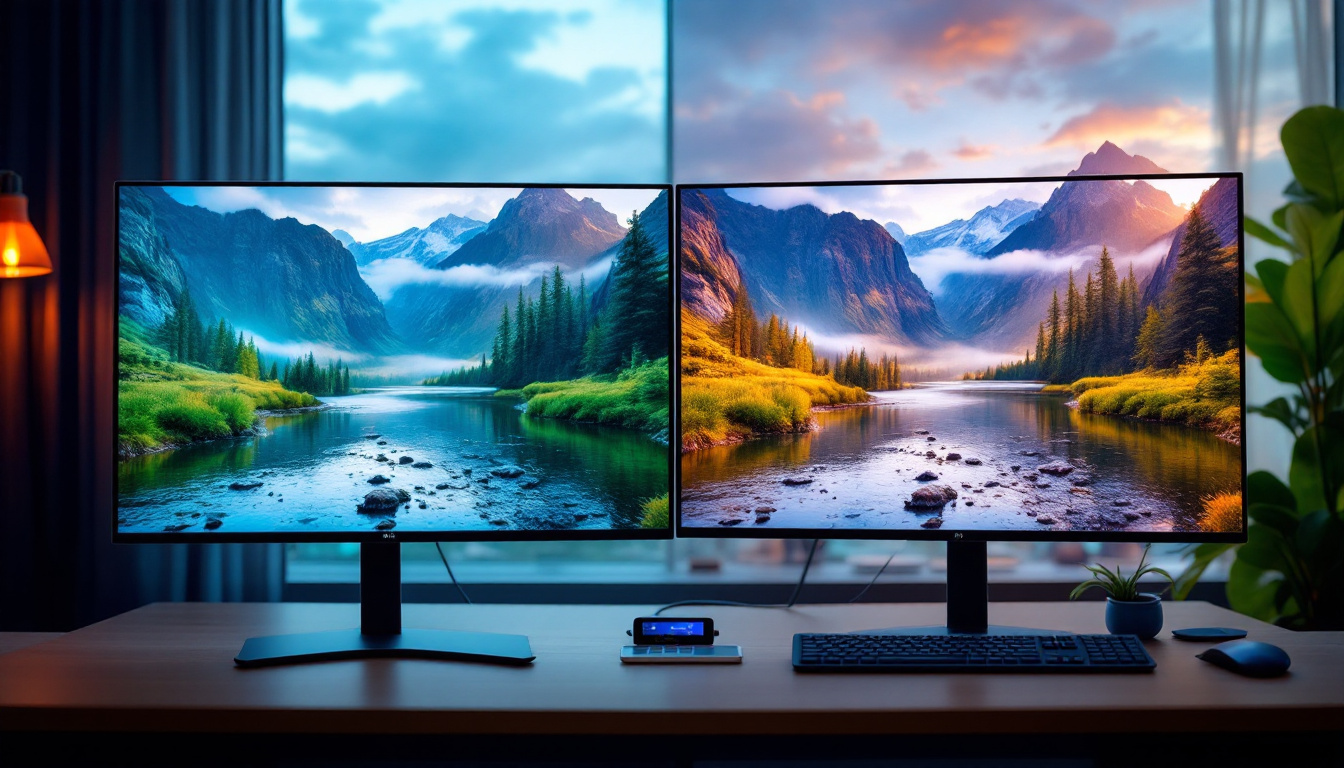
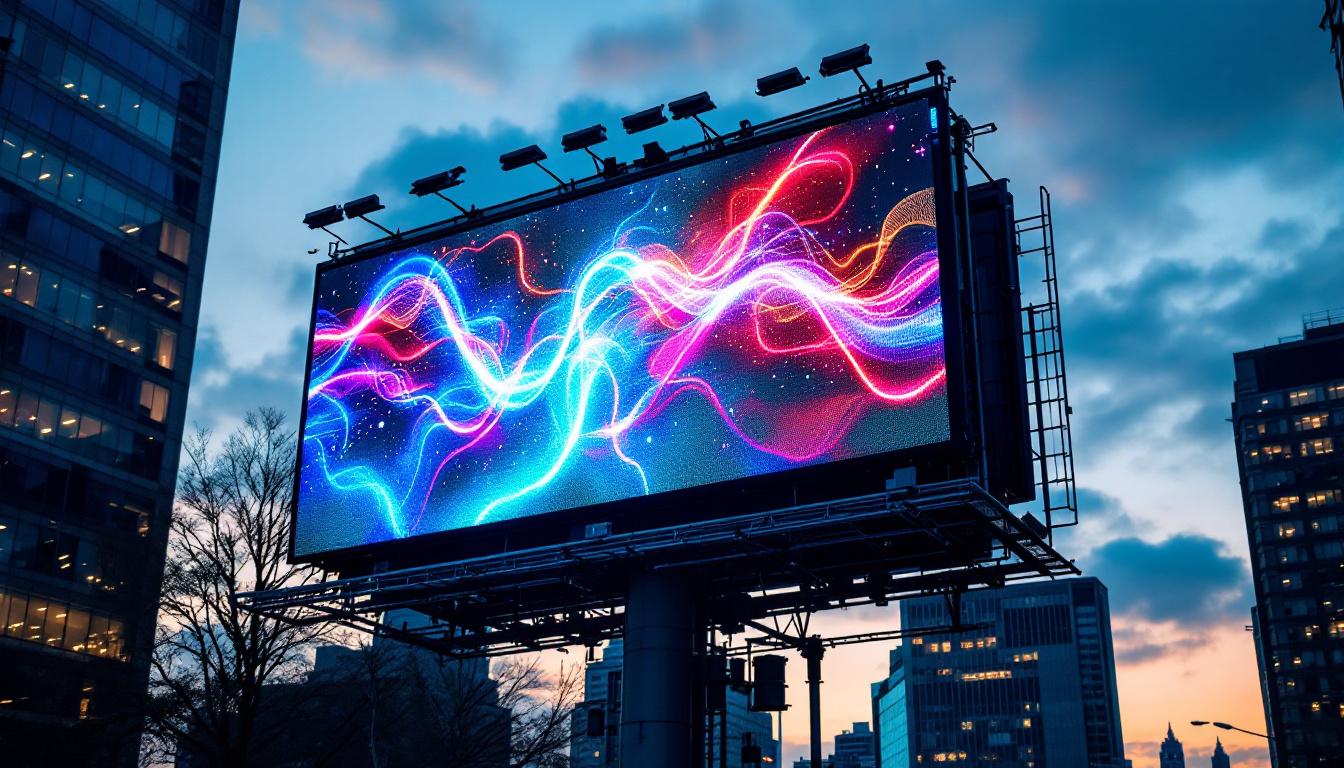
One of the primary strengths of LED displays is their exceptional brightness, often exceeding 5,000 nits, which ensures visibility even in direct sunlight. This makes LED DOOH ads effective in outdoor environments where traditional digital screens might struggle.
Additionally, LED displays have wide viewing angles, allowing content to be seen clearly from multiple directions, maximizing audience reach in busy urban settings. The technology behind LED displays also allows for a high refresh rate, which means that the visuals remain sharp and fluid, even when viewed from a distance or at high speeds, such as from passing vehicles. This capability is particularly advantageous in bustling metropolitan areas where competition for attention is fierce.
Dynamic and Targeted Content
Unlike static billboards, LED displays can showcase dynamic content that changes in real-time. Advertisers can rotate multiple ads, display videos, or incorporate interactive elements. This flexibility enables campaigns to be more engaging and tailored to specific times of day, weather conditions, or audience demographics.
For example, a coffee brand might display a morning promotion on an LED screen near a commuter hub and switch to a snack offer in the afternoon. This adaptability enhances relevance and increases the likelihood of consumer action. Moreover, the integration of data analytics allows advertisers to track viewer engagement and adjust content based on real-time feedback, ensuring that the messaging resonates with the target audience effectively. This level of customization can lead to higher conversion rates and a stronger connection between brands and consumers.
Energy Efficiency and Durability
Modern LED technology is energy-efficient compared to older lighting methods like neon or fluorescent. LEDs consume less power while delivering brighter images, reducing operational costs for advertisers and venue owners.
Furthermore, outdoor LED displays are designed to withstand harsh weather conditions and have long lifespans, often exceeding 100,000 hours of operation. This durability ensures consistent performance and reduces maintenance expenses. Additionally, the lower heat output of LED technology not only contributes to energy savings but also minimizes the risk of overheating, which can be a concern with traditional lighting solutions. As sustainability becomes increasingly important to consumers, the eco-friendly nature of LED displays can also enhance a brand’s image, aligning it with modern values and consumer expectations.
Applications of LED DOOH Advertising
LED displays have found widespread adoption across various sectors and locations, each leveraging the medium’s unique strengths to engage audiences effectively.
Urban Billboards and Transit Hubs
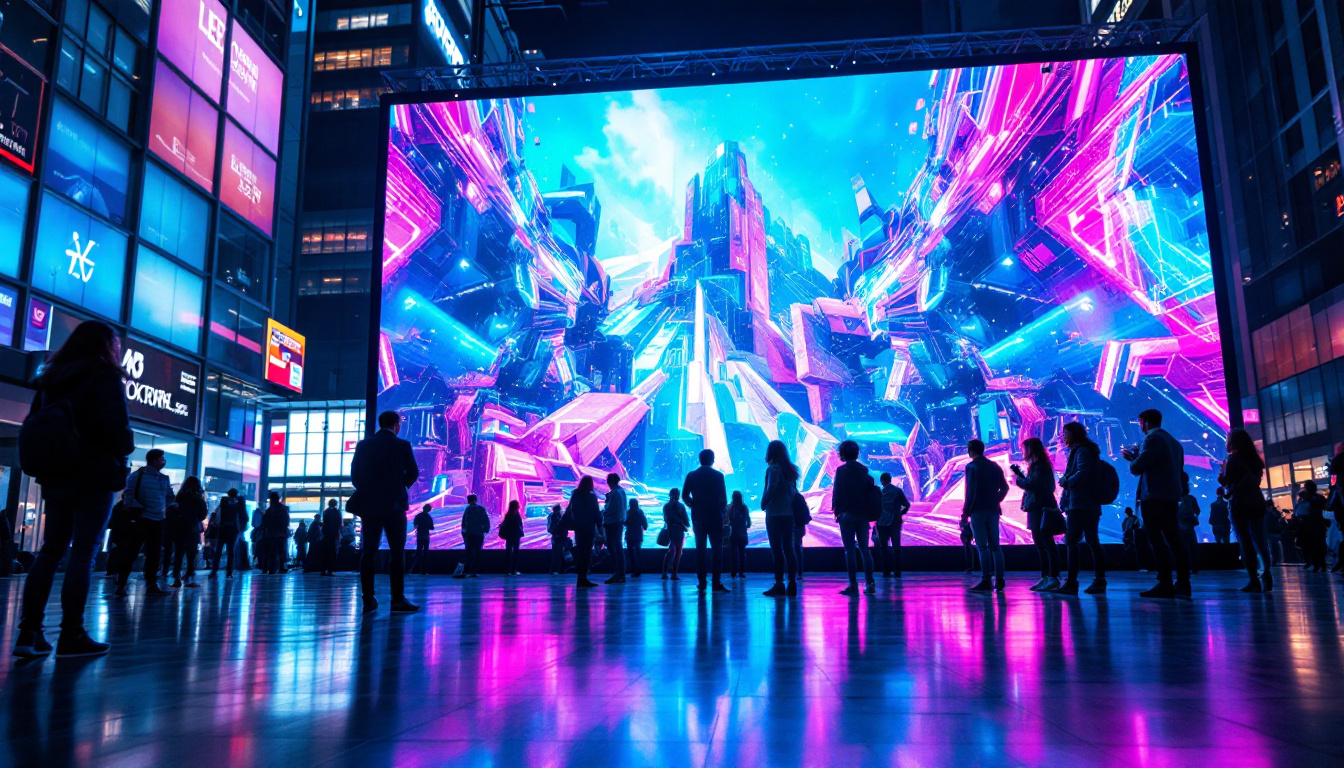
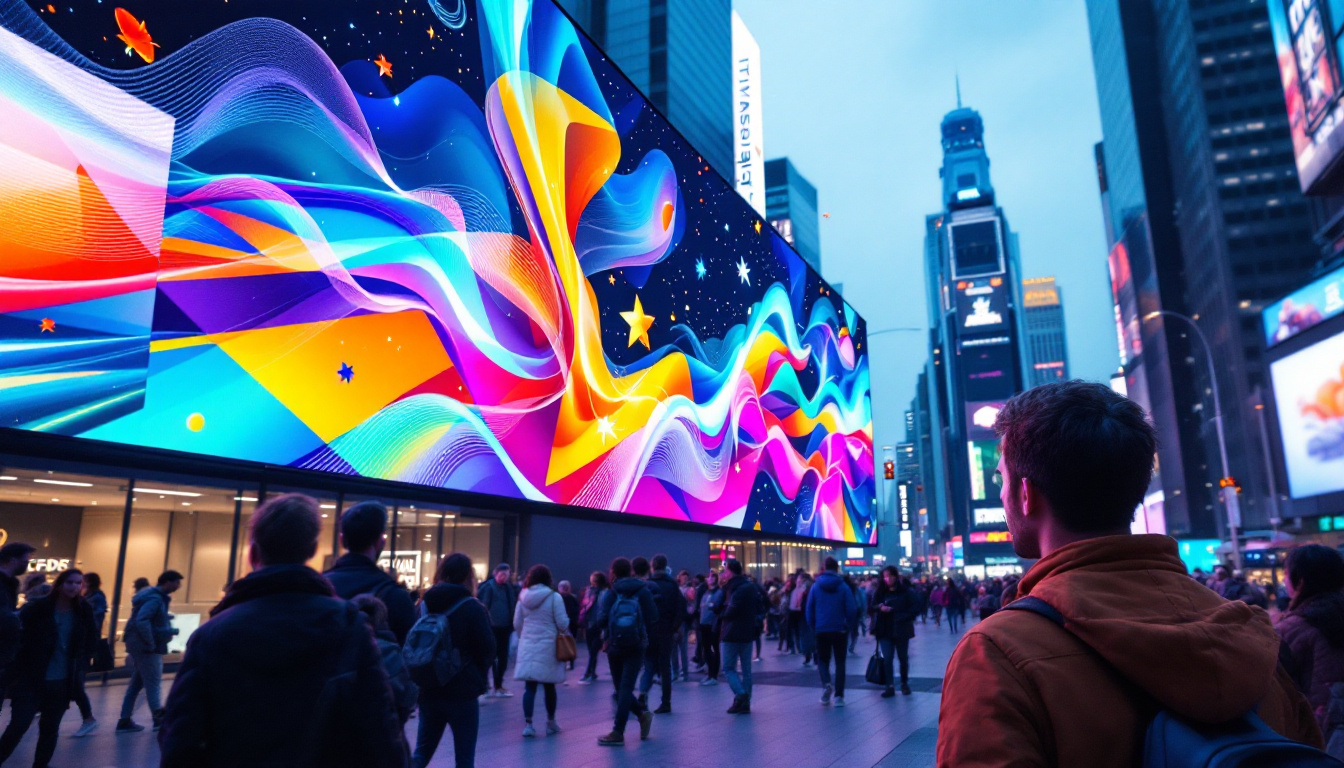
In metropolitan areas, towering LED billboards dominate cityscapes, such as Times Square in New York or Piccadilly Circus in London. These iconic installations attract millions of impressions daily, making them prime real estate for global brands seeking mass exposure.
Transit hubs like airports, train stations, and bus terminals also utilize LED displays to capture the attention of travelers. The high foot traffic and dwell times in these locations provide opportunities for advertisers to deliver impactful messages.
Retail and Shopping Centers
Indoor LED screens in malls and retail stores enhance the shopping experience by promoting products, sales, and events. These displays can be strategically placed near entrances, escalators, or checkout areas to influence purchasing decisions.
Some retailers integrate LED displays with sensors or mobile apps to create interactive experiences, such as virtual try-ons or personalized offers, further driving customer engagement.
Sports and Entertainment Venues
Stadiums and arenas frequently employ large LED screens to broadcast live action, advertisements, and sponsor messages. The ability to switch content instantly allows venues to maximize advertising revenue during events.
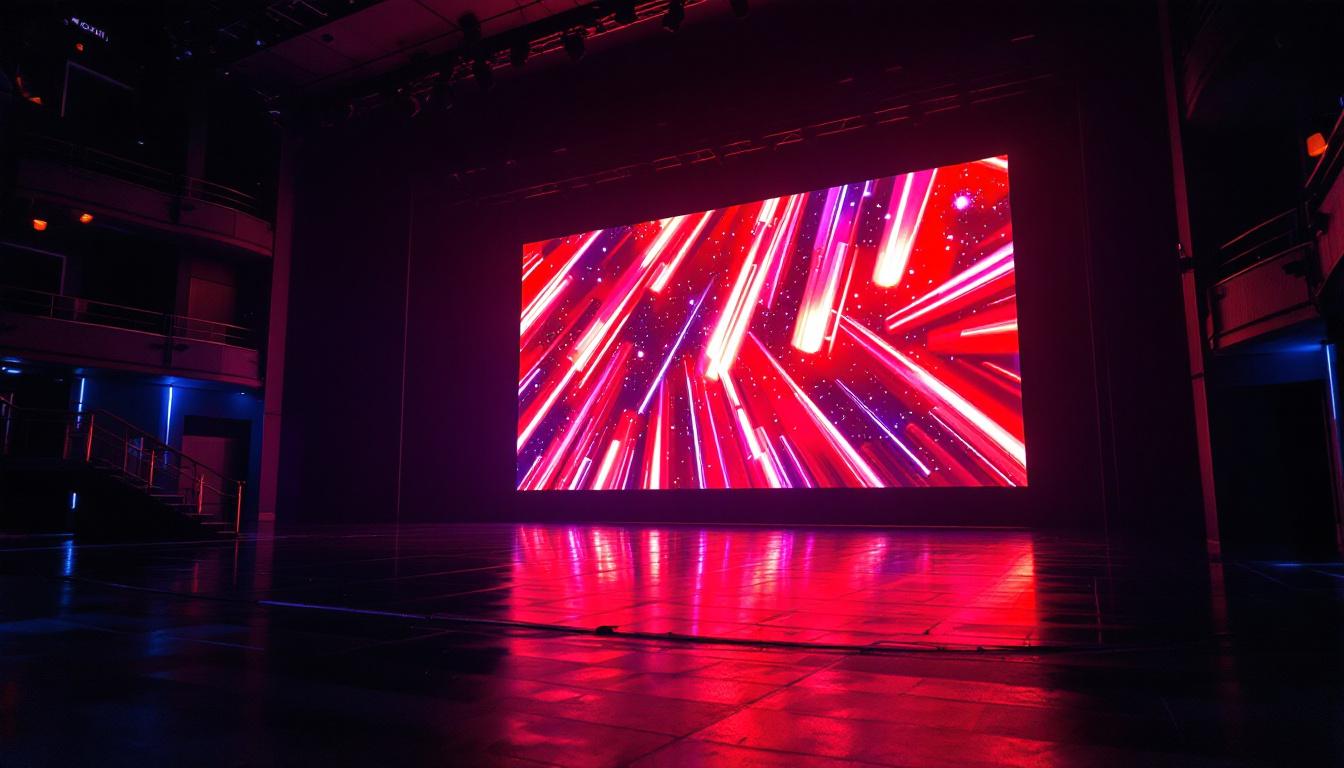
Concerts and festivals also benefit from LED displays, which can enhance visual effects and provide information to attendees, creating immersive brand experiences.
Measuring the Impact of LED DOOH Advertising
Effectiveness is a critical consideration for advertisers investing in LED DOOH campaigns. Fortunately, advancements in technology have improved the ability to track and analyze campaign performance.
Audience Measurement and Analytics
Many LED DOOH networks now incorporate sensors, cameras, and data analytics platforms to estimate audience size, demographics, and engagement levels. For instance, facial detection technology can anonymously assess viewer age and gender, enabling advertisers to refine targeting strategies.
Geolocation data from mobile devices can also provide insights into foot traffic patterns and campaign reach, helping marketers optimize ad placements and timing.
Return on Investment (ROI)
Studies indicate that DOOH advertising, particularly with LED displays, delivers strong ROI. According to a 2023 report by the Outdoor Advertising Association of America (OAAA), DOOH campaigns achieve an average 15% higher recall rate compared to traditional static ads.
Moreover, the ability to update content quickly reduces production costs and allows for more agile marketing strategies, further enhancing cost-effectiveness.
Future Trends in LED DOOH Advertising
The DOOH landscape is evolving rapidly, driven by technological innovation and changing consumer behaviors. LED displays will continue to play a pivotal role in this transformation.
Integration with Artificial Intelligence and Data
Artificial Intelligence (AI) is increasingly being integrated with LED DOOH networks to deliver hyper-targeted content. By analyzing real-time data such as weather, traffic, and social media trends, AI can dynamically adjust advertisements to maximize relevance and engagement.
This level of personalization is expected to improve campaign effectiveness and provide richer insights for advertisers.
Interactive and Immersive Experiences
Future LED displays will incorporate augmented reality (AR), gesture recognition, and other interactive technologies to create immersive brand experiences. For example, an LED screen at a shopping mall might allow passersby to interact with virtual products or participate in gamified promotions.
Such innovations will deepen consumer engagement and differentiate brands in crowded marketplaces.
Sustainability and Eco-Friendly Innovations
As environmental concerns grow, the DOOH industry is focusing on sustainability. Advances in LED technology aim to reduce energy consumption further and utilize recyclable materials in screen construction.
Additionally, solar-powered LED installations and smart energy management systems are becoming more common, aligning outdoor advertising with corporate social responsibility goals.
Conclusion: The Power of LED Displays in DOOH Advertising
LED displays have revolutionized Digital Out-of-Home advertising by offering vibrant, flexible, and highly visible platforms for brand messaging. Their ability to deliver dynamic, targeted content in diverse environments—from bustling city centers to retail interiors—makes them indispensable in modern marketing strategies.
As technology advances, LED DOOH advertising will become even more intelligent, interactive, and sustainable, providing unparalleled opportunities for brands to connect with audiences in meaningful ways. For marketers looking to maximize impact and ROI in public spaces, understanding and leveraging LED display technology is essential.
Discover LumenMatrix’s Innovative LED Display Solutions
Ready to elevate your brand’s presence in the DOOH landscape? LumenMatrix is at the forefront of LED display technology, offering a diverse range of solutions that bring your advertising to life. From the bustling streets to the heart of retail spaces, our Indoor and Outdoor LED Wall Displays, Vehicle LED Displays, and specialized options like LED Sports and Floor Displays, are designed to captivate and engage. Experience the future of visual communication with our Custom, All-in-One, and Transparent LED Displays. Check out LumenMatrix LED Display Solutions and transform your brand messaging with clarity and impact.