In the world of LED displays, understanding the technical specifications is crucial for professionals and enthusiasts alike. One measurement that frequently appears is the pixel pitch, often noted in millimeters (mm). A common pixel pitch size is 1.8 mm, which can also be expressed in inches. But why does this conversion matter, and what does it mean for LED display quality and performance? This article dives deep into the meaning of 1.8 mm in inches and explores its significance in LED display technology.
Understanding Pixel Pitch in LED Displays
Pixel pitch is a fundamental concept when discussing LED displays. It refers to the distance from the center of one LED cluster (or pixel) to the center of the adjacent pixel. This measurement directly impacts the resolution, viewing distance, and overall image quality of the display. A display with a smaller pixel pitch is ideal for environments where viewers are close to the screen, such as in retail spaces or control rooms, where clarity and detail are paramount.
For LED displays, pixel pitch is typically measured in millimeters. A smaller pixel pitch indicates that the LEDs are packed more closely together, resulting in higher resolution and sharper images. Conversely, a larger pixel pitch means the LEDs are spaced further apart, which can reduce image clarity but often allows for larger display sizes at a lower cost. This trade-off is crucial for designers and engineers to consider, especially when planning large-scale installations for outdoor advertising or sports arenas, where the viewing distance can vary significantly.
Why Convert 1.8 mm to Inches?
While the metric system is widely used globally, some industries and regions, particularly in the United States, still rely heavily on the imperial system. Converting 1.8 mm to inches helps professionals who are more familiar with inches to better visualize and understand the scale of the pixel pitch. Understanding this conversion can be particularly useful when comparing different display technologies or when collaborating with international teams that may use varying measurement systems.
Additionally, many design specifications, installation manuals, and technical documents may use inches, making it essential to be fluent in both units for effective communication and project planning. For instance, knowing that 1.8 mm is approximately 0.071 inches can help engineers quickly assess the suitability of a display for a specific application, ensuring that the pixel density aligns with the intended viewing experience. This duality in measurement not only aids in practical applications but also fosters a more inclusive dialogue among professionals from diverse backgrounds, enhancing collaboration in the rapidly evolving field of display technology.
Converting 1.8 mm to Inches: The Exact Measurement
The conversion between millimeters and inches is straightforward but requires precision for technical applications such as LED display manufacturing and installation.
One inch is defined as exactly 25.4 millimeters. To convert millimeters to inches, you divide the millimeter value by 25.4.
Calculation
For 1.8 mm, the conversion to inches is:
1.8 mm ÷ 25.4 = 0.070866 inches
Rounded to five decimal places, 1.8 mm equals approximately 0.07087 inches.
This tiny measurement highlights the precision involved in LED display pixel pitch specifications. In the world of high-resolution displays, even a fraction of a millimeter can significantly impact the visual quality and clarity of the image. For instance, a smaller pixel pitch, such as 1.8 mm, allows for a higher pixel density, which results in sharper images and finer details, making it particularly suitable for close-viewing applications like retail displays or control rooms.
Moreover, understanding these conversions is crucial not only for manufacturers but also for designers and engineers who work with various display technologies. They must ensure that their designs accommodate the exact specifications of the components being used. This attention to detail can be the difference between a successful project and one that fails to meet the required standards, emphasizing the importance of precise measurements in the ever-evolving field of display technology.
The Impact of 1.8 mm Pixel Pitch on LED Display Quality
Understanding the size of 1.8 mm (or approximately 0.07 inches) in terms of pixel pitch provides insight into the quality and application of an LED display.
Displays with a 1.8 mm pixel pitch are considered fine-pitch LED displays. These are ideal for indoor environments where viewers are close to the screen, such as control rooms, broadcast studios, retail spaces, and corporate lobbies. The precision in pixel arrangement not only enhances the visual experience but also allows for dynamic content to be displayed with remarkable clarity, making it an excellent choice for environments where information needs to be conveyed quickly and effectively.
Resolution and Image Clarity
A smaller pixel pitch like 1.8 mm means more pixels per square inch, which results in higher resolution. This allows for more detailed and sharper images, making text, graphics, and videos appear crisp even at close viewing distances. The increased pixel density also enables the display to reproduce a wider color gamut, resulting in vibrant and lifelike colors that captivate viewers and enhance the overall viewing experience.
For example, a 1.8 mm pixel pitch display can achieve resolutions comparable to high-definition screens, making it suitable for applications requiring clear and precise visuals. This level of detail is particularly beneficial in settings such as digital signage, where advertisements and promotional content can be presented in a way that draws attention and engages the audience effectively. Furthermore, the enhanced image quality can significantly improve the effectiveness of presentations in corporate environments, where clarity and professionalism are paramount.
Viewing Distance Considerations
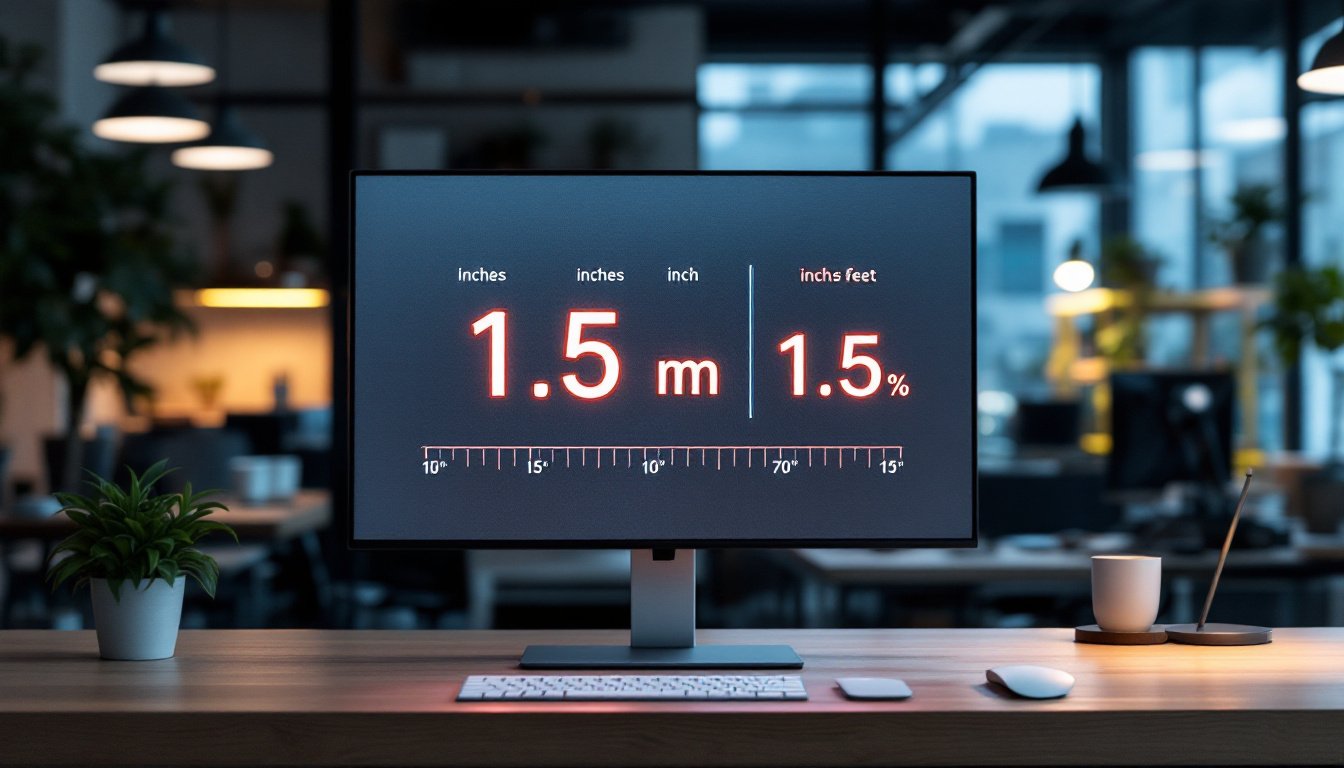
The optimal viewing distance for a 1.8 mm pixel pitch display is generally between 1.5 to 4 meters (approximately 5 to 13 feet). At this range, the human eye perceives a seamless image without noticing individual pixels. This is crucial in applications like conference rooms or retail environments, where the audience is likely to be positioned close to the display, ensuring that every detail is visible and impactful.
Choosing the correct pixel pitch based on expected viewing distance is critical. Using a 1.8 mm pitch for a display viewed from 20 feet or more may not be cost-effective, as the visual benefits diminish with distance. In such cases, larger pixel pitches may be more appropriate, balancing cost and performance. Additionally, understanding the environment in which the display will be used, including lighting conditions and ambient distractions, can further inform the decision-making process, ensuring that the display not only meets technical specifications but also enhances the overall user experience in its intended setting.
Applications of 1.8 mm Pixel Pitch LED Displays
Fine-pitch LED displays with a 1.8 mm pixel pitch are increasingly popular in various industries due to their superior image quality and versatility.
Broadcast and Control Rooms
In broadcast studios and control rooms, where operators need to monitor detailed information and visuals, 1.8 mm LED displays provide the clarity necessary for critical decision-making. Their high resolution ensures that data, video feeds, and graphics are easily readable.
Retail and Advertising
Retail environments benefit from 1.8 mm LED displays by attracting customers with vivid, high-resolution content. These displays can be used for digital signage, product promotions, and interactive installations where close-up viewing is common.
Corporate and Event Spaces
Corporate lobbies and event venues utilize fine-pitch LED displays to create impressive visual experiences. The 1.8 mm pixel pitch allows for detailed branding, presentations, and live video streaming, enhancing audience engagement.
Comparing 1.8 mm Pixel Pitch to Other Common Sizes
To fully appreciate the advantages of a 1.8 mm pixel pitch, it’s helpful to compare it with other common pixel pitches in the LED display market.
1.2 mm and 0.9 mm Pixel Pitch
These ultra-fine pixel pitches are used for extremely high-resolution displays, such as those in broadcast studios or premium indoor applications. While they offer superior image quality, they come at a significantly higher cost and require more complex installation.
2.5 mm to 4 mm Pixel Pitch
Displays with pixel pitches in this range are still considered fine-pitch but are more affordable and suitable for slightly larger viewing distances. They strike a balance between cost and image quality for many indoor applications.
5 mm and Above
These larger pixel pitches are typically used for outdoor displays or large venues where viewers are far from the screen. The image quality is lower compared to fine-pitch displays, but the cost and brightness levels are optimized for long-distance viewing.
Factors to Consider When Choosing a 1.8 mm Pixel Pitch LED Display
While the 1.8 mm pixel pitch offers excellent image quality, several factors should be evaluated before selecting this type of display.
Budget and Cost Efficiency
Fine-pitch LED displays are generally more expensive due to the increased number of LEDs and higher manufacturing precision. It’s important to balance the desired image quality with budget constraints.
Installation Environment
Indoor environments with controlled lighting are ideal for 1.8 mm pixel pitch displays. Outdoor use may require additional considerations such as brightness levels, weatherproofing, and durability.
Content and Usage
The type of content displayed influences the choice of pixel pitch. High-detail graphics, video, and text benefit from smaller pixel pitches, while simpler content may not justify the cost.
Conclusion: The Significance of 1.8 mm in Inches for LED Displays
Converting 1.8 mm to approximately 0.07087 inches helps contextualize the precision involved in modern LED display technology. A 1.8 mm pixel pitch represents a fine balance between resolution, viewing distance, and cost, making it a popular choice for high-quality indoor LED displays.
Understanding this measurement allows designers, engineers, and buyers to make informed decisions about the right LED display for their specific needs. Whether for corporate environments, retail, or broadcast applications, the 1.8 mm pixel pitch offers a compelling combination of clarity and performance that meets the demands of today’s visual communication standards.
Discover the Precision of LumenMatrix LED Displays
Ready to experience the unparalleled clarity and performance of a 1.8 mm pixel pitch LED display? LumenMatrix, a pioneer in LED display technology, offers a comprehensive range of solutions tailored to your unique needs. From vibrant Indoor LED Wall Displays to dynamic Outdoor LED Wall Displays, and from sleek LED Poster Displays to immersive LED Sports and Floor Displays, LumenMatrix has the perfect fit for your project. Elevate your visual communication with our Custom, All-in-One, and Transparent LED Displays. Check out LumenMatrix LED Display Solutions today and transform your space with cutting-edge digital signage.