Choosing the right display technology and screen size is crucial for creating an immersive viewing experience, whether it’s for a home theater, a corporate presentation, or a large-scale event. With advancements in display technologies, LED displays have become a popular alternative to traditional projector screens. However, understanding how to calculate the ideal screen size and resolution for LED displays can be complex. This article dives deep into the concept of a projector screen calculator, explains how LED displays work, and offers guidance on selecting the perfect setup for your needs.
Understanding Projector Screen Calculators
What Is a Projector Screen Calculator?
A projector screen calculator is a tool designed to help users determine the optimal screen size, aspect ratio, and viewing distance for their projection setup. It takes into account variables such as room dimensions, projector throw distance, resolution, and seating arrangement to recommend the best screen parameters. These calculators often come equipped with user-friendly interfaces, allowing even those unfamiliar with technical specifications to easily input their data and receive tailored recommendations.
Traditionally, these calculators were tailored for projector-based setups, where factors like throw distance and projector brightness were critical. However, as LED displays gain popularity, the concept of screen calculation has evolved to accommodate the unique characteristics of these displays. This evolution reflects the changing landscape of visual technology, where the integration of smart features and high-definition capabilities necessitates a more nuanced approach to screen selection. Users can now find calculators that not only consider traditional parameters but also incorporate advanced metrics such as color accuracy and refresh rates, which are vital for achieving optimal viewing experiences in various environments.
Why Use a Screen Calculator?
Using a screen calculator ensures that the display is neither too small to appreciate nor too large to cause discomfort. For projectors, an incorrectly sized screen can result in poor image quality or distorted images due to improper throw distance or aspect ratio mismatch. For LED displays, while throw distance is irrelevant, pixel pitch and viewing distance become paramount. The pixel pitch, which refers to the distance between the center of one pixel to the center of the adjacent pixel, significantly influences the clarity and sharpness of the image. A well-calibrated screen size based on pixel pitch can enhance the overall viewing experience, especially in settings where detail is crucial, such as in presentations or home theaters.
Moreover, a screen calculator helps optimize cost-efficiency. Oversized screens or unnecessarily high resolutions can inflate budgets without adding value, while undersized or low-resolution screens can detract from user experience. By utilizing a screen calculator, users can make informed decisions that align with their specific needs and budget constraints. Additionally, these calculators often provide insights into the best screen materials and types, whether it be matte, glossy, or ambient light-rejecting, which can further enhance the viewing experience by minimizing glare and improving contrast. This level of detail ensures that users not only choose the right size but also the right type of screen for their unique environment, ultimately leading to a more satisfying visual outcome.
LED Displays: A Modern Alternative to Projector Screens
What Are LED Displays?
LED (Light Emitting Diode) displays are digital screens composed of numerous tiny LEDs that emit light individually. Unlike projectors, which rely on an external light source to project images onto a screen, LED displays generate their own light, resulting in vibrant colors, high contrast ratios, and excellent brightness levels. This self-illuminating property allows for a more dynamic viewing experience, particularly in environments where ambient light can wash out traditional projection systems.
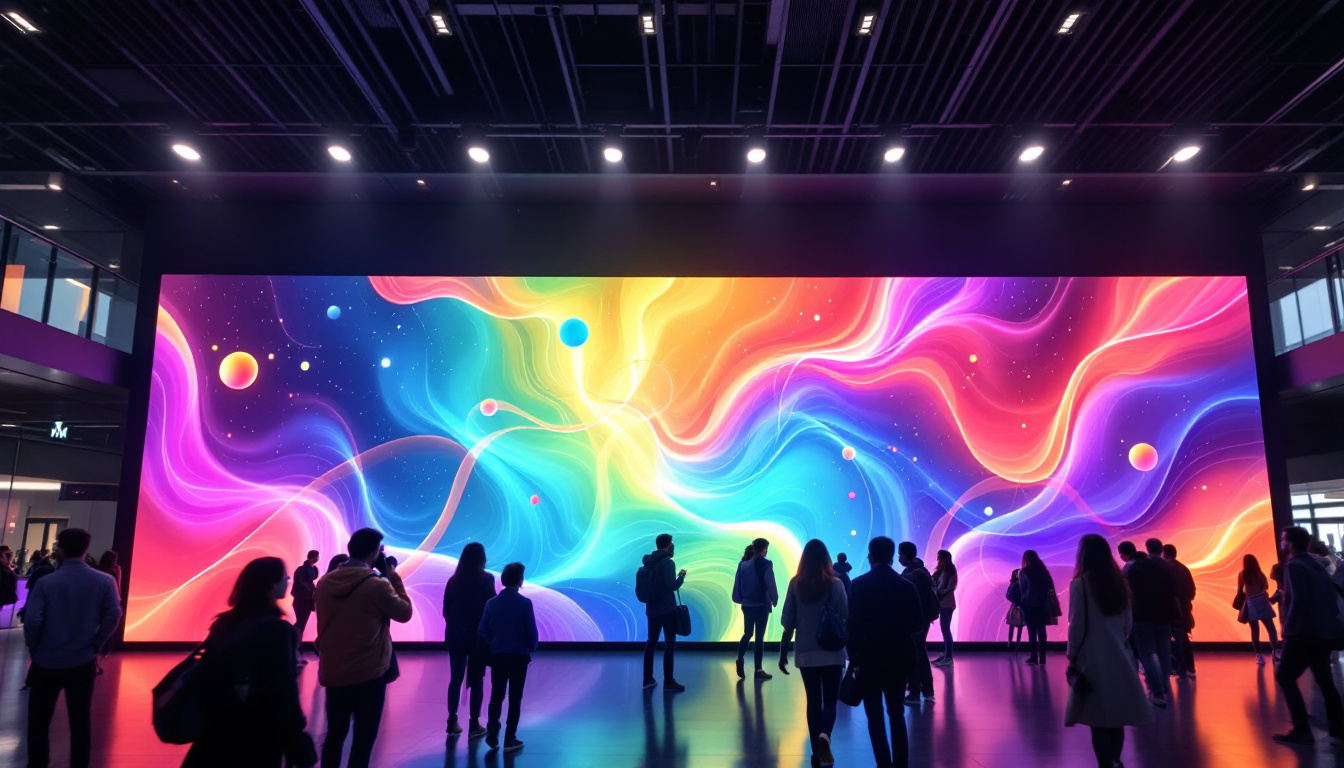
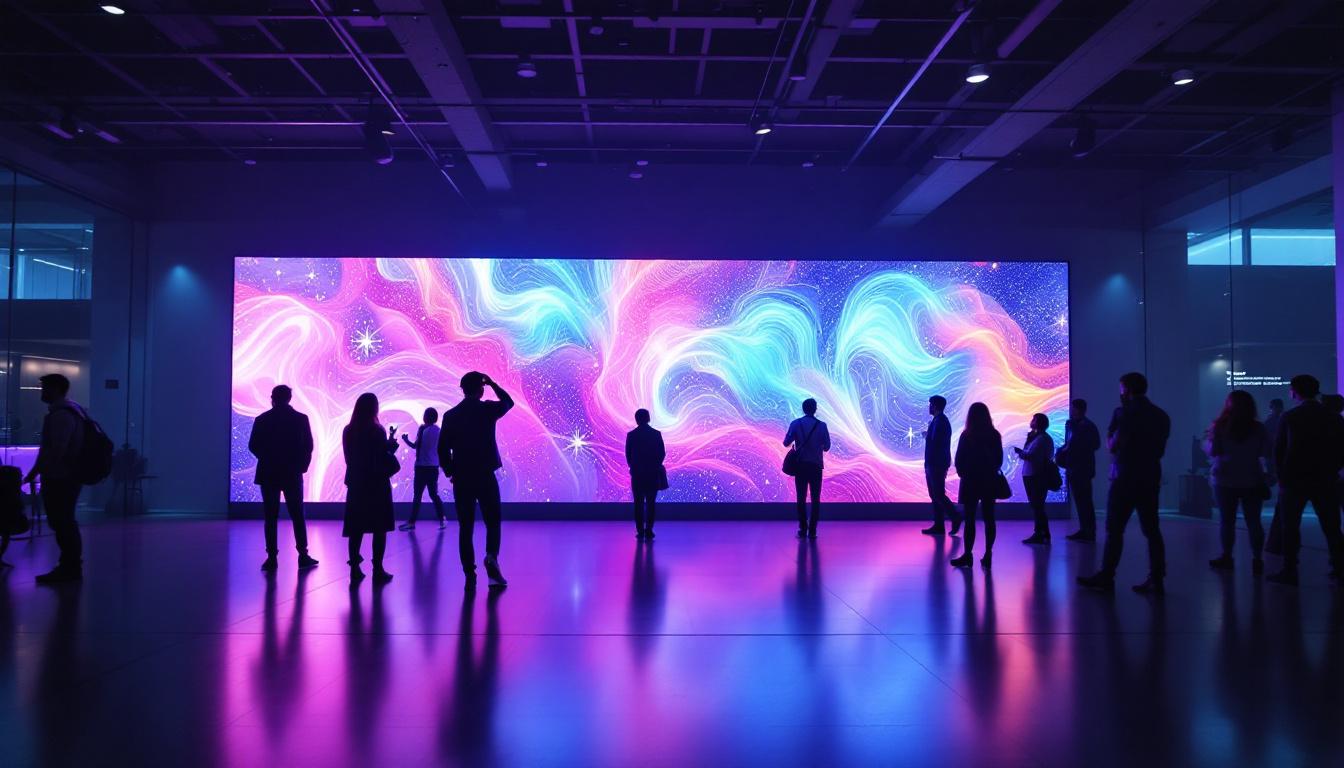
LED technology is widely used in various applications, from smartphone screens to massive outdoor billboards. In recent years, LED video walls and modular LED panels have become popular for indoor and outdoor large-format displays. These installations can be found in shopping malls, sports arenas, and concert venues, where they captivate audiences with stunning visuals. The versatility of LED displays also extends to creative applications, such as art installations and immersive experiences, where they can transform spaces into interactive environments.
Advantages of LED Displays Over Projector Screens
LED displays offer several advantages that make them attractive alternatives to traditional projector screens:
- Brightness: LED displays can achieve much higher brightness levels than projectors, making them ideal for well-lit environments.
- Color Accuracy and Contrast: Each LED emits precise colors, resulting in superior color accuracy and deeper blacks.
- Durability: LED panels are robust and less susceptible to damage compared to projector screens, which can be scratched or stained.
- Maintenance: LEDs require less maintenance since there are no bulbs to replace or filters to clean.
- Viewing Angles: LED displays maintain consistent image quality across wider viewing angles.
- Installation Flexibility: Modular LED panels can be configured into various sizes and shapes to fit unique spaces.
Despite these benefits, LED displays can be more expensive upfront and require careful consideration of pixel pitch and resolution to ensure image clarity. The pixel pitch, which refers to the distance between the center of one LED to the center of the next, is crucial for determining how sharp the image will appear, especially at close viewing distances. Additionally, advancements in LED technology, such as microLED and miniLED, continue to push the boundaries of display performance, offering even finer resolutions and improved energy efficiency. As these technologies evolve, they promise to make LED displays not only more accessible but also increasingly capable of meeting the demands of diverse applications.
Calculating the Ideal LED Display Size and Resolution
Key Factors in LED Display Calculation
When selecting an LED display, the primary considerations differ from those of a projector screen. Instead of throw distance, the focus shifts to pixel pitch, viewing distance, and resolution.
- Pixel Pitch: This is the distance in millimeters between the centers of two adjacent pixels on the LED panel. Smaller pixel pitches mean higher pixel density and sharper images.
- Viewing Distance: The optimal distance from which viewers will watch the display. This influences the required pixel pitch and resolution.
- Resolution: The total number of pixels horizontally and vertically. Higher resolution provides more detail but increases cost.
- Screen Size: The physical dimensions of the LED display, usually measured diagonally in inches or meters.
How Viewing Distance Influences Pixel Pitch
Viewing distance is critical in determining the appropriate pixel pitch. If the pixel pitch is too large for a close viewing distance, the image will appear pixelated. Conversely, an unnecessarily small pixel pitch for a distant viewing distance increases costs without noticeable image improvement.
Industry guidelines suggest that the minimum viewing distance (in meters) should be approximately equal to the pixel pitch (in millimeters) multiplied by 1.5 to 2. For example, a 2.5mm pixel pitch display is ideal for viewing distances of about 3.75 to 5 meters.
Using a Projector Screen Calculator for LED Displays
Modern projector screen calculators have adapted to include LED display parameters. These calculators allow users to input viewing distance, desired resolution, and room size to recommend the optimal LED display size and pixel pitch.
For instance, if a conference room is 4 meters wide and viewers sit approximately 4 meters away, the calculator might suggest a 2.5mm pixel pitch LED display with a screen width of 3.5 meters to ensure sharp images and comfortable viewing.
Practical Examples and Applications
Home Theater LED Displays
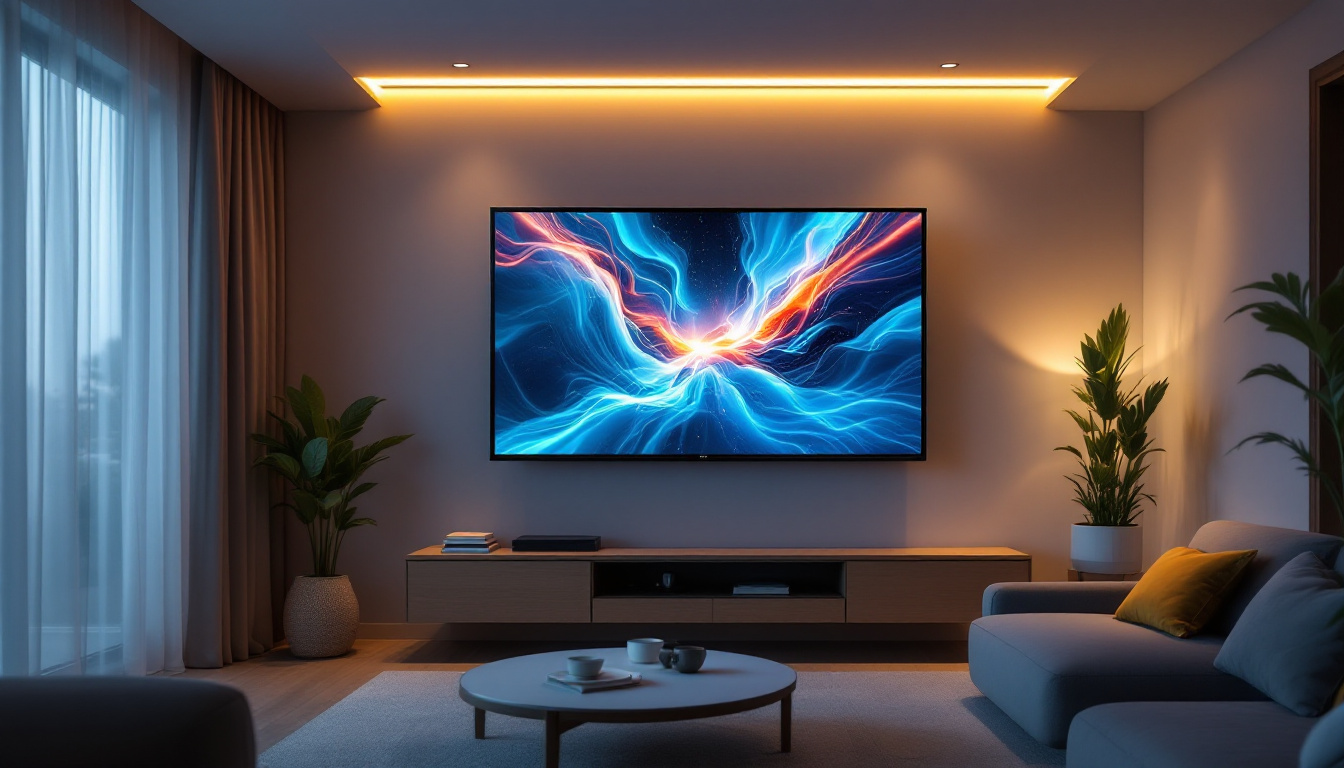
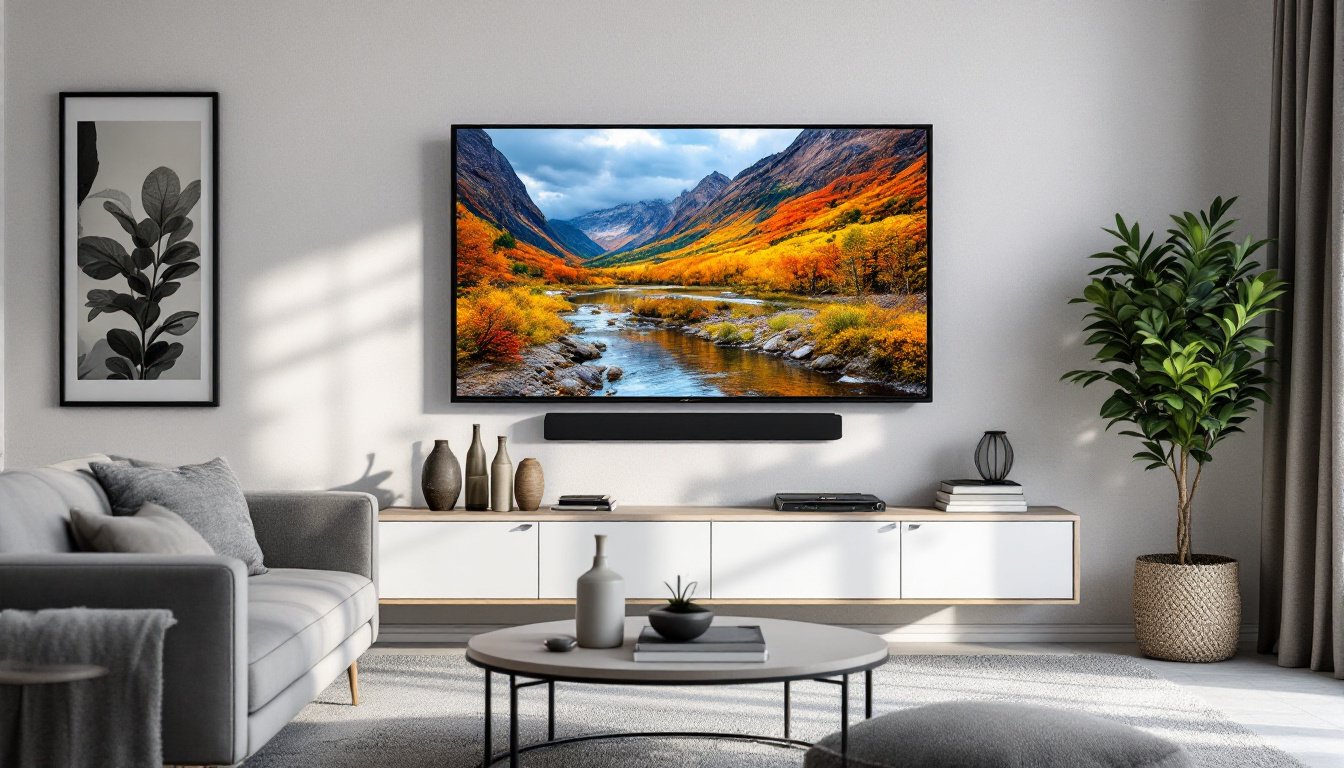
Home theaters traditionally rely on projectors due to their large screen sizes and immersive experience. However, LED displays are gaining traction for their superior brightness and color quality. For a typical home theater with a viewing distance of 3 meters, a 1.5mm pixel pitch LED display measuring around 100 inches diagonally can deliver a stunning cinematic experience.
While the cost is higher than projector setups, the maintenance savings and image quality often justify the investment for enthusiasts.
Corporate and Educational Settings
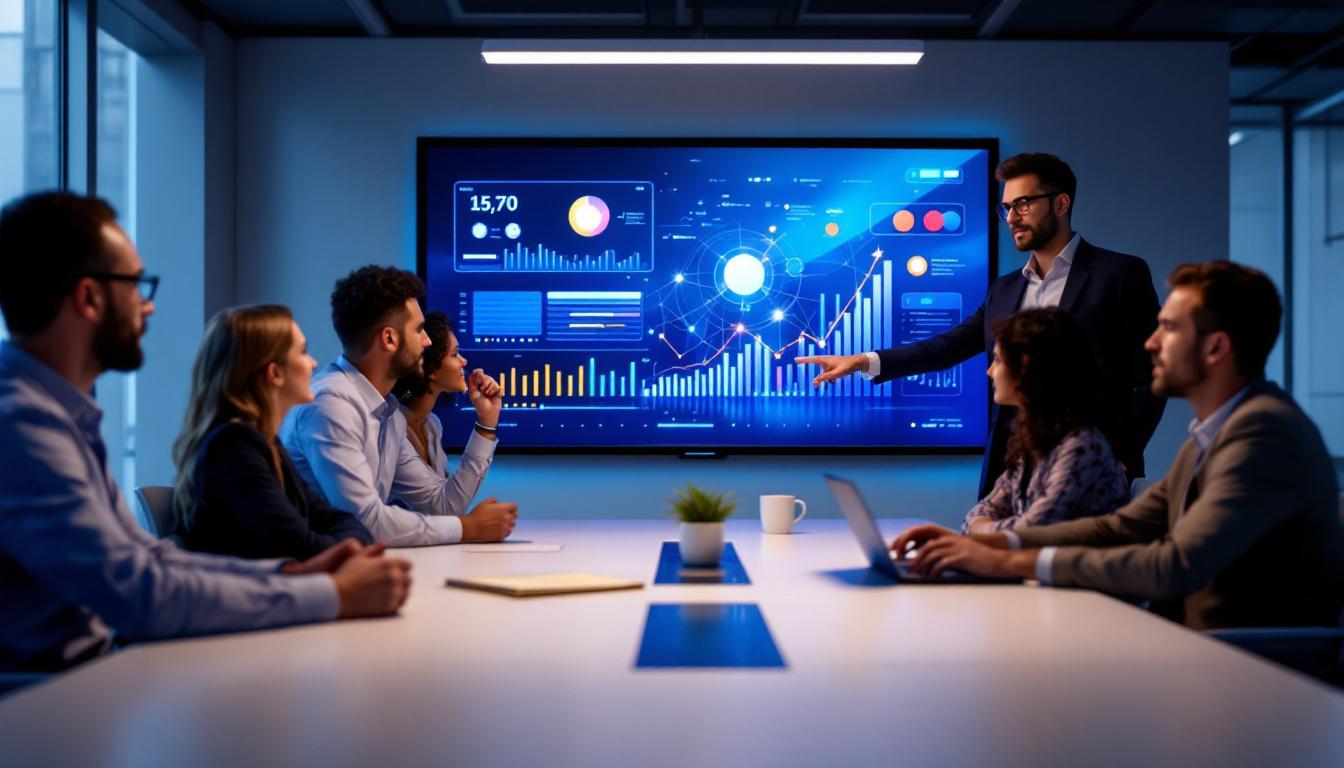
In corporate boardrooms and educational auditoriums, LED displays provide clear, bright images that remain visible even under strong ambient lighting. For rooms with seating distances ranging from 2 to 10 meters, pixel pitches between 2.5mm and 4mm are common.
Using a screen calculator helps determine the ideal size that fits the room’s dimensions and seating layout, ensuring all participants have a clear view without straining their eyes.
Outdoor and Large-Scale Events
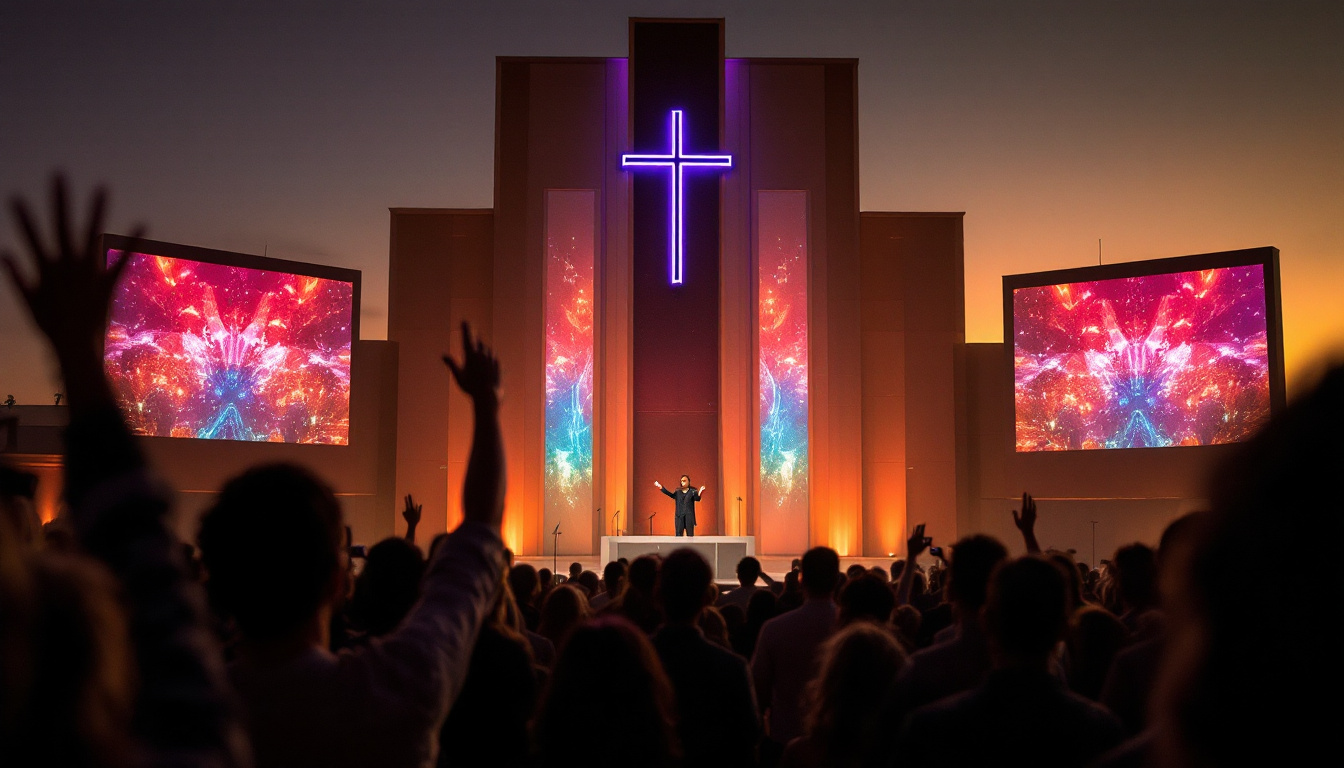
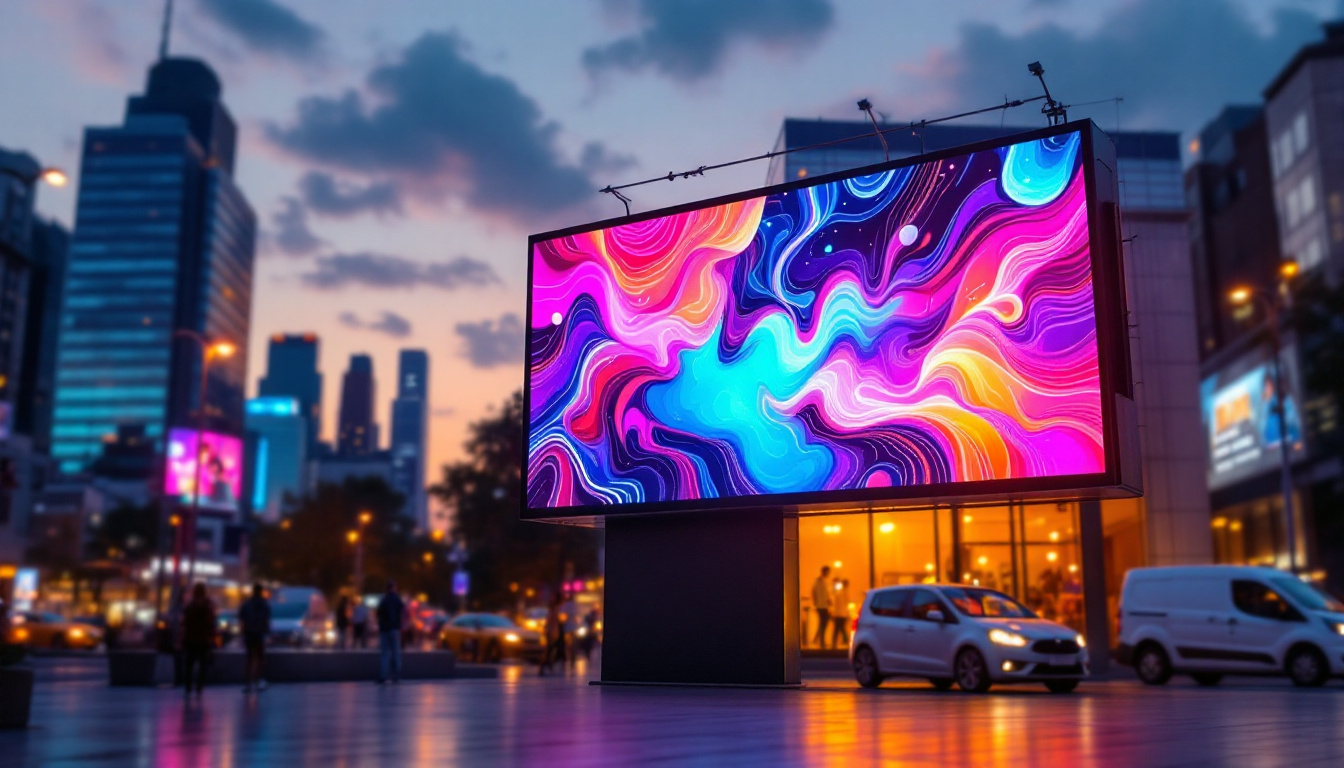
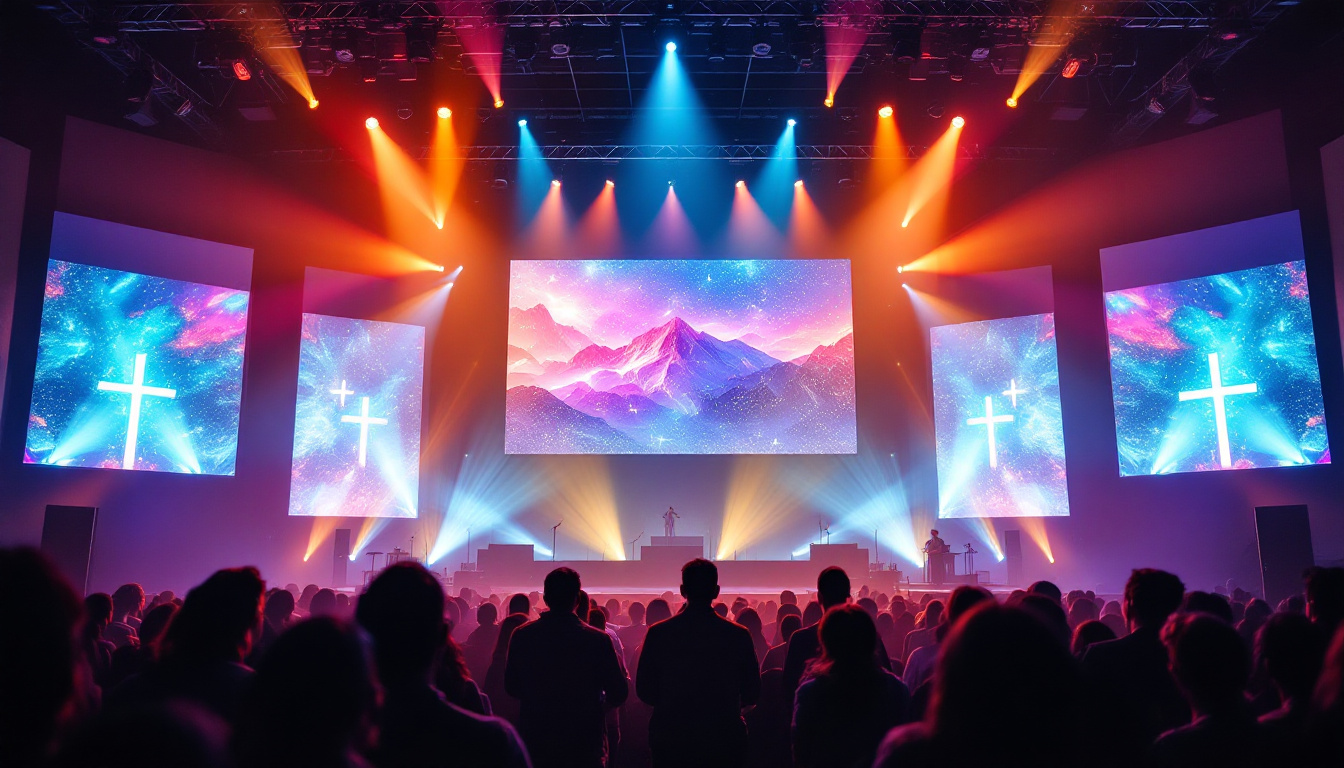
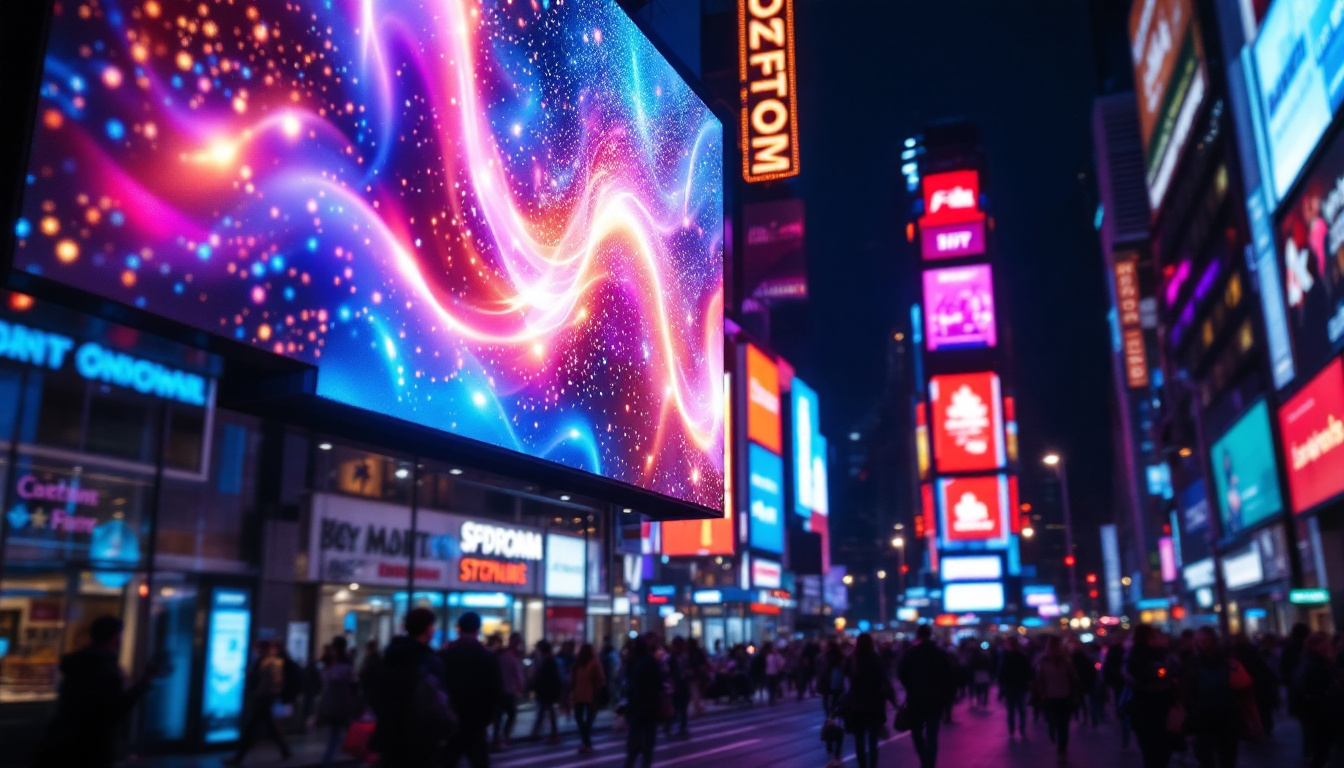
Outdoor LED video walls are prevalent in concerts, sports arenas, and public events. These displays often have larger pixel pitches (6mm to 20mm) due to the greater typical viewing distances, sometimes exceeding 20 meters.
Calculating the right pixel pitch and screen size is essential to balance cost and image quality, especially since outdoor LED displays must also contend with sunlight and weather conditions.
Additional Considerations When Choosing LED Displays
Brightness and Ambient Lighting
LED displays are rated in nits (candelas per square meter) to indicate brightness. For indoor environments, 800 to 1,200 nits usually suffice, while outdoor displays may require 5,000 nits or more to remain visible in direct sunlight.
Understanding the ambient lighting conditions helps in selecting a display bright enough to deliver clear images without causing eye strain.
Aspect Ratio and Content Compatibility
Most LED displays support standard aspect ratios like 16:9 or 4:3, but modular LED panels can be configured into custom shapes. It’s important to ensure that the chosen aspect ratio matches the content to be displayed, preventing distortion or black bars.
Installation and Maintenance
LED displays require professional installation to ensure proper alignment and calibration. Additionally, while LEDs are durable, periodic maintenance such as cleaning and firmware updates helps maintain performance and longevity.
Conclusion: Making an Informed Choice
Choosing between a projector screen and an LED display involves weighing factors like room size, viewing distance, ambient lighting, budget, and desired image quality. Projector screen calculators remain valuable tools for optimizing projector setups, but as LED displays become more prevalent, understanding pixel pitch, resolution, and viewing distance is essential for selecting the right LED screen.
By leveraging modern screen calculators tailored for LED technology and considering the unique advantages of LED displays, users can create visually stunning environments that meet their specific needs. Whether for home entertainment, business presentations, or large-scale events, informed decisions about display technology and screen size will ensure a superior viewing experience.
Discover LumenMatrix LED Display Solutions
Ready to elevate your visual experience with the latest in LED display technology? Look no further than LumenMatrix, where innovation meets excellence. Our diverse range of LED display modules, from Indoor and Outdoor LED Walls to specialized solutions like Vehicle and Sports Displays, is designed to captivate and engage your audience. Embrace the future of visual communication with our Custom, All-in-One, and Transparent LED Displays, each crafted to deliver your message with unparalleled impact. Don’t just take our word for it; check out LumenMatrix LED Display Solutions today and see the difference for yourself.