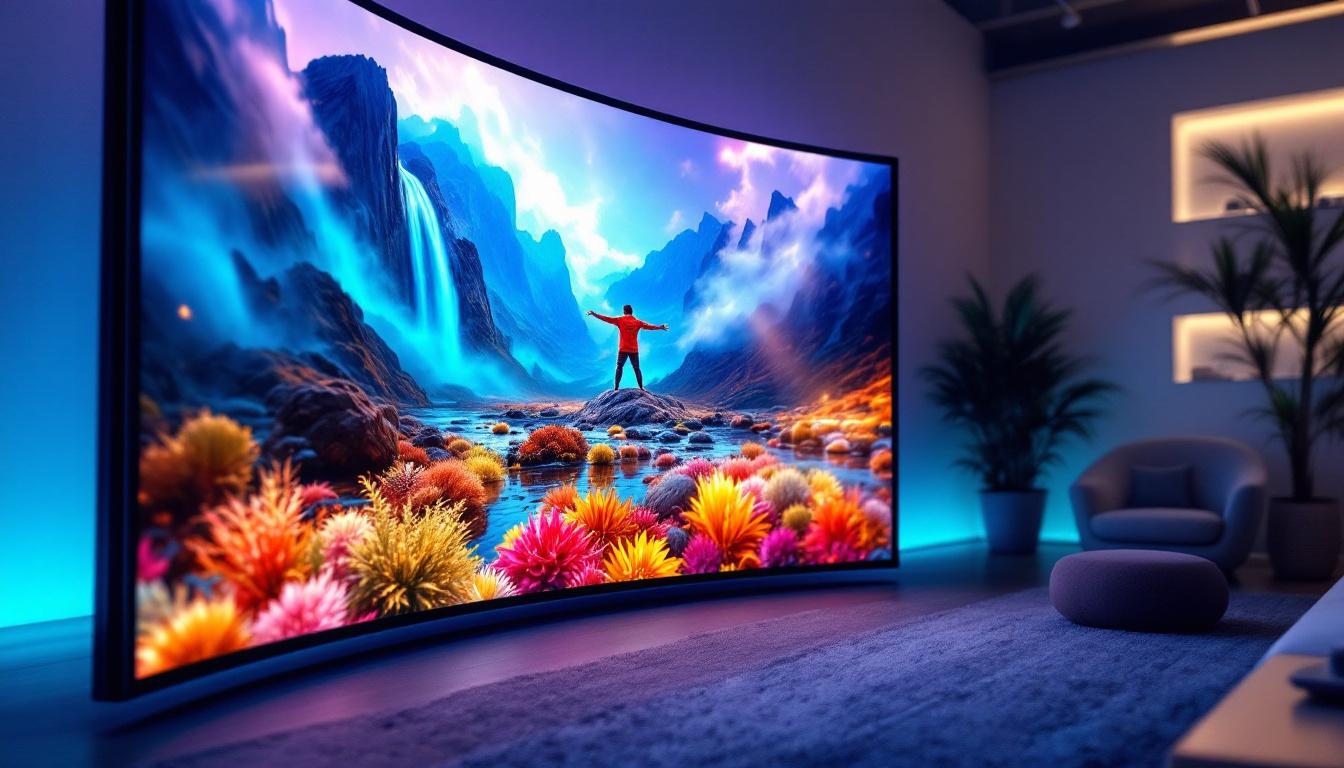
In recent years, LED display technology has evolved dramatically, offering new possibilities for visual communication, entertainment, and advertising. Among these innovations, curved grade LED displays have emerged as a compelling solution for creating immersive and visually striking experiences. This article explores what curved grade LED displays are, how they differ from traditional flat panels, and why they are becoming increasingly popular across various industries.
Understanding Curved Grade LED Displays
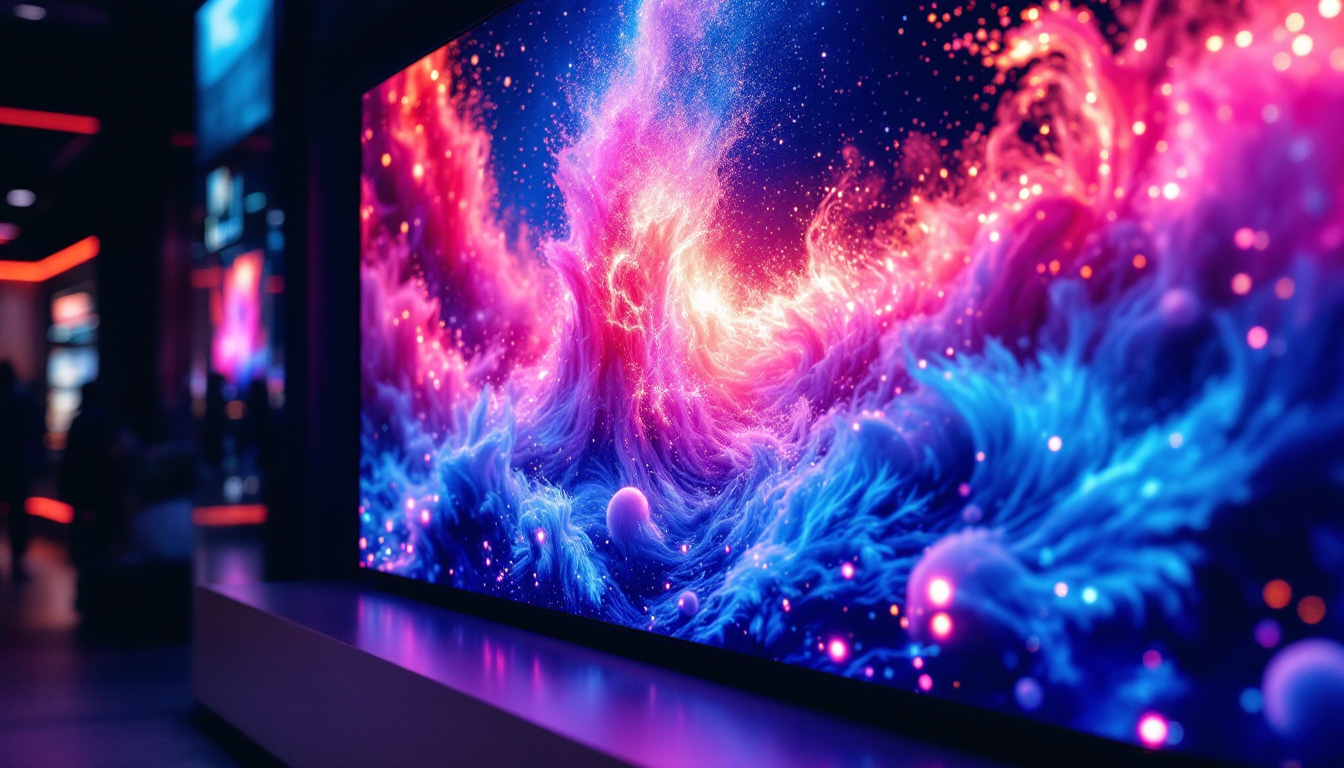
At its core, a curved grade LED display is an LED screen designed with a curved surface rather than a flat one. This curvature can be subtle or pronounced, depending on the application and design requirements. Unlike conventional LED panels that are flat and rigid, curved grade displays are engineered to bend, creating a wrap-around effect that enhances the viewer’s field of vision.
The key to achieving this curvature lies in the modular design of LED panels. Each panel consists of numerous tiny light-emitting diodes (LEDs) arranged in a matrix. These modules are mounted on flexible or specially designed frames that allow for bending without compromising the integrity of the display. This flexibility enables manufacturers to produce screens that can curve inward or outward, adapting to architectural features or creative display concepts.
Technical Specifications and Design Considerations
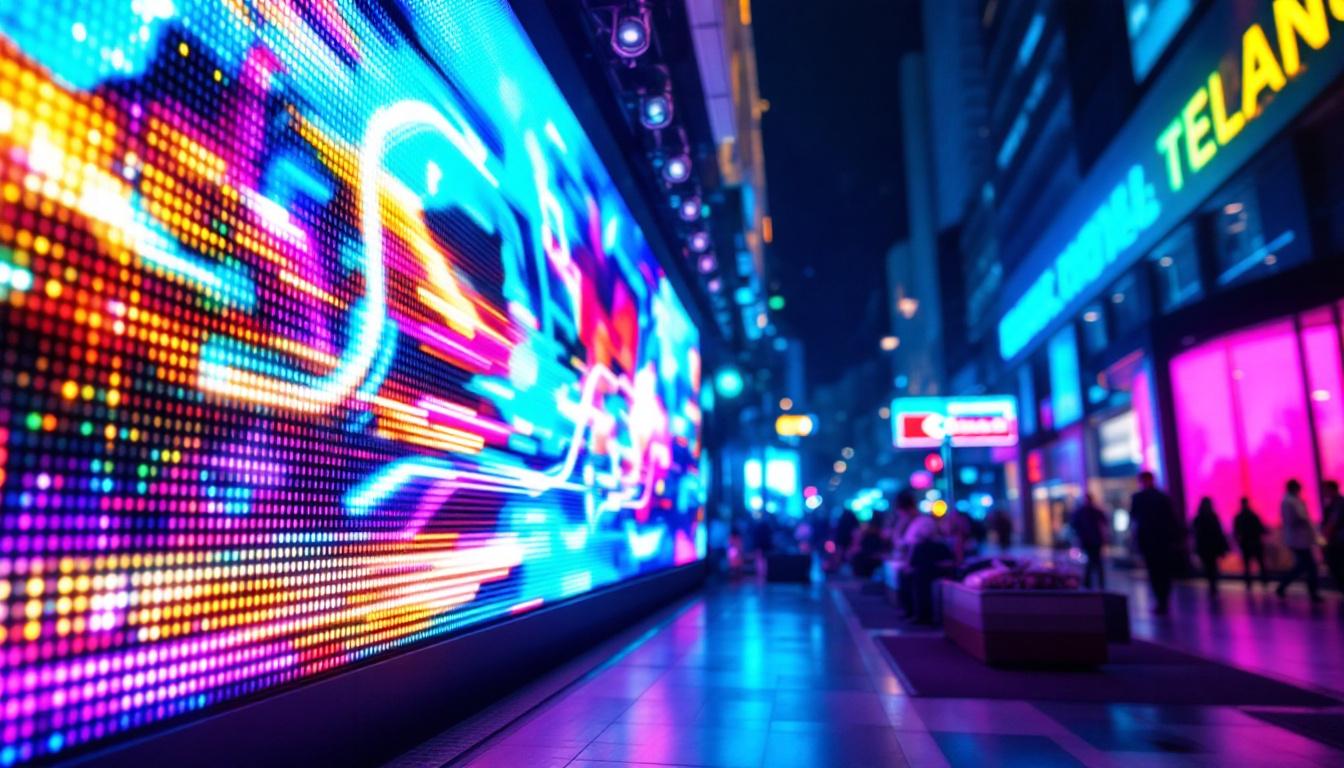
Curved grade LED displays are typically characterized by their pixel pitch, brightness, refresh rate, and curvature radius. The pixel pitch, which measures the distance between individual LEDs, directly influences the resolution and viewing distance. For example, a smaller pixel pitch (e.g., 1.2mm to 2.5mm) is suitable for close-up viewing environments such as control rooms or broadcast studios, while larger pitches (e.g., 4mm to 10mm) work well for large venues or outdoor advertising.
Brightness is another critical factor, especially for outdoor or well-lit indoor environments. Curved LED displays often feature high brightness levels—sometimes exceeding 5,000 nits—to ensure visibility even under direct sunlight. The refresh rate, commonly 3,840 Hz or higher, guarantees smooth motion rendering and reduces flicker, which is essential for video content and live broadcasts.
The curvature radius, measured in millimeters or meters, defines how tight the curve is. A smaller radius means a more pronounced curve. Designers must carefully select this radius to balance visual impact with structural feasibility and content compatibility. Additionally, the design process takes into account the viewing angles, as the curvature can affect how images and videos are perceived from different positions in the audience. This is particularly important in venues like theaters or stadiums, where maximizing viewer engagement is crucial.
Moreover, the integration of curved grade LED displays into various environments can significantly enhance the aesthetic appeal and functionality of the space. For instance, in retail settings, these displays can create immersive shopping experiences by wrapping around product displays or storefronts, drawing in customers with dynamic visuals. In corporate environments, they can be used for impactful presentations or as part of a digital signage strategy that engages employees and visitors alike. The versatility of curved displays also extends to event production, where they can be utilized as part of stage designs, creating captivating backdrops that transform the overall atmosphere of live performances.
Applications of Curved Grade LED Displays
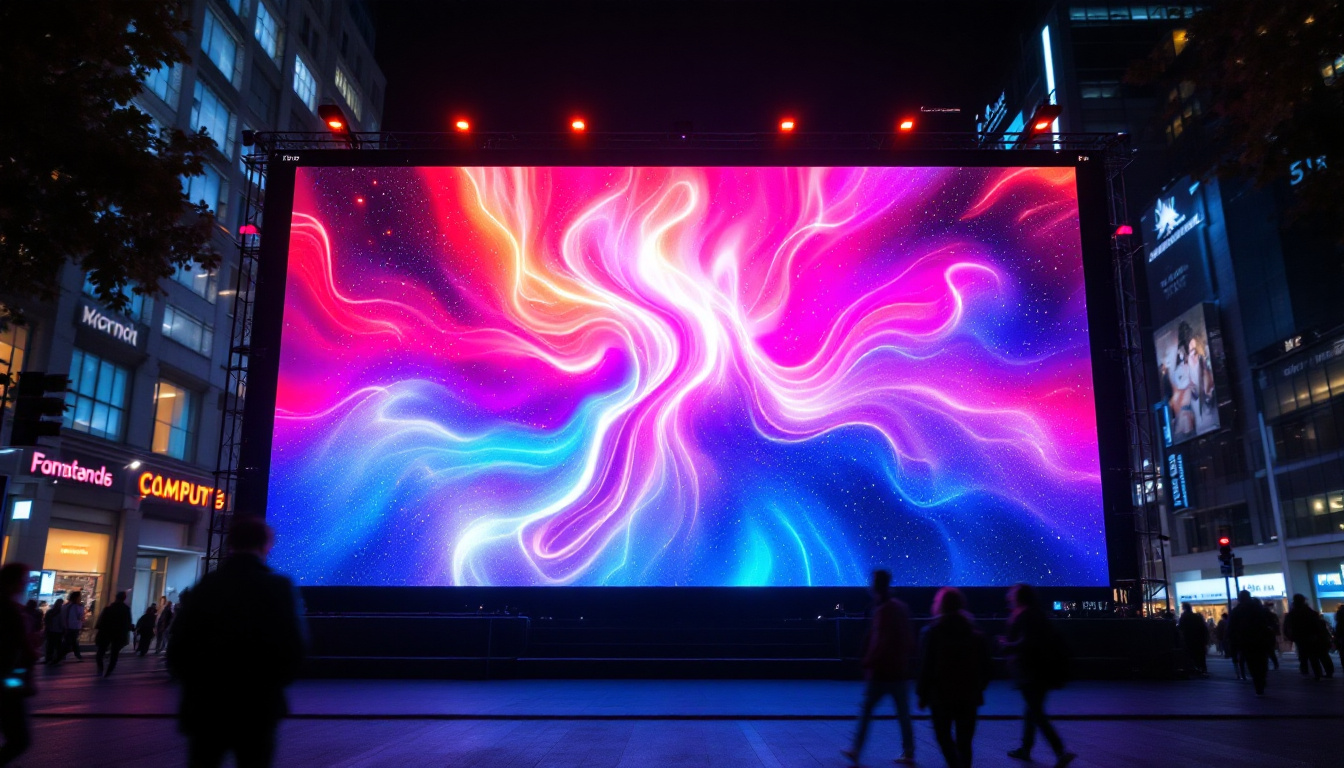
Curved LED displays are versatile and have found applications in numerous sectors, ranging from entertainment and retail to corporate environments and public spaces. Their unique shape and immersive qualities make them ideal for creating engaging visual experiences.
Entertainment and Events
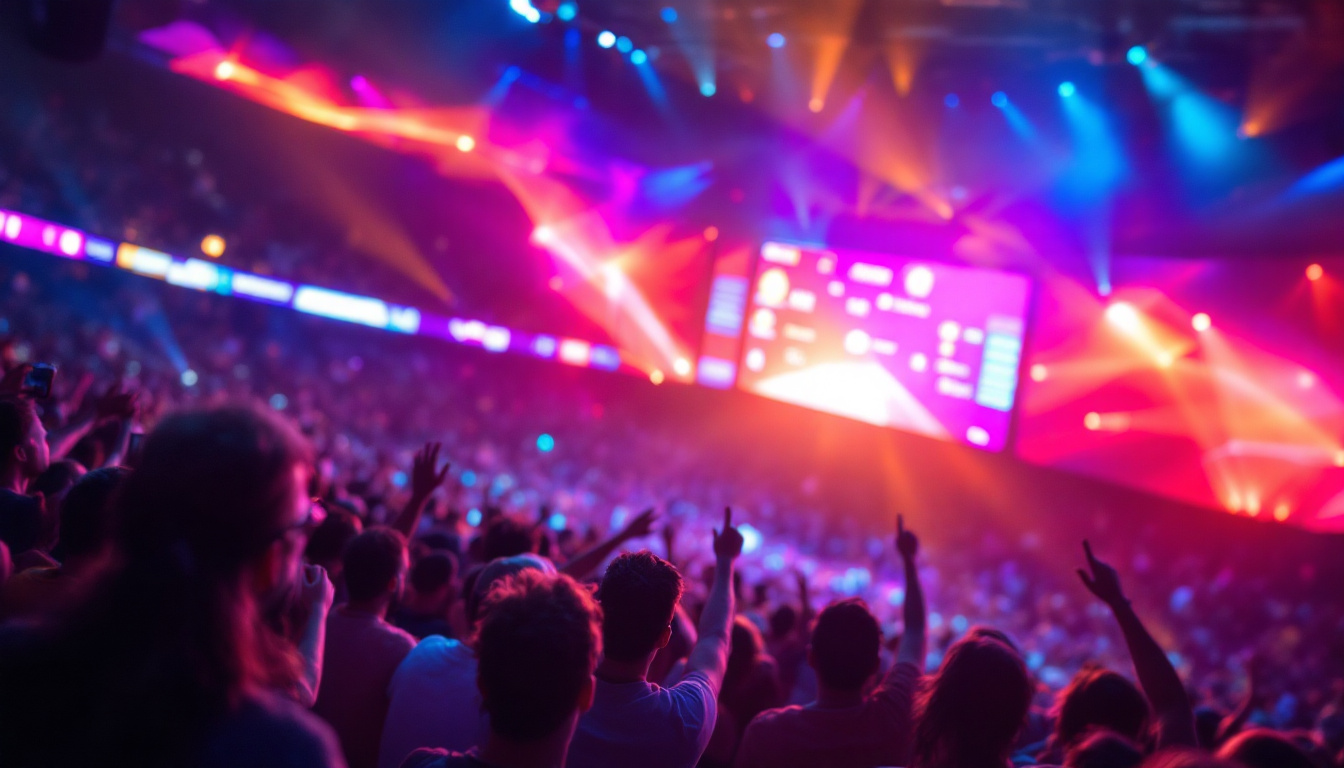
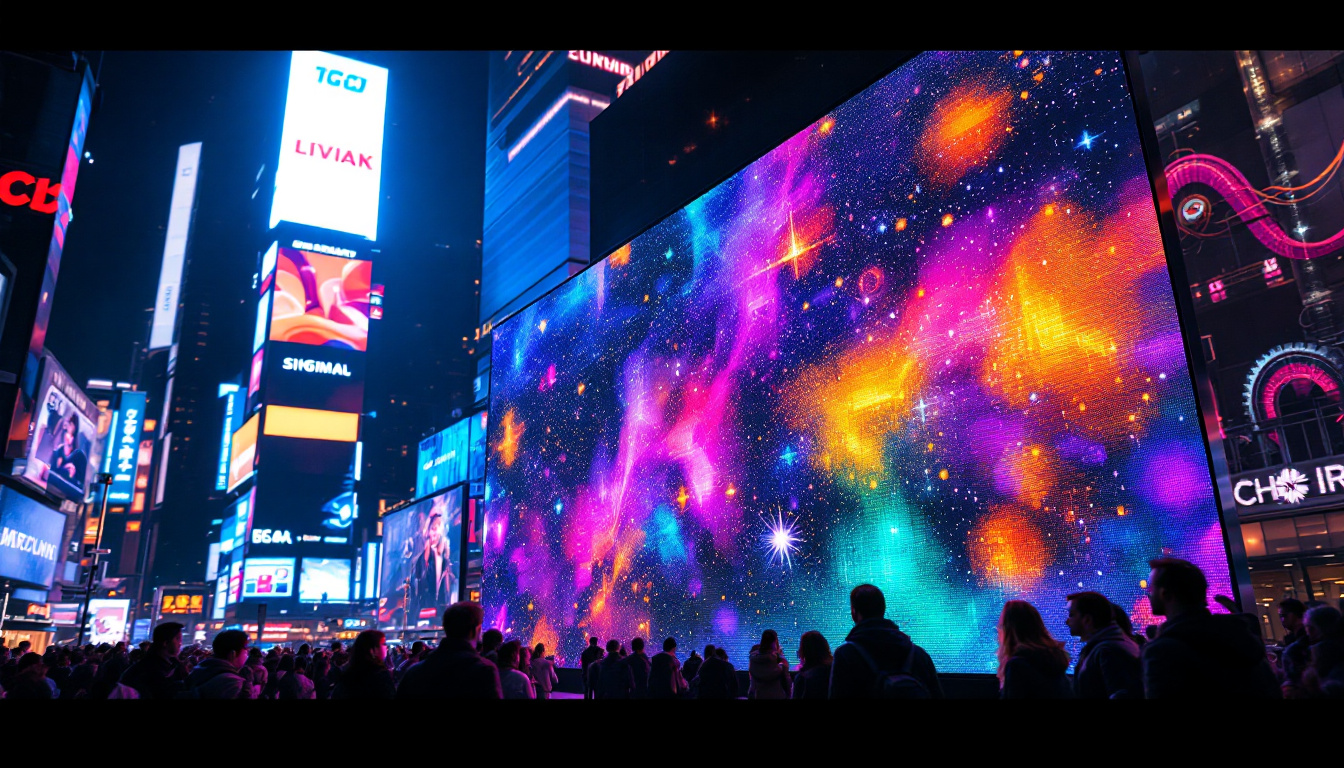
Concerts, theater productions, and live events increasingly utilize curved LED screens to enhance stage design and audience engagement. The wrap-around effect of curved displays allows for panoramic visuals that envelop the audience, creating a sense of immersion that flat screens cannot match. For example, major music festivals and award shows often deploy large curved LED walls to display dynamic backgrounds, live feeds, and interactive content.
Sports arenas also benefit from curved LED installations, such as ribbon boards and scoreboards that follow the contours of the venue. This not only improves sightlines but also maximizes advertising real estate, offering sponsors more impactful visibility.
Retail and Advertising
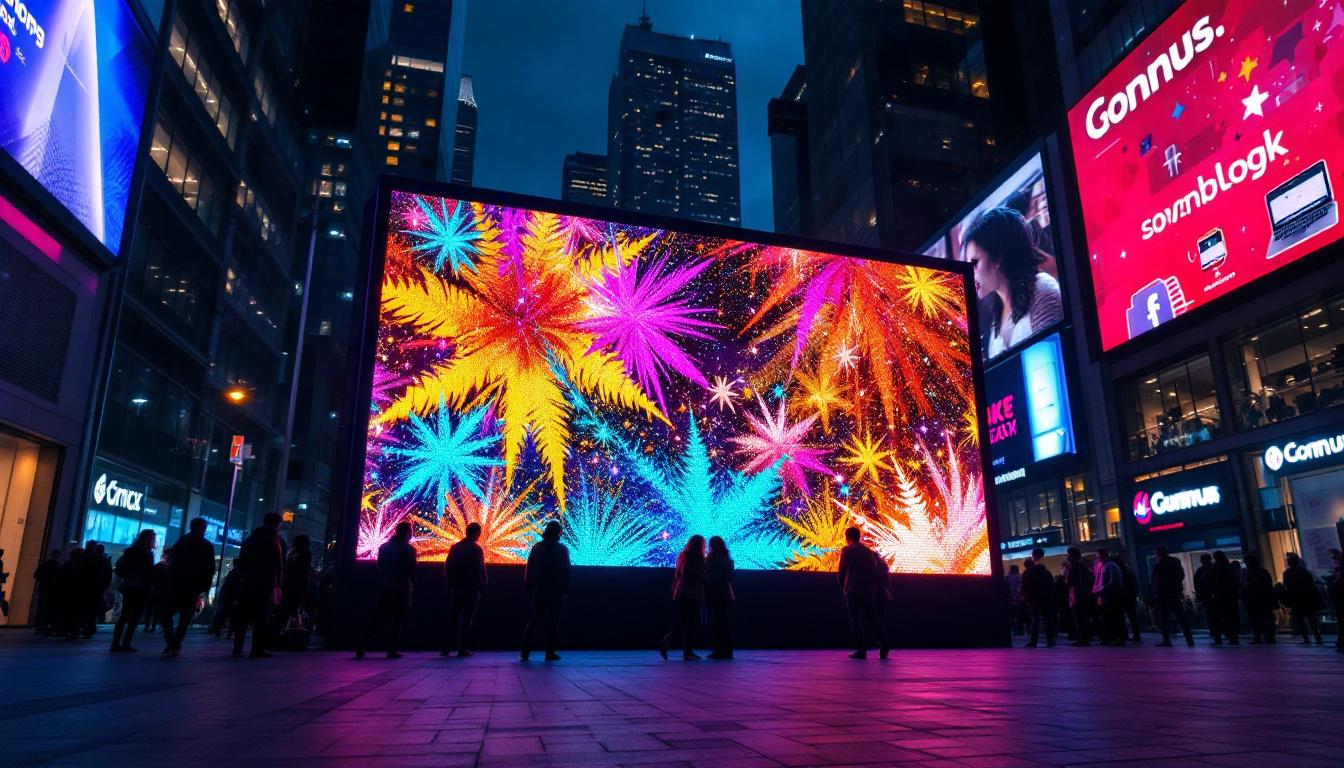
In retail environments, curved LED displays serve as eye-catching digital signage that attracts customers and enhances brand presence. Shopping malls, flagship stores, and automotive showrooms use curved screens to showcase products in a visually compelling manner. The curvature adds depth and dimension to advertisements, making them stand out compared to traditional flat displays.
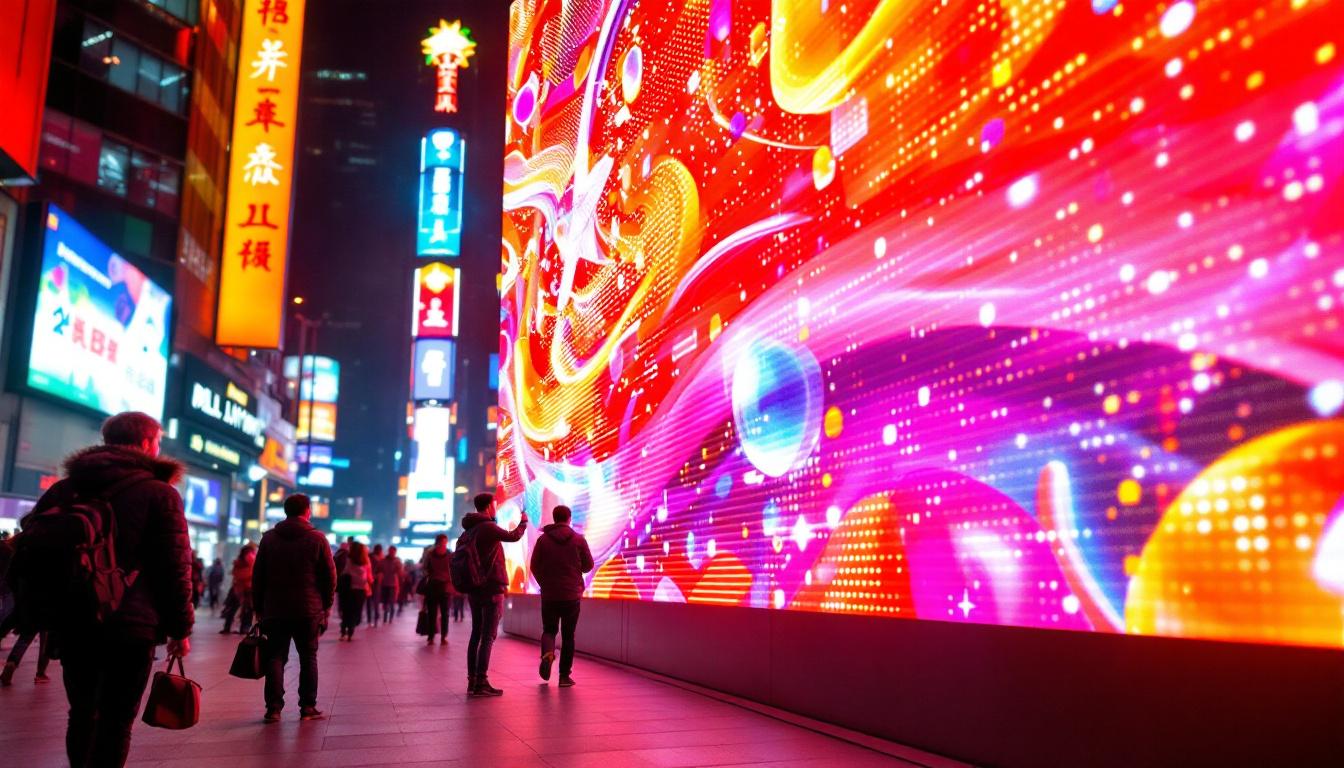
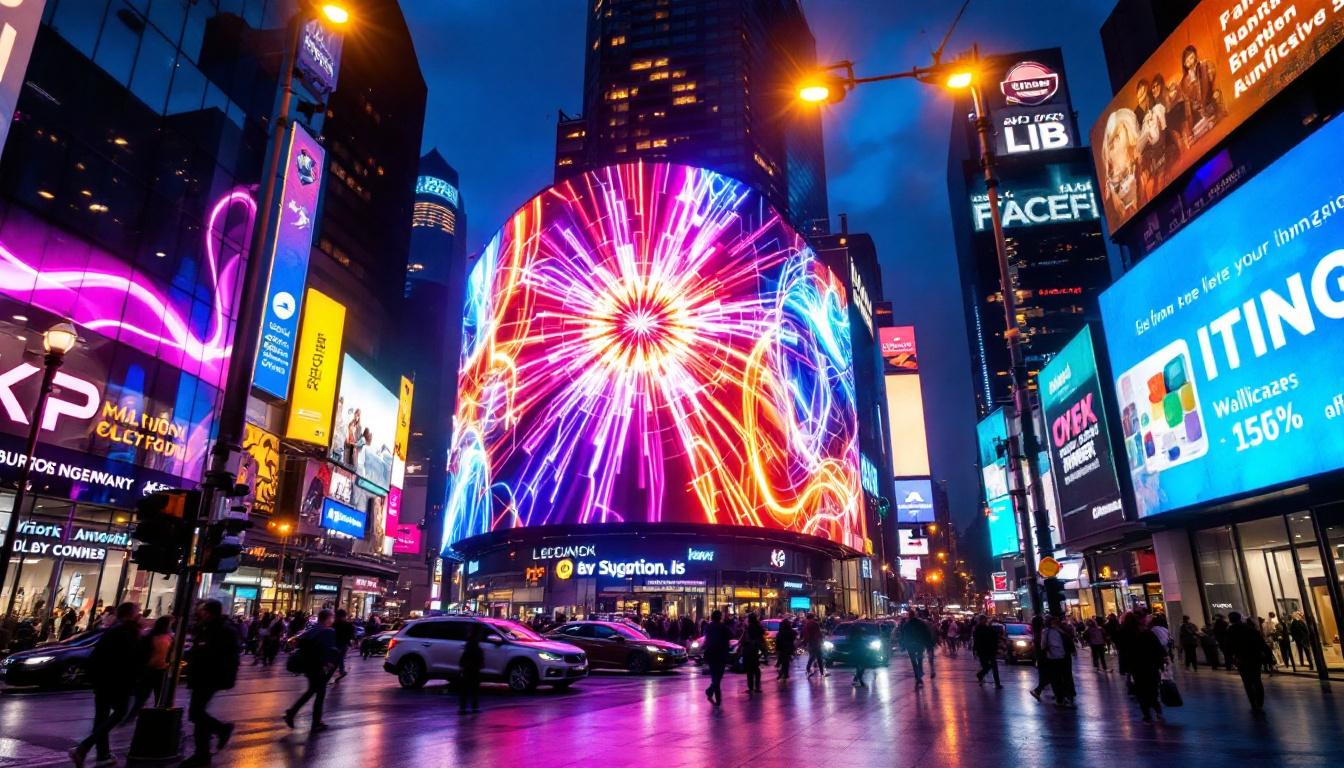
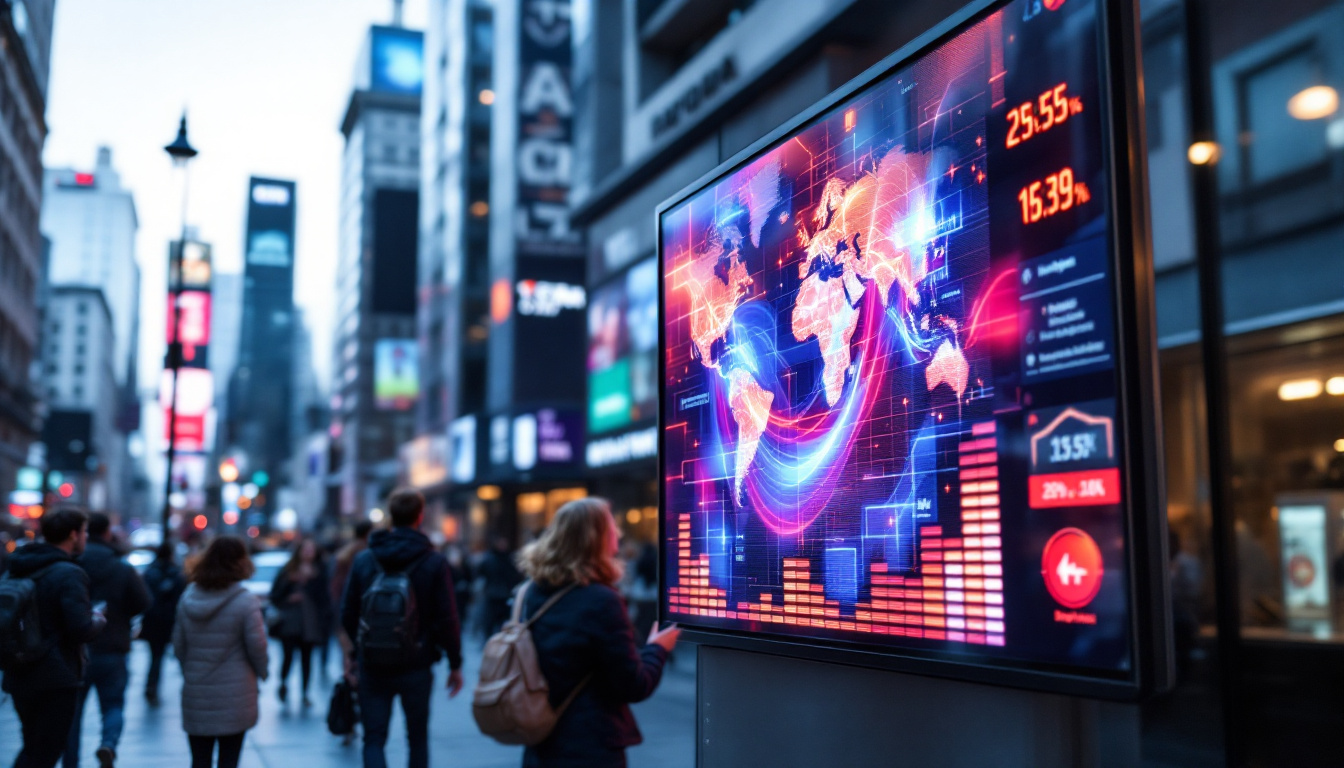
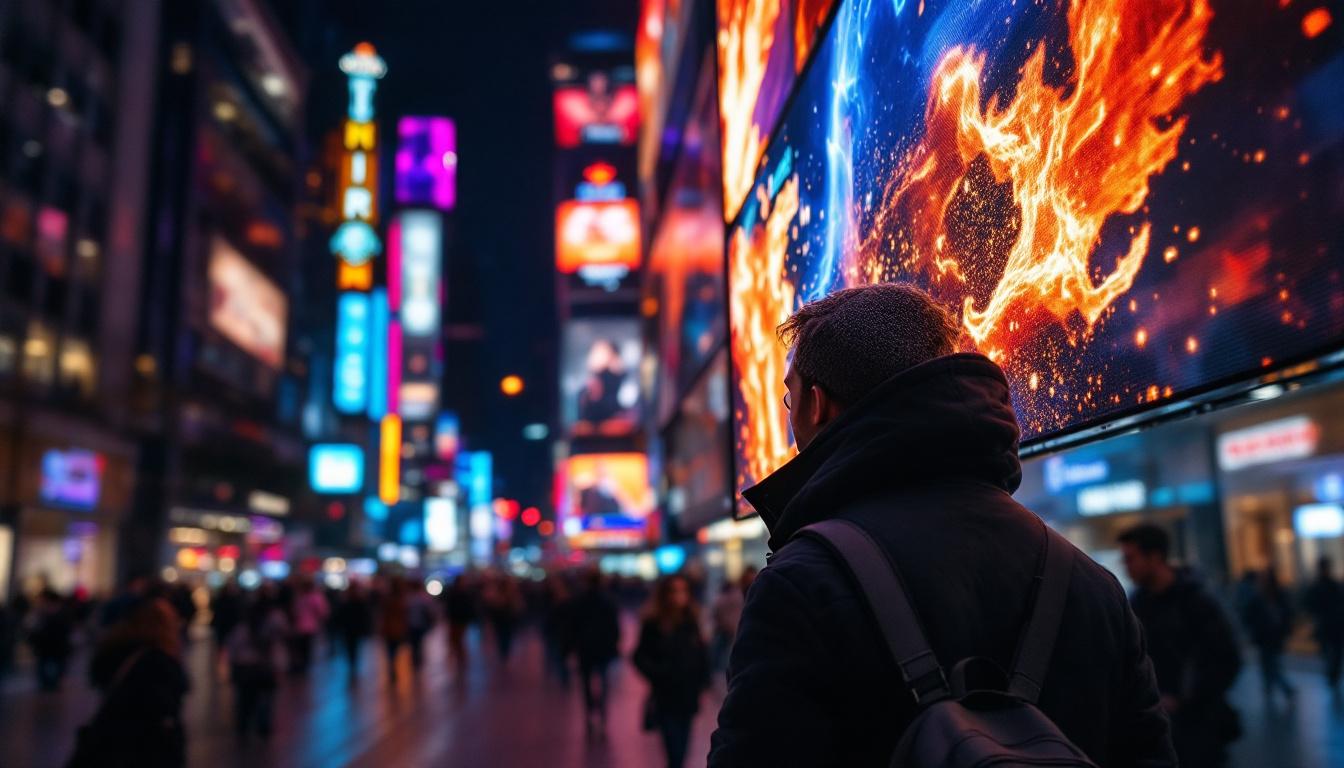
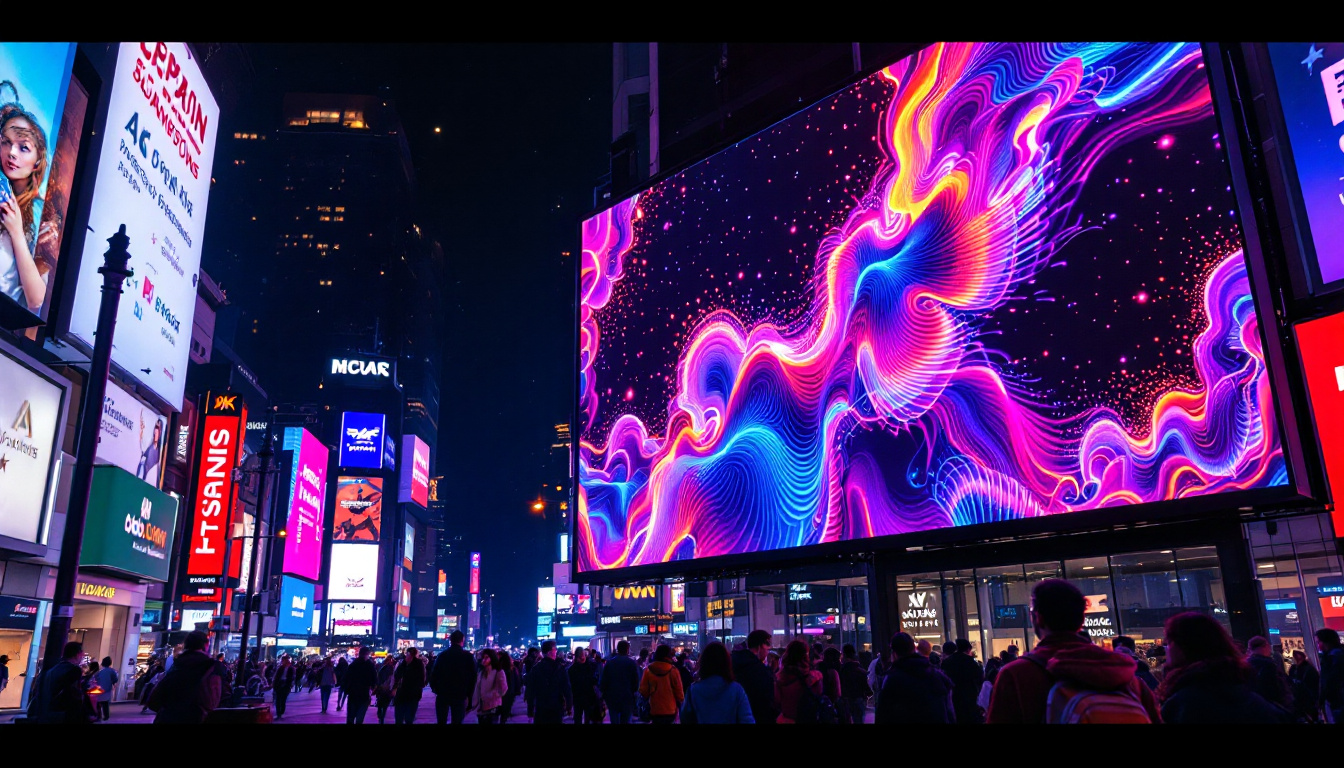
Outdoor advertising has embraced curved LED billboards, particularly on curved building facades or along highways. These installations take advantage of architectural features, transforming ordinary surfaces into dynamic marketing canvases. According to recent industry reports, digital out-of-home (DOOH) advertising, which includes LED displays, is projected to grow at a compound annual growth rate (CAGR) of over 10% through 2027, with curved displays playing a significant role in this expansion.
Corporate and Control Rooms
Curved LED walls are increasingly popular in corporate boardrooms and control centers. Their ability to provide a wide, uninterrupted field of view makes them ideal for data visualization, video conferencing, and collaborative work. For instance, financial trading floors and emergency response centers utilize curved LED displays to monitor multiple data streams simultaneously, improving situational awareness and decision-making.
The ergonomic benefits of curved screens also contribute to reduced eye strain and better viewing angles for users, which is crucial during long working hours.
Advantages of Curved Grade LED Displays
Choosing a curved LED display offers several distinct advantages over flat panels, both from a technical and experiential perspective.
Enhanced Immersion and Viewing Experience
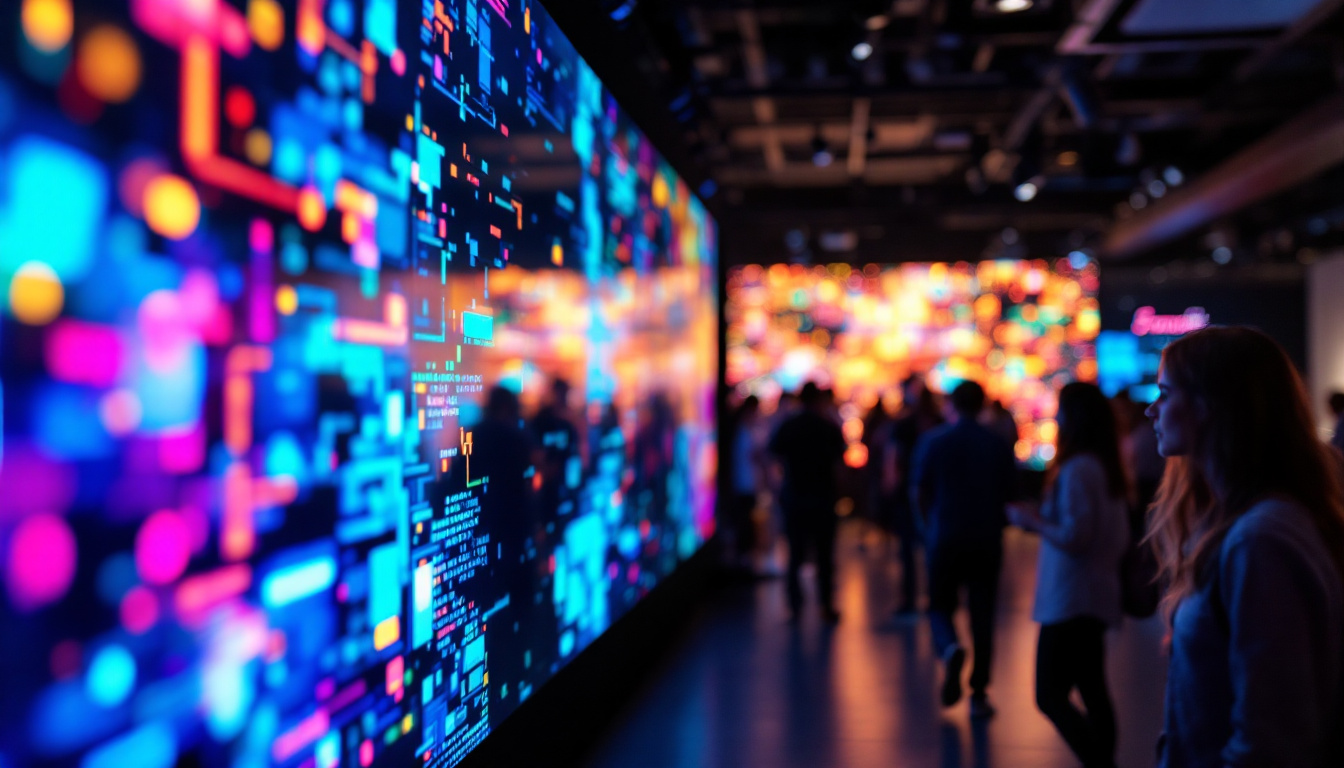
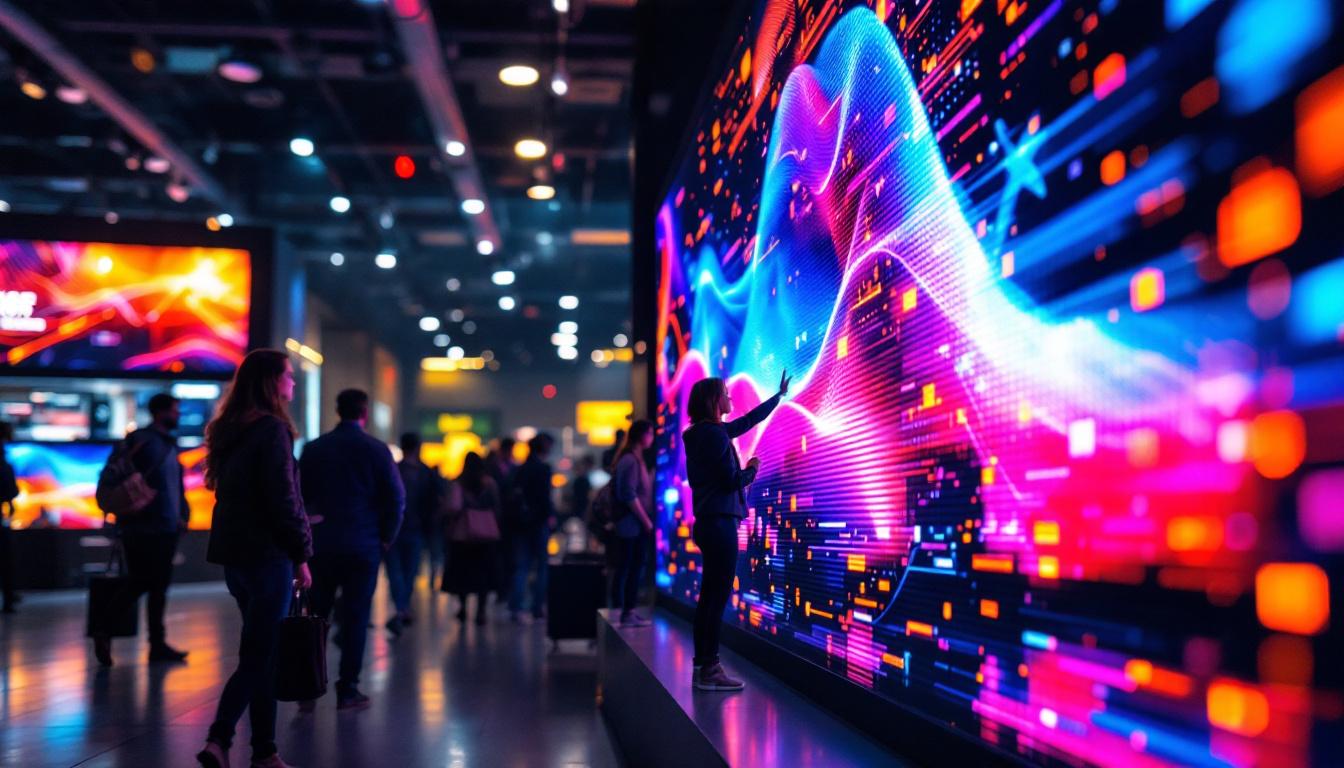
The most apparent benefit of curved LED screens is their ability to create a more immersive viewing experience. By wrapping the display around the viewer’s field of vision, curved screens reduce distortion and maintain consistent image quality across the entire surface. This effect is particularly valuable in environments where audience engagement is paramount, such as museums, exhibitions, and entertainment venues.
Improved Viewing Angles and Reduced Glare
Curved displays naturally align with the viewer’s line of sight, which helps to maintain uniform brightness and color accuracy from different angles. This reduces the common issues of glare and color shifting that can occur with flat screens, especially in large-format installations. As a result, content remains clear and vibrant, regardless of the viewer’s position.
Architectural Integration and Aesthetics
Curved LED displays offer greater flexibility in integrating with architectural elements. Whether wrapping around columns, fitting into concave walls, or creating futuristic design features, curved screens can complement and enhance a space’s aesthetics. This adaptability makes them a favored choice for designers and architects aiming to blend technology seamlessly into their projects.
Space Efficiency
In certain applications, curved displays can save space by conforming to existing structural shapes or by providing wider viewing areas without requiring additional floor space. This is particularly advantageous in environments where space is limited but visual impact is critical.
Challenges and Considerations
Despite their many benefits, curved grade LED displays come with specific challenges that must be addressed during planning and installation.
Higher Cost and Complexity
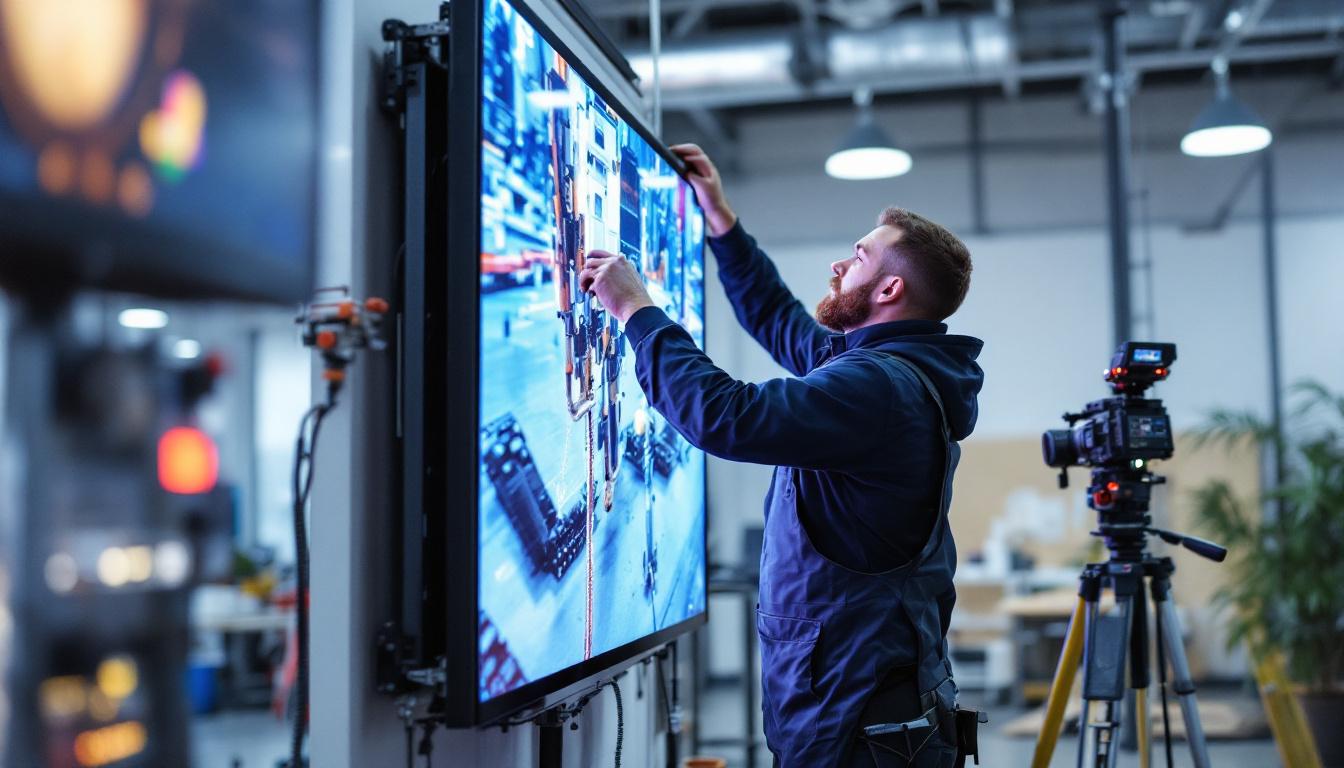
Curved LED displays generally involve higher manufacturing and installation costs compared to flat panels. The specialized frames, flexible modules, and precise engineering required to achieve curvature increase production complexity. Additionally, installation often demands skilled technicians to ensure proper alignment and calibration.
Content Creation and Compatibility
Designing content for curved surfaces can be more challenging than for flat screens. Content creators need to account for the curvature to avoid distortion or stretching of images and videos. This often requires specialized software tools and expertise, which can add to project timelines and costs.
Maintenance and Repair
While LED technology is known for durability, curved displays may be more difficult to service due to their shape. Replacing individual modules or performing repairs might require disassembling parts of the curved structure, potentially increasing downtime and maintenance expenses.
Future Trends in Curved LED Display Technology
The LED display industry continues to innovate, and curved grade displays are no exception. Emerging trends point toward even more flexible, lightweight, and higher-resolution curved screens.
MicroLED and Flexible Displays
MicroLED technology, which uses microscopic LEDs to create displays, promises significant improvements in brightness, energy efficiency, and pixel density. Combined with flexible substrates, MicroLEDs could enable ultra-thin, highly curved, or even foldable displays that push the boundaries of current design possibilities.
Integration with Augmented Reality (AR) and Interactive Technologies
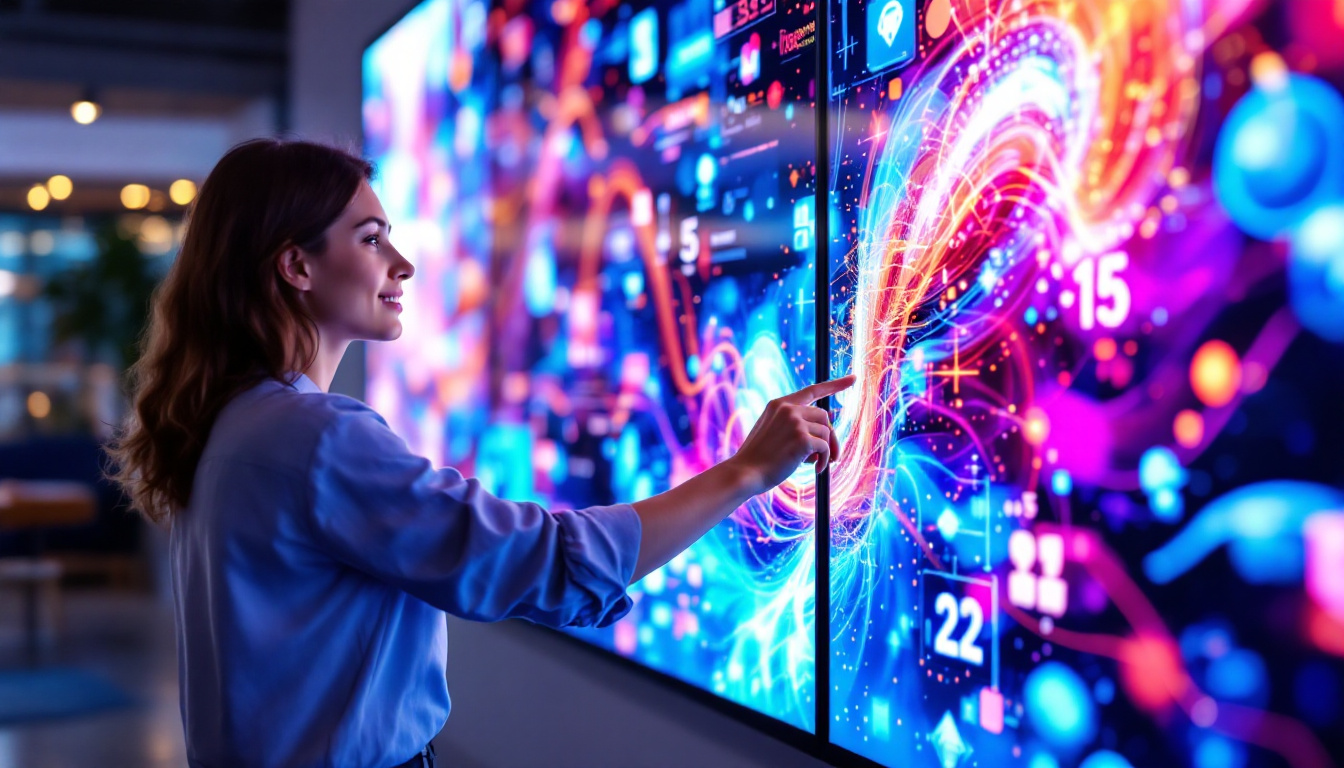
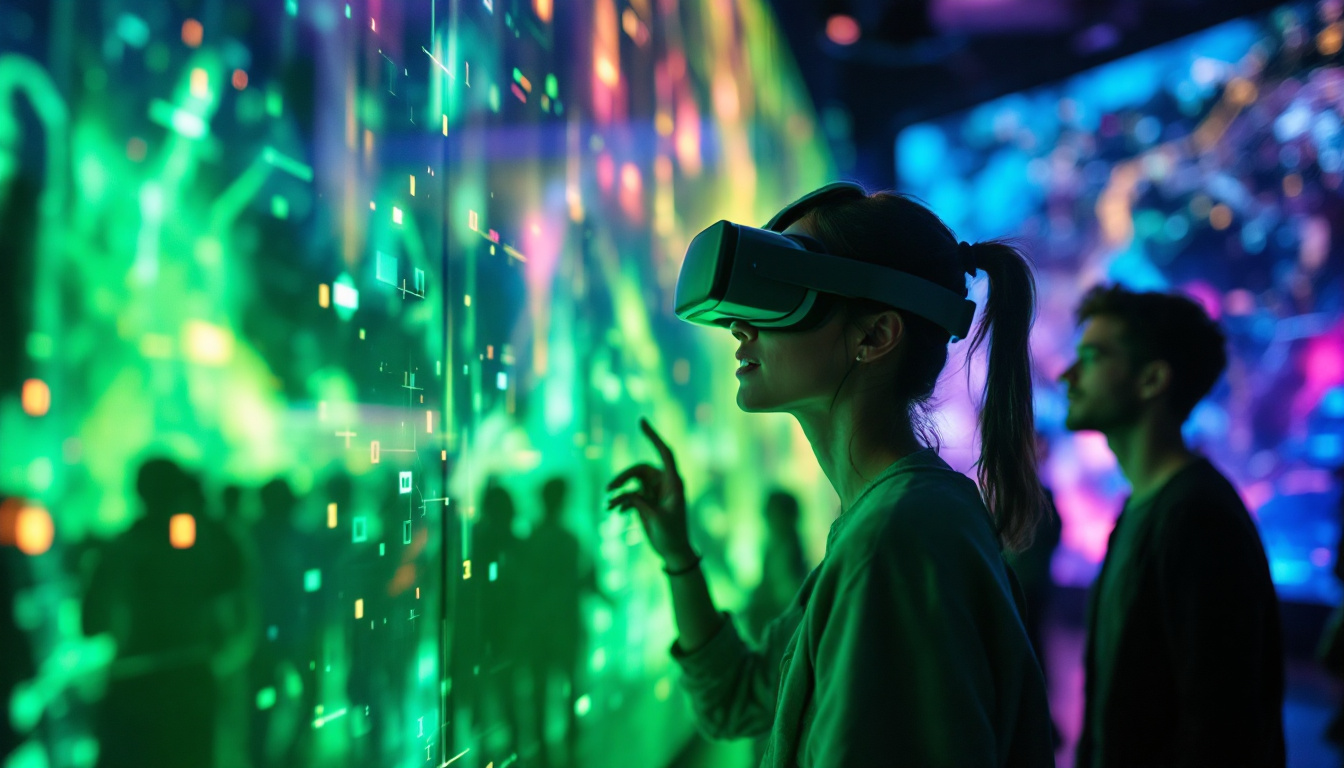
Curved LED displays are increasingly being integrated with interactive sensors and AR technologies to create engaging user experiences. For example, retail environments might use curved screens combined with gesture recognition to allow customers to interact with products digitally in a more natural and immersive way.
Customization and Modular Expansion
Modular design advancements will enable easier customization and scalability of curved LED installations. This will allow businesses to adapt their displays over time, adding new modules or changing curvature to meet evolving needs without complete replacements.
Conclusion
Curved grade LED displays represent a significant advancement in digital display technology, offering enhanced immersion, improved viewing angles, and greater design flexibility. Their applications span entertainment, advertising, corporate environments, and beyond, making them a versatile choice for organizations seeking to captivate audiences and integrate technology seamlessly into their spaces.
While challenges remain in terms of cost, content creation, and maintenance, ongoing innovations in LED technology and display design are steadily addressing these issues. As the market for digital displays continues to grow, curved grade LED displays are poised to become a standard feature in cutting-edge visual communication strategies.
For businesses and designers looking to make a bold visual statement, understanding the capabilities and considerations of curved grade LED displays is essential. With careful planning and execution, these displays can transform any space into an engaging, dynamic environment that leaves a lasting impression.
Discover the Future of Visual Engagement with LumenMatrix
Ready to elevate your space with the immersive power of curved grade LED displays? LumenMatrix is at the forefront of LED display innovation, offering a diverse range of solutions tailored to bring your visual communication to life. From captivating Indoor and Outdoor LED Wall Displays to dynamic Vehicle and Sports LED Displays, our technology is designed to make an impact. Explore our cutting-edge LED Poster Displays, interactive Floor LED Displays, and the revolutionary All-in-One and Transparent LED Displays. Embrace the future of digital signage with LumenMatrix and create experiences that resonate. Check out LumenMatrix LED Display Solutions today and transform your visual storytelling.