In today’s fast-paced world of events, presentations, and entertainment, the demand for high-quality visual displays has never been greater. Whether it’s a corporate conference, a music festival, or a product launch, the choice of display technology can significantly impact the audience’s experience. Among the various options available, LED displays have emerged as a leading solution, offering unparalleled brightness, clarity, and versatility. This article delves into the essentials of renting screens and projectors, with a special focus on LED displays, explaining their advantages, applications, and what to consider when choosing the right rental equipment.
Understanding LED Displays: What Sets Them Apart?
LED, or Light Emitting Diode, displays have revolutionized the visual technology landscape. Unlike traditional projectors that rely on projecting light onto a surface, LED displays consist of an array of tiny LEDs that emit their own light. This fundamental difference offers several key advantages.
Brightness and Visibility
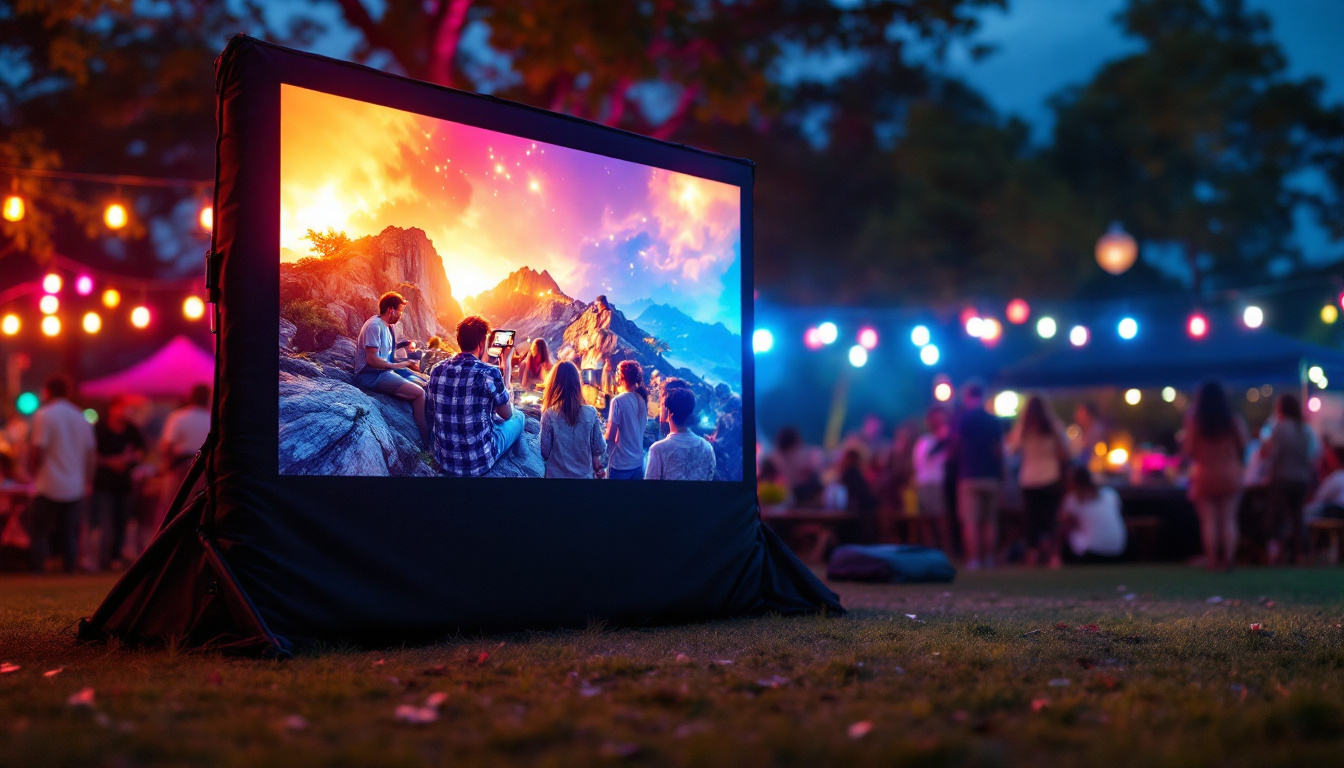
One of the most significant benefits of LED displays is their exceptional brightness. LED screens can achieve brightness levels upwards of 5,000 nits, making them visible even in direct sunlight. This is a crucial factor for outdoor events or venues with high ambient light, where traditional projectors often struggle to maintain image clarity.
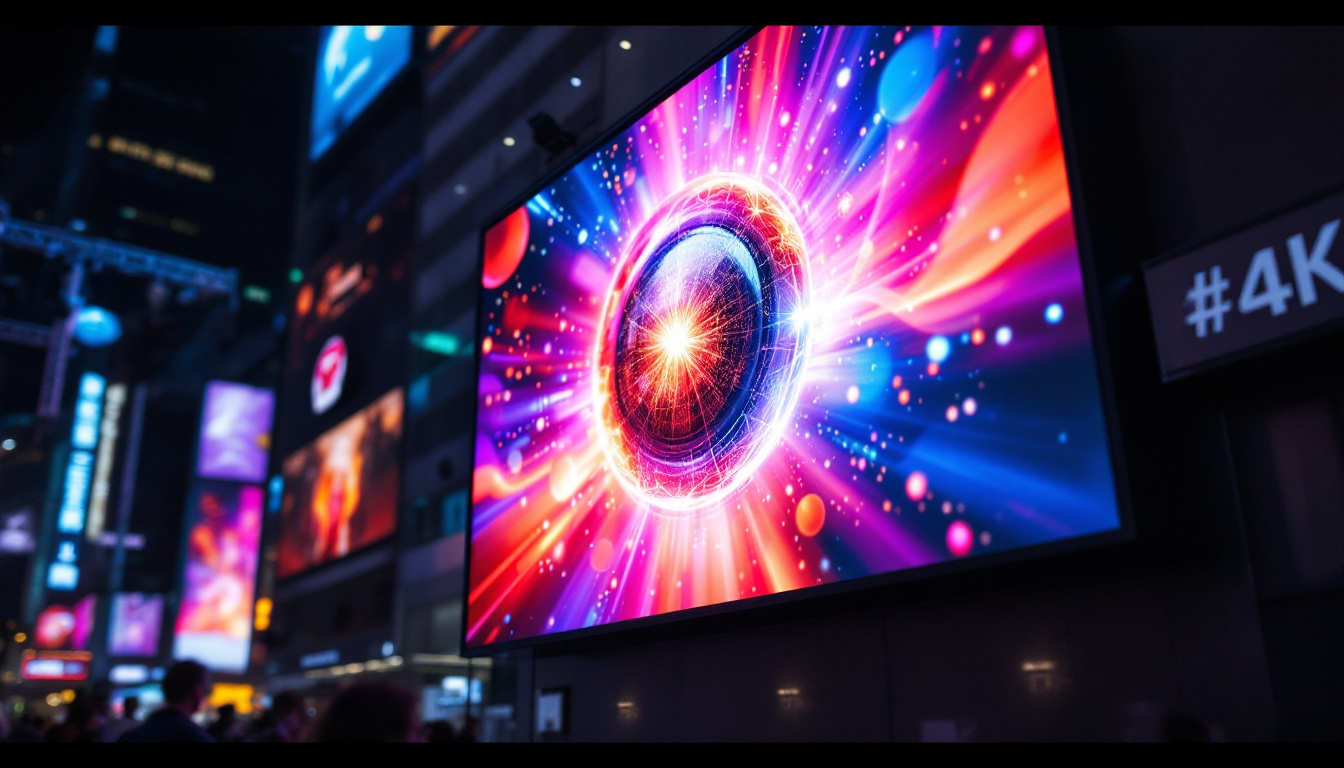
For example, at large-scale outdoor concerts or sporting events, LED walls ensure that every attendee, regardless of their distance from the stage, can see crisp, vibrant images and videos. This level of visibility is unmatched by conventional projection systems, which typically max out at around 2,000 lumens and require controlled lighting conditions.
Color Accuracy and Contrast
LED displays offer superior color reproduction and contrast ratios compared to projectors. Because each pixel on an LED screen emits light independently, it can achieve true blacks and a wider color gamut. This results in more vivid, lifelike images that enhance the overall viewing experience.
For corporate presentations or product demonstrations, this means that logos, graphics, and videos appear sharper and more engaging. In industries where brand image and visual impact are critical, such as fashion shows or automotive launches, LED displays provide a clear advantage.
Durability and Longevity
LED technology is also known for its durability and long lifespan. LED panels can operate continuously for tens of thousands of hours without significant degradation in image quality. This makes them a cost-effective choice for rental companies and event organizers who require reliable equipment for multiple uses.
Furthermore, LED displays are less susceptible to damage from environmental factors like dust and moisture, especially when designed for outdoor use. This resilience reduces the risk of technical issues during events, ensuring smooth operation and peace of mind.
Renting Screens and Projectors: Why Choose LED?
When planning an event, organizers often face the choice between renting traditional projectors or LED screens. Understanding the benefits and limitations of each option can help make an informed decision.
Flexibility and Customization
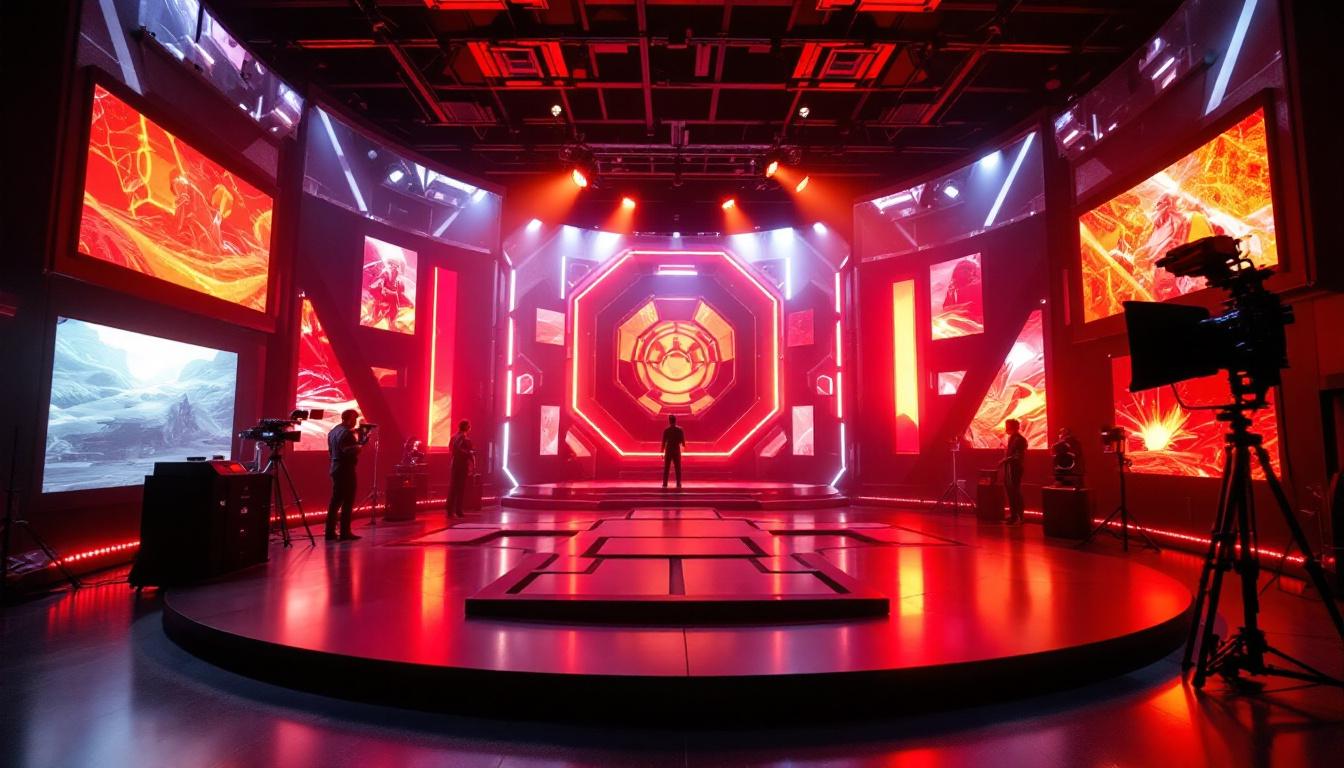
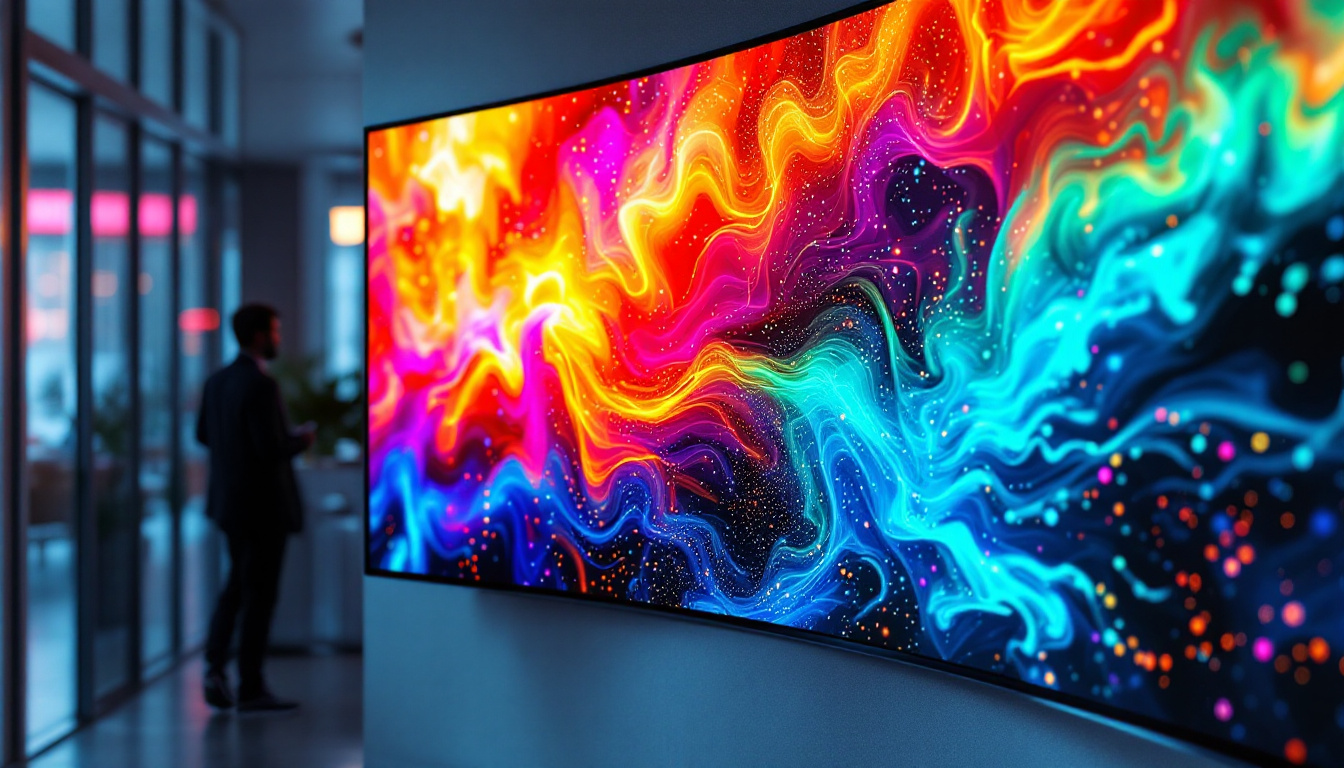
LED displays are highly modular, allowing rental providers to configure screens of virtually any size and shape. This flexibility is invaluable for events that require unique stage designs or immersive environments. For instance, curved LED walls or cylindrical displays can create stunning visual effects that captivate audiences.
In contrast, projectors are limited by the size and shape of the projection surface, and adjusting screen dimensions often involves physical constraints. Additionally, projectors require a darkened environment to perform optimally, which can restrict venue options.
Setup and Maintenance Considerations
While LED displays may have a higher upfront rental cost compared to projectors, they often save time and resources during setup. LED panels are designed for quick assembly and disassembly, with lightweight components and standardized mounting systems.
Projectors, on the other hand, require careful alignment, calibration, and sometimes additional equipment like screens, mounts, and cables. This can increase labor costs and the risk of technical difficulties, especially in complex or outdoor settings.
Energy Efficiency and Environmental Impact
LED technology is more energy-efficient than traditional projection systems, consuming less power while delivering brighter images. This efficiency not only reduces operational costs but also aligns with growing sustainability goals in the event industry.
For organizations committed to reducing their carbon footprint, choosing LED displays for rentals can be a strategic decision that supports environmental responsibility without compromising on quality.
Applications of LED Displays in Events and Presentations
LED displays have found widespread use across various sectors due to their versatility and performance. Here are some of the most common applications where renting LED screens and projectors can make a significant difference.
Corporate Events and Conferences
In the corporate world, clear communication and impactful visuals are essential. LED screens provide sharp presentations, live video feeds, and interactive content that engage attendees and enhance message delivery.
For example, during annual general meetings or product launches, LED walls can display dynamic content such as real-time data, speaker notes, and branding elements, creating a professional and immersive environment.
Concerts and Festivals
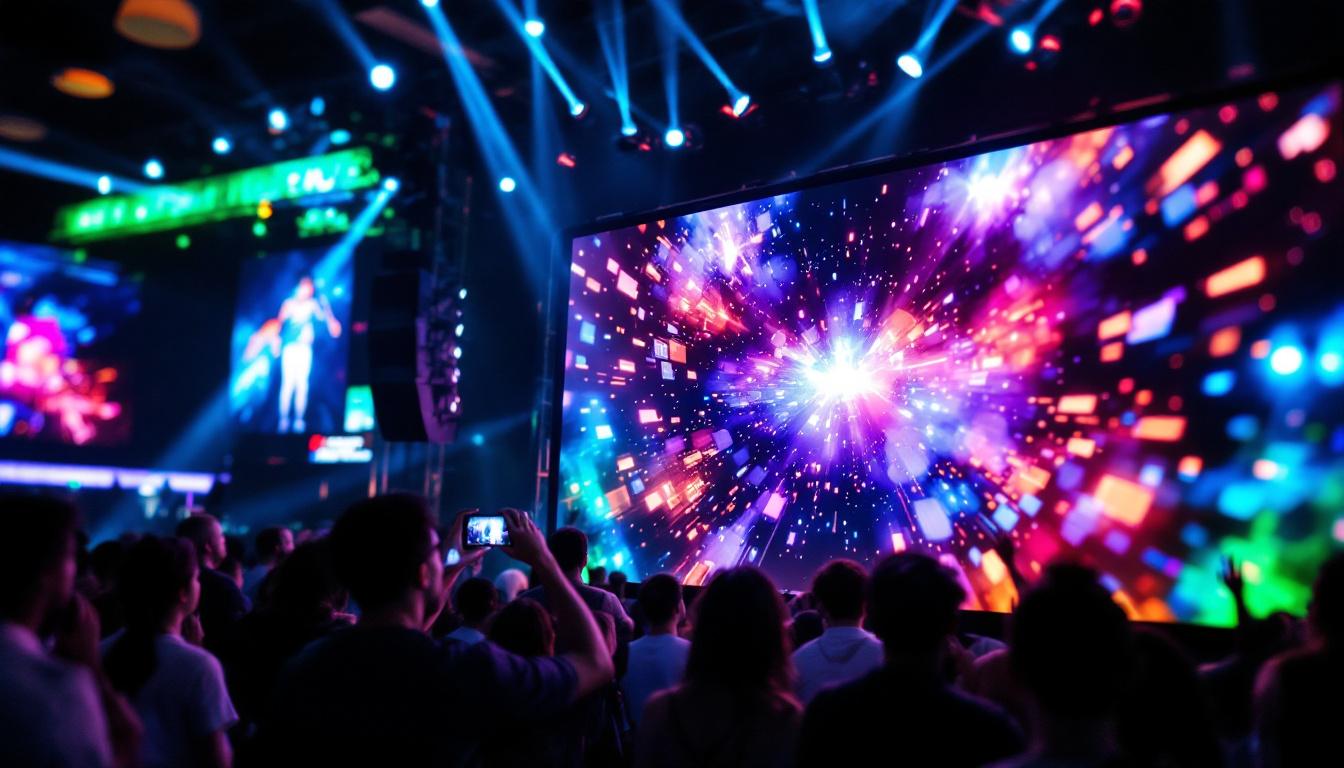
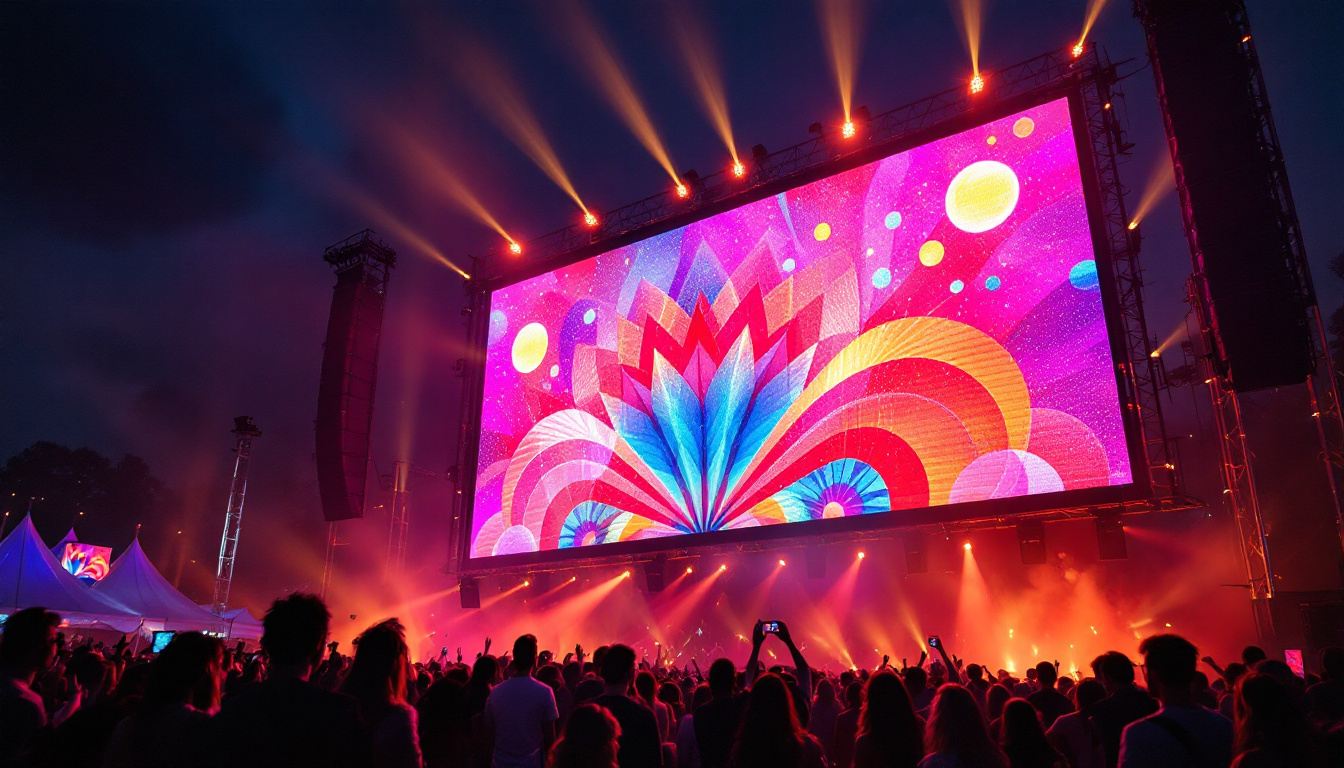
Large-scale entertainment events rely heavily on visual technology to create memorable experiences. LED displays enable organizers to project live footage, animations, and special effects that complement the performance and energize the crowd.
Notably, LED video walls are often used as backdrops on stages, providing high-impact visuals that synchronize with music and lighting. Their ability to maintain image quality under bright outdoor conditions makes them indispensable for festivals and open-air concerts.
Sporting Events and Broadcasts
In sports arenas, LED displays serve multiple purposes—from scoreboards and instant replays to advertising and fan engagement. Their brightness and clarity ensure visibility from every seat, enhancing the spectator experience.
Moreover, LED technology supports high refresh rates and smooth motion rendering, which are critical for fast-paced sports broadcasts, ensuring that viewers don’t miss any action.
Retail and Advertising
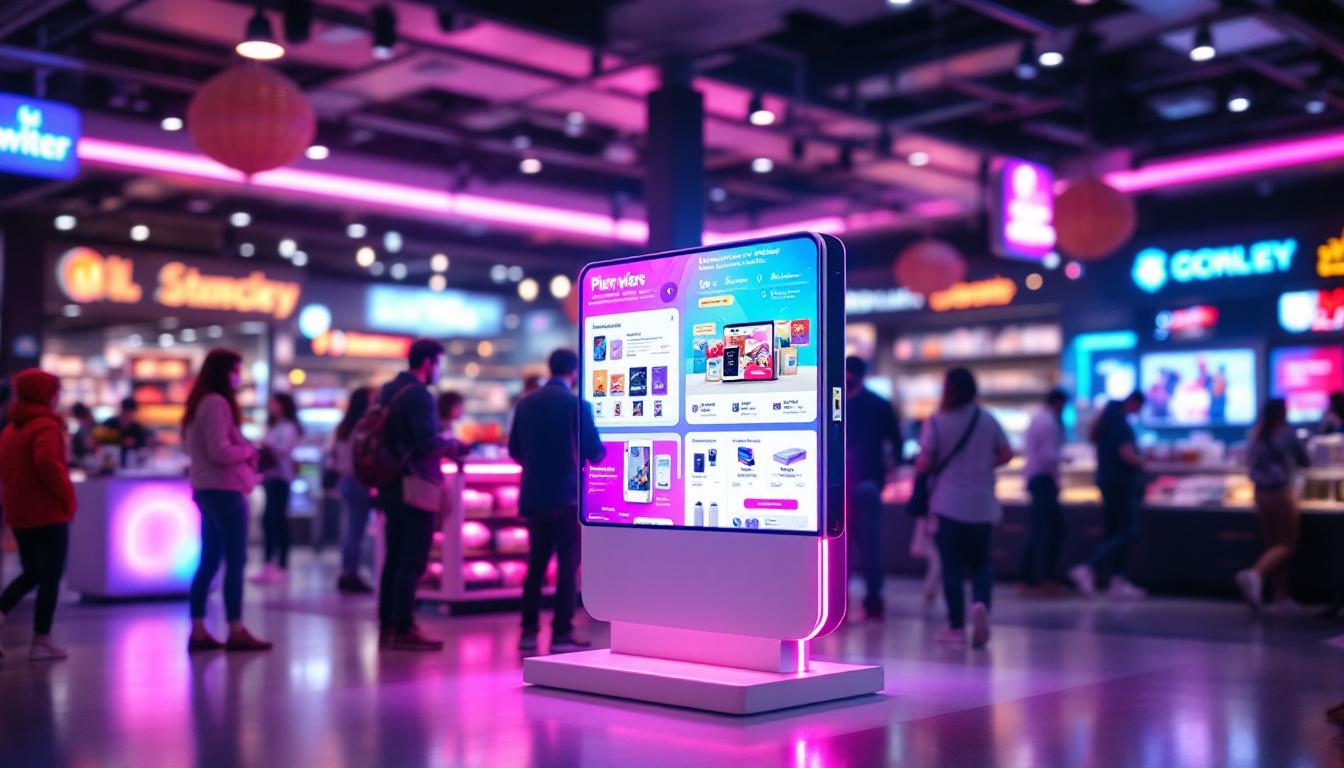
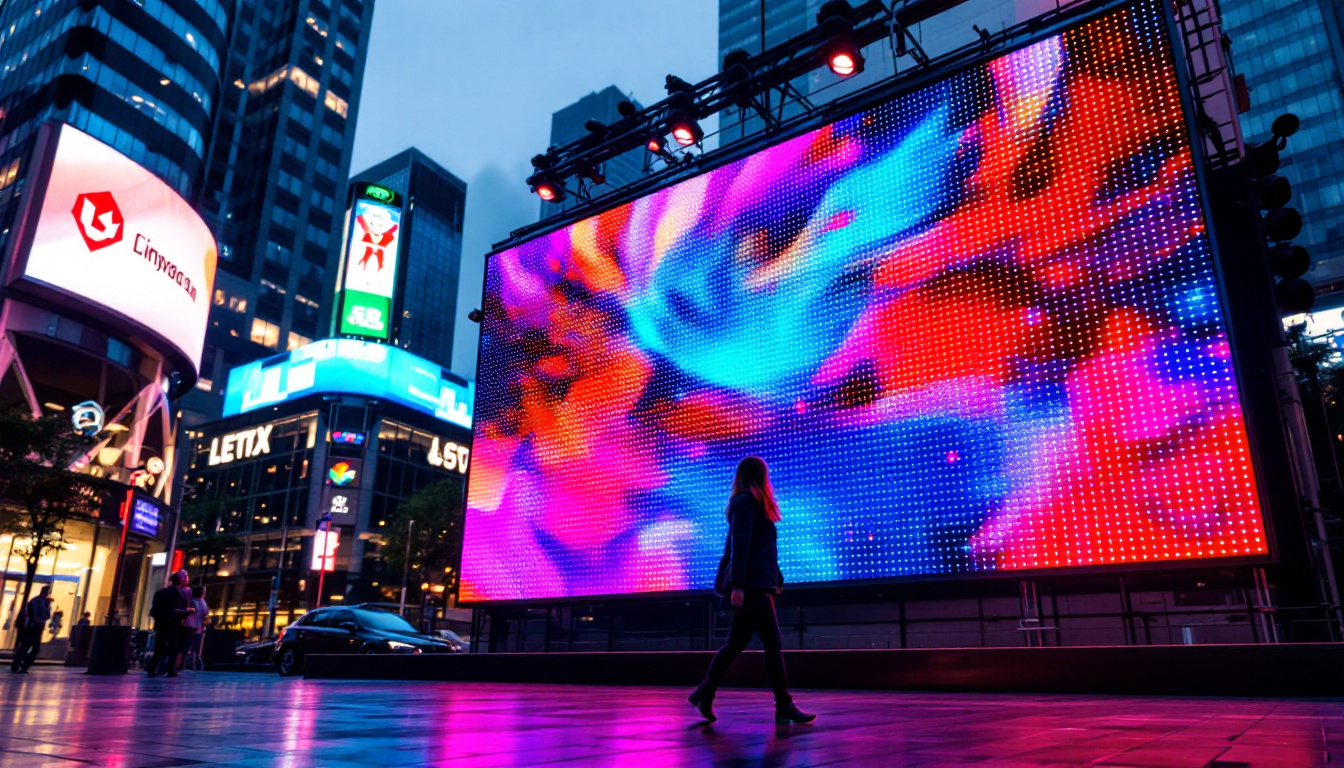
Retailers and advertisers increasingly use LED displays for promotional campaigns and in-store experiences. Renting LED screens for pop-up events, trade shows, or window displays can attract attention and communicate brand messages effectively.
Interactive LED walls also offer opportunities for customer engagement, such as touch-sensitive panels or augmented reality experiences, driving foot traffic and sales.
Key Factors to Consider When Renting LED Screens and Projectors
Choosing the right rental equipment involves several considerations to ensure the technology aligns with the event’s goals and logistical requirements.
Resolution and Pixel Pitch
The resolution of an LED display is determined by its pixel pitch—the distance between individual LEDs. A smaller pixel pitch means higher resolution and sharper images, which is important for close-up viewing.
For indoor events where audiences are close to the screen, pixel pitches of 1.5mm to 3mm are common. Outdoor screens, viewed from greater distances, typically have pixel pitches ranging from 4mm to 10mm or more.
Screen Size and Viewing Distance
The size of the LED screen should be chosen based on the venue and the expected audience size. Larger screens are necessary for bigger venues or outdoor events to ensure visibility from all angles.
Additionally, the viewing distance influences the optimal resolution and screen size. For example, a screen that looks sharp from 50 feet away may appear pixelated if viewed from 10 feet. Rental providers can assist in calculating the ideal specifications based on these factors.
Brightness and Ambient Light Conditions
Assessing the lighting conditions of the event space is crucial. Outdoor events or venues with significant ambient light require higher brightness levels to maintain image clarity.
LED displays with brightness ratings of 5,000 nits or more are suitable for daylight use, while indoor events can often make do with lower brightness levels, which also helps reduce power consumption.
Connectivity and Content Compatibility
Modern LED displays support a variety of input sources, including HDMI, DisplayPort, and wireless streaming. Ensuring compatibility with the event’s content delivery systems is essential for seamless operation.
Some LED rental providers offer integrated media servers and control systems that simplify content management, allowing real-time adjustments and multi-source presentations.
Budget and Rental Duration
Rental costs for LED screens and projectors vary based on size, resolution, brightness, and additional services like installation and technical support. It’s important to balance quality with budget constraints.
Longer rental periods may qualify for discounted rates, and bundling equipment with other AV services can provide cost efficiencies. Clear communication with the rental company about event requirements helps avoid unexpected expenses.
LED Displays vs. Projectors: Making the Right Choice
While LED displays offer numerous advantages, projectors still have their place in certain scenarios. Understanding when to choose each technology ensures the best outcome for the event.
When to Choose LED Displays
- Outdoor or brightly lit environments: LED screens maintain visibility regardless of ambient light.
- Large audiences: Their scalability and brightness make them ideal for big venues.
- Dynamic and immersive visuals: Modular design allows creative screen shapes and configurations.
- Long-duration events: Durability and low maintenance reduce downtime risks.
When Projectors May Be Preferable
- Small budget or short-term use: Projectors generally have lower rental costs.
- Controlled lighting environments: Dark rooms or theaters where projector images can shine.
- Temporary or portable setups: Lightweight projectors can be easier to transport and install in certain cases.
- Projection onto irregular surfaces: Projectors can adapt to curved or textured screens with specialized lenses.
Conclusion: Elevating Events with the Right Visual Technology
Renting screens and projectors for events is a critical decision that affects audience engagement and overall success. LED displays have established themselves as a superior option in many contexts, offering unmatched brightness, color quality, and flexibility. Their ability to perform well in diverse environments—from sunny outdoor festivals to high-profile corporate conferences—makes them a versatile choice for event organizers.
However, understanding the specific needs of the event, including venue conditions, audience size, and budget, is essential to selecting the right technology. Collaborating with experienced rental providers can ensure that the chosen equipment delivers optimal performance and a memorable visual experience.
As LED technology continues to advance, its role in shaping the future of event production looks increasingly promising. Whether for immersive stage designs, impactful advertising, or seamless presentations, LED displays are set to illuminate the way forward.
Discover LumenMatrix LED Display Solutions
Ready to elevate your next event with the most advanced LED display technology? Look no further than LumenMatrix, where innovation meets visual excellence. Our comprehensive range of LED display modules, from Indoor and Outdoor LED Walls to Custom and All-in-One LED Displays, is designed to captivate your audience and amplify your message. Experience the transformative power of LED displays and join the revolution in visual communication. Check out LumenMatrix LED Display Solutions today and make your next event unforgettable.