In the rapidly evolving world of digital signage and display technology, LED displays have become a cornerstone for delivering vibrant, dynamic, and high-resolution images. From massive outdoor billboards to indoor video walls and handheld devices, LED displays are everywhere. But what exactly makes these displays capable of producing such stunning full-color pictures? This article delves into the technology behind LED displays, explaining how they work, their advantages, types, and the factors influencing their performance.
Understanding LED Display Technology
At its core, an LED display is a flat panel display that uses light-emitting diodes (LEDs) as pixels to create images. Unlike traditional LCD or plasma screens that rely on backlighting or gas plasma, LED displays produce light directly from each pixel, resulting in brighter and more vibrant images.
What is an LED?
An LED, or light-emitting diode, is a semiconductor device that emits light when an electric current passes through it. The color of the light depends on the materials used in the semiconductor. LEDs are highly energy-efficient, have a long lifespan, and can be made very small, which makes them ideal for use in display technology.
How Do LED Displays Produce Full-Color Images?
Full-color LED displays achieve color by combining red, green, and blue (RGB) LEDs in each pixel. By varying the intensity of each of these three colors, the display can produce a wide spectrum of colors through additive color mixing. This RGB model is the foundation of most digital color displays and allows for the reproduction of millions of colors.
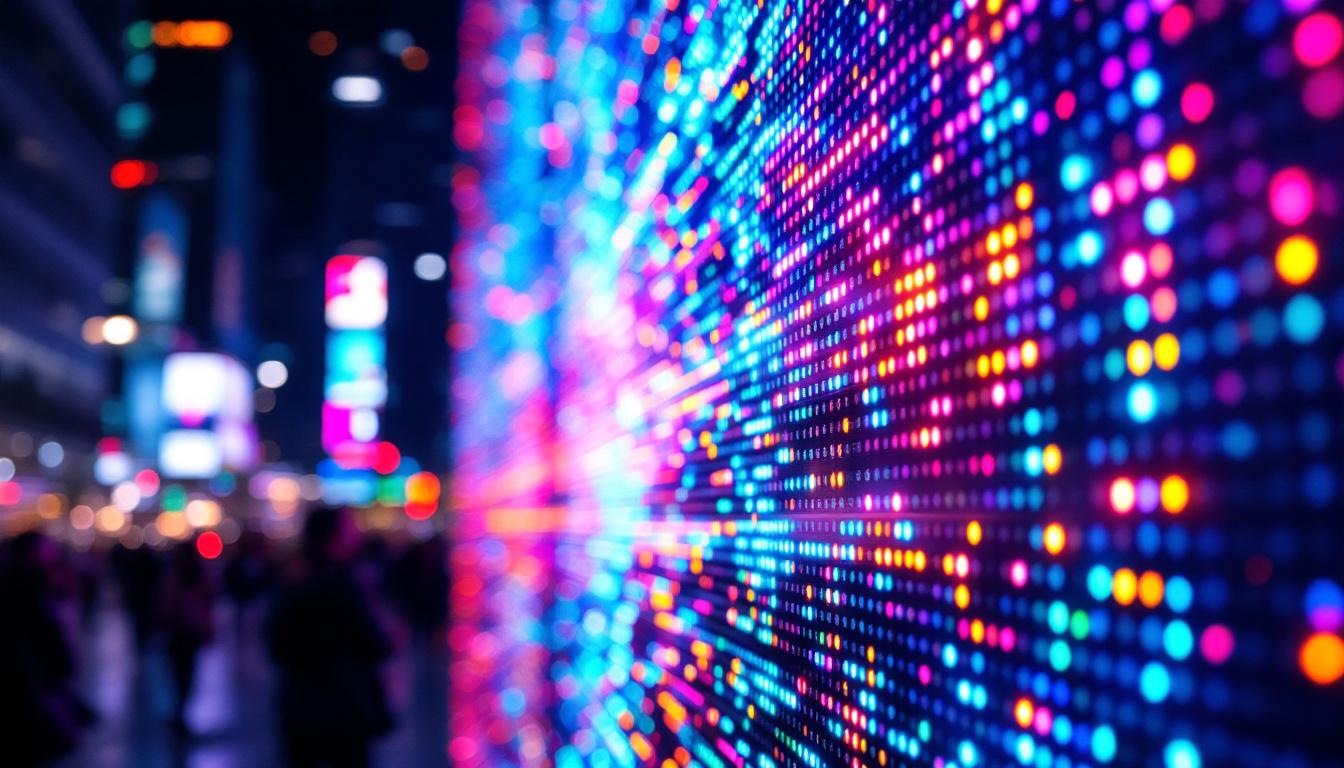
Each pixel in an LED display typically consists of three sub-pixels: one red, one green, and one blue LED. By adjusting the brightness of each sub-pixel, the display can render precise colors. For example, mixing red and green at full brightness produces yellow, while combining all three at full intensity produces white.
Types of LED Displays
LED displays come in various forms, each suited for different applications. Understanding the differences helps in selecting the right display for a given purpose.
Direct View LED Displays
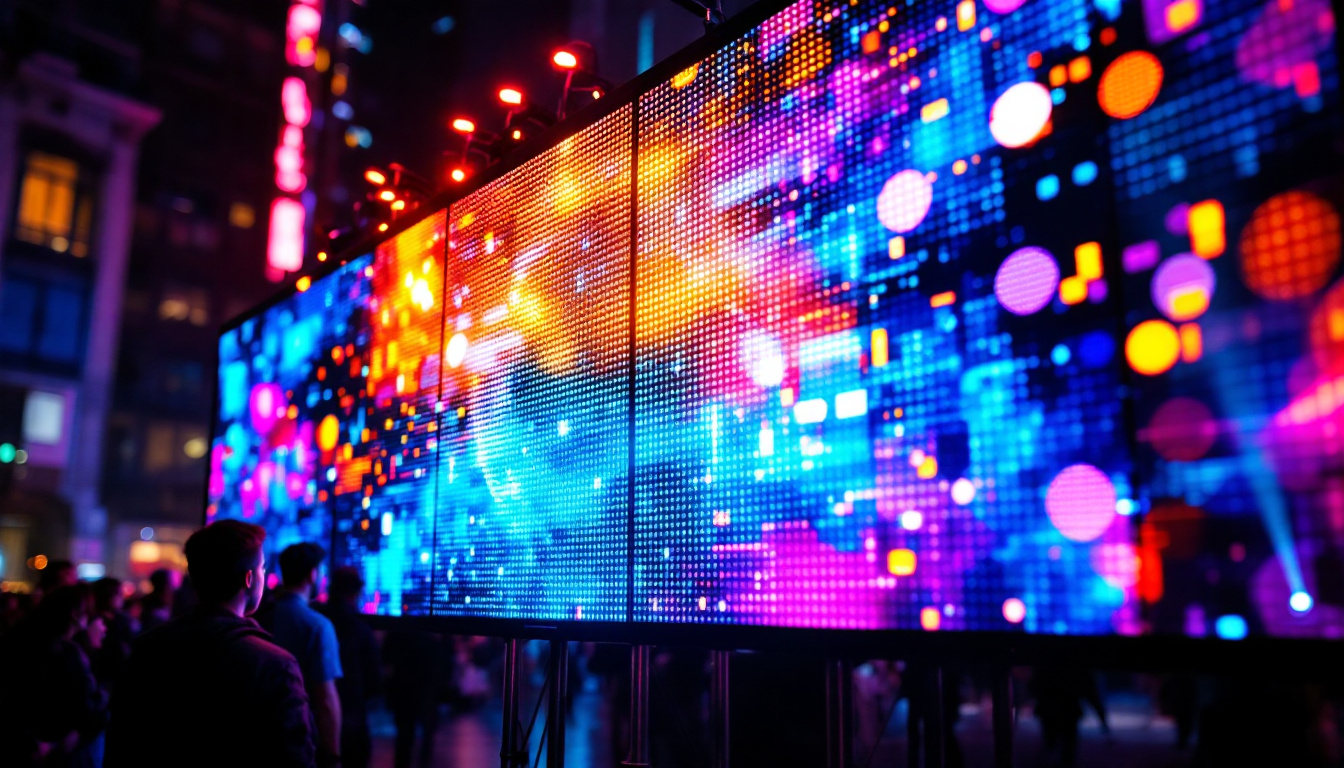
Direct view LED displays are composed of individual LEDs arranged in a grid, visible directly to the viewer without any intermediary layers. These are commonly used in large outdoor billboards, stadium screens, and indoor video walls. Their brightness and scalability make them ideal for environments with high ambient light.
LED-Backlit LCD Displays
Many modern LCD screens use LEDs as a backlight source instead of traditional cold cathode fluorescent lamps (CCFLs). While the image is still formed by liquid crystals controlling light passage, the LED backlight improves brightness, contrast, and energy efficiency. These displays are common in televisions, computer monitors, and mobile devices.
MicroLED Displays
MicroLED technology is an emerging form of LED display where microscopic LEDs form the individual pixels. This technology promises higher brightness, better contrast ratios, and longer lifespan compared to OLED and LCD displays. Although still in early commercial stages, MicroLEDs are poised to revolutionize display technology in the coming years.
Key Factors Influencing LED Display Quality
Several technical parameters determine the visual quality and performance of full-color LED displays. These factors are crucial for manufacturers, designers, and end-users to understand.
Pixel Pitch
Pixel pitch refers to the distance between the centers of two adjacent pixels, usually measured in millimeters. A smaller pixel pitch means pixels are closer together, resulting in higher resolution and sharper images. For example, a pixel pitch of 1.5 mm is common in indoor LED displays, offering crisp visuals at close viewing distances, whereas outdoor displays might have pixel pitches of 10 mm or more to maintain visibility from afar.
Brightness and Contrast Ratio
Brightness, measured in nits (cd/m²), is a critical parameter for LED displays, especially for outdoor use where sunlight can wash out images. Typical outdoor LED displays can reach brightness levels of 5,000 to 10,000 nits, ensuring visibility even in direct sunlight. Contrast ratio, the difference between the darkest black and the brightest white, affects image depth and realism. LED displays generally have excellent contrast ratios due to their ability to turn off individual LEDs completely, producing true blacks.
Color Accuracy and Gamut
Color accuracy refers to how faithfully a display reproduces colors compared to the original source. Wide color gamut coverage, such as supporting standards like Rec. 709 or DCI-P3, is essential for applications requiring precise color reproduction, including broadcasting and digital art. High-quality LED displays use advanced calibration techniques to maintain consistent and accurate colors over time.
Refresh Rate and Response Time
The refresh rate, measured in Hertz (Hz), indicates how many times per second the display updates its image. Higher refresh rates reduce flicker and motion blur, which is particularly important for video content and gaming. Response time, the speed at which a pixel changes from one color to another, also affects motion clarity. LED displays typically offer fast response times, making them suitable for dynamic content.
Applications of Full-Color LED Displays
The versatility of LED displays has led to widespread adoption across numerous industries and environments.
Outdoor Advertising and Digital Billboards
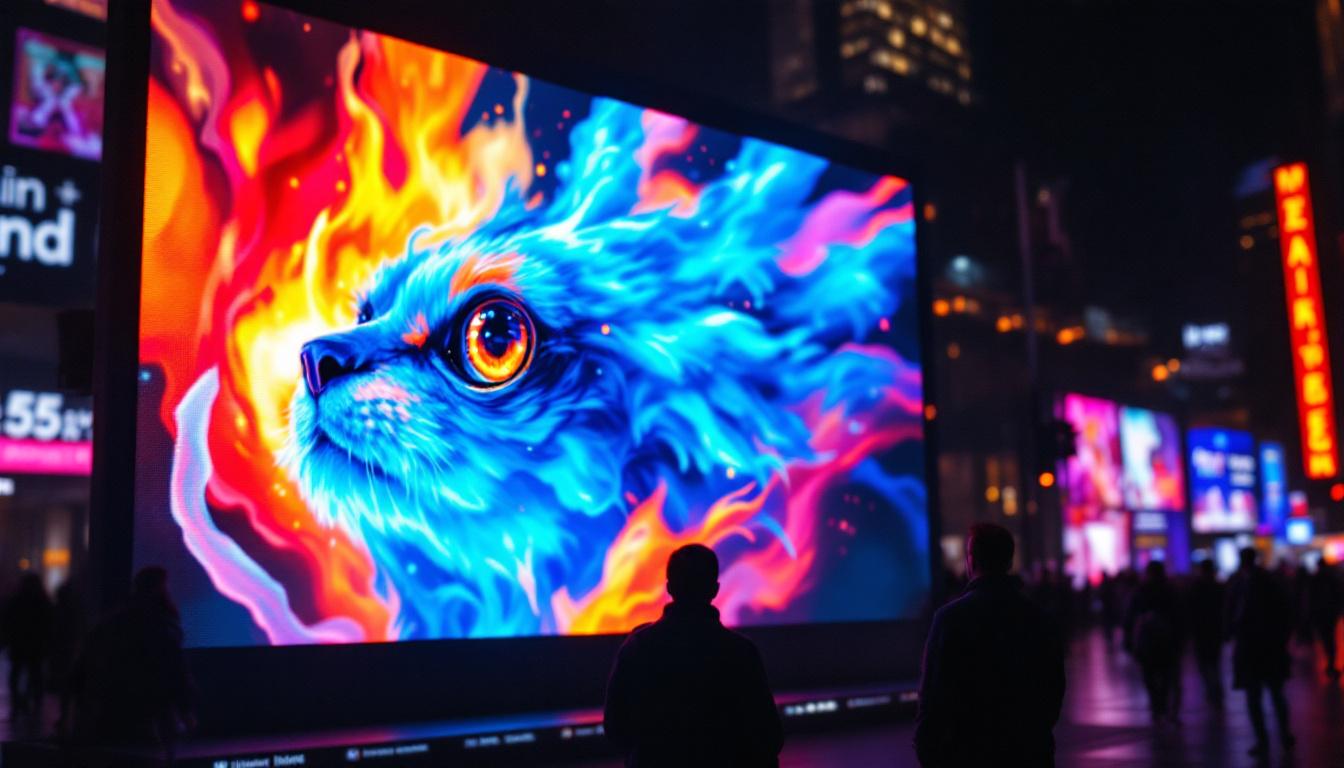
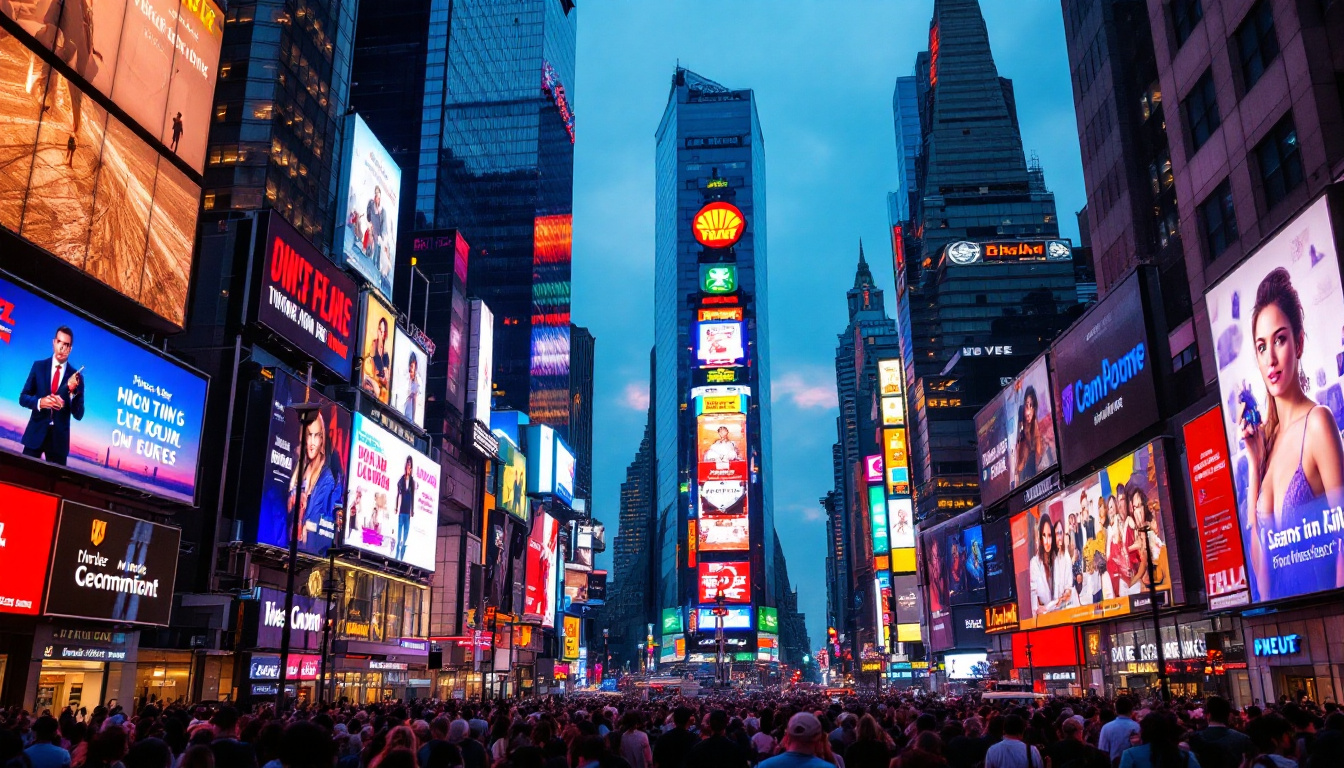
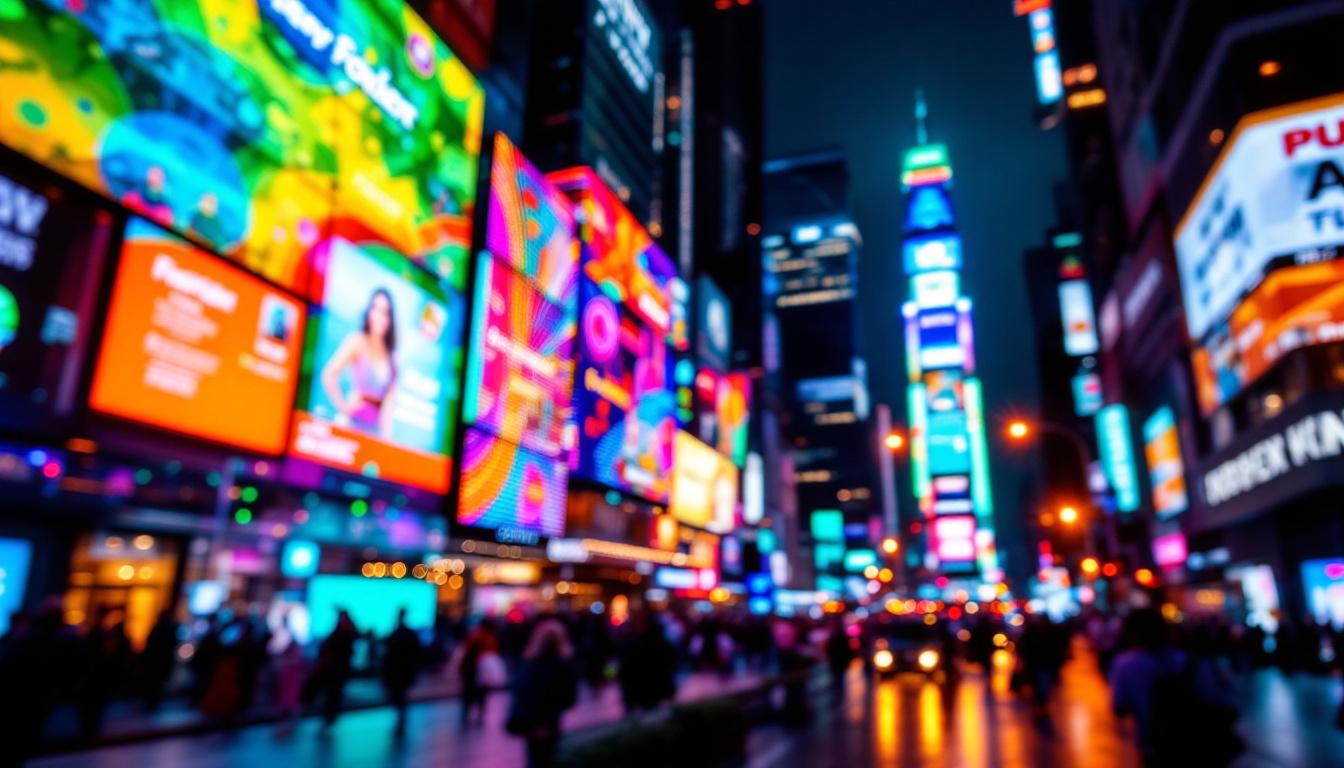
Outdoor LED billboards are among the most visible applications of full-color LED displays. Their high brightness and weather resistance allow for eye-catching advertisements that can be updated in real-time. According to recent industry reports, the global digital signage market is expected to grow at a compound annual growth rate (CAGR) of over 8% through 2027, driven largely by the adoption of LED displays in outdoor advertising.
Sports Arenas and Event Venues
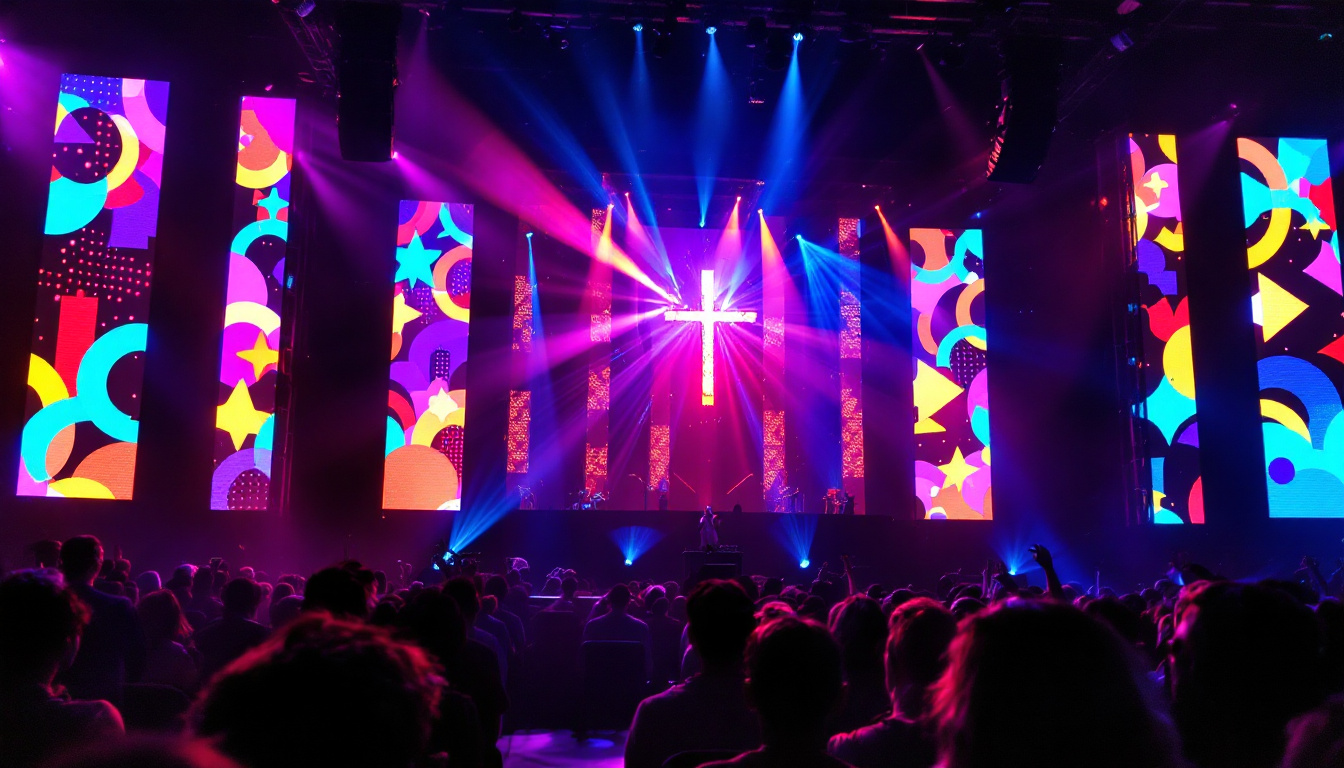
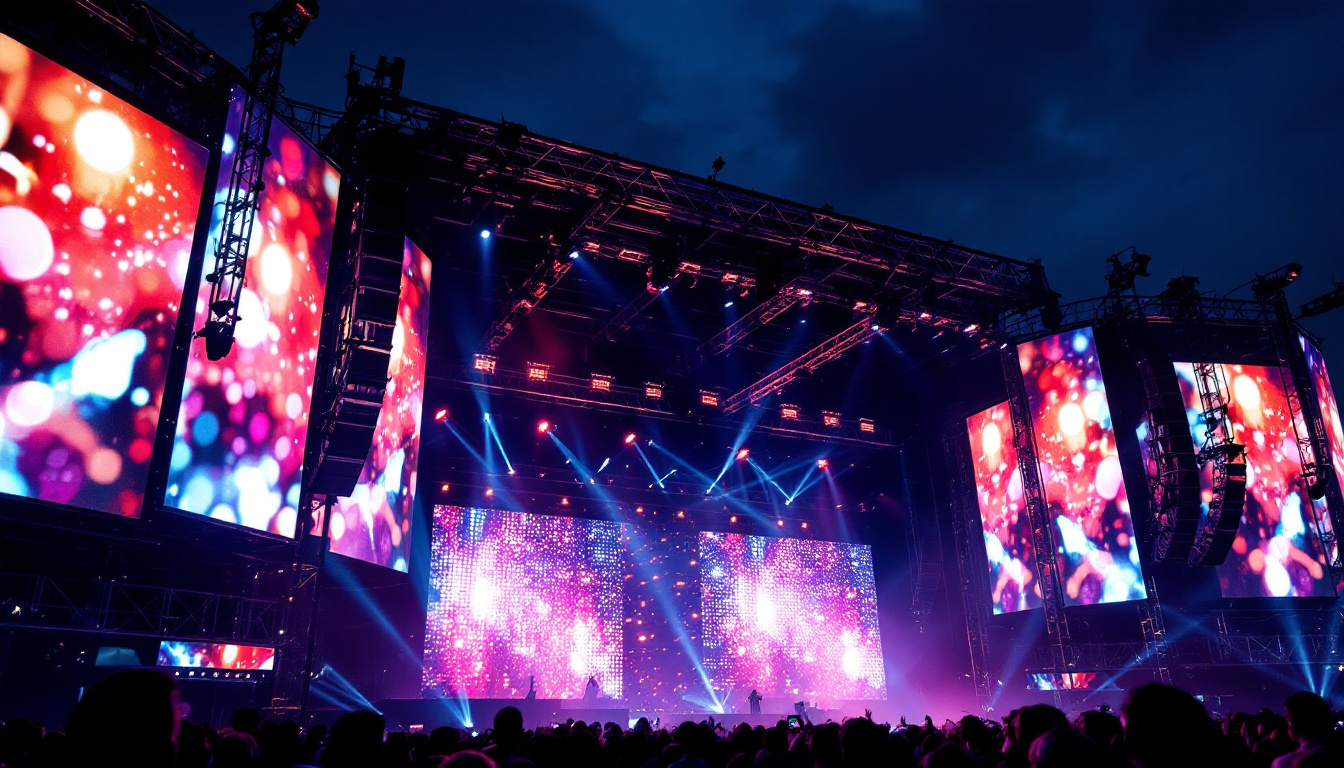
Stadiums and arenas use large-scale LED video walls to enhance the spectator experience with live video feeds, replays, and interactive content. The ability to display vivid colors and high-resolution images even under bright sunlight is critical in these settings.
Retail and Hospitality
Retail stores and hotels utilize LED displays for dynamic signage, promotions, and ambiance creation. Indoor LED video walls can attract customers and provide immersive experiences, contributing to brand engagement and sales.
Transportation and Public Information
LED displays are commonly found in airports, train stations, and bus terminals for real-time information dissemination. Their visibility and clarity help passengers navigate complex transit systems efficiently.
Advantages of Full-Color LED Displays Over Other Technologies
While LCD and OLED displays have their own strengths, LED displays offer unique benefits that make them the preferred choice in many scenarios.
Superior Brightness and Visibility
LED displays can achieve much higher brightness levels than LCDs or OLEDs, making them ideal for environments with high ambient light. This is particularly important for outdoor applications where sunlight can otherwise obscure the image.
Energy Efficiency and Longevity
LEDs consume less power than traditional lighting and display technologies, contributing to lower operating costs. Additionally, LEDs have a longer lifespan, often exceeding 100,000 hours of use, reducing maintenance and replacement expenses.
Scalability and Flexibility
LED panels can be combined seamlessly to create displays of virtually any size and shape. This modularity allows for creative installations, from curved video walls to massive outdoor screens.
Wide Viewing Angles
LED displays maintain color consistency and brightness over wide viewing angles, ensuring that images look good from various perspectives. This is crucial in public spaces where viewers are positioned at different angles and distances.
Challenges and Considerations in LED Display Deployment
Despite their advantages, deploying full-color LED displays involves certain challenges that must be addressed to maximize effectiveness.
Cost Factors
High-quality LED displays, especially those with fine pixel pitches and advanced features, can be expensive to manufacture and install. Budget constraints may influence the choice of pixel pitch and display size, impacting image quality.
Heat Management
LEDs generate heat during operation, which can affect performance and longevity if not managed properly. Effective cooling solutions and ventilation are essential, particularly for large outdoor installations.
Environmental Durability
Outdoor LED displays must withstand harsh weather conditions, including rain, wind, dust, and temperature fluctuations. Protective enclosures and conformal coatings are commonly used to enhance durability.
Content Management
To fully leverage the capabilities of LED displays, content must be optimized for resolution, color accuracy, and dynamic range. Advanced content management systems (CMS) enable real-time updates and scheduling, enhancing the display’s impact.
The Future of Full-Color LED Displays
LED display technology continues to advance rapidly, driven by innovations in materials, manufacturing, and electronics.
MicroLED and MiniLED Innovations
MicroLED and MiniLED technologies are pushing the boundaries of display performance by enabling higher pixel densities, improved contrast, and lower power consumption. These advancements are expected to bring LED displays into new markets such as smartphones, augmented reality devices, and ultra-high-definition televisions.
Flexible and Transparent LED Displays
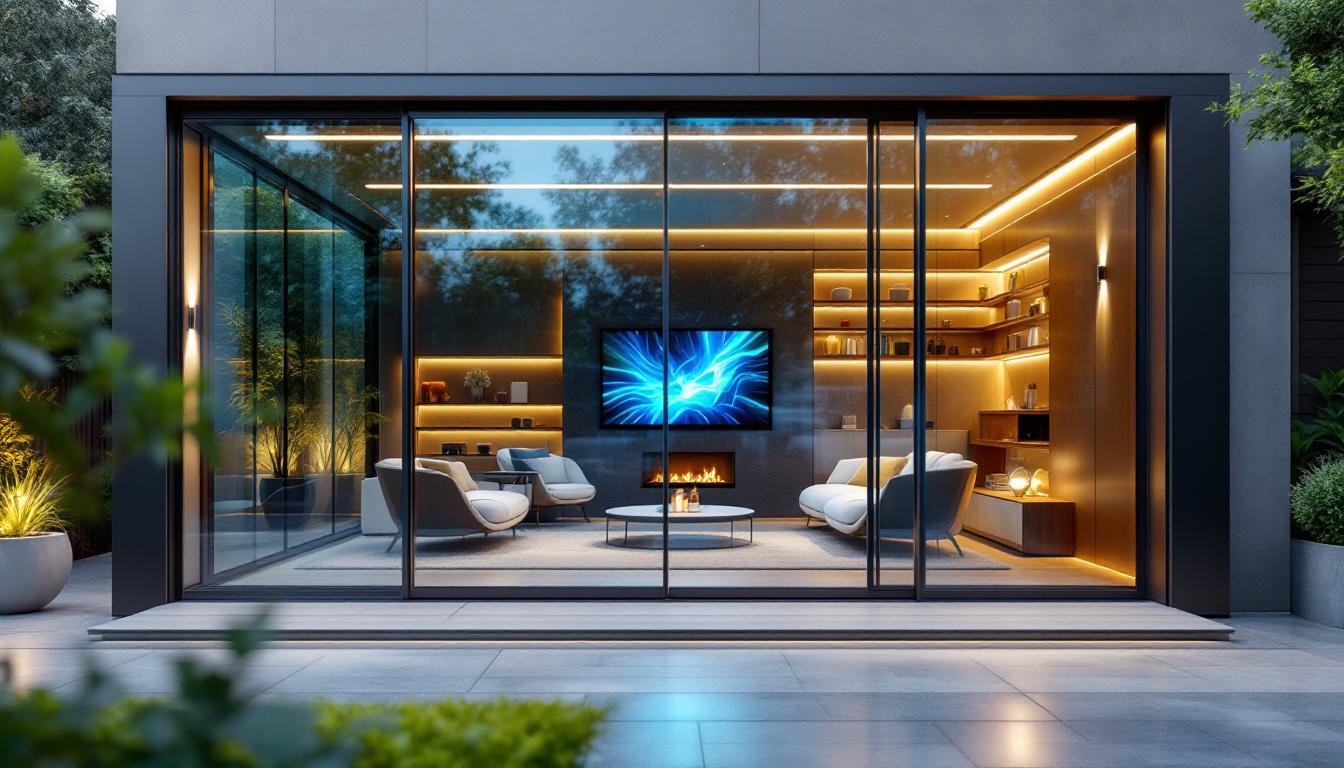
Research into flexible and transparent LED panels is opening new possibilities for design and application. Transparent LED displays can be integrated into windows and glass surfaces, while flexible panels allow for curved and foldable screens, expanding creative potential.
Integration with Smart Technologies
Future LED displays will increasingly incorporate AI-driven content optimization, interactive features, and connectivity with IoT devices. These enhancements will enable more personalized and engaging viewer experiences.
Conclusion
Full-color LED displays have transformed the way visual information is presented across industries, combining technological sophistication with practical advantages. Their ability to produce bright, vibrant, and high-resolution images makes them indispensable in advertising, entertainment, retail, and public information systems. As LED technology continues to evolve, it promises even greater capabilities and applications, shaping the future of digital displays worldwide.
Understanding the fundamentals of LED displays, from pixel composition to performance factors, empowers businesses and consumers to make informed decisions about their digital signage needs. Whether deploying a massive outdoor billboard or a sleek indoor video wall, the full-color LED display remains a powerful medium for captivating audiences and delivering impactful messages.
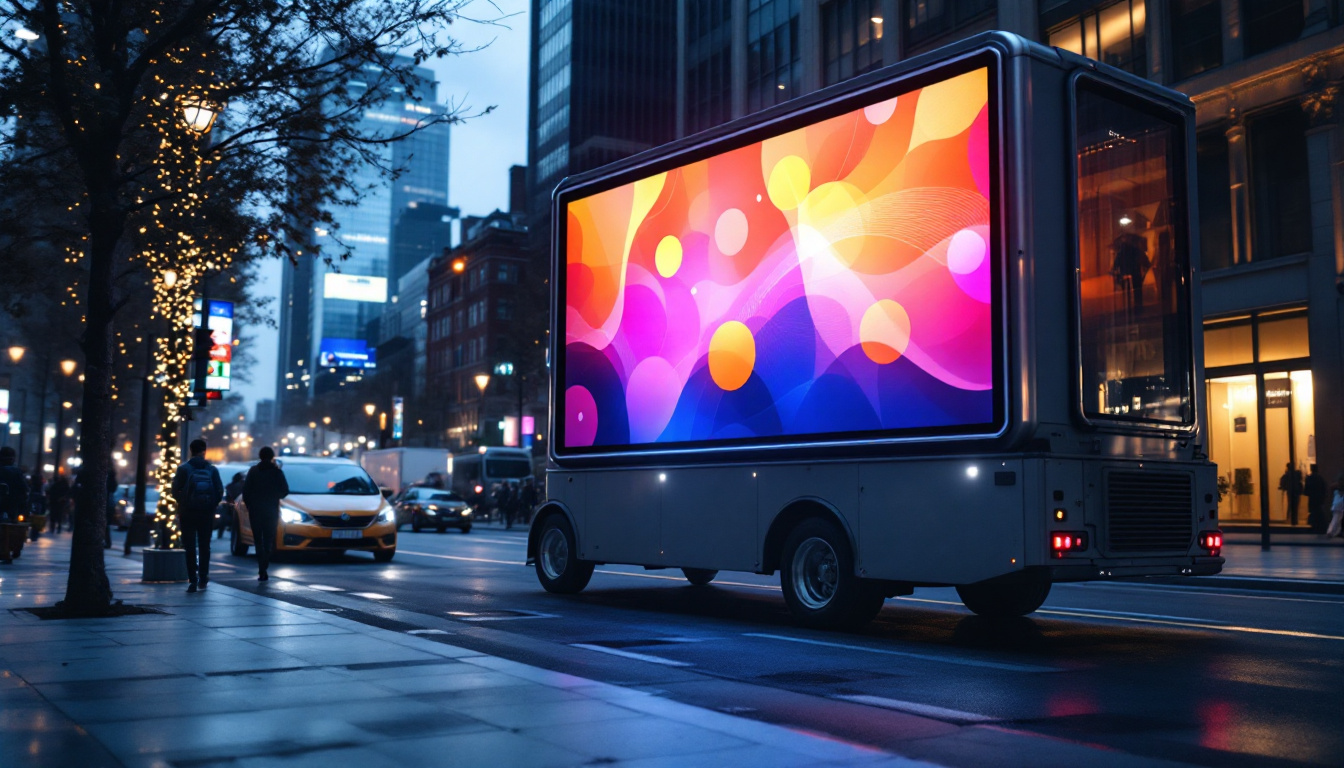
Discover LumenMatrix’s Innovative LED Display Solutions
Ready to elevate your visual experience with the latest in LED display technology? LumenMatrix is at the forefront of innovation, offering a wide array of LED display solutions tailored to your needs. From vibrant Indoor and Outdoor LED Wall Displays to dynamic Vehicle and Sports LED Displays, and even customizable options like Floor and Transparent LED Displays, we have the tools to bring your vision to life. Embrace the future of digital signage with LumenMatrix and create unforgettable visual narratives. Check out LumenMatrix LED Display Solutions today and transform the way you communicate with your audience.