In the rapidly evolving world of display technology, Micro LED monitors are emerging as a groundbreaking innovation. As consumers and professionals alike demand higher resolution, better color accuracy, and more energy-efficient displays, Micro LED technology promises to deliver on all fronts. This article explores what Micro LED monitors are, how they work, their advantages over other display technologies, and what the future holds for this exciting advancement.
Understanding Micro LED Technology
What is Micro LED?
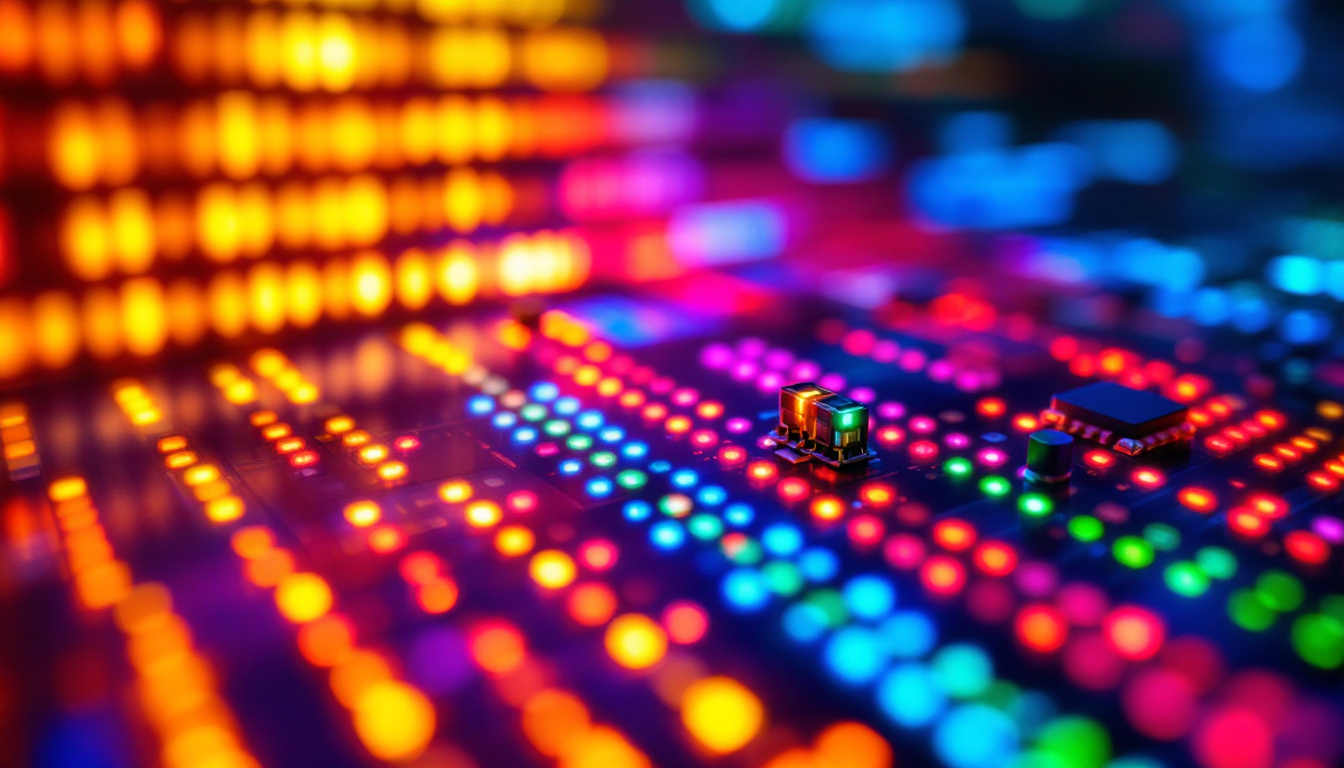
Micro LED is a display technology that utilizes microscopic light-emitting diodes (LEDs) to create images. Unlike traditional LED displays that use a backlight to illuminate pixels, Micro LED displays consist of millions of tiny LEDs, each acting as an individual pixel that emits its own light. This self-emissive property allows for superior brightness, contrast, and color accuracy.
Each Micro LED is typically smaller than 100 micrometers, which is about one-tenth the width of a human hair. This small size enables the creation of ultra-high-resolution displays with exceptional detail and clarity. The technology is fundamentally different from OLED (Organic Light Emitting Diode) displays, which use organic compounds to emit light, and LCDs (Liquid Crystal Displays), which rely on backlighting and liquid crystals to modulate light. As a result, Micro LED technology is poised to revolutionize various applications, from consumer electronics to large-scale digital signage, offering a level of performance that was previously unattainable.
Moreover, Micro LED technology is not just about resolution; it also supports a wide color gamut and high dynamic range (HDR), making it ideal for immersive viewing experiences. The ability to produce vivid colors and deep blacks enhances the overall visual quality, making it a preferred choice for high-end televisions and professional monitors. As manufacturers continue to innovate and refine the technology, we can expect to see even more advancements in color accuracy and brightness levels, further solidifying Micro LED’s position in the display market.
How Does a Micro LED Monitor Work?
At the core of a Micro LED monitor are millions of tiny LEDs arranged in a matrix. Each LED can be individually controlled to emit light of a specific color and intensity. By combining red, green, and blue Micro LEDs in precise patterns, the display can produce a full spectrum of colors with remarkable accuracy.
Because each pixel emits its own light, Micro LED displays do not require a separate backlight, which is a significant advantage over LCDs. This self-emissive nature results in deeper blacks and higher contrast ratios since pixels can be turned off completely to display true black. Additionally, Micro LEDs are inorganic, which means they have a longer lifespan and are less susceptible to burn-in compared to OLED panels. This durability makes them an attractive option for applications that require continuous use, such as digital signage and gaming monitors.
Furthermore, the modular design of Micro LED technology allows for flexible screen sizes and shapes, enabling manufacturers to create custom displays tailored to specific needs. This adaptability is particularly beneficial for industries like entertainment and advertising, where unique display configurations can enhance viewer engagement. As the technology matures, we may also see advancements in manufacturing processes that could lower production costs, making Micro LED displays more accessible to consumers and businesses alike. The potential for integration with augmented and virtual reality systems also opens up exciting possibilities for immersive experiences that blend the digital and physical worlds seamlessly.
Advantages of Micro LED Monitors
Superior Brightness and Contrast
One of the most notable benefits of Micro LED technology is its ability to deliver extraordinarily high brightness levels. Micro LED monitors can achieve peak brightness levels exceeding 1,000 nits, far surpassing typical OLED and LCD displays. This makes them ideal for use in bright environments or for HDR (High Dynamic Range) content that demands vivid highlights.
Moreover, because Micro LEDs can be turned off individually, the contrast ratio is effectively infinite. True blacks are possible without any light leakage, which enhances image depth and realism. This feature is particularly valuable for professionals in photography, video editing, and gaming, where color fidelity and contrast are critical. The ability to showcase deep shadows alongside bright highlights allows for a more dynamic range of colors, making images pop and providing a more lifelike viewing experience. As a result, users can appreciate the subtleties in their content, whether it’s the intricate details in a dark scene of a film or the vibrant colors of a nature documentary.
Energy Efficiency and Longevity
Micro LED displays are more energy-efficient than their LCD and OLED counterparts. Since they do not require a backlight and only illuminate the pixels necessary for the image, power consumption is reduced significantly. This efficiency translates into longer battery life for portable devices and lower energy costs for larger monitors.
In addition, the inorganic nature of Micro LEDs means they are more durable and less prone to degradation over time. Unlike OLEDs, which can suffer from burn-in and color shifts after prolonged use, Micro LED monitors maintain consistent performance for years. This longevity makes them a cost-effective choice for both consumers and businesses. Furthermore, the reduced energy consumption not only benefits users financially but also contributes to a lower carbon footprint, making Micro LED technology an environmentally friendly option. As sustainability becomes increasingly important in technology, these displays stand out as a responsible choice for eco-conscious consumers.
Faster Response Times and Better Viewing Angles
Micro LED technology offers rapid response times, often in the microsecond range, which is a boon for gaming and fast-paced video content. This speed reduces motion blur and ghosting, providing a smoother and more immersive viewing experience.
Additionally, Micro LED monitors provide wide viewing angles without color distortion or brightness loss. This is particularly important in collaborative environments where multiple viewers need to see the screen clearly from different positions. The technology ensures that whether you’re sitting directly in front of the screen or off to the side, the integrity of the image remains intact. This feature is especially beneficial in professional settings, such as design studios or conference rooms, where teams often gather to discuss projects and need to see the same high-quality visuals. The enhanced viewing experience also extends to home theaters, where family and friends can enjoy movies together without worrying about seating arrangements affecting the picture quality.
Comparing Micro LED to Other Display Technologies
Micro LED vs. OLED
OLED displays have long been praised for their excellent color accuracy and contrast, thanks to their self-emissive pixels. However, OLEDs have some drawbacks, including susceptibility to burn-in, limited peak brightness, and shorter lifespan due to the organic materials used.
Micro LED technology addresses many of these issues by using inorganic LEDs that are more durable and capable of much higher brightness. While OLEDs currently dominate the market for smartphones and TVs, Micro LED is poised to challenge this position as manufacturing processes improve and costs decrease.
Micro LED vs. LCD
LCD monitors rely on a backlight to illuminate pixels, which can cause issues such as light bleed, limited contrast ratios, and lower energy efficiency. While LCDs are widely used due to their affordability and mature manufacturing technology, they cannot match the contrast and brightness levels of Micro LED displays.
Micro LED monitors eliminate the need for backlighting, resulting in better contrast, more vibrant colors, and improved energy efficiency. However, LCDs currently hold an advantage in terms of cost and availability, making Micro LED a premium option for now.
Current Applications and Market Trends
Where Are Micro LED Monitors Used Today?
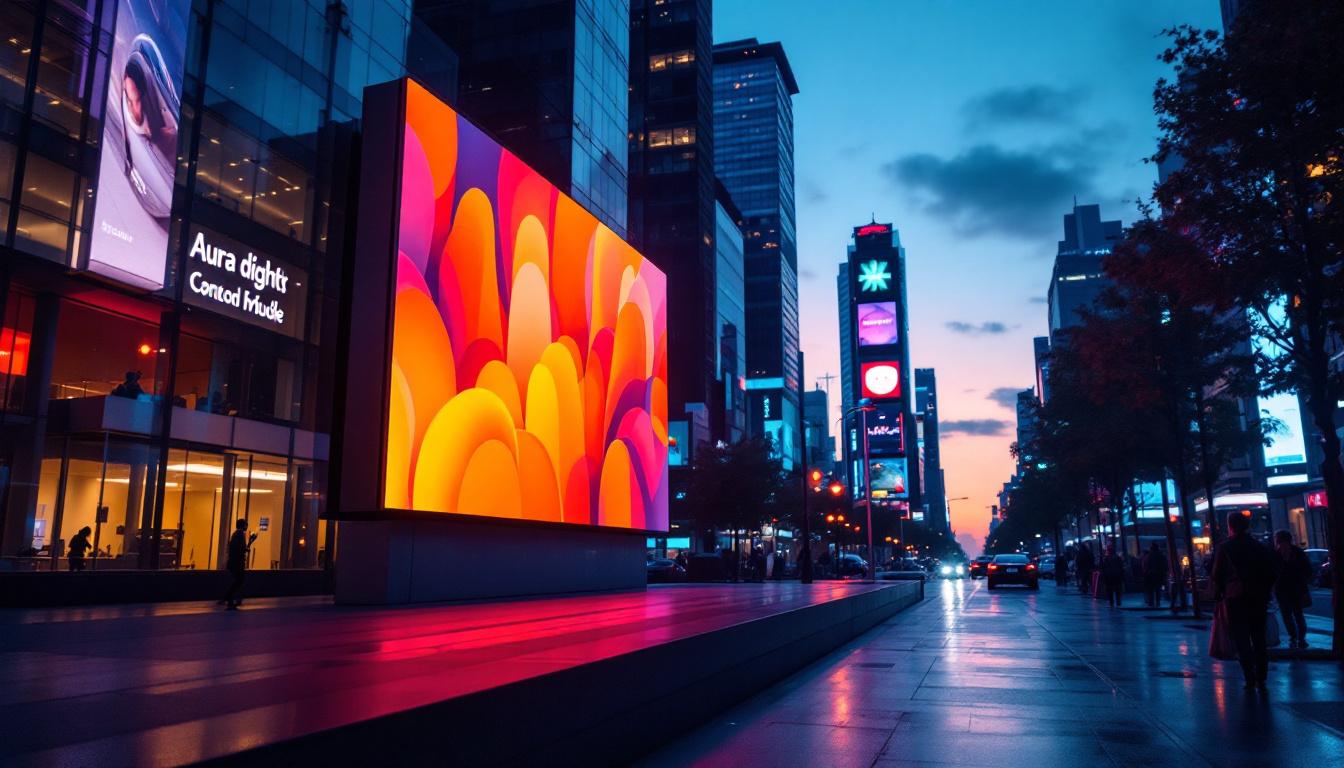
Micro LED technology is still in the early stages of commercial adoption, but it is already making waves in several high-end applications. Large-format displays for digital signage, luxury TVs, and professional monitors are among the first to benefit from Micro LED’s superior image quality.
In addition, some manufacturers have begun integrating Micro LED panels into premium laptops and gaming monitors, targeting users who demand the best visual performance. The technology’s scalability also allows for use in wearable devices and augmented reality (AR) headsets, where brightness and energy efficiency are crucial.
Challenges in Manufacturing and Cost
Despite its advantages, Micro LED technology faces significant manufacturing challenges. The process of placing millions of tiny LEDs accurately on a substrate is complex and costly. Yield rates can be low, and scaling production to meet consumer demand remains a hurdle.
As a result, Micro LED monitors currently come with a premium price tag, limiting widespread adoption. However, ongoing research and development efforts are focused on improving manufacturing techniques, such as mass transfer processes and defect detection, which are expected to reduce costs over time.
The Future of Micro LED Displays
Technological Innovations on the Horizon
Researchers and companies are actively working to overcome the current limitations of Micro LED technology. Advances in nanofabrication, automation, and materials science are driving improvements in pixel density, color uniformity, and production efficiency.
Emerging hybrid technologies that combine Micro LED with other display methods, such as quantum dots, promise to further enhance color gamut and brightness. Additionally, flexible and transparent Micro LED displays are being developed, opening up new possibilities for design and application.
Impact on Consumer Electronics and Beyond
As Micro LED technology matures, it is expected to revolutionize the consumer electronics market. High-end televisions, monitors, smartphones, and wearable devices will benefit from the unparalleled image quality and energy savings that Micro LED offers.
Beyond consumer electronics, industries such as automotive, aerospace, and medical imaging stand to gain from Micro LED’s durability and performance. For example, heads-up displays (HUDs) in vehicles could become brighter and clearer, enhancing safety and user experience.
Conclusion
Micro LED monitors represent a significant leap forward in display technology, combining the best attributes of existing technologies while addressing many of their shortcomings. Their superior brightness, contrast, energy efficiency, and longevity make them an attractive option for professionals and consumers seeking top-tier display performance.
While manufacturing challenges and costs currently limit widespread adoption, ongoing innovations suggest that Micro LED displays will become increasingly accessible in the near future. As the technology continues to evolve, it is poised to transform not only how images are displayed but also the very devices we use every day.
Discover the Future of Visual Display with LumenMatrix
Ready to experience the unparalleled clarity, vibrancy, and performance of Micro LED technology in your professional or personal spaces? LumenMatrix is at the forefront of this revolutionary advancement, offering a diverse range of LED display solutions tailored to meet your unique needs. From Indoor and Outdoor LED Walls to innovative Transparent Displays, our products are designed to captivate and engage. Don’t miss the opportunity to elevate your visual communication. Check out LumenMatrix LED Display Solutions today and step into the future of display technology.