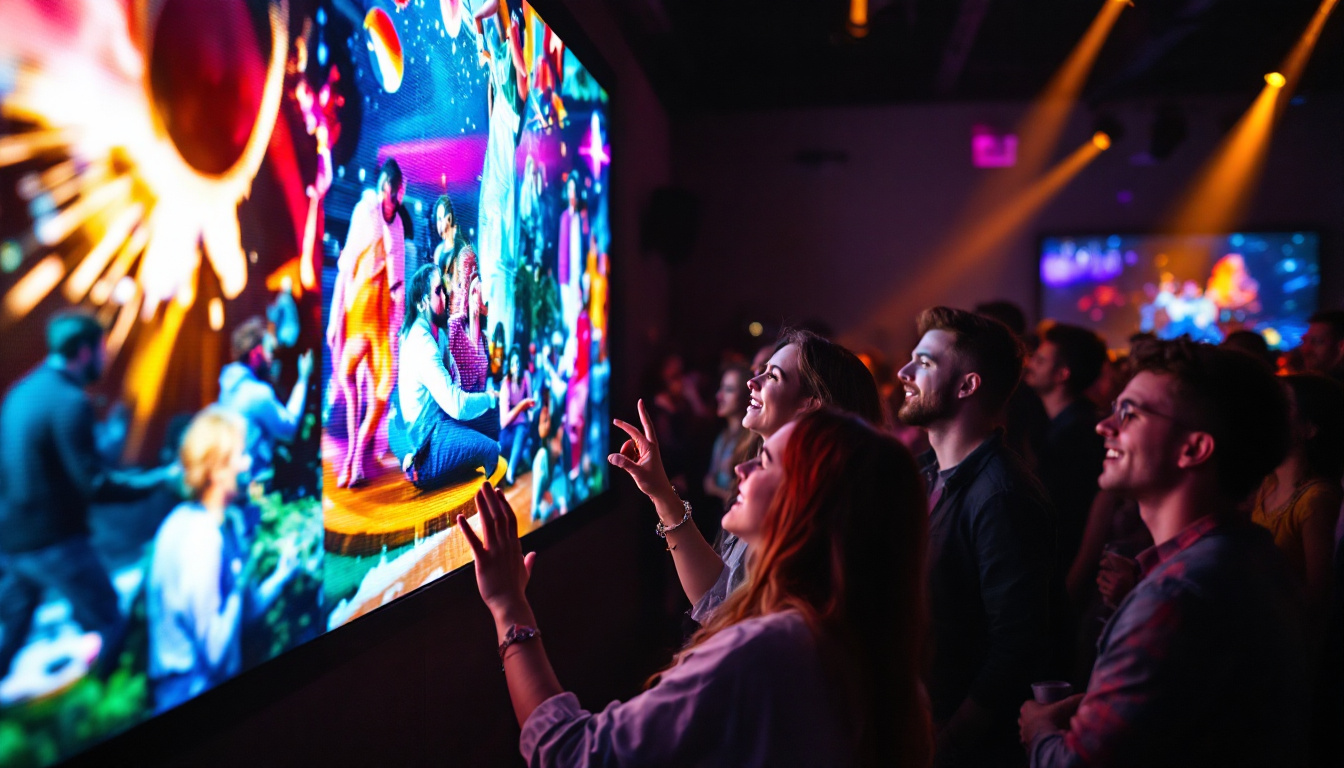
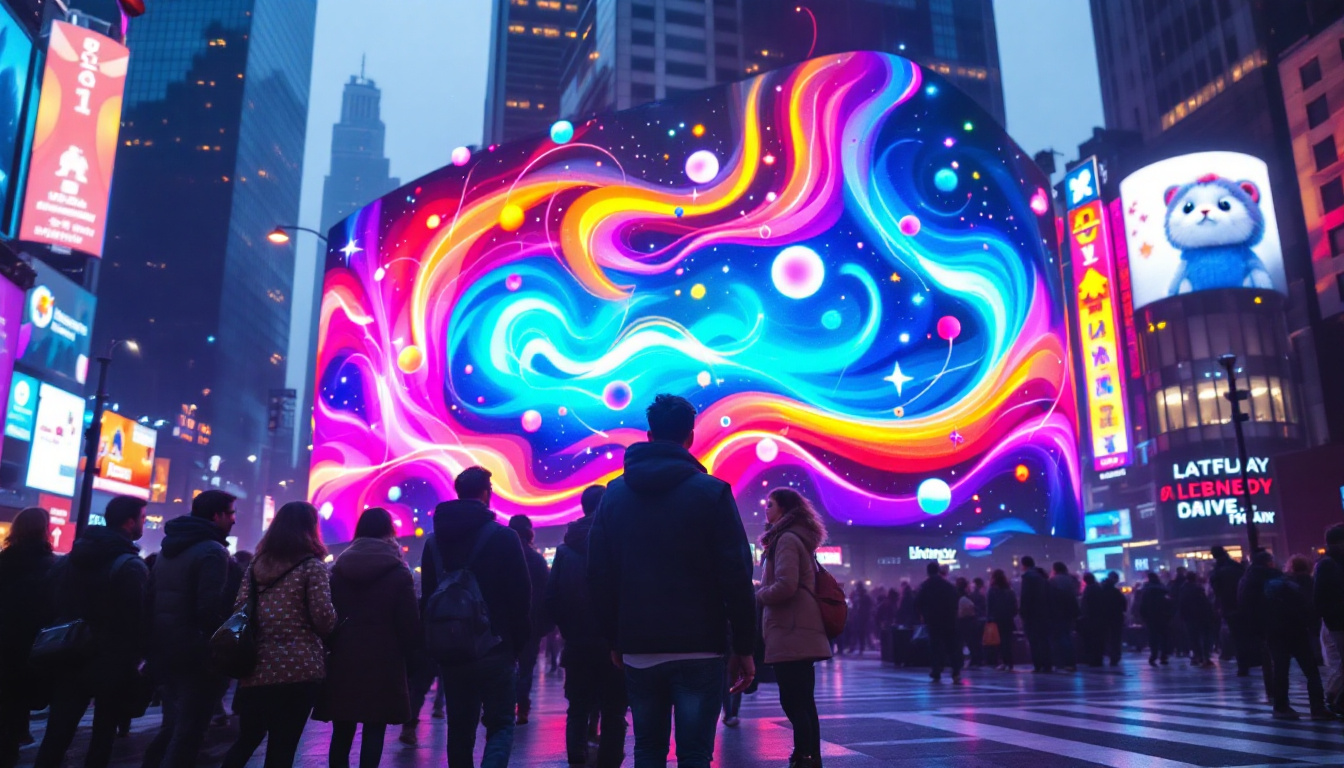
Beaverton, Oregon, has long been a vibrant hub for entertainment, blending community charm with modern amenities. One of the most exciting developments in the local movie theater scene is the adoption of LED display technology. This innovation is transforming how audiences experience films, offering brighter, sharper, and more immersive visuals than ever before. This article dives deep into the world of LED displays in Beaverton’s movie theaters, explaining the technology, its benefits, and why it matters to moviegoers in the area.
The Evolution of Movie Display Technology
Before LED displays became a staple in movie theaters, traditional projection methods dominated the industry. Film projectors using reels were the norm for much of the 20th century. Later, digital projectors took over, utilizing DLP (Digital Light Processing) and LCD (Liquid Crystal Display) technologies to project images onto large screens.
While digital projectors significantly improved picture quality and reduced maintenance costs, they still had limitations. Issues like lower brightness in well-lit environments and less vibrant colors persisted. This is where LED display technology enters the picture, offering a revolutionary alternative that enhances visual quality and viewer satisfaction.
From Film to Digital to LED
The transition from film to digital projection was a major leap, allowing theaters to screen movies with greater consistency and flexibility. However, digital projectors rely on projecting light through lenses onto a screen, which can result in light loss and reduced image brightness.
LED (Light Emitting Diode) displays, on the other hand, are self-illuminating. Each pixel emits its own light, resulting in incredibly bright images with exceptional contrast ratios. This means darker blacks and more vivid colors, which are crucial for delivering a cinematic experience that truly captivates audiences.
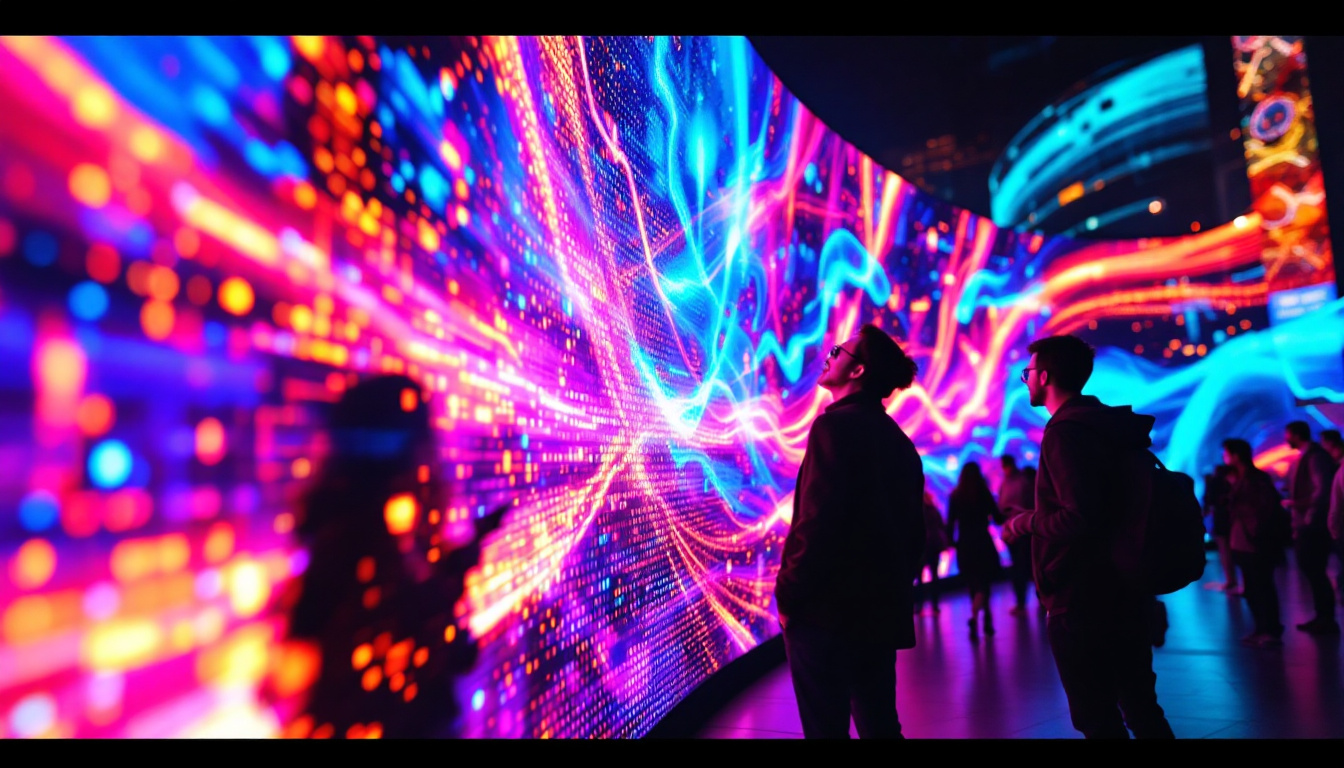
Moreover, the introduction of LED technology has not only transformed the visual aspect of film but has also influenced the design and architecture of movie theaters themselves. With the ability to create curved screens and immersive environments, theaters can now offer a more engaging viewing experience. The flexibility of LED screens allows for innovative layouts that can adapt to various film formats and audience sizes, further enhancing the overall cinematic experience.
Additionally, the longevity and energy efficiency of LED technology contribute to its growing popularity. Unlike traditional bulbs that require frequent replacements, LED lights can last for tens of thousands of hours, reducing waste and operational costs for theaters. This sustainability aspect resonates with modern audiences who are increasingly aware of environmental issues, making LED displays not just a technological upgrade but also a responsible choice for the future of cinema.
What Is an LED Display?
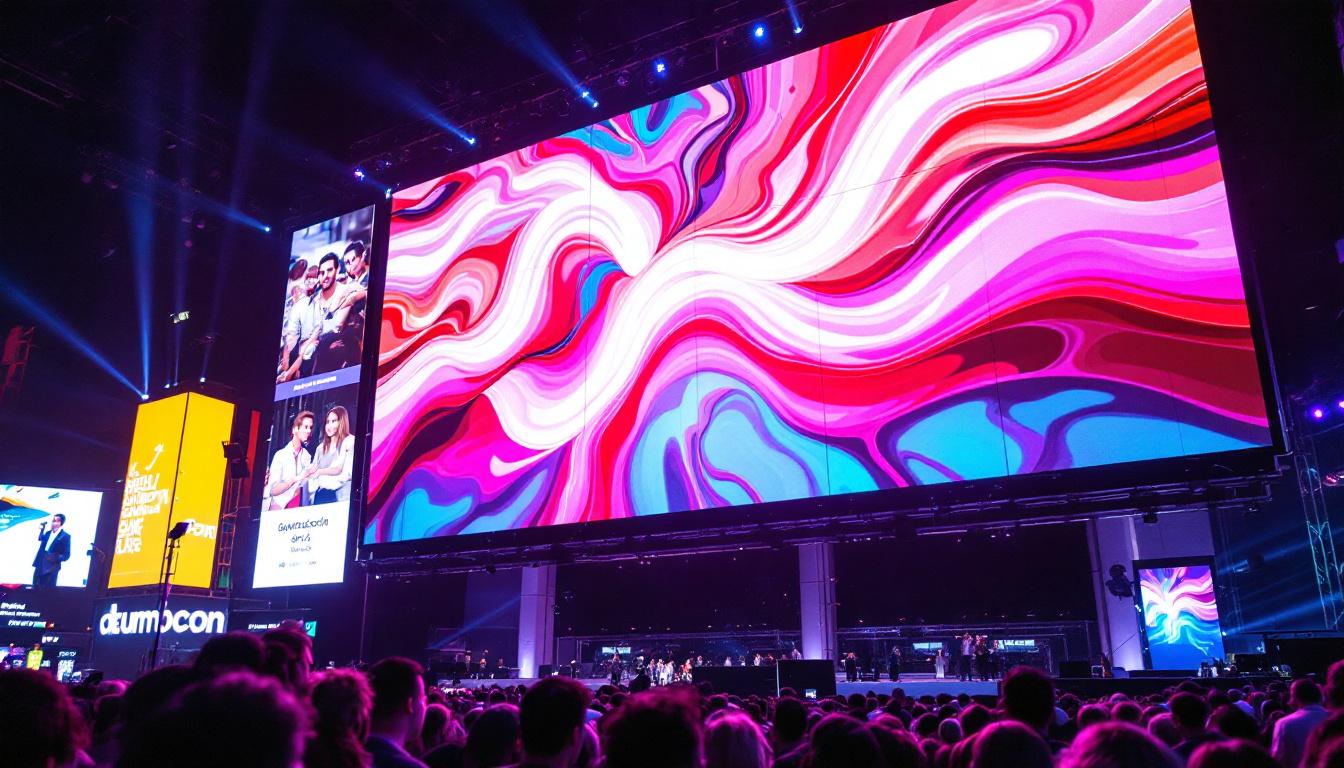
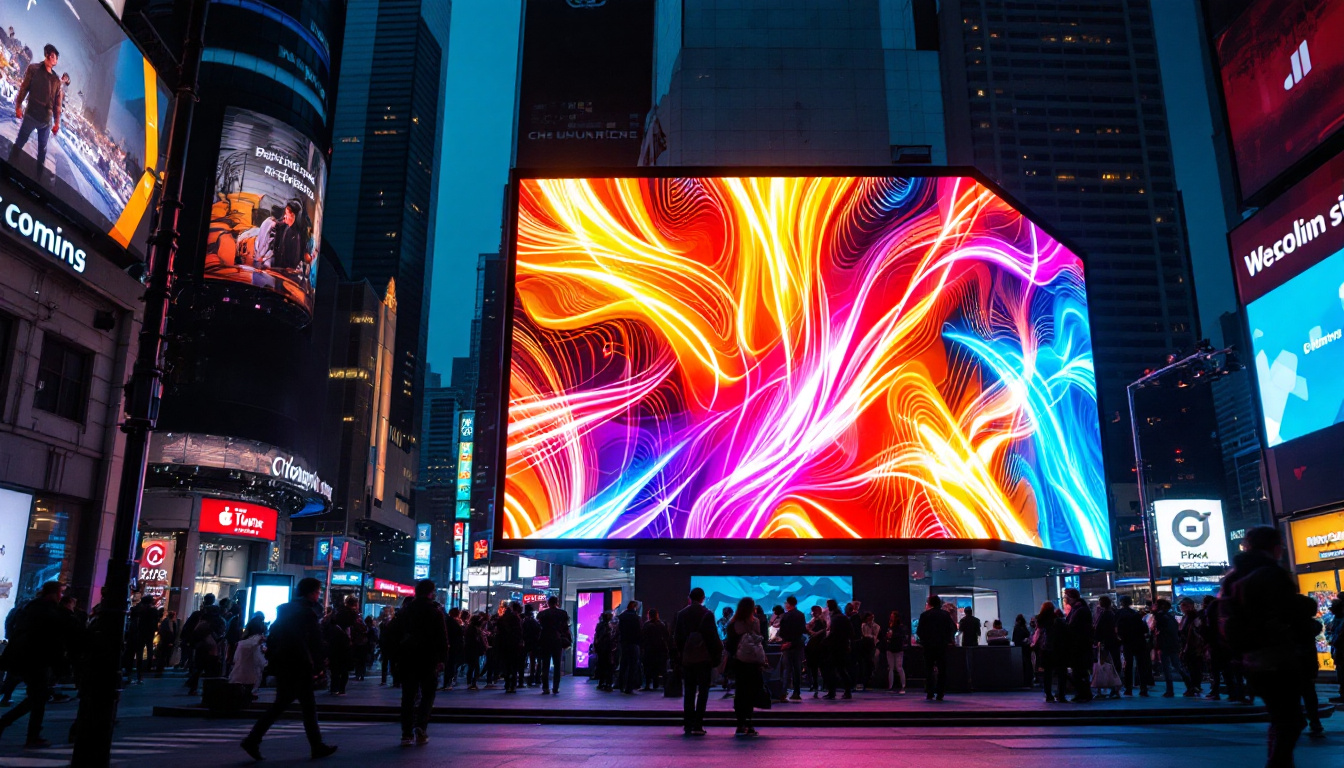
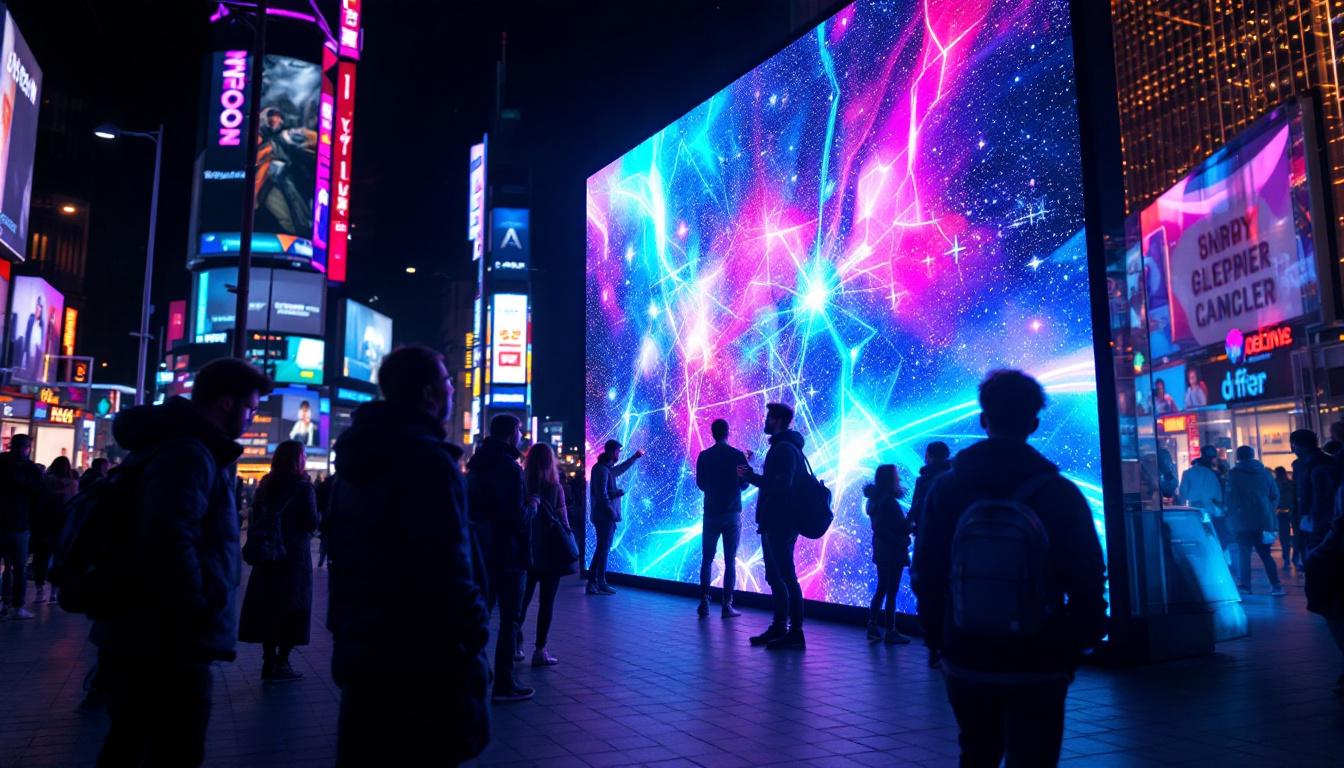
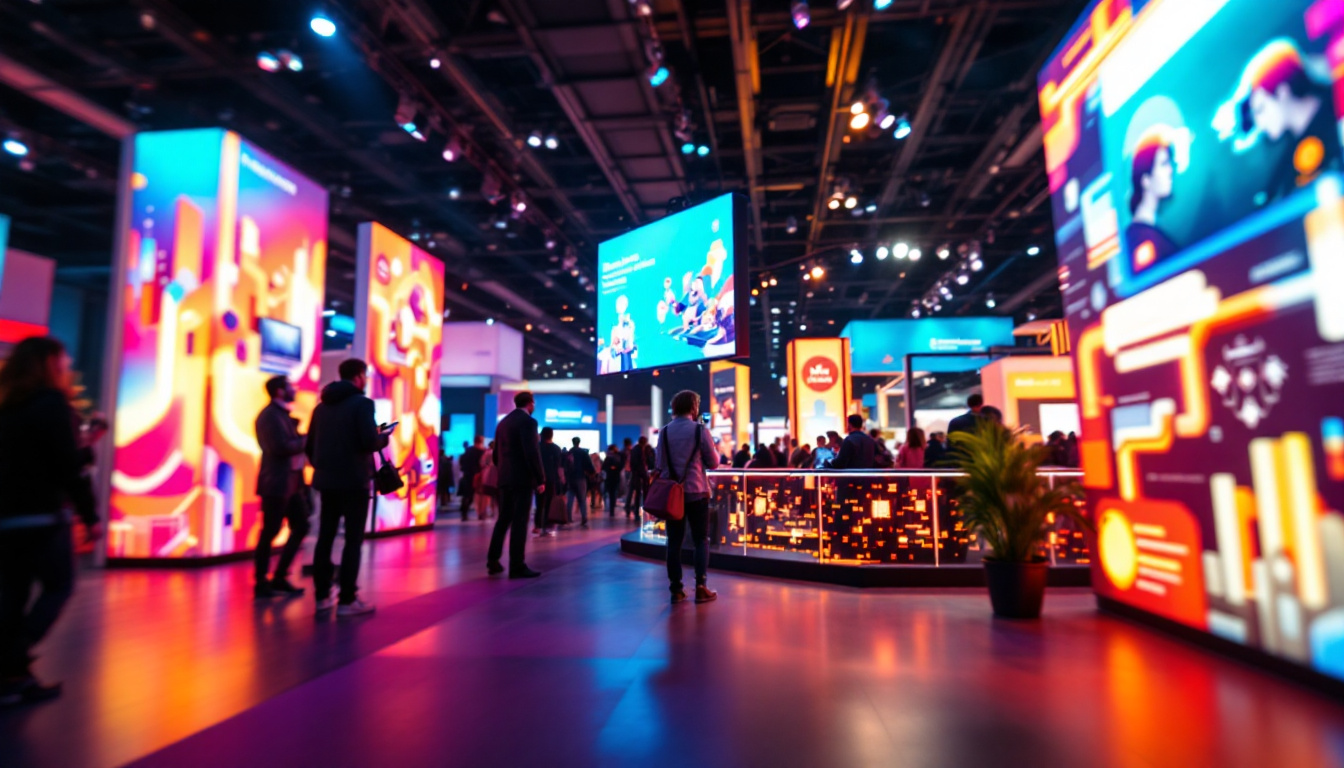
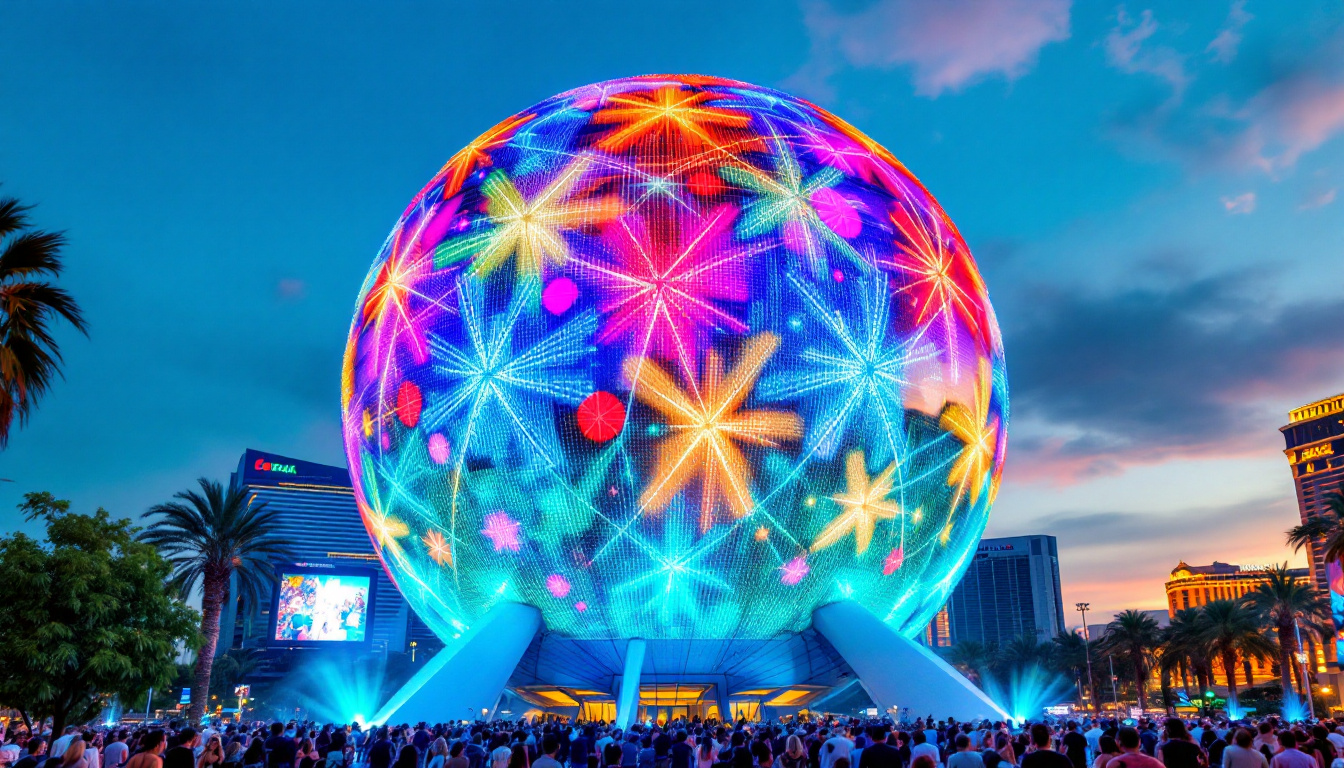
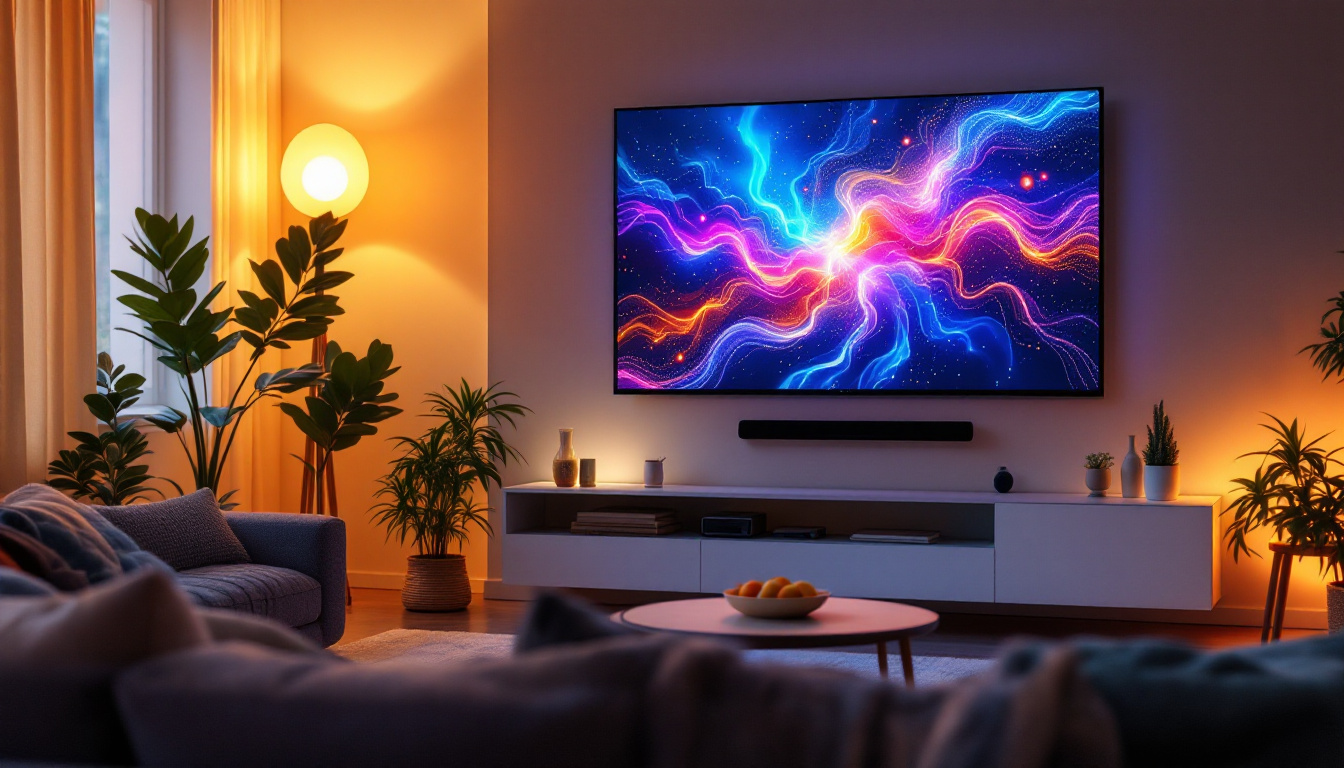
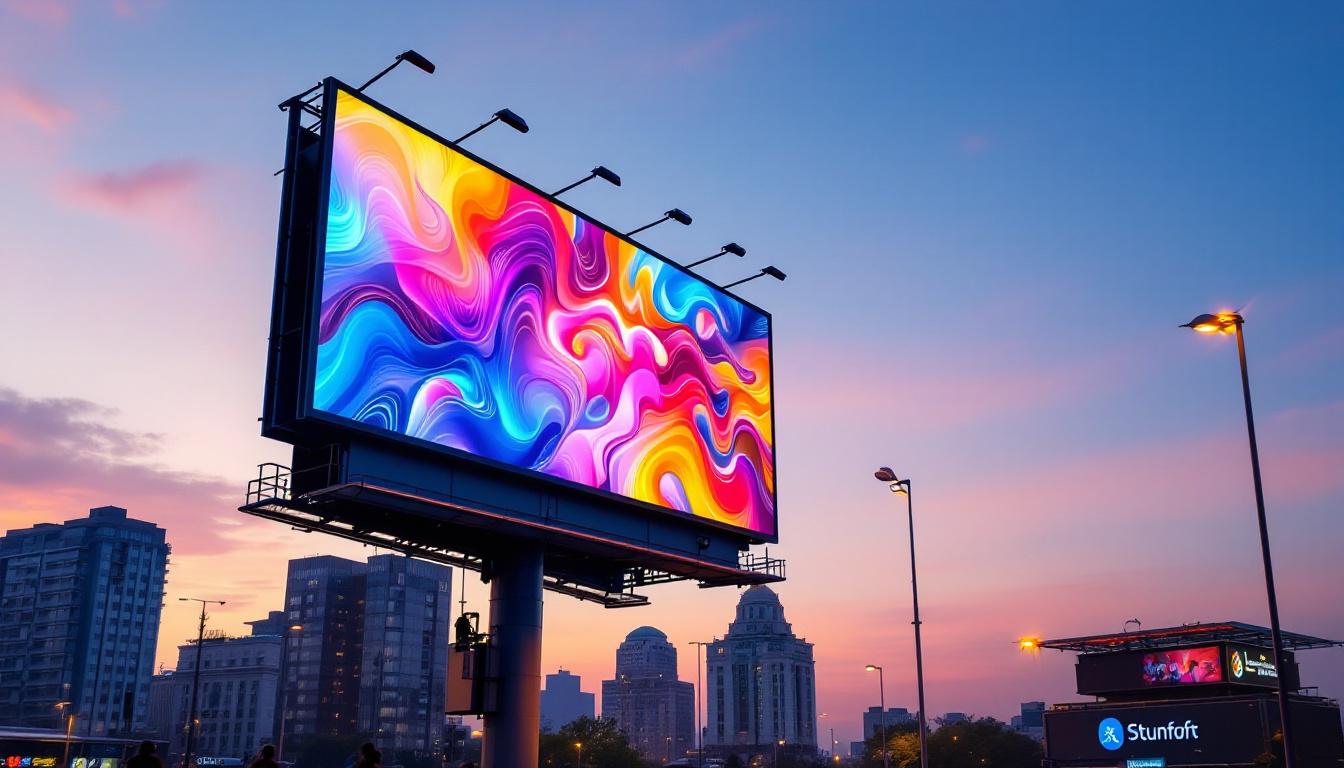
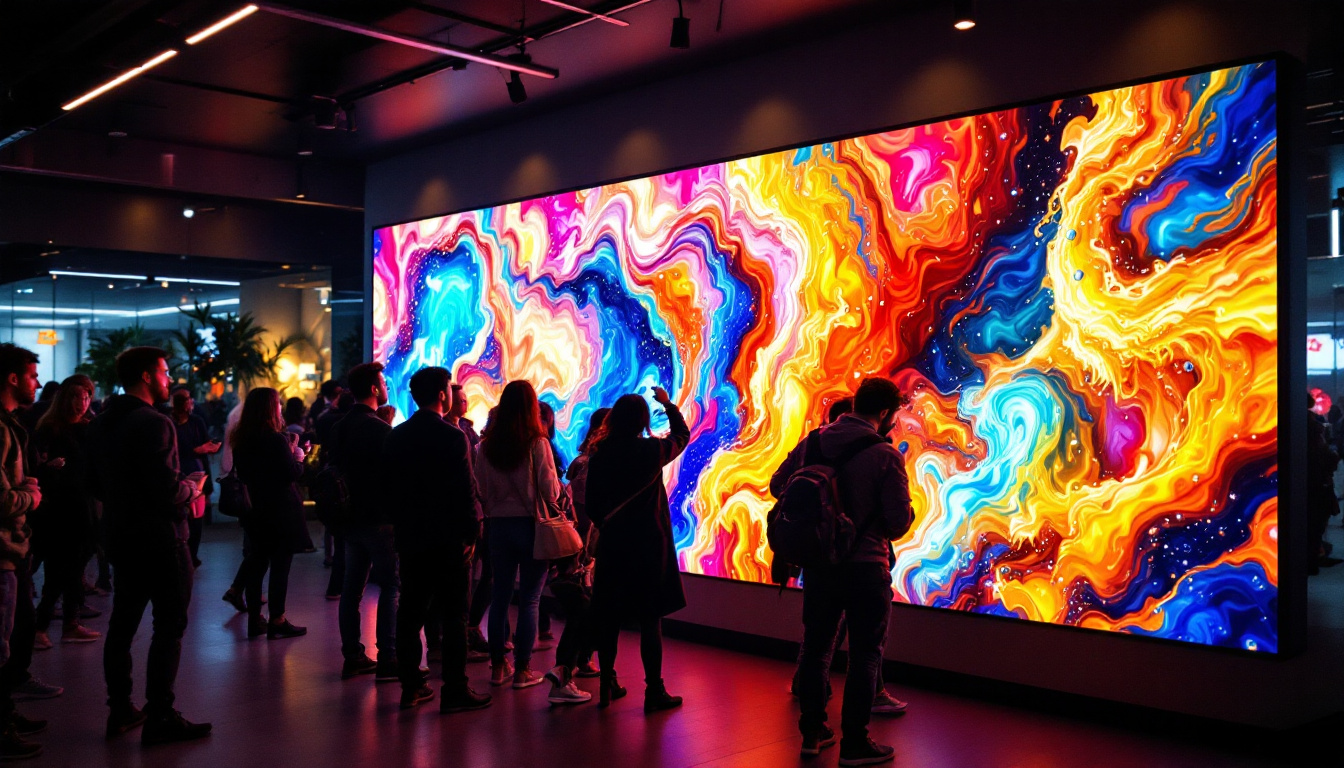
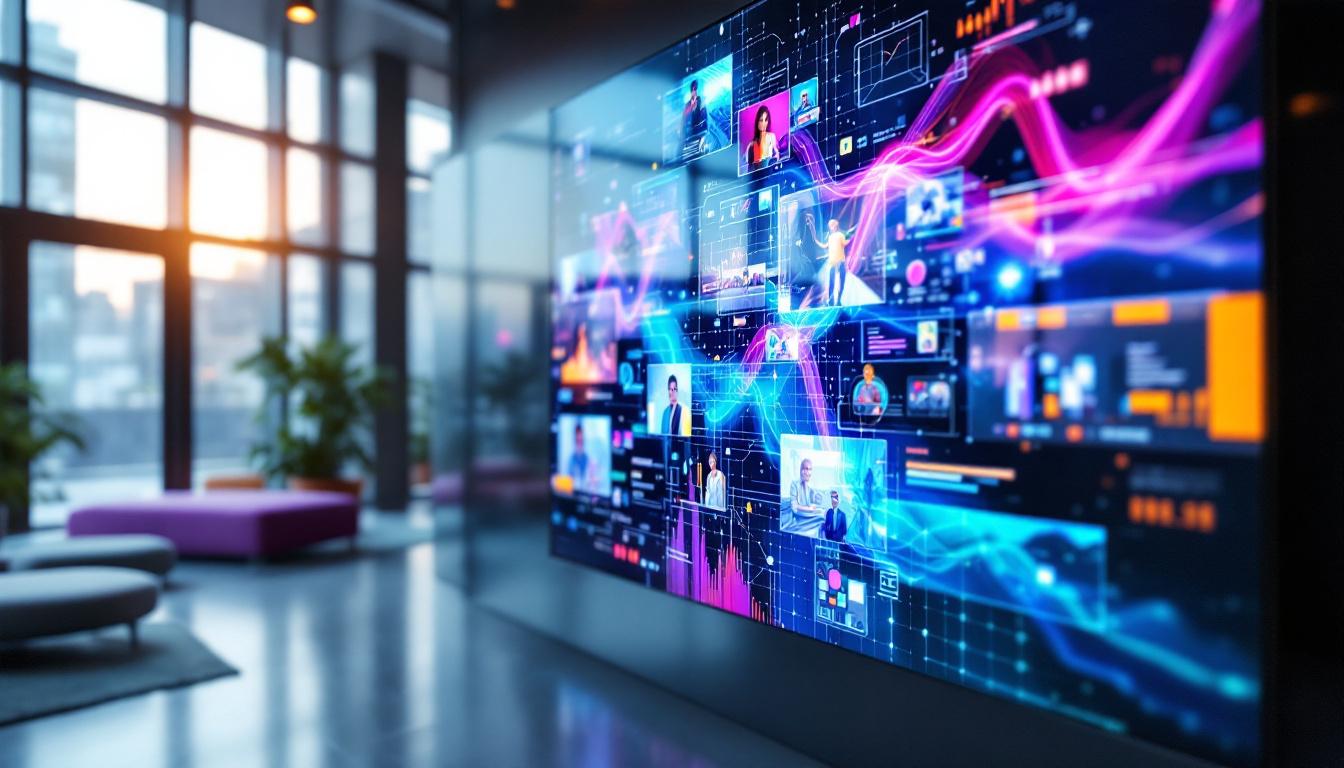
LED displays are composed of thousands of tiny light-emitting diodes arranged in a grid to form an image. Unlike traditional screens that rely on backlighting or projection, LED screens generate their own light. This fundamental difference leads to several advantages in brightness, color accuracy, and energy efficiency. The vibrant colors and sharp contrasts produced by LED technology make it a popular choice not just in cinemas, but also in advertising, sports arenas, and public displays.
How LED Displays Work
Each LED in the display can be controlled individually to produce specific colors and brightness levels. By adjusting these diodes rapidly, the screen can render detailed images and smooth motion. The technology behind LED displays has advanced to the point where even very large screens maintain uniform brightness and color consistency across their entire surface. This uniformity is crucial for applications where visual fidelity is paramount, such as in art exhibitions or high-end gaming setups.
This is especially beneficial in movie theaters, where large-format screens are essential for creating an immersive viewing environment. The ability to maintain image quality across a massive display ensures that every seat in the house offers a great view. Moreover, the quick response time of LED displays minimizes motion blur, enhancing the experience during fast-paced action sequences or sports events.
Types of LED Displays in Cinemas
There are primarily two types of LED displays used in movie theaters:
- Direct-view LED screens: These are large panels made up of individual LEDs that form the entire screen. They offer exceptional brightness and contrast and are often used in premium cinema setups. The modular nature of direct-view LED technology allows for flexible screen sizes and shapes, making it possible to create unique viewing experiences tailored to specific venues.
- LED-backlit LCD screens: While not true LED displays, these screens use LED lighting to enhance LCD panels. They provide better brightness and color than traditional LCDs but don’t match the performance of direct-view LED screens. These screens are often found in standard theaters, providing a cost-effective solution while still delivering improved image quality.
In addition to these types, some cinemas are beginning to explore the use of microLED technology, which promises even greater resolution and efficiency. MicroLED displays consist of microscopic LEDs that can be densely packed to create stunningly detailed images. This emerging technology could revolutionize the cinema experience, offering unparalleled picture quality and flexibility in screen design.
Benefits of LED Displays for Moviegoers in Beaverton
Beaverton’s movie theaters are increasingly adopting LED display technology to elevate the movie-watching experience. Here are some of the key benefits that local audiences can enjoy:
Superior Image Quality
LED displays deliver unparalleled brightness, which means movies look stunning even in rooms with ambient light. This is particularly important for theaters that host daytime screenings or events where complete darkness isn’t possible.
The high contrast ratio of LED screens ensures deep blacks and vibrant colors, enhancing the visual storytelling of films. Whether it’s the subtle shadows in a thriller or the dazzling effects in a sci-fi blockbuster, LED technology brings every frame to life.
Enhanced Viewing Angles
Traditional projectors and screens can suffer from color and brightness degradation when viewed from off-center seats. LED displays maintain consistent image quality across wide viewing angles, so every seat in the theater offers a premium experience.
Energy Efficiency and Sustainability
LED technology is more energy-efficient than traditional projection systems, reducing the carbon footprint of movie theaters. This aligns well with Oregon’s commitment to sustainability and environmental responsibility, making LED-equipped cinemas a greener choice for entertainment.
Durability and Low Maintenance
LED displays are known for their longevity and reliability. Unlike projectors that require frequent bulb replacements and calibration, LED screens have a longer lifespan and lower maintenance costs. This ensures that theaters can provide consistent quality without frequent interruptions.
LED Displays in Beaverton’s Movie Theaters: Real-World Examples
Several theaters in Beaverton have embraced LED technology, setting new standards for cinematic experiences in the region.
Premium Large Format Theaters
Some of Beaverton’s premium cinemas have installed direct-view LED screens to offer ultra-high-definition viewing. These theaters often pair LED displays with advanced sound systems and comfortable seating to create a fully immersive environment.
For instance, a local theater chain recently unveiled an LED-equipped auditorium featuring a screen that spans over 70 feet in width. This massive display delivers crystal-clear images with vibrant colors, making it a favorite among movie enthusiasts seeking the best possible experience.
Community and Independent Cinemas
Even smaller, independent theaters in Beaverton are benefiting from LED technology. These venues use LED displays to showcase independent films, documentaries, and special events with enhanced visual clarity. This helps attract diverse audiences and supports the local arts community.
Why LED Displays Matter for the Future of Moviegoing in Beaverton
The adoption of LED display technology in Beaverton’s movie theaters is more than just a technical upgrade; it represents a shift in how audiences engage with films. As streaming services continue to grow, theaters must offer unique experiences that cannot be replicated at home.
Creating Immersive Experiences
LED displays enable theaters to provide immersive visuals that draw viewers into the story. The combination of brightness, color accuracy, and size creates an environment where movies feel larger than life. This sensory engagement is a key factor in attracting audiences back to theaters.
Supporting Local Economy and Culture
Investing in LED technology helps Beaverton’s theaters remain competitive and relevant. This, in turn, supports local jobs and contributes to the city’s cultural vibrancy. High-quality movie experiences encourage residents and visitors alike to spend more time and money in the area.
Adaptability for Diverse Content
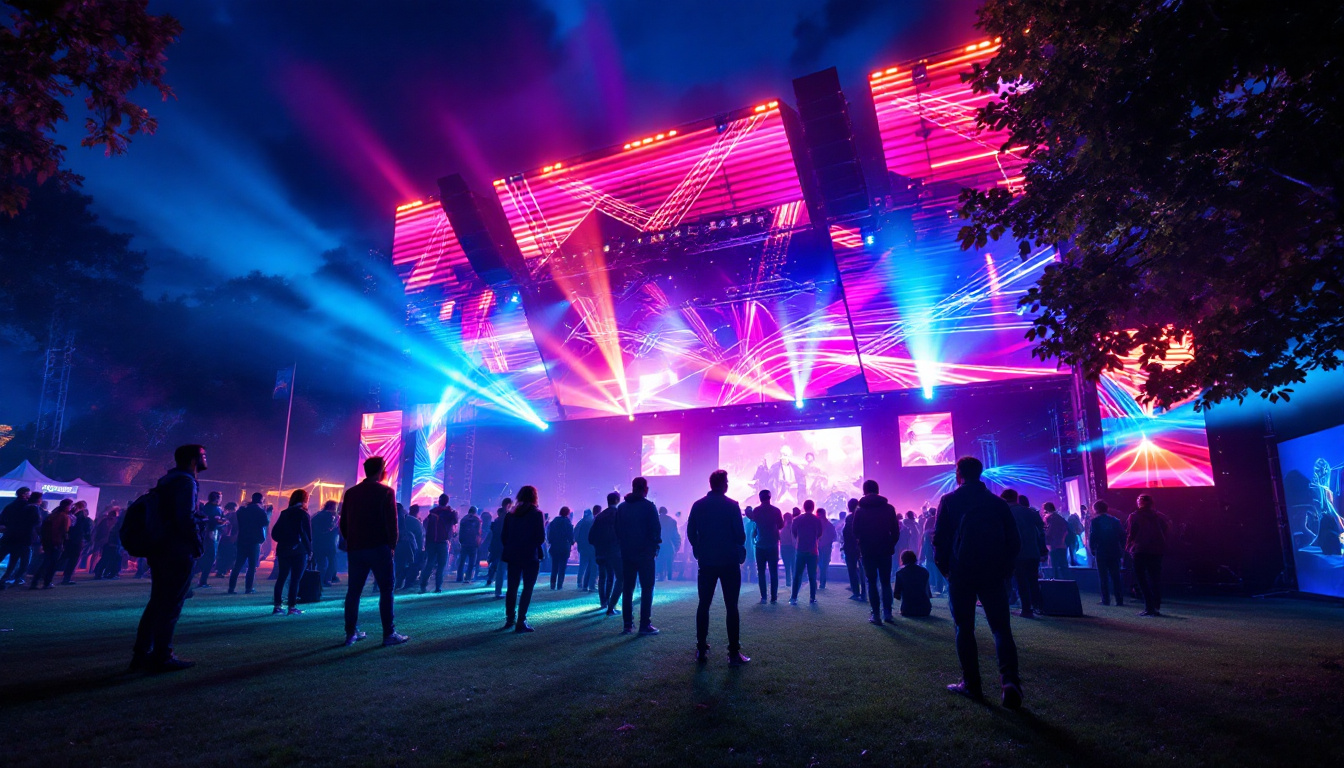
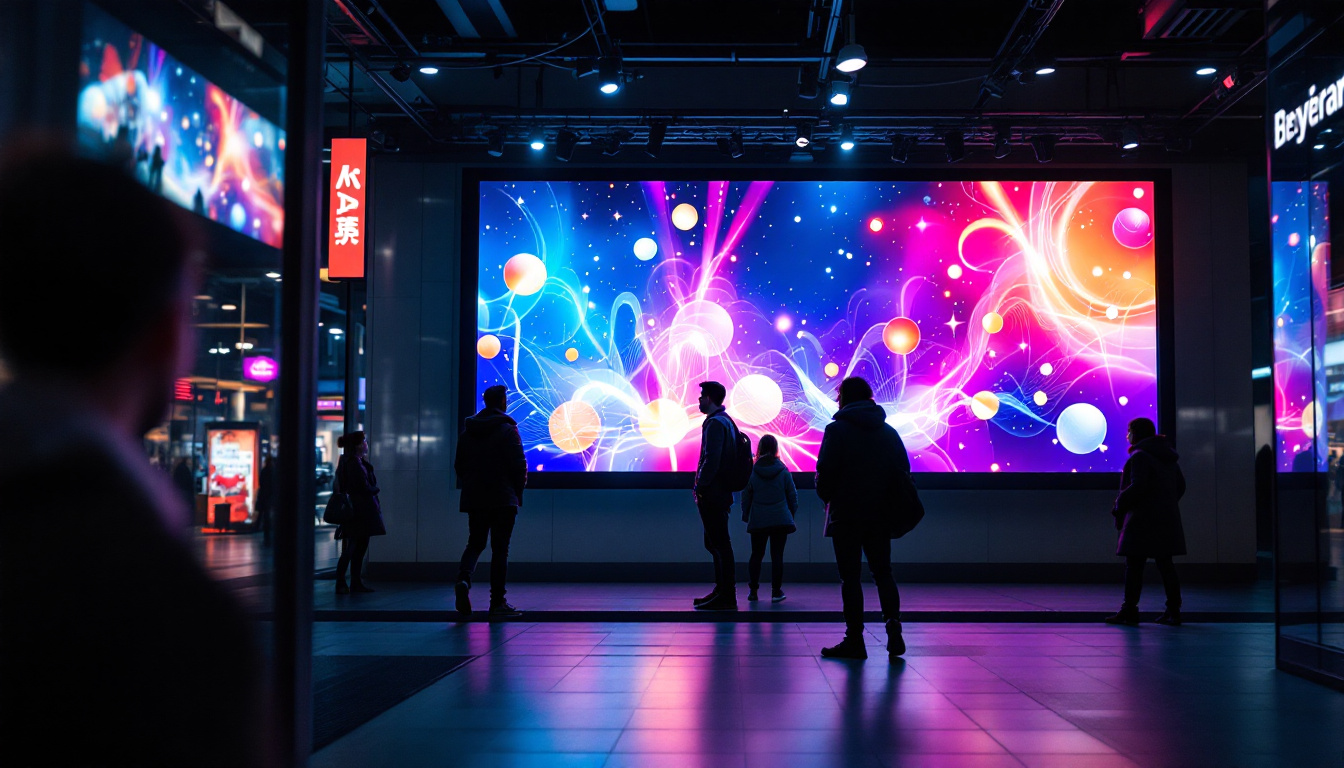
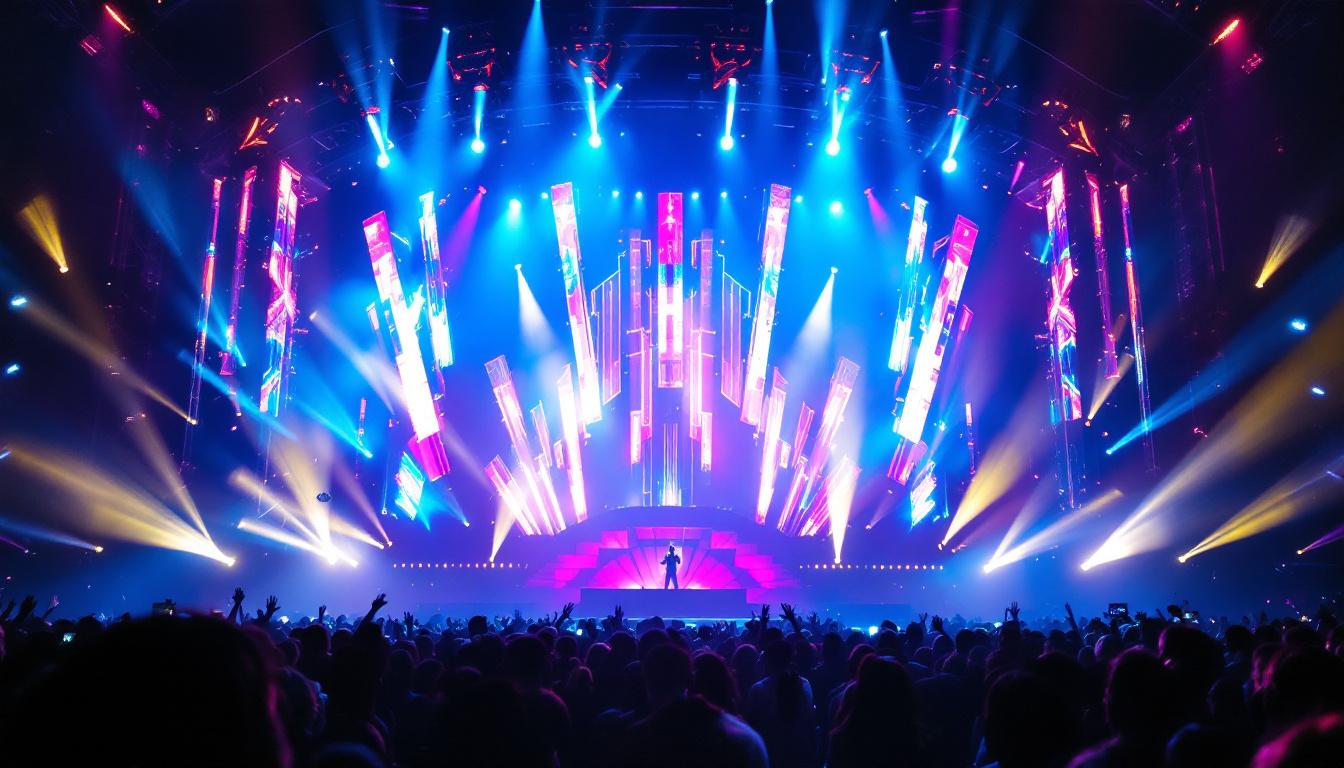
LED displays are versatile, capable of showcasing not only traditional films but also live broadcasts, gaming events, and interactive content. This flexibility allows theaters to diversify their programming, appealing to a broader audience base and maximizing revenue opportunities.
Considerations for Moviegoers: What to Expect
For those planning to visit a Beaverton theater with LED displays, there are a few things to keep in mind:
Ticket Pricing
Premium LED-equipped auditoriums may come with slightly higher ticket prices due to the enhanced technology and experience. However, many theaters offer membership programs and discounts that make these screenings accessible.
Seating and Viewing Experience
Thanks to wide viewing angles, even seats off to the side provide excellent image quality. This means more flexibility in choosing seats without compromising the viewing experience.
Event Variety
Expect to see a wider range of events beyond traditional movie screenings, including live concerts, sports broadcasts, and interactive media presentations, all benefiting from LED’s superior display capabilities.
Conclusion: The Bright Future of Movies in Beaverton
LED display technology is redefining the moviegoing experience in Beaverton, Oregon. By offering unmatched brightness, color accuracy, and energy efficiency, LED-equipped theaters provide audiences with a cinematic experience that is both immersive and sustainable. As more theaters adopt this technology, Beaverton is poised to become a regional leader in high-quality movie entertainment.
For movie lovers in Beaverton, the shift to LED displays means more vibrant stories, more engaging visuals, and a renewed excitement for the magic of cinema. Whether attending a blockbuster premiere or an indie film screening, audiences can look forward to a viewing experience that truly shines.
Experience the Future of Visuals with LumenMatrix
Ready to be part of the LED revolution in Beaverton and beyond? LumenMatrix is at the forefront, crafting immersive visual experiences with our comprehensive range of LED display solutions. From Indoor and Outdoor LED Walls to innovative Transparent Displays, our mission is to transform how stories are told and seen. Whether for business, entertainment, or dynamic advertising, our LED modules are designed to captivate and engage. Don’t just watch the future unfold—be a part of it. Check out LumenMatrix LED Display Solutions today and see how we’re lighting up the world, one pixel at a time.