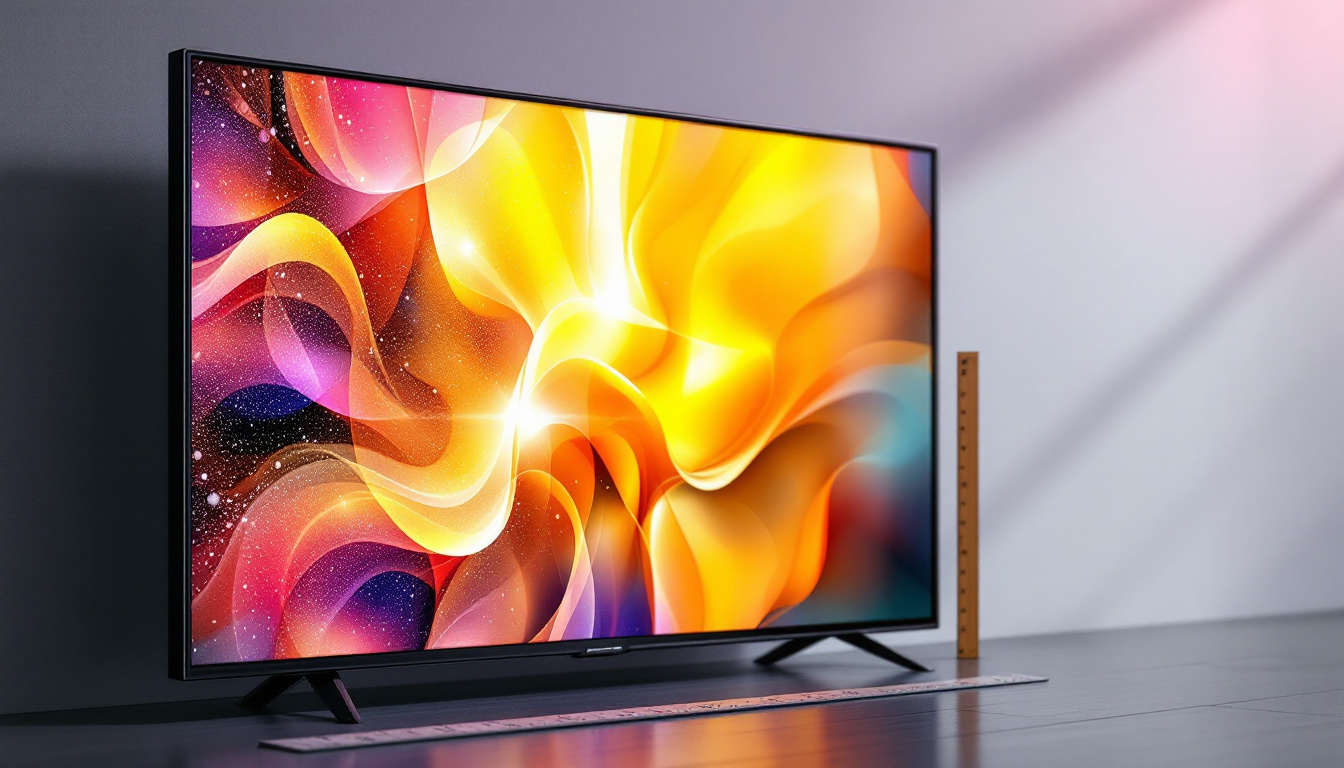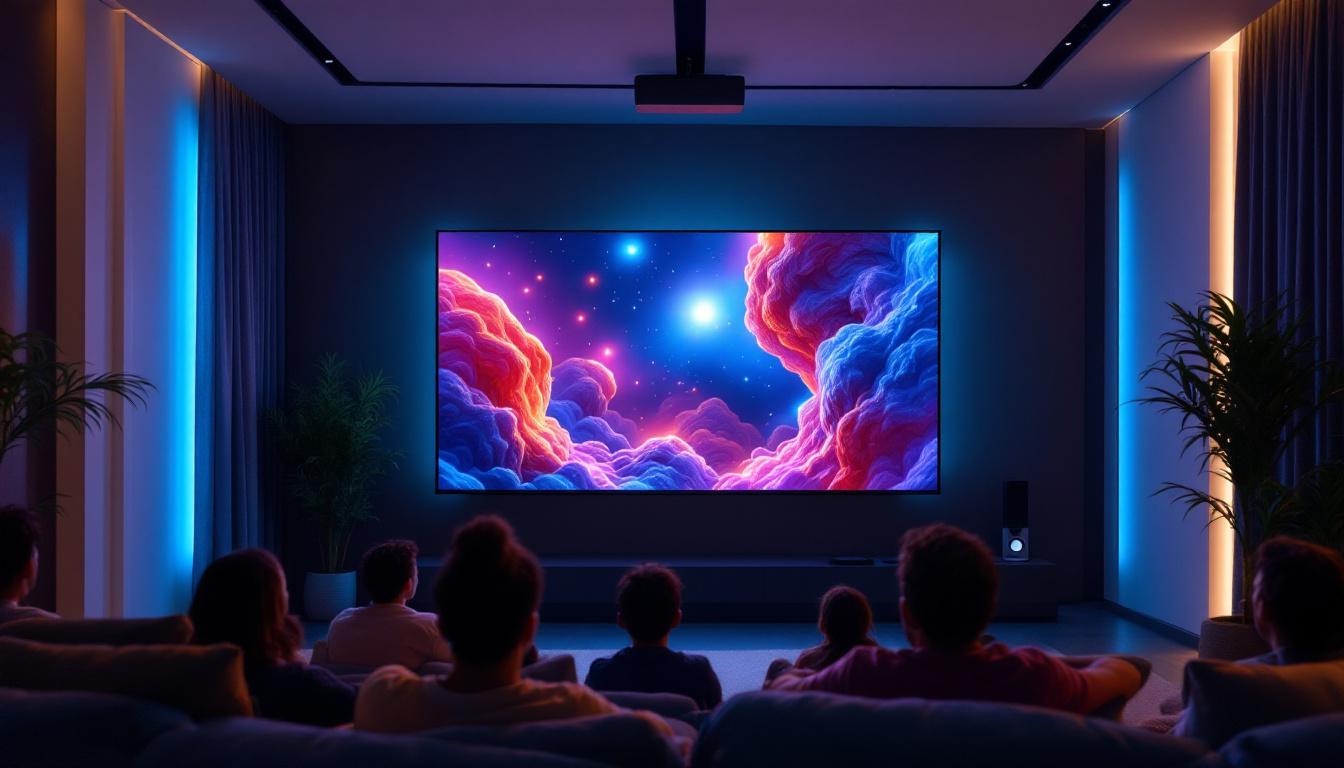
In the evolving landscape of visual technology, the 21:9 projector screen paired with LED displays has emerged as a game-changer for home theaters, professional presentations, and immersive gaming setups. This ultra-wide aspect ratio, combined with the vibrant capabilities of LED technology, offers a viewing experience that is both cinematic and visually striking. This article delves into the intricacies of 21:9 projector screens and LED displays, explaining their benefits, applications, and what to consider when integrating them into your setup.
Understanding the 21:9 Aspect Ratio
What Does 21:9 Mean?
The 21:9 aspect ratio, also known as ultra-wide, refers to the proportional relationship between the width and height of a display or screen. Specifically, for every 21 units of width, there are 9 units of height. This ratio is wider than the traditional 16:9 format commonly found in HDTVs and standard projector screens.
This ultra-wide format closely matches the aspect ratio used in many cinematic films, often referred to as “CinemaScope” or “anamorphic” widescreen. It allows viewers to experience movies as directors originally intended, without black bars or cropping. For users, this means a more immersive and expansive field of view, enhancing both entertainment and productivity. Furthermore, the 21:9 ratio is increasingly being adopted in gaming, where it provides a competitive edge by allowing players to see more of the environment, giving them a tactical advantage over opponents in fast-paced scenarios.
Why Choose 21:9 Over Other Ratios?
The 21:9 aspect ratio offers several advantages compared to the more common 16:9 or 4:3 screens. For cinema enthusiasts, it provides a full-screen experience for many blockbuster films, eliminating letterboxing and preserving the director’s framing.
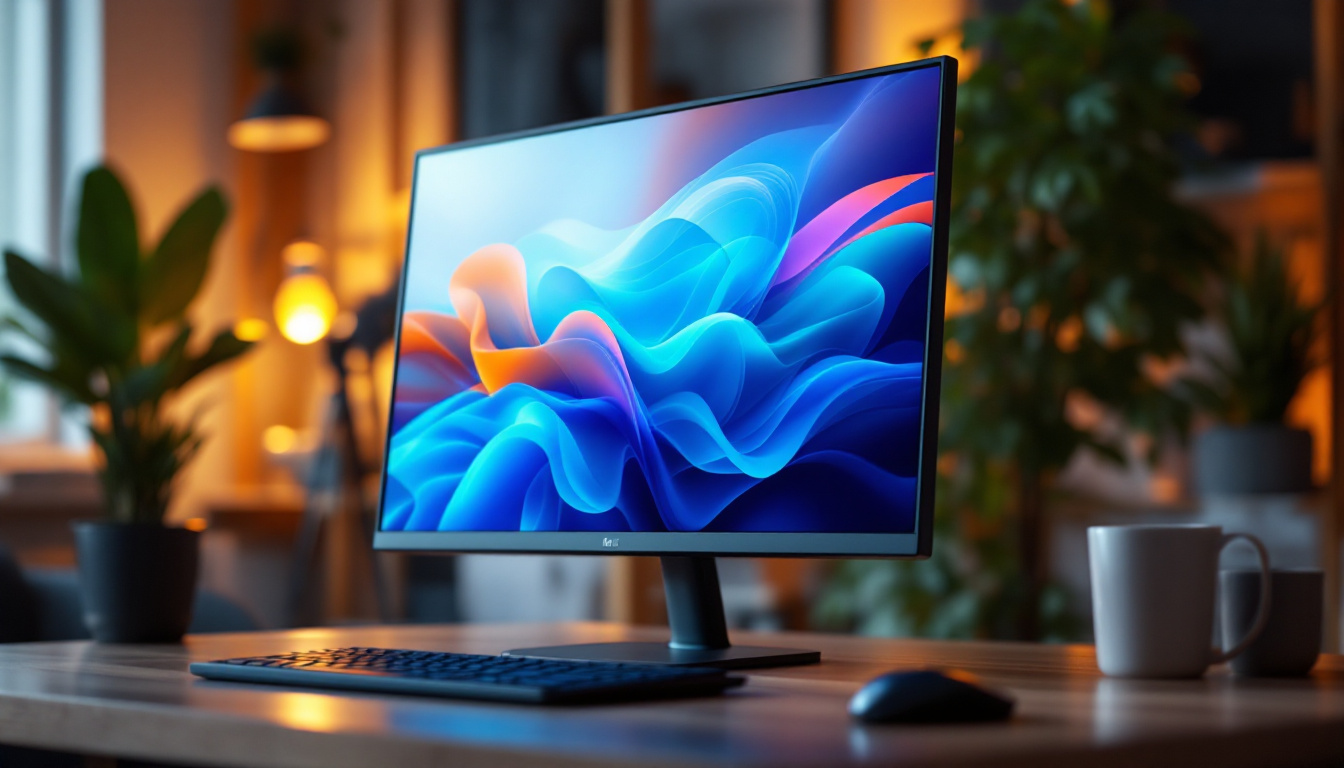
In addition to entertainment, the ultra-wide format benefits professional environments. Video editors, graphic designers, and financial analysts often prefer 21:9 displays because they provide more horizontal workspace, enabling multitasking and detailed timelines without the need for multiple monitors. This can significantly streamline workflows, as users can arrange multiple applications side by side, enhancing productivity and reducing the time spent switching between windows. Moreover, the immersive nature of a 21:9 display can also be advantageous for virtual reality applications and simulations, where a wider field of view can enhance realism and engagement, making it an appealing choice for both creative professionals and gamers alike.
Projector Screens Designed for 21:9
Specialized Screen Dimensions and Materials
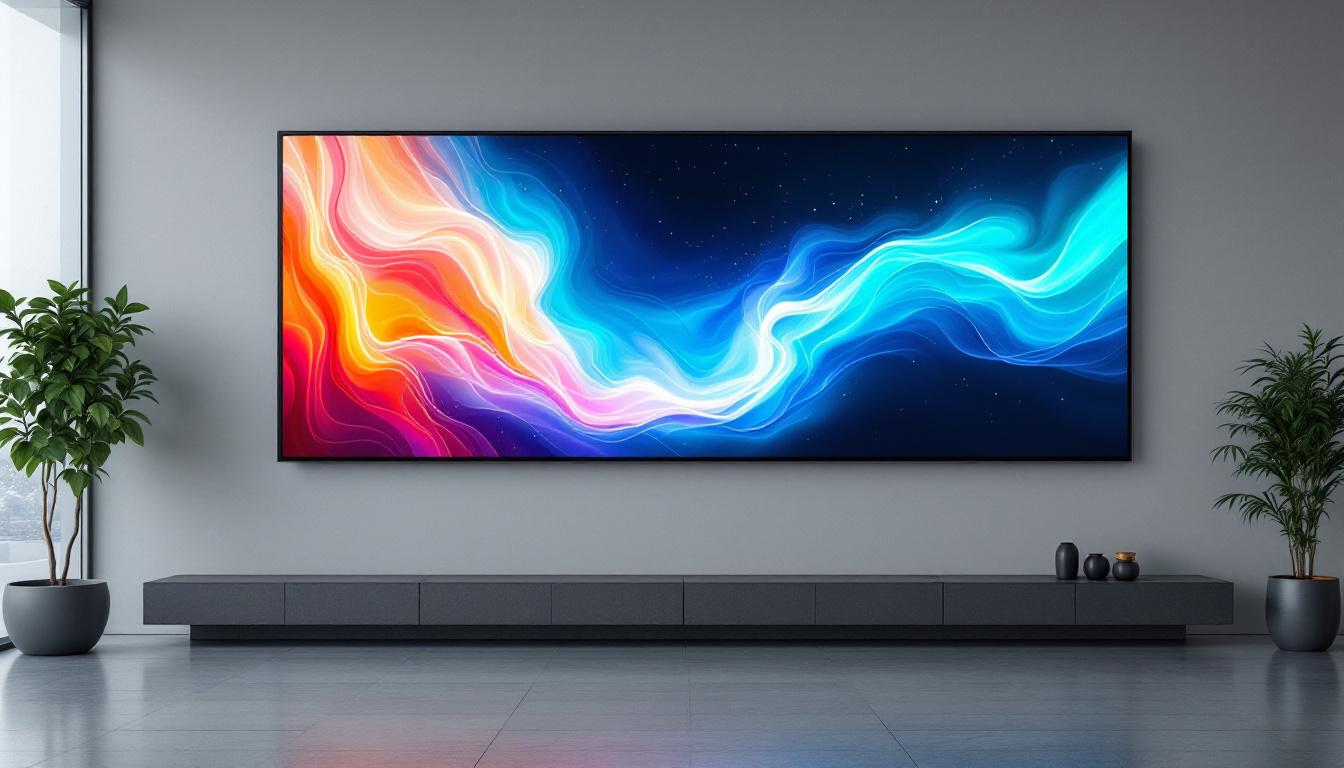
Projector screens designed specifically for the 21:9 aspect ratio are engineered to maximize the viewing experience. Unlike standard screens, these ultra-wide screens require precise dimensions to avoid distortion or loss of image quality. Typically, a 21:9 projector screen will have a width that is more than double its height, creating a panoramic canvas for projection. This aspect ratio is particularly favored for cinematic experiences, as it closely aligns with the format used in many modern films, allowing viewers to enjoy a more immersive experience akin to that of a movie theater.
Material selection is also crucial. High-gain screens with ambient light rejection properties are often preferred, especially in rooms where complete darkness is hard to achieve. These materials enhance contrast and color accuracy, ensuring that the projected image remains vibrant and sharp across the entire wide frame. Moreover, some screens are designed with specialized coatings that improve viewing angles, allowing multiple viewers to enjoy the same high-quality image from different positions in the room. This feature is particularly beneficial for gatherings or family movie nights, where seating arrangements may vary.
Installation Considerations
Installing a 21:9 projector screen requires careful planning. Due to its width, the screen demands a larger wall space and may necessitate adjustments in projector placement to maintain optimal image geometry. Projectors capable of anamorphic lens support or those with lens shift features are ideal for this setup, as they can adapt the image to fit the ultra-wide screen without distortion. Additionally, the mounting height of the screen should be considered to ensure that the center of the image aligns with the viewer’s eye level, providing a comfortable viewing experience.
Additionally, ambient light control becomes more critical with wider screens. Even minor light leaks can affect image quality across the expansive surface, so blackout curtains or dedicated home theater rooms are recommended for the best results. Furthermore, the room’s acoustics should not be overlooked; adding sound-absorbing materials can enhance audio quality, creating a more cohesive cinematic environment. The combination of visual and auditory elements is essential for achieving that true theater-like experience, making the investment in both the screen and the room’s setup worthwhile for avid film enthusiasts.
LED Displays and Their Role in Ultra-Wide Projection
What Makes LED Displays Stand Out?
Light Emitting Diode (LED) technology has revolutionized display systems in recent years. Unlike traditional projection methods that rely on bulbs or lasers to cast images onto screens, LED displays use millions of tiny light-emitting diodes to produce images directly. This results in higher brightness, superior contrast ratios, and more vibrant colors.
LED displays also excel in durability and energy efficiency. They have longer lifespans compared to conventional projector lamps and consume less power, making them a sustainable choice for both commercial and residential applications.
Integration of LED with 21:9 Screens
When combined with a 21:9 ultra-wide format, LED displays offer unparalleled image quality and immersion. While traditional projectors can struggle with brightness and color uniformity over such wide screens, LED-based systems maintain consistent luminance and color accuracy across the entire display area.
Moreover, modular LED panels can be configured to create seamless ultra-wide displays without the need for a physical screen. This flexibility allows for custom sizes and aspect ratios, perfectly matching the 21:9 format and even extending beyond it for specialized applications.
Applications of 21:9 Projector Screens with LED Displays
Home Theater and Cinematic Experiences
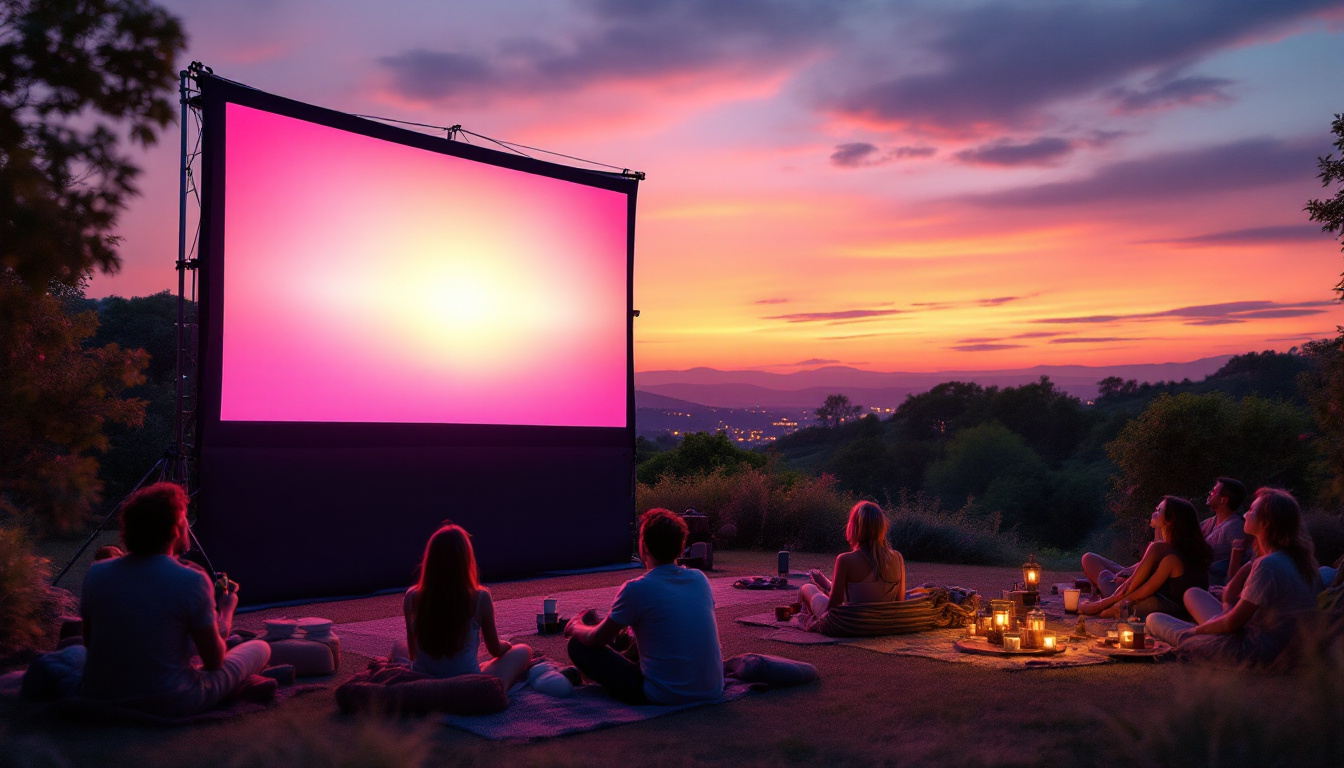
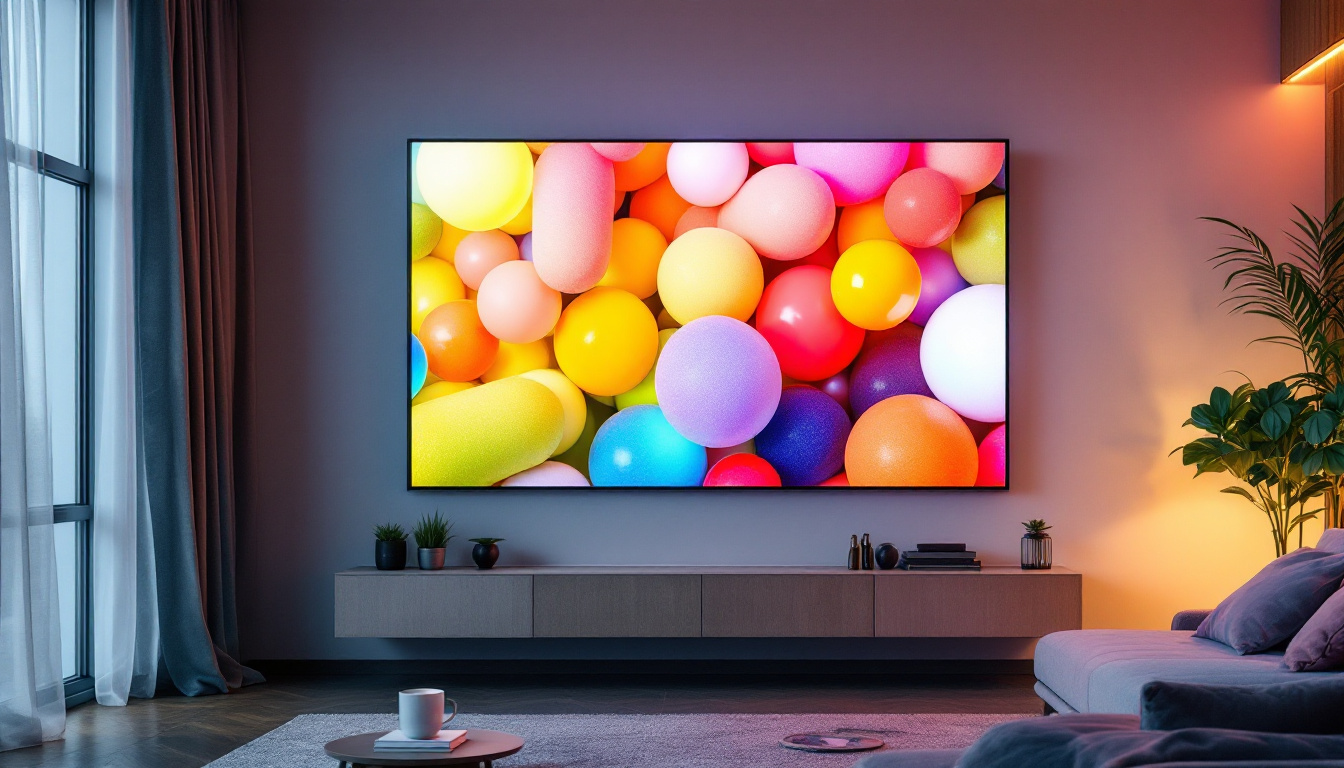
For home theater enthusiasts, the combination of a 21:9 projector screen and LED display technology delivers a truly cinematic experience. Films shot in ultra-wide formats can be displayed in their native aspect ratio, preserving the director’s vision and enhancing immersion.
LED’s high brightness and contrast capabilities mean that even in rooms with some ambient light, the image remains vivid and detailed. This setup is ideal for movie buffs seeking to recreate the magic of a commercial cinema in their own living rooms.
Professional and Commercial Use Cases
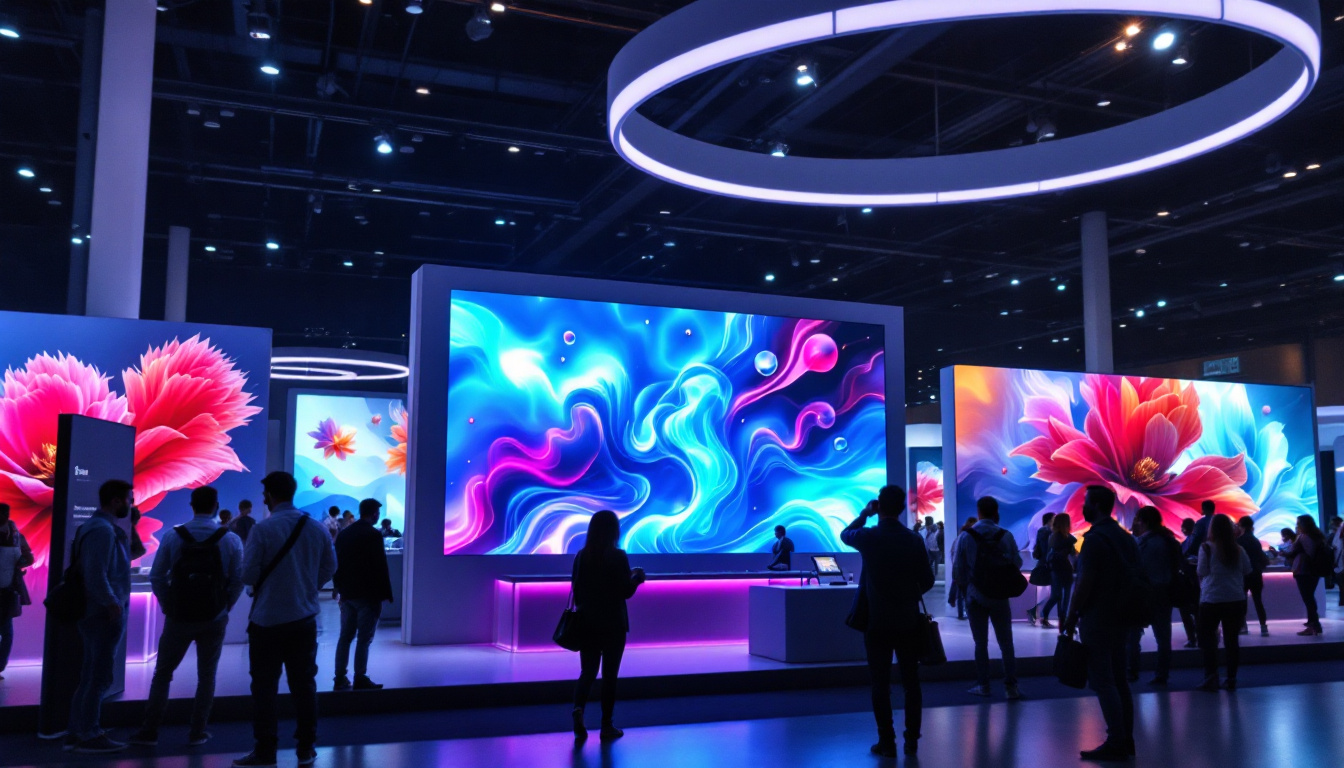
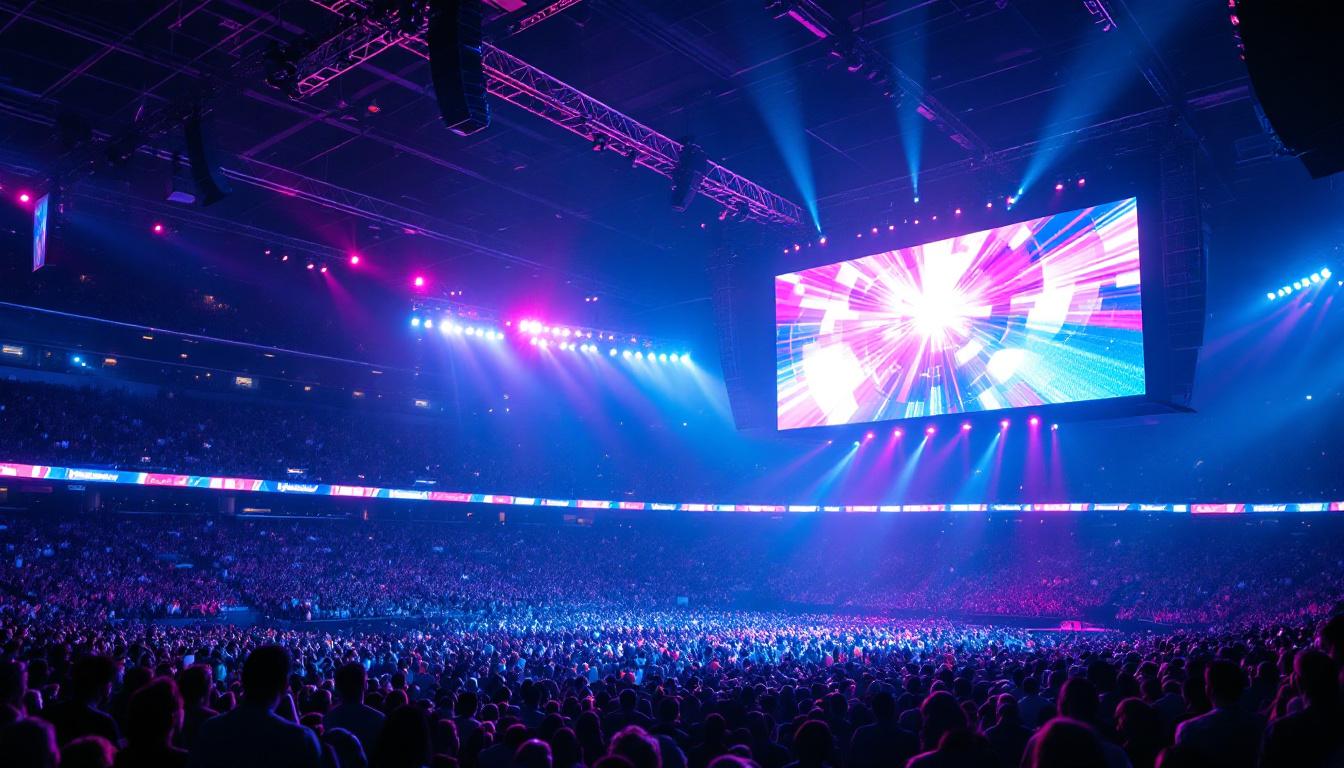
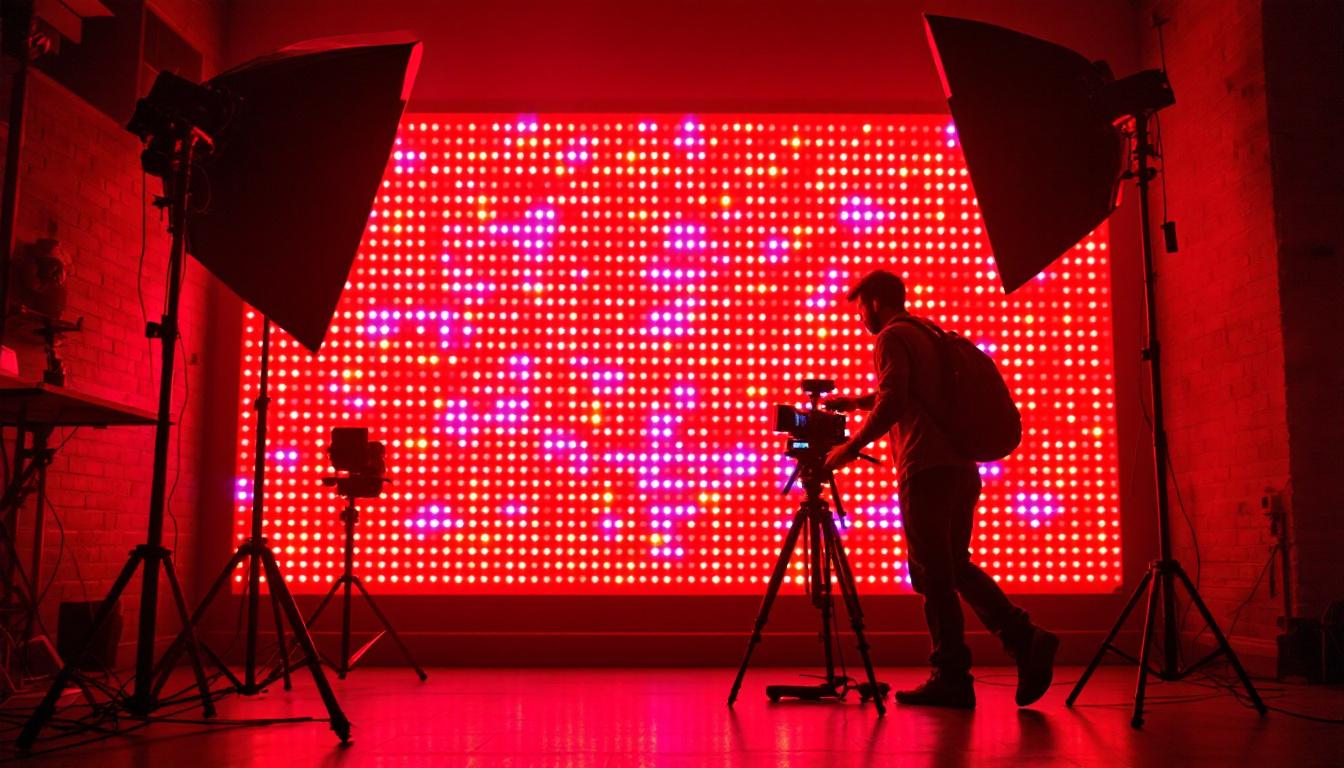
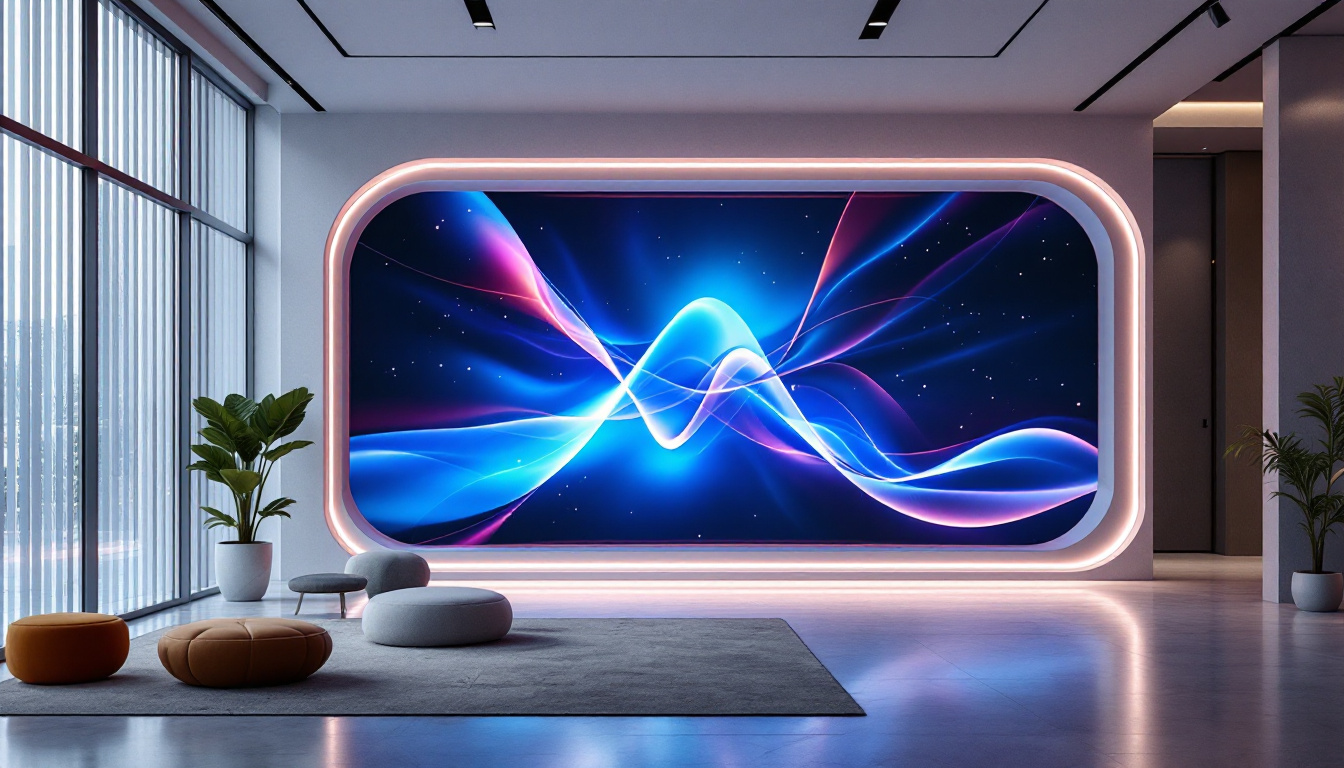
In professional environments, ultra-wide 21:9 screens paired with LED displays are becoming increasingly popular. Video production studios benefit from the expansive workspace for editing and color grading, while corporate boardrooms use these displays for impactful presentations and data visualization.
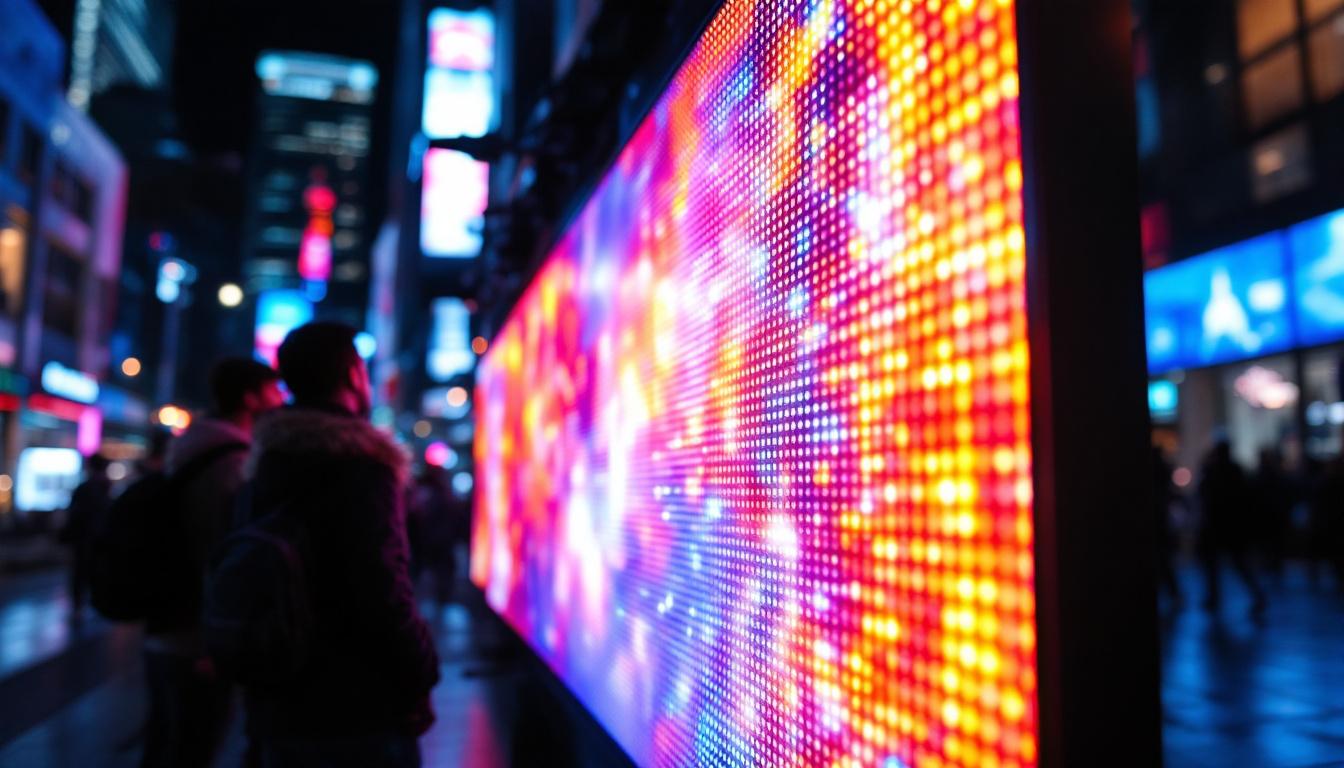
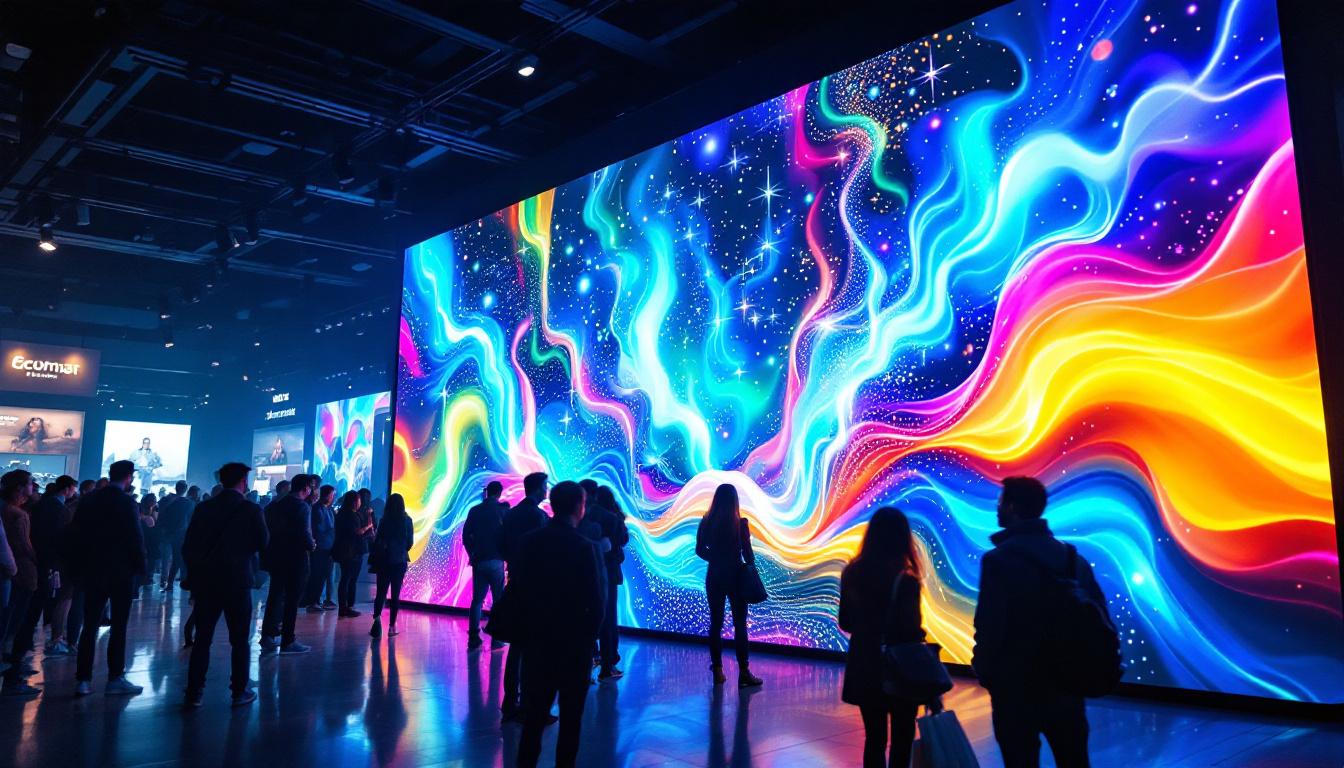
Retail and advertising sectors also leverage large LED displays with ultra-wide formats to create eye-catching digital signage that captures attention in busy environments. The ability to customize screen size and shape with LED panels offers unmatched versatility.
Gaming and Simulation
Gamers and simulation enthusiasts appreciate the immersive qualities of 21:9 ultra-wide screens combined with LED technology. The wider field of view enhances peripheral vision in games, providing a competitive edge and a more engaging experience.
Flight simulators, driving simulators, and virtual reality setups frequently utilize ultra-wide LED displays to create realistic environments that respond dynamically to user inputs. The high refresh rates and color fidelity of LED displays contribute to smooth and lifelike visuals.
Key Considerations When Choosing a 21:9 Projector Screen and LED Display
Resolution and Image Quality
One of the most critical factors is resolution. Ultra-wide 21:9 screens demand high pixel counts to maintain sharpness across the extended width. Common resolutions include 3440×1440 pixels for monitors and custom resolutions for projector setups.
When selecting an LED display or projector for a 21:9 screen, ensure it supports the native resolution and can deliver consistent image quality without stretching or compressing the content.
Brightness and Contrast
Brightness is essential, especially in environments with ambient light. LED displays typically offer higher brightness levels than traditional projectors, measured in nits or lumens. For home theaters, a minimum of 1000 lumens is recommended, while commercial installations may require much higher levels.
Contrast ratio affects the depth and realism of the image. LED displays often provide superior contrast due to their ability to turn off individual diodes, producing true blacks and vibrant colors.
Connectivity and Compatibility
Ensure that the projector or LED display supports the input sources you plan to use, such as HDMI 2.1 for 4K content, DisplayPort for PCs, or wireless streaming options. Compatibility with content in 21:9 format is also crucial to avoid letterboxing or distortion.
Some LED displays come with built-in scaling and aspect ratio correction features, simplifying integration with various media sources.
Budget and Maintenance
While LED displays tend to have a higher upfront cost than traditional projectors, their longevity and lower maintenance expenses often justify the investment. Consider the total cost of ownership, including installation, calibration, and potential repairs.
Projector screens designed for 21:9 may also vary in price depending on material quality and size. Investing in a high-quality screen ensures durability and optimal image performance.
Future Trends in 21:9 Projection and LED Technology
Advancements in MicroLED and MiniLED
Emerging technologies like MicroLED and MiniLED promise even greater brightness, contrast, and energy efficiency. These advancements will likely enhance ultra-wide displays, making 21:9 projection setups more accessible and visually stunning.
Increased Adoption of Ultra-Wide Formats
As content creators continue to embrace cinematic aspect ratios, the demand for 21:9 screens and compatible displays is expected to grow. Streaming platforms and gaming developers are producing more content optimized for ultra-wide viewing, encouraging consumers to upgrade their setups.
Integration with Smart Home and Automation
Future 21:9 projector and LED display systems will increasingly integrate with smart home ecosystems. Automated lighting control, voice commands, and adaptive screen adjustments will enhance usability and convenience.
Conclusion
The 21:9 projector screen combined with LED display technology represents a significant leap forward in visual media consumption. Whether for home theaters, professional environments, or immersive gaming, this ultra-wide format offers unmatched immersion, clarity, and versatility.
Understanding the technical aspects, installation requirements, and application benefits is essential for anyone considering this setup. With ongoing advancements in LED technology and growing content support, the 21:9 ultra-wide viewing experience is poised to become a mainstream standard in the near future.
Explore Ultra-Wide LED Solutions with LumenMatrix
Ready to elevate your visual experience with the immersive world of 21:9 ultra-wide displays? LumenMatrix, a pioneer in LED display technology, invites you to discover our comprehensive range of LED display modules. From captivating Indoor LED Wall Displays to dynamic Outdoor LED Wall Displays, and from sleek LED Poster Displays to engaging LED Sports Displays, our solutions are designed to transform your space and audience engagement. Experience the future of visual communication with LumenMatrix’s innovative LED solutions. Check out LumenMatrix LED Display Solutions today and step into a new era of clarity and immersion.