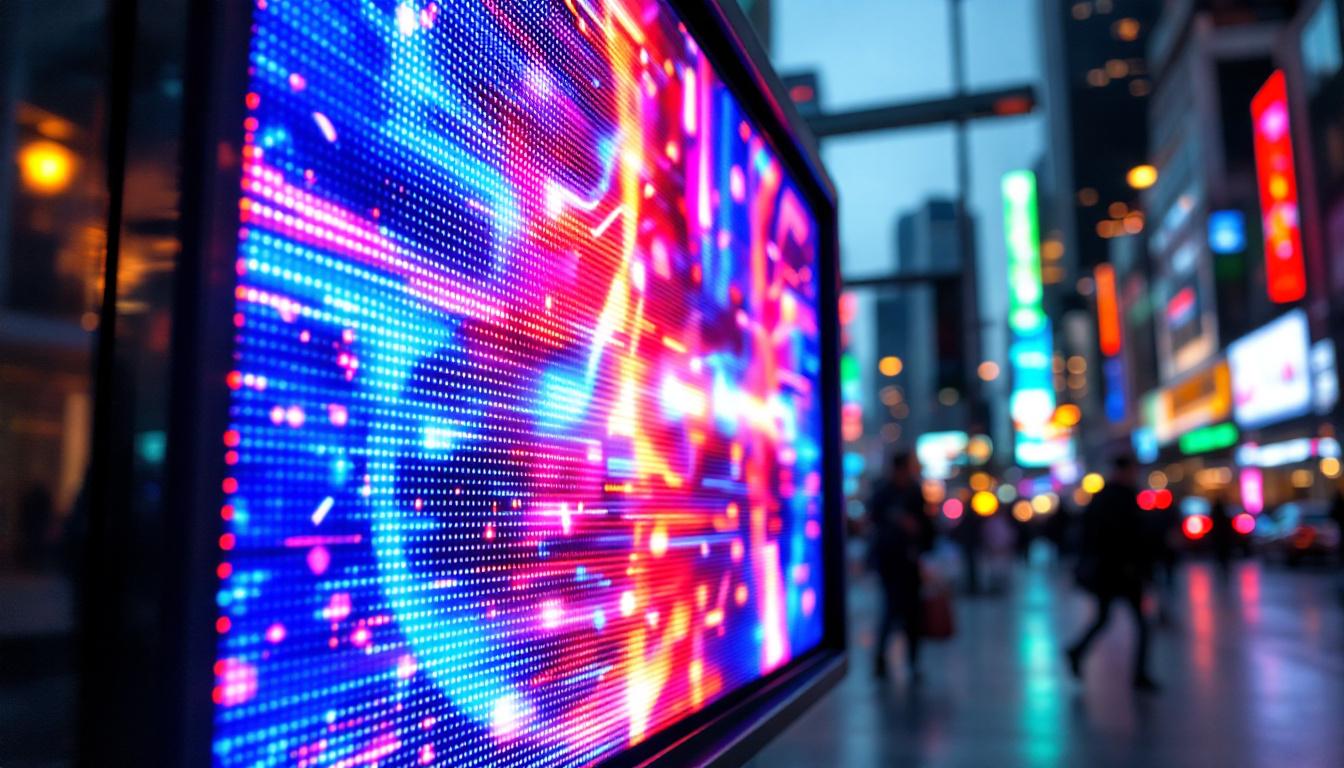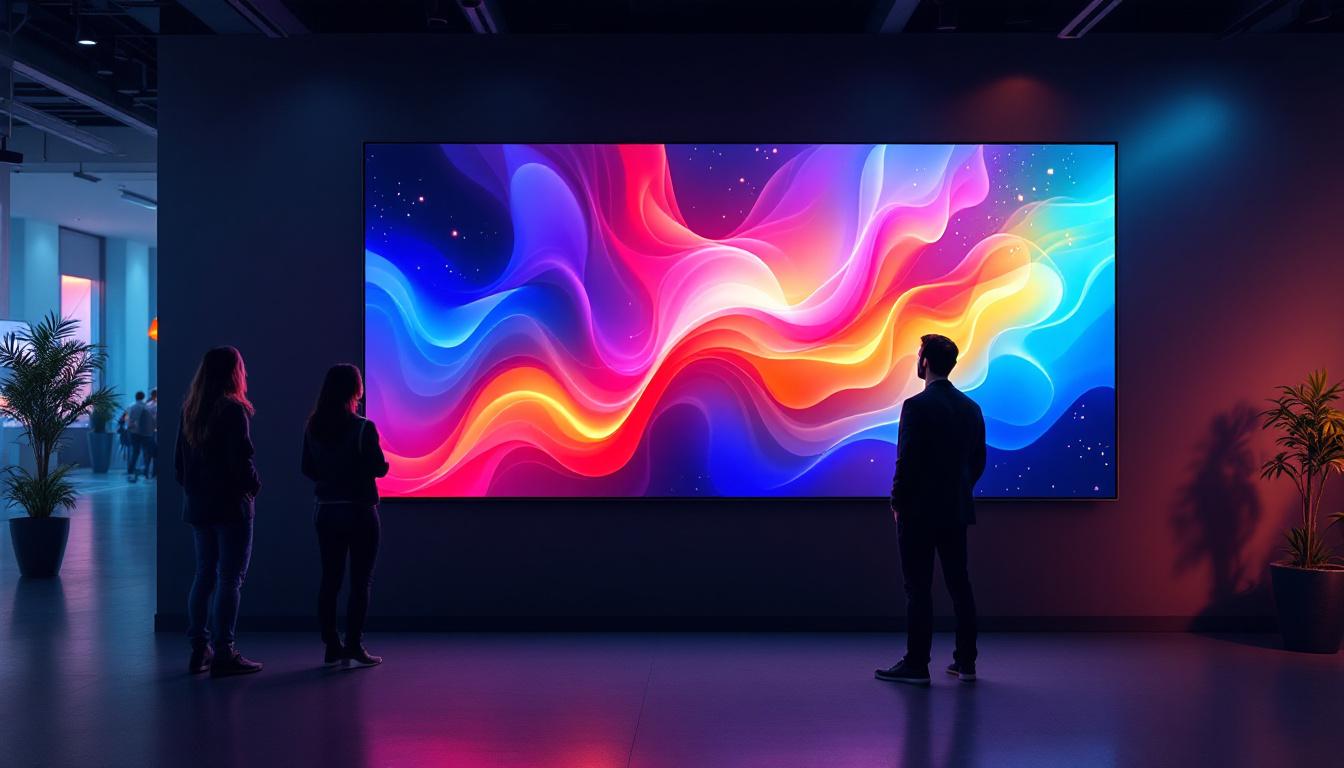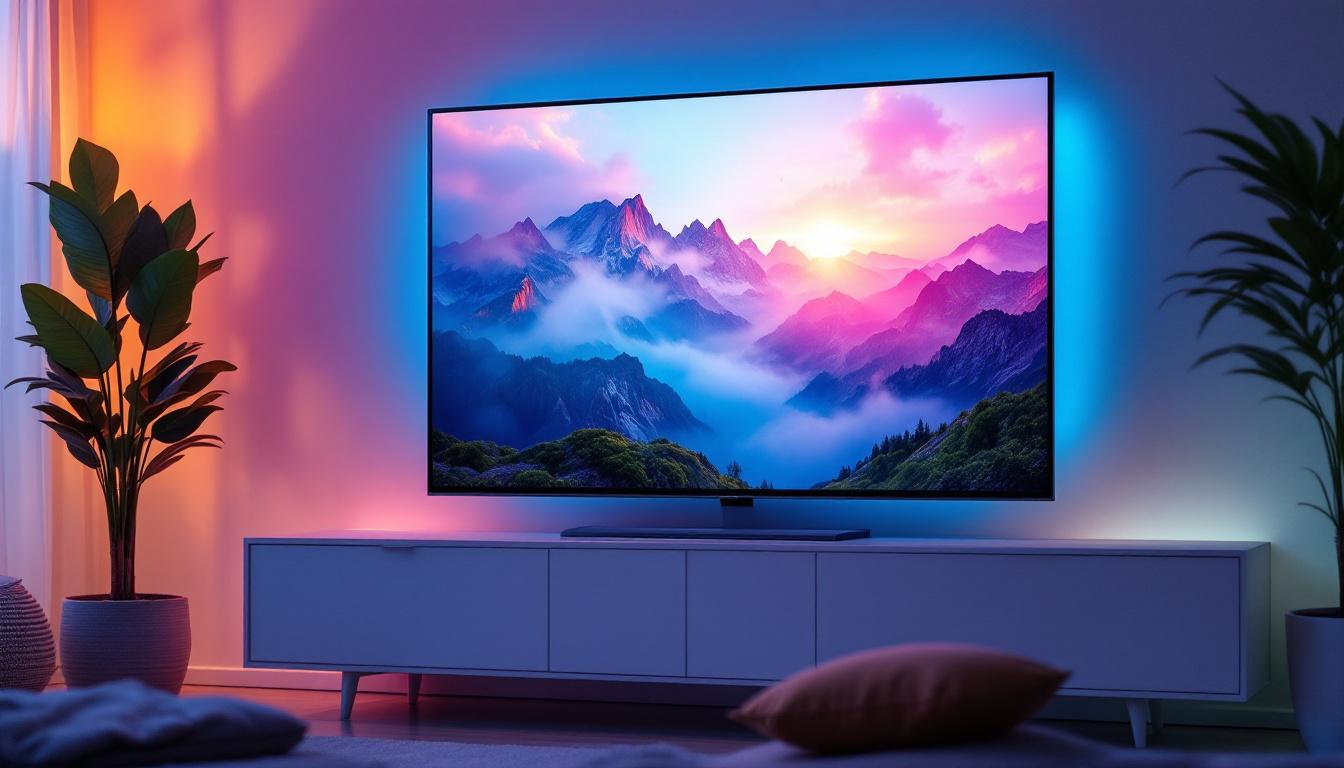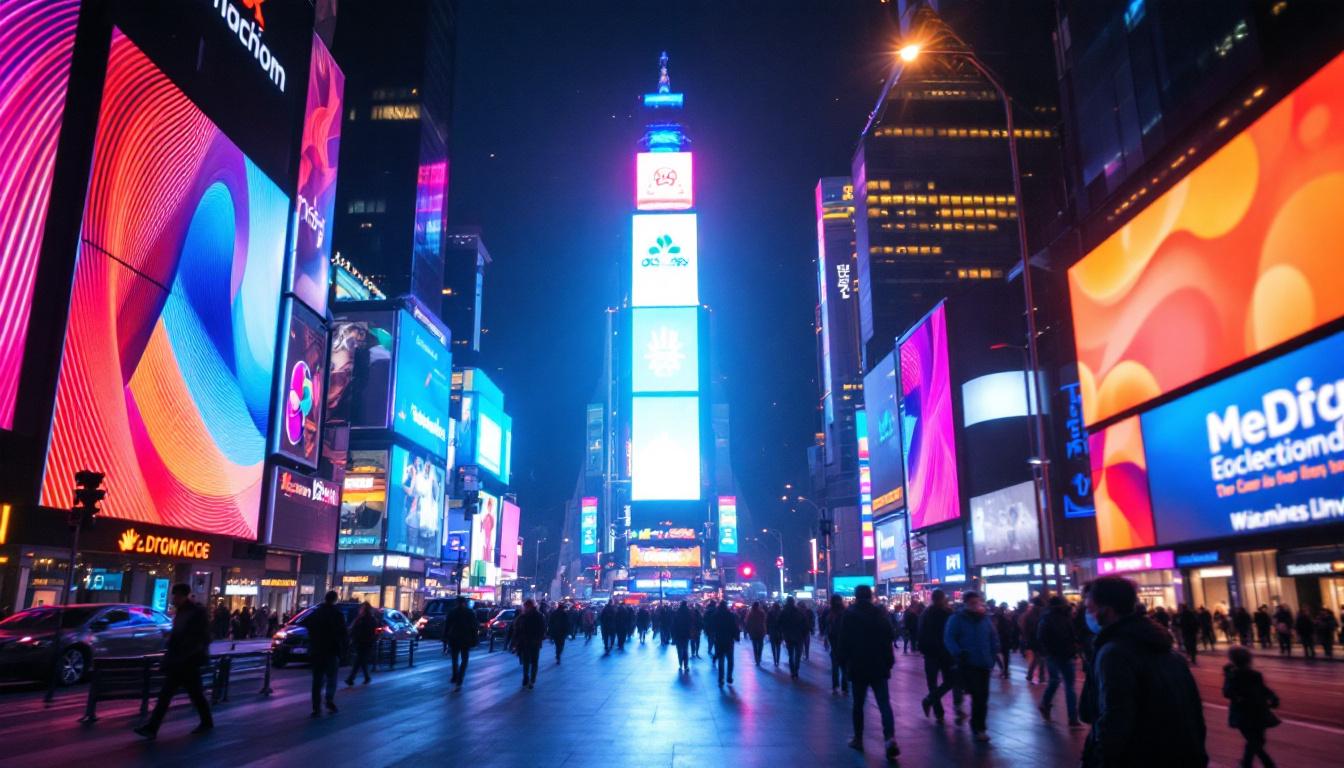
In today’s fast-paced digital world, LED displays have become an integral part of how information is communicated and experienced. From vibrant billboards in Times Square to dynamic stadium screens and cutting-edge retail signage, LED technology shapes the visual landscape around us. This article delves into the fundamentals of LED displays, exploring their technology, applications, and the future trends that continue to push the boundaries of visual communication.
Understanding LED Display Technology
At its core, an LED display is a flat panel that uses light-emitting diodes (LEDs) as pixels to create images, videos, and text. Unlike traditional LCD or plasma screens, LED displays emit their own light, which results in brighter images and better contrast, even in direct sunlight.
How LEDs Work
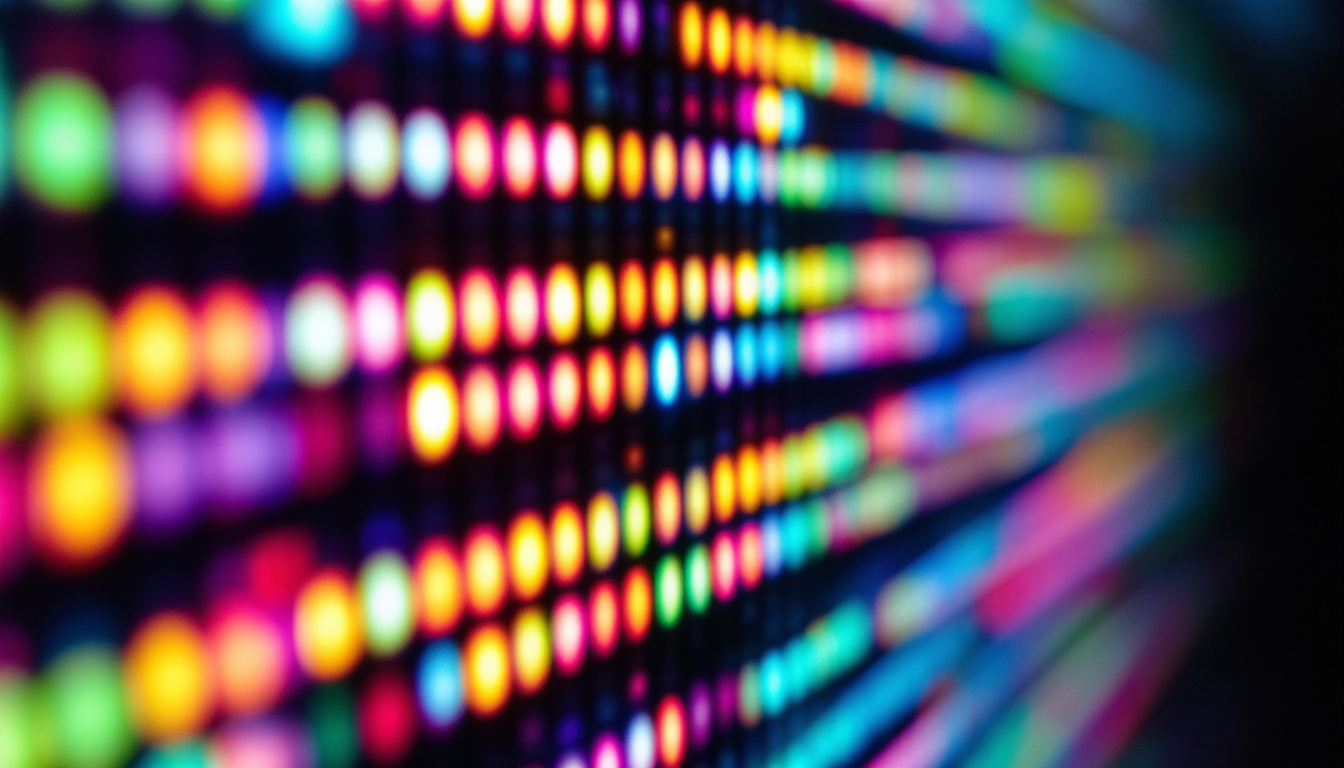
LEDs are semiconductor devices that emit light when an electric current passes through them. Each LED acts as a tiny light source, and when arranged in a matrix, these diodes combine to form the pixels of a display. The color of the light depends on the semiconductor material used, which allows for the creation of red, green, and blue LEDs—the primary colors for digital displays.
By adjusting the intensity of these three colors at each pixel, an LED display can produce a full spectrum of colors. This RGB (Red, Green, Blue) color model is fundamental to how LED screens render vibrant, true-to-life images.
Types of LED Displays
LED displays come in various forms, primarily categorized as:
- Direct View LED (DV-LED): These displays use individual LEDs as pixels and are known for their brightness and durability. They are often used in outdoor billboards, stadium screens, and large video walls.
- LED-backlit LCD: This type uses LEDs as a backlight behind an LCD panel. It is common in televisions and computer monitors, offering enhanced brightness and energy efficiency compared to traditional fluorescent backlights.
- MicroLED: An emerging technology where microscopic LEDs form individual pixels. MicroLED displays promise higher brightness, better contrast, and longer lifespan, potentially revolutionizing display technology in the near future.
Key Components and Specifications of LED Displays
Understanding the technical aspects of LED displays helps in choosing the right type for specific applications. Several key specifications determine the performance and suitability of an LED display.
Pixel Pitch
Pixel pitch refers to the distance between the centers of two adjacent pixels, typically measured in millimeters. A smaller pixel pitch means higher pixel density, resulting in sharper images and better resolution. For example, indoor LED displays often have a pixel pitch as low as 1.2 mm, while outdoor displays may have pitches ranging from 4 mm to 20 mm or more, balancing visibility and cost.
Brightness and Contrast Ratio
Brightness is measured in nits (candelas per square meter) and indicates how luminous the display is. Outdoor LED displays often exceed 5,000 nits to remain visible in direct sunlight, whereas indoor displays typically range between 800 and 1,500 nits.
The contrast ratio, the difference between the darkest black and the brightest white, is crucial for image quality. LED displays generally offer excellent contrast ratios because LEDs can be turned off completely to produce true blacks, unlike LCDs which rely on backlighting.
Viewing Angle and Refresh Rate
A wide viewing angle ensures that the display is visible from various positions without color distortion or brightness loss. Most LED displays offer viewing angles between 120° and 160°, making them suitable for public spaces.
The refresh rate, measured in Hertz (Hz), indicates how many times per second the image is updated. Higher refresh rates reduce flickering and motion blur, essential for video playback and dynamic content. Modern LED displays typically support refresh rates of 1,000 Hz or higher.
Applications of LED Displays Across Industries
LED displays have transformed numerous sectors by providing dynamic, eye-catching visual solutions. Their versatility and scalability make them suitable for a wide range of environments.
Advertising and Outdoor Signage
One of the most prominent uses of LED displays is in outdoor advertising. Digital billboards equipped with high-brightness LEDs capture attention with vivid colors and motion graphics, offering advertisers flexibility to change content remotely and instantly. According to recent industry reports, digital out-of-home advertising spending is expected to grow at a compound annual growth rate (CAGR) of over 10% through 2027, driven largely by LED technology.
Sports and Entertainment Venues
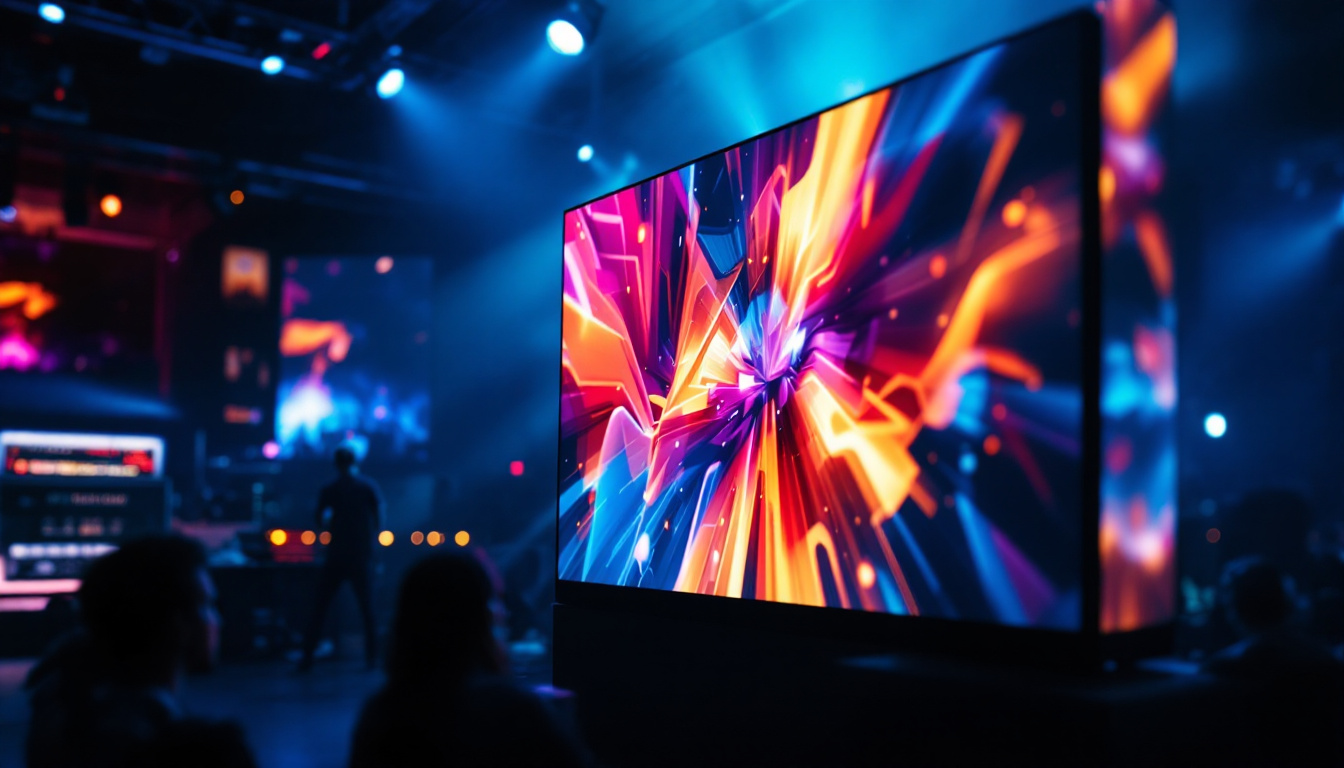
Stadiums and arenas utilize massive LED screens to enhance the fan experience. These displays provide live game footage, instant replays, player statistics, and interactive content. The ability to withstand harsh weather conditions and deliver high brightness ensures visibility for tens of thousands of spectators.
Retail and Corporate Environments
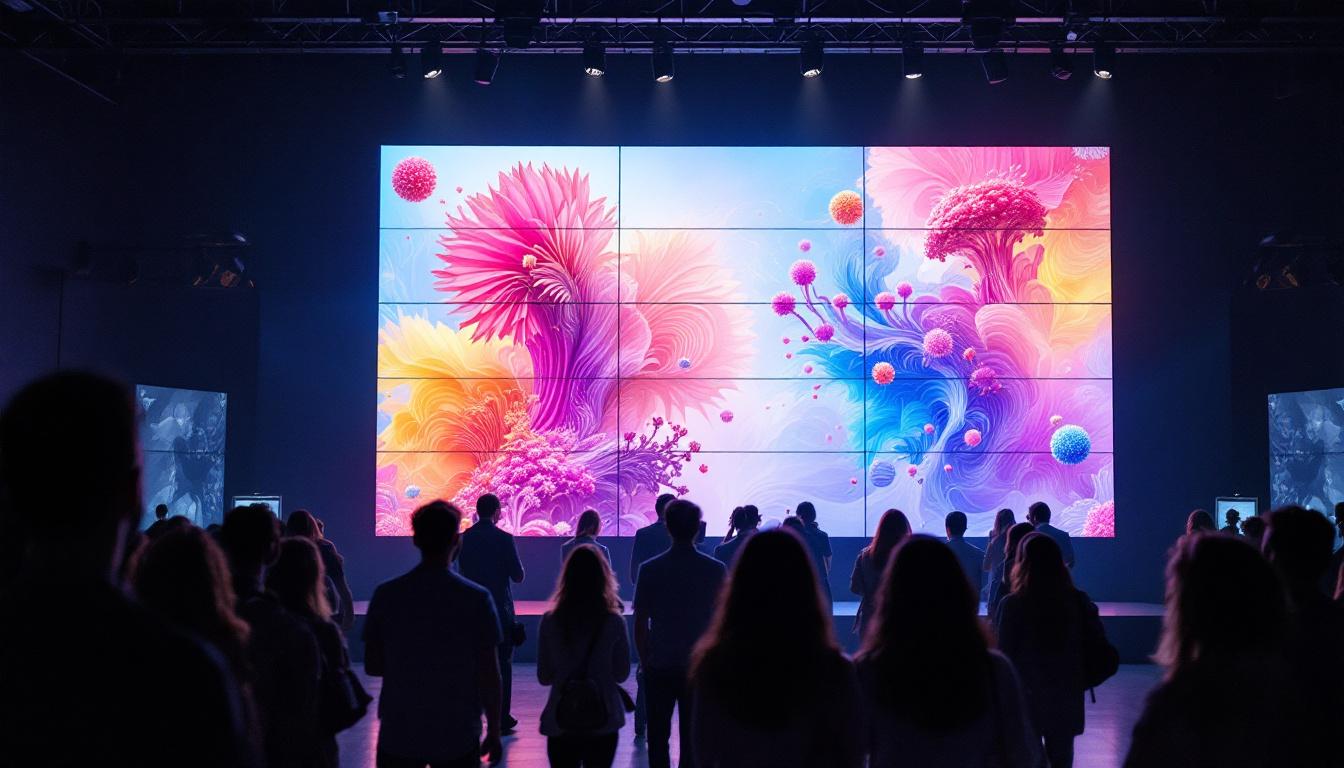
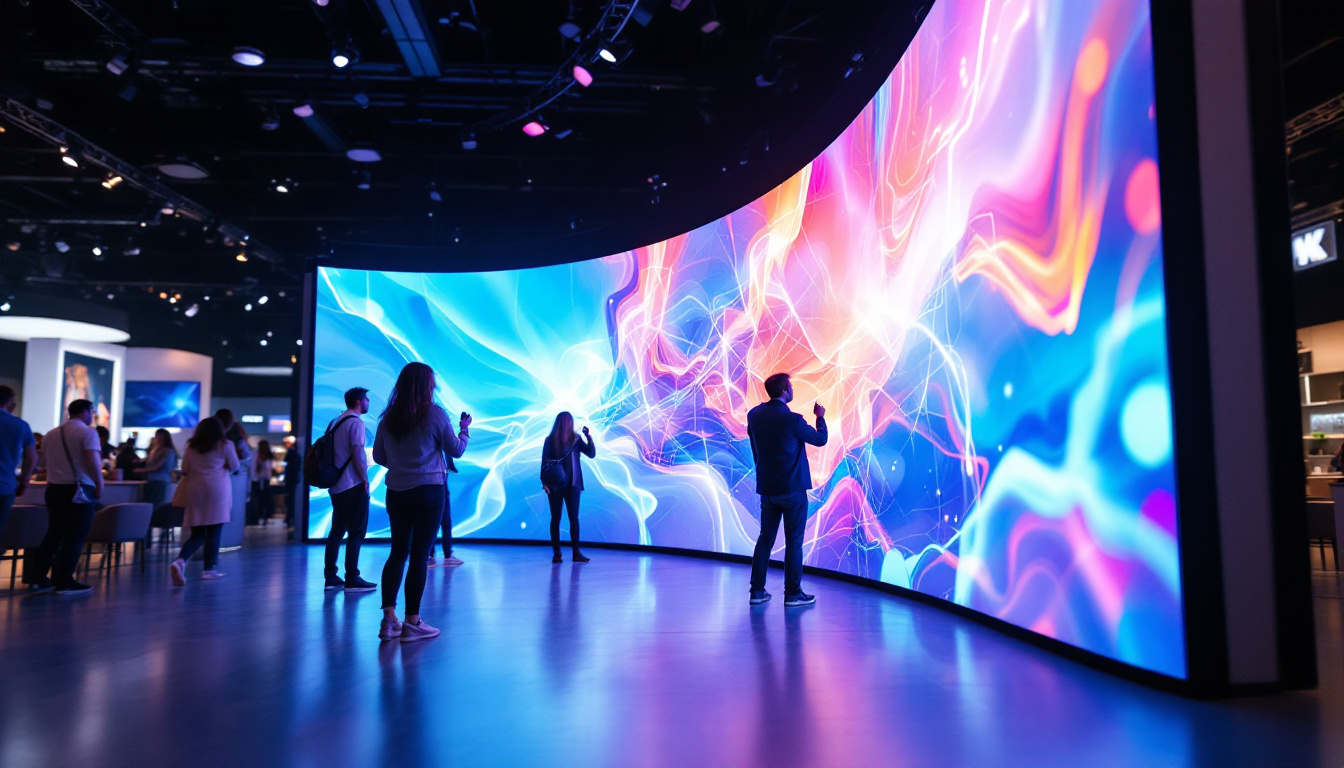
Indoor LED displays are increasingly popular in retail stores and corporate offices. Retailers use them to showcase promotions, product information, and immersive brand experiences. In corporate settings, LED video walls serve as dynamic backdrops for presentations, video conferencing, and digital signage, fostering engagement and communication.
Transportation and Public Information
Airports, train stations, and bus terminals deploy LED displays for real-time information dissemination. Their brightness and clarity make them effective for schedules, alerts, and wayfinding, improving passenger experience and operational efficiency.
Advantages and Challenges of LED Display Technology
While LED displays offer numerous benefits, they also come with certain challenges that must be considered during planning and implementation.
Advantages
- High Brightness and Visibility: LEDs can produce intense light, making displays visible in various lighting conditions, including direct sunlight.
- Energy Efficiency: Compared to traditional lighting and display technologies, LEDs consume less power, reducing operational costs and environmental impact.
- Longevity and Durability: LED displays typically have lifespans exceeding 50,000 hours and are resistant to shock and vibration, suitable for both indoor and outdoor use.
- Flexibility and Scalability: Modular design allows for customized sizes and shapes, from small indoor panels to massive outdoor video walls.
- Dynamic Content Capability: Content can be updated quickly and remotely, enabling real-time communication and interactive experiences.
Challenges
- Initial Cost: High-quality LED displays can require significant upfront investment, although prices have decreased steadily over the past decade.
- Maintenance: While durable, LED displays require regular maintenance to ensure optimal performance, especially in outdoor environments exposed to weather.
- Heat Management: LEDs generate heat that must be managed through proper ventilation and cooling systems to prevent damage and prolong lifespan.
- Resolution Limitations for Large Pixel Pitches: Outdoor displays with larger pixel pitches may not provide the fine detail needed for close-up viewing, necessitating careful placement and design.
Emerging Trends and the Future of LED Displays
The LED display industry continues to evolve rapidly, driven by technological innovation and changing user demands. Several trends are shaping the future landscape of LED displays.
MicroLED and MiniLED Technologies
MicroLED technology, with its microscopic individual LEDs, promises superior brightness, contrast, and energy efficiency. It also offers the potential for flexible and transparent displays, opening new possibilities in design and application. MiniLED, a related technology, uses smaller LEDs as backlighting for LCDs, enhancing contrast and color accuracy at a lower cost than MicroLED.
Flexible and Transparent LED Displays
Flexible LED panels allow for curved, bendable, and even wearable displays, expanding creative possibilities in advertising, architecture, and consumer electronics. Transparent LED displays enable screens that do not obstruct the view, ideal for retail windows and augmented reality applications.
Integration with IoT and AI
Smart LED displays integrated with Internet of Things (IoT) devices and artificial intelligence (AI) enable personalized content delivery, adaptive brightness, and interactive user experiences. For instance, AI-powered analytics can tailor advertisements based on audience demographics and behavior in real time.
Sustainability and Energy Efficiency
As environmental concerns grow, manufacturers focus on developing LED displays with lower energy consumption and recyclable materials. Innovations in power management and eco-friendly production processes are becoming industry standards.
Choosing the Right LED Display for Your Needs
Selecting an LED display involves balancing technical specifications, application requirements, and budget considerations. Here are key factors to keep in mind:
Purpose and Environment
Determine whether the display will be used indoors or outdoors, the typical viewing distance, and ambient lighting conditions. For example, an outdoor billboard requires high brightness and weather resistance, while an indoor retail display prioritizes resolution and color accuracy.
Resolution and Pixel Pitch
Choose a pixel pitch that matches the expected viewing distance. Closer viewing distances demand smaller pixel pitches for crisp images, while larger pitches suffice for distant viewing.
Size and Installation
Consider the physical dimensions and mounting options. Modular LED panels allow for flexible sizing but require professional installation to ensure seamless integration.
Content Management
Evaluate the software and hardware needed to manage content effectively. Many LED displays come with proprietary content management systems, but compatibility with third-party solutions can enhance versatility.
Budget and Total Cost of Ownership
Account for not only the initial purchase price but also installation, maintenance, and energy costs over the display’s lifespan. Investing in quality components can reduce long-term expenses.
Conclusion
LED displays have revolutionized the way information and advertising are presented, offering unmatched brightness, flexibility, and dynamic content capabilities. From towering outdoor billboards to immersive indoor video walls, LED technology continues to expand the possibilities of visual communication.
As innovations like MicroLED and AI integration advance, the future of LED displays looks brighter than ever. Understanding the technology, specifications, and applications is crucial for businesses and organizations aiming to leverage LED displays effectively. Whether for advertising, entertainment, or information dissemination, LED displays remain a powerful tool to captivate audiences and convey messages with impact.
Explore Cutting-Edge LED Displays with LumenMatrix
Ready to elevate your visual communication strategy with the latest in LED display technology? LumenMatrix is at the forefront of innovation, offering a diverse range of LED display solutions tailored to your unique needs. From the brilliance of Indoor and Outdoor LED Wall Displays to the mobility of Vehicle LED Displays and the creativity of Custom and Transparent LED options, our products are designed to make your brand shine. Experience the future of dynamic and engaging visual experiences with LumenMatrix. Check out LumenMatrix LED Display Solutions today and transform the way you connect with your audience.