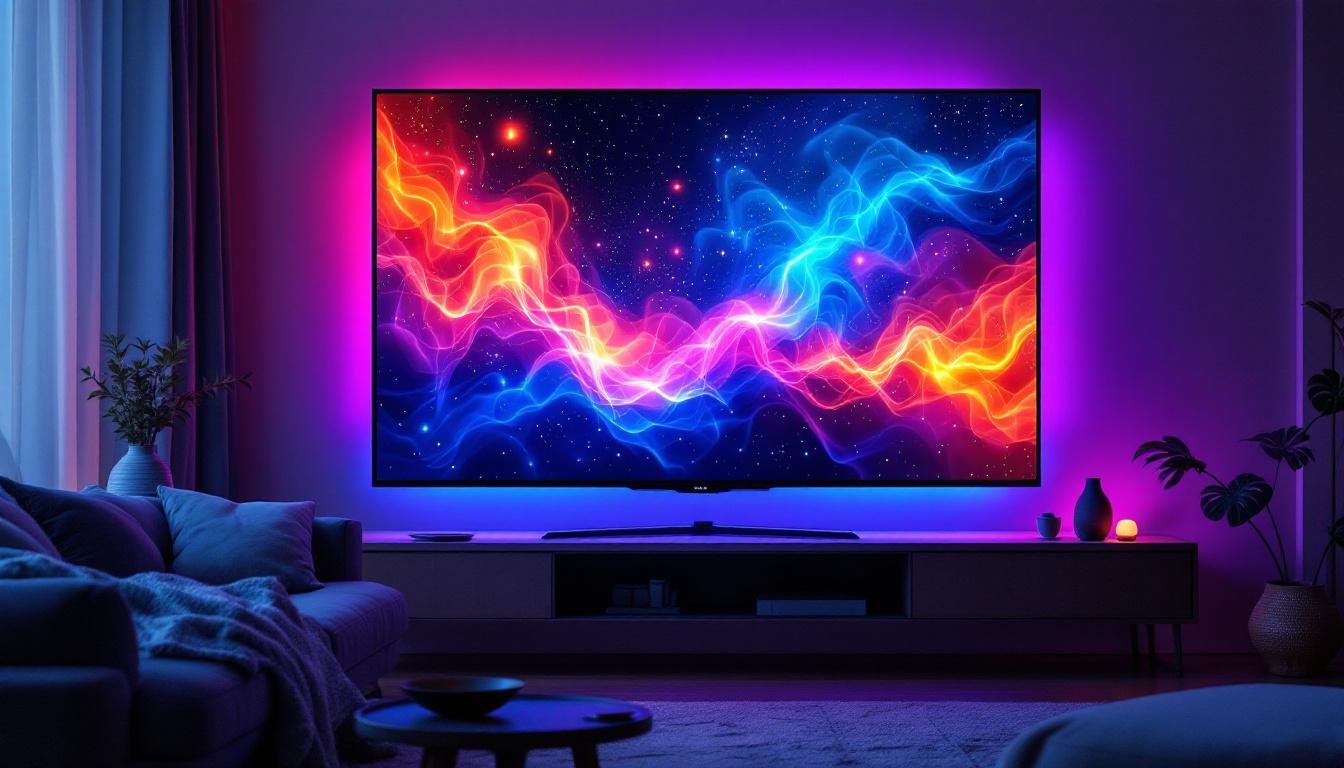
In today’s world of home entertainment and digital signage, large TV screens have become a centerpiece for immersive viewing experiences. Among the various display technologies available, LED displays stand out for their brightness, color accuracy, and versatility. This article delves into the fundamentals of LED displays, their advantages, how they compare to other technologies, and what consumers should consider when choosing a large TV screen.
Understanding LED Display Technology
What Is an LED Display?
LED stands for Light Emitting Diode, a semiconductor device that emits light when an electric current passes through it. In the context of large TV screens, LED displays use arrays of these tiny diodes to produce images. However, it’s important to clarify that most “LED TVs” on the market are actually LCD (Liquid Crystal Display) panels with LED backlighting rather than pure LED screens.
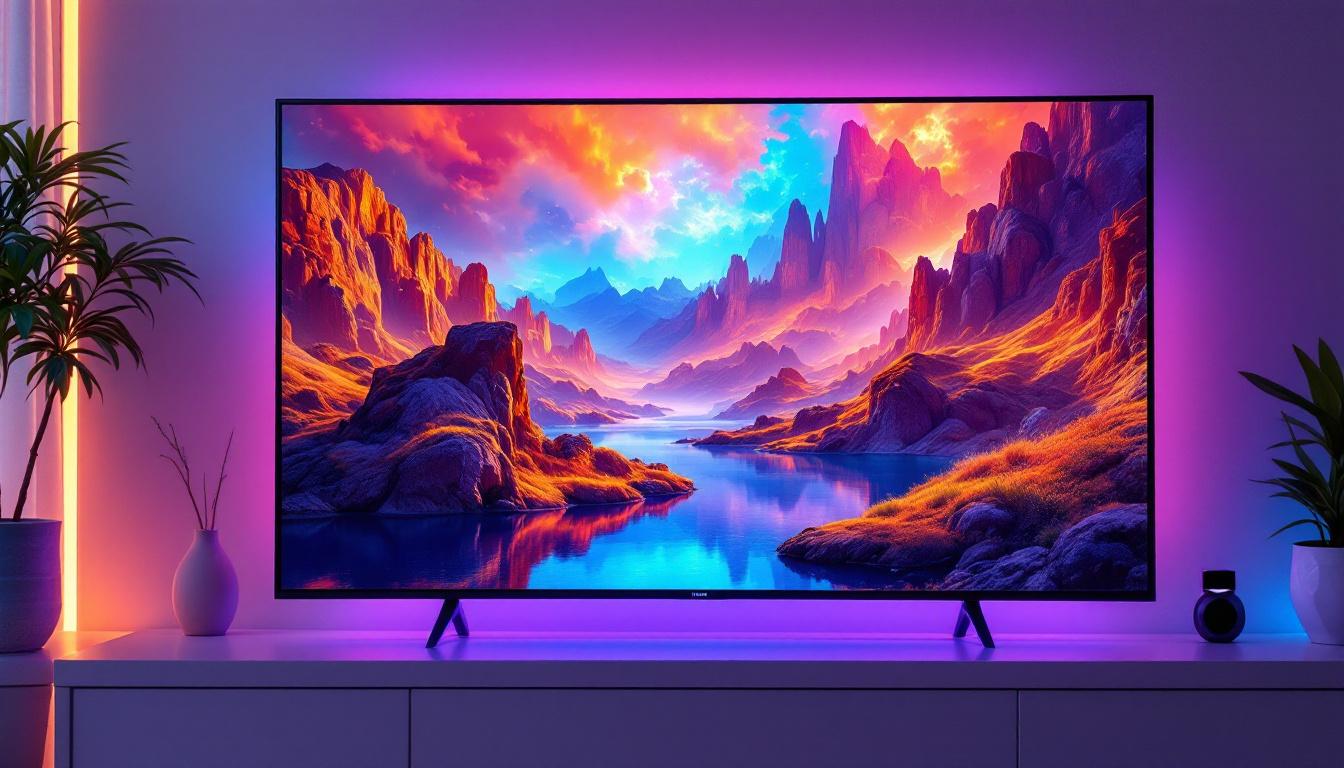
Traditional LCD TVs use cold cathode fluorescent lamps (CCFL) for backlighting, but LED TVs replace these with LED lights. This change improves brightness, energy efficiency, and the ability to produce deeper blacks and more vivid colors. The LEDs can be arranged either behind the screen (direct-lit or full-array) or along the edges (edge-lit), influencing picture quality and design. The advancements in LED technology have not only enhanced the viewing experience but have also led to thinner, lighter screens that are more aesthetically pleasing and easier to mount in various environments.
Furthermore, the introduction of smart technology into LED displays has revolutionized how we interact with our screens. Many modern LED TVs come equipped with built-in streaming services, voice control capabilities, and integrated smart home features, allowing users to seamlessly connect their devices and access a vast array of content. This integration of technology has transformed the television from a mere display device into a central hub for entertainment and connectivity in the home.
Types of LED Displays
There are primarily three types of LED display technologies used in large TV screens:
- Edge-Lit LED: LEDs are placed along the edges of the screen, and light is diffused across the panel. This design allows for thinner TVs but can sometimes result in uneven brightness. Despite this drawback, edge-lit displays are popular for their sleek design and affordability, making them a common choice for budget-conscious consumers.
- Full-Array LED: LEDs are distributed evenly behind the entire screen, enabling better control of local dimming zones. This improves contrast and black levels significantly. Full-array technology is particularly favored by cinephiles and gamers, as it provides a more immersive viewing experience with stunning visuals and accurate color reproduction.
- MicroLED: A newer technology where microscopic LEDs form each pixel, allowing for self-emissive displays without the need for a backlight. MicroLEDs offer exceptional brightness, contrast, and longevity but are currently very expensive and mostly used in commercial or high-end applications. As the technology matures, it holds the promise of revolutionizing the display market with its potential for modular designs, enabling users to create custom screen sizes and shapes tailored to their specific needs.
In addition to these types, advancements in LED technology continue to emerge, including Quantum Dot technology, which enhances color accuracy and brightness by using a layer of semiconductor nanocrystals. This innovation has led to the development of QLED TVs, which combine the benefits of LED backlighting with the vibrant color reproduction of quantum dots. As manufacturers strive to push the boundaries of display technology, consumers can expect even more exciting developments in the realm of LED displays in the near future.
Advantages of Large LED TV Screens
Brightness and Color Accuracy
One of the most significant advantages of LED displays is their ability to achieve high brightness levels. This makes them ideal for viewing in well-lit rooms or even outdoor environments. Full-array LED TVs with local dimming can produce deep blacks and vibrant colors, enhancing overall picture quality.
According to recent industry reports, premium LED TVs can reach peak brightness levels of over 1,000 nits, which is essential for displaying HDR (High Dynamic Range) content effectively. HDR dramatically improves the viewing experience by increasing contrast and color range, making scenes appear more lifelike.
Energy Efficiency and Longevity
Compared to older CCFL-backlit LCDs, LED TVs consume significantly less power. This energy efficiency not only reduces electricity bills but also contributes to environmental sustainability. Additionally, LEDs have a longer lifespan, often exceeding 50,000 hours of use, which means the TV can last many years without noticeable degradation in picture quality.
Design Flexibility and Size Options
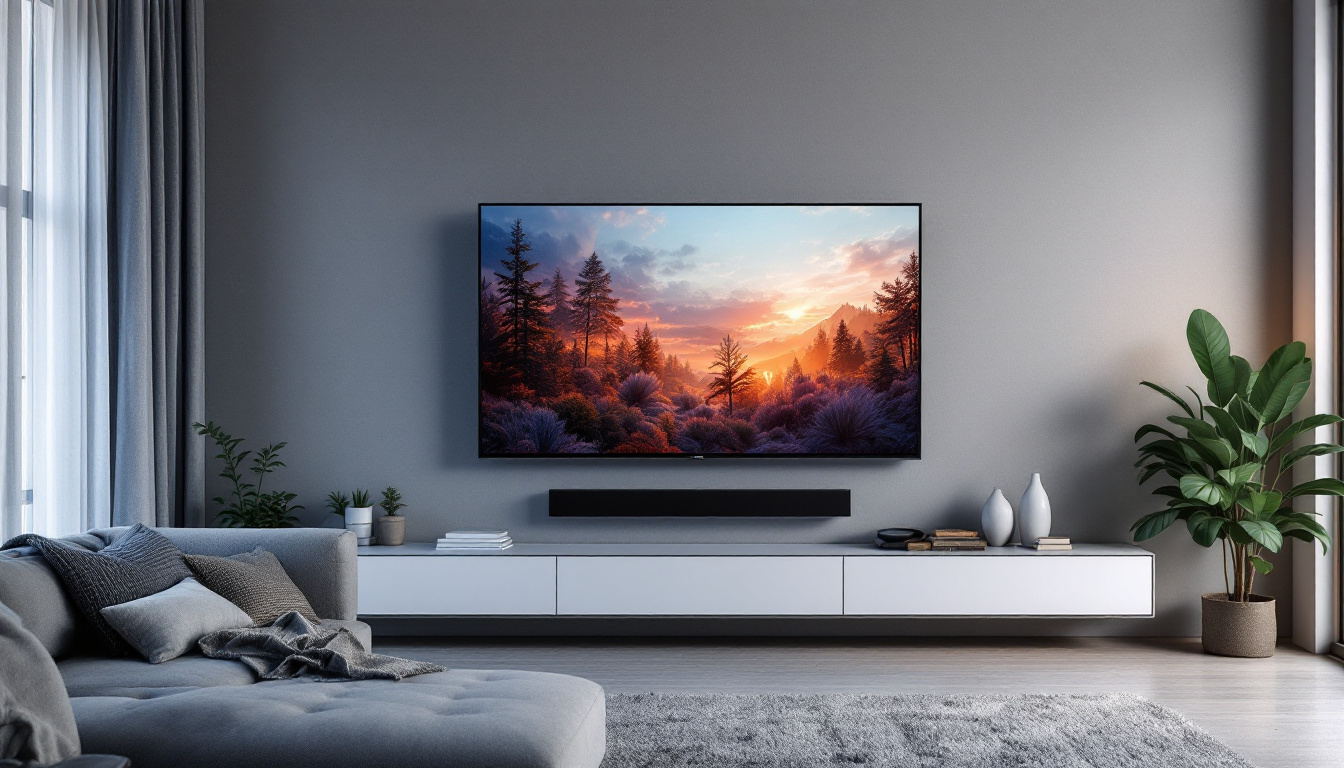
LED technology allows manufacturers to create thinner and lighter TV panels. This design flexibility means consumers can enjoy large screens without the bulk and weight traditionally associated with big TVs. Sizes range from compact 40-inch models to massive 85-inch and beyond, catering to various room sizes and viewing preferences.
Comparing LED Displays to Other Technologies
LED vs. OLED
OLED (Organic Light Emitting Diode) is another popular display technology that differs fundamentally from LED LCDs. Each pixel in an OLED screen emits its own light, allowing for perfect black levels and exceptional contrast ratios. This self-emissive nature means OLED TVs can achieve deeper blacks than LED TVs, which rely on backlighting.
However, OLED panels typically have lower peak brightness than LED TVs, which can affect HDR performance in very bright environments. Additionally, OLEDs are more susceptible to burn-in, where static images can cause permanent discoloration over time. LED TVs, especially full-array models, generally offer higher brightness and are less prone to burn-in, making them suitable for bright rooms and varied content.
LED vs. QLED
QLED (Quantum Dot LED) is a marketing term used primarily by certain manufacturers to describe LED TVs that incorporate quantum dot technology. Quantum dots are tiny semiconductor particles that enhance color accuracy and brightness by emitting precise wavelengths of light when illuminated by the LED backlight.
QLED TVs tend to offer better color volume and higher brightness than standard LED TVs, making them excellent for HDR content. While QLED is essentially an advanced form of LED LCD technology, it bridges some of the performance gaps between traditional LED and OLED displays.
LED vs. MicroLED
MicroLED represents the next frontier in display technology, combining the self-emissive benefits of OLED with the durability and brightness of LEDs. Each pixel is an individual microscopic LED, providing unmatched brightness, color accuracy, and longevity without the risk of burn-in.
Currently, MicroLED TVs are prohibitively expensive and primarily used in commercial displays or luxury home theaters. As production costs decrease, MicroLED is expected to become a major competitor to both LED LCD and OLED technologies in the future.
Key Considerations When Choosing a Large LED TV Screen
Screen Size and Viewing Distance
Choosing the right screen size is critical for an immersive experience. Experts recommend a viewing distance of about 1.5 to 2.5 times the diagonal size of the TV. For example, a 75-inch screen is best viewed from approximately 9 to 15 feet away. Larger screens offer more engaging visuals but require adequate room space to avoid eye strain.
Resolution and HDR Support
Resolution defines the number of pixels on the screen and directly impacts image sharpness. The current standard for large TVs is 4K Ultra HD (3840 x 2160 pixels), which provides four times the detail of Full HD. Many new models also support 8K resolution, though native 8K content remains limited.
HDR capability is equally important for enhanced picture quality. Look for TVs supporting HDR10, Dolby Vision, or HDR10+ standards to ensure compatibility with a wide range of streaming services and Blu-ray discs.
Refresh Rate and Motion Handling
The refresh rate, measured in Hertz (Hz), indicates how many times per second the image is updated. Higher refresh rates (120Hz or more) provide smoother motion, which is particularly beneficial for sports, gaming, and fast-paced action movies. Some LED TVs use motion interpolation technology to reduce blur, but this can sometimes introduce unnatural “soap opera” effects.
Smart Features and Connectivity
Modern LED TVs come equipped with smart platforms that offer access to streaming apps, voice assistants, and home automation integration. When selecting a large TV screen, consider the operating system, user interface, and compatibility with your existing devices. Multiple HDMI ports, USB inputs, and Wi-Fi capabilities are essential for connecting gaming consoles, soundbars, and other peripherals.
Applications of Large LED Screens Beyond Home Entertainment
Commercial and Public Displays
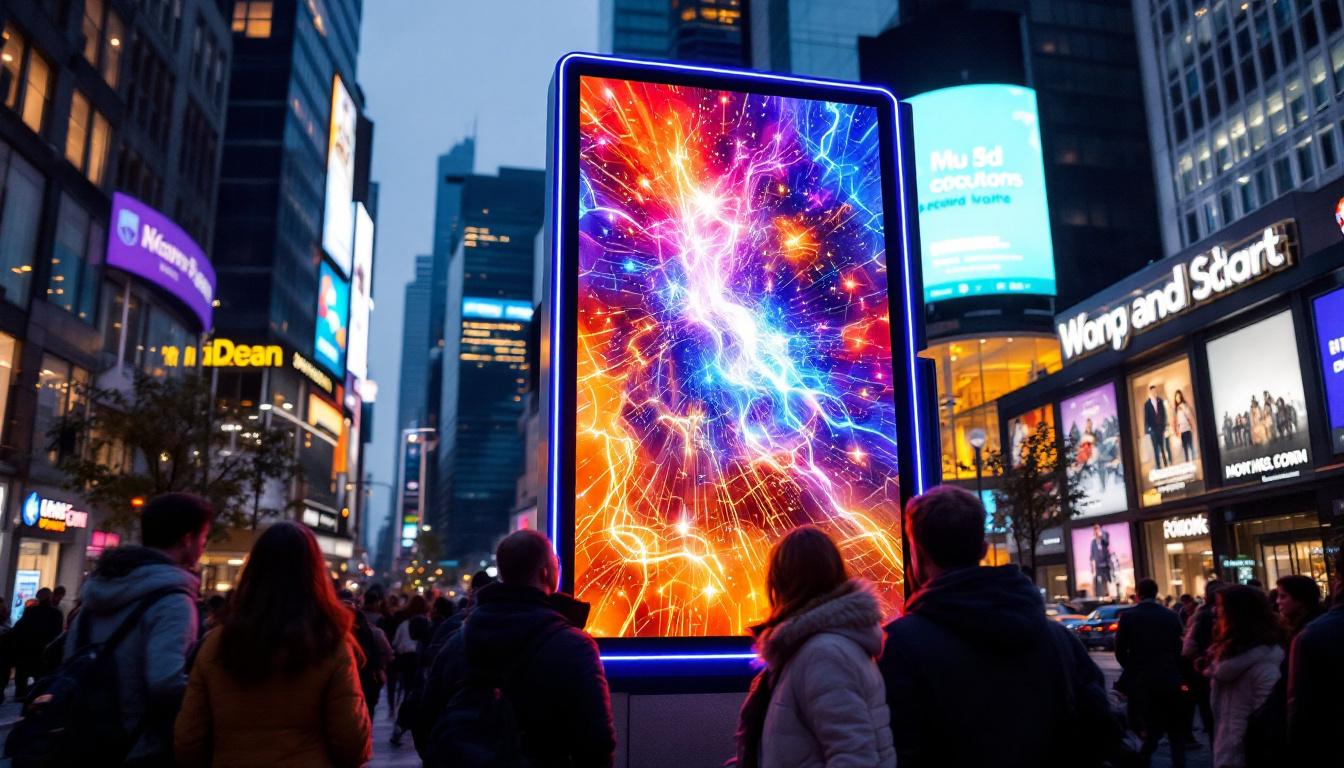
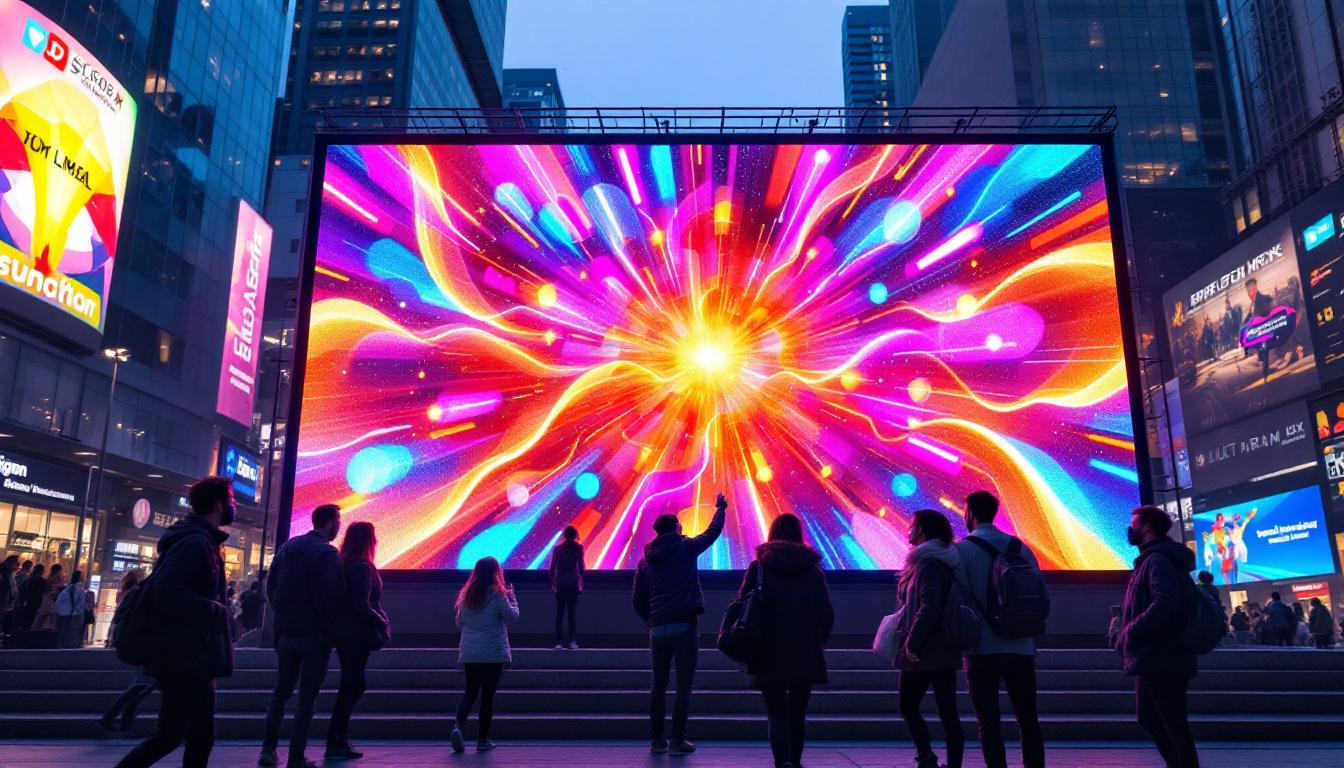
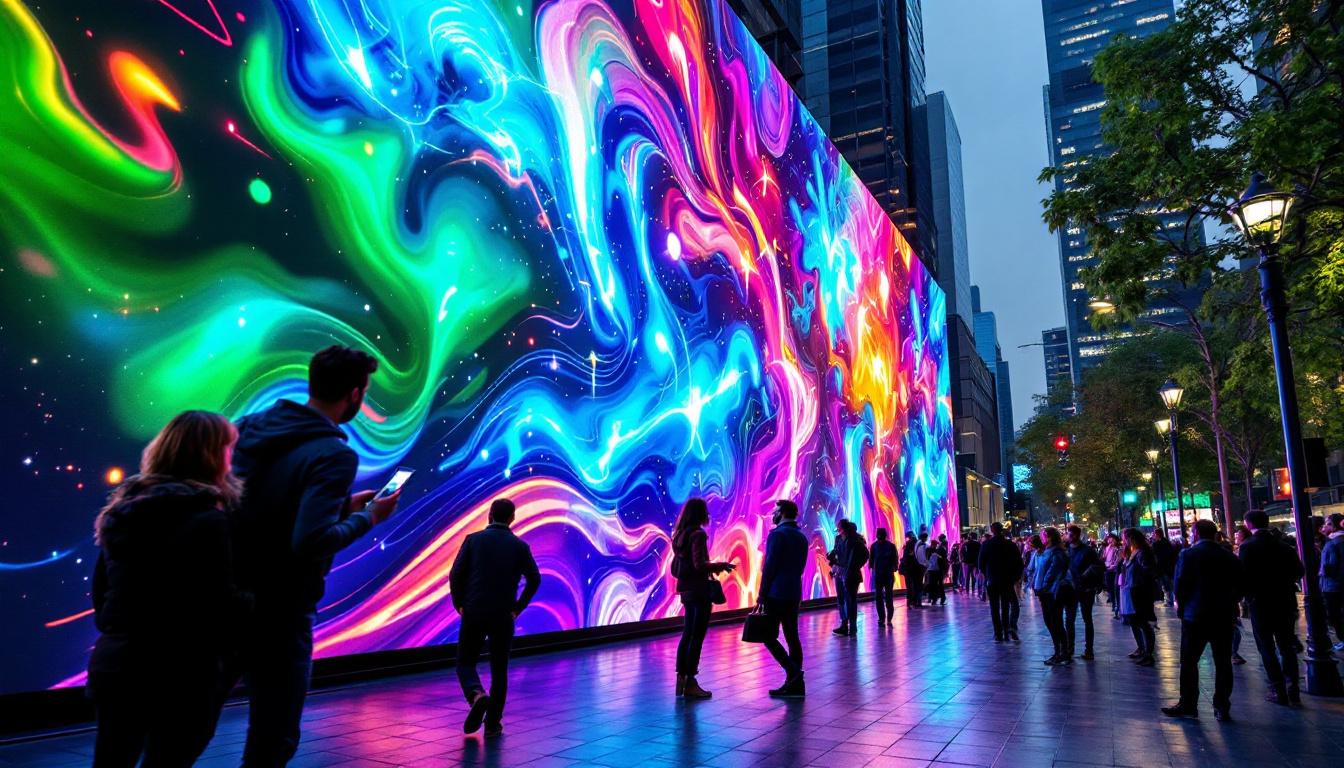
Large LED screens are widely used in commercial settings such as retail stores, airports, stadiums, and conference centers. Their high brightness and visibility make them ideal for digital signage, advertising, and information displays. Modular LED panels can be assembled into massive video walls, offering flexibility in size and shape.
Event and Stage Displays
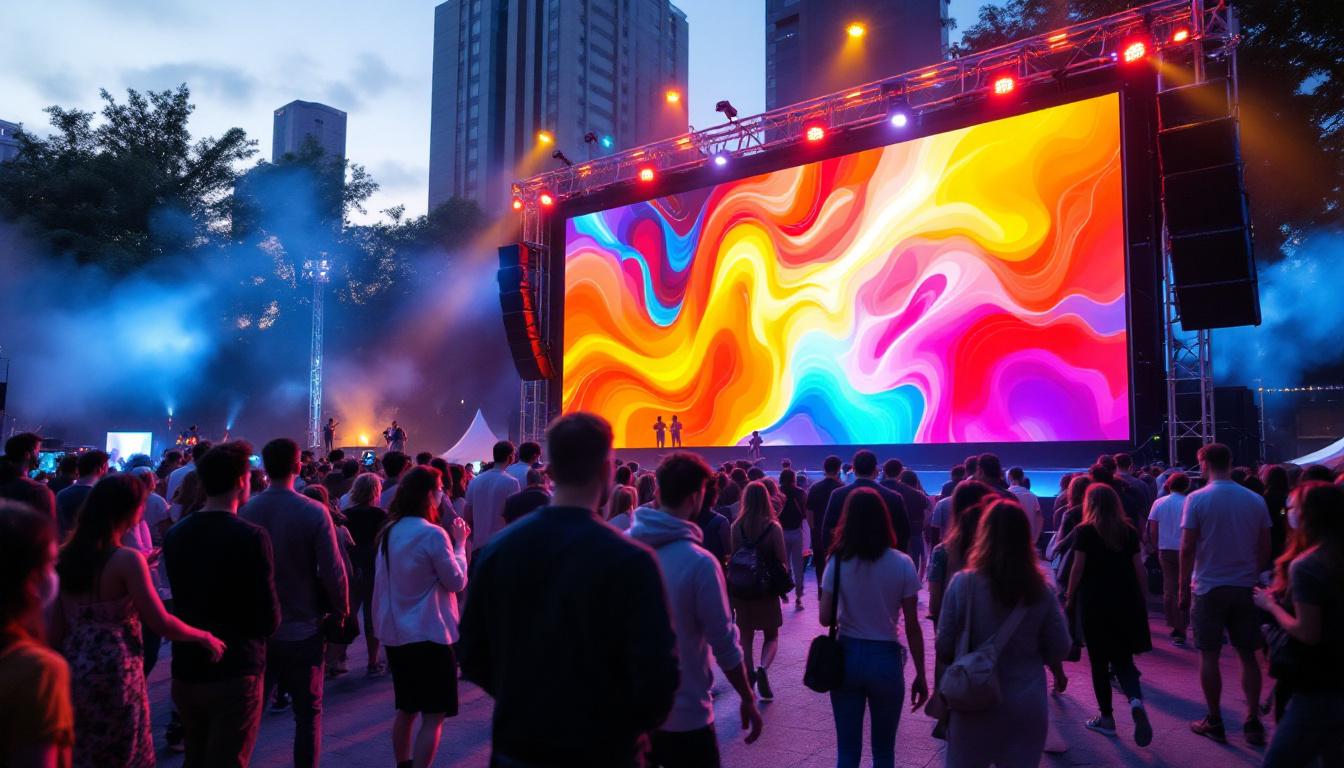
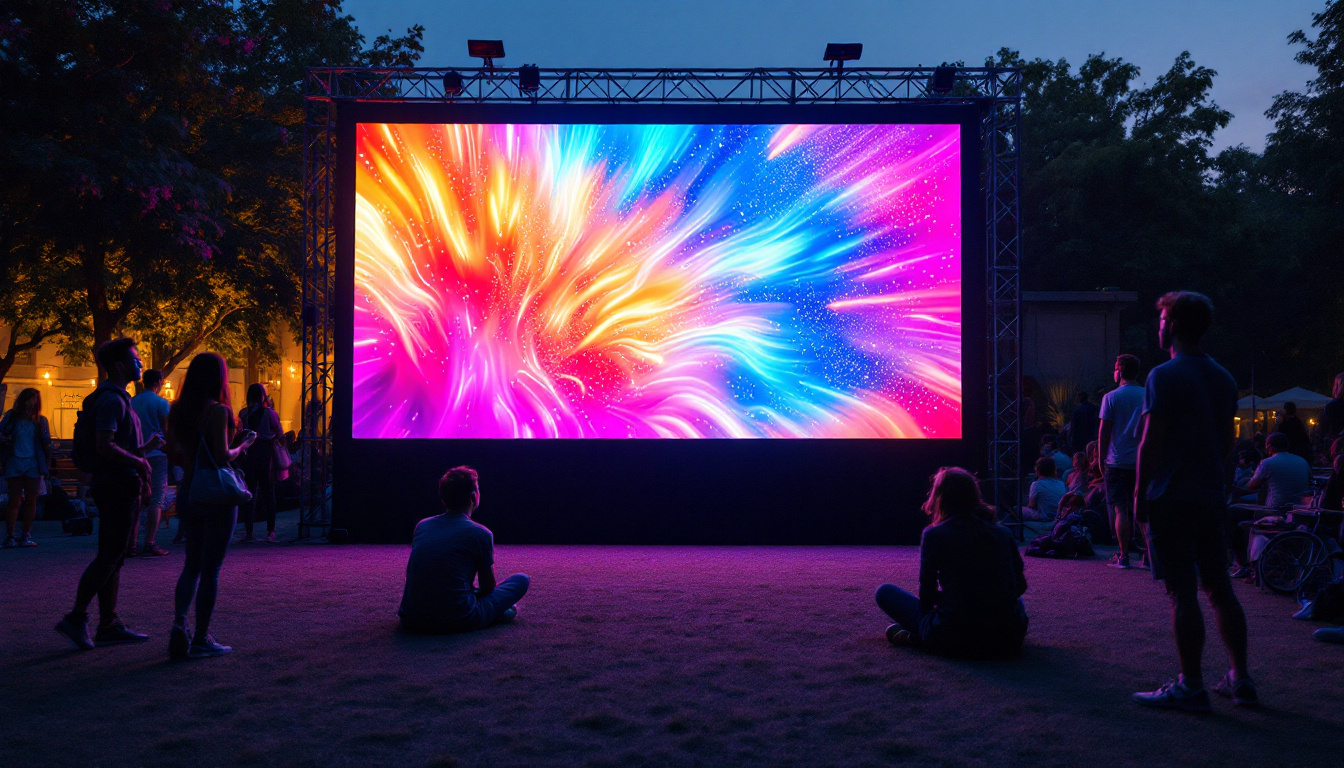
Concerts, sports events, and exhibitions often rely on large LED screens to deliver live video feeds and dynamic content to audiences. The durability and brightness of LED displays make them suitable for both indoor and outdoor environments, even under direct sunlight.
Educational and Corporate Use
In classrooms, lecture halls, and corporate boardrooms, large LED screens facilitate presentations, video conferencing, and interactive learning. Their clarity and size improve engagement and ensure that content is visible to all participants.
Future Trends in Large LED TV Screens
Advancements in Mini-LED and MicroLED
Mini-LED technology, which uses thousands of tiny LEDs for backlighting, is gaining traction as a middle ground between traditional LED and MicroLED displays. It offers improved contrast, better local dimming, and higher brightness at a more affordable price point.
Meanwhile, MicroLED continues to evolve, promising displays with unparalleled image quality and energy efficiency. As manufacturing techniques improve, MicroLED TVs are expected to become more accessible to mainstream consumers.
Integration of Artificial Intelligence
AI-powered features are becoming more common in LED TVs, enhancing picture and sound quality through real-time optimization. AI can adjust brightness based on ambient lighting, upscale lower-resolution content, and personalize viewing recommendations, making the viewing experience smarter and more intuitive.
Eco-Friendly Innovations
With growing environmental awareness, manufacturers are focusing on sustainable production methods and recyclable materials. Energy-efficient LED panels, reduced hazardous substances, and longer product lifecycles contribute to greener consumer electronics.
Conclusion
Large LED TV screens offer a compelling combination of brightness, color accuracy, energy efficiency, and design flexibility, making them a popular choice for home entertainment and professional applications alike. Understanding the nuances of LED technology, including the differences between edge-lit, full-array, QLED, and emerging MicroLED displays, empowers consumers to make informed decisions based on their viewing environment and budget.
As display technology continues to advance, the future promises even more immersive and sustainable large screen experiences. Whether for cinematic movie nights, gaming marathons, or dynamic digital signage, LED displays remain at the forefront of visual innovation.
Discover LumenMatrix’s Innovative LED Display Solutions
Ready to elevate your visual experience with the latest in LED technology? Look no further than LumenMatrix, a pioneer in crafting LED display modules that transform any space into a dynamic visual spectacle. From vibrant Indoor and Outdoor LED Wall Displays to versatile Vehicle and Sports LED Displays, LumenMatrix offers a comprehensive range of solutions tailored to your needs. Embrace the future of visual communication with our Custom, All-in-One, and Transparent LED Displays, designed to captivate and engage. Check out LumenMatrix LED Display Solutions today and witness how we can illuminate your world with clarity and impact.