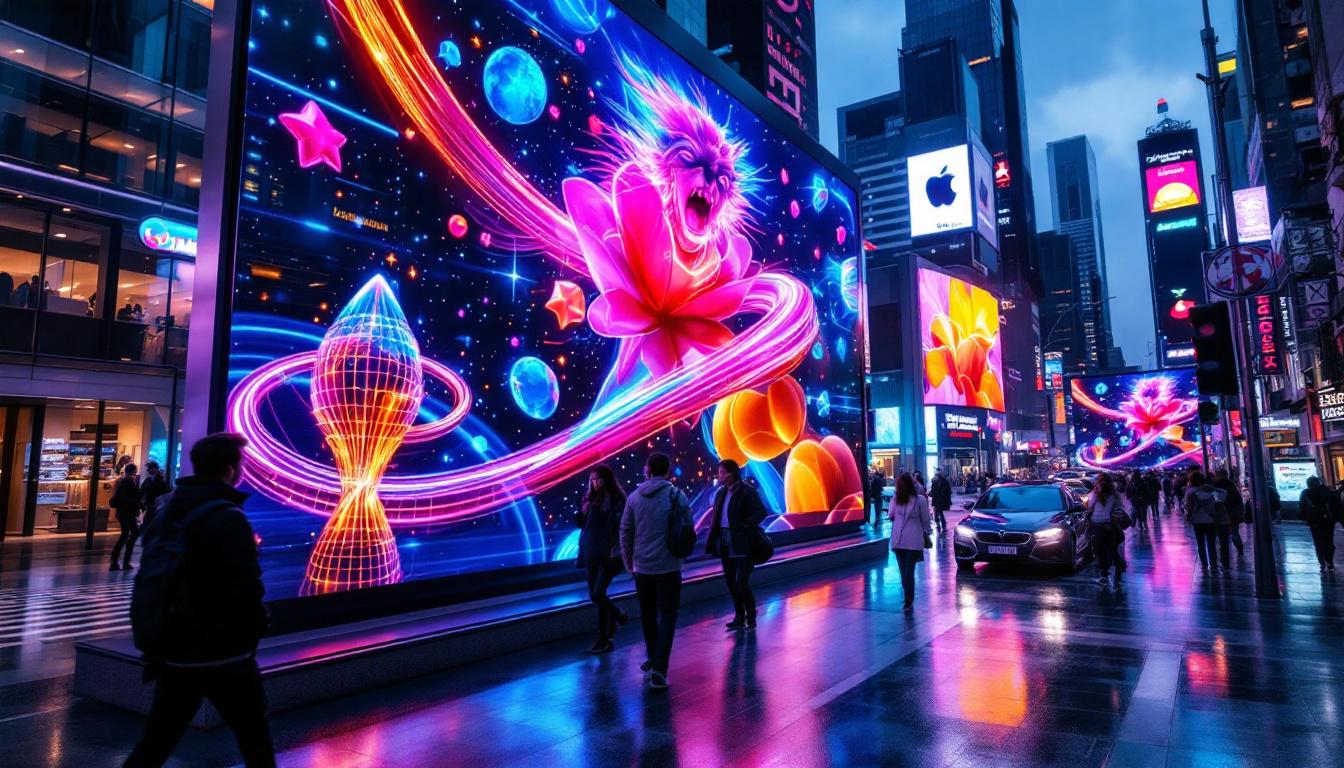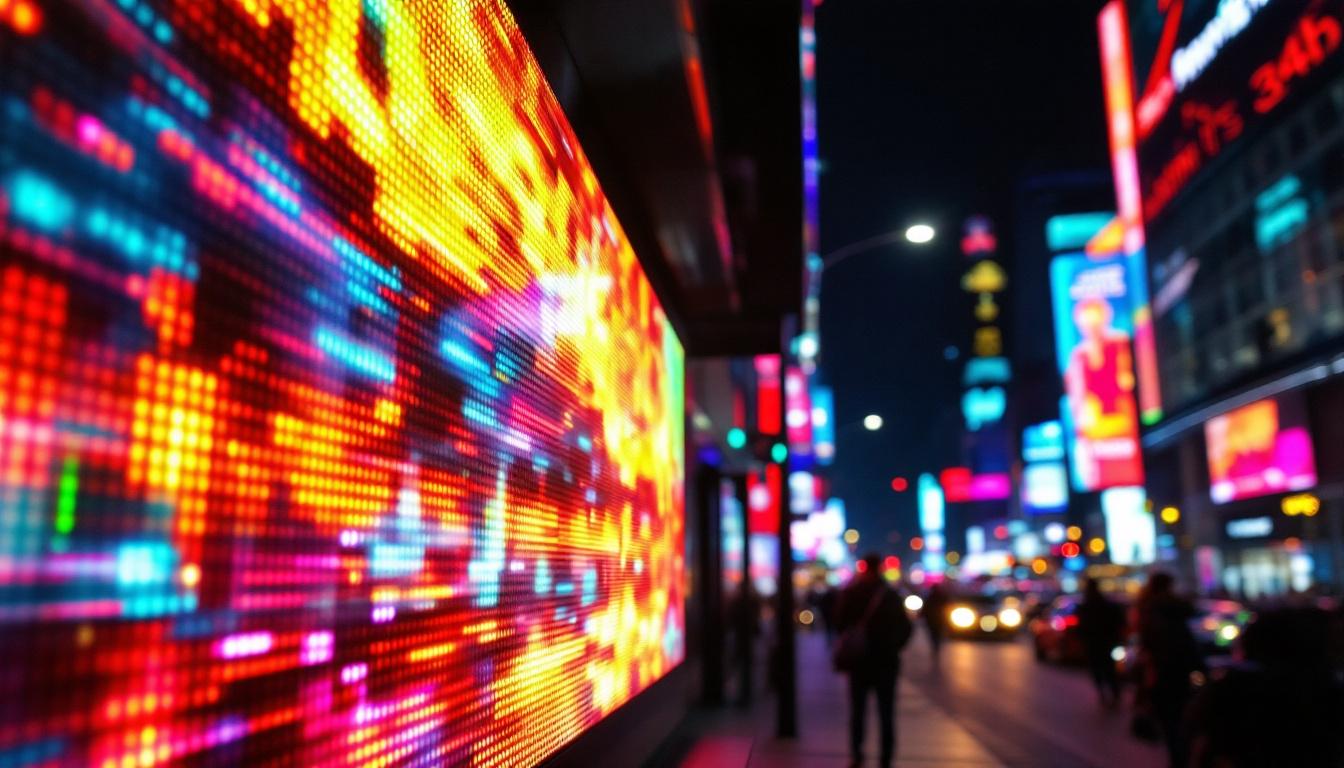
In the rapidly evolving world of digital signage and display technology, large LED panels have become a cornerstone for businesses, advertisers, event organizers, and public spaces. Their vibrant colors, high brightness, and versatile applications make them a preferred choice for delivering impactful visual content. This article delves into the fundamentals of large LED panels, exploring how they work, their types, benefits, and practical applications, providing a comprehensive guide for anyone interested in understanding or investing in LED display technology.
Understanding Large LED Panels: The Basics
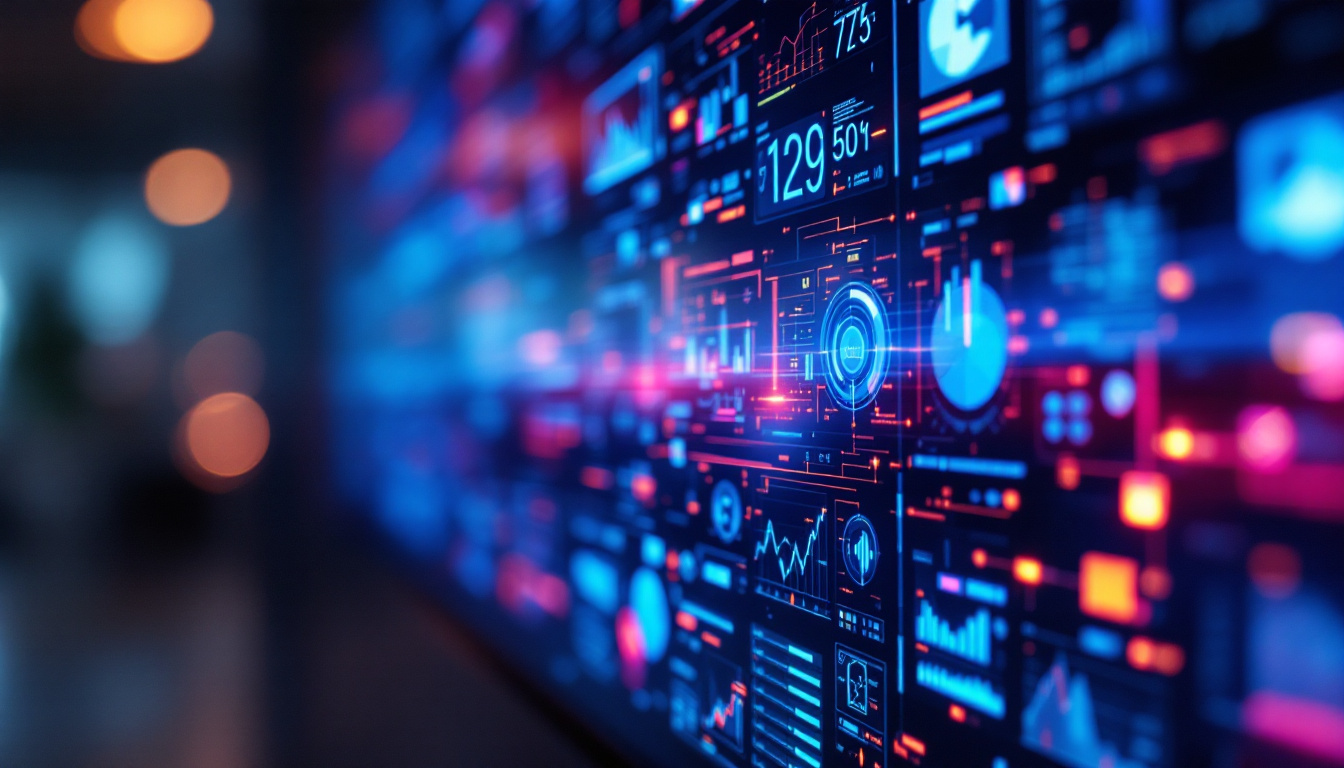
Large LED panels are essentially massive screens composed of numerous tiny light-emitting diodes (LEDs) that work together to create images and videos. Unlike traditional LCD or projection screens, LED panels emit their own light, which allows for superior brightness and contrast, making them highly visible even in bright daylight conditions.
Each LED within the panel acts as a pixel or part of a pixel, and by controlling the intensity and color of each LED, the panel can display a wide range of colors and dynamic content. The panels are modular, meaning they can be assembled in various sizes and shapes to fit different spaces and requirements, from small indoor displays to massive outdoor billboards.
How Do LED Panels Work?
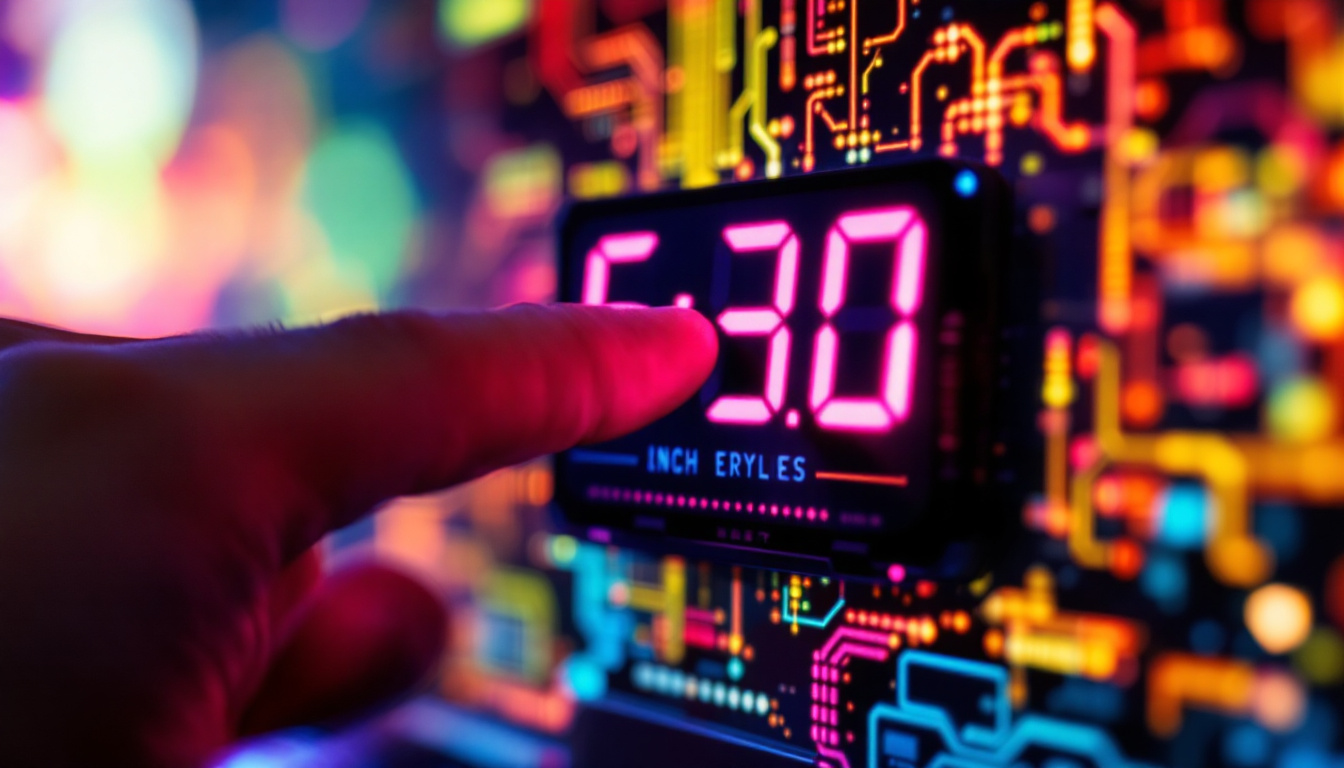
At the core of LED panel technology are the light-emitting diodes themselves. These semiconductors emit light when an electric current passes through them. The LEDs are arranged in a grid pattern, with each LED representing a pixel or part of a pixel. By adjusting the electrical current, the brightness and color of each LED can be precisely controlled.
Modern large LED panels use RGB (red, green, blue) LEDs to create a full spectrum of colors. By combining these three colors at varying intensities, the panel can produce millions of colors, enabling vibrant and accurate image reproduction. The control system synchronizes all the LEDs to display the intended content seamlessly.
Key Components of a Large LED Panel
Besides the LEDs themselves, a large LED panel consists of several critical components:
- Driver ICs: Integrated circuits that control the current flowing to each LED, ensuring precise color and brightness control.
- Controller Board: Manages the input signals and coordinates the display of images and videos across the panel.
- Power Supply: Provides the necessary electrical power to the LEDs and control systems.
- Cabinet or Frame: The physical structure that houses the LED modules, protecting them from environmental factors and enabling easy installation and maintenance.
Types of Large LED Panels
Large LED panels come in various types, each designed to meet specific needs and environments. Understanding these types helps in selecting the right display for a particular application.
Indoor LED Panels
Indoor LED panels are designed for environments with controlled lighting, such as conference rooms, shopping malls, airports, and stadiums. They typically have a higher pixel density, meaning the LEDs are packed closer together, resulting in sharper images and higher resolution at close viewing distances.
The brightness levels for indoor panels are generally lower than outdoor panels, usually ranging between 800 to 1,500 nits, which is sufficient for indoor lighting conditions. These panels often feature fine pixel pitches—sometimes as low as 1.2mm—to deliver crisp visuals for audiences viewing from a few feet away.
Outdoor LED Panels
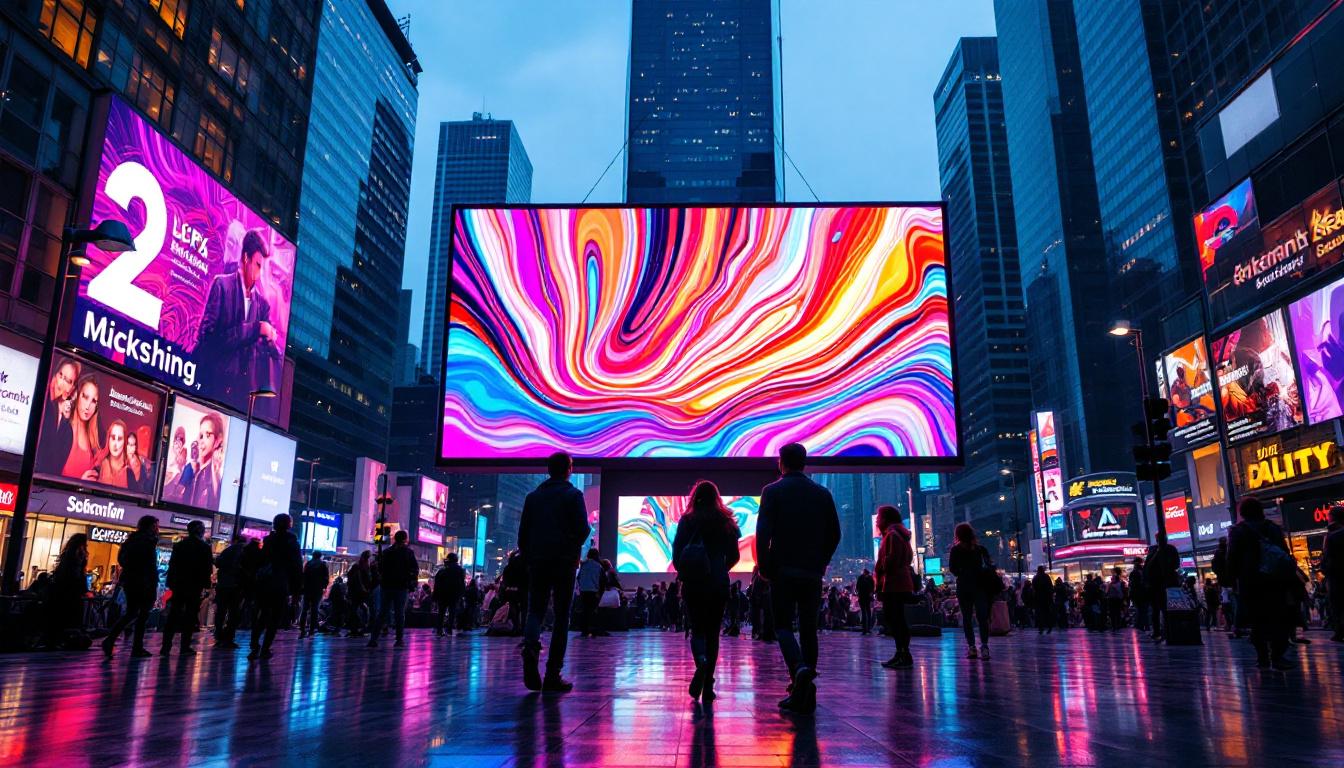
Outdoor LED panels are built to withstand harsh weather conditions, including rain, wind, dust, and extreme temperatures. They are used for billboards, sports stadiums, transportation hubs, and public event spaces. To combat sunlight and glare, outdoor panels feature much higher brightness levels, often exceeding 5,000 nits, ensuring visibility even in direct sunlight.
These panels have larger pixel pitches, typically ranging from 4mm to 20mm or more, as viewers tend to be farther away. The larger pitch reduces the number of LEDs per square meter, which helps in managing costs and power consumption while maintaining visibility at distance.
Transparent and Flexible LED Panels
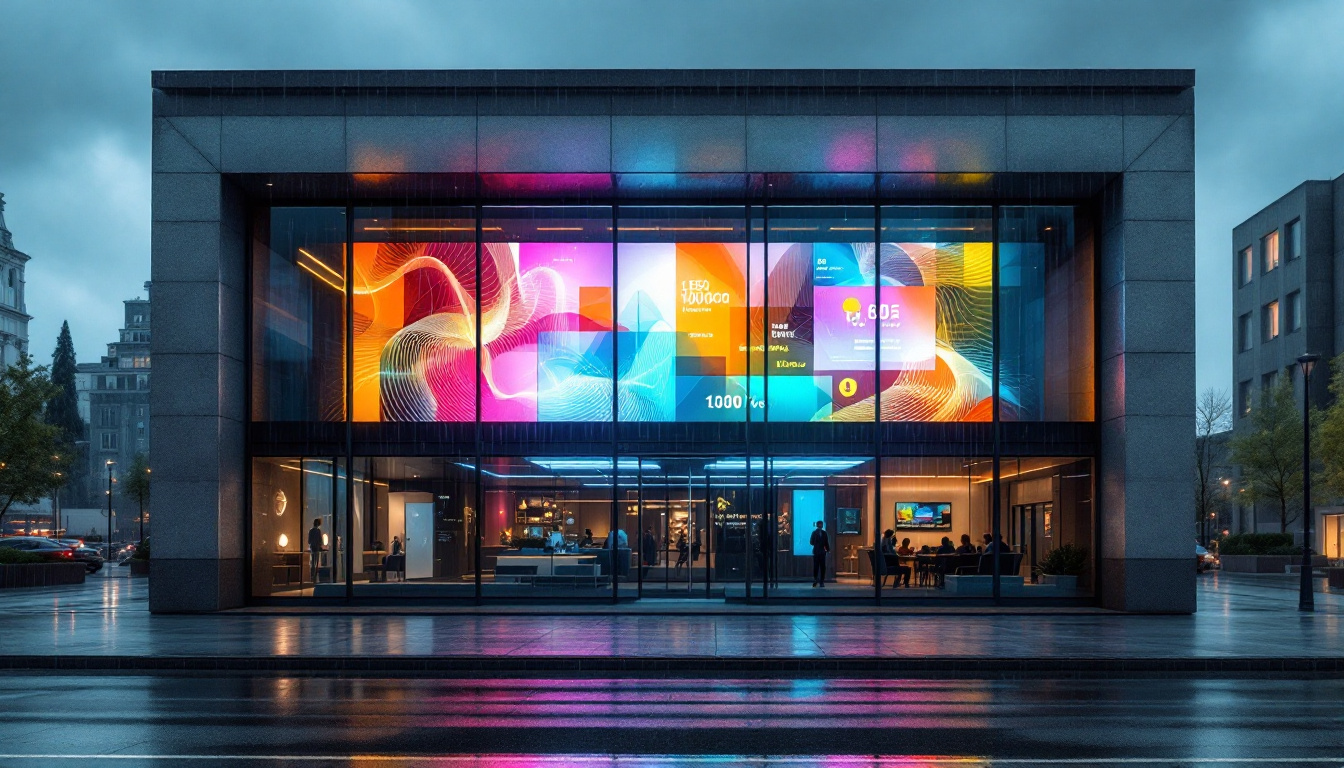
Innovations in LED technology have led to the development of transparent and flexible LED panels. Transparent LED panels allow light to pass through, making them ideal for storefront windows and glass facades where maintaining natural light is important. Flexible LED panels can bend or curve, enabling creative installations on irregular surfaces or around architectural features.
These advanced types expand the possibilities for digital signage and artistic displays, offering unique aesthetic and functional advantages.
Benefits of Using Large LED Panels
Large LED panels offer numerous advantages over traditional display technologies, making them a popular choice across various industries.
High Brightness and Visibility
One of the most significant benefits of LED panels is their exceptional brightness. With brightness levels far exceeding those of LCD or projection screens, LED panels remain clearly visible in bright environments, including direct sunlight. This makes them ideal for outdoor advertising and public information displays.
Energy Efficiency
LED technology is inherently energy-efficient compared to older display technologies. LEDs consume less power while delivering brighter light, which translates into lower operating costs for large installations. This efficiency is particularly important for businesses aiming to reduce their environmental footprint and operational expenses.
Durability and Longevity
LED panels are known for their robustness and long lifespan, often rated for over 100,000 hours of operation. They are resistant to shock and vibration, and outdoor models are built to withstand weather extremes. This durability reduces maintenance costs and downtime, ensuring consistent performance over time.
Flexibility and Scalability
Because LED panels are modular, they can be scaled to virtually any size or shape. This flexibility allows for custom installations that fit unique spaces or design requirements. Whether it’s a massive billboard or a curved display wrapping around a building corner, LED panels can be configured accordingly.
Superior Color and Contrast
LED panels provide vibrant colors and deep blacks, resulting in high contrast ratios that enhance image quality. This visual appeal is crucial for advertising, branding, and entertainment, where capturing and retaining viewer attention is paramount.
Applications of Large LED Panels
The versatility of large LED panels has led to their adoption across a wide range of sectors and use cases.
Advertising and Marketing
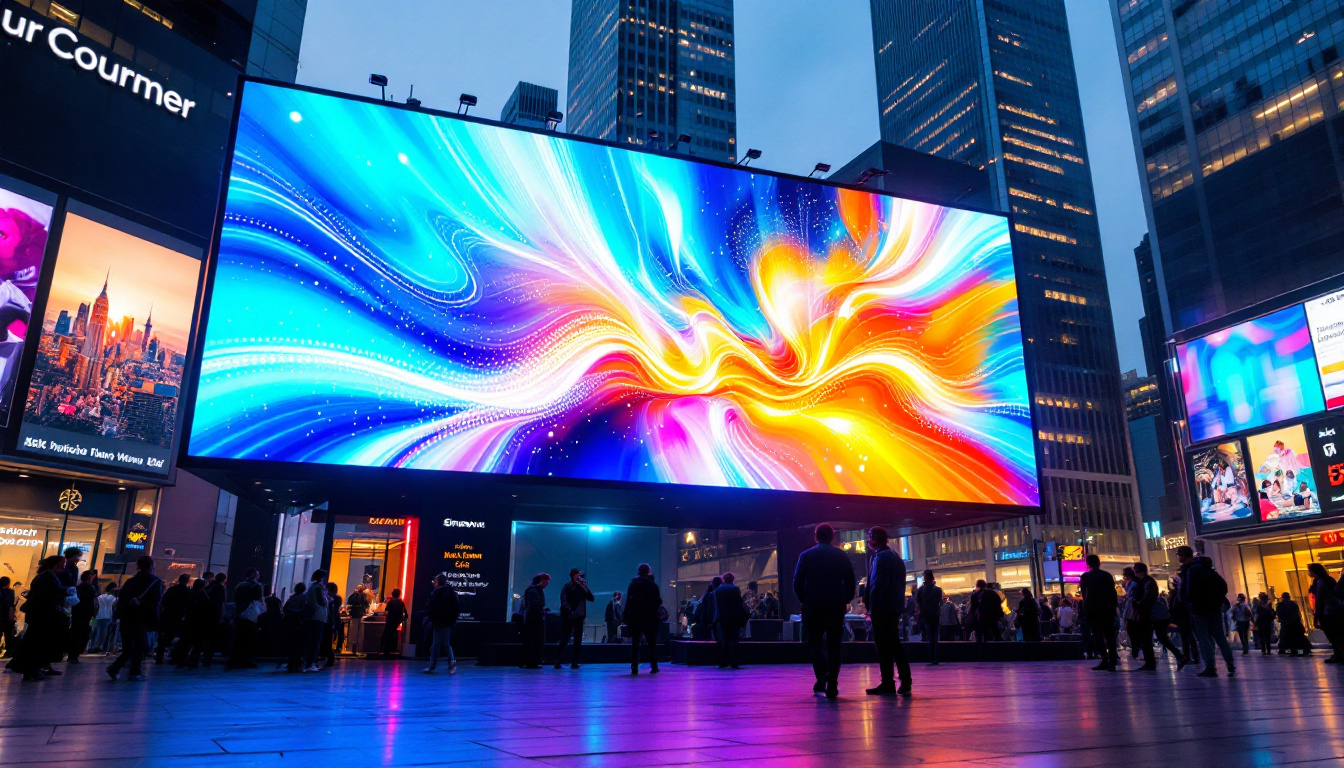
Outdoor billboards and indoor digital signage are among the most common applications. LED panels enable dynamic advertising campaigns that can be updated in real-time, allowing marketers to tailor messages based on time of day, audience demographics, or special events. According to recent market research, the global digital signage market is expected to grow at a CAGR of over 8% through 2027, driven largely by the adoption of LED displays.
Sports and Entertainment Venues
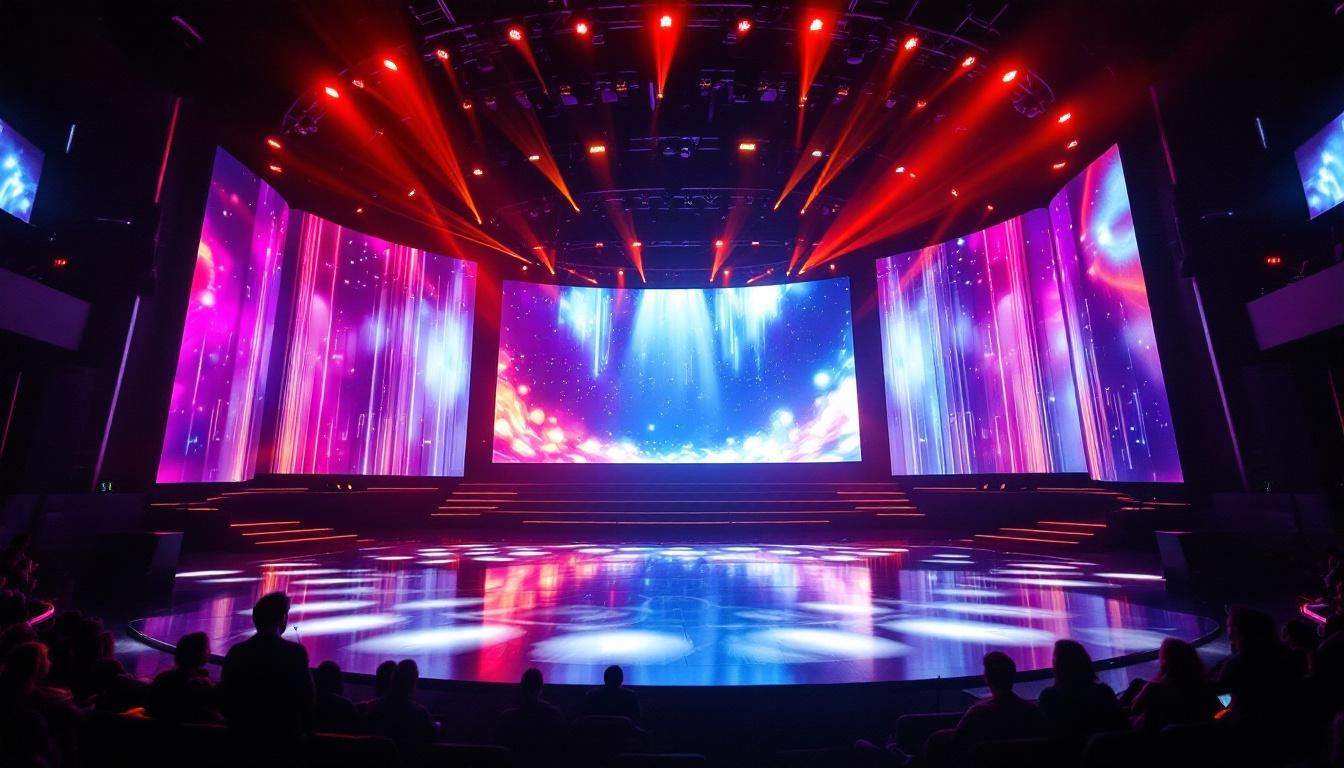
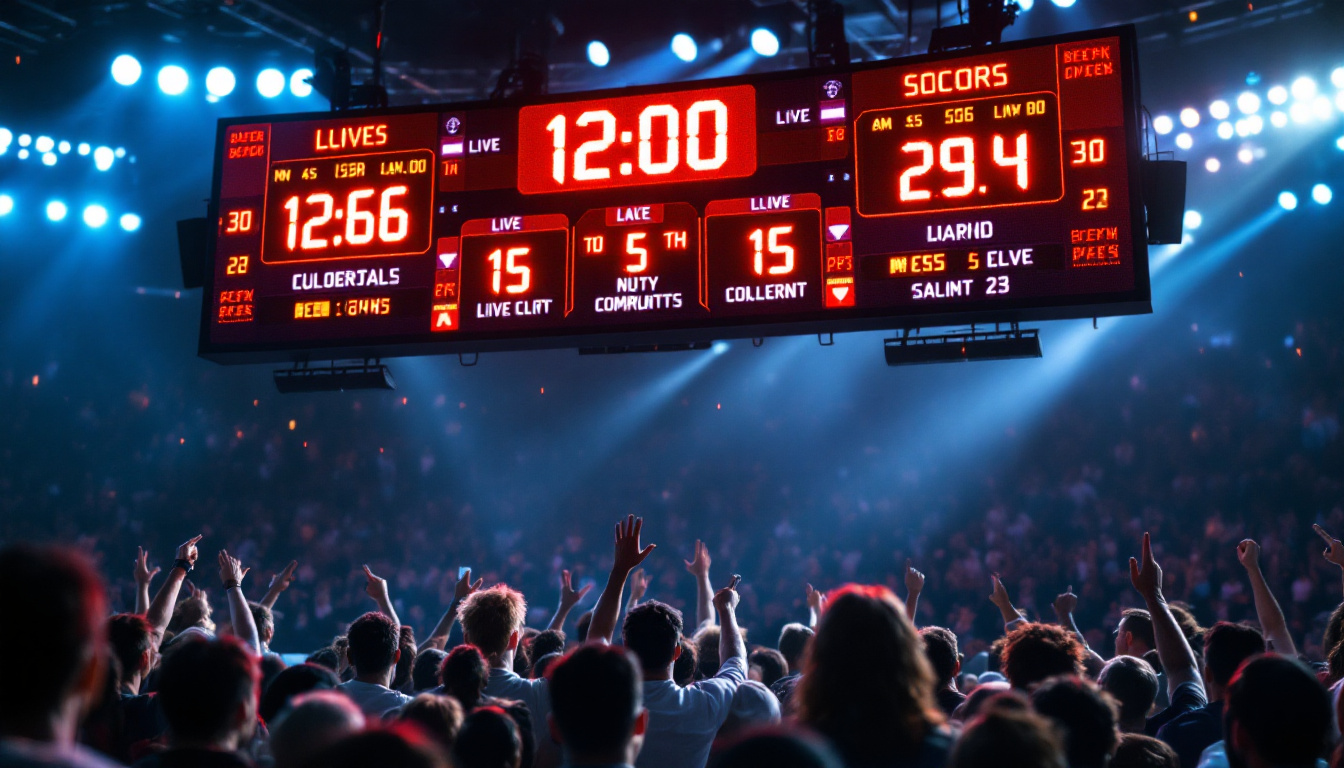
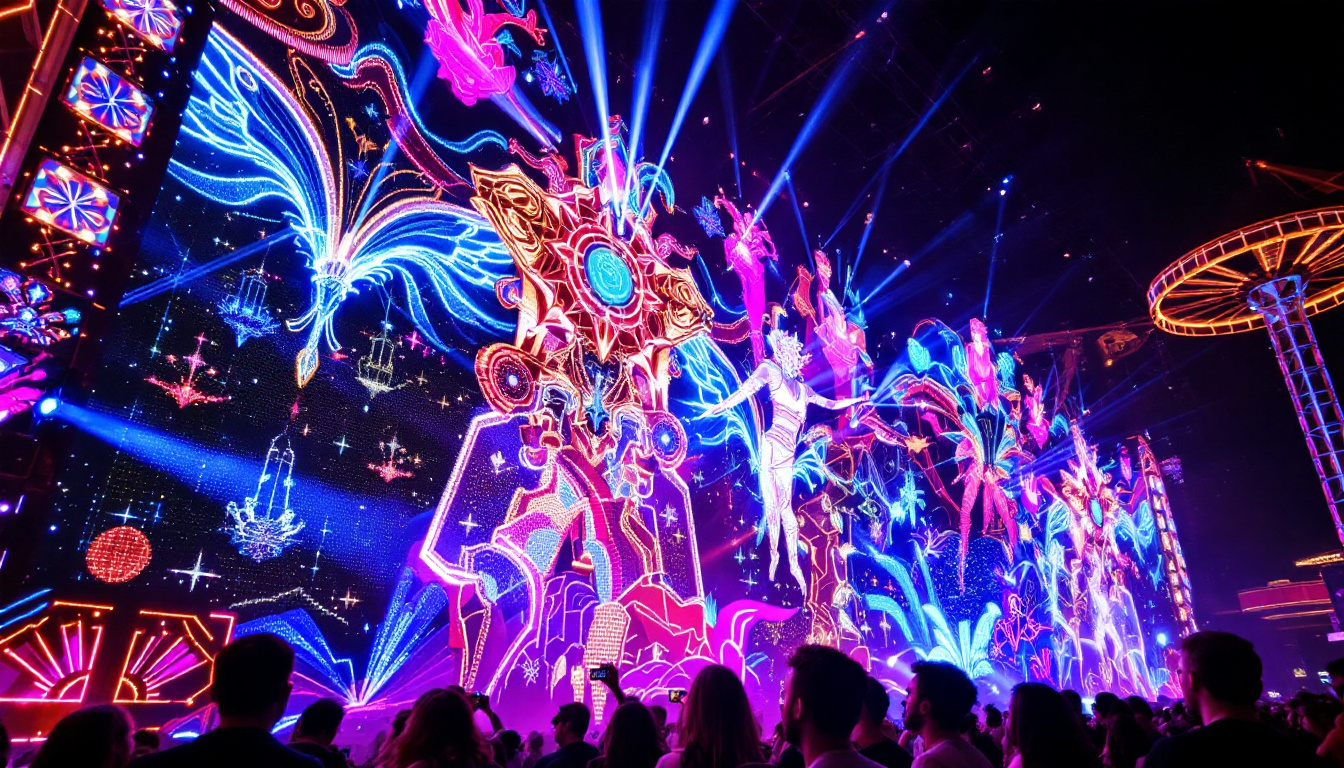
Stadiums and arenas use large LED panels for scoreboards, replays, and immersive fan experiences. These displays enhance engagement by providing clear, high-resolution visuals that can be seen from all seating areas. Many venues also use LED walls for concerts and live events to create dynamic backdrops and interactive content.
Transportation Hubs and Public Spaces
Airports, train stations, and city centers utilize LED panels for wayfinding, public announcements, and advertising. The high visibility and brightness of LED displays ensure that critical information reaches travelers and pedestrians effectively, even in crowded or brightly lit environments.
Corporate and Conference Settings
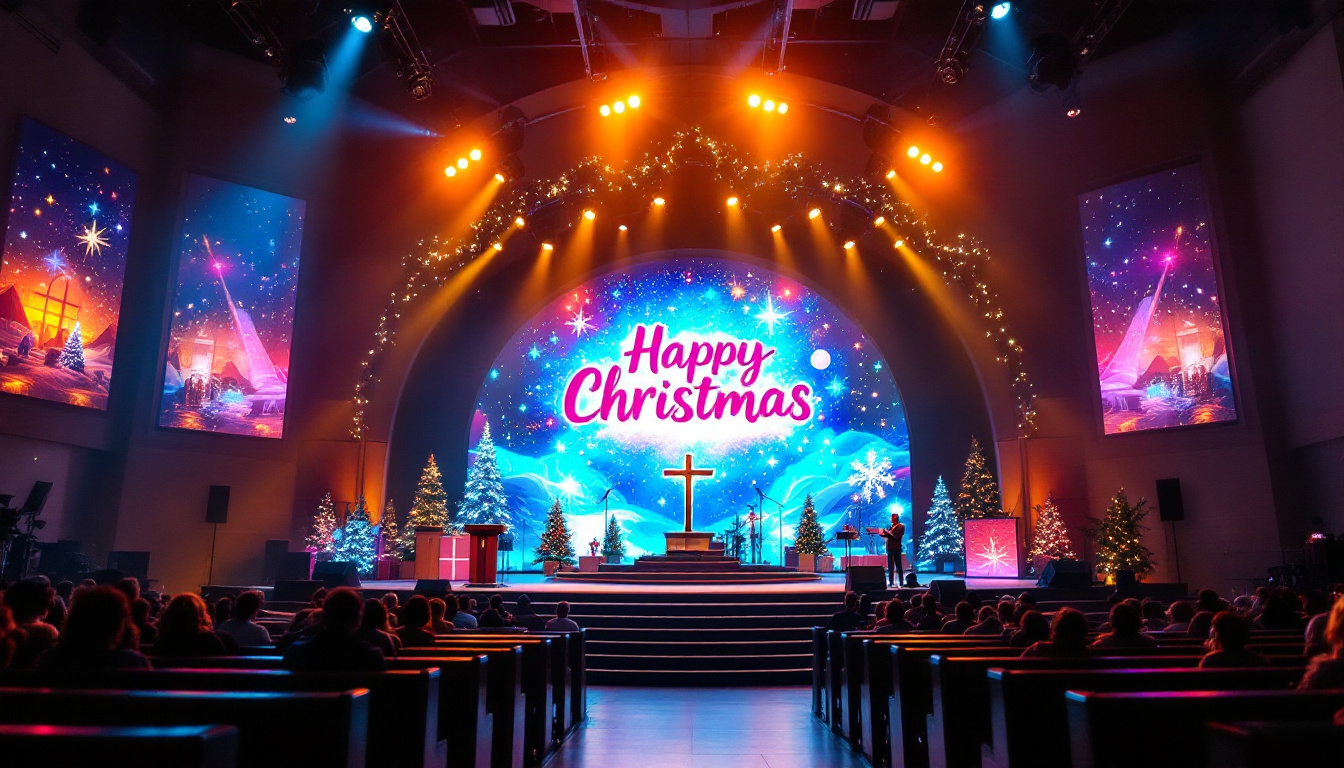
Large LED panels are increasingly popular in corporate lobbies, conference rooms, and trade shows. They provide professional-grade visuals for presentations, branding, and interactive displays, enhancing communication and engagement during meetings and events.
Choosing the Right Large LED Panel
Selecting the appropriate LED panel depends on several factors, including the intended environment, viewing distance, resolution requirements, and budget.
Pixel Pitch and Resolution
Pixel pitch—the distance between the centers of adjacent LEDs—is a critical specification. Smaller pixel pitches yield higher resolution and sharper images, suitable for close viewing distances. For example, indoor panels might have pixel pitches as low as 1.2mm, while outdoor panels typically range from 4mm to 20mm depending on viewing distance.
Brightness and Weather Resistance
For outdoor installations, brightness and weatherproofing are paramount. Panels must have sufficient brightness to combat sunlight and be rated for water and dust resistance, often indicated by an IP (Ingress Protection) rating. An IP65 rating, for instance, means the panel is dust-tight and protected against water jets.
Installation and Maintenance
Consideration should also be given to the ease of installation and ongoing maintenance. Modular designs with front or rear access simplify repairs and upgrades. Additionally, choosing panels with good manufacturer support and warranties can safeguard the investment.
Future Trends in Large LED Panels
The LED display industry continues to innovate, driven by advances in technology and changing market demands.
MicroLED and MiniLED Technologies
Emerging microLED and miniLED technologies promise even higher resolution, improved energy efficiency, and better color accuracy. MicroLEDs, in particular, offer the potential for thinner, brighter, and more flexible displays, which could revolutionize both indoor and outdoor applications.
Integration with Smart Technologies
Smart LED panels integrated with IoT (Internet of Things) capabilities allow for remote management, real-time content updates, and data analytics. This integration enhances the functionality of LED displays, enabling more personalized and interactive experiences.
Sustainability and Eco-Friendly Designs
As environmental concerns grow, manufacturers are focusing on sustainable materials, energy-efficient designs, and recycling programs for LED panels. These efforts align with global trends toward greener technology solutions.
Conclusion
Large LED panels represent a powerful and versatile display technology that continues to transform the way information and advertising are presented. Their brightness, durability, and flexibility make them suitable for a wide range of applications, from bustling city billboards to intimate corporate settings. By understanding the technology behind LED panels and considering factors such as pixel pitch, brightness, and environment, businesses and organizations can make informed decisions to maximize the impact of their visual communications.
As LED technology advances, the future holds exciting possibilities for even more immersive, efficient, and sustainable large-scale displays, ensuring that LED panels will remain at the forefront of digital signage for years to come.
Discover Cutting-Edge LED Displays with LumenMatrix
Ready to elevate your visual communication with the latest in LED technology? LumenMatrix is at the forefront of innovation, offering a wide array of LED display solutions tailored to your needs. From vibrant Indoor LED Wall Displays to robust Outdoor LED Wall Displays, and from dynamic Vehicle LED Displays to sleek LED Poster Displays, our products are designed to captivate and engage your audience. Experience the revolution in digital signage with our LED Sports Displays, interactive Floor LED Displays, and the stunning clarity of our Custom and All-in-One LED Displays, including the transparent LED options. Embrace the future of advertising and brand storytelling with LumenMatrix. Check out LumenMatrix LED Display Solutions and transform your space into a visual spectacle.