When it comes to choosing the right LED display, size matters—literally. Whether for home theaters, conference rooms, digital signage, or outdoor advertising, understanding screen dimensions is crucial. One common size that often comes up is 108 inches, but what does that mean in more familiar units like centimeters? More importantly, how does this size translate into the viewing experience and practical applications of LED displays?
This article dives deep into the conversion of 108 inches to centimeters and explores the significance of this size in the LED display industry. From technical specifications and pixel density to real-world use cases, this comprehensive guide will help you make informed decisions when selecting an LED display.
Understanding the Conversion: 108 Inches to Centimeters
Why Convert Inches to Centimeters?
Inches and centimeters are both units used to measure length, but they belong to different measurement systems. Inches are part of the Imperial system, predominantly used in the United States, while centimeters belong to the Metric system, widely adopted internationally. For global buyers, manufacturers, and installers, converting between these units is essential for clarity and precision.
For example, LED display manufacturers often list screen sizes in inches, but installation spaces and mounting hardware may be specified in centimeters. Accurate conversion ensures compatibility and prevents costly mistakes during setup. This is particularly important in industries like construction and manufacturing, where precise measurements can affect everything from material costs to safety regulations. Additionally, as technology continues to advance and globalization increases, understanding these conversions becomes even more critical for professionals across various fields.
How to Convert Inches to Centimeters
The conversion between inches and centimeters is straightforward: 1 inch equals exactly 2.54 centimeters. This is a fixed conversion factor established internationally.
Using this, the conversion for 108 inches is:
108 inches × 2.54 cm/inch = 274.32 cm
This means a 108-inch LED display measures approximately 274.32 centimeters diagonally. This diagonal measurement is the standard way screen sizes are reported, but understanding the width and height dimensions requires knowing the aspect ratio of the display. For instance, a common aspect ratio for many LED screens is 16:9, which influences the actual width and height of the screen. In practical terms, this means that while the diagonal measurement gives a good idea of the screen size, the width and height will vary based on the aspect ratio, affecting how the display fits into a given space or how it integrates with other equipment.
Moreover, knowing how to convert these measurements can be beneficial in various everyday situations, such as when purchasing furniture or home decor items that are often listed in inches. Understanding the size in centimeters can help in visualizing how an item will fit in a room, especially for those who are more accustomed to the Metric system. This knowledge can enhance decision-making, ensuring that consumers make informed choices that align with their spatial requirements and aesthetic preferences.
Aspect Ratios and Physical Dimensions of a 108-Inch LED Display
Common Aspect Ratios
The aspect ratio is the proportional relationship between the width and height of a display. The most common aspect ratios for LED displays are 16:9 (widescreen) and 4:3 (standard). The aspect ratio affects not only the shape of the screen but also the actual width and height measurements. Understanding these ratios is crucial for various applications, from home theaters to professional presentations, as they dictate how content is displayed and can significantly influence the viewer’s experience.
For a 108-inch diagonal screen, the width and height can be calculated using the Pythagorean theorem based on the aspect ratio. This mathematical approach allows for precise measurements, ensuring that the display is appropriately sized for its intended environment. Additionally, the choice of aspect ratio can impact how visual content is framed and perceived, making it essential to consider the type of media that will be showcased on the display.
Calculating Width and Height for 16:9 Aspect Ratio
For a 16:9 screen, the width (W) and height (H) relate as follows:
- W/H = 16/9
- Diagonal (D) = 108 inches
Using the formula:
W = D × (16 / √(16² + 9²))
H = D × (9 / √(16² + 9²))
Calculating the denominator:
√(256 + 81) = √337 ≈ 18.3576
Therefore:
W = 108 × (16 / 18.3576) ≈ 108 × 0.8716 ≈ 94.13 inches
H = 108 × (9 / 18.3576) ≈ 108 × 0.4903 ≈ 52.95 inches
Converting these to centimeters:
Width: 94.13 × 2.54 ≈ 239.12 cm
Height: 52.95 × 2.54 ≈ 134.48 cm
This calculation highlights the significant width of a 16:9 display, making it ideal for cinematic experiences, gaming, and presentations that require a broader field of view. The wider aspect ratio allows for a more immersive experience, particularly when watching films or engaging in interactive media, where the action can unfold across a larger visual canvas.
Calculating Width and Height for 4:3 Aspect Ratio
Similarly, for a 4:3 screen:
- W/H = 4/3
- Diagonal (D) = 108 inches
Calculations:
W = D × (4 / √(4² + 3²))
H = D × (3 / √(4² + 3²))
Denominator:
√(16 + 9) = √25 = 5
Therefore:
W = 108 × (4 / 5) = 108 × 0.8 = 86.4 inches
H = 108 × (3 / 5) = 108 × 0.6 = 64.8 inches
Converting to centimeters:
Width: 86.4 × 2.54 = 219.46 cm
Height: 64.8 × 2.54 = 164.59 cm
The 4:3 aspect ratio, while less common in modern displays, is still relevant for specific applications, particularly in educational settings and older media formats. This ratio is often preferred for presentations that utilize slides or documents where vertical space is more critical, allowing for a more traditional layout that accommodates text-heavy content without compromising readability.
Why These Dimensions Matter
Knowing the width and height helps in planning the installation space, ensuring the display fits perfectly within the room or mounting structure. It also helps in estimating viewing distances and ergonomics for optimal user experience. The dimensions also play a vital role in determining the best seating arrangement, as the distance from the screen can significantly affect visual comfort and clarity. For instance, a larger screen may necessitate a greater distance for comfortable viewing, while a smaller screen can be placed closer without straining the eyes.
Furthermore, understanding these dimensions can aid in the design of multimedia environments, such as conference rooms or home theaters, where multiple displays may be used in conjunction. By considering the aspect ratio and physical dimensions, designers can create cohesive visual experiences that enhance engagement and communication, ensuring that all viewers have a clear line of sight and optimal viewing angles. This attention to detail not only improves the aesthetic appeal of the space but also maximizes the effectiveness of the visual content being presented.
Pixel Density and Resolution: How They Influence LED Display Quality
Understanding Pixel Pitch
Pixel pitch is the distance between the centers of two adjacent pixels, usually measured in millimeters. It directly affects the resolution and clarity of an LED display. Smaller pixel pitches mean higher pixel density, resulting in sharper images and better viewing experiences, especially at close distances.
For a 108-inch LED display, pixel pitch can vary widely depending on the intended use. Indoor LED displays typically have pixel pitches ranging from 0.9 mm to 4 mm, while outdoor displays might have larger pitches of 6 mm or more to enhance visibility over long distances.
Resolution Examples for 108-Inch Displays
Assuming a 16:9 aspect ratio, here are some approximate resolutions based on pixel pitch:
- 0.9 mm pixel pitch: Approximately 2640 pixels wide × 1485 pixels high (4K UHD resolution)
- 2.5 mm pixel pitch: Approximately 950 pixels wide × 535 pixels high (HD resolution)
- 4 mm pixel pitch: Approximately 594 pixels wide × 334 pixels high (lower resolution for large venues)
Choosing the right pixel pitch depends on the viewing distance and application. For example, a retail store display viewed from a few feet away requires a finer pixel pitch than a billboard seen from hundreds of meters.
Impact on Viewing Experience
High-resolution LED displays with smaller pixel pitches provide crisp images and vibrant colors, essential for detailed presentations, video playback, and dynamic content. Conversely, larger pixel pitches are cost-effective for large-scale outdoor displays where viewers are farther away.
Applications of 108-Inch LED Displays
Home Theaters and Entertainment
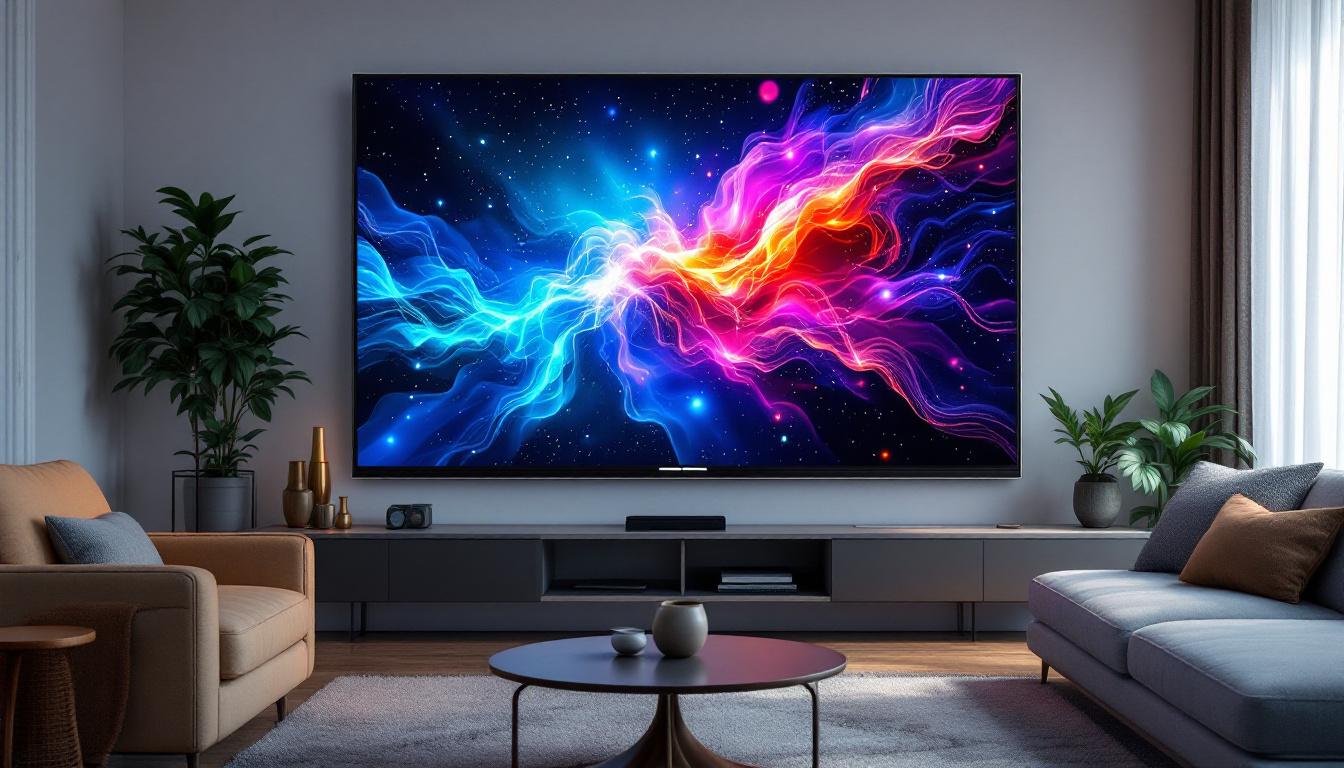
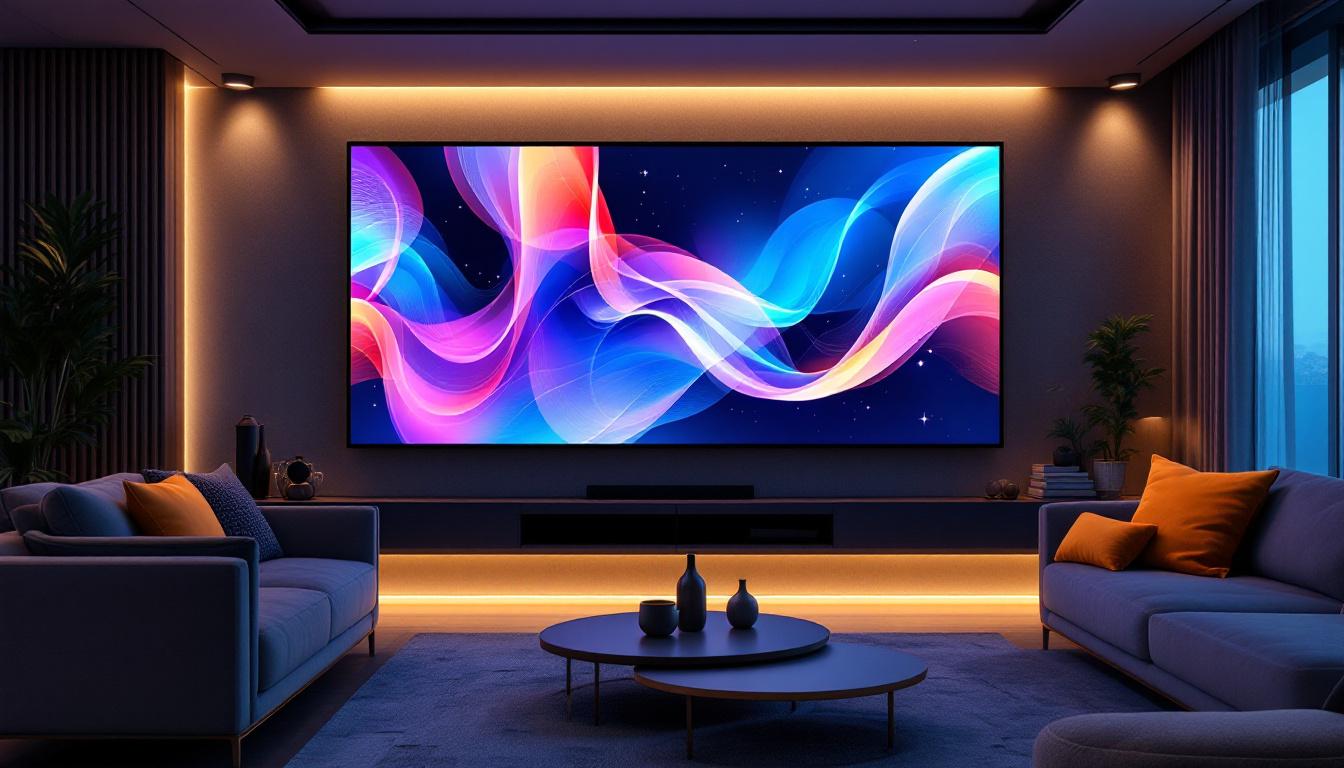
A 108-inch LED display offers a cinematic experience in a home theater setting. Its large size and high resolution deliver immersive visuals, replicating the feel of a movie theater. When paired with surround sound systems, these displays transform living rooms into entertainment hubs.
Moreover, the conversion to centimeters (around 274 cm diagonal) helps homeowners measure available wall space accurately, ensuring the display fits without overwhelming the room.
Corporate and Educational Environments
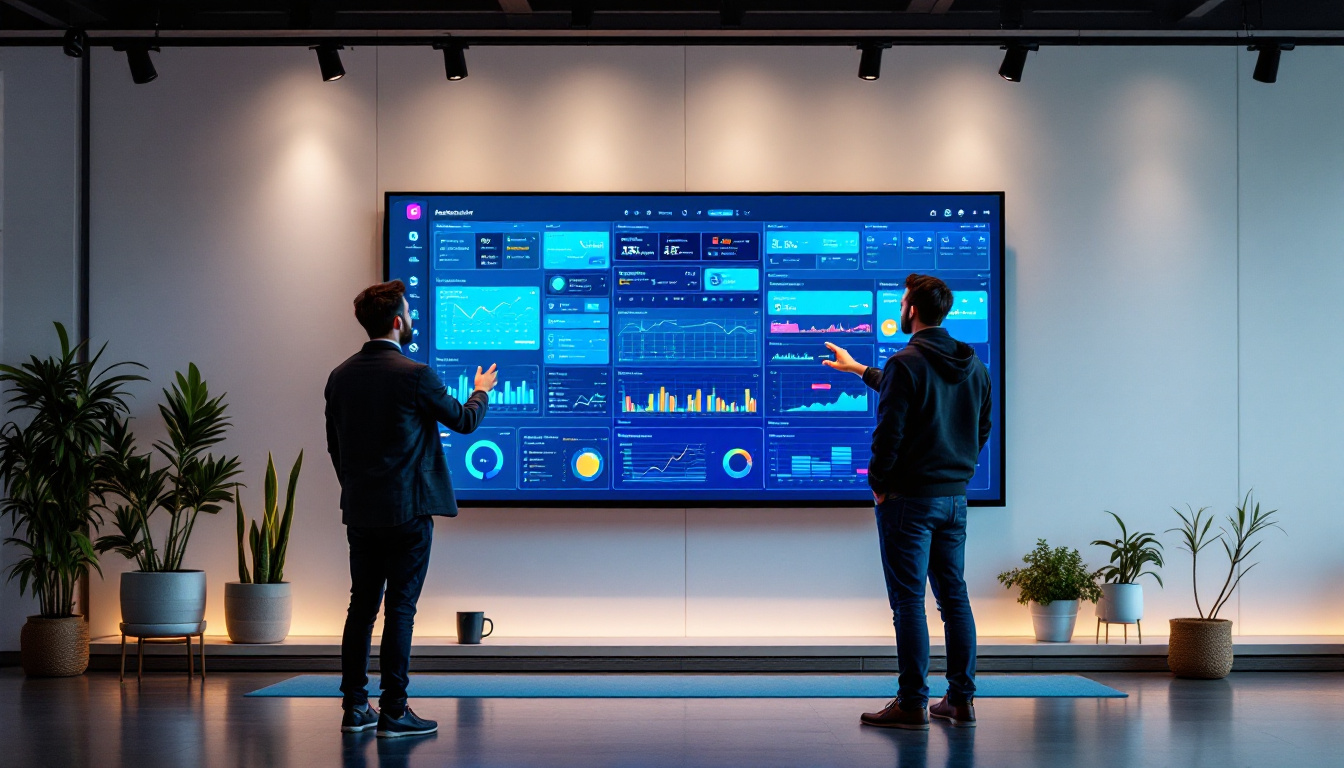
In conference rooms and lecture halls, 108-inch LED displays serve as focal points for presentations, video conferencing, and collaborative work. Their size ensures visibility for larger audiences, while high resolution maintains clarity of text and graphics.
Understanding the physical dimensions aids in room layout planning, including seating arrangements and lighting considerations to minimize glare and reflections.
Retail and Advertising
Retailers use 108-inch LED displays for digital signage, promotions, and interactive kiosks. The size is large enough to attract attention without requiring excessive space. Accurate size conversion helps in designing storefronts and ensuring compliance with local signage regulations.
Outdoor advertising benefits from LED displays with appropriate pixel pitch and brightness levels to maintain visibility in varying weather and lighting conditions.
Installation Considerations for 108-Inch LED Displays
Mounting and Space Requirements
Given the substantial size of a 108-inch display, proper mounting hardware is essential. Wall mounts, ceiling rigs, or floor stands must support the weight and dimensions safely. Knowing the exact width and height in centimeters facilitates ordering compatible mounts and planning installation logistics.
Additionally, clearance around the display is necessary for ventilation and maintenance access.
Power and Connectivity
Large LED displays require adequate power supply and cooling systems to operate efficiently. Installation teams must consider electrical capacity and cable management to avoid hazards and ensure reliability.
Connectivity options such as HDMI, DisplayPort, and network interfaces vary by model and influence how the display integrates with existing AV systems.
Viewing Distance and Ergonomics
Optimal viewing distance depends on screen size and resolution. For a 108-inch display, the ideal distance typically ranges between 3 to 5 meters (10 to 16 feet) for indoor use. Sitting too close may reveal pixel structure, while sitting too far reduces the immersive effect.
Ergonomic placement at eye level reduces neck strain and enhances comfort during prolonged use.
Conclusion: Making the Most of a 108-Inch LED Display
Converting 108 inches to centimeters (approximately 274.32 cm) is the first step in understanding the physical scale of this popular LED display size. Beyond the diagonal measurement, considering aspect ratio, pixel density, resolution, and application context is vital to selecting the right display for your needs.
Whether for home entertainment, corporate presentations, retail advertising, or large-scale events, a 108-inch LED display offers a versatile and impactful visual solution. Proper planning around installation, viewing distance, and technical specifications ensures you maximize the benefits of this impressive screen size.
By grasping these details, buyers and installers can confidently navigate the LED display market, achieving optimal performance and satisfaction from their 108-inch investment.
Discover LumenMatrix’s Advanced LED Display Solutions
Ready to elevate your visual experience with a 108-inch LED display? LumenMatrix is at the forefront of LED display innovation, offering a wide range of products designed to bring your content to life. From immersive Indoor LED Wall Displays to dynamic Outdoor LED Wall Displays, and from versatile Vehicle LED Displays to sleek LED Poster Displays, our solutions are crafted to captivate and engage. Explore our cutting-edge LED Sports Displays, interactive Floor LED Displays, customizable Custom LED Displays, convenient All-in-One LED Displays, and stunning LED Transparent Displays. Embrace the future of visual communication with LumenMatrix and transform your space into a vibrant canvas. Check out LumenMatrix LED Display Solutions and make a statement that resonates with brilliance and clarity.