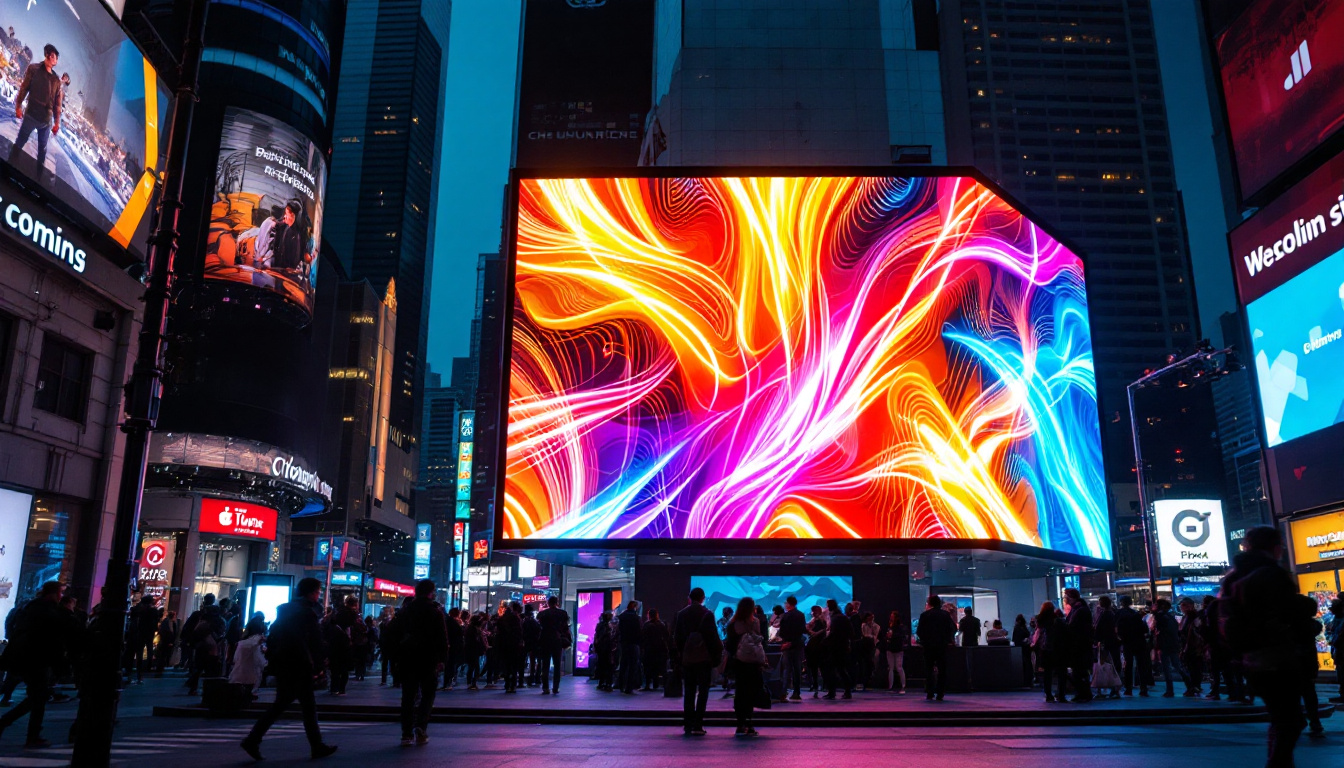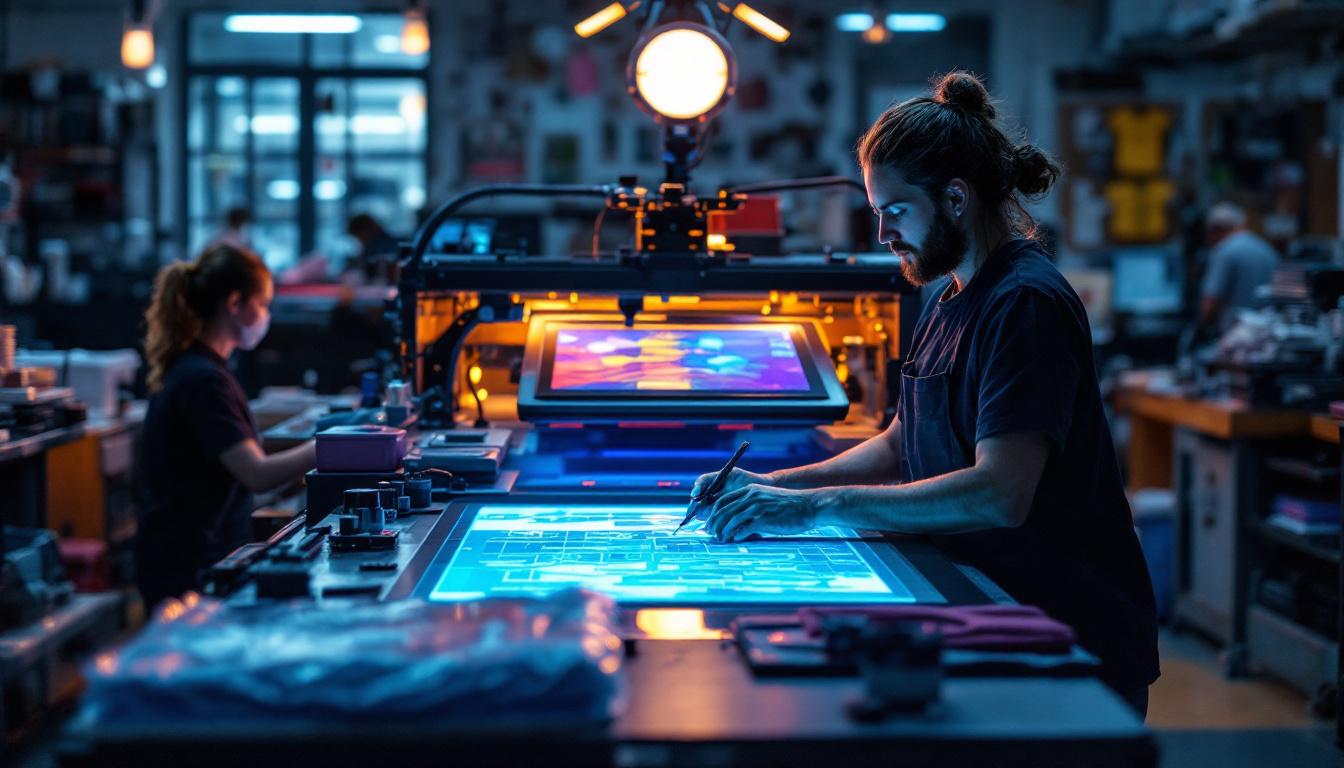
In the evolving world of screen printing, integrating technology has become essential for achieving precision, efficiency, and quality. One such technological advancement is the use of LED displays within professional screen printing kits. This article delves into how LED displays function in the context of screen printing, their benefits, and why they are becoming indispensable tools for professionals in the industry.
Understanding LED Displays in Screen Printing Kits
LED displays have transformed many industries by providing clear, bright, and energy-efficient visual interfaces. In screen printing, these displays serve as critical components for controlling and monitoring the printing process. But what exactly are LED displays, and how do they fit into a professional screen printing kit?
What is an LED Display?
LED stands for Light Emitting Diode, a semiconductor device that emits light when an electric current passes through it. LED displays utilize arrays of these diodes to present information visually. Compared to traditional LCD or CRT displays, LEDs offer superior brightness, faster refresh rates, and longer lifespans, making them ideal for industrial applications.
In screen printing kits, LED displays are often integrated into control panels or exposure units, providing operators with real-time data and control options. This integration enhances workflow by simplifying adjustments and ensuring accuracy during the printing process. The clarity of LED displays also allows for easy readability in various lighting conditions, which is particularly beneficial in busy production environments where operators need to make quick decisions.
Role of LED Displays in Screen Printing Equipment
Professional screen printing kits typically include various components such as exposure units, drying racks, and printing presses. LED displays are most commonly found in exposure units, where they control the curing or exposure time of the emulsion-coated screens.
The display allows operators to set precise exposure times, monitor countdowns, and receive alerts when processes are complete. This level of control is crucial because underexposure or overexposure can ruin a screen, leading to wasted materials and time. Moreover, many modern LED displays come equipped with advanced features such as touch sensitivity and programmable settings, enabling users to save frequently used exposure times for different materials or designs. This not only streamlines the workflow but also minimizes the risk of human error, ensuring that each print job meets the desired quality standards.
In addition to exposure units, LED displays can also be found in drying racks and printing presses, where they provide critical information about temperature settings and print speed. For instance, in drying racks, an LED display can indicate the optimal temperature required for curing inks, ensuring that prints are fully set without damaging the substrate. In printing presses, these displays can show real-time metrics such as ink levels and print counts, allowing operators to maintain efficiency and make necessary adjustments on the fly. The versatility of LED technology in these applications not only enhances productivity but also contributes to the overall quality of the final printed product.
Benefits of Using LED Displays in Professional Screen Printing Kits
Incorporating LED displays into screen printing equipment brings multiple advantages that directly impact print quality, productivity, and cost-efficiency.
Enhanced Precision and Consistency
One of the biggest challenges in screen printing is achieving consistent exposure times for each screen. Variations can cause inconsistencies in print quality, affecting the final product’s appearance. LED displays provide precise timing controls that reduce human error.
For example, an LED timer with a digital countdown ensures that exposure times are exact to the second. This precision helps maintain consistent stencil quality across multiple prints, which is especially important for large production runs or when replicating designs. Furthermore, the ability to program specific exposure times for different inks and substrates allows for greater flexibility in the printing process, enabling printers to adapt quickly to varying project requirements without sacrificing quality.
Improved Workflow and User Experience
LED displays are designed for clarity and ease of use. The bright, high-contrast screens are readable even in brightly lit environments, which are common in print shops. Intuitive interfaces allow operators to quickly set parameters without fumbling through complicated menus.
Some advanced exposure units feature programmable LED displays that can store multiple exposure settings for different types of screens or emulsions. This feature streamlines workflow by enabling quick changes between jobs, reducing downtime and increasing throughput. Additionally, many modern LED displays come equipped with touch-sensitive controls, allowing for even more responsive and user-friendly interactions. This technology not only enhances the operator’s experience but also minimizes the learning curve for new employees, making training more efficient and effective.
Energy Efficiency and Durability
LED technology is known for its low power consumption compared to older lighting and display technologies. This efficiency translates to lower operational costs and a smaller environmental footprint for screen printing businesses.
Additionally, LEDs have a longer lifespan and are more resistant to shock and vibration. This durability ensures that the display component remains reliable over years of use, minimizing maintenance and replacement costs. Moreover, the heat generated by LED displays is significantly lower than that of traditional bulbs, which not only enhances safety in the workspace but also reduces the risk of heat-related damage to sensitive printing materials. As a result, businesses can expect a more stable operating environment, further contributing to the longevity of their equipment and the quality of their prints.
How LED Displays Integrate with Other Screen Printing Kit Components
Understanding the synergy between LED displays and other elements of a professional screen printing kit is essential for maximizing the benefits of this technology.
Exposure Units and LED Displays
The exposure unit is where the emulsion-coated screen is exposed to light to harden the areas that will form the stencil. LED displays in these units control the exposure time and sometimes the intensity of the light source.
Modern exposure units use LED light sources themselves, which provide more uniform and consistent illumination compared to traditional halogen or fluorescent bulbs. The LED display interface allows operators to select the exact exposure duration, ensuring the emulsion is neither undercured nor overcured.
Integration with Digital Printing Workflows
As screen printing increasingly merges with digital design and production processes, LED displays serve as a bridge between manual operation and automated control. Some professional screen printing kits feature LED displays that connect to computer systems, enabling remote monitoring and adjustment.
This integration supports just-in-time production models and reduces errors by allowing pre-programmed exposure settings to be uploaded directly from design software. The result is a seamless workflow from digital design to physical print.
Maintenance and Calibration Support
LED displays often provide diagnostic information and alerts that help operators maintain their equipment. For instance, some displays indicate when the light source needs replacement or when calibration is due, preventing unexpected downtime.
Regular calibration ensures that exposure times remain accurate, which is vital for maintaining print quality. The LED display’s feedback mechanisms simplify this process by guiding users through calibration steps or alerting them to potential issues.
Choosing the Right Professional Screen Printing Kit with LED Display
For screen printing professionals, selecting a kit with the appropriate LED display features can significantly impact their business operations and output quality.
Assessing Your Production Needs
Before investing in a screen printing kit, consider the volume and complexity of your production. High-volume shops benefit from exposure units with programmable LED displays that can handle multiple presets and automate workflows.
For smaller or startup operations, a simpler LED display with basic timing functions may suffice, offering a balance between cost and functionality.
Evaluating Display Features and Usability
Look for LED displays that offer clear visibility, intuitive controls, and customizable settings. Touchscreen interfaces can enhance usability, but physical buttons may be preferred in environments where gloves or ink residue are common.
Additionally, consider if the display supports connectivity options such as USB or Wi-Fi for software integration and remote management.
Brand Reputation and Support
Choosing equipment from reputable manufacturers ensures access to quality components, reliable performance, and customer support. Many leading screen printing equipment providers offer kits with integrated LED displays and provide training resources to maximize their use.
Warranty and service plans are also important considerations, as they protect your investment and minimize downtime in case of technical issues.
Future Trends: LED Displays and Screen Printing Technology
The screen printing industry continues to evolve, with LED displays playing a pivotal role in driving innovation and efficiency.
Advancements in Smart Displays
Emerging smart LED displays incorporate artificial intelligence and machine learning to optimize exposure settings based on material type, environmental conditions, and historical data. These intelligent systems can reduce waste and improve print consistency by adapting in real-time.
Integration with Industry 4.0 and IoT
As manufacturing moves toward Industry 4.0, screen printing equipment with LED displays will increasingly connect to the Internet of Things (IoT). This connectivity enables real-time monitoring, predictive maintenance, and data analytics to enhance production planning and quality control.
Sustainability and Energy Efficiency
LED technology’s energy efficiency aligns with growing sustainability goals within the printing industry. Future screen printing kits will likely emphasize eco-friendly components, including LED displays that minimize power consumption without compromising performance.
Conclusion
LED displays have become a cornerstone of modern professional screen printing kits, offering precision, efficiency, and enhanced control over the printing process. Their integration into exposure units and other components not only improves print quality but also streamlines workflows and reduces operational costs.
For screen printing professionals aiming to stay competitive and deliver consistent, high-quality results, investing in equipment with advanced LED display technology is a strategic decision. As the industry continues to embrace digital transformation and sustainability, LED displays will remain at the forefront of innovation, shaping the future of screen printing.
Explore Cutting-Edge LED Display Solutions with LumenMatrix
Ready to elevate your screen printing capabilities to the next level? Discover LumenMatrix’s innovative range of LED display technologies, designed to integrate seamlessly with your professional screen printing kit. From Indoor and Outdoor LED Wall Displays to specialized solutions like Vehicle, Sports, and Floor LED Displays, LumenMatrix offers custom and all-in-one options to fit your unique needs. Embrace the future of visual communication and check out LumenMatrix LED Display Solutions today, where precision meets sustainability and creativity knows no bounds.