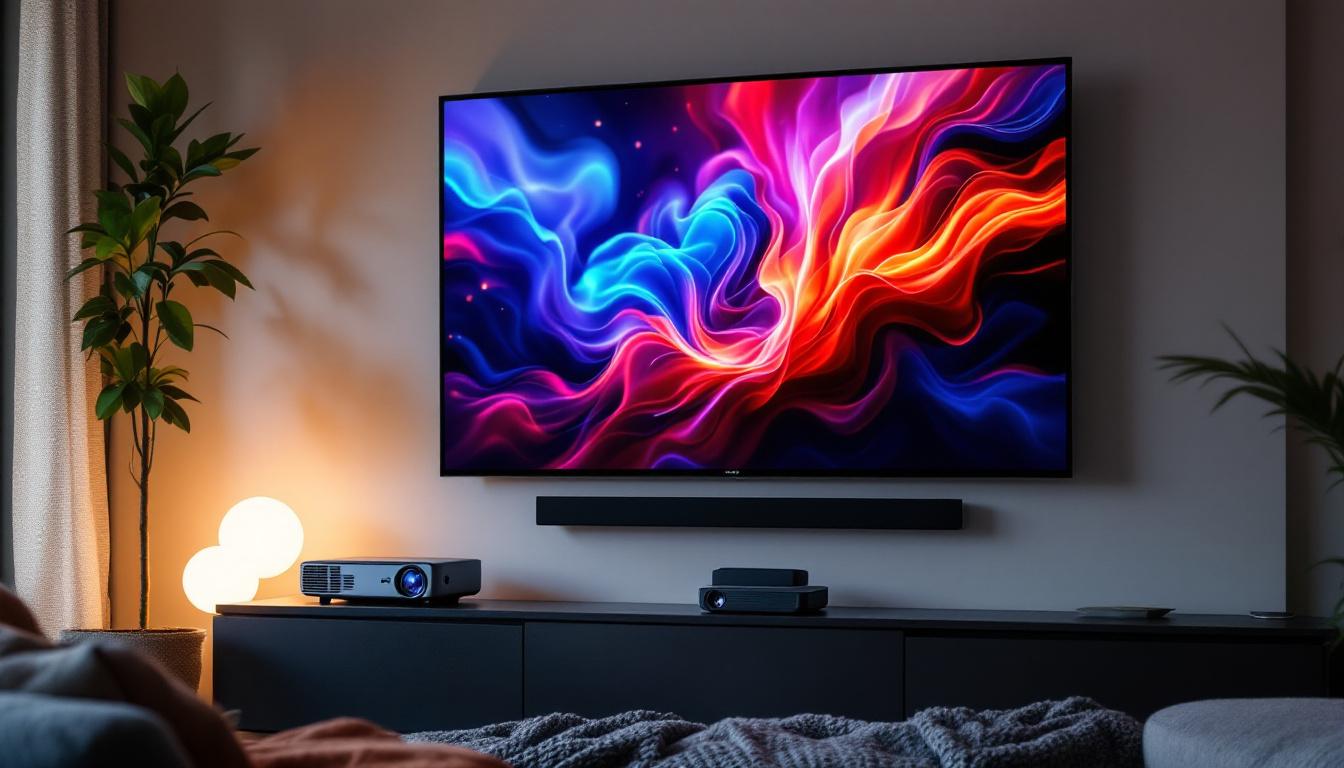
Creating the perfect media room is a blend of technology, design, and ambiance. Among the critical elements that influence the viewing experience, lighting stands out as a key factor. In particular, LED displays and their integration with media room lighting have transformed how enthusiasts and professionals approach home theaters, gaming rooms, and multimedia spaces.
This article delves into the nuances of media room lighting with a focus on LED display technology. It explores how LED lighting impacts image quality, viewer comfort, and overall atmosphere, while offering practical insights for optimizing your media room setup.
Understanding LED Display Technology
What Is an LED Display?
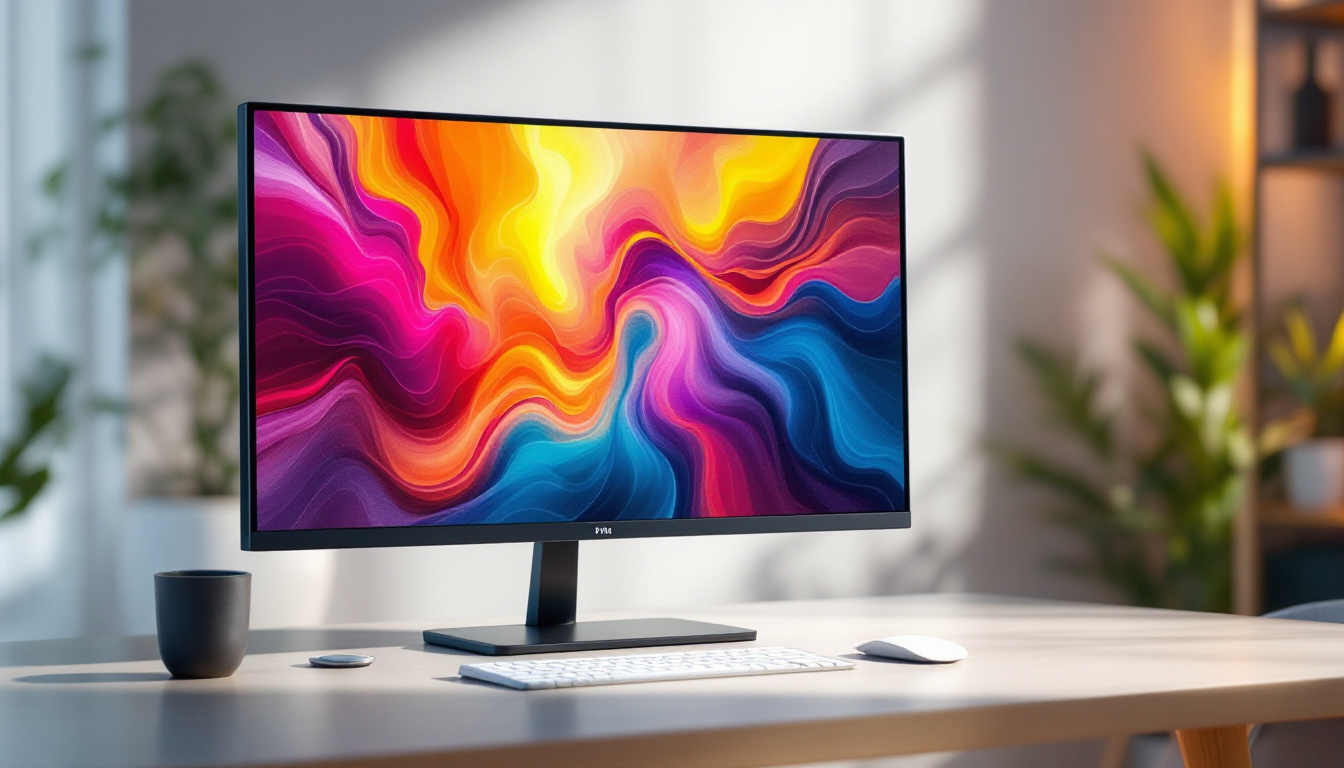
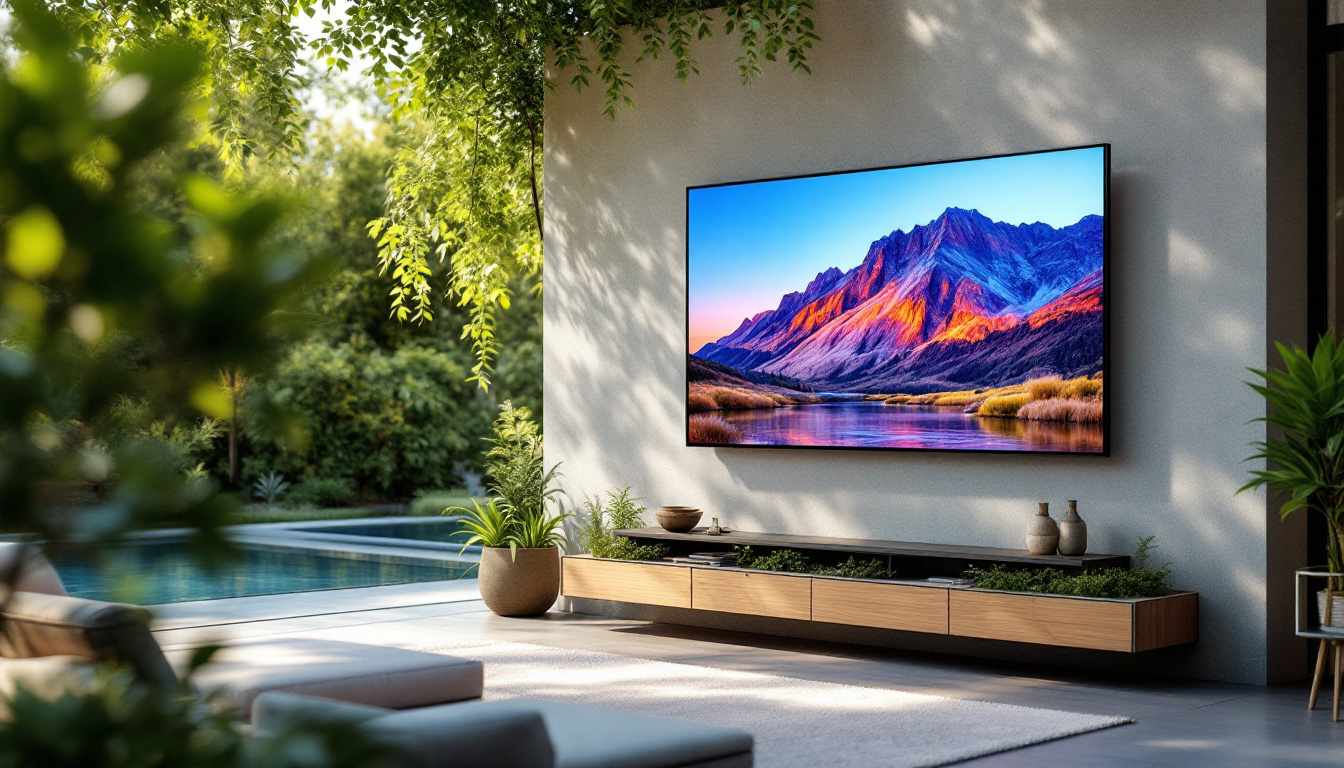
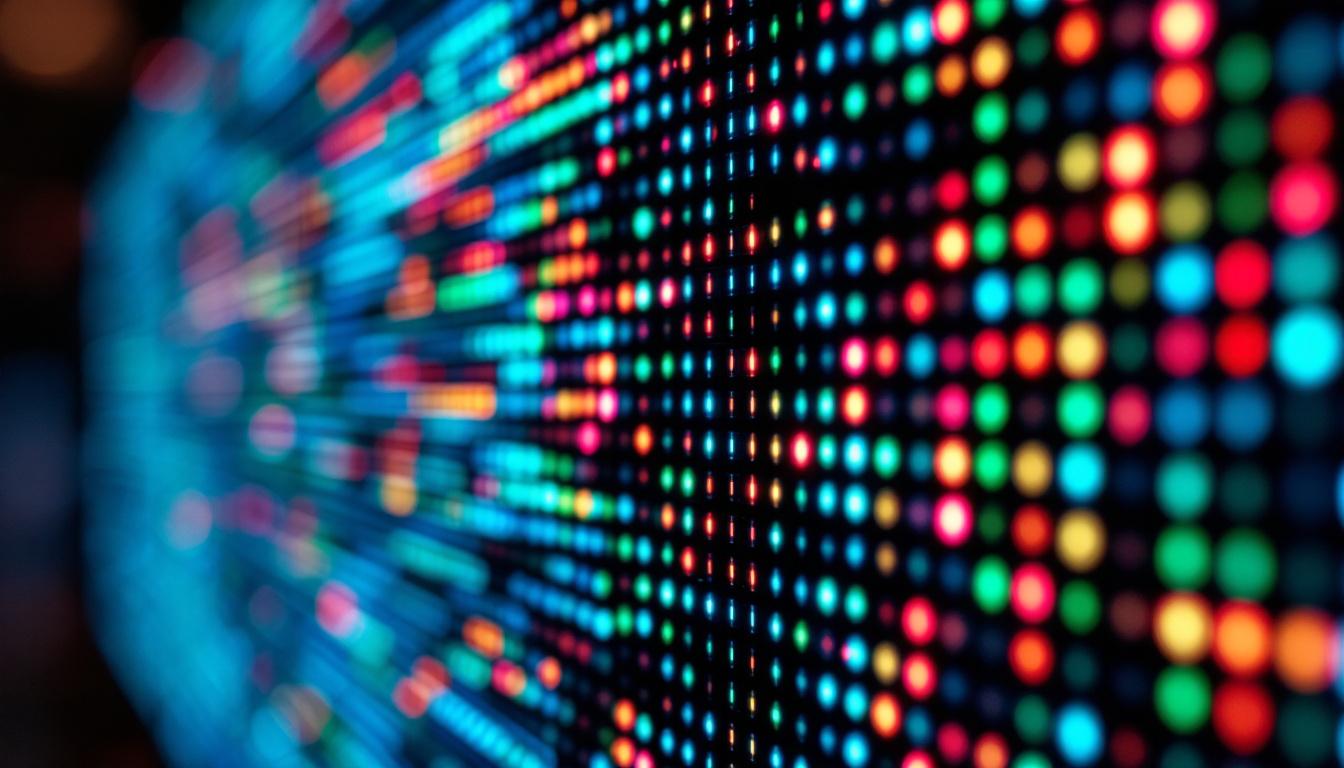
LED, or Light Emitting Diode, displays are a type of flat-panel display that use an array of tiny LEDs to produce images. Unlike traditional LCDs that rely on a backlight, LED displays use these diodes as the light source itself, which can be individually controlled to enhance contrast and color accuracy. This capability allows for a more dynamic range of colors and brightness levels, making LED displays particularly appealing for both professional and home entertainment settings.
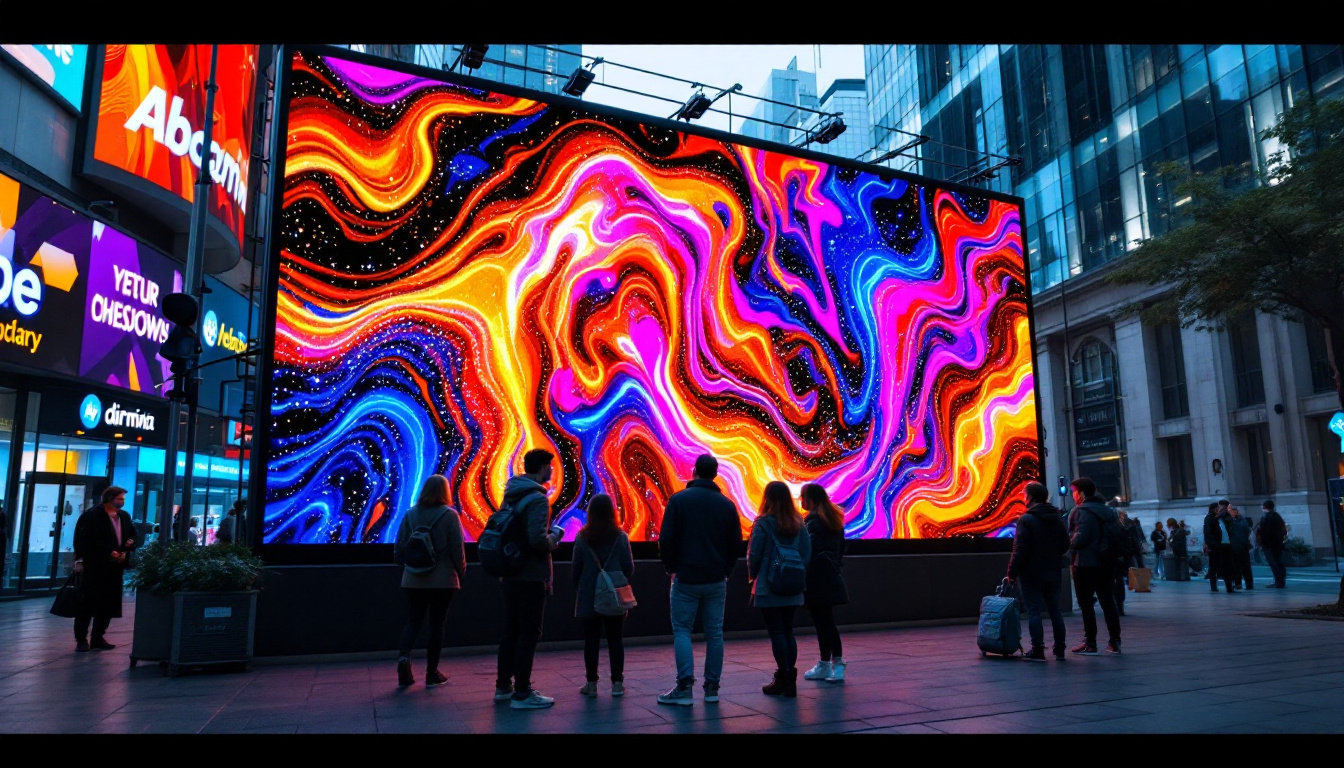
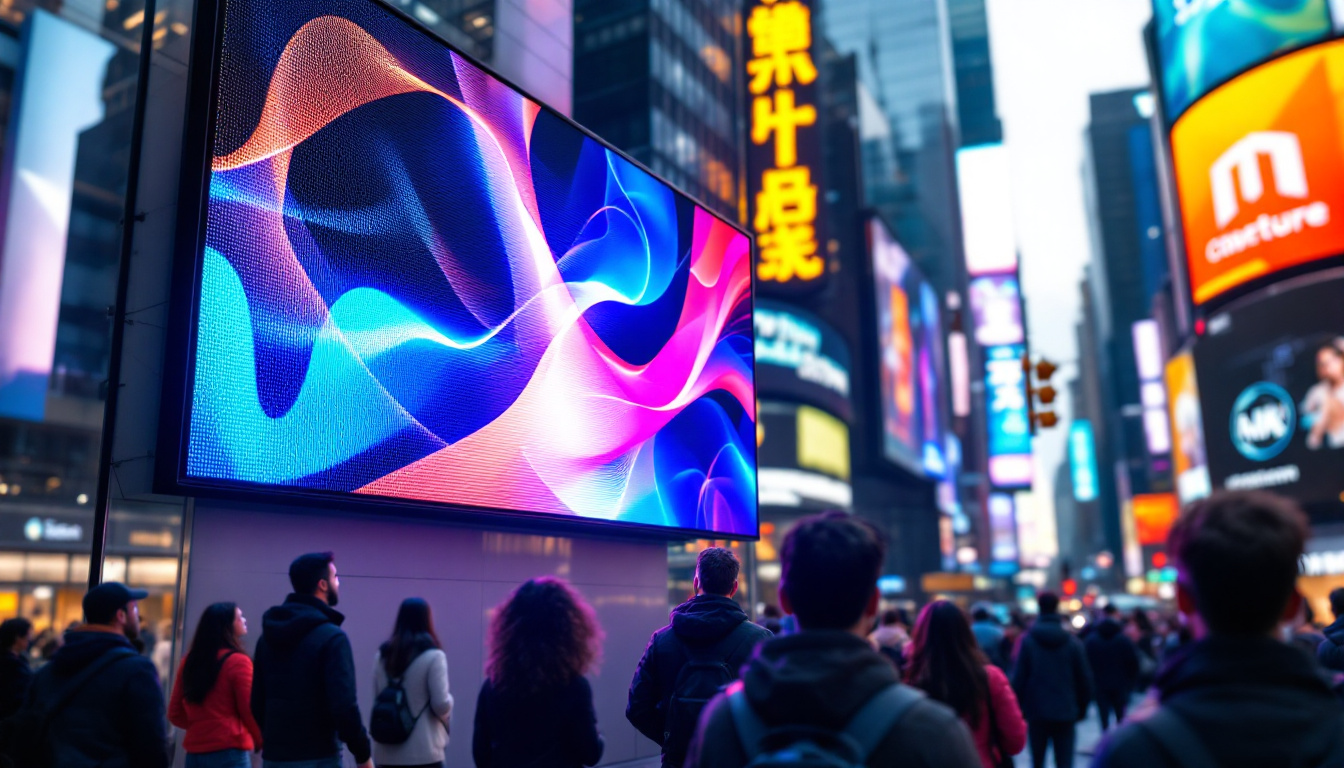
There are two primary types of LED displays used in media rooms: direct-view LED panels and LED-backlit LCDs. Direct-view LED panels, often seen in large-scale commercial screens, consist of thousands of tiny LEDs that emit light directly to form images. These panels are particularly praised for their ability to maintain image quality even in brightly lit environments, making them ideal for outdoor advertising or large venues. On the other hand, LED-backlit LCDs, more common in consumer TVs and monitors, use LEDs to illuminate an LCD panel from behind. This method allows for thinner designs and can still provide impressive color reproduction, though they may not achieve the same level of contrast as direct-view panels.
Key Advantages of LED Displays
LED displays have several advantages that make them ideal for media rooms:
- Superior Brightness and Contrast: LEDs can achieve higher brightness levels and deeper blacks by selectively turning off individual diodes, resulting in vivid images. This feature is particularly beneficial for watching movies in dark environments, where the contrast can significantly enhance the viewing experience.
- Energy Efficiency: LED technology consumes less power compared to older display types like plasma or CCFL-backlit LCDs. This not only reduces electricity bills but also contributes to a smaller carbon footprint, making LED displays a more environmentally friendly option.
- Longer Lifespan: LEDs typically last longer, reducing the need for frequent replacements or maintenance. Many LED displays can last over 50,000 hours, which means they can serve you well for years without significant degradation in performance.
- Slim Design: LED displays are thinner and lighter, allowing for sleek media room aesthetics. This slim profile makes it easier to mount on walls or fit into tight spaces, giving homeowners more flexibility in their design choices.
Additionally, LED displays are known for their rapid response times, which is crucial for gaming and fast-paced video content. The quick refresh rates minimize motion blur, allowing for a smoother viewing experience. This makes them particularly attractive to gamers and sports enthusiasts who demand the best performance from their displays. Furthermore, advancements in technology have led to the development of features such as HDR (High Dynamic Range) support, which enhances the color depth and brightness range, providing a more lifelike viewing experience. As the technology continues to evolve, we can expect even more innovations that will further improve the capabilities of LED displays in the future.
The Role of Lighting in Media Rooms
Why Lighting Matters for Viewing Experience
Lighting in a media room isn’t just about visibility; it profoundly affects how viewers perceive images on the screen. Poor lighting can cause glare, reflections, and eye strain, detracting from the immersive experience.
Studies show that ambient lighting that complements the display reduces eye fatigue and enhances color perception. For example, a 2022 study published in the Journal of Vision Research found that moderate ambient lighting improves contrast sensitivity and visual comfort during extended screen viewing sessions.
Balancing Ambient and Task Lighting
Effective media room lighting strikes a balance between ambient lighting — the general illumination of the room — and task lighting, which focuses on specific areas like seating or control panels.
Too much ambient light can wash out the screen, especially in darker scenes, while too little can cause discomfort and make navigation difficult. Adjustable lighting systems that allow dimming or color temperature changes provide flexibility to tailor the environment to different media types and times of day.
Integrating LED Displays with Media Room Lighting
Controlling Reflections and Glare
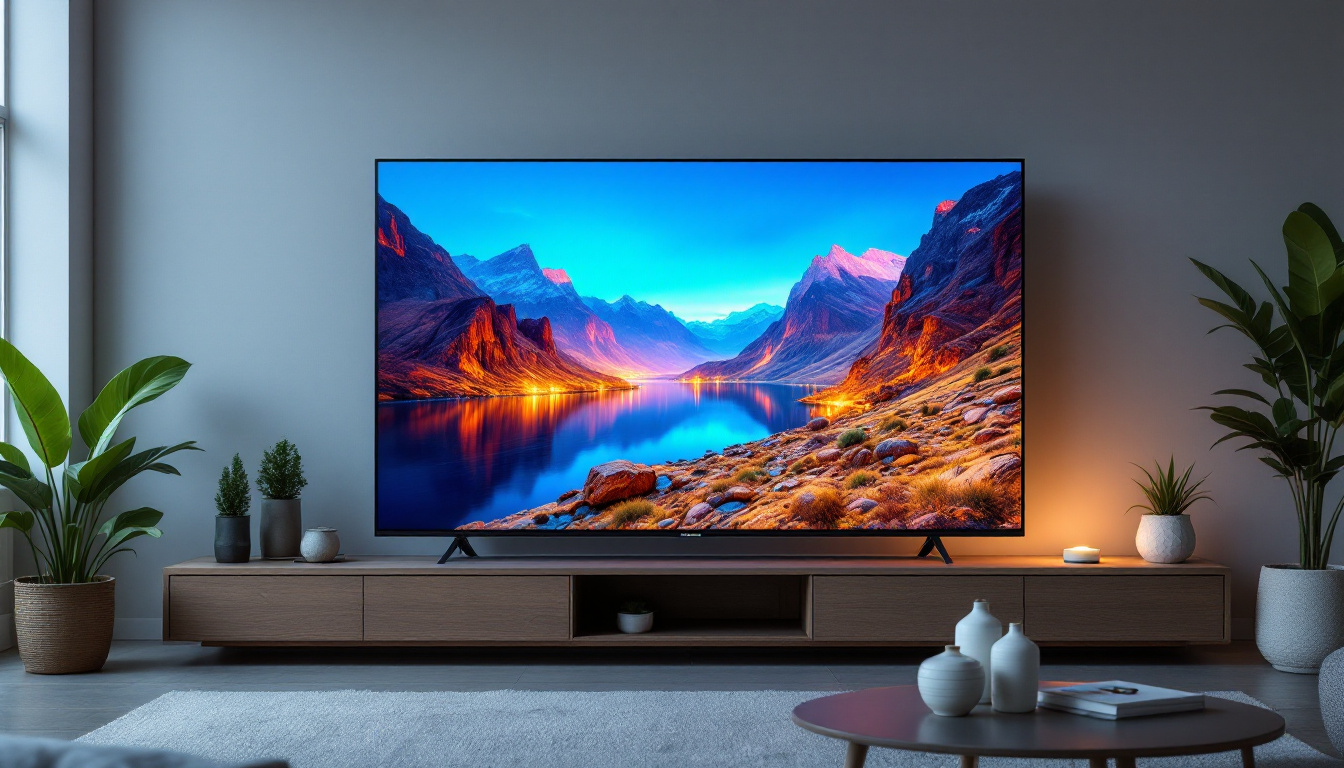
LED displays, particularly those with glossy screens, are prone to reflections from room lighting. Positioning light sources strategically and using diffused or indirect lighting can minimize glare.
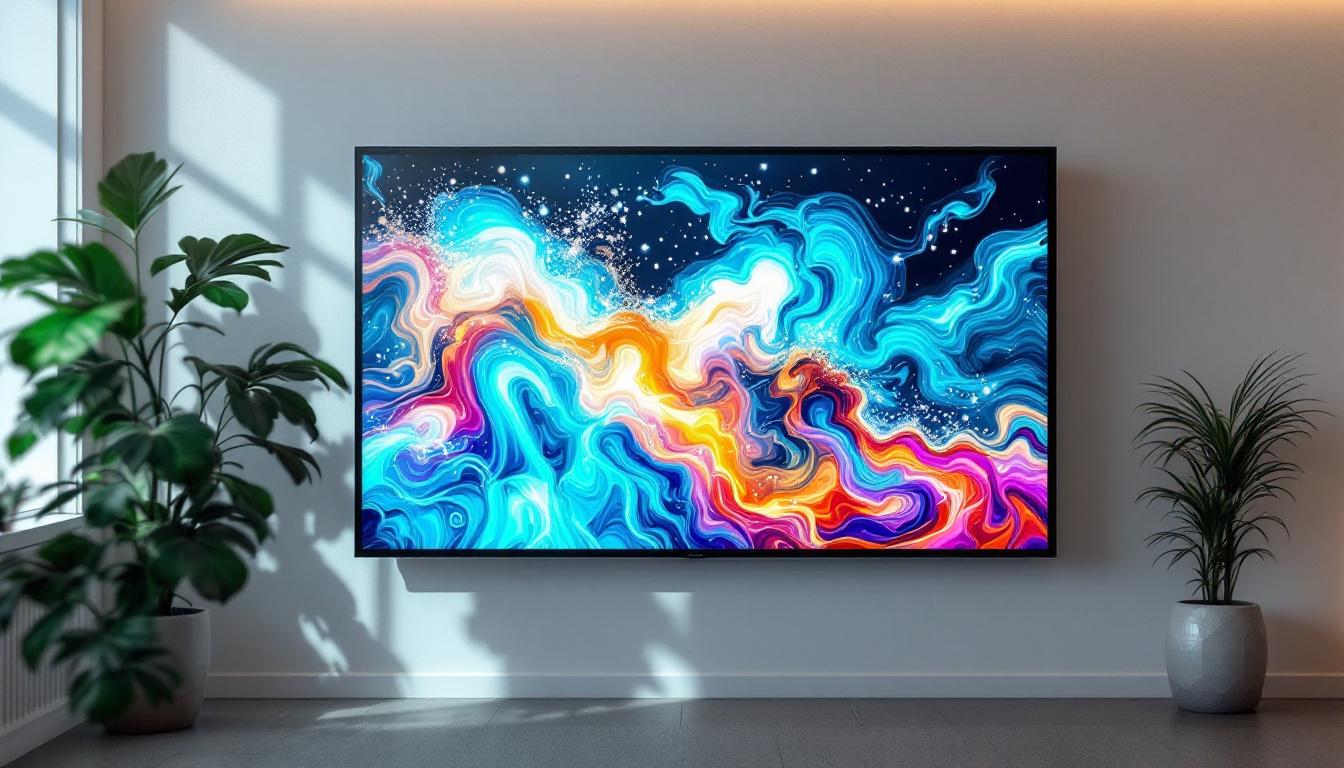
For example, wall-mounted LED panels benefit from lighting fixtures placed behind or above the viewer to reduce direct light hitting the screen. Additionally, using matte finishes on walls and ceiling can absorb stray light, improving image clarity.
Bias Lighting: Enhancing Contrast and Reducing Eye Strain
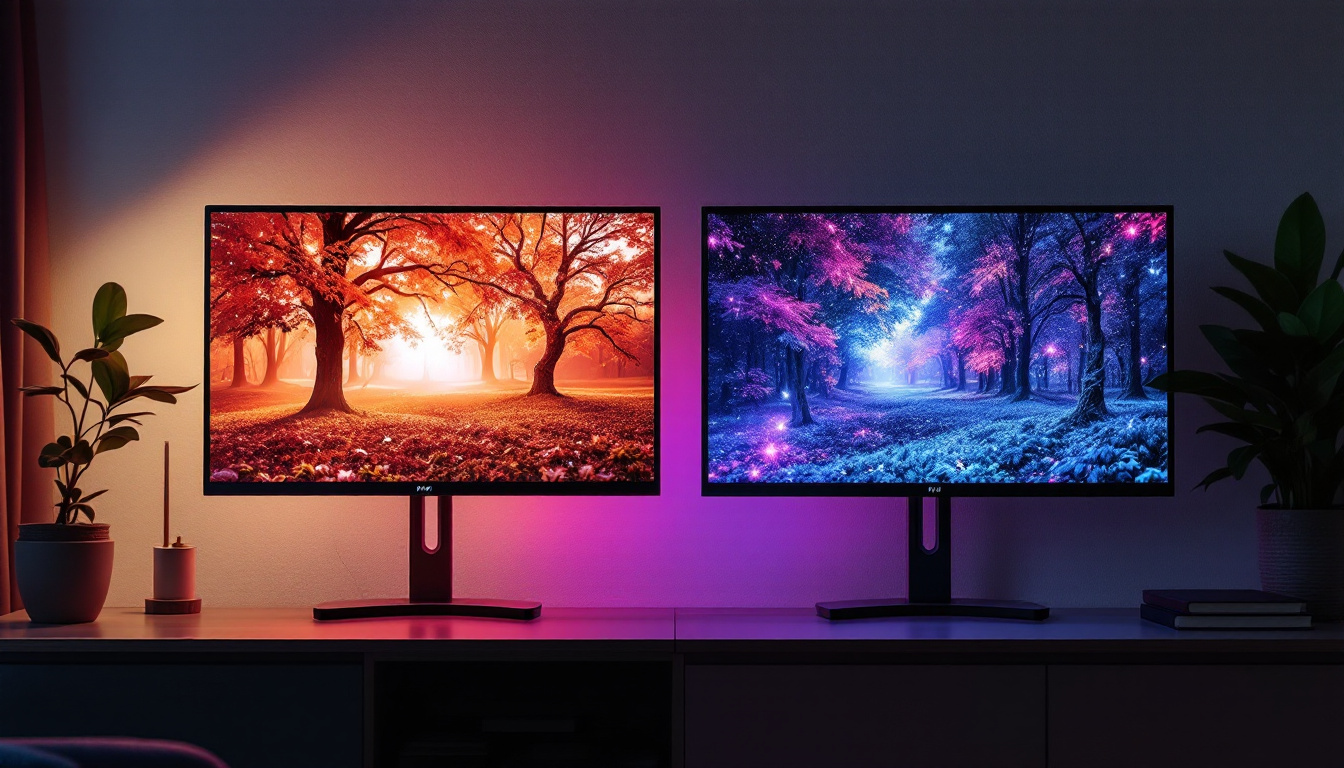
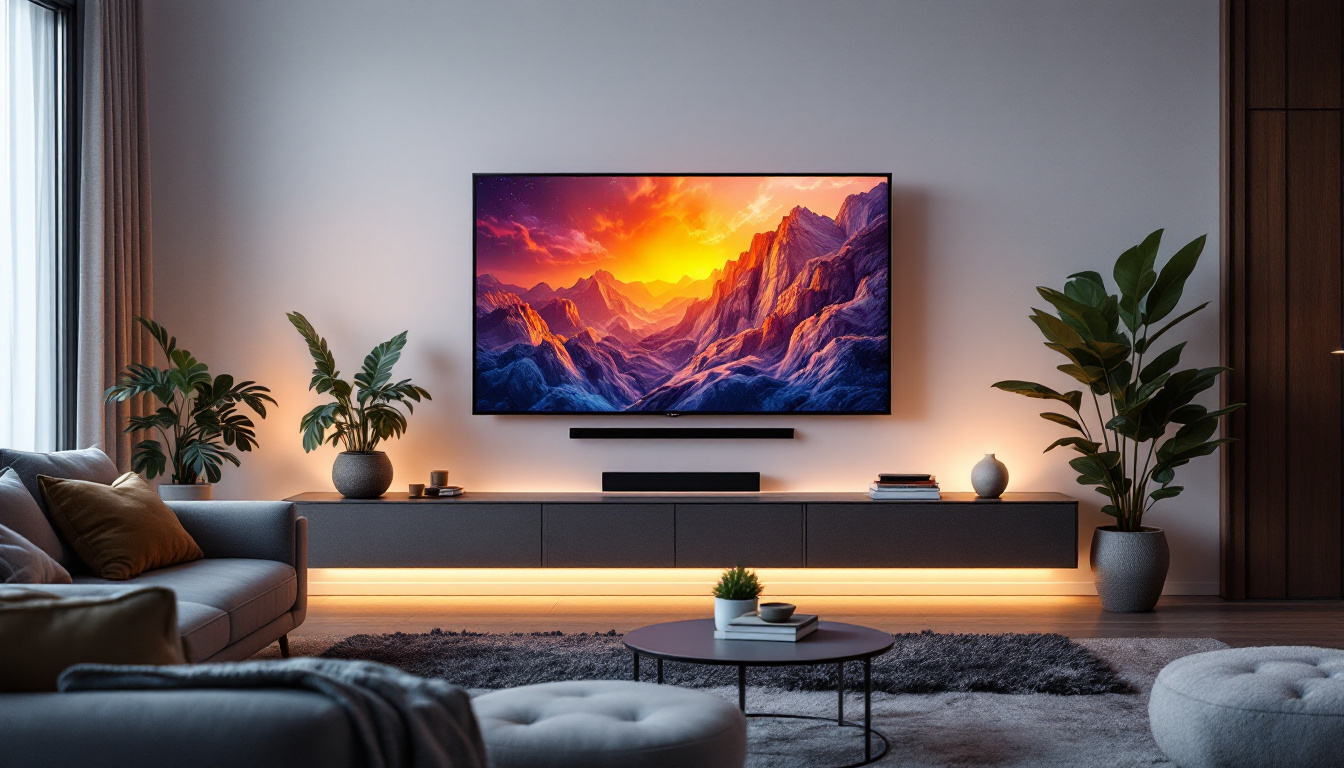
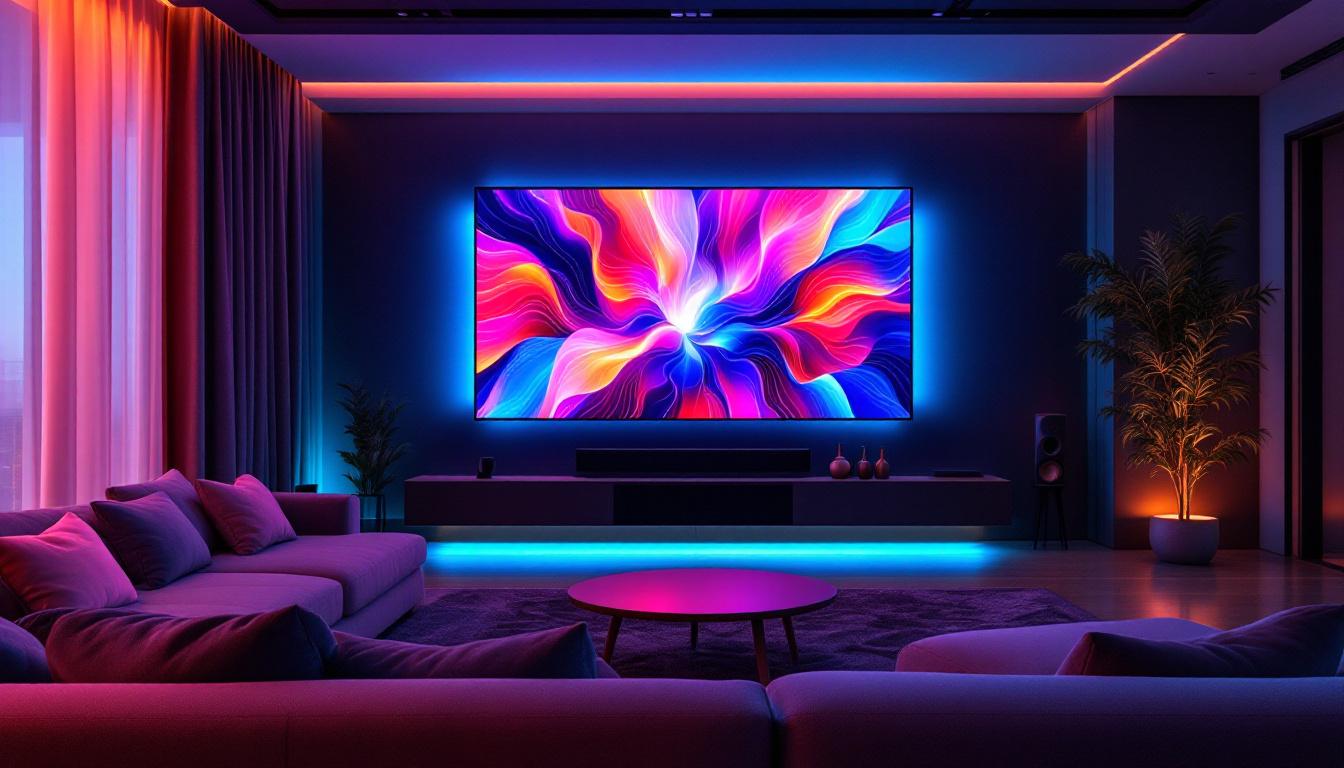
Bias lighting is a technique where a soft, neutral-colored light is placed behind or around the display. This subtle backlighting increases the perceived contrast of the screen and reduces eye strain by preventing the eyes from constantly adjusting between a bright screen and a dark room.
LED bias lighting kits are popular among home theater enthusiasts. These kits often feature adjustable color temperatures to match the display’s white point, typically around 6500K, which is the standard for video content.
Dynamic Lighting Systems and LED Displays
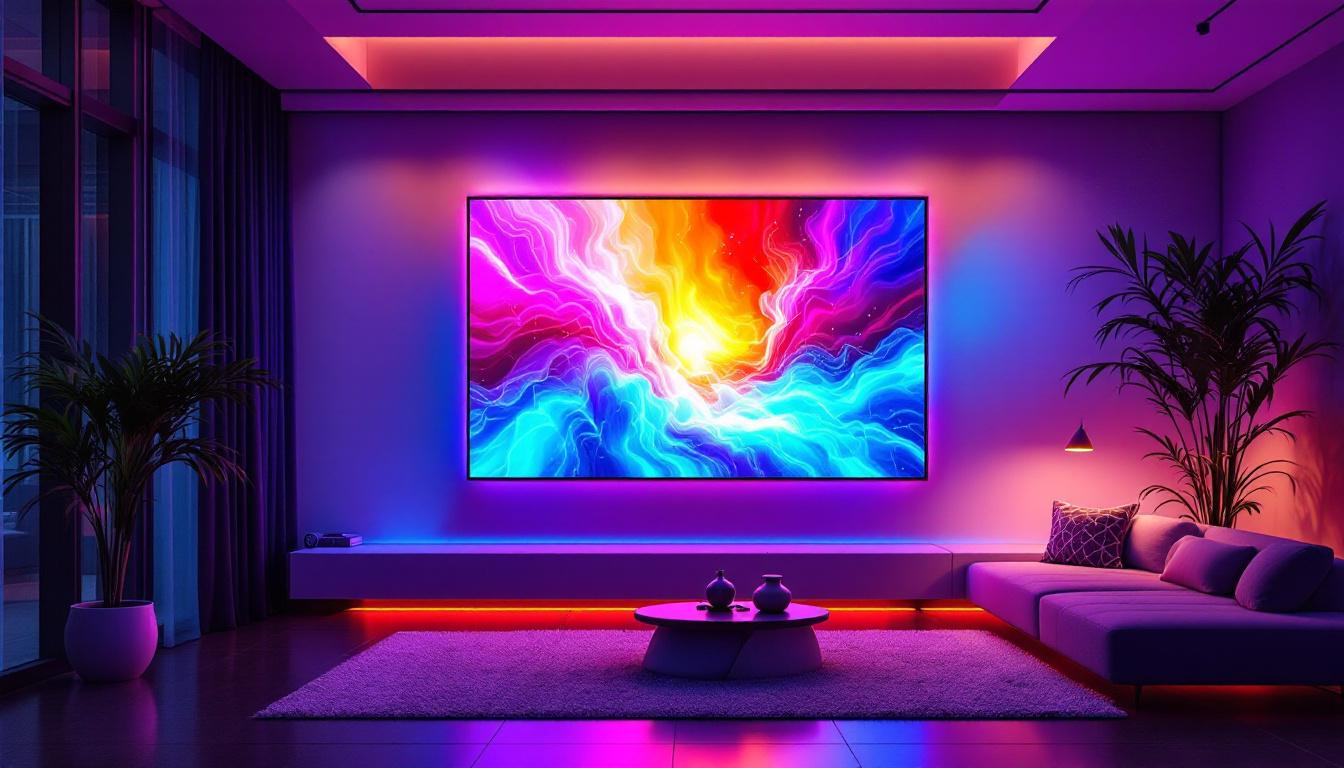
Advanced media rooms integrate dynamic lighting systems that synchronize with the LED display content. Philips Hue Sync and similar technologies use LED light strips or bulbs to change colors and intensity in real-time, matching the on-screen action.
This immersive lighting enhances the viewing experience by extending the visual effects beyond the screen, creating a more engaging atmosphere for movies, games, and music videos. However, it requires careful calibration to avoid overwhelming the senses or causing distractions.
Choosing the Right LED Display for Your Media Room
Screen Size and Resolution Considerations
Selecting the appropriate screen size and resolution is critical for maximizing the benefits of LED technology. The ideal screen size depends on the room dimensions and seating distance. For instance, the Society of Motion Picture and Television Engineers (SMPTE) recommends a viewing distance of approximately 1.5 to 2.5 times the screen diagonal for optimal immersion.
Higher resolutions such as 4K or 8K LED displays provide sharper images, especially on larger screens, but require compatible content and powerful media players to fully utilize their capabilities.
HDR and Color Accuracy
High Dynamic Range (HDR) is a feature that significantly enhances the visual experience by expanding the range of brightness and color. Many modern LED displays support HDR10, Dolby Vision, or HDR10+ standards, offering richer colors and more detail in shadows and highlights.
For media rooms focused on film or gaming, investing in an LED display with excellent color accuracy and HDR support ensures that content is presented as intended by creators.
Refresh Rate and Response Time
For gaming media rooms, refresh rate and response time are important. LED displays with refresh rates of 120Hz or higher and low response times reduce motion blur and input lag, providing smoother gameplay and faster reactions.
Practical Tips for Optimizing Media Room Lighting with LED Displays
Use Adjustable Lighting Controls
Incorporate dimmers and smart lighting controls to adjust brightness and color temperature based on content and time of day. This flexibility helps maintain eye comfort and preserves image quality.
Choose Warm or Neutral Wall Colors
Walls painted in warm or neutral tones help reduce light reflection and create a cozy atmosphere. Avoid bright white or glossy surfaces that can cause distracting reflections on the LED display.
Install Light-Blocking Window Treatments
Controlling natural light is essential. Blackout curtains or shades prevent daylight from interfering with screen visibility, especially for daytime viewing.
Position Seating and Lighting Thoughtfully
Arrange seating to avoid direct light sources behind the viewer or reflecting off the screen. Ceiling-mounted or wall sconces with indirect lighting are preferable to overhead lights that shine directly onto the display.
Future Trends in Media Room LED Lighting
MicroLED and MiniLED Technologies
Emerging LED technologies like MicroLED and MiniLED promise even greater improvements in brightness, contrast, and energy efficiency. MicroLED displays use microscopic LEDs to create pixels, offering near-perfect black levels and color accuracy without the burn-in risks of OLEDs.
MiniLED backlighting enhances LCD panels by using thousands of tiny LEDs, enabling more precise local dimming zones and better HDR performance. These advancements will make media rooms more immersive and visually stunning.
AI-Driven Lighting Adaptation
Artificial intelligence is beginning to influence media room lighting by automatically adjusting lighting conditions based on content, time, and viewer preferences. AI-powered systems can learn optimal settings to enhance comfort and immersion without manual intervention.
Integration with Smart Home Ecosystems
LED lighting and displays are increasingly integrated into smart home ecosystems, allowing seamless control via voice assistants and mobile apps. This integration simplifies the management of complex lighting scenes and enhances the overall user experience.
Conclusion
Media room lighting and LED display technology are inseparable components in crafting an exceptional viewing environment. Understanding how LED displays function, their advantages, and how lighting affects perception can help create a media room that is both visually impressive and comfortable.
By carefully selecting LED display types, optimizing lighting placement, and embracing emerging technologies, media room enthusiasts can elevate their entertainment experience to new heights. Whether for movies, gaming, or music, the right combination of LED display and lighting transforms a simple room into an immersive multimedia haven.
Illuminate Your Media Room with LumenMatrix
Ready to transform your media space into an immersive haven? LumenMatrix is at the forefront of LED display innovation, offering a wide range of solutions tailored to your needs. From the comfort of your home theater to the excitement of a sports arena, our Indoor and Outdoor LED Wall Displays, Vehicle LED Displays, and more, are designed to elevate your viewing experience. Embrace the future of visual communication with our cutting-edge LED display modules. Check out LumenMatrix LED Display Solutions today and see your media room in a whole new light.