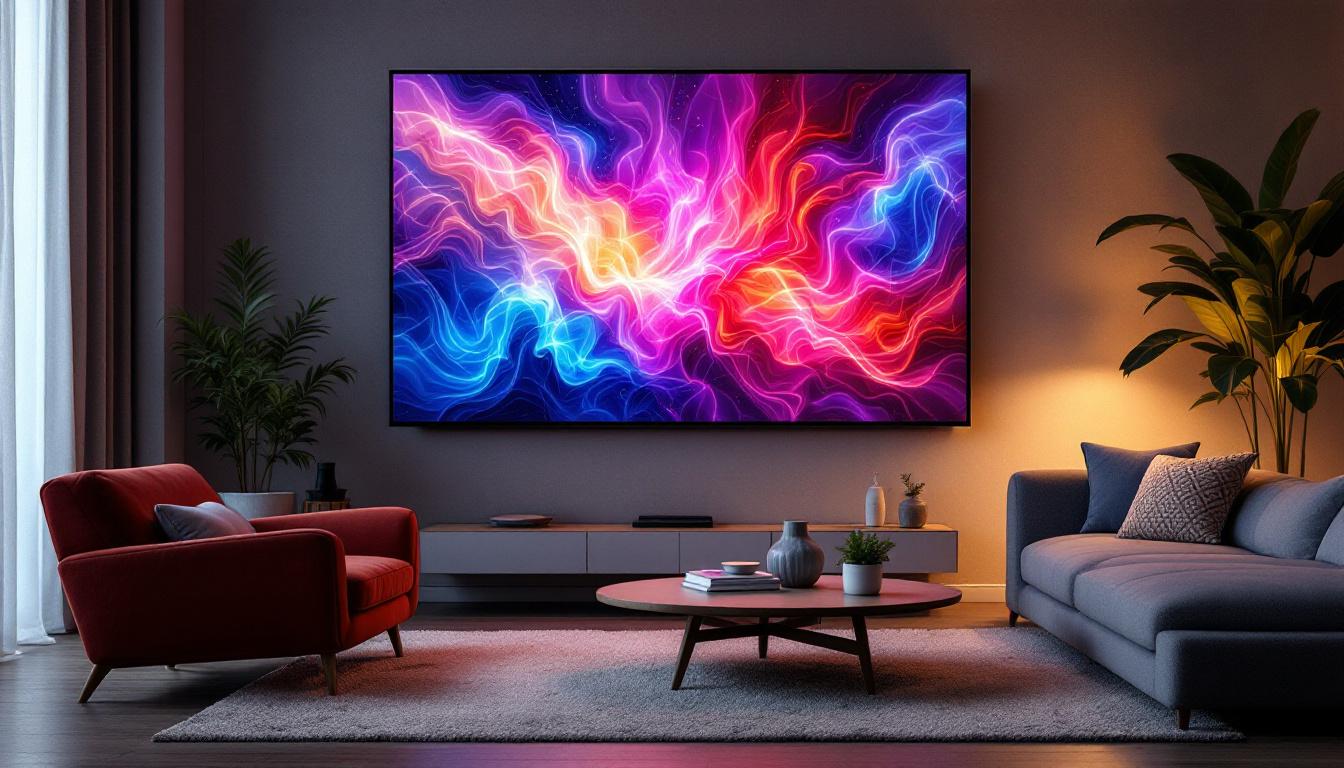
As consumers seek increasingly immersive and visually stunning home entertainment experiences, the technology behind television displays has evolved dramatically. Among the most popular and advanced options today is the LED display, a technology that has revolutionized how images are rendered on screens mounted on walls. This article delves into the intricacies of LED displays, explaining how they work, their advantages, and why they are an excellent choice for wall-mounted TVs.
Understanding LED Display Technology
LED, or Light Emitting Diode, technology is widely used in modern television displays due to its efficiency, brightness, and ability to produce vibrant colors. At its core, an LED display is a type of LCD (Liquid Crystal Display) screen that uses LEDs as a backlighting source instead of traditional fluorescent lamps.
Unlike older LCD TVs, which rely on cold cathode fluorescent lamps (CCFLs) to illuminate the screen, LED TVs use a series of tiny LEDs placed either behind the screen (direct or full-array backlighting) or along its edges (edge-lit). This shift in backlighting technology has significant implications for picture quality, energy consumption, and design flexibility.
How LED Displays Work
In an LED TV, the liquid crystals themselves do not emit light. Instead, they act as shutters that control the amount of light passing through color filters to create the image. The LEDs provide the necessary illumination, and by adjusting the intensity of each LED or group of LEDs, the TV can produce deep blacks and bright whites, enhancing contrast and detail.
Full-array LED TVs have a grid of LEDs behind the entire screen, allowing for local dimming — the ability to dim specific zones of the screen independently. This creates better contrast ratios and reduces light bleed. Edge-lit LED TVs, while thinner and often more affordable, typically have fewer dimming zones, which can impact contrast performance.
Advantages of LED TVs for Wall Mounting
When selecting a TV for wall mounting, several factors come into play: screen size, thickness, weight, and picture quality. LED TVs excel in many of these areas, making them a preferred choice for wall installations.
Slim Design and Light Weight
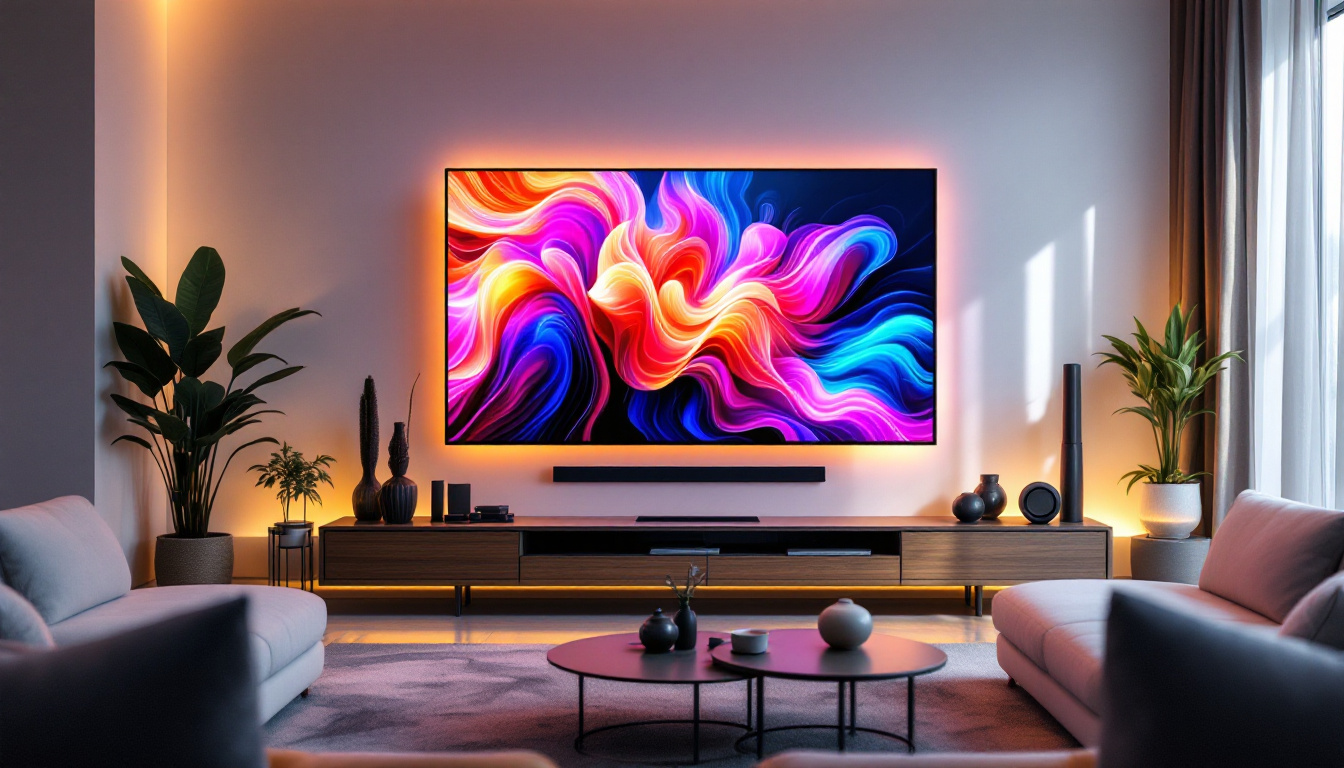
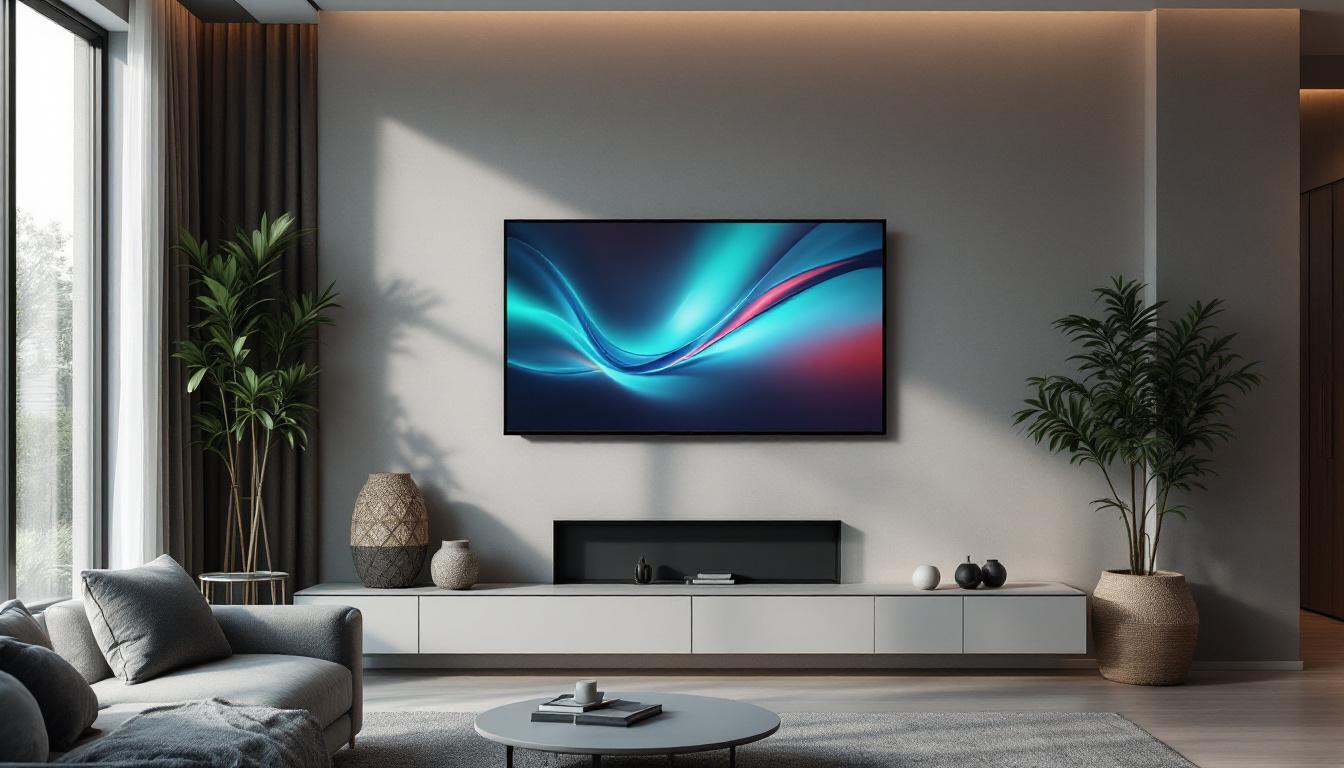
One of the most noticeable benefits of LED TVs is their slim profile. Thanks to the compact LED backlighting, these TVs can be incredibly thin, often less than an inch thick. This sleek design allows the TV to sit flush against the wall, creating a clean and modern aesthetic that blends seamlessly with home décor.
Additionally, LED TVs tend to be lighter than their older counterparts, such as plasma or CCFL-backlit LCDs. This reduced weight simplifies installation and reduces the strain on wall mounts, increasing safety and stability.
Superior Picture Quality and Brightness
LED TVs can deliver high brightness levels, which is particularly beneficial in well-lit rooms or spaces with large windows. Brightness levels on modern LED TVs often exceed 600 nits, with some premium models reaching over 1,000 nits, ensuring vivid and clear images even in challenging lighting conditions.
Moreover, LED technology supports a wide color gamut and high dynamic range (HDR), which enhances the richness and depth of colors. This means that when mounted on a wall, an LED TV can provide a cinematic viewing experience, with sharp details and lifelike visuals that captivate viewers.
Energy Efficiency
Energy consumption is an important consideration, especially for users who watch TV for extended periods. LED TVs are more energy-efficient compared to plasma and CCFL-backlit LCD TVs. The use of LEDs as a backlight reduces power usage significantly, which can translate to lower electricity bills and a smaller environmental footprint.
Types of LED Displays: Edge-Lit vs. Full-Array
Understanding the differences between edge-lit and full-array LED displays is crucial when choosing a TV for wall mounting, as each type offers distinct advantages and trade-offs.
Edge-Lit LED Displays
Edge-lit LED TVs position LEDs along the edges of the screen, using light guides to distribute illumination across the display. This design allows manufacturers to produce ultra-thin TVs at a lower cost.
However, because the LEDs are only on the edges, controlling local dimming is less precise. This can lead to issues like light bleed and reduced contrast, especially in scenes with both very dark and very bright areas.
Full-Array LED Displays
Full-array LED TVs feature a matrix of LEDs behind the entire screen. This configuration supports advanced local dimming, where specific zones can be dimmed or brightened independently.
This results in better contrast ratios, deeper blacks, and more accurate color reproduction. While full-array TVs tend to be thicker and more expensive than edge-lit models, their superior picture quality often justifies the investment for home theater enthusiasts.
Mini-LED and Micro-LED: The Next Evolution
Recent advancements have introduced Mini-LED and Micro-LED technologies, which push LED displays to new heights in terms of brightness, contrast, and color accuracy.
Mini-LED Technology
Mini-LED TVs use thousands of tiny LEDs as backlighting, much smaller than traditional LEDs. This allows for more precise local dimming zones, dramatically improving contrast and reducing halo effects around bright objects on dark backgrounds.
Mini-LED displays can achieve brightness levels exceeding 1,500 nits and offer excellent HDR performance. They strike a balance between the affordability of traditional LED TVs and the premium picture quality of OLEDs.
Micro-LED Technology
Micro-LED represents a significant leap forward, where each pixel is an individual microscopic LED that emits its own light. This eliminates the need for backlighting altogether, similar to OLED technology but with higher brightness and longer lifespan.
Micro-LED TVs offer perfect blacks, infinite contrast ratios, and exceptional color accuracy. While still emerging in the consumer market, Micro-LED displays are poised to redefine wall-mounted TVs in the near future, especially for large-scale installations.
Considerations When Choosing an LED TV for Wall Mounting
Choosing the right LED TV for wall mounting involves more than just understanding the display technology. Several practical factors should be considered to ensure the best viewing experience and installation outcome.
Screen Size and Viewing Distance
The size of the TV should correspond to the size of the room and the typical viewing distance. For example, a 55-inch LED TV is suitable for a viewing distance of about 7 to 9 feet, while larger rooms may benefit from 65-inch or 75-inch screens.
Mounting a TV too high or too low on the wall can cause neck strain and reduce picture quality. Ideally, the center of the screen should be at eye level when seated.
Wall Mount Compatibility and Installation
Ensure the TV supports standard VESA mounting patterns, which dictate the distance between mounting holes on the back of the TV. This compatibility simplifies the selection of a suitable wall mount bracket.
Consider the wall material and structural integrity before installation. Drywall alone may require additional reinforcement or specialized anchors to safely support the TV’s weight.
Connectivity and Cable Management
When a TV is mounted on a wall, managing cables becomes crucial for aesthetics and safety. Look for TVs with HDMI 2.1 ports to support the latest video and audio standards, especially if using gaming consoles or 4K/8K streaming devices.
Many modern wall mounts include channels or covers to conceal cables. Alternatively, in-wall cable management kits can be used to hide wires entirely, preserving a clean look.
LED TVs vs. Other Display Technologies for Wall Mounting
While LED TVs are highly popular, it’s worth comparing them to other display technologies to understand their relative strengths and weaknesses.
OLED TVs
OLED (Organic Light Emitting Diode) TVs offer perfect blacks and infinite contrast because each pixel emits its own light and can be turned off individually. They are ultra-thin and provide excellent viewing angles.
However, OLEDs are generally more expensive and can be susceptible to burn-in, where static images cause permanent discoloration. For wall-mounted TVs in brightly lit rooms, LED TVs with higher brightness levels may perform better.
QLED TVs
QLED (Quantum Dot LED) TVs are essentially LED TVs enhanced with quantum dot technology to improve color accuracy and brightness. They are often full-array LED TVs with local dimming and are a strong contender for wall-mounted setups.
QLEDs combine the benefits of LED technology with enhanced color performance, making them ideal for users seeking vibrant visuals without the premium price of OLEDs.
Plasma TVs
Although plasma TVs were once favored for their excellent color and contrast, they have largely been phased out due to high power consumption, heat generation, and bulkier designs. They are rarely recommended for modern wall-mounted installations.
Maintaining Your Wall-Mounted LED TV
Proper care ensures that an LED TV maintains its picture quality and longevity over time, especially when mounted on a wall.
Cleaning the Screen
Use a microfiber cloth to gently wipe the screen, avoiding harsh chemicals or abrasive materials that can damage the display. For stubborn smudges, slightly dampen the cloth with distilled water or a screen cleaner specifically designed for LED TVs.
Ventilation and Heat Management
Ensure there is adequate space around the TV for ventilation. LED TVs generate less heat than plasma but still require airflow to prevent overheating, which can degrade components and reduce lifespan.
Software Updates
Many modern LED TVs are smart TVs that receive firmware updates to improve performance and add features. Regularly check for updates through the TV’s settings menu to keep your device running smoothly.
Conclusion
LED display technology has firmly established itself as a leading choice for wall-mounted televisions, offering a compelling combination of slim design, vibrant picture quality, energy efficiency, and affordability. Whether opting for an edge-lit or full-array LED TV, or exploring cutting-edge Mini-LED and Micro-LED options, consumers can find a solution tailored to their viewing preferences and room setup.
By understanding the nuances of LED technology and considering practical factors such as screen size, mounting compatibility, and connectivity, homeowners can create a stunning wall-mounted entertainment centerpiece that enhances their living space for years to come.
Discover LumenMatrix’s Advanced LED Solutions
Ready to elevate your home entertainment with the latest in LED technology? LumenMatrix offers a diverse range of LED display solutions that cater to every need, from immersive indoor and outdoor wall displays to dynamic vehicle and sports displays. Experience the future of visual communication with our innovative LED Poster, Floor, and Custom displays, as well as our All-in-One and Transparent LED options. Embrace the LumenMatrix vision and transform your space with displays that deliver unparalleled clarity and impact. Check out LumenMatrix LED Display Solutions today and see the difference for yourself.