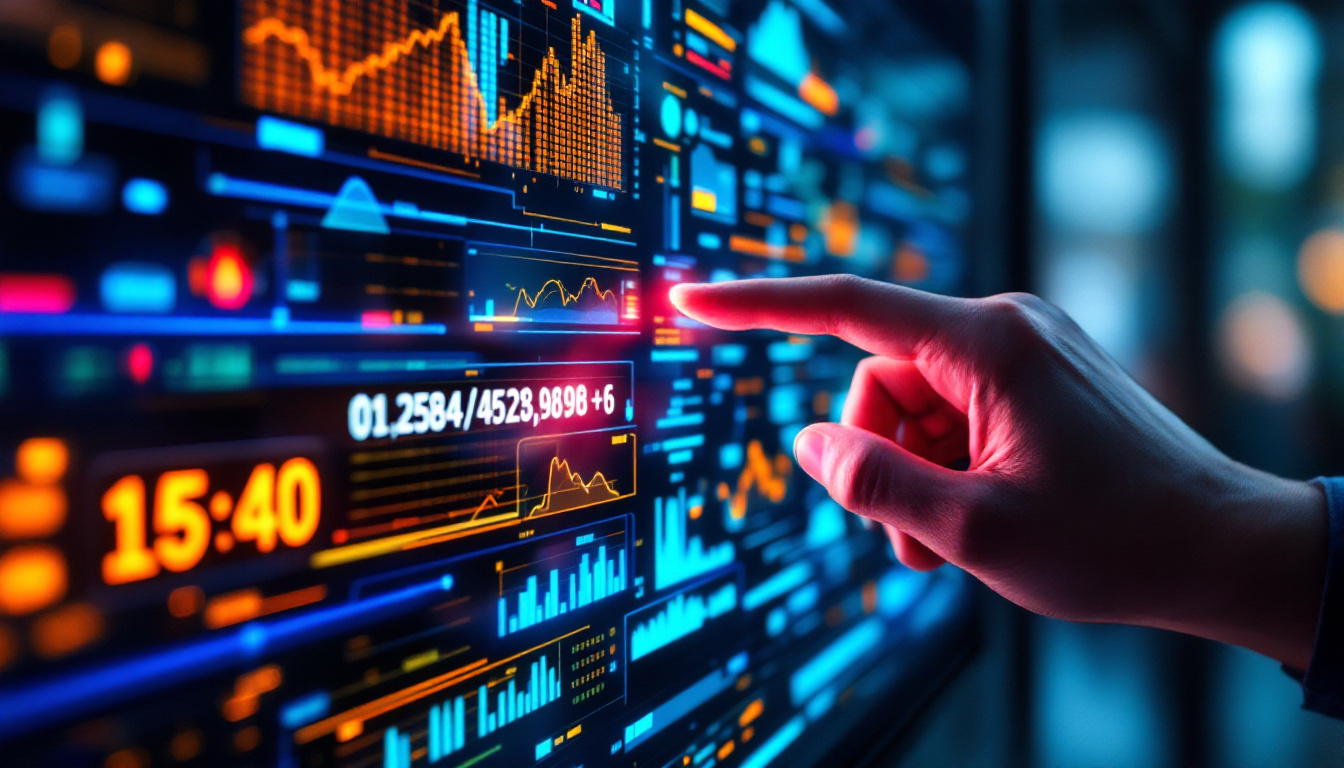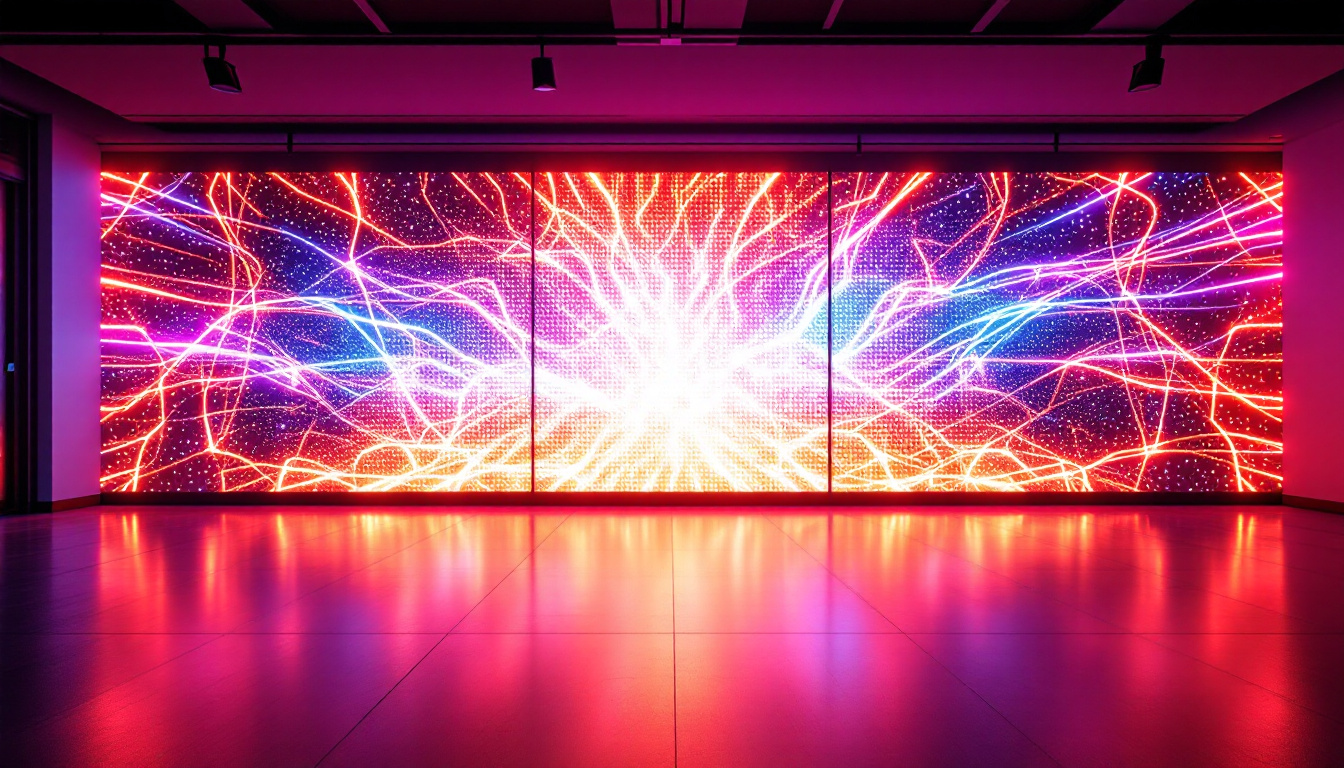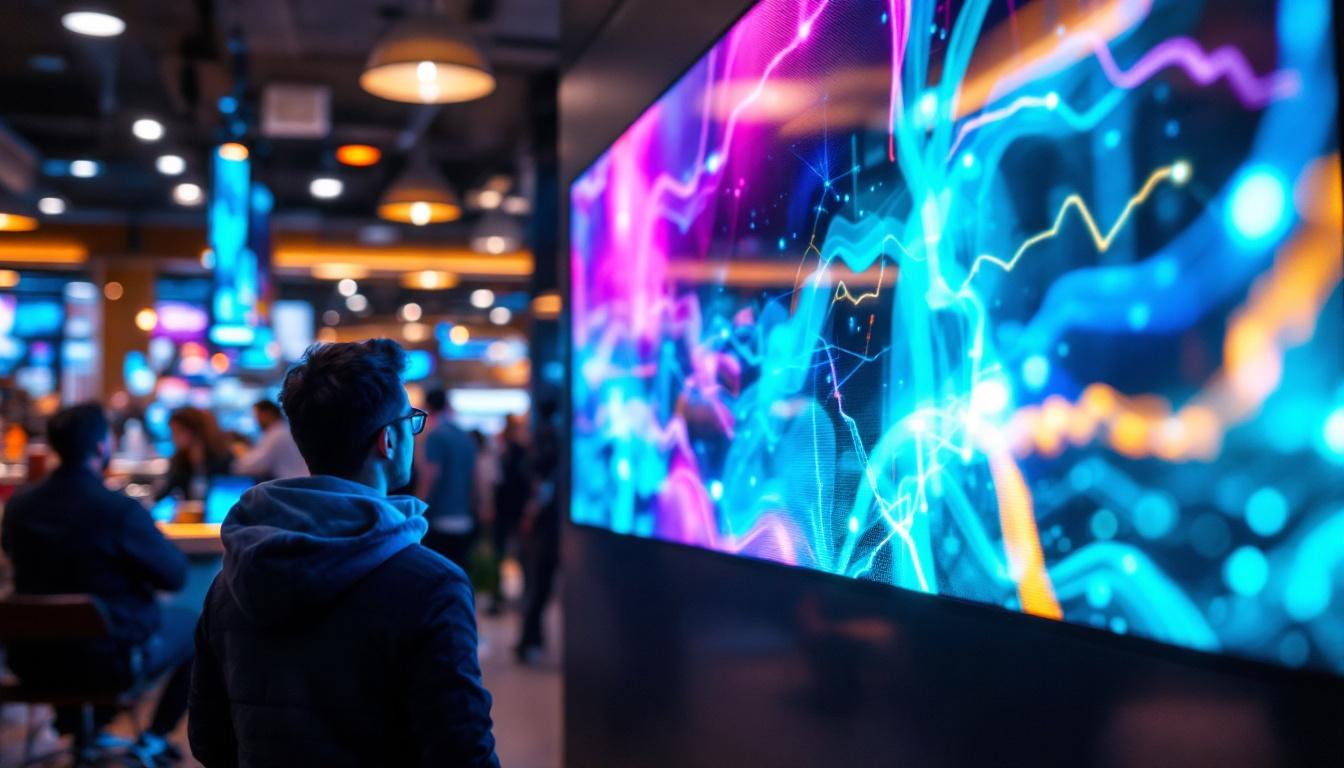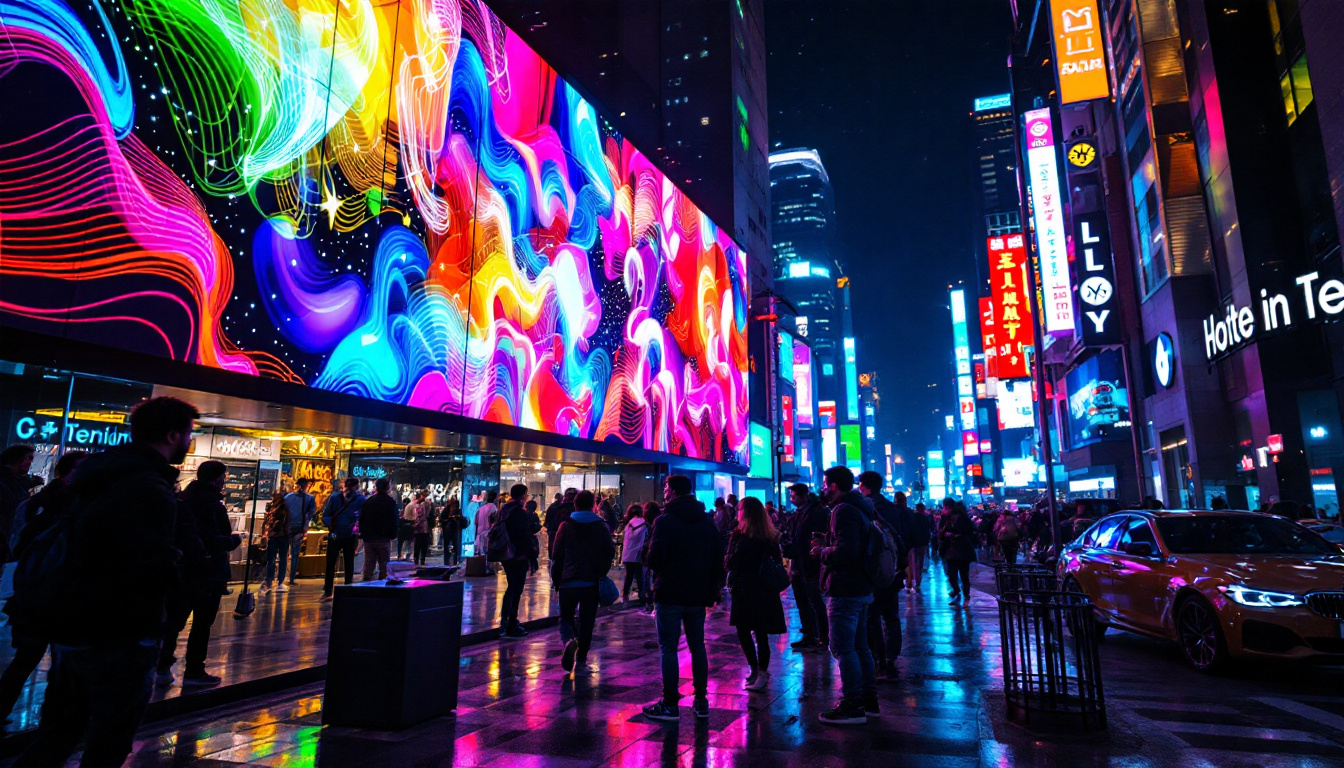
In the rapidly evolving world of digital media and visual communication, LED displays have become a cornerstone technology. From vibrant billboards in bustling city centers to immersive art installations in galleries, LED displays offer a dynamic platform for creativity and information sharing. This article delves into the fundamentals of LED displays, exploring their technology, applications in art, and the future trends shaping this luminous medium.
Understanding LED Display Technology
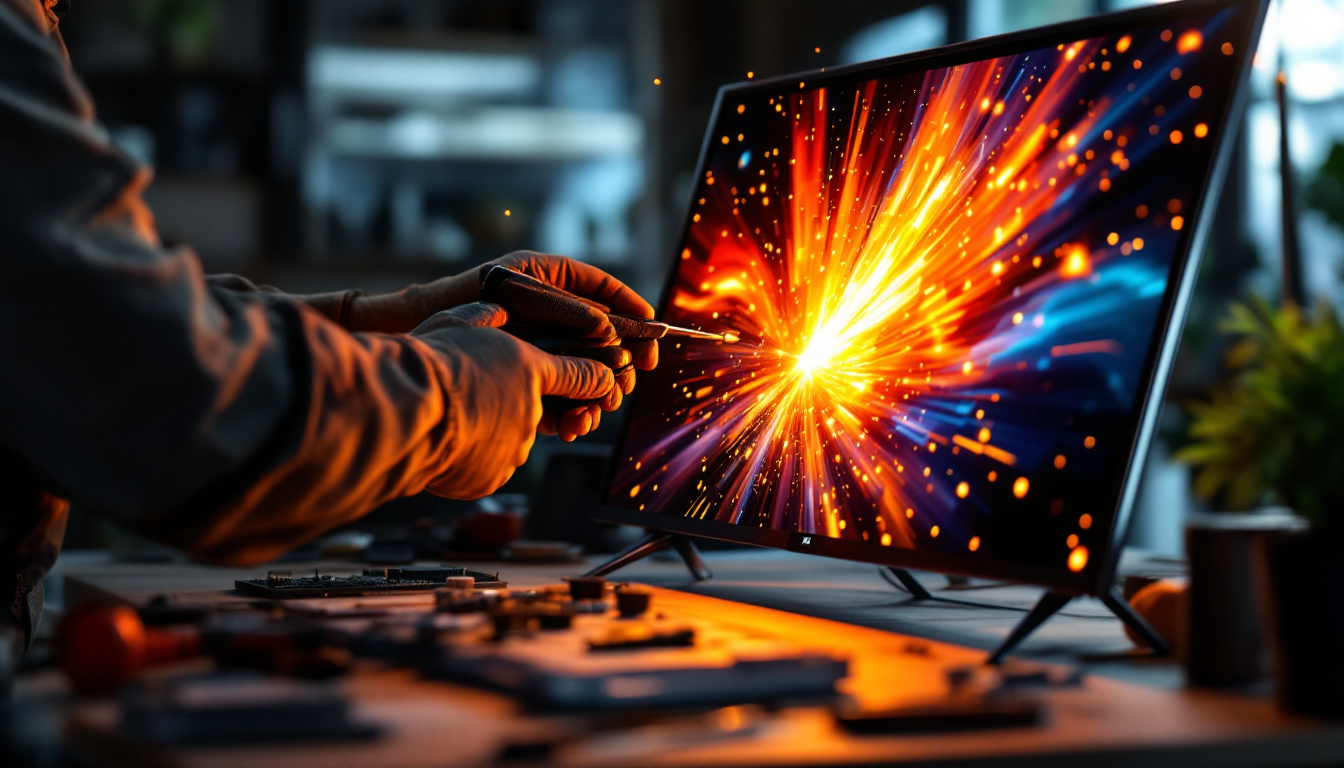
At its core, an LED display is a flat panel that uses light-emitting diodes (LEDs) as pixels to create images and videos. Unlike traditional display technologies such as LCD or plasma, LEDs emit their own light, which results in brighter images, higher contrast ratios, and better energy efficiency. This self-illuminating property allows for thinner and lighter designs, making LED displays increasingly popular in modern applications ranging from televisions to large-scale advertising billboards.
How LEDs Work
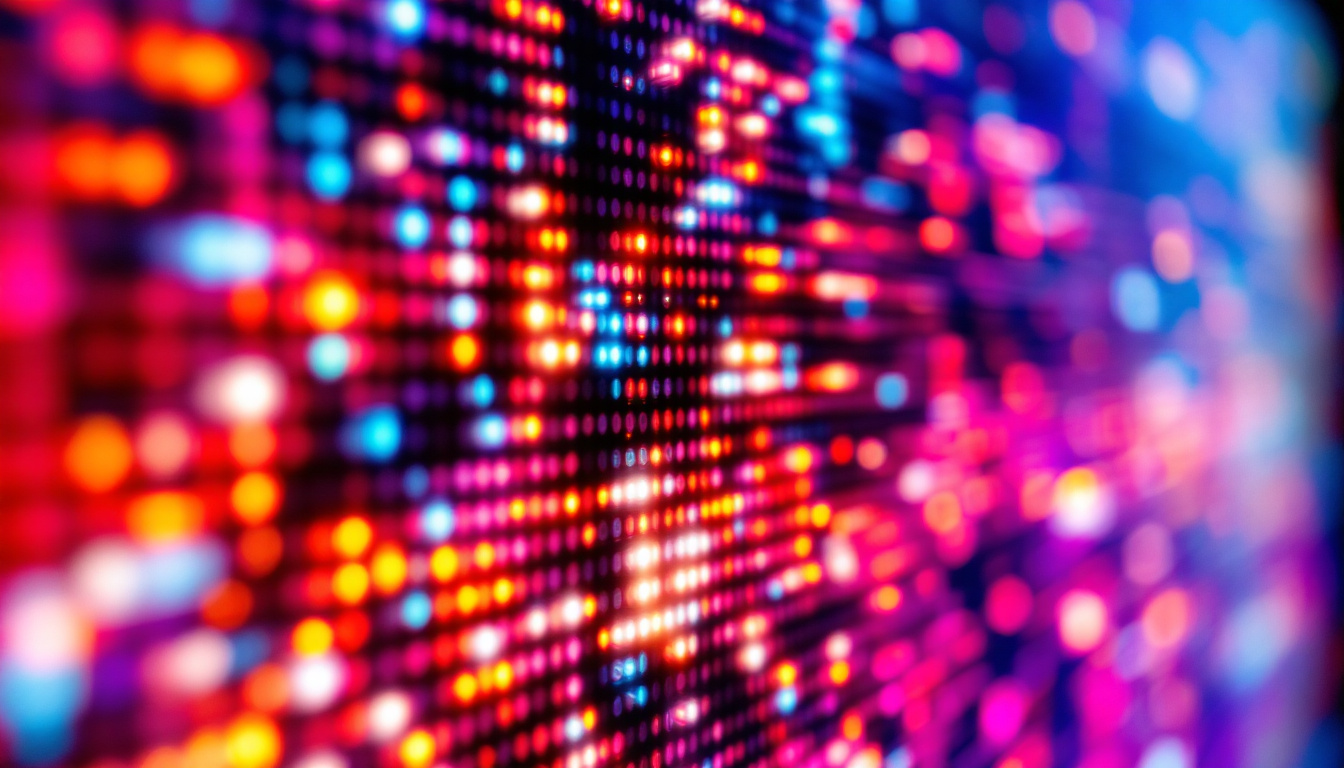
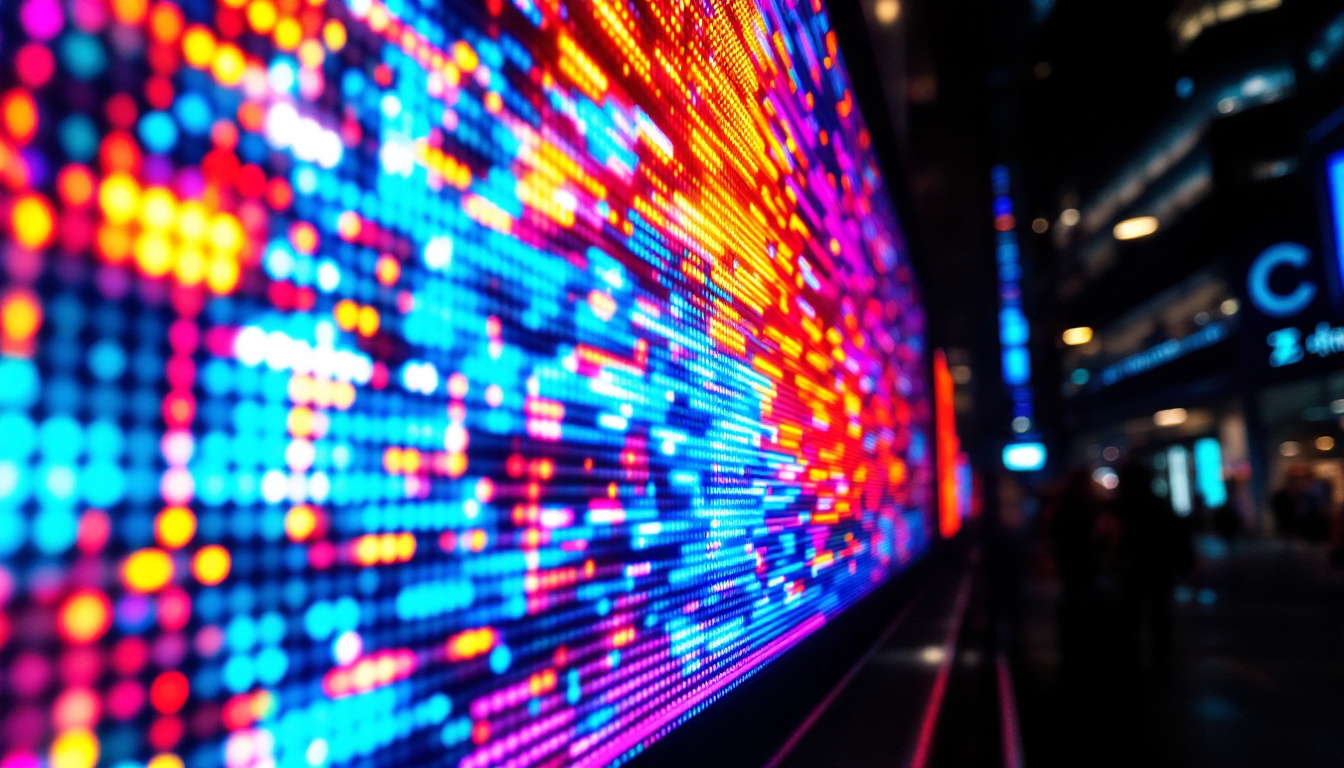
LEDs are semiconductor devices that emit light when an electric current passes through them. Each LED in a display acts as a tiny light source, and by combining red, green, and blue LEDs at varying intensities, the display can produce a full spectrum of colors. This RGB color model is fundamental to the vivid and accurate color reproduction seen in LED displays. The precision with which these colors can be mixed allows for a wide range of hues and shades, enhancing the viewing experience across various media.
The modular nature of LED panels allows for scalable and flexible configurations. Panels can be assembled in various sizes and shapes, making them ideal for both small indoor screens and expansive outdoor billboards. This versatility means that LED displays can be tailored to fit unique architectural designs or specific viewing environments, whether it’s a sports arena, a concert venue, or a retail space. Furthermore, advancements in technology have led to the development of flexible LED displays that can bend and curve, opening up even more creative possibilities for designers and advertisers.
Types of LED Displays
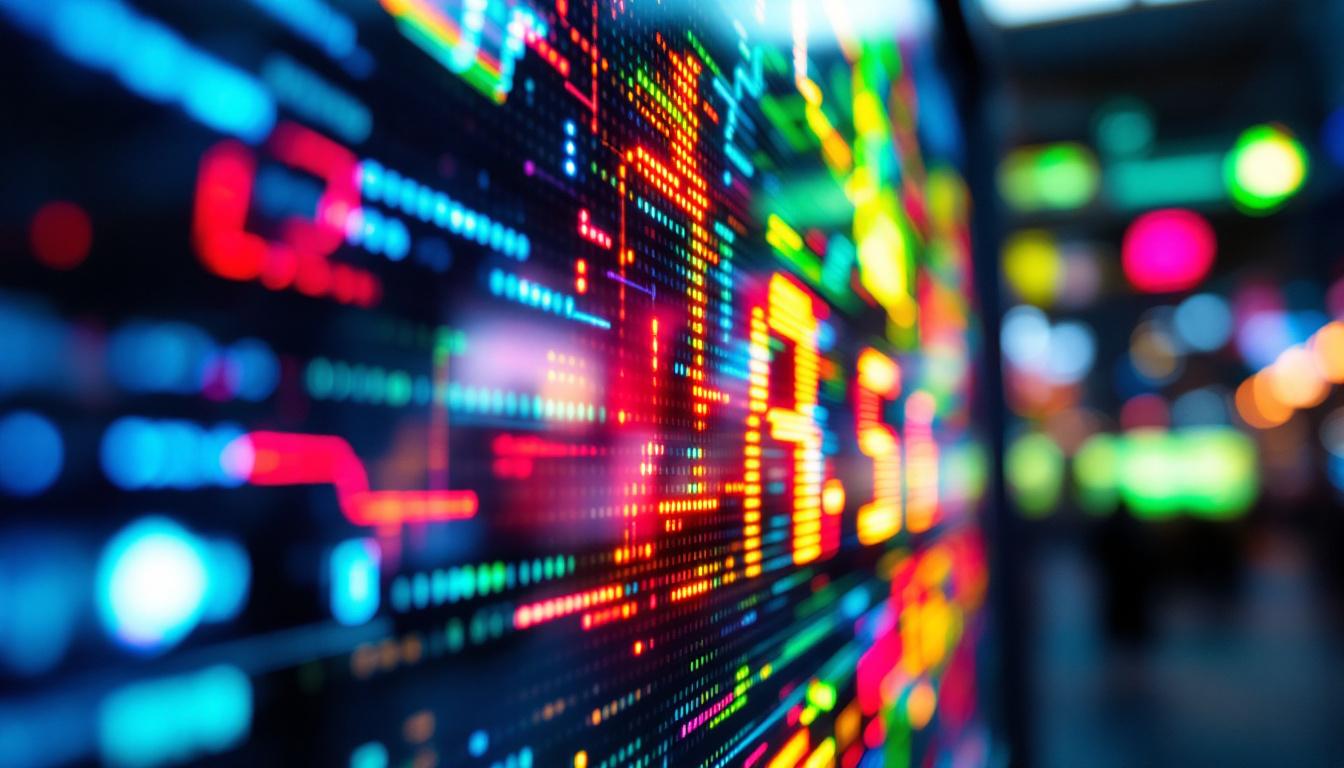
LED displays come in several forms, primarily categorized by their pixel pitch, which is the distance between the centers of two adjacent LEDs. Smaller pixel pitches (less than 2mm) are used for close-viewing environments such as indoor advertising and art installations, offering high resolution and clarity. Larger pixel pitches (above 10mm) are suitable for outdoor displays where viewers are farther away. This strategic differentiation ensures that audiences receive optimal visual experiences tailored to their distance from the screen, maximizing engagement and impact.
Additionally, LED displays can be classified as direct view or as backlighting for LCD panels. Direct view LED displays are composed entirely of LEDs that emit light directly to the viewer, providing superior brightness and contrast. In contrast, backlit LED displays utilize LEDs to illuminate an LCD panel from behind, enhancing the brightness and color accuracy of the images displayed. Each type has its own advantages, making them suitable for different applications, from high-end televisions to large-scale public displays. As technology continues to evolve, innovations such as microLED and miniLED are emerging, promising even greater performance and efficiency, further pushing the boundaries of what LED display technology can achieve.
LED Displays in Art: A New Canvas for Creativity
The intersection of LED technology and art has opened new horizons for artists and designers. LED displays enable dynamic, interactive, and large-scale artworks that were not possible with traditional media.
Dynamic and Interactive Installations
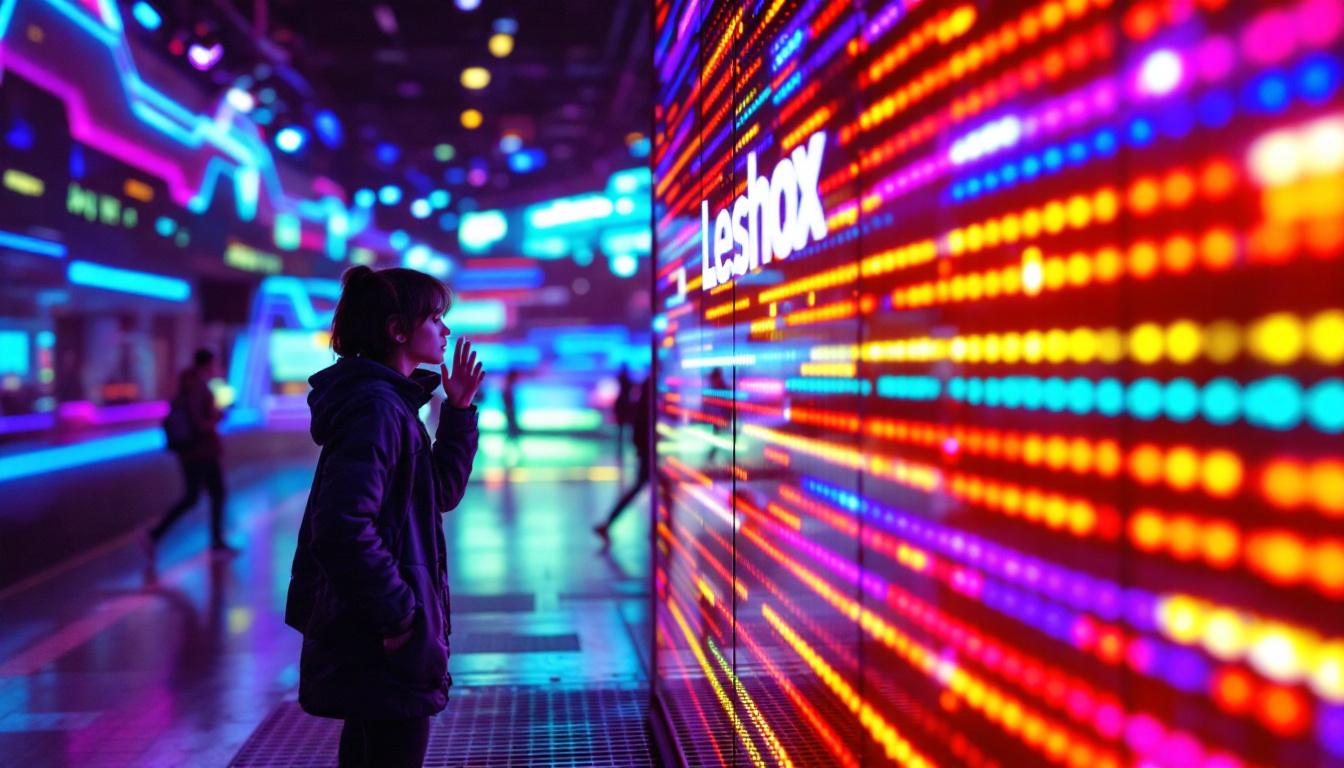
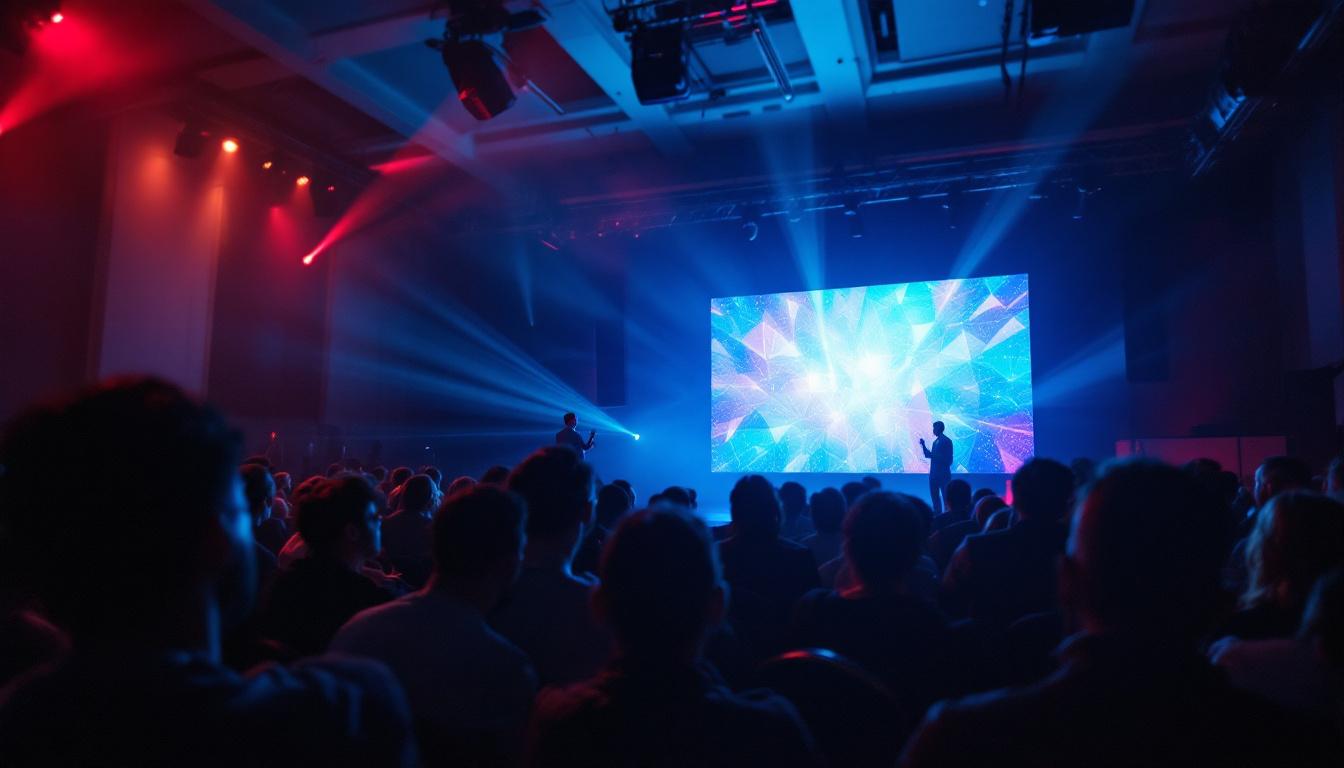
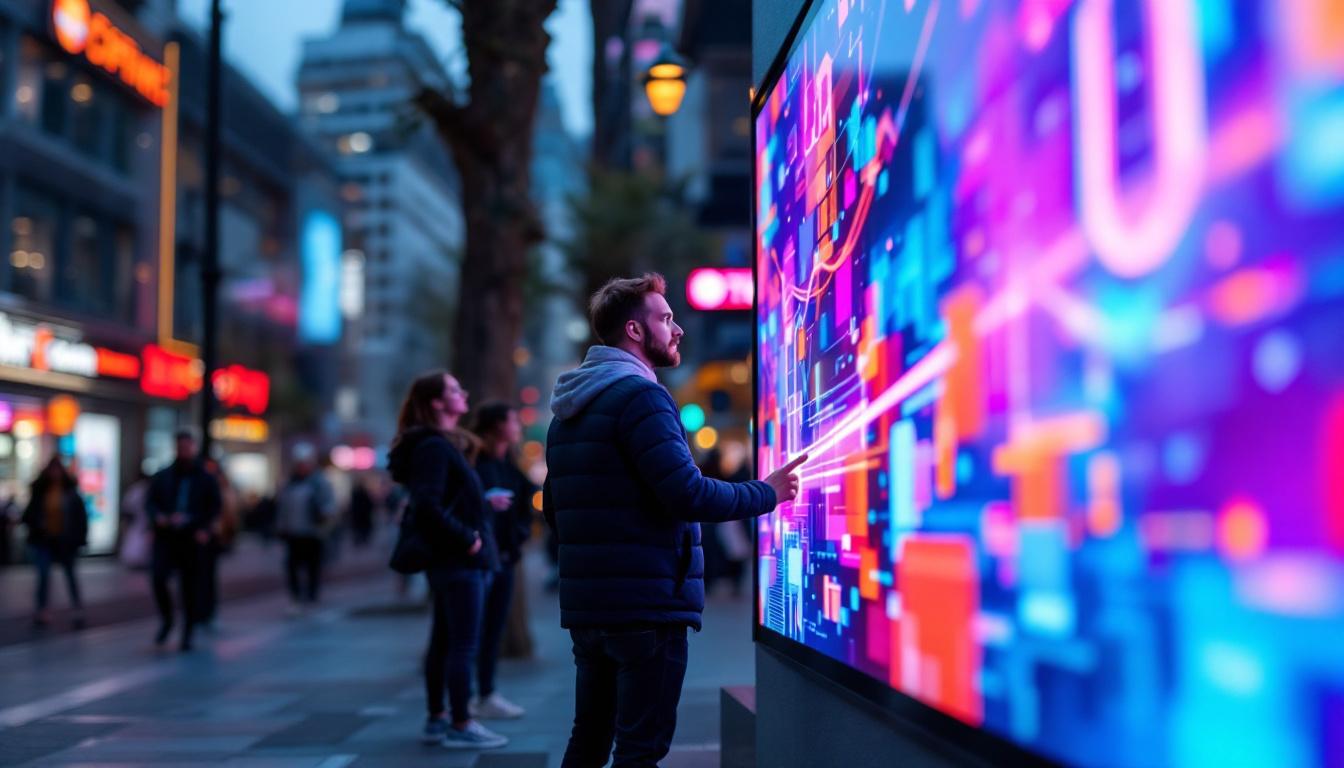
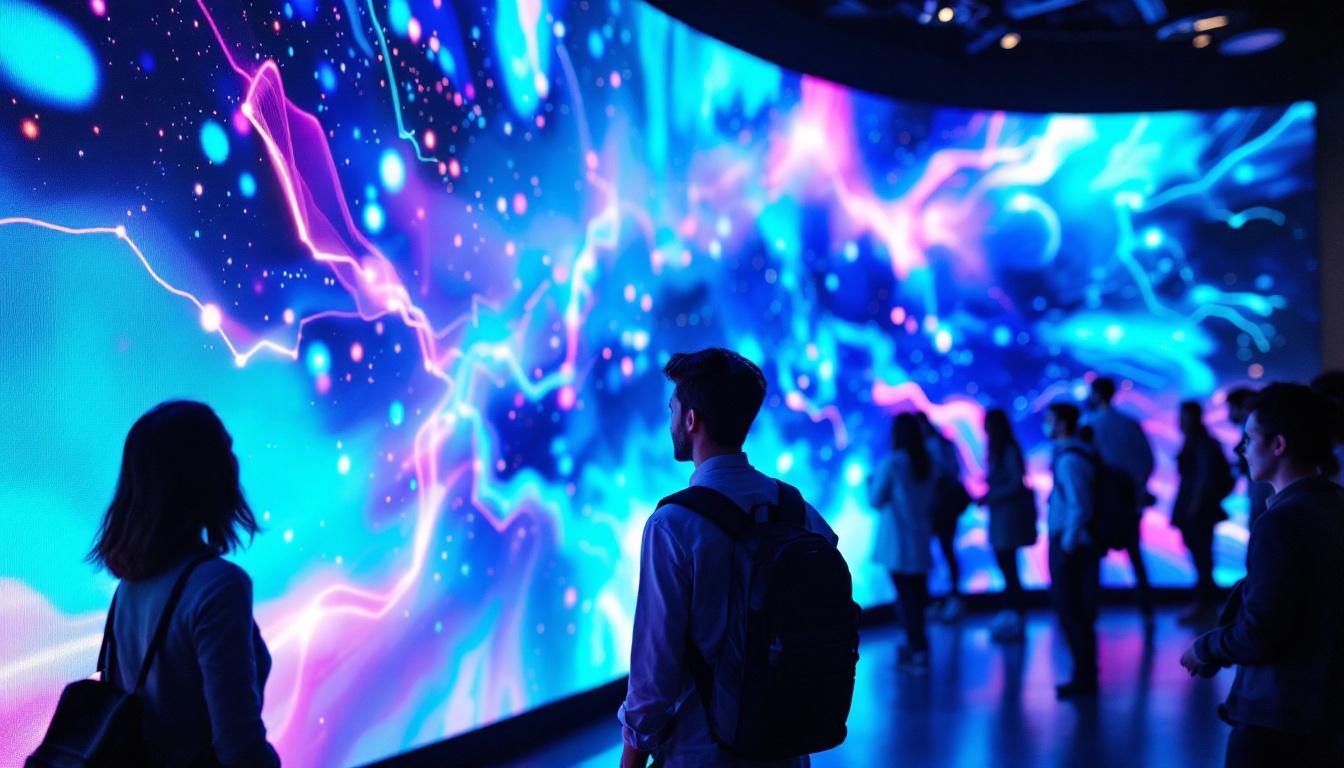
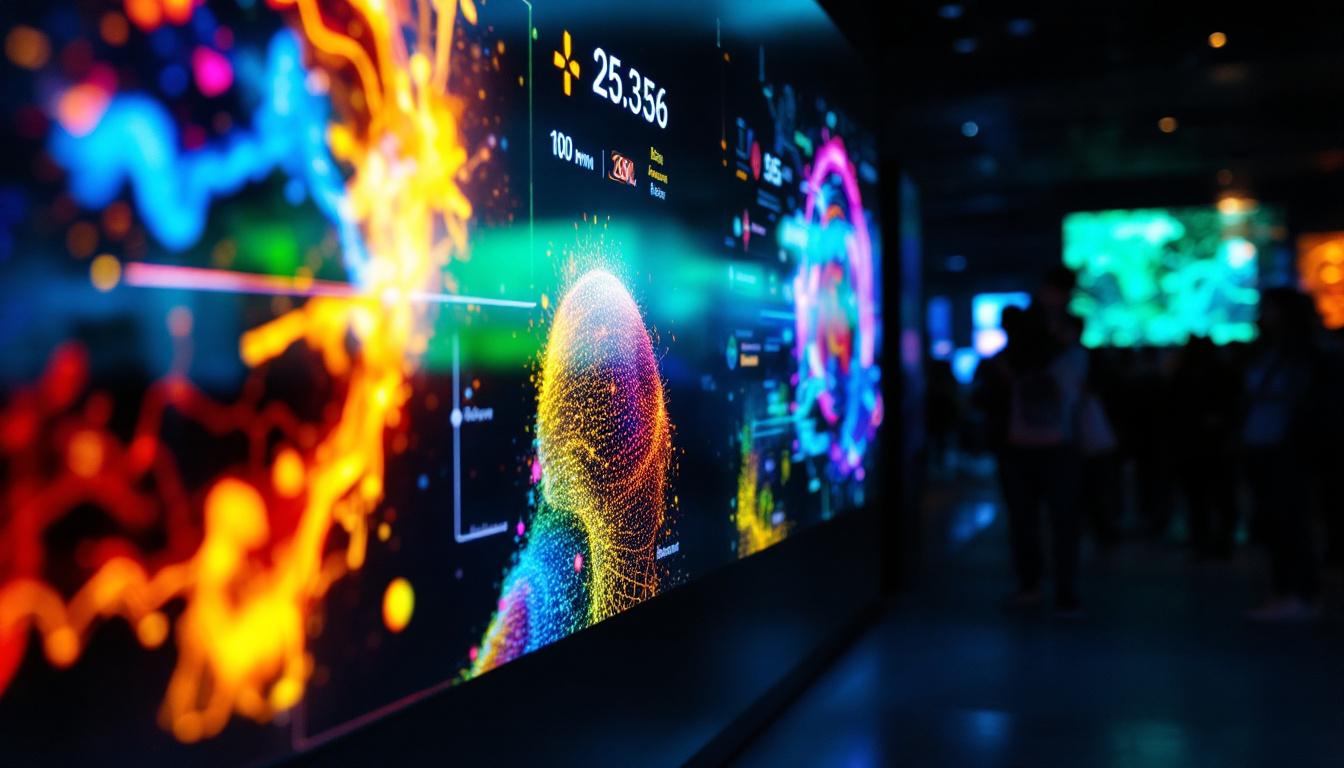
LED art installations often incorporate motion, light intensity changes, and color shifts, creating immersive experiences that engage viewers on multiple sensory levels. For example, artists use LED displays to respond to environmental data such as sound, temperature, or audience movement, making the artwork a living entity that evolves in real time.
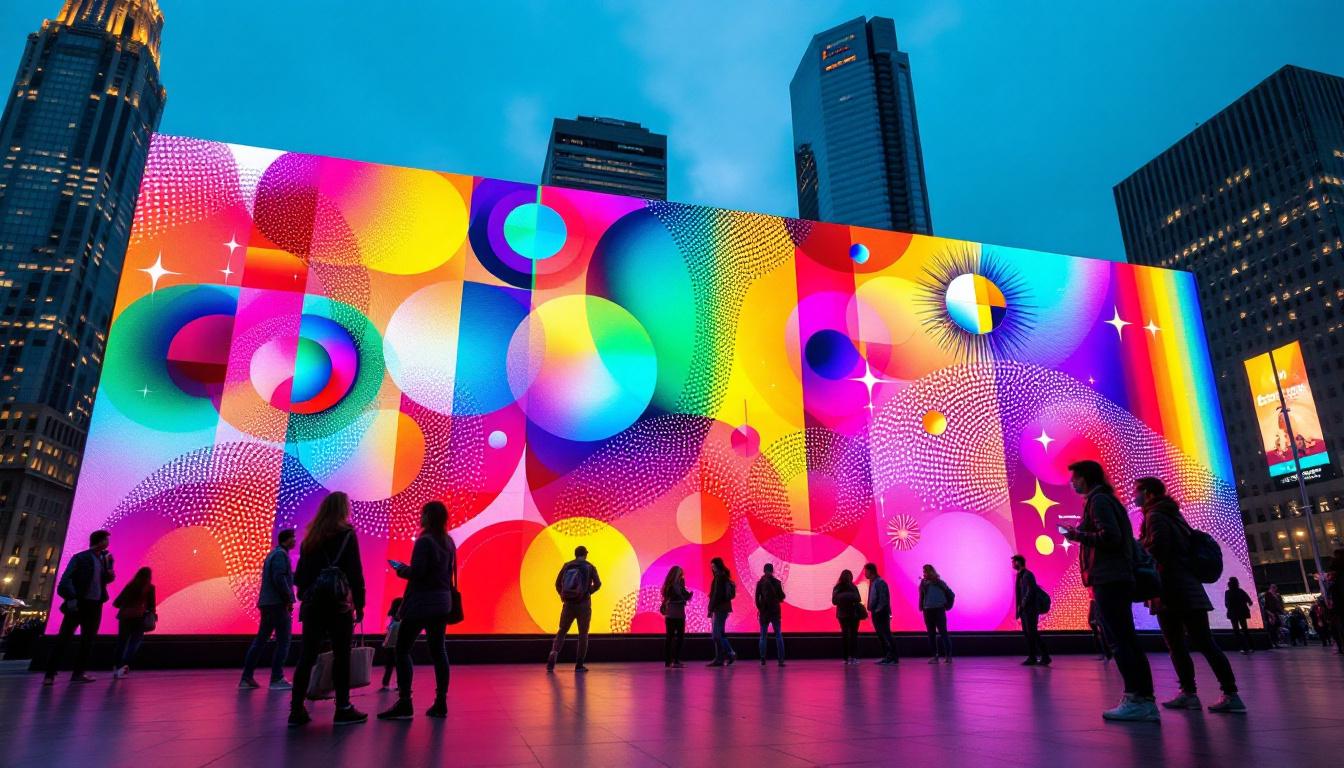
One notable example is the use of LED walls in public spaces that change patterns based on pedestrian traffic or weather conditions, transforming urban environments into interactive art pieces. This not only captivates passersby but also encourages them to interact with the artwork, blurring the lines between observer and participant. Such installations can evoke a range of emotions, from joy and wonder to contemplation and introspection, as they reflect the ever-changing dynamics of urban life.
Large-Scale Public Art and Urban Design
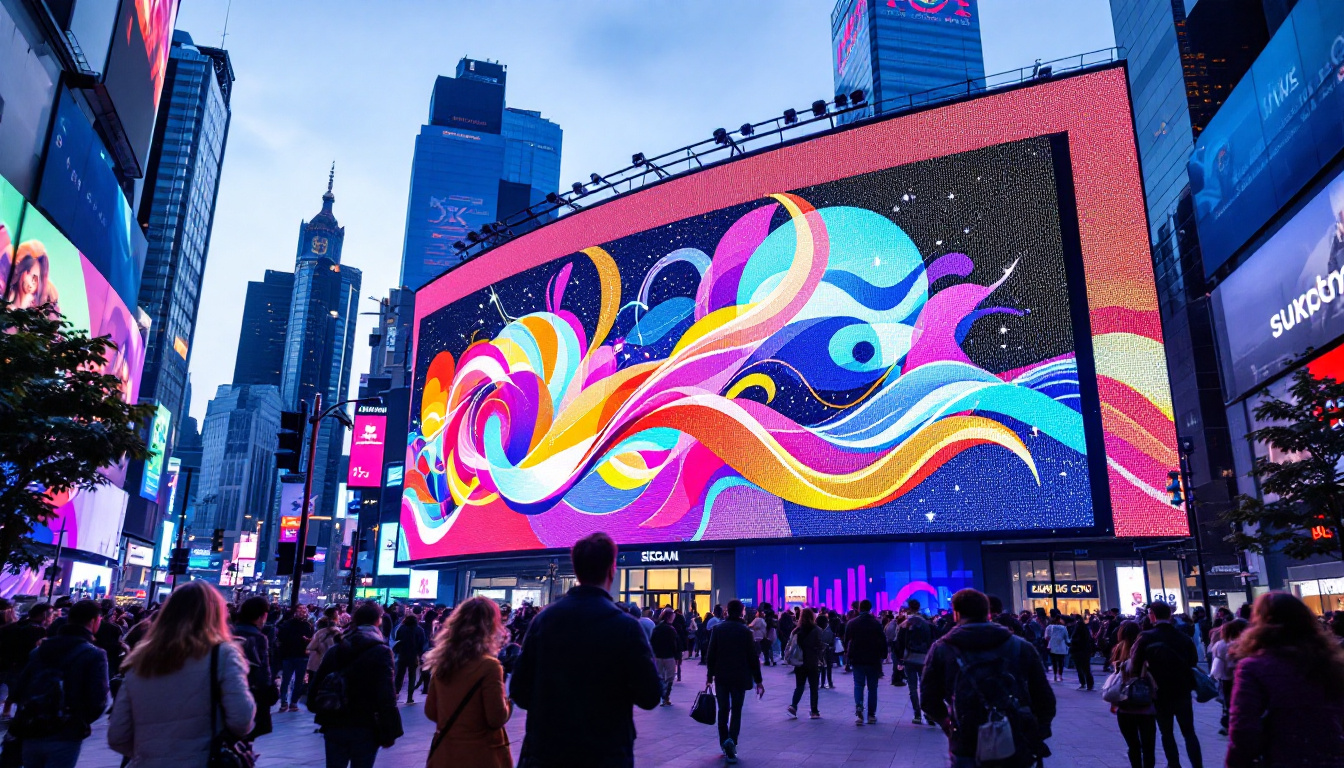
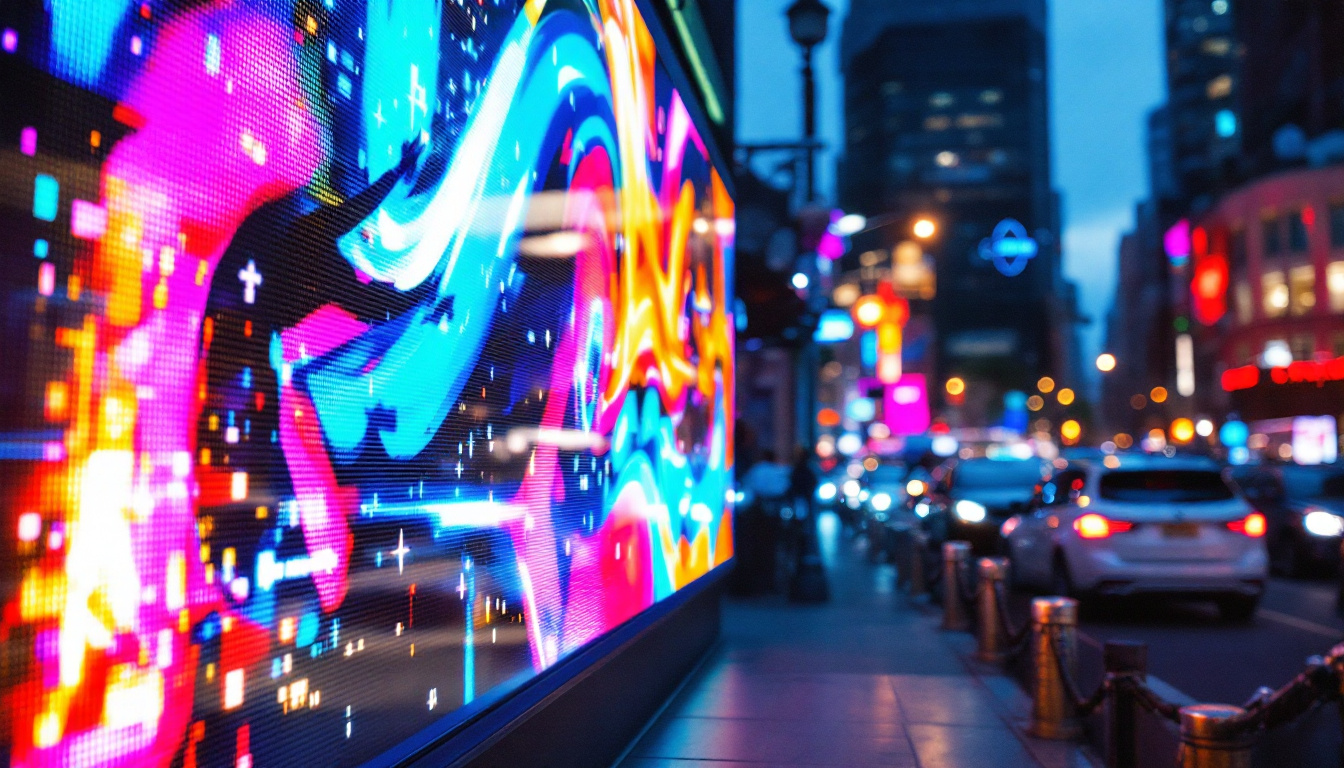
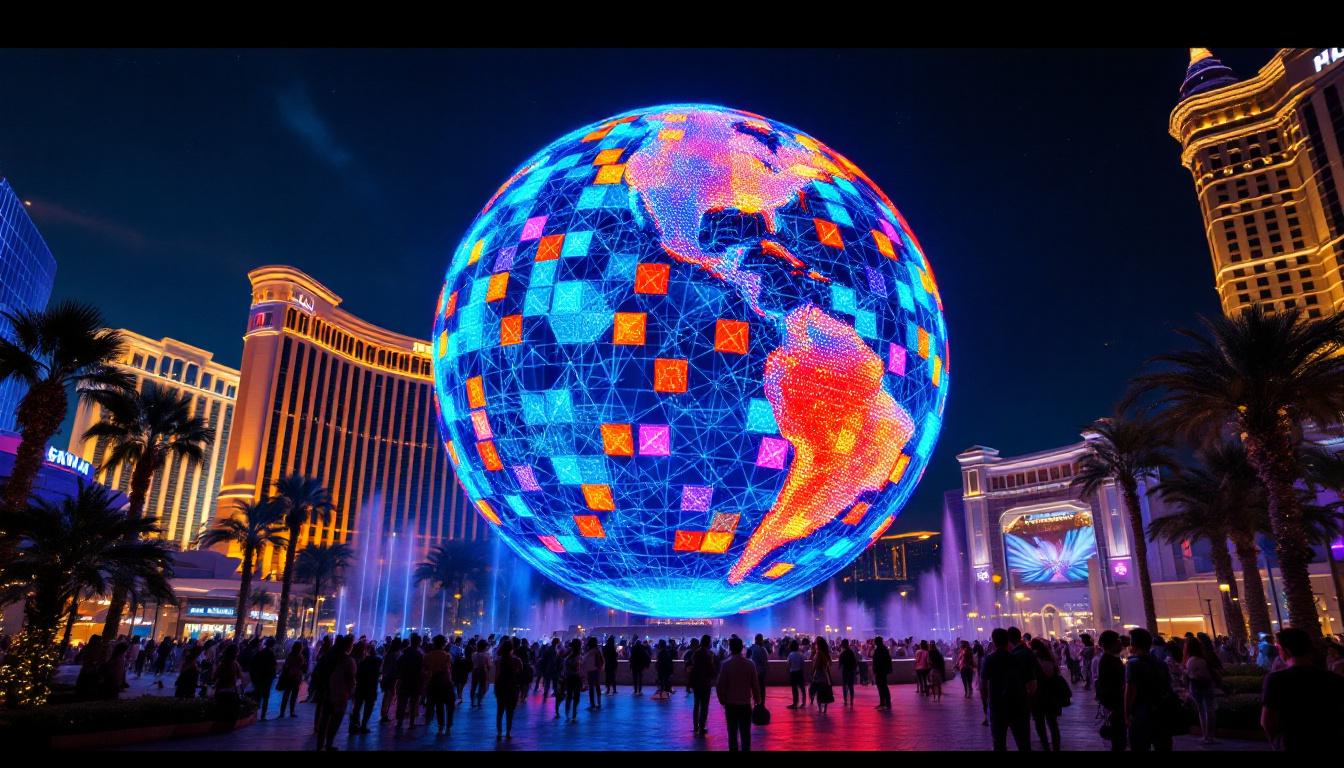
LED displays have become integral to urban art projects, providing a medium that can be both monumental and ephemeral. Cities like New York, Tokyo, and London feature LED billboards and installations that blend advertising with artistic expression, often commissioned by cultural institutions or public art programs.
These installations contribute to the visual identity of a city, enhancing public spaces and fostering community engagement. The ability to update content digitally also allows for timely messages, seasonal themes, or event-driven artwork, keeping the urban landscape vibrant and relevant. Furthermore, artists are increasingly exploring themes of sustainability and social issues through LED art, using their platforms to raise awareness and provoke thought among viewers. By integrating narratives related to climate change, social justice, or local history, these works can spark conversations that resonate deeply within the community.
Challenges and Considerations in LED Art
While LED displays offer tremendous creative potential, artists must navigate technical and logistical challenges. Power consumption, heat management, and maintenance are critical factors, especially for outdoor installations exposed to weather elements.
Moreover, the cost of high-resolution LED panels can be significant, requiring careful budgeting and planning. Artists often collaborate with engineers and technicians to optimize the design and ensure the longevity and safety of the installation. Additionally, there are considerations regarding the environmental impact of LED technology itself, as artists are increasingly mindful of the materials they use and the energy consumption of their works. This has led to innovative approaches, such as utilizing solar power for installations or sourcing sustainable materials, allowing artists to create impactful works that are also eco-conscious. As the field continues to evolve, the dialogue surrounding the responsibility of artists in the context of technology and sustainability becomes ever more pertinent, pushing the boundaries of what LED art can represent in contemporary society.
Technical Specifications and Performance Metrics
Understanding the technical aspects of LED displays is essential for both creators and consumers to appreciate their capabilities and limitations.
Brightness and Contrast
Brightness is measured in nits (candelas per square meter), and LED displays typically range from 500 nits for indoor screens to over 5,000 nits for outdoor applications. High brightness ensures visibility even in direct sunlight, which is crucial for outdoor advertising and public displays. Moreover, advancements in LED technology have led to the development of displays that can dynamically adjust their brightness based on ambient light conditions, ensuring optimal visibility while conserving energy.
Contrast ratio, the difference between the darkest black and the brightest white, is another key metric. LED displays can achieve contrast ratios exceeding 100,000:1, delivering deep blacks and vibrant colors that enhance image quality. This capability is particularly beneficial in environments where visual impact is paramount, such as in theaters or galleries, where the depth of color can significantly influence the viewer’s experience. The ability to render subtle gradients and shades also allows for more realistic images, making LED displays an attractive choice for professional photographers and graphic designers.
Resolution and Pixel Density
Resolution depends on the number of LEDs per unit area, directly affecting image sharpness. Pixel density is often expressed in pixels per inch (PPI) or pixel pitch in millimeters. For example, a 1.5mm pixel pitch display offers very high resolution suitable for close viewing distances, such as in museums or retail environments. As technology progresses, manufacturers are pushing the boundaries of pixel density, leading to displays that can achieve ultra-high-definition resolutions, such as 4K and even 8K, which are becoming increasingly common in high-end applications.
Furthermore, the choice of pixel pitch is critical for ensuring that the display meets the specific needs of its environment. A smaller pixel pitch allows for closer viewing distances without sacrificing image quality, making it ideal for venues like control rooms or broadcast studios where detail is paramount. Conversely, larger pixel pitches may be more suitable for large outdoor displays, where viewers are typically at a greater distance, balancing cost and performance effectively.
Refresh Rate and Color Accuracy
Refresh rate, measured in Hertz (Hz), indicates how often the display updates its image per second. Higher refresh rates reduce flicker and motion blur, which is particularly important for video content and interactive applications. Displays with refresh rates of 120Hz or higher are becoming increasingly popular in gaming and sports broadcasting, where smooth motion is crucial for an immersive experience. This capability allows for a more fluid representation of fast-moving images, making the viewing experience more enjoyable and engaging.
Color accuracy is achieved through precise calibration of the RGB LEDs and advanced processing algorithms. This ensures that the displayed colors match the intended design, which is vital for artistic integrity and brand consistency. Additionally, many modern LED displays support a wide color gamut, allowing them to reproduce a broader spectrum of colors. This is especially important for industries such as film and television, where accurate color reproduction is essential for maintaining the director’s vision. The integration of technologies like HDR (High Dynamic Range) further enhances color depth and detail, making LED displays a preferred choice for professional applications where visual fidelity is paramount.
Future Trends in LED Display Technology
The LED display industry continues to innovate, driven by advancements in materials science, electronics, and software integration.
MicroLED and MiniLED Technologies
Emerging technologies such as MicroLED and MiniLED promise to revolutionize display quality. MicroLEDs are significantly smaller than traditional LEDs, allowing for even higher resolution and improved energy efficiency. This technology is expected to dominate future high-end displays, including televisions, smartphones, and wearable devices.
MiniLEDs, while larger than MicroLEDs, offer enhanced backlighting for LCD panels, improving contrast and brightness without the cost of full MicroLED displays.
Flexible and Transparent LED Displays
Innovations in flexible substrates have led to bendable and rollable LED displays, expanding possibilities for creative installations and portable devices. Transparent LED displays, which allow viewers to see through the screen while displaying vibrant images, are gaining popularity in retail windows and architectural applications.
Integration with Artificial Intelligence and IoT
Artificial intelligence (AI) and the Internet of Things (IoT) are increasingly integrated into LED display systems. AI can optimize content delivery based on audience demographics and environmental conditions, while IoT connectivity enables remote monitoring and control of displays, enhancing operational efficiency.
Conclusion: Illuminating the Future of Visual Expression
LED displays have transformed the landscape of visual communication and art, offering unparalleled brightness, versatility, and interactivity. As technology advances, the boundary between digital media and physical space continues to blur, creating new opportunities for artists, advertisers, and urban planners alike.
Understanding the technical foundations and creative potential of LED displays empowers stakeholders to harness this medium effectively. Whether illuminating a city skyline or crafting an intimate gallery experience, LED art stands as a testament to human ingenuity and the enduring power of light.
Explore the Art of Possibility with LumenMatrix
As you stand at the intersection of art and technology, LumenMatrix invites you to extend your creative horizons and discover the full potential of LED displays. With our comprehensive range of solutions, including everything from Indoor and Outdoor LED Wall Displays to innovative LED Sports and Transparent Displays, we are committed to revolutionizing the way you communicate visually. Experience the fusion of artistry and engineering with LumenMatrix’s cutting-edge LED display modules, designed to captivate your audience and amplify your message. Check out LumenMatrix LED Display Solutions and illuminate your next project with the power of light.