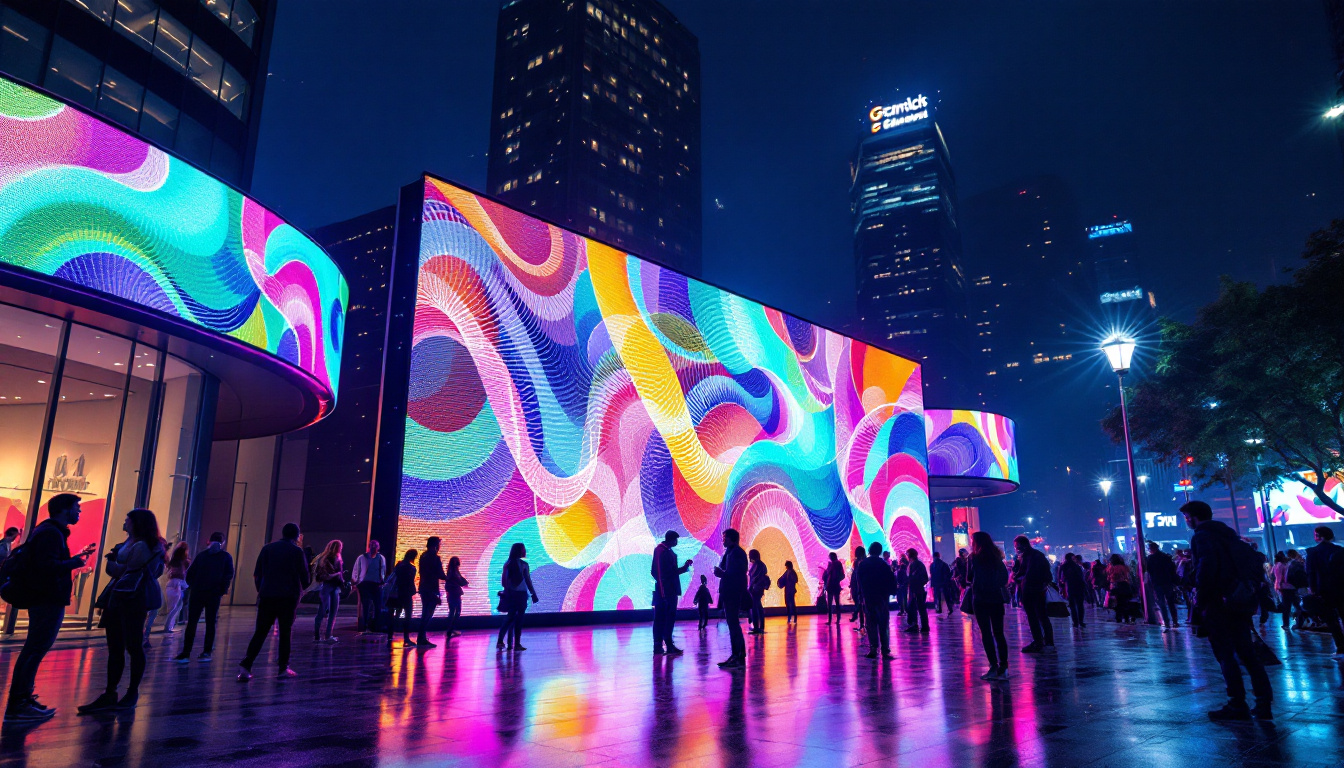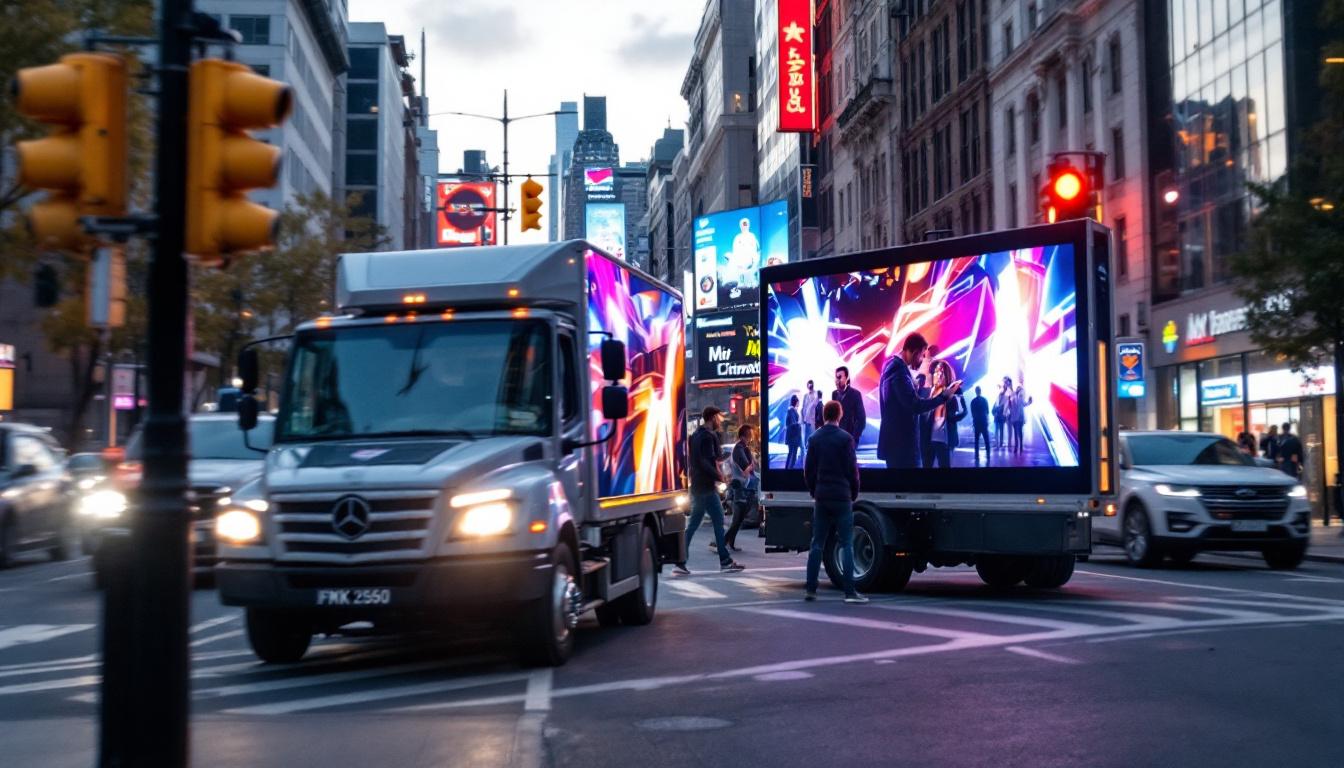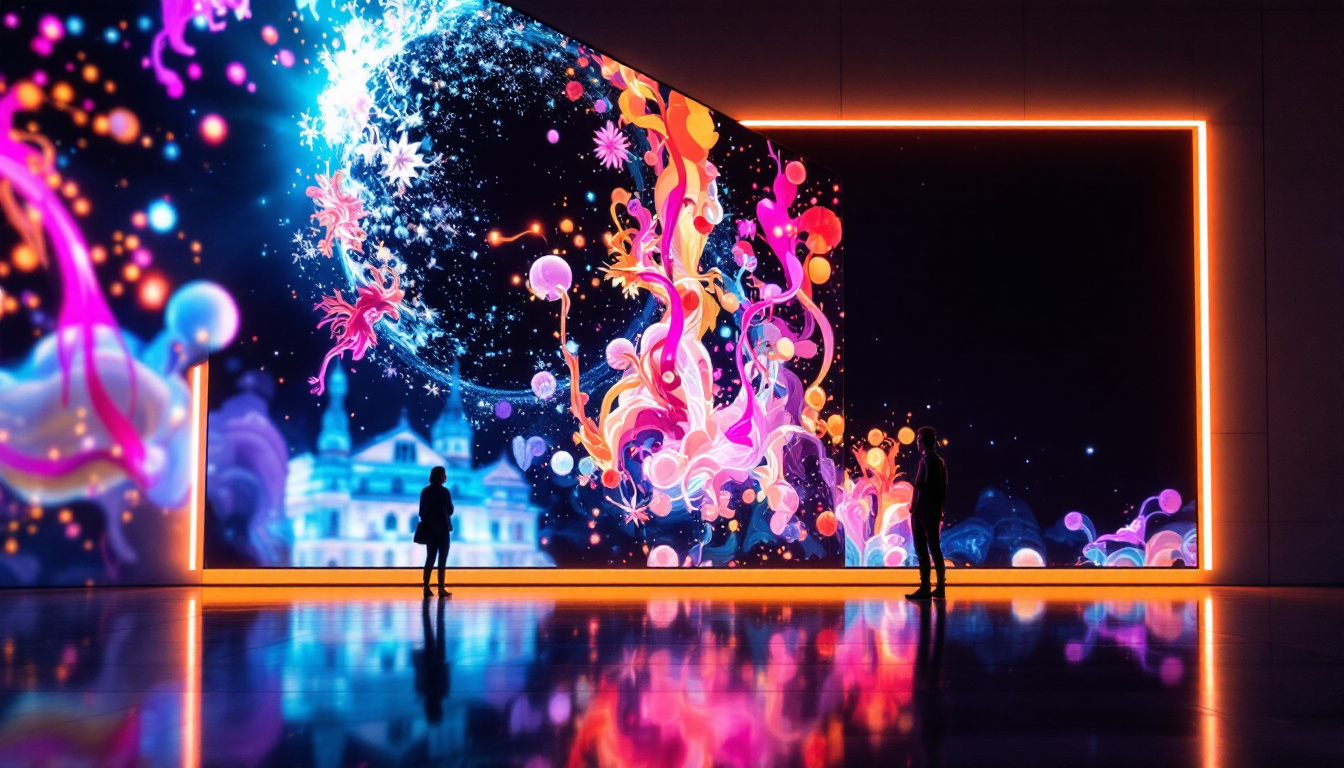
In today’s fast-evolving digital landscape, LED displays have become an integral part of how information and advertising are presented across various industries. From the massive billboards lighting up city skylines to the high-resolution screens in stadiums and retail environments, LED technology continues to revolutionize visual communication. This article delves into the world of LED displays, explaining their technology, types, applications, and why they are increasingly preferred over traditional display methods.
Understanding LED Display Technology
LED stands for Light Emitting Diode, a semiconductor device that emits light when an electric current passes through it. The fundamental principle behind LED displays is the use of these tiny diodes arranged in a matrix to create images, videos, and text. Unlike older display technologies such as LCD or plasma, LEDs produce their own light, which results in brighter and more vibrant visuals. This self-emitting property allows for thinner display designs, as there is no need for a bulky backlight, making LED displays ideal for a variety of applications, from large outdoor billboards to sleek indoor screens.
The core advantage of LED technology lies in its efficiency and longevity. LEDs consume significantly less power compared to incandescent or fluorescent lighting, making LED displays more energy-efficient. Furthermore, LEDs have a longer lifespan, often exceeding 50,000 hours of operation, which reduces maintenance costs and downtime. This durability is particularly beneficial in commercial settings, where displays are often in use for extended periods, ensuring that businesses can rely on their LED screens without frequent replacements or repairs.
How LED Displays Work
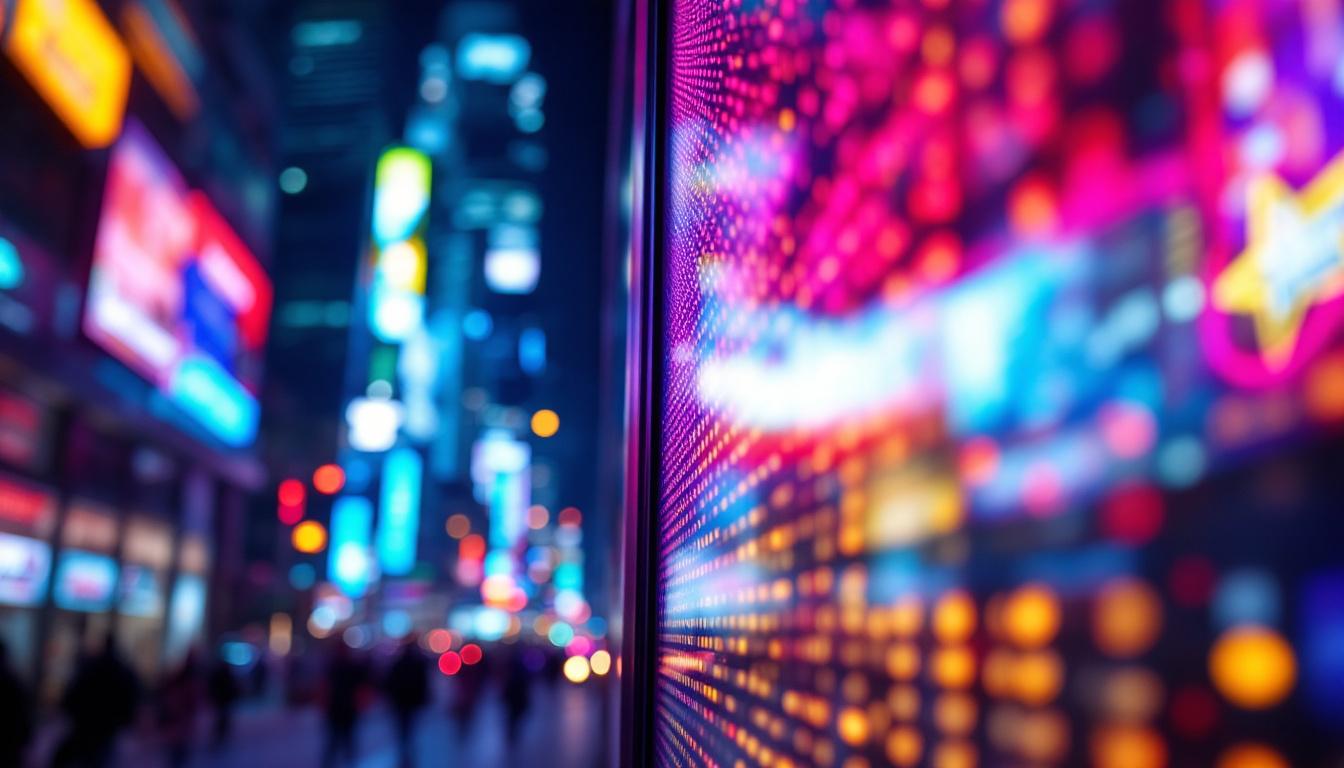
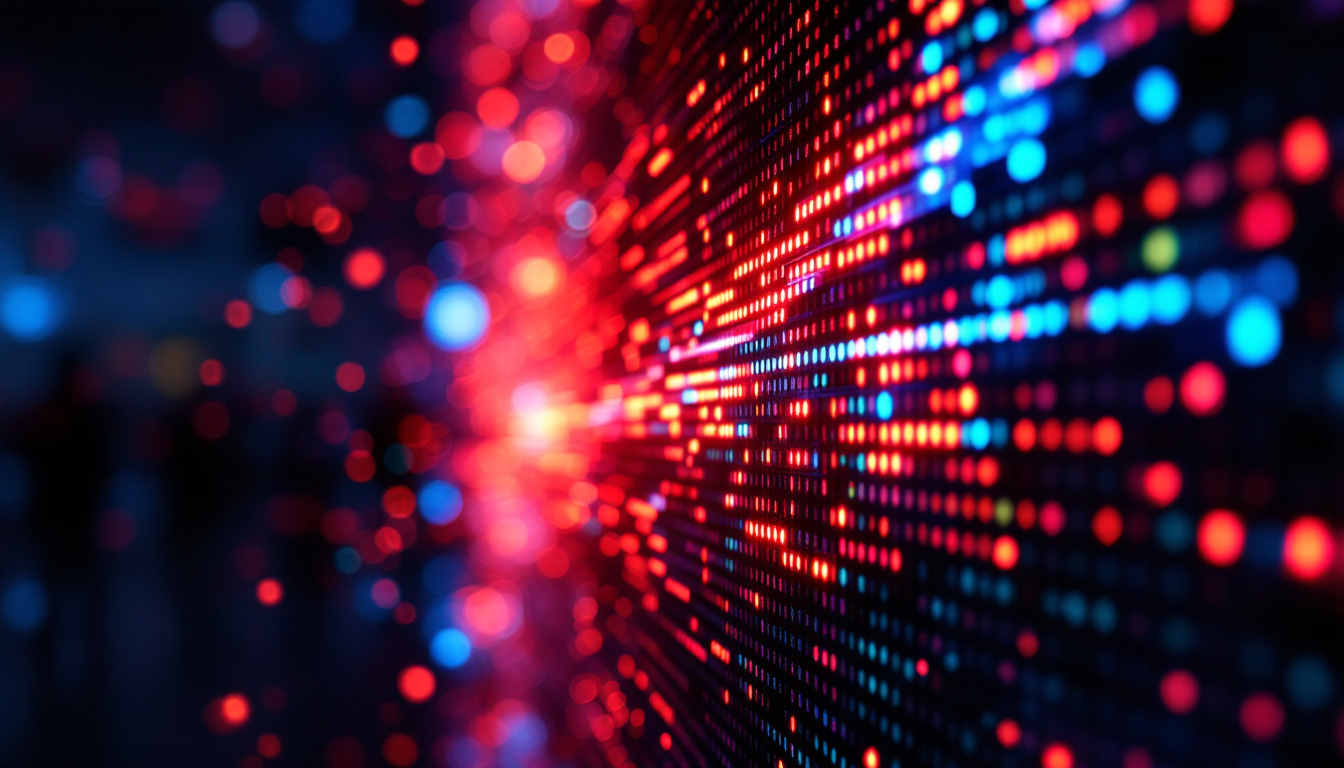
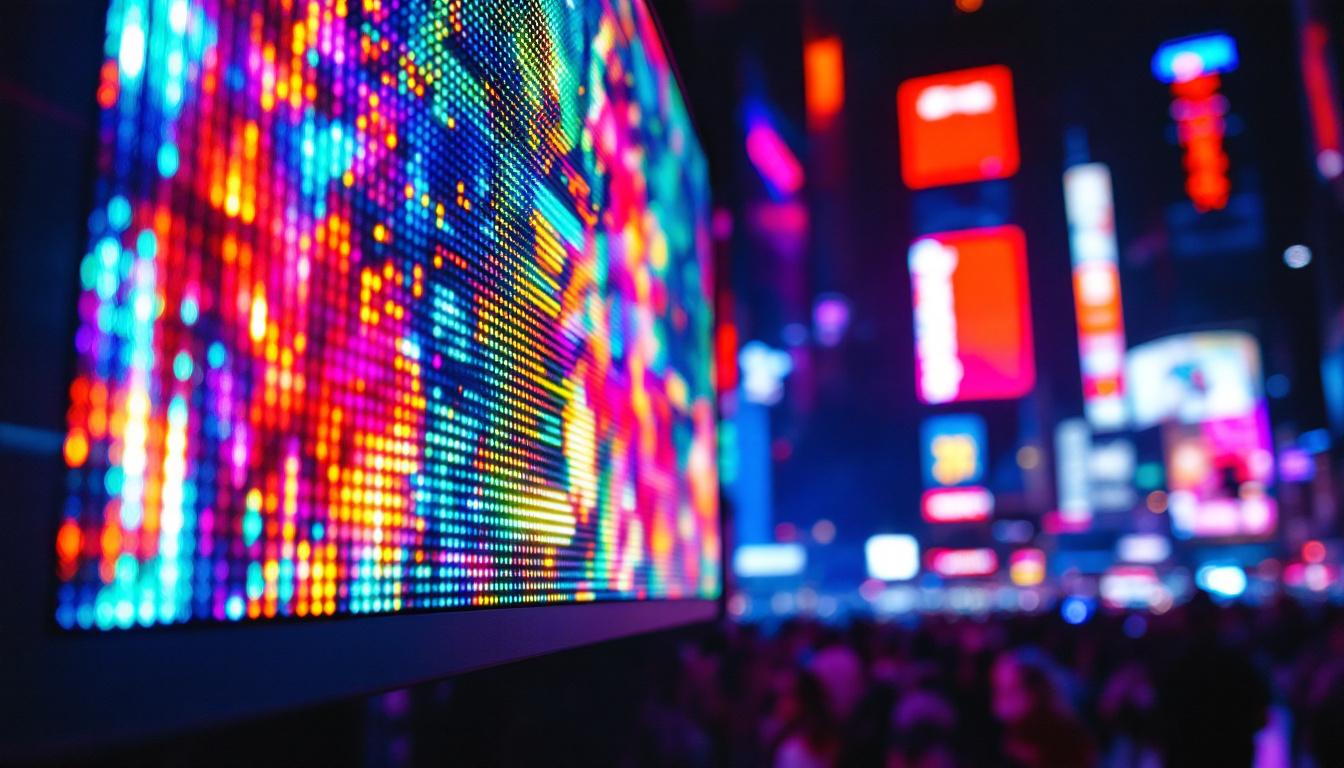
LED displays are composed of thousands to millions of tiny LEDs grouped into pixels. Each pixel typically consists of red, green, and blue LEDs. By varying the intensity of these three colors, the display can produce a full spectrum of colors, enabling vivid and dynamic images. The display controller processes input signals—whether from a computer, media player, or broadcast source—and translates them into commands that adjust the brightness of each LED pixel accordingly. This real-time processing allows for smooth transitions and animations, making LED displays particularly popular in entertainment venues and advertising.
Modern LED displays also incorporate advanced technologies such as surface-mounted devices (SMD) and chip-on-board (COB) LEDs, which improve pixel density and viewing angles. These enhancements contribute to sharper images and better visibility even in challenging lighting conditions. Additionally, many LED displays now feature smart technology integration, allowing for remote management and content updates via cloud services. This capability is especially useful for digital signage, where businesses can change their messaging instantly to reflect promotions or events, ensuring that their displays remain relevant and engaging to viewers.
Types of LED Displays
LED displays come in various forms, each tailored to specific applications and environments. Understanding the differences between these types helps businesses and consumers select the right display for their needs.
Indoor LED Displays
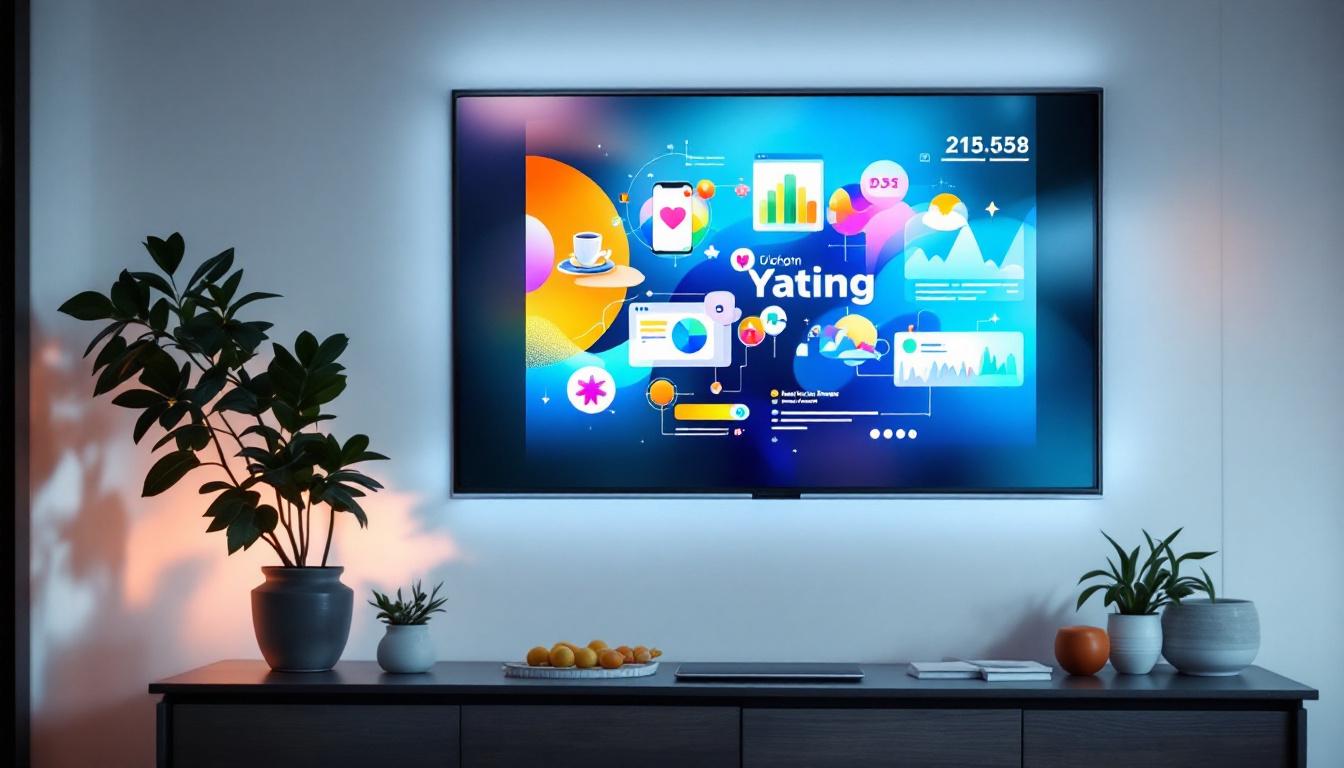
Indoor LED displays are designed for environments with controlled lighting, such as retail stores, conference rooms, airports, and museums. These displays typically have a smaller pixel pitch—the distance between individual LEDs—ranging from 0.9mm to 4mm. This tight pixel spacing allows for high-resolution images and close viewing distances without visible pixelation.
Because indoor environments do not require extremely bright displays, indoor LEDs operate at lower brightness levels (usually around 800 to 1,200 nits). This not only conserves energy but also reduces eye strain for viewers.
Outdoor LED Displays
Outdoor LED displays are engineered to withstand harsh weather conditions, including rain, dust, and extreme temperatures. These displays feature higher brightness levels, often exceeding 5,000 nits, to ensure visibility even under direct sunlight. The pixel pitch for outdoor displays is generally larger, ranging from 4mm to 20mm, since viewers typically observe these screens from greater distances.
Durability is a key consideration for outdoor LED displays. They are housed in weatherproof enclosures with protective coatings and cooling systems to maintain performance and longevity. Common applications include digital billboards, sports arenas, transportation hubs, and public information boards.
Transparent LED Displays
Transparent LED displays are a relatively recent innovation that combines LED technology with glass surfaces, allowing light to pass through the screen. These displays are ideal for retail storefronts, museums, and architectural installations where maintaining natural light and visibility is important. They provide a futuristic look by overlaying digital content on transparent surfaces without obstructing the view behind the screen.
Although transparent LED displays have lower pixel density compared to traditional LED screens, advances in technology continue to improve their resolution and brightness, making them increasingly viable for commercial use.
Applications of LED Displays Across Industries
LED displays have transformed the way businesses communicate with their audiences. Their versatility and impact make them indispensable in a wide range of sectors.
Advertising and Marketing
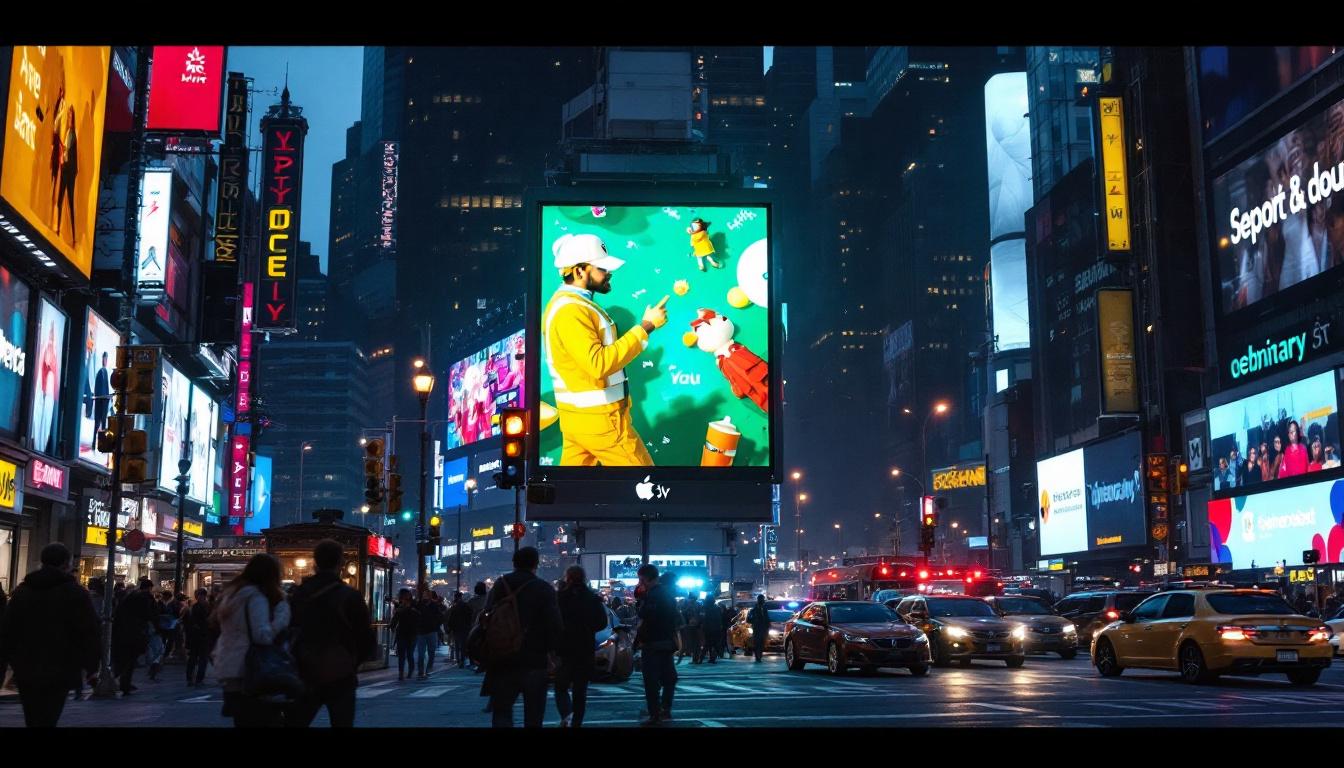
One of the most visible uses of LED displays is in advertising. Digital billboards and signage offer dynamic content capabilities that static posters cannot match. Advertisers can update messages in real-time, tailor content to different times of day or demographics, and incorporate interactive elements to engage viewers.
According to a 2023 report by Grand View Research, the global digital signage market is expected to reach $32.84 billion by 2028, growing at a compound annual growth rate (CAGR) of 7.5%. LED displays are a major driver of this growth due to their superior brightness, durability, and cost-effectiveness.
Sports and Entertainment
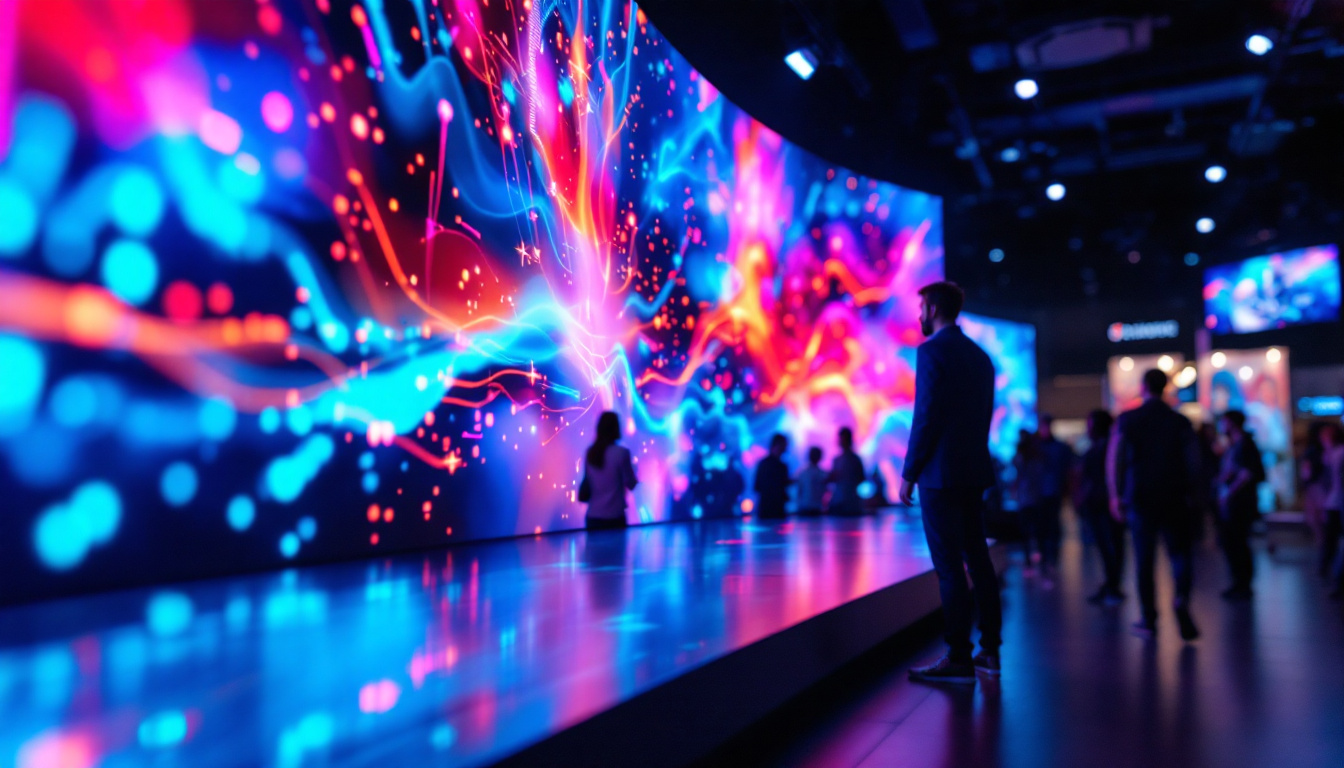
In stadiums and arenas, LED displays enhance the spectator experience by providing clear, high-resolution visuals of live action, replays, and advertisements. Large-scale LED video walls are often used to display scores, player statistics, and interactive content, contributing to a more immersive environment.
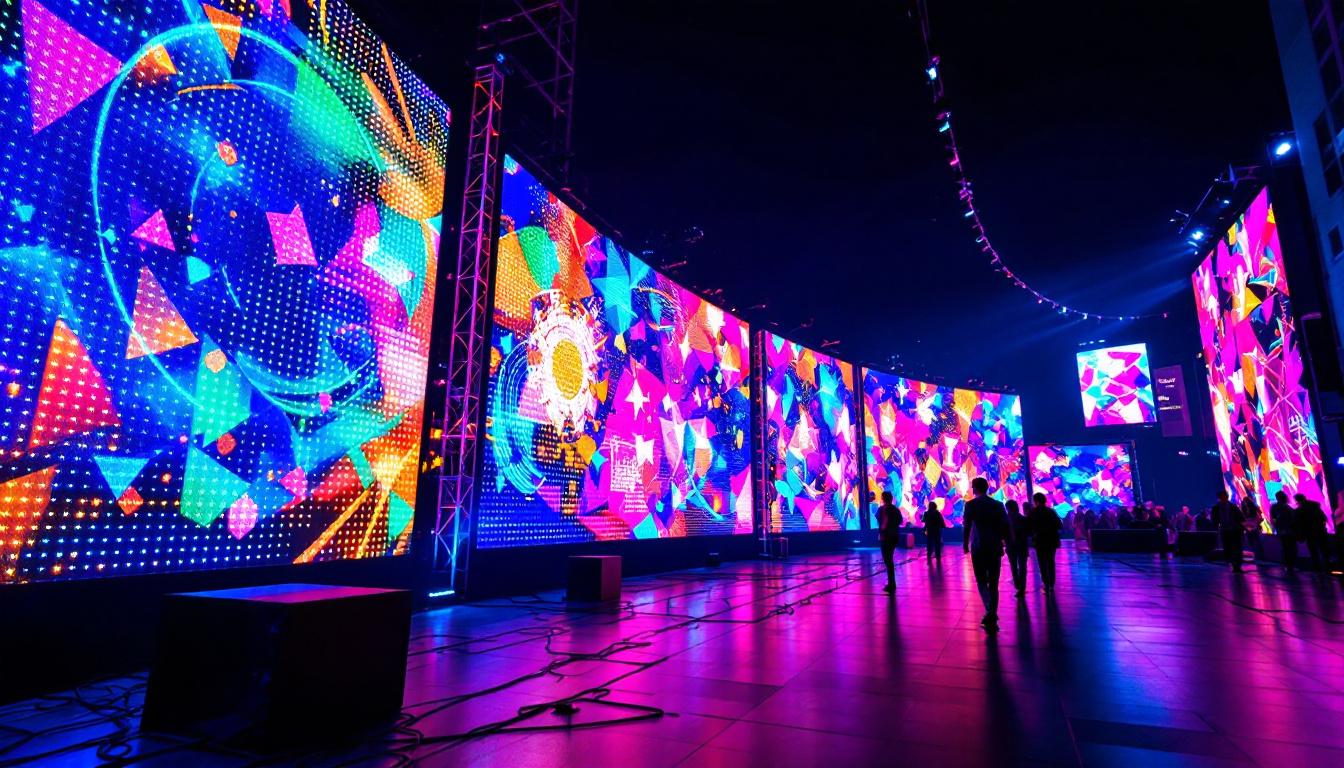
Concerts and entertainment venues also rely on LED displays for stage backdrops and lighting effects. The flexibility of LED panels allows for creative visual storytelling that complements performances and captivates audiences.
Transportation and Public Information
LED displays are widely used in transportation hubs such as airports, train stations, and bus terminals to provide real-time information on schedules, delays, and safety announcements. Their high visibility and reliability make them ideal for critical communication in busy environments.
Moreover, smart city initiatives increasingly integrate LED displays into public spaces to disseminate emergency alerts, weather updates, and community messages, improving urban safety and connectivity.
Retail and Hospitality
Retailers use LED displays to attract customers, showcase products, and create engaging in-store experiences. Digital signage can be updated instantly to reflect promotions, new arrivals, or seasonal themes, helping retailers stay competitive in a fast-paced market.
In the hospitality industry, LED displays enhance guest experiences by providing wayfinding assistance, event information, and interactive concierge services in hotels, resorts, and conference centers.
Advantages of LED Displays Over Other Technologies
While there are multiple display technologies available, LED displays offer several distinct advantages that have contributed to their widespread adoption.
Superior Brightness and Visibility
LED displays can achieve brightness levels far beyond those of LCD or projection-based systems, ensuring clear visibility in direct sunlight or brightly lit environments. This makes them especially suitable for outdoor advertising and public information displays.
Energy Efficiency and Longevity
Compared to traditional lighting and display technologies, LEDs consume less power and have longer operational lifespans. This reduces both energy costs and maintenance expenses, providing a better return on investment over time.
Flexibility and Scalability
LED modules can be configured in various sizes and shapes, from small indoor screens to massive outdoor video walls spanning hundreds of square meters. This modularity allows for customized solutions tailored to specific spatial and design requirements.
Vibrant Colors and High Contrast
Because LEDs emit light directly, they can produce deeper blacks and more vibrant colors than backlit LCDs, which rely on a separate light source. This results in sharper images and more engaging visual content.
Key Considerations When Choosing an LED Display
Selecting the right LED display involves evaluating several critical factors to ensure optimal performance and value.
Pixel Pitch and Resolution
The pixel pitch determines the display’s resolution and viewing distance. Smaller pixel pitches provide higher resolution and are suitable for close-range viewing, such as indoor retail displays. Larger pixel pitches are appropriate for outdoor billboards or stadium screens where viewers are farther away.
Brightness and Environmental Conditions
Consider the ambient lighting conditions where the display will be installed. Outdoor displays require high brightness and weatherproofing, while indoor displays prioritize color accuracy and lower brightness to prevent glare.
Content Management and Connectivity
Modern LED displays often integrate with content management systems (CMS) that allow remote updating and scheduling of content. Compatibility with various input sources and network connectivity options is essential for seamless operation.
Installation and Maintenance
Evaluate the ease of installation, accessibility for maintenance, and availability of technical support. Modular LED panels simplify repairs and upgrades, minimizing downtime.
The Future of LED Display Technology
LED display technology continues to evolve rapidly, driven by advances in materials science, manufacturing processes, and digital content capabilities.
Emerging trends include microLED displays, which offer even higher resolution and energy efficiency by using microscopic LEDs. These displays promise to revolutionize consumer electronics, including televisions, smartphones, and augmented reality devices.
Additionally, integration with artificial intelligence (AI) and Internet of Things (IoT) technologies is enabling smarter, interactive displays that can adapt content based on audience behavior and environmental factors. This convergence is opening new possibilities for personalized advertising, immersive experiences, and real-time data visualization.
Conclusion
LED displays have firmly established themselves as a cornerstone of modern visual communication. Their superior brightness, energy efficiency, and versatility make them suitable for a wide range of applications, from advertising and entertainment to public information and retail. As technology advances, LED displays will continue to offer innovative solutions that enhance how businesses and communities share information and engage audiences.
For organizations considering LED display investments, understanding the technology, types, and key selection criteria is essential to maximize impact and return on investment. With ongoing innovations on the horizon, the future of LED displays promises even more dynamic and immersive visual experiences.
Explore Cutting-Edge LED Display Solutions with LumenMatrix
Ready to elevate your visual communication strategy with the latest in LED display technology? LumenMatrix is at the forefront of innovation, offering a diverse range of LED display modules designed to make your brand shine. Whether you need an Indoor LED Wall Display for your retail space, an Outdoor LED Wall Display for impactful advertising, or any of our specialized solutions like Vehicle LED Displays, LED Sports Displays, or Custom LED Displays, we have the expertise to bring your vision to life. Experience the future of dynamic and engaging visual experiences with LumenMatrix. Check out LumenMatrix LED Display Solutions today and see how we can help you share your message with unparalleled clarity and impact.