In recent years, the evolution of display technology has dramatically transformed how we experience visual content. Among the most exciting advancements is the development of 3D screens utilizing LED display technology. These displays promise immersive experiences across entertainment, advertising, education, and more. But what exactly are 3D LED screens, how do they work, and why are they becoming increasingly popular? This article delves deep into the technology, applications, and future potential of 3D LED displays, providing a comprehensive understanding for enthusiasts, professionals, and curious readers alike.
Understanding LED Display Technology
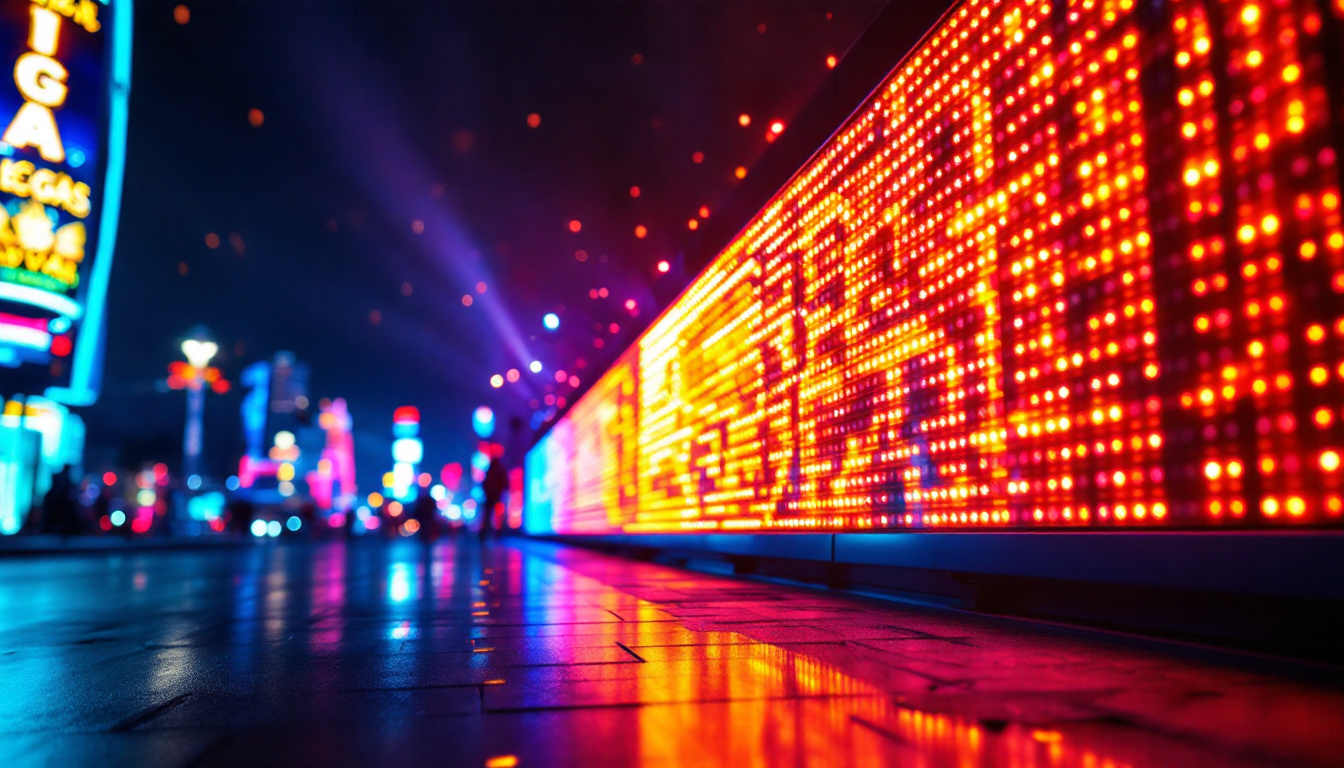
To appreciate 3D LED screens, it is essential first to understand the foundation they are built upon: LED display technology. LED, or Light Emitting Diode, displays consist of tiny light sources that emit light when an electric current passes through them. These diodes are arranged in a matrix to form images and videos with vibrant colors and high brightness.
LED displays have several advantages over traditional LCD or plasma screens. They offer superior brightness, energy efficiency, longer lifespan, and better color accuracy. This makes them ideal for both indoor and outdoor applications, from smartphone screens to massive stadium displays.
Modern LED displays can be categorized into two main types: direct-view LED and LED-backlit LCD. Direct-view LED displays use LEDs as the actual pixels, while LED-backlit LCDs use LEDs to illuminate the liquid crystal display panel. The 3D LED screens discussed here primarily refer to direct-view LED technology, which allows for greater flexibility and scalability in creating large-format, high-resolution displays.
The Basics of LED Pixel Structure
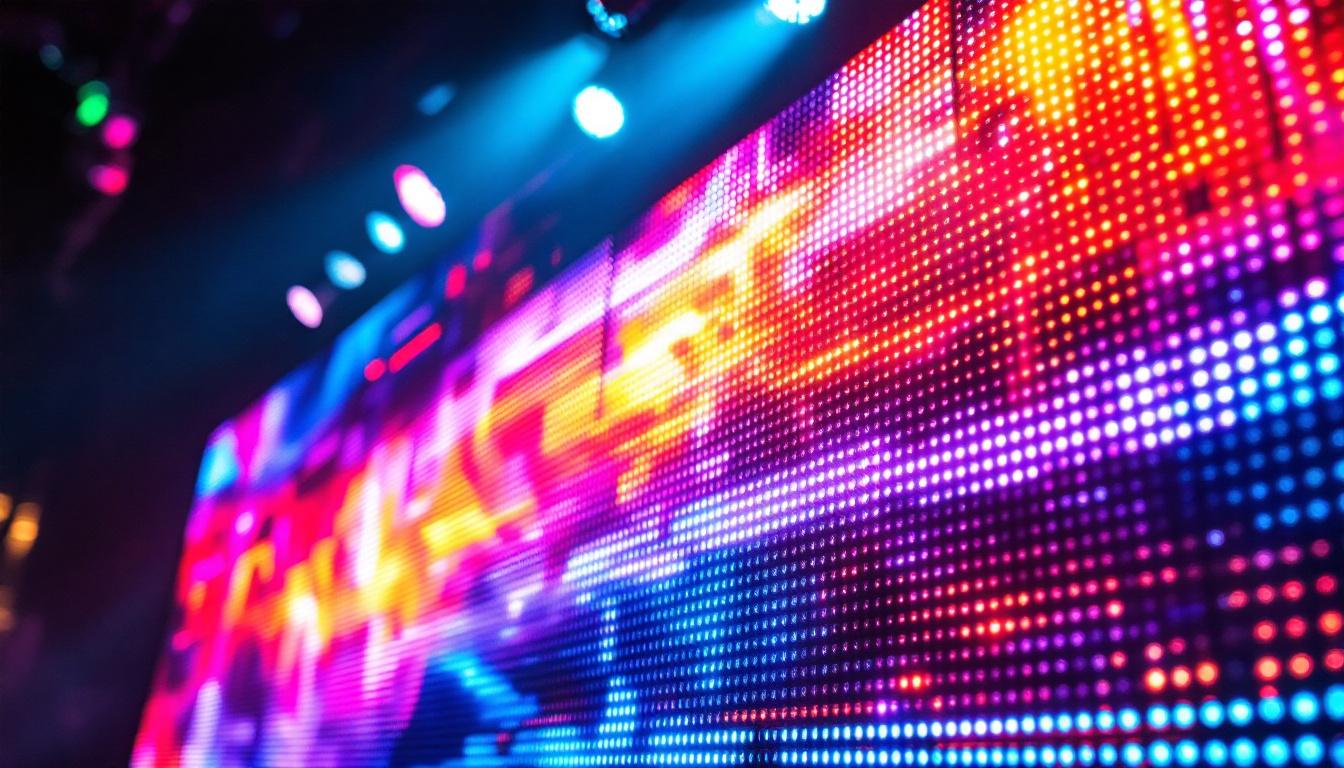
Each pixel in an LED display is typically composed of three sub-pixels: red, green, and blue (RGB). By varying the intensity of these sub-pixels, the display can produce millions of colors. Advances in micro-LED and mini-LED technologies have enabled even smaller pixel sizes, resulting in higher resolution and more detailed images.
This pixel-level control is crucial when creating 3D effects, as it allows for precise manipulation of depth cues and stereoscopic imagery. The ability to control each sub-pixel independently means that LED displays can render complex visual scenes with remarkable accuracy, enhancing the viewer’s experience by creating a more immersive environment. This is particularly beneficial in applications such as virtual reality and augmented reality, where the perception of depth is paramount.
Furthermore, the advancements in LED technology have led to the development of flexible and transparent displays, opening up new possibilities for innovative designs in advertising and architecture. These displays can be seamlessly integrated into various surfaces, allowing for dynamic content that can adapt to the surrounding environment. As a result, we are witnessing a transformation in how information is presented, making it more engaging and interactive for audiences.
What Are 3D LED Screens?
3D LED screens are displays capable of rendering images with a perception of depth, creating a three-dimensional visual experience without the need for special glasses or headgear. Unlike traditional 2D screens, which present flat images, 3D LED screens add spatial depth, making objects appear to pop out or recede into the background.
The implementation of 3D effects on LED displays involves a combination of hardware and software techniques designed to trick the human visual system into perceiving depth. This can be achieved through various methods, including stereoscopy, autostereoscopy, and holography.
Stereoscopic 3D vs. Autostereoscopic 3D
Stereoscopic 3D requires viewers to wear special glasses that filter separate images to each eye, creating the illusion of depth. This approach has been popularized by 3D cinemas and some home entertainment systems. However, it is less practical for large public displays or advertising where glasses are inconvenient.
Autostereoscopic 3D, on the other hand, delivers 3D visuals without glasses. This is achieved through advanced optical elements such as lenticular lenses or parallax barriers integrated into the screen, which direct different images to each eye based on the viewer’s position. Autostereoscopic 3D LED screens are more suitable for public installations, digital signage, and interactive exhibits.
How 3D LED Screens Create Depth Perception
Depth perception on 3D LED screens is primarily created by presenting slightly different images to each eye, mimicking how human binocular vision works. The brain combines these images to perceive depth, a process called stereopsis.
In addition to stereopsis, 3D LED displays may use motion parallax, where the image changes based on the viewer’s angle, enhancing the sense of depth. Some systems also incorporate shading, perspective, and occlusion cues to reinforce the three-dimensional effect.
Applications of 3D LED Screens
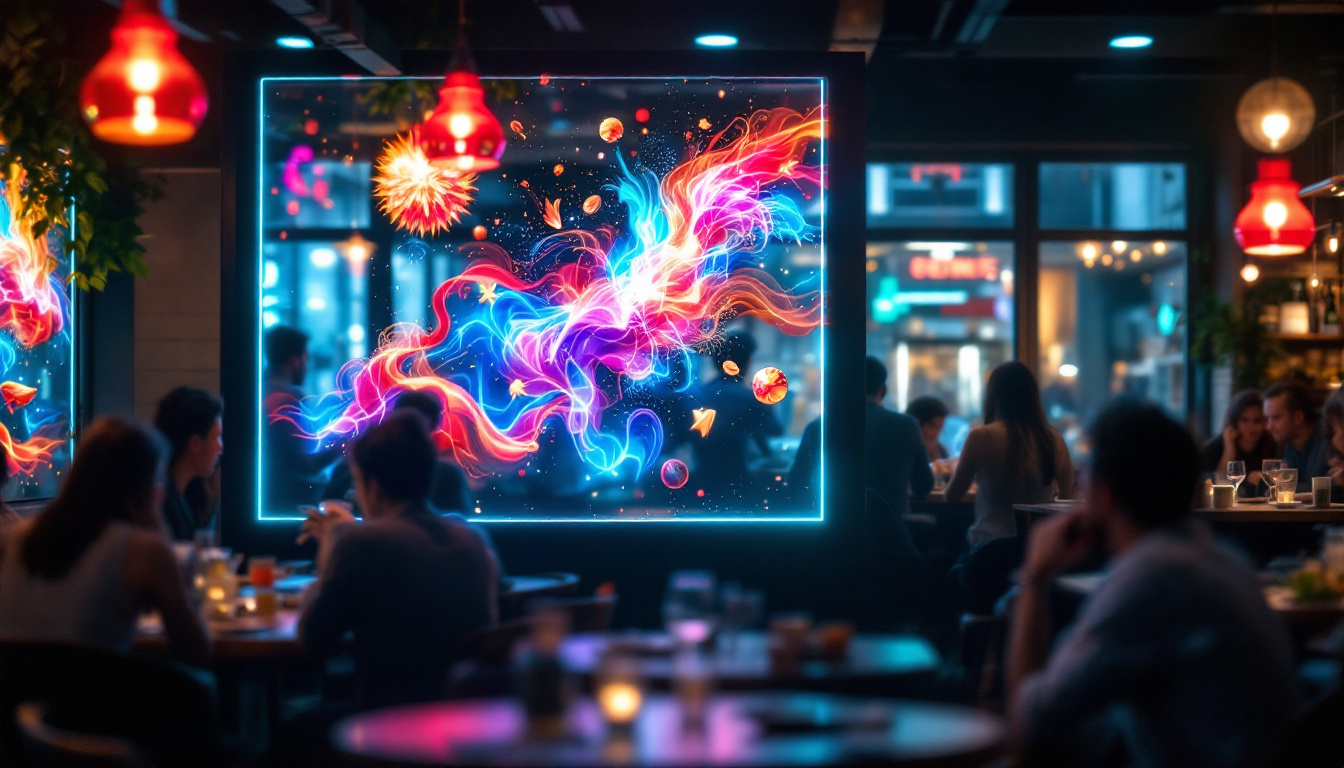
The unique capabilities of 3D LED displays have unlocked new possibilities across various industries. Their ability to captivate audiences with immersive visuals makes them highly valuable in both commercial and creative contexts.
Entertainment and Events
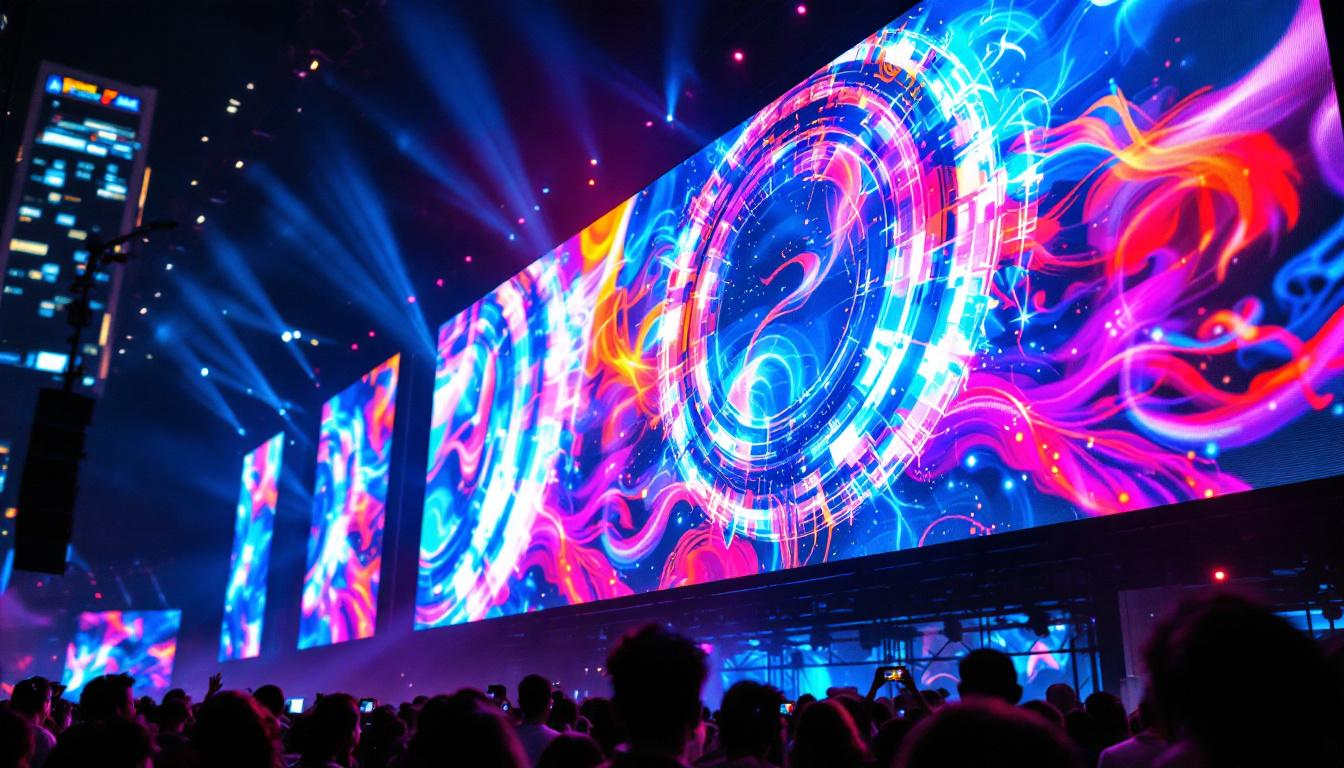
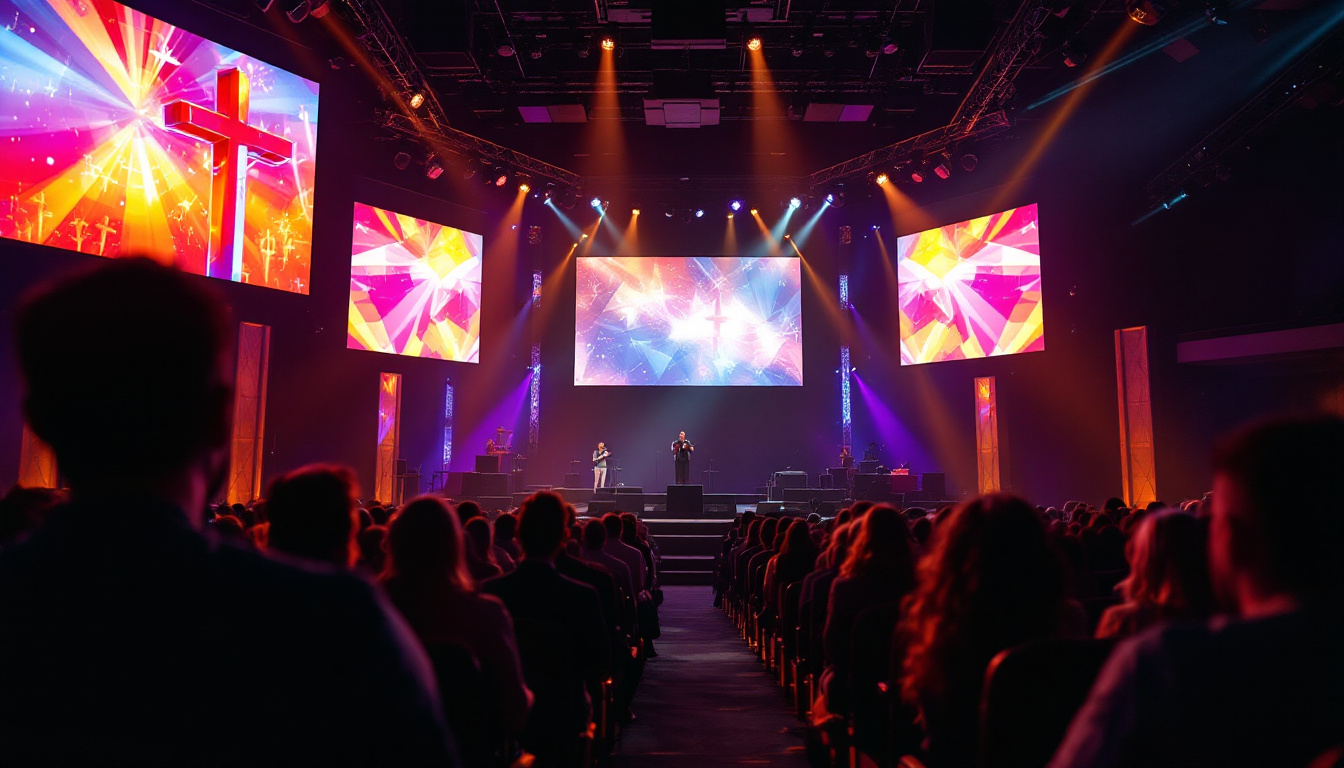
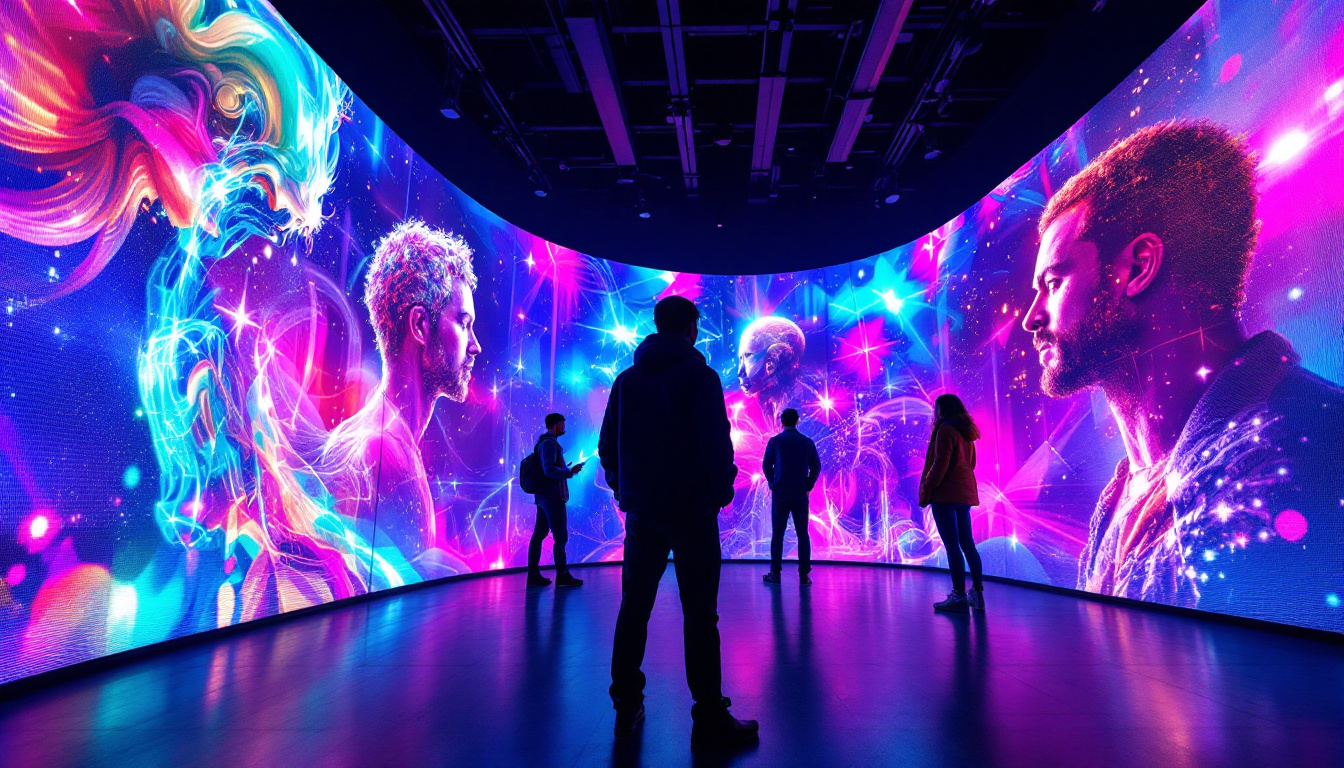
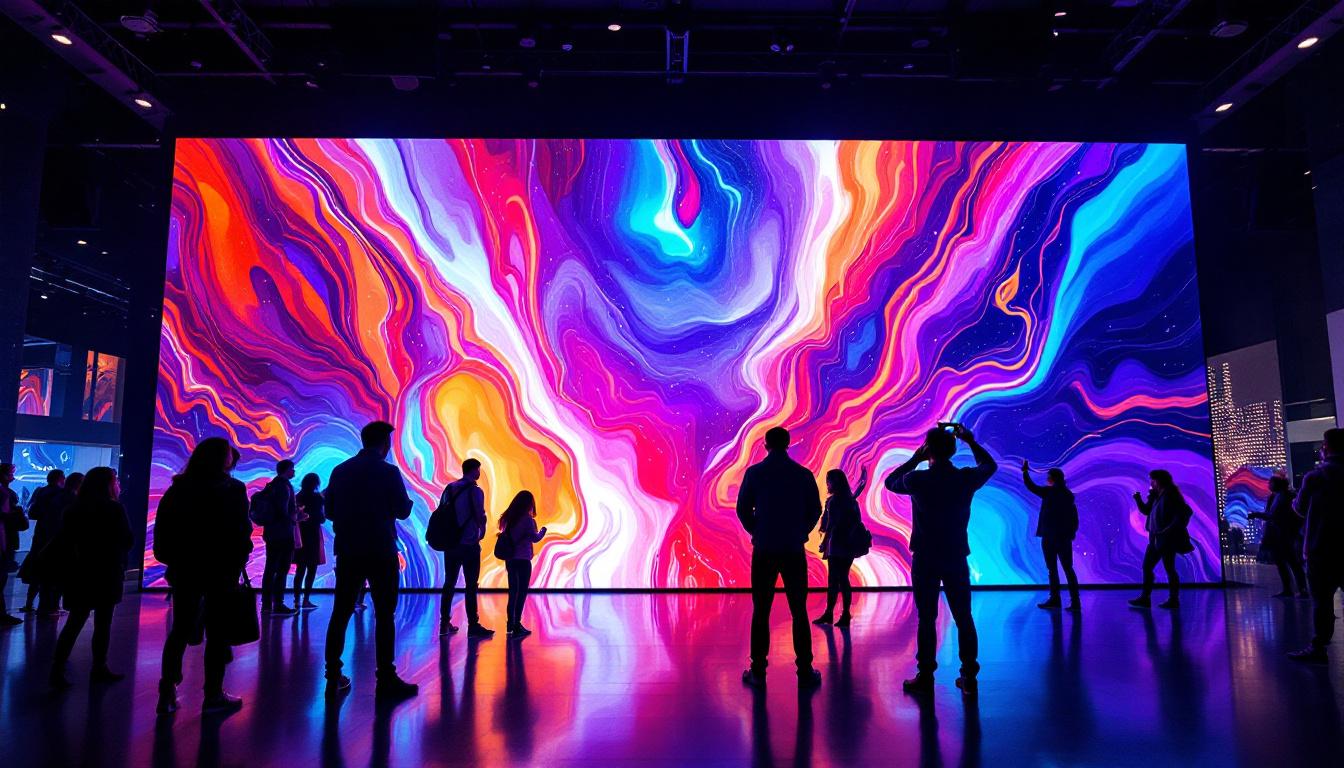
Concerts, theatrical performances, and sporting events increasingly use 3D LED screens to create dynamic backdrops and interactive experiences. For example, large-scale LED walls with 3D effects can transform stage environments, making performances more engaging and memorable.
Theme parks and museums also leverage 3D LED technology to create immersive attractions that blend physical and digital elements seamlessly.
Advertising and Digital Signage
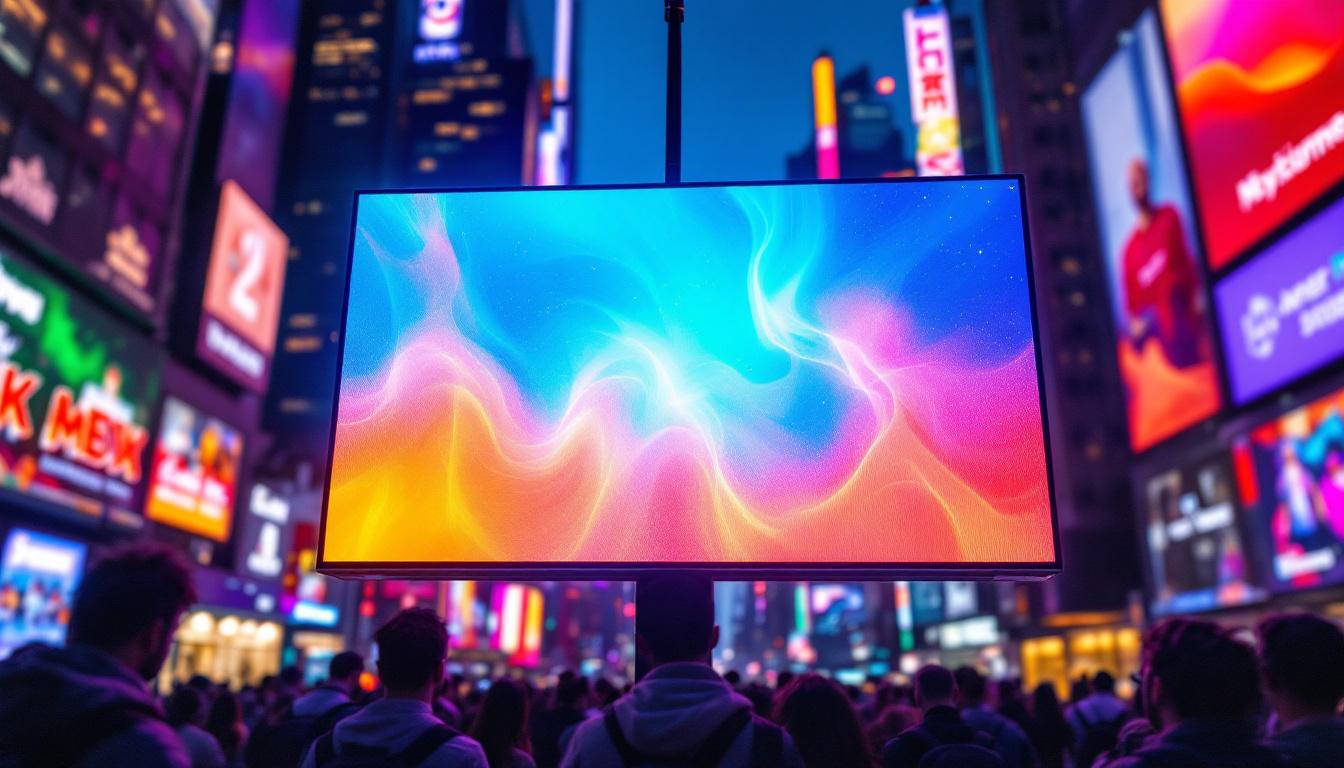
Retailers and advertisers benefit from 3D LED displays by capturing consumer attention in crowded environments. Studies indicate that digital signage with 3D effects can increase viewer engagement by up to 30%, translating to higher brand recall and sales.
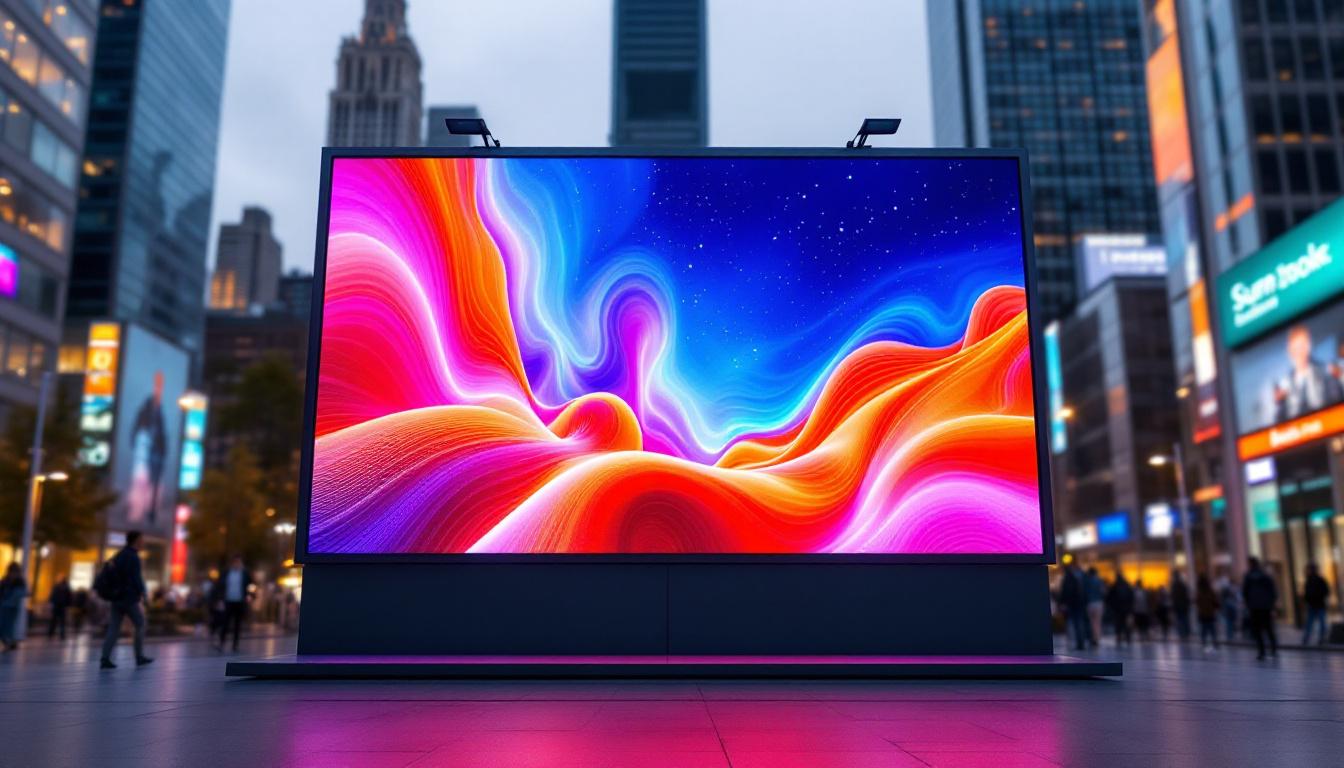
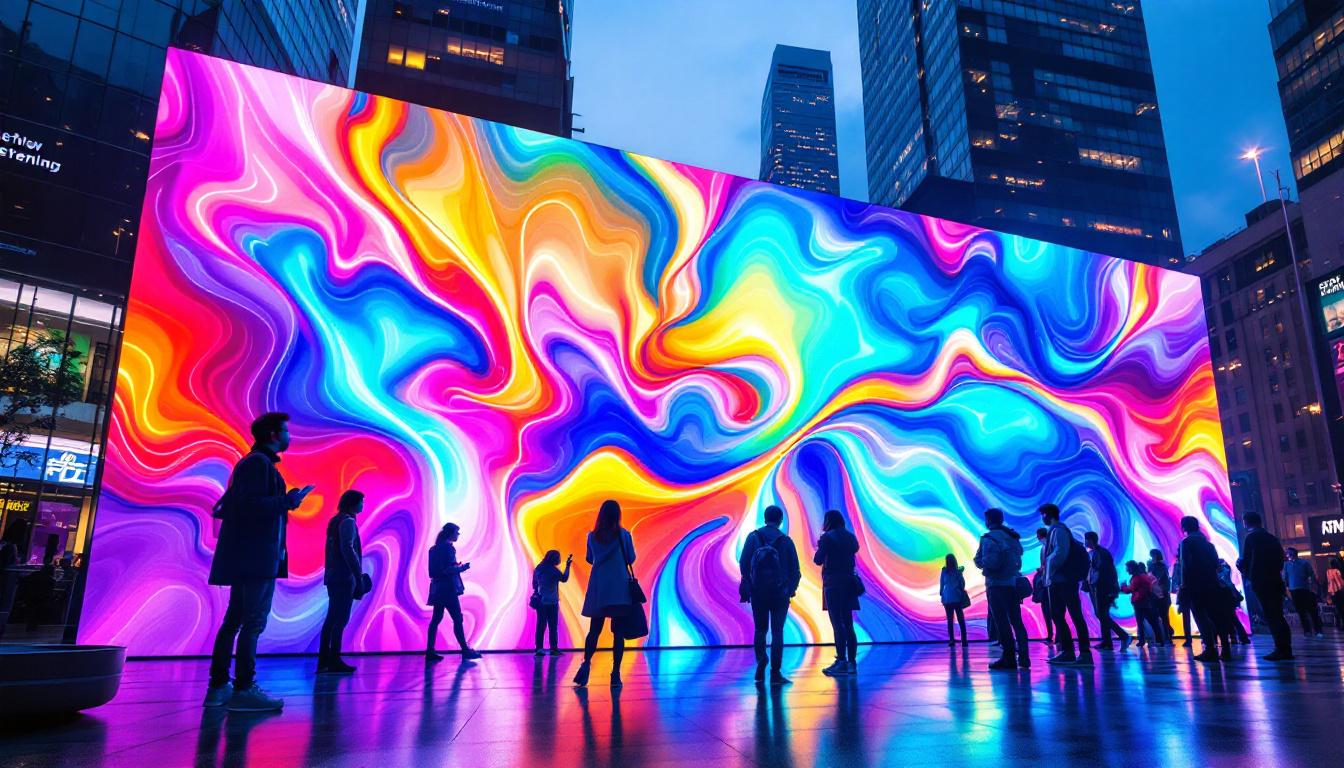
Billboards equipped with autostereoscopic LED screens can showcase products in a lifelike manner, allowing passersby to visualize items such as cars or electronics in three dimensions without additional equipment.
Education and Training
3D LED screens offer significant advantages in educational settings, particularly in fields like medicine, engineering, and architecture. Complex structures and concepts can be visualized in three dimensions, aiding comprehension and retention.
Medical training, for instance, benefits from 3D visualizations of anatomy and surgical procedures, providing students with a more realistic understanding than traditional 2D images or textbooks.
Corporate and Communication
In corporate environments, 3D LED displays enhance presentations and data visualization. Executives and stakeholders can interact with 3D models of products or data sets, facilitating better decision-making and collaboration.
Virtual meetings and conferences are also adopting 3D LED technology to create more engaging and lifelike communication experiences, especially in hybrid work settings.
Technical Challenges and Innovations
While 3D LED screens offer exciting possibilities, they also come with technical challenges that manufacturers and developers continue to address.
Viewing Angles and Multiple Viewers
One of the primary challenges for autostereoscopic 3D LED screens is maintaining the 3D effect across wide viewing angles and for multiple viewers simultaneously. Since the technology relies on directing different images to each eye, viewers outside the optimal zones may experience ghosting or loss of the 3D effect.
Recent innovations include multi-view autostereoscopic displays that support a broader range of viewing angles by projecting multiple image pairs. This allows several people to enjoy the 3D experience from different positions, which is crucial for public installations.
Resolution and Brightness Trade-offs
Integrating 3D effects often requires splitting the display’s resolution between multiple images, which can reduce the effective resolution per eye. Maintaining high brightness and color accuracy while delivering 3D content is also challenging, especially in outdoor environments with strong ambient light.
Advancements in micro-LED technology and improved image processing algorithms are helping to mitigate these issues, enabling sharper and brighter 3D visuals.
Content Creation and Compatibility
Creating compelling 3D content requires specialized tools and expertise. Content must be designed or adapted to leverage the depth cues effectively without causing viewer discomfort or fatigue.
Moreover, compatibility with existing media formats and distribution channels remains an area of ongoing development. Standardization efforts are underway to streamline 3D content production and playback on LED displays.
The Future of 3D LED Screens
As LED technology continues to evolve, the future of 3D LED screens looks promising. Emerging trends point toward more immersive, interactive, and accessible 3D experiences.
Integration with Augmented and Virtual Reality
3D LED screens are increasingly being integrated with augmented reality (AR) and virtual reality (VR) systems to create hybrid environments. For example, AR overlays on 3D LED displays can provide contextual information or interactive elements, enhancing both entertainment and practical applications.
Such integration could revolutionize fields like remote collaboration, training, and retail by blending physical and virtual worlds seamlessly.
Advances in Micro-LED and Flexible Displays
Micro-LED technology promises even higher pixel densities, improved energy efficiency, and thinner form factors. Combined with flexible substrates, this could lead to curved or foldable 3D LED screens, expanding design possibilities for consumer electronics and architectural installations.
AI-Driven Content and Personalization
Artificial intelligence is playing a growing role in optimizing 3D content for LED screens. AI algorithms can dynamically adjust depth effects based on viewer position, ambient lighting, and content type, enhancing comfort and realism.
Personalized 3D advertising and interactive experiences tailored to individual preferences and behaviors are also on the horizon, driven by advances in data analytics and machine learning.
Conclusion
3D LED screens represent a significant leap forward in display technology, offering vibrant, immersive visuals that enhance how people interact with digital content. From entertainment and advertising to education and corporate communication, the applications are diverse and rapidly expanding.
While technical challenges remain, ongoing innovations in hardware, software, and content creation are steadily overcoming these barriers. As the technology matures, 3D LED displays are poised to become a mainstream medium, transforming visual experiences across industries and everyday life.
For businesses and creators looking to captivate audiences with cutting-edge visuals, understanding and leveraging 3D LED screen technology is becoming increasingly essential.
Discover the Future of Visual Engagement with LumenMatrix
Ready to elevate your visual content and create experiences that resonate with your audience? LumenMatrix is at the forefront of LED display innovation, offering a wide range of solutions from Indoor and Outdoor LED Wall Displays to specialized options like Vehicle LED Displays, LED Sports Displays, and even Custom LED Displays tailored to your unique needs. Embrace the future of immersive storytelling with our cutting-edge technology. Check out LumenMatrix LED Display Solutions today and transform your space into a captivating visual journey.