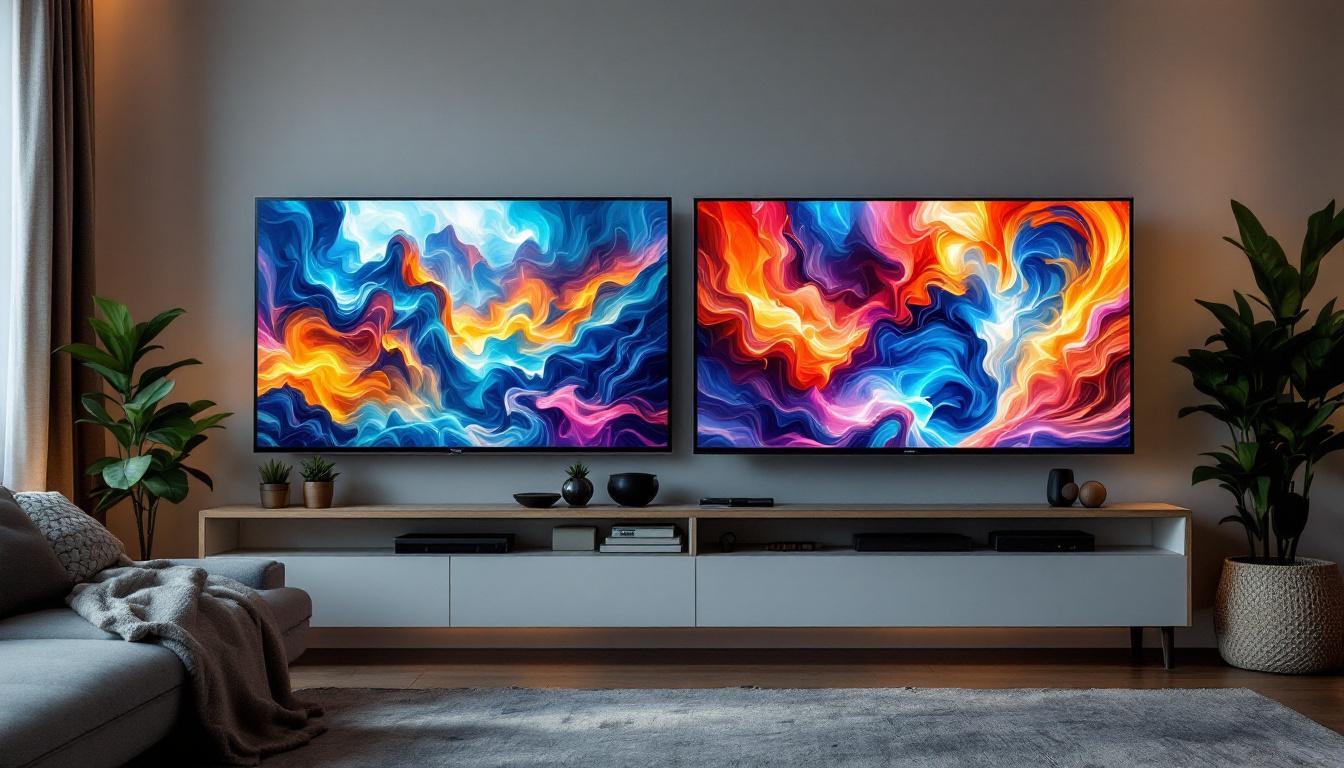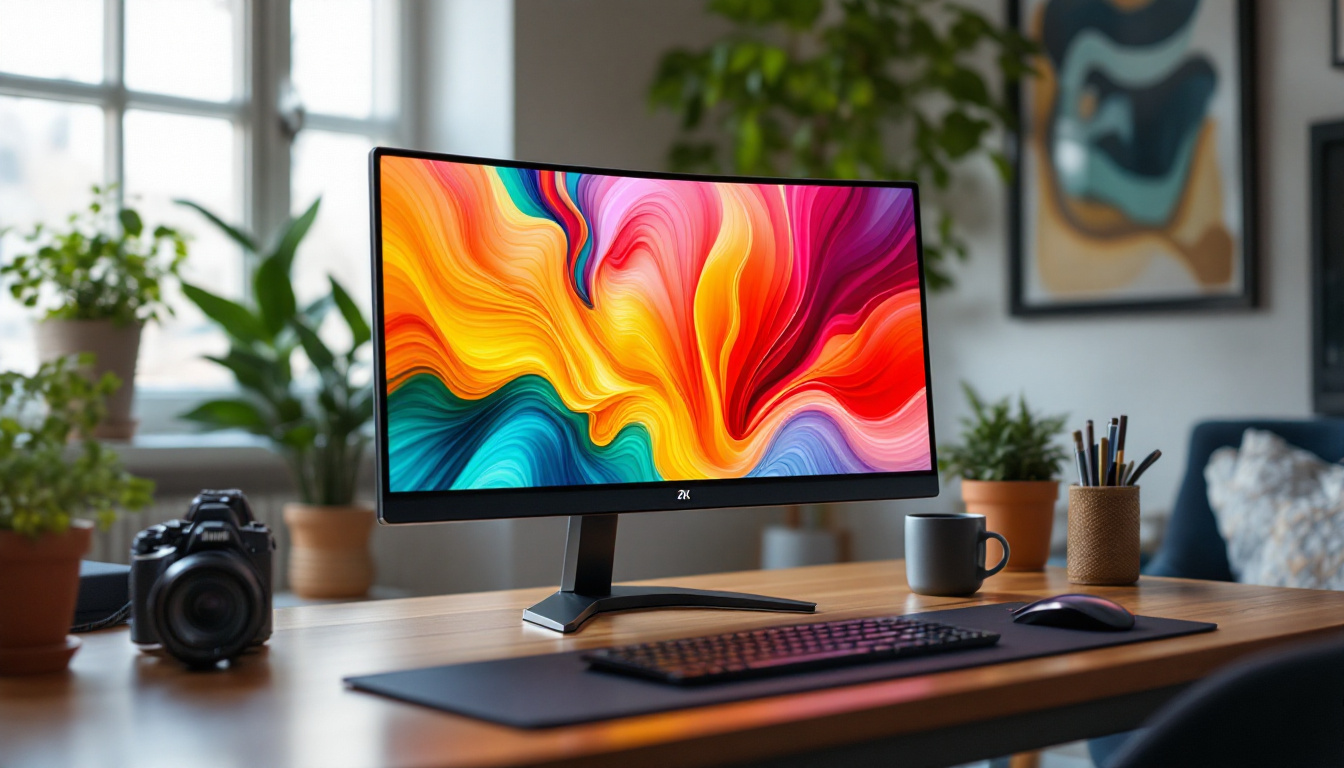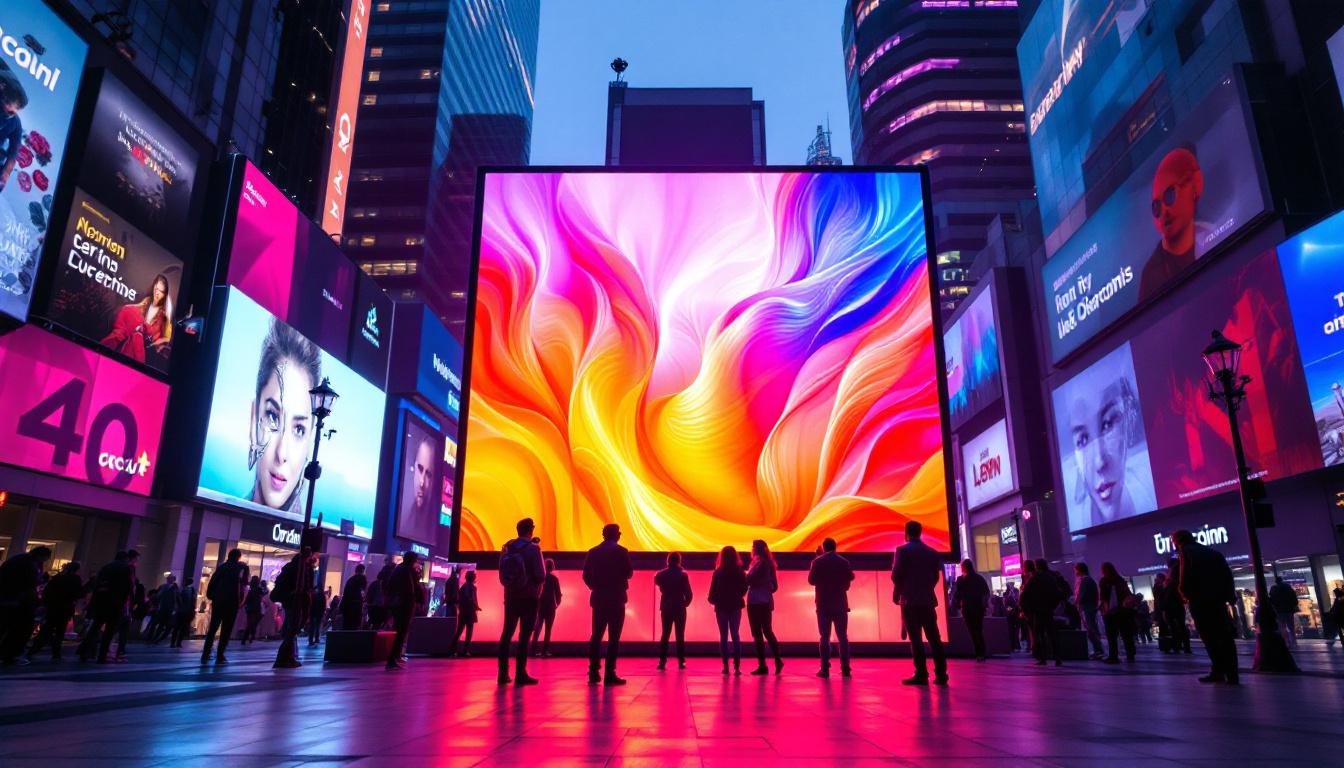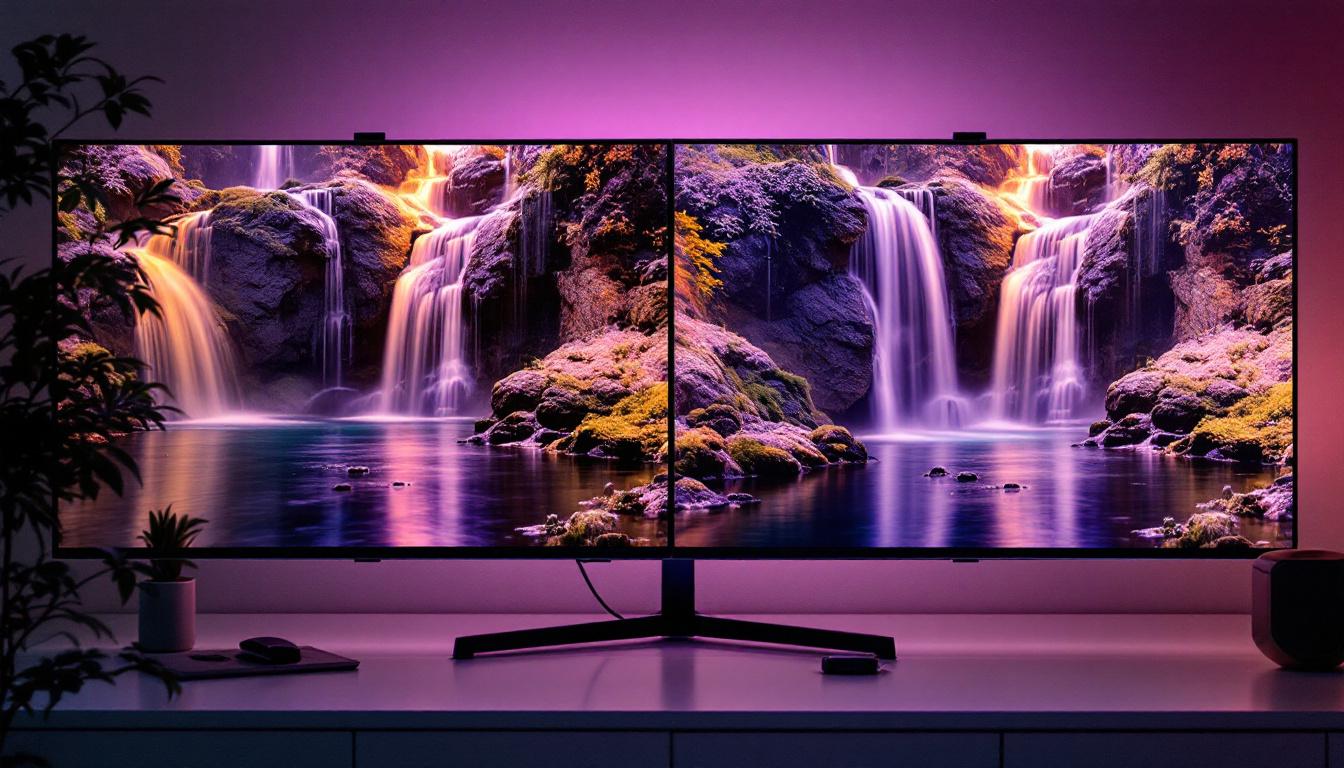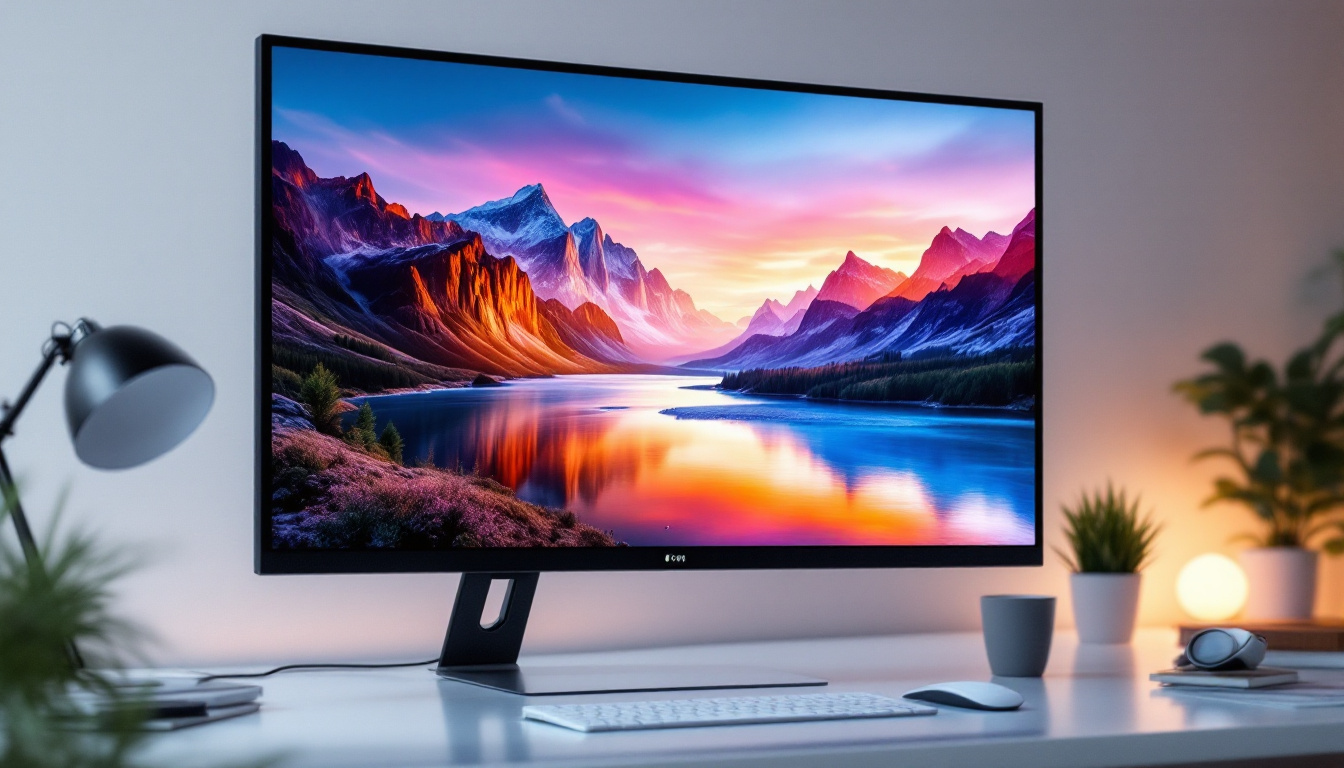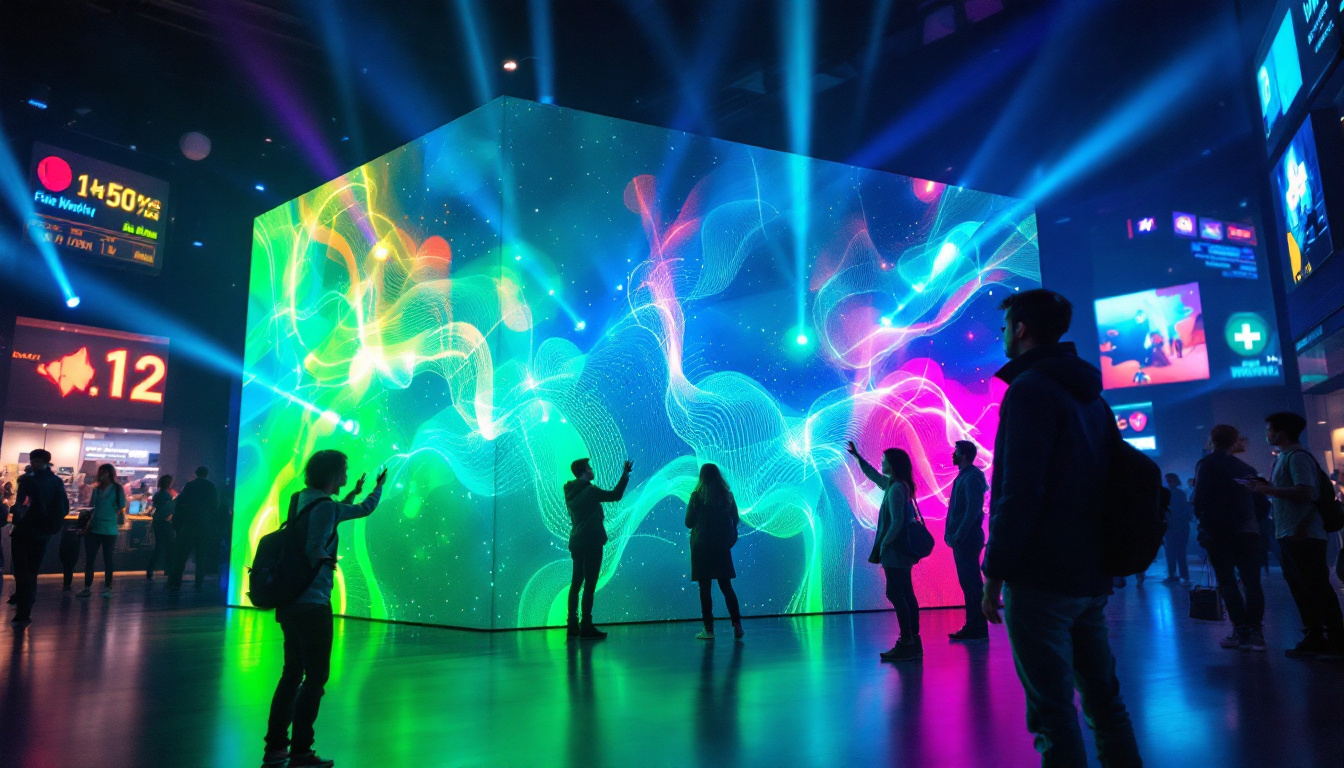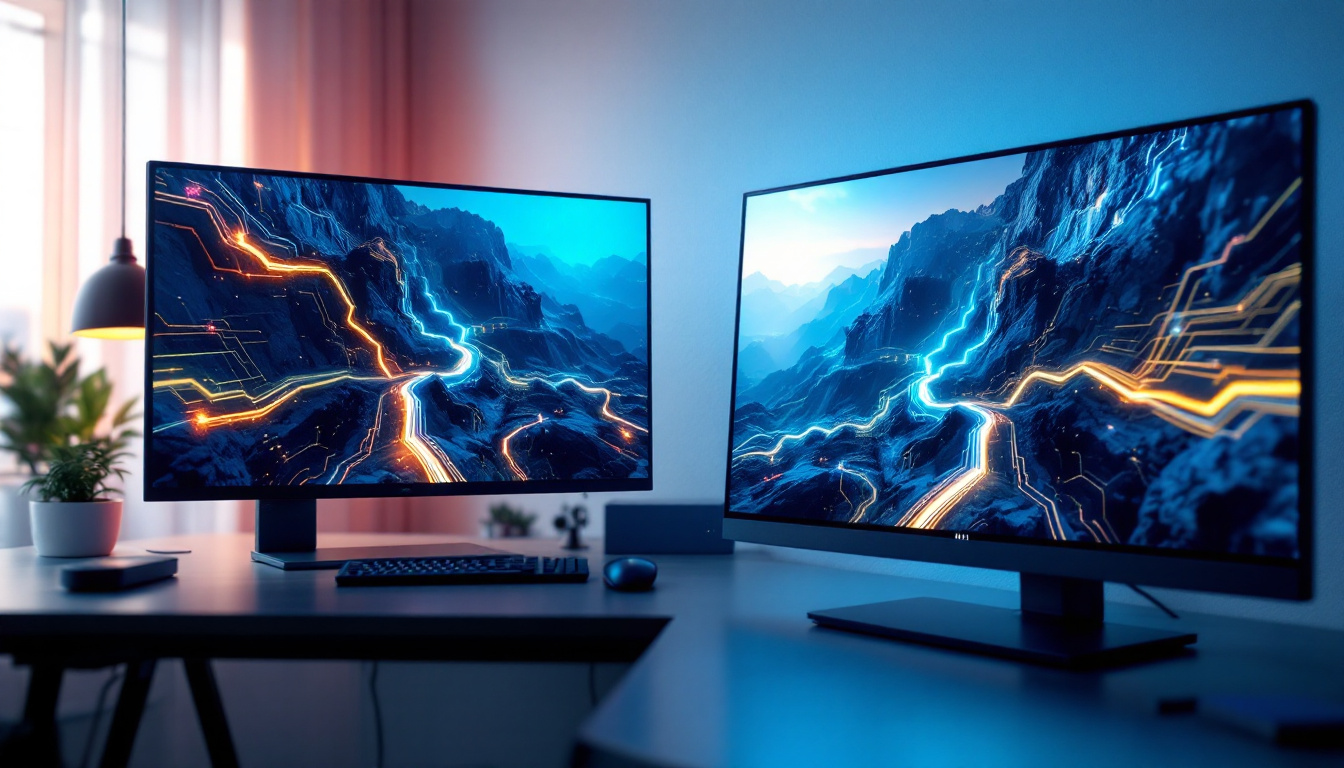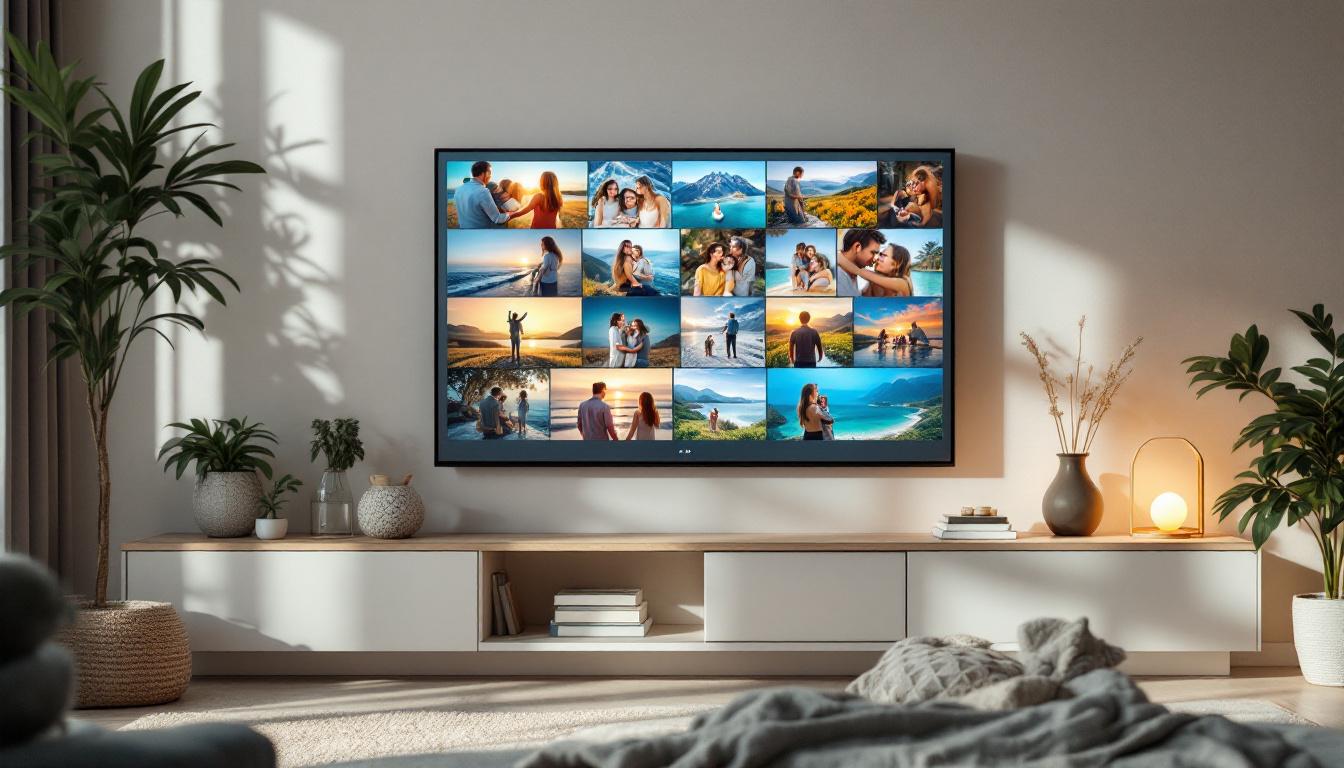
In an era where digital media dominates our lives, the way we display and share videos has evolved dramatically. Digital frames for videos, especially those utilizing LED display technology, have become increasingly popular for both personal and professional use. These devices offer a dynamic and visually captivating way to showcase video content without the need for traditional screens or complicated setups.
This comprehensive article delves into the world of digital video frames with LED displays, exploring their technology, benefits, applications, and what to consider before purchasing one. Whether you are a tech enthusiast, a professional looking to enhance your presentations, or someone interested in modern home décor, understanding LED digital frames will help you make informed decisions about integrating this technology into your life.
Understanding LED Display Technology in Digital Video Frames
What is an LED Display?
LED, or Light Emitting Diode, displays are screens composed of tiny diodes that emit light when an electric current passes through them. Unlike traditional LCD screens that require a backlight, LEDs produce their own light, resulting in brighter images, deeper blacks, and more vibrant colors. This self-illumination makes LED displays highly energy-efficient and capable of delivering superior picture quality. The technology has evolved significantly over the years, allowing for thinner designs and more flexible applications, which has made LED displays a popular choice in various sectors, from consumer electronics to large-scale advertising.
In digital video frames, LED technology is used to create screens that can play videos seamlessly, offering a vivid and clear viewing experience. These frames often utilize either direct LED panels or OLED (Organic LED) technology, each with distinct advantages depending on the application. The integration of smart technology in these frames has further enhanced their functionality, allowing users to connect their devices wirelessly, access streaming services, and even customize display settings through user-friendly interfaces. This versatility has made LED displays a staple in modern digital art installations and advertising campaigns, where dynamic visuals are key to capturing audience attention.
Types of LED Displays Used in Digital Frames
There are primarily two types of LED displays used in digital video frames:
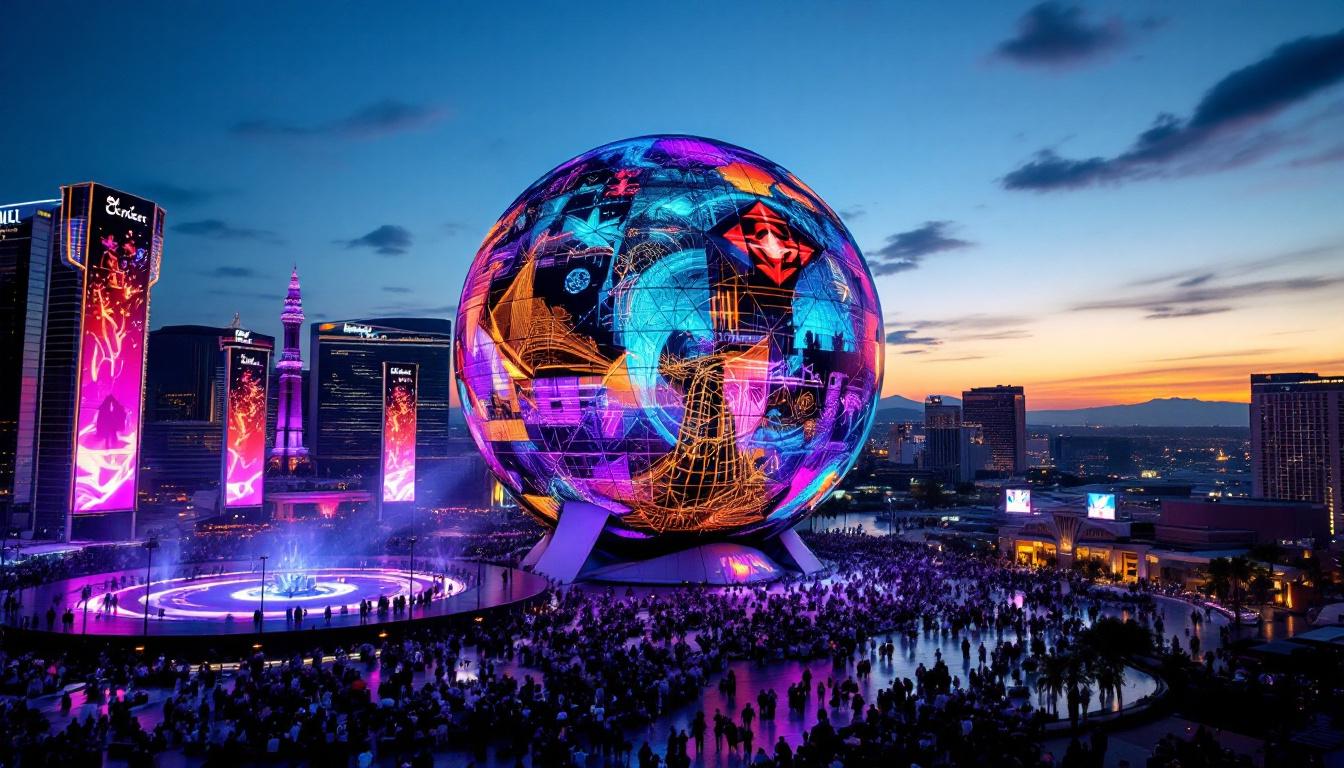
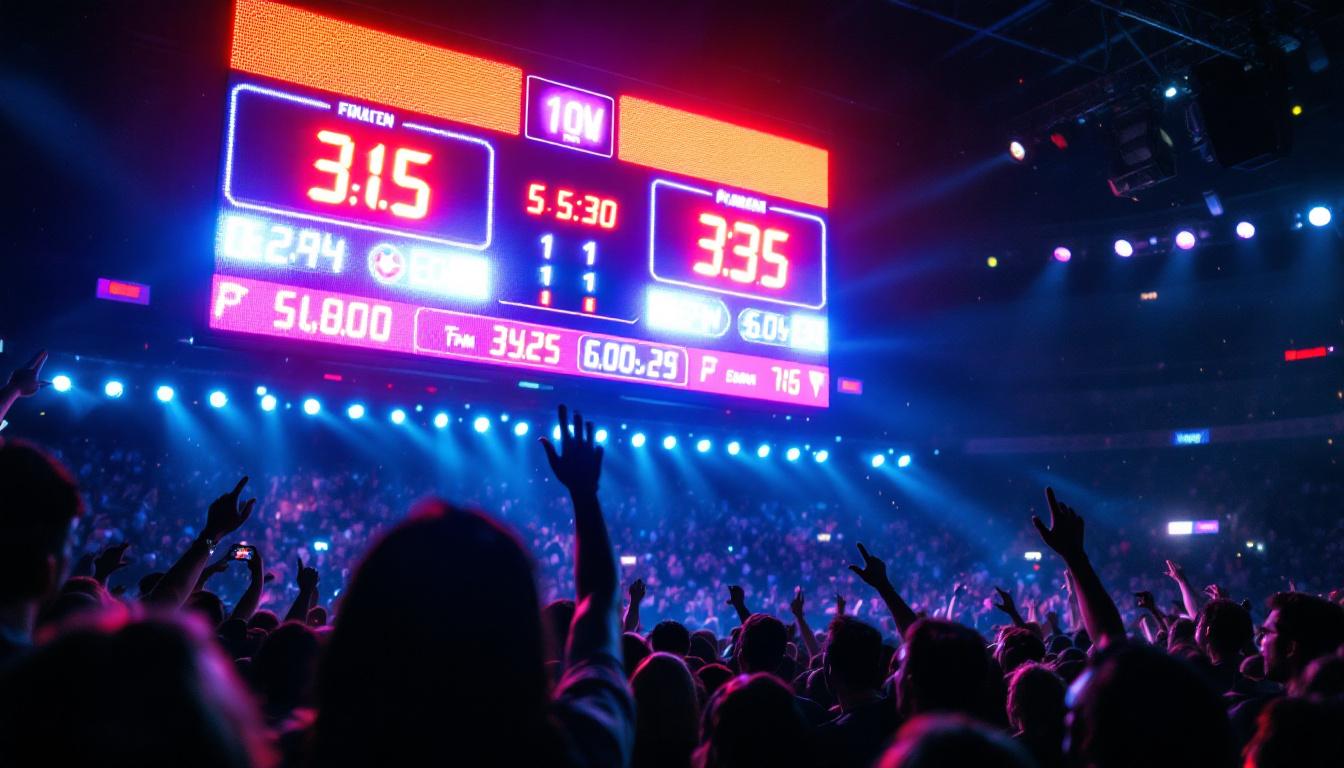
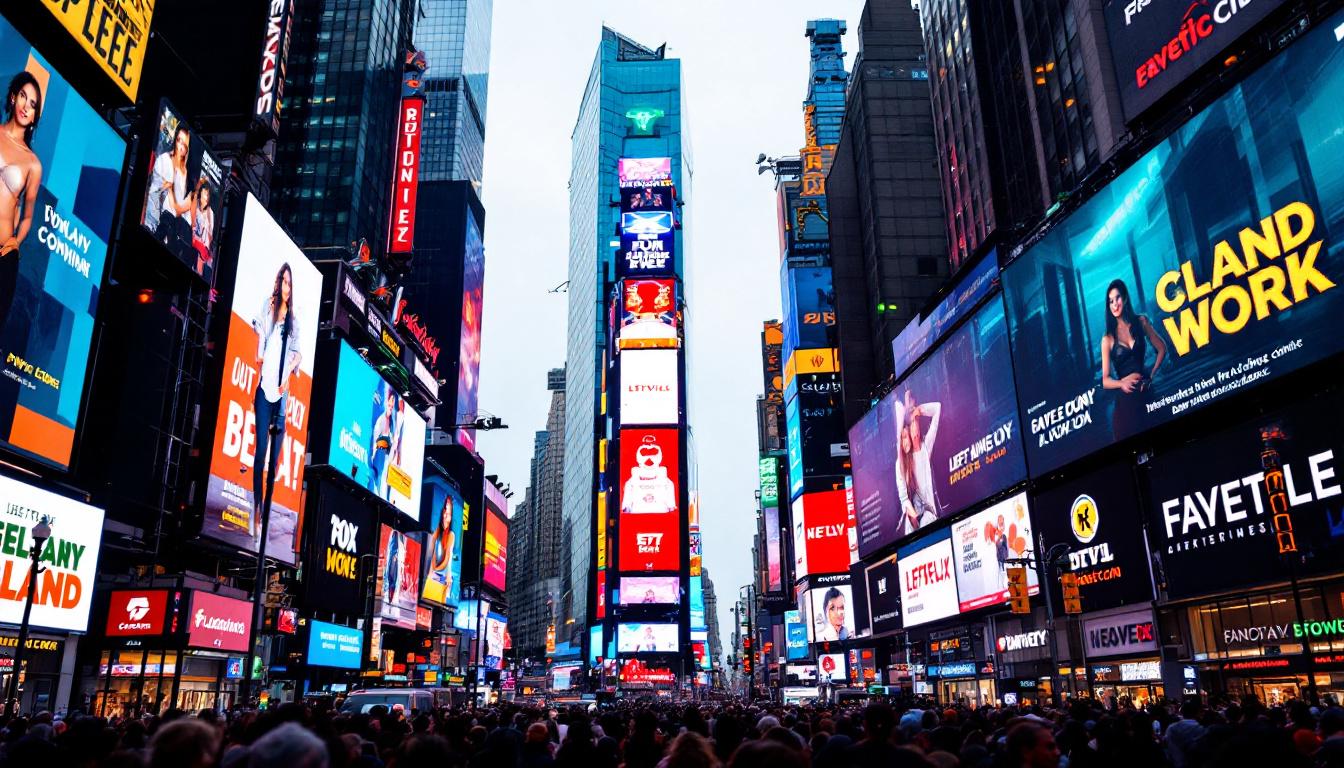
- Direct LED Displays: These consist of an array of LEDs that form the pixels of the screen. They are known for high brightness and durability, making them suitable for both indoor and outdoor use. However, they can be bulkier and consume more power compared to OLEDs. Direct LED displays are often employed in large-scale applications, such as stadium screens and billboards, where visibility from a distance is crucial. Their ability to maintain brightness in various lighting conditions makes them a go-to choice for outdoor advertising.
- OLED Displays: Organic LEDs use organic compounds that emit light when electrified. OLEDs offer superior contrast ratios, thinner designs, and wider viewing angles. They are ideal for high-end digital frames where image quality is paramount. The flexibility of OLED technology also allows for innovative designs, such as curved or bendable screens, which can enhance the aesthetic appeal of digital frames. Additionally, OLED displays are known for their rapid response times, making them particularly effective for displaying fast-moving images or videos without blurring.
Understanding these types helps consumers choose the right frame based on their needs, whether it’s for vibrant home displays or professional-grade video presentations. As technology continues to advance, new innovations in LED display technology are emerging, such as microLEDs, which promise even greater efficiency and picture quality. These developments are paving the way for more immersive viewing experiences, as they allow for higher pixel densities and improved color accuracy, making them an exciting option for future digital video frames.
Benefits of Using Digital Frames with LED Displays for Videos
Enhanced Visual Quality
One of the most significant advantages of LED digital frames is their exceptional visual quality. The brightness and color accuracy of LED displays allow videos to appear more lifelike and engaging. This is particularly important for displaying family memories, artwork, or promotional content where visual impact matters.
Compared to traditional digital photo frames that primarily display still images, LED video frames can handle motion smoothly, providing a cinematic experience in a compact form factor.
Energy Efficiency and Longevity
LED technology is renowned for its energy efficiency. Digital frames with LED displays consume less power than older display technologies, which is beneficial for devices intended to run continuously or for extended periods. This efficiency translates to longer battery life in portable frames and lower electricity bills for stationary units.
Moreover, LEDs have a longer lifespan than many other light sources, reducing the need for frequent replacements and ensuring the frame remains functional and vibrant for years.
Versatility and Connectivity
Modern digital frames with LED displays often come equipped with a variety of connectivity options, such as Wi-Fi, Bluetooth, and USB ports. This versatility allows users to easily upload and stream video content from smartphones, cloud storage, or memory cards.
Some advanced models support apps that enable remote management of playlists, scheduling, and even social media integration, making it simple to update and customize the displayed content without physically accessing the frame.
Popular Applications of LED Digital Video Frames
Home and Personal Use
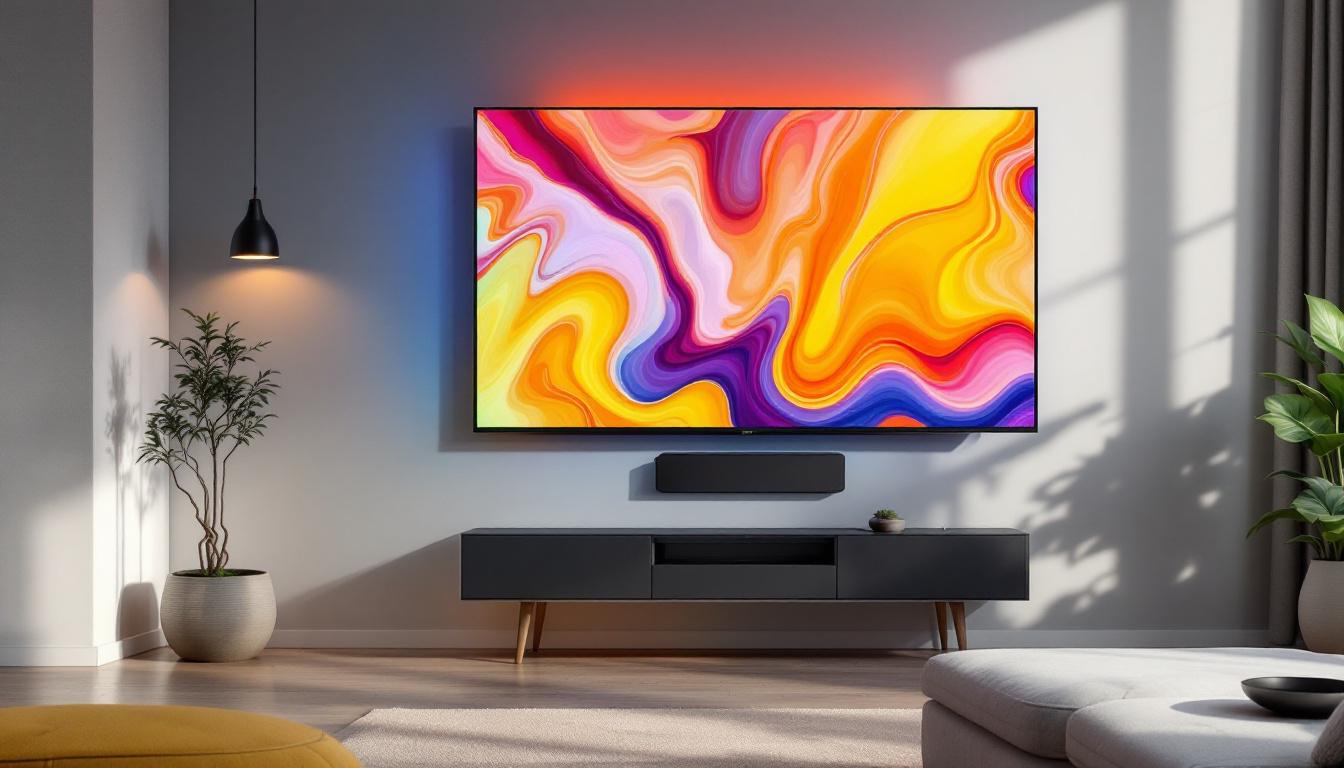
Digital video frames have become a popular way to display cherished memories in the home. Families use these frames to showcase video clips from vacations, celebrations, and everyday moments, bringing photos to life in a way that static frames cannot.
LED frames are also favored for their aesthetic appeal, often designed with sleek, modern frames that complement home décor. Their ability to cycle through videos and photos automatically adds a dynamic element to living spaces.
Corporate and Professional Settings
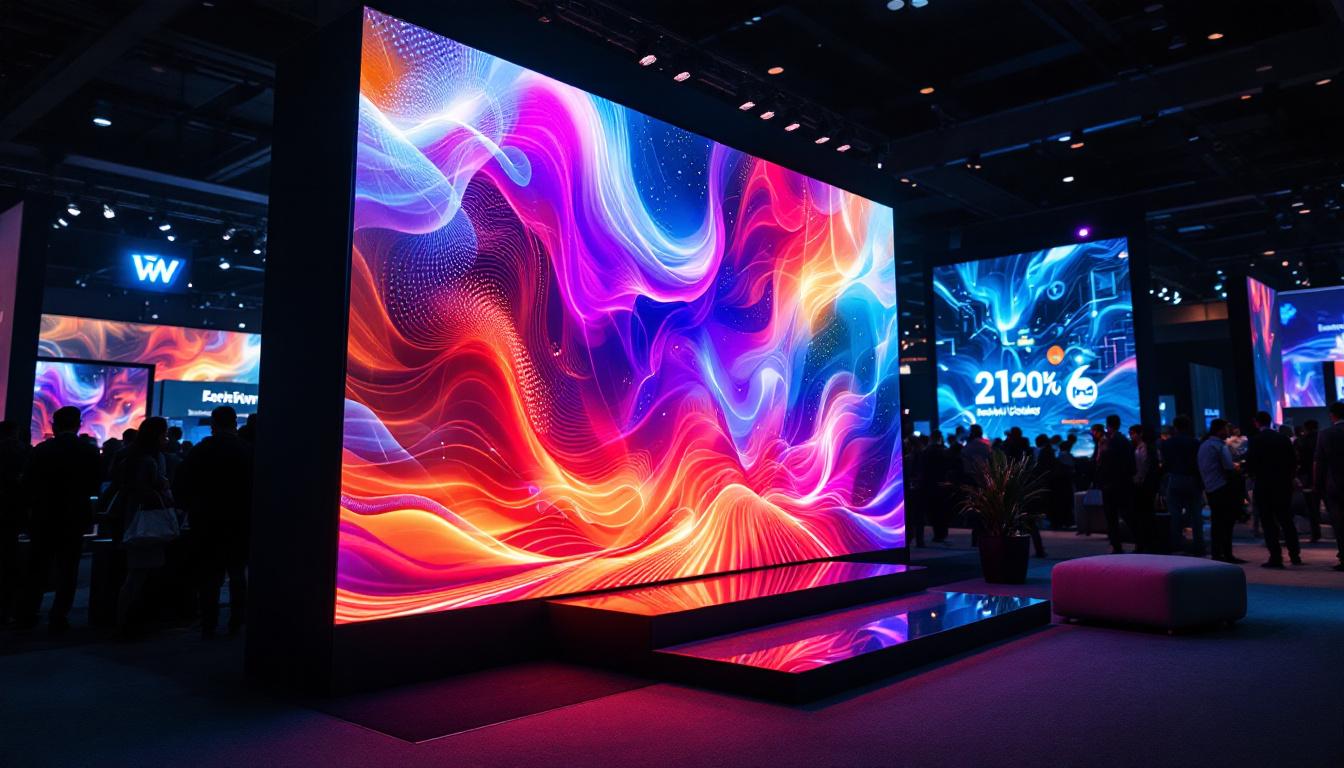
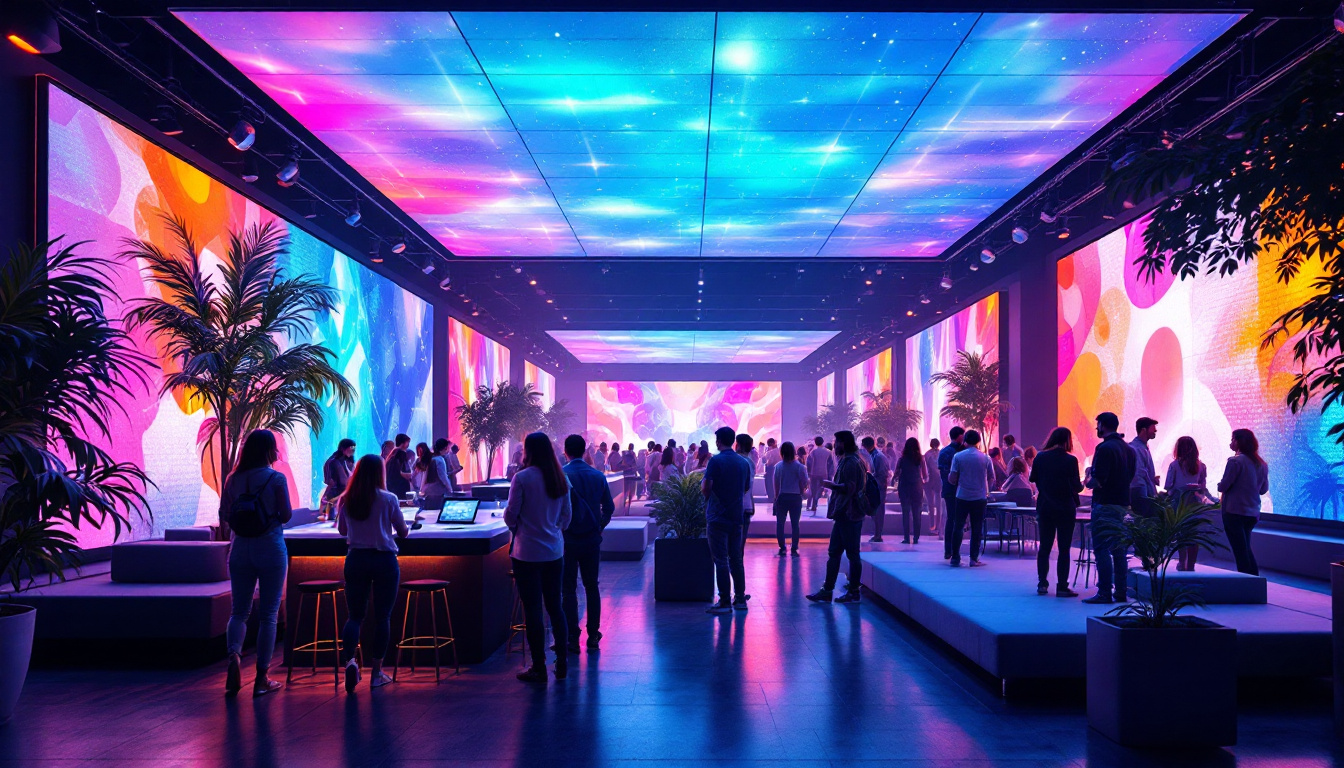
In business environments, LED digital frames are used to enhance presentations, advertise products, and display informational content in lobbies or meeting rooms. Their vibrant displays capture attention and can be updated in real-time, making them valuable tools for marketing and communication.
For example, retail stores use LED video frames to showcase promotional videos and advertisements, while offices might use them to display corporate messages or event highlights. The ability to remotely manage content ensures that information remains current and relevant.
Art and Exhibitions
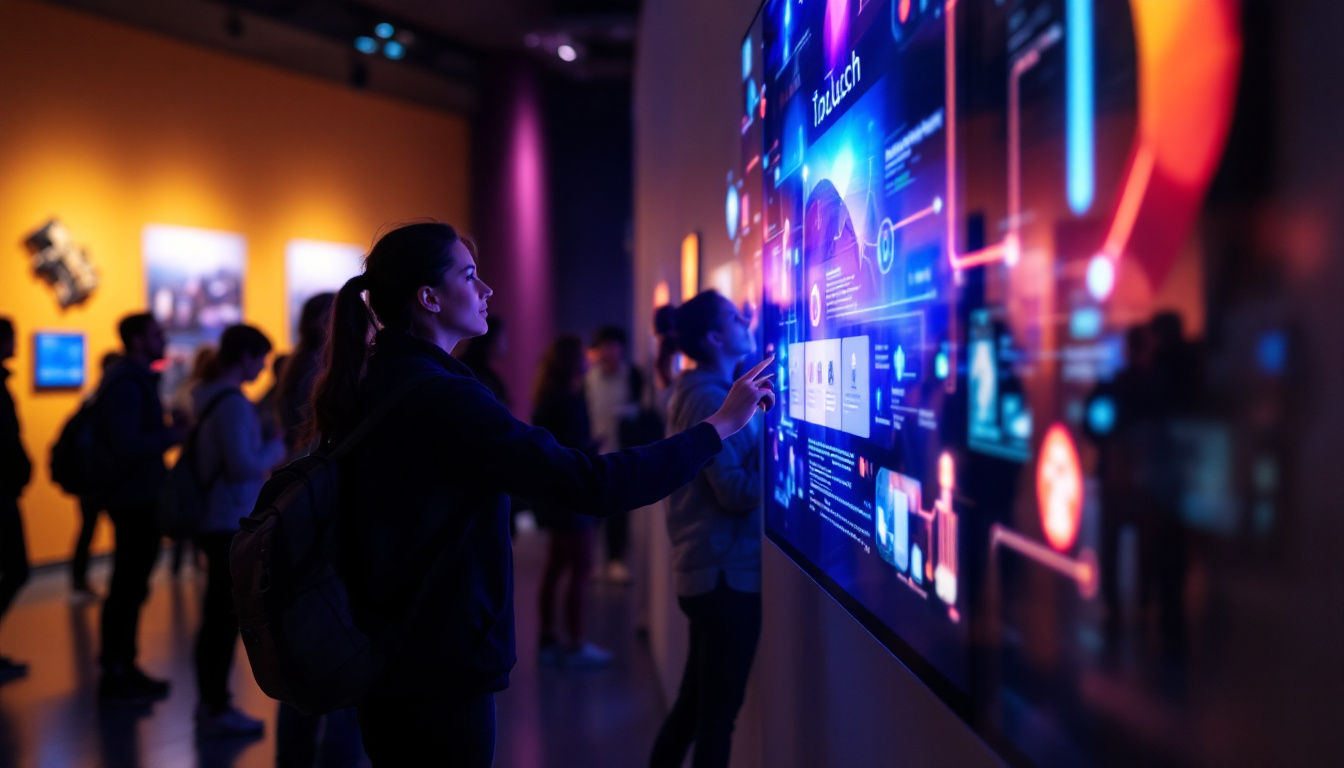
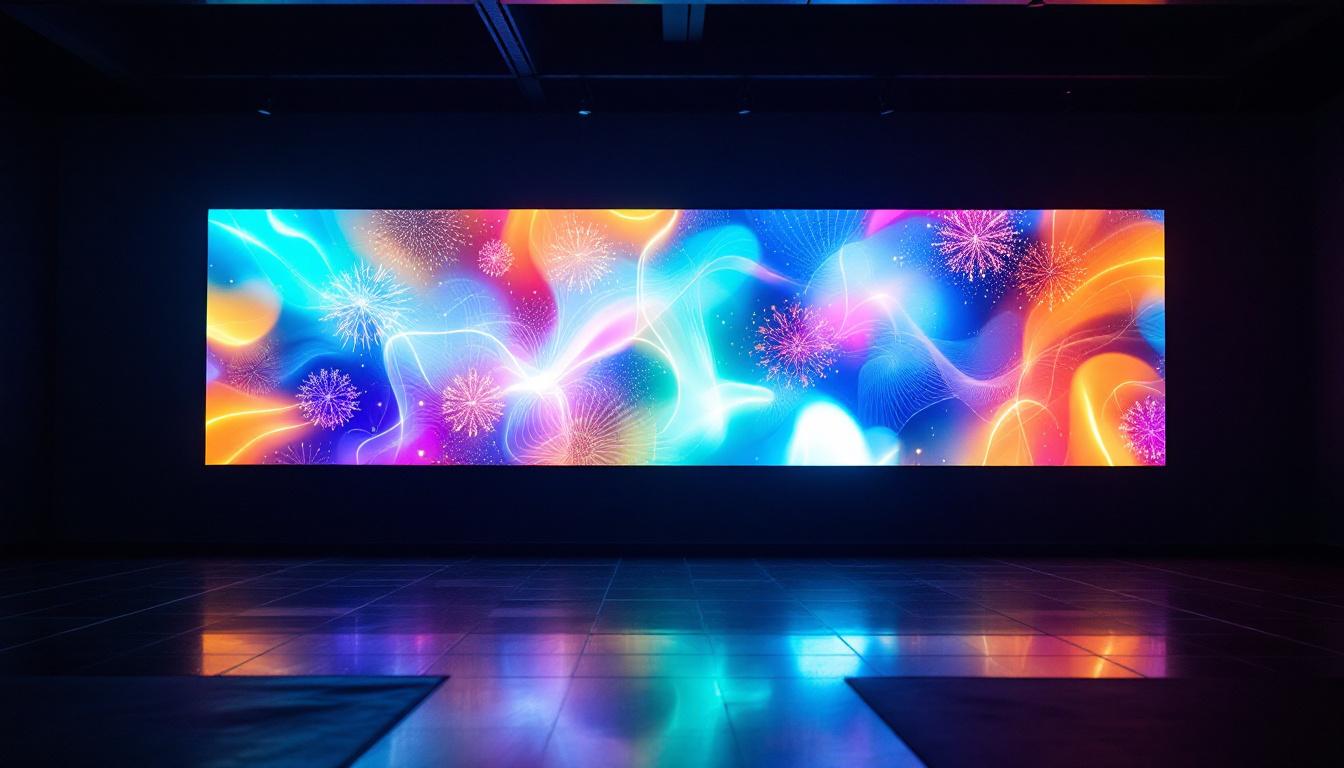
Artists and curators are increasingly embracing LED digital frames to present video art and multimedia exhibitions. The high-quality display capabilities allow for intricate visual storytelling and immersive experiences that traditional frames cannot provide.
These frames enable galleries to showcase dynamic content without the need for bulky equipment, offering a modern approach to art presentation that appeals to contemporary audiences.
Key Features to Consider When Choosing a Digital Frame for Videos
Display Size and Resolution
The size of the digital frame is crucial depending on where it will be placed and how it will be viewed. Larger frames provide a more immersive experience but require more space and may consume more power. Resolution is equally important; higher resolutions (such as Full HD or 4K) ensure that videos appear sharp and detailed.
For personal use, a frame between 8 to 15 inches with at least 1080p resolution is often sufficient. Professional or exhibition purposes may demand larger sizes and higher resolutions to meet audience expectations.
Video Format Compatibility
Not all digital frames support every video format. It is essential to check which formats the frame can play natively to avoid compatibility issues. Common supported formats include MP4, AVI, MOV, and WMV.
Frames that support a wider range of formats or offer built-in conversion capabilities provide greater flexibility in content creation and playback.
Storage and Connectivity Options
Storage capacity determines how many videos can be stored locally on the frame. Some models offer internal memory, while others rely on external SD cards or USB drives. Additionally, Wi-Fi-enabled frames allow streaming from cloud services or direct uploads from mobile devices.
Choosing a frame with multiple connectivity options enhances convenience and ensures seamless content updates.
Additional Features
Other features to consider include:
- Touchscreen Controls: Simplifies navigation and content management.
- Remote Control: Allows operation from a distance, useful in professional settings.
- Auto-Rotation and Orientation Sensors: Automatically adjusts the display based on frame positioning.
- Scheduling: Enables timed playback, ideal for advertising or event displays.
Future Trends in LED Digital Video Frames
Integration with Smart Home Systems
As smart home technology advances, digital frames are increasingly being integrated with voice assistants and home automation systems. This allows users to control video playback through voice commands or sync frames with other smart devices for a cohesive multimedia experience.
Improved AI and Content Personalization
Artificial intelligence is beginning to play a role in content curation for digital frames. Future models may automatically select and display videos based on user preferences, time of day, or special occasions, making the viewing experience more personalized and engaging.
Flexible and Transparent LED Displays
Emerging technologies in LED displays include flexible and transparent panels, which could revolutionize the design and placement of digital frames. Imagine frames that can wrap around surfaces or blend seamlessly into windows, expanding the possibilities for video display in both homes and public spaces.
Conclusion
Digital frames for videos utilizing LED display technology represent a significant advancement in how video content is showcased. Their superior visual quality, energy efficiency, and versatility make them suitable for a wide range of applications—from personal memory sharing to professional advertising and artistic exhibitions.
Choosing the right LED digital video frame involves understanding the underlying technology, assessing your specific needs, and considering features such as display size, resolution, and connectivity. As technology continues to evolve, these frames will become even more integrated into everyday life, offering richer and more interactive ways to experience video content.
For anyone looking to bring their videos to life with stunning clarity and convenience, LED digital frames offer a compelling solution that combines innovation with aesthetic appeal.
Discover LumenMatrix’s Innovative LED Display Solutions
Ready to elevate your video content with the latest in LED display technology? Look no further than LumenMatrix, a pioneer in crafting mesmerizing visual experiences. Whether you’re seeking to enhance your home, captivate your audience in a professional setting, or create a dynamic art installation, LumenMatrix offers a diverse range of LED display solutions tailored to your needs. From Indoor and Outdoor LED Walls to Custom and Transparent Displays, our mission is to transform your visual communication with unparalleled clarity and impact. Check out LumenMatrix LED Display Solutions today and step into the future of digital storytelling.