Understanding measurements is fundamental in many fields, from construction and design to technology and everyday life. One common conversion is between feet and inches, especially when dealing with dimensions for displays like LED screens. This article delves into the conversion of 1.5 feet to inches, explains the significance of accurate measurements in LED displays, and explores how these measurements impact the design, installation, and performance of LED technology.
Understanding the Conversion: Feet to Inches
Before diving into LED displays, it’s essential to grasp the basics of measurement conversion. Feet and inches are part of the imperial system, widely used in the United States and some other countries. One foot equals 12 inches. This simple ratio allows for straightforward conversions between these units, making it easier for professionals and DIY enthusiasts alike to communicate measurements clearly and effectively.
In addition to the imperial system, many countries utilize the metric system, which can lead to confusion when dealing with international projects. Understanding both systems and how to convert between them is invaluable, especially in fields like construction, engineering, and design. For example, knowing that 1 inch is approximately 2.54 centimeters can help bridge the gap between these two measurement systems, allowing for more seamless collaboration across borders.
Calculating 1.5 Feet in Inches
To convert feet to inches, multiply the number of feet by 12. For 1.5 feet:
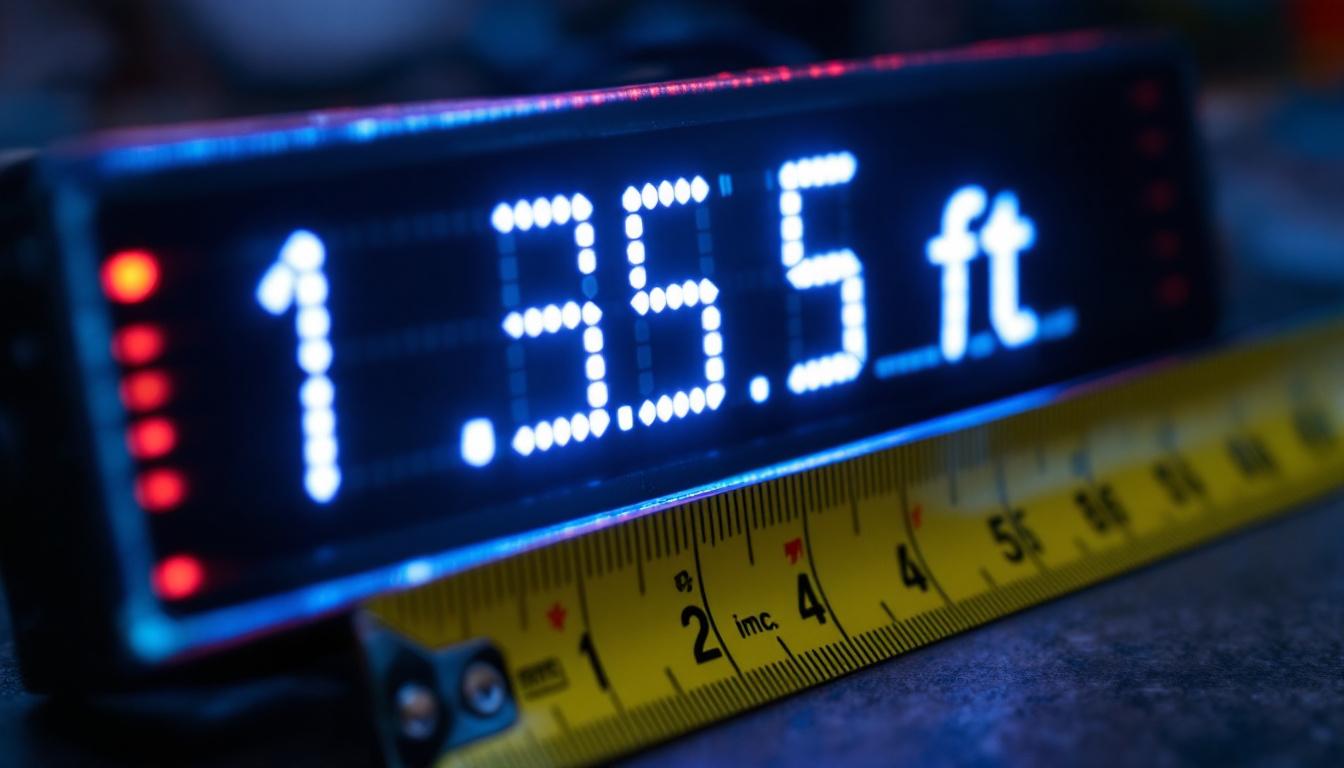
1.5 feet × 12 inches/foot = 18 inches
This means 1.5 feet is equivalent to 18 inches. This conversion is crucial when specifying dimensions for LED displays, ensuring precision and compatibility with other components or design requirements. In the world of LED technology, where every pixel matters, having the correct dimensions can significantly impact the overall performance and aesthetic of the display.
Moreover, when designing an LED display, factors such as the aspect ratio and resolution also come into play. For instance, a display that is 1.5 feet wide and 18 inches tall must maintain a certain pixel density to deliver sharp images. Therefore, accurate conversions not only facilitate the physical installation but also ensure that the visual output meets the intended quality standards.
Why Accurate Measurement Matters
In many industries, even small measurement errors can lead to significant problems. For LED displays, accurate dimensions affect:
- Installation Fit: Ensuring the display fits perfectly in the designated space.
- Visual Quality: Proper sizing influences pixel density and viewing distance.
- Cost Efficiency: Avoiding waste or unnecessary expenses due to incorrect sizing.
Thus, understanding and applying precise conversions like 1.5 feet to 18 inches is foundational. Additionally, in the realm of custom installations, precise measurements can also dictate the choice of mounting hardware and support structures, which are critical for the longevity and stability of the display. A well-fitted LED display not only enhances the viewer’s experience but also ensures that the technology operates within its optimal parameters, reducing the likelihood of malfunctions or maintenance issues.
Furthermore, as LED technology continues to evolve, the importance of accurate measurements becomes even more pronounced. With advancements in display sizes and resolutions, the demand for precision in both design and installation processes has increased. Professionals in the field must remain vigilant about measurement standards and conversion practices to keep pace with the rapid changes in technology and consumer expectations. This attention to detail ultimately contributes to the success of any project involving LED displays, reinforcing the value of mastering basic conversions like feet to inches.
LED Displays: An Overview
LED (Light Emitting Diode) displays have revolutionized the way information and visuals are presented in public and private spaces. From massive outdoor billboards to compact indoor screens, LED technology offers vibrant colors, energy efficiency, and durability. The evolution of LED displays has not only enhanced visual communication but has also paved the way for innovative advertising strategies and immersive experiences in various sectors, including entertainment, retail, and transportation.
Types of LED Displays
LED displays come in various forms, each suited for different applications:
- Indoor LED Displays: Used in retail stores, conference rooms, and entertainment venues. These displays typically have smaller pixel pitches for close viewing, allowing for high-definition images that captivate audiences and enhance customer engagement.
- Outdoor LED Displays: Built to withstand weather conditions, these are used for advertising, sports arenas, and public information. They are designed with higher brightness levels to ensure visibility in direct sunlight, making them ideal for high-traffic areas.
- Flexible LED Displays: Can be curved or shaped to fit unique architectural designs. This versatility allows for creative installations that can transform spaces and create dynamic visual experiences.
Regardless of type, precise measurement and sizing are critical for optimal performance. The ability to customize LED displays to fit specific environments and purposes has made them a preferred choice for businesses looking to make a bold statement.
Pixel Pitch and Display Size
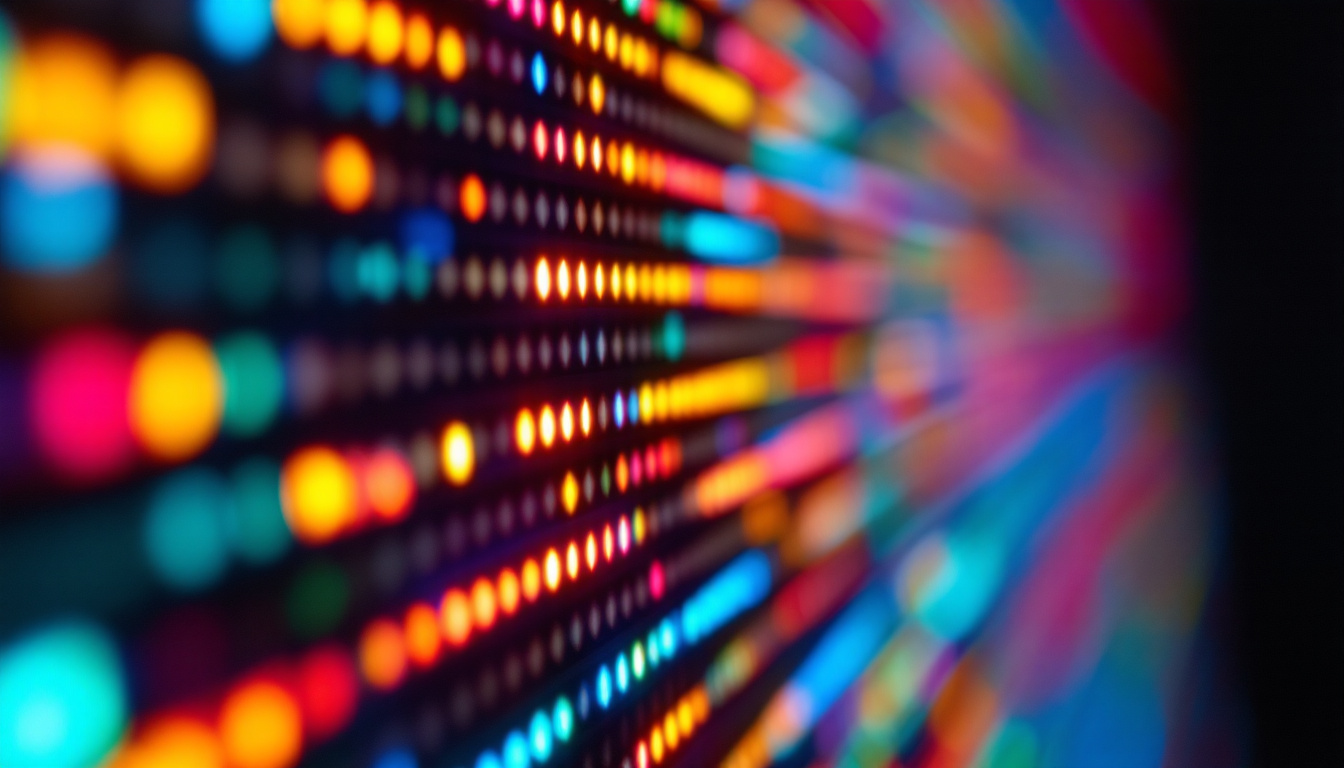
One of the most important concepts in LED display technology is pixel pitch, which refers to the distance between the centers of two adjacent pixels. Pixel pitch is typically measured in millimeters and directly affects the resolution and viewing distance of the display. Understanding pixel pitch is essential for selecting the right display for a given application, as it influences not only the clarity of the visuals but also the overall impact of the message being conveyed.
For example, a display with a 1.5mm pixel pitch offers extremely high resolution and is suitable for close-up viewing, such as in control rooms or retail environments. Conversely, larger pixel pitches (e.g., 10mm or more) are used for large outdoor displays viewed from a distance. The choice of pixel pitch also affects the cost and installation process, as tighter pixel pitches typically require more advanced technology and higher investment. Additionally, advancements in LED technology continue to push the boundaries of pixel density, enabling even finer pitches that enhance the viewing experience in various settings.
Applying the 1.5 Feet Measurement in LED Display Contexts
When designing or specifying an LED display, understanding how measurements like 1.5 feet translate into inches—and subsequently into millimeters—is essential for ensuring the display meets the intended use case.
From Feet to Inches to Millimeters
Since LED pixel pitches are measured in millimeters, converting feet and inches into metric units is often necessary. Starting with 1.5 feet:
- 1.5 feet = 18 inches
- 1 inch = 25.4 millimeters
- Therefore, 18 inches × 25.4 mm/inch = 457.2 millimeters
This means a 1.5-foot dimension corresponds to approximately 457.2 millimeters, a useful figure when planning the physical size of an LED display panel or module.
Practical Example: Designing a Display Panel
Imagine a scenario where a designer needs to create an LED display panel that is 1.5 feet wide. Knowing this equals 18 inches or roughly 457.2 millimeters allows the designer to select LED modules that fit this width precisely.
If the chosen pixel pitch is 3mm, the number of pixels across the width can be calculated as:
457.2 mm / 3 mm per pixel = approximately 152 pixels
This pixel count informs the resolution and clarity of the display, which is critical for the intended viewing distance and content type.
The Impact of Measurement Accuracy on LED Display Performance
Measurement accuracy affects not only the physical fit of an LED display but also its visual performance and user experience.
Visual Clarity and Viewing Distance
Pixel pitch and display size determine the optimal viewing distance. For example, a display with a pixel pitch of 1.5mm is best viewed from about 1.5 meters (approximately 5 feet) or closer. If the display size is inaccurately measured, the content may appear pixelated or blurry at typical viewing distances.
Ensuring the display width is exactly 1.5 feet (18 inches) as planned means the pixel density and resolution will meet the expected standards, providing crisp images and readable text.
Installation and Integration
LED displays are often integrated into architectural elements or existing structures. Precise measurements prevent installation issues such as gaps, overlaps, or misalignments, which can degrade the overall aesthetic and functionality.
For example, a display panel intended to fit within a 1.5-foot-wide recess must be manufactured and installed with exact dimensions to avoid costly adjustments or replacements.
Common Measurement Challenges in LED Display Projects
Despite the straightforward conversion of 1.5 feet to 18 inches, several challenges can arise during LED display projects related to measurements.
Unit Confusion and Conversion Errors
Projects involving international teams or suppliers may encounter confusion between imperial and metric units. Miscommunication can lead to incorrect panel sizes or pixel pitch selections.
Using consistent units and double-checking conversions, such as confirming that 1.5 feet equals 18 inches and 457.2 millimeters, helps mitigate these risks.
Tolerance and Manufacturing Variability
Even with precise measurements, manufacturing tolerances can cause slight deviations in panel sizes. It’s important to account for these tolerances during design and installation planning to ensure a seamless fit.
Environmental Factors
Materials used in LED displays can expand or contract due to temperature changes and humidity. Accurate initial measurements, combined with allowances for environmental factors, ensure long-term stability and performance.
Conclusion: The Importance of Precise Measurement in LED Displays
Converting 1.5 feet to inches—resulting in 18 inches—is a simple yet critical step in the design and implementation of LED displays. This conversion underpins accurate sizing, which directly influences the display’s visual clarity, installation success, and overall effectiveness.
Understanding the relationship between imperial and metric units, especially when dealing with pixel pitch and display dimensions, ensures that LED technology delivers the vibrant, high-quality visuals expected in today’s competitive market.
Whether for indoor signage, outdoor advertising, or custom architectural installations, precise measurement conversions like 1.5 feet to inches form the foundation of successful LED display projects.
Discover Precision with LumenMatrix LED Displays
Ready to elevate your space with impeccable clarity and vibrant visuals? LumenMatrix is at the forefront of LED display innovation, offering a wide array of solutions tailored to your unique needs. From captivating Indoor LED Walls to dynamic Outdoor LED Displays, and from sleek LED Posters to immersive Custom LED Installations, we have the technology to bring your vision to life. Experience the difference precision makes in every aspect of visual communication. Check out LumenMatrix LED Display Solutions today and transform your message into an unforgettable visual experience.