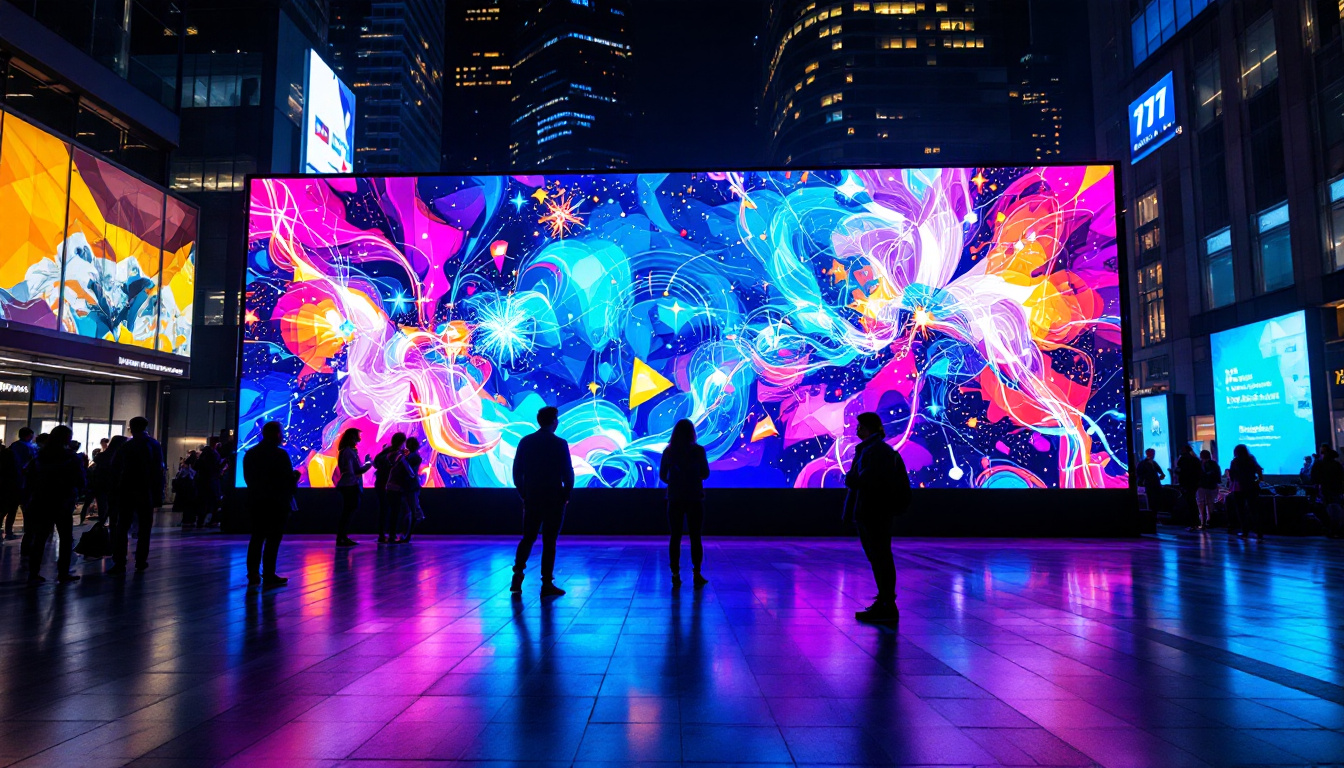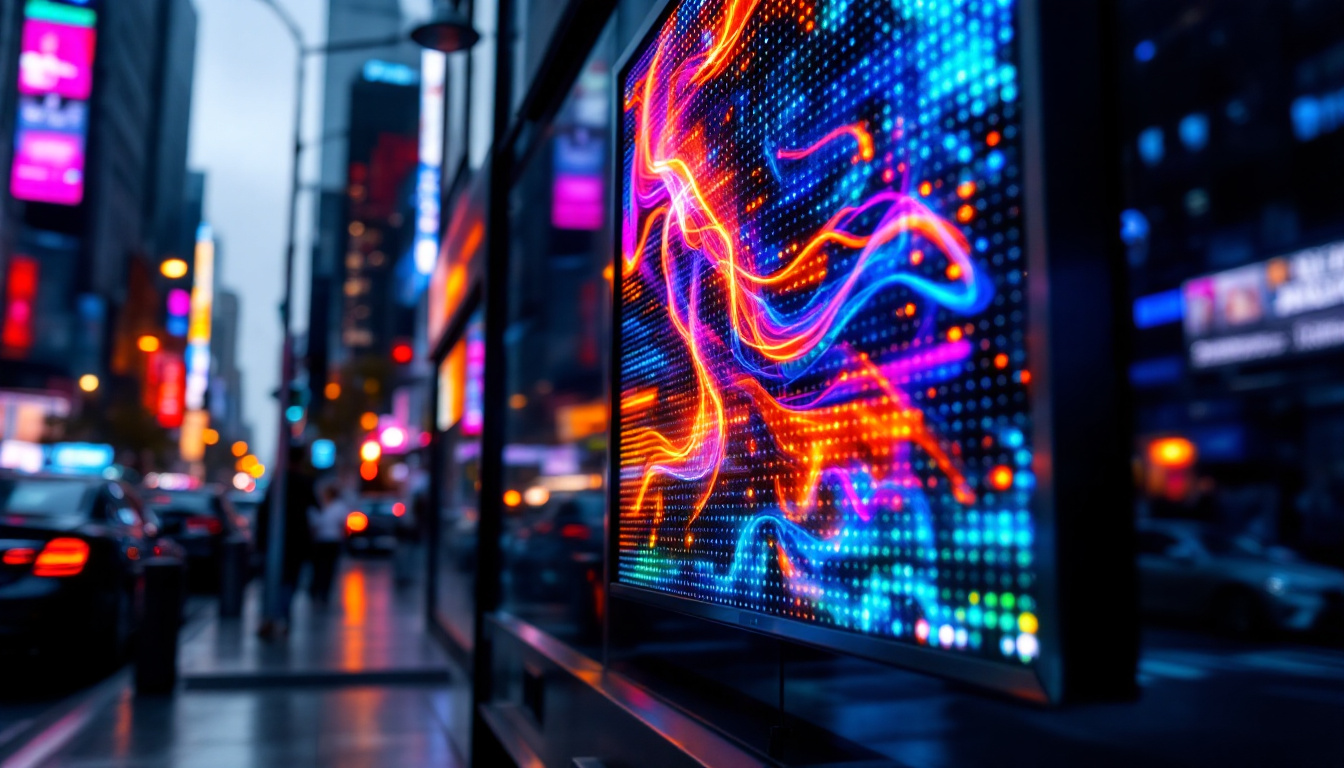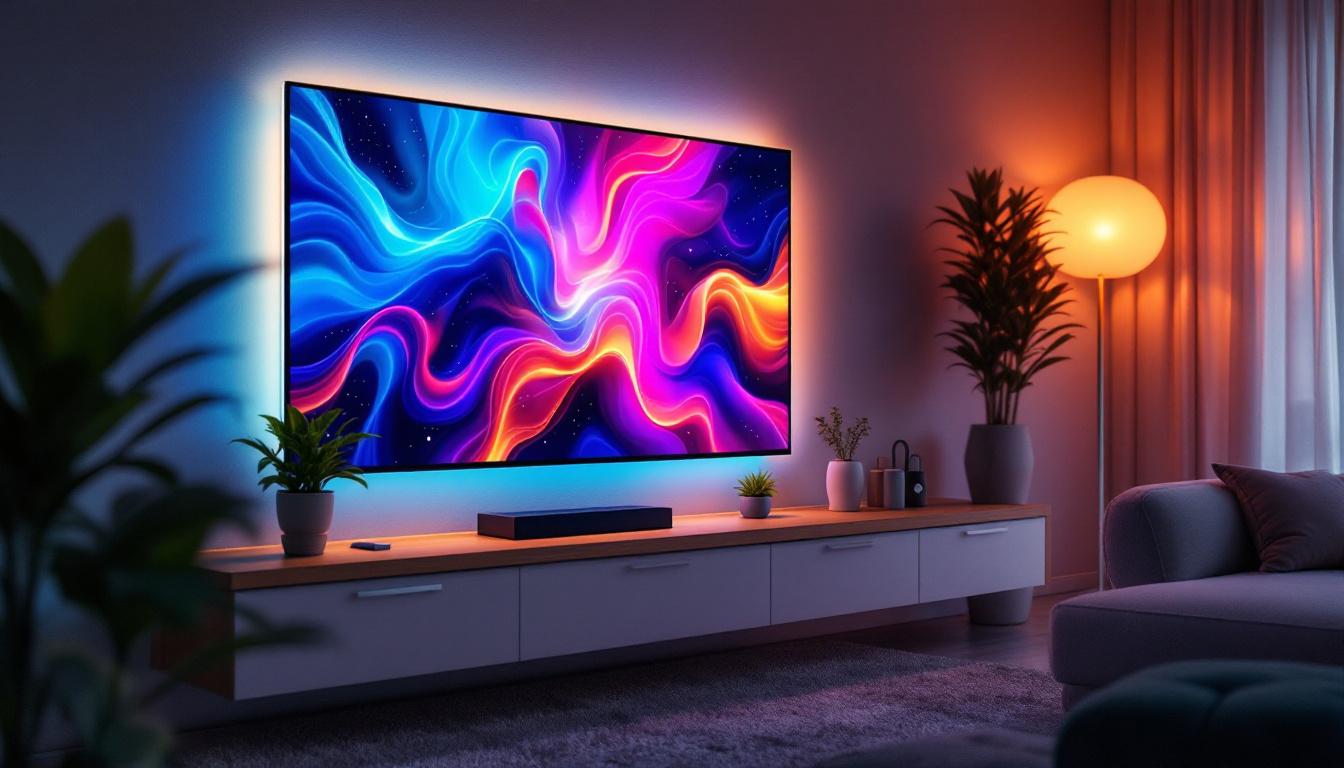
In today’s rapidly evolving world of television technology, understanding the components that make up a TV is crucial for making informed purchasing decisions. One of the most significant elements in modern TVs is the LED display panel. While the term “LED TV” is commonly used, the technology behind it is often misunderstood. This article delves deep into the intricacies of LED display panels, exploring their technology, advantages, types, and what sets them apart from other display technologies.
Understanding LED Display Technology
What is an LED Display Panel?
An LED display panel is a type of screen technology used in televisions, monitors, and digital signage. The term “LED” stands for Light Emitting Diode, which is a semiconductor device that emits light when an electric current passes through it. In the context of TVs, LED panels use these diodes as a backlight source to illuminate the screen.
It’s important to clarify that LED TVs are essentially LCD (Liquid Crystal Display) TVs that use LEDs for backlighting instead of the older cold cathode fluorescent lamps (CCFLs). This distinction means that the actual image is produced by liquid crystals, but the light source behind them is provided by LEDs, resulting in better brightness, contrast, and energy efficiency. Furthermore, the shift to LED technology has allowed manufacturers to create thinner and lighter screens, making it easier to design sleek, modern televisions that fit seamlessly into contemporary living spaces.
Additionally, the evolution of LED technology has led to various types of displays, such as OLED (Organic Light Emitting Diode) and QLED (Quantum Dot LED), which offer even more advanced features and improved visual experiences. These innovations have made it possible to achieve deeper blacks, more vibrant colors, and wider viewing angles, catering to the diverse preferences of consumers and enhancing the overall viewing experience.
How LED Panels Work
The LED panel works by shining light through a layer of liquid crystals. These crystals do not emit light themselves but control the amount of light that passes through by twisting or aligning in response to electrical signals. The light from the LEDs passes through color filters to produce the colors seen on the screen.
Modern LED TVs use thousands of tiny LEDs arranged in arrays behind the screen or along its edges. These LEDs can be controlled individually or in groups to adjust brightness and contrast dynamically, enhancing picture quality. This technology allows for features like local dimming, where specific areas of the screen can be dimmed or brightened independently, resulting in improved contrast ratios and a more immersive viewing experience.
Moreover, advancements in LED technology have led to the development of HDR (High Dynamic Range) capabilities, which significantly enhance the range of colors and brightness levels displayed on the screen. HDR content provides a more lifelike image, allowing viewers to see details in both the brightest and darkest parts of the picture that would otherwise be lost. As a result, LED display panels are not only popular for home entertainment but also find applications in professional settings, such as broadcasting, gaming, and digital art, where color accuracy and visual fidelity are paramount.
Types of LED Display Panels
Edge-Lit LED Displays
Edge-lit LED TVs place the LED backlights along the edges of the screen. Light is then spread across the panel using light guides. This design allows for thinner and lighter TVs, making them popular in sleek, modern designs.
However, edge-lit displays can sometimes suffer from uneven brightness, especially in dark scenes, because the light source is not directly behind the screen. Manufacturers use various diffusion technologies to minimize this issue, but it remains a consideration for buyers seeking optimal picture uniformity.
Direct-Lit and Full-Array LED Displays
Direct-lit LED TVs have LEDs placed directly behind the entire screen area, which improves brightness distribution compared to edge-lit models. Full-array LED displays take this concept further by incorporating a grid of LEDs across the entire back panel, allowing for localized dimming.
Local dimming enables the TV to dim specific areas of the screen independently, enhancing contrast by making dark areas darker without affecting bright parts. This results in deeper blacks and more vibrant colors, significantly improving picture quality, especially in high dynamic range (HDR) content.
Mini-LED and Micro-LED Technologies
Recent advancements have introduced Mini-LED and Micro-LED displays. Mini-LED TVs use thousands of tiny LEDs, much smaller than traditional ones, enabling even more precise local dimming and better control over brightness and contrast.
Micro-LED technology, still emerging in consumer markets, uses microscopic LEDs that act as individual pixels. Unlike traditional LED-backlit LCDs, Micro-LED displays are self-emissive, meaning each pixel emits its own light, similar to OLED technology but with higher brightness and longevity. This promises exceptional picture quality but currently comes at a premium price.
Advantages of LED Display Panels
Energy Efficiency
One of the most significant benefits of LED display panels is their energy efficiency. Compared to older CCFL-backlit LCDs and plasma TVs, LED TVs consume less power, which not only reduces electricity bills but also contributes to environmental sustainability.
According to the U.S. Department of Energy, LED-backlit TVs can use up to 40% less energy than CCFL-backlit models. This efficiency is particularly important for consumers who use their TVs extensively or in regions with high electricity costs.
Improved Picture Quality
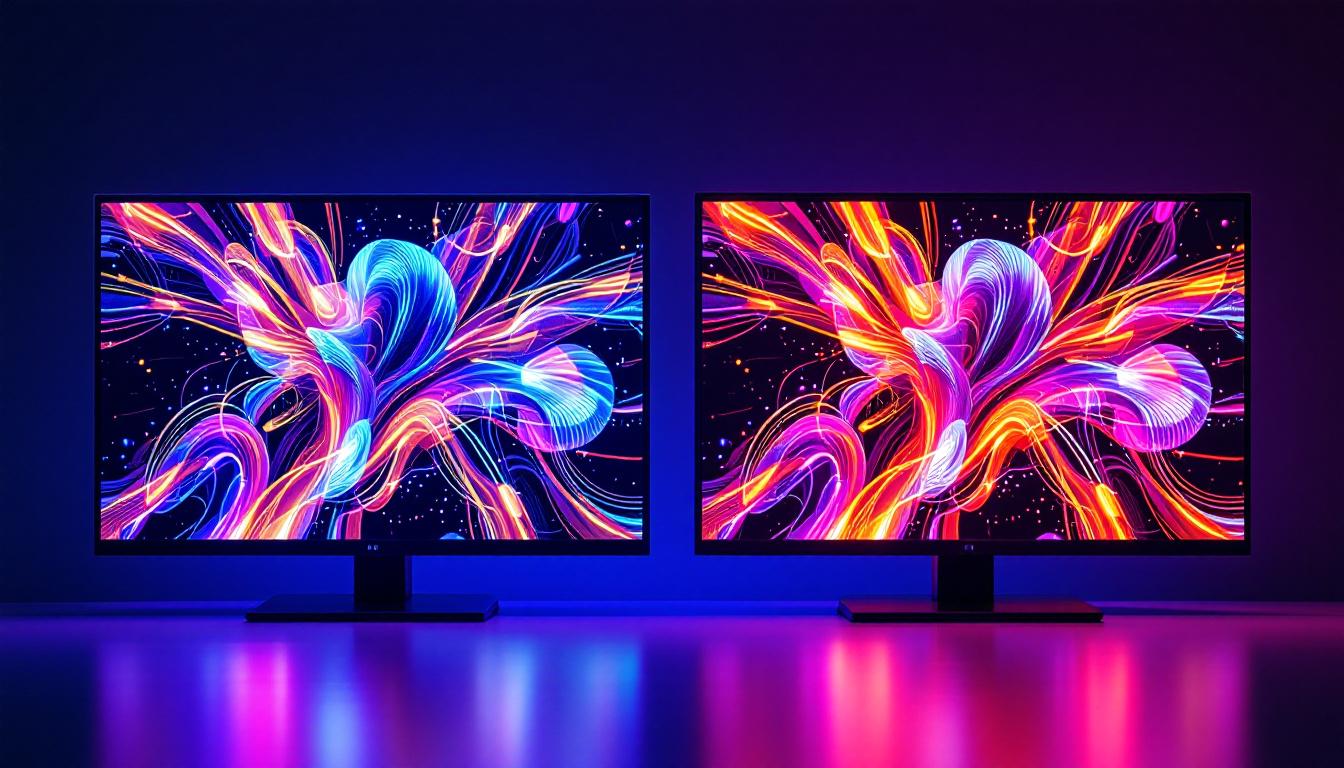
LED panels offer brighter displays and better contrast ratios compared to older technologies. The ability to control LED backlighting precisely, especially in full-array and Mini-LED models, results in richer colors, deeper blacks, and more vivid images.
These improvements are crucial for enjoying modern content, which increasingly includes high dynamic range (HDR) video formats that require displays capable of high brightness and contrast to showcase details in both shadows and highlights.
Longer Lifespan and Durability
LED panels generally have a longer lifespan than plasma and CCFL-backlit LCD TVs. LEDs are solid-state devices, which means they are more robust and less prone to damage from physical shocks or temperature variations.
Manufacturers often rate LED TVs to last upwards of 60,000 to 100,000 hours of use, translating to many years of viewing before any significant degradation in brightness or color accuracy occurs.
Comparing LED Displays with Other Technologies
LED vs. OLED
Organic Light Emitting Diode (OLED) is another popular TV technology that differs fundamentally from LED-backlit LCDs. OLED panels are self-emissive, meaning each pixel produces its own light, allowing for perfect blacks and infinite contrast ratios.
While LED TVs, especially those with full-array local dimming, have improved contrast significantly, OLED still leads in black levels and viewing angles. However, OLEDs tend to be more expensive and can suffer from burn-in issues if static images are displayed for prolonged periods.
LED vs. QLED
QLED (Quantum Dot LED) is a marketing term used by some manufacturers to describe LED TVs enhanced with quantum dot technology. Quantum dots are microscopic semiconductor particles that emit precise colors when illuminated by LED backlights, resulting in brighter images and a wider color gamut.
QLED TVs are essentially LED-backlit LCDs with quantum dot enhancement. They offer improved color accuracy and brightness compared to standard LED TVs but do not have the self-emissive properties of OLEDs.
LED vs. Plasma and CCFL LCDs
Plasma TVs, once popular for their excellent color and motion handling, have largely been phased out due to higher power consumption and screen burn-in risks. CCFL-backlit LCDs, the predecessors of LED TVs, are less energy-efficient and offer lower contrast ratios.
LED TVs have effectively replaced these older technologies, offering a balanced combination of performance, efficiency, and affordability.
Key Considerations When Choosing an LED TV
Panel Type and Backlighting
Understanding the type of LED backlighting is essential. Full-array local dimming models generally provide superior picture quality compared to edge-lit TVs, especially in dark-room viewing environments. Mini-LED TVs, while pricier, offer even better contrast and brightness control.
Resolution and Screen Size
Resolution is a critical factor, with 4K Ultra HD becoming the standard for most new TVs. Higher resolution panels benefit from better LED backlighting to fully realize their potential in sharpness and detail. Screen size should be chosen based on viewing distance and room size to ensure an immersive experience without eye strain.
HDR Compatibility
High Dynamic Range (HDR) formats such as HDR10, Dolby Vision, and HLG require TVs capable of high peak brightness and wide color gamuts. LED TVs with advanced backlighting systems are better equipped to deliver the HDR experience as intended by content creators.
Viewing Angles and Color Accuracy
While LED TVs generally have narrower viewing angles compared to OLEDs, some models use IPS (In-Plane Switching) panels to improve this aspect. Color accuracy is also enhanced in premium LED TVs through quantum dot technology and advanced calibration.
Future Trends in LED Display Technology
Advancements in Mini-LED and Micro-LED
The push towards smaller, more efficient LEDs continues to revolutionize display technology. Mini-LED TVs are becoming more affordable and widespread, offering near-OLED levels of contrast and brightness. Micro-LED, though currently limited to high-end commercial and luxury models, promises a future where self-emissive LEDs dominate the market.
Integration with Smart Features
Modern LED TVs increasingly incorporate smart technology, including AI-driven picture enhancement, voice control, and seamless integration with streaming platforms. These features enhance user experience and make LED TVs more versatile entertainment hubs.
Sustainability and Eco-Friendly Manufacturing
As environmental concerns grow, manufacturers are focusing on reducing the carbon footprint of LED TV production. This includes using recyclable materials, reducing hazardous substances, and improving energy efficiency even further.
Conclusion
LED display panels have become the cornerstone of modern television technology, offering a compelling blend of picture quality, energy efficiency, and affordability. Understanding the nuances of LED technology—from edge-lit to full-array and the emerging Mini-LED and Micro-LED innovations—empowers consumers to select TVs that best fit their viewing preferences and budgets.
While alternatives like OLED and QLED offer unique advantages, LED TVs continue to evolve, narrowing the performance gap and expanding options for every type of viewer. Whether for casual watching, gaming, or cinematic experiences, LED display panels remain a reliable and advanced choice in the dynamic landscape of television technology.
Explore Cutting-Edge LED Displays with LumenMatrix
Ready to elevate your viewing experience with the latest in LED display technology? LumenMatrix is at the forefront of innovation, offering a wide array of LED display solutions tailored to your needs. From captivating Indoor LED Wall Displays to dynamic Outdoor LED Wall Displays, and from versatile Vehicle LED Displays to sleek LED Poster Displays, our products are designed to enhance engagement and brand visibility. Discover the full potential of LED displays with our LED Sports Displays, Floor LED Displays, Custom LED Displays, All-in-One LED Displays, and LED Transparent Displays. Embark on a journey to revolutionize visual communication and create unforgettable visual experiences. Check out LumenMatrix LED Display Solutions today and see your message come to life with clarity and impact.