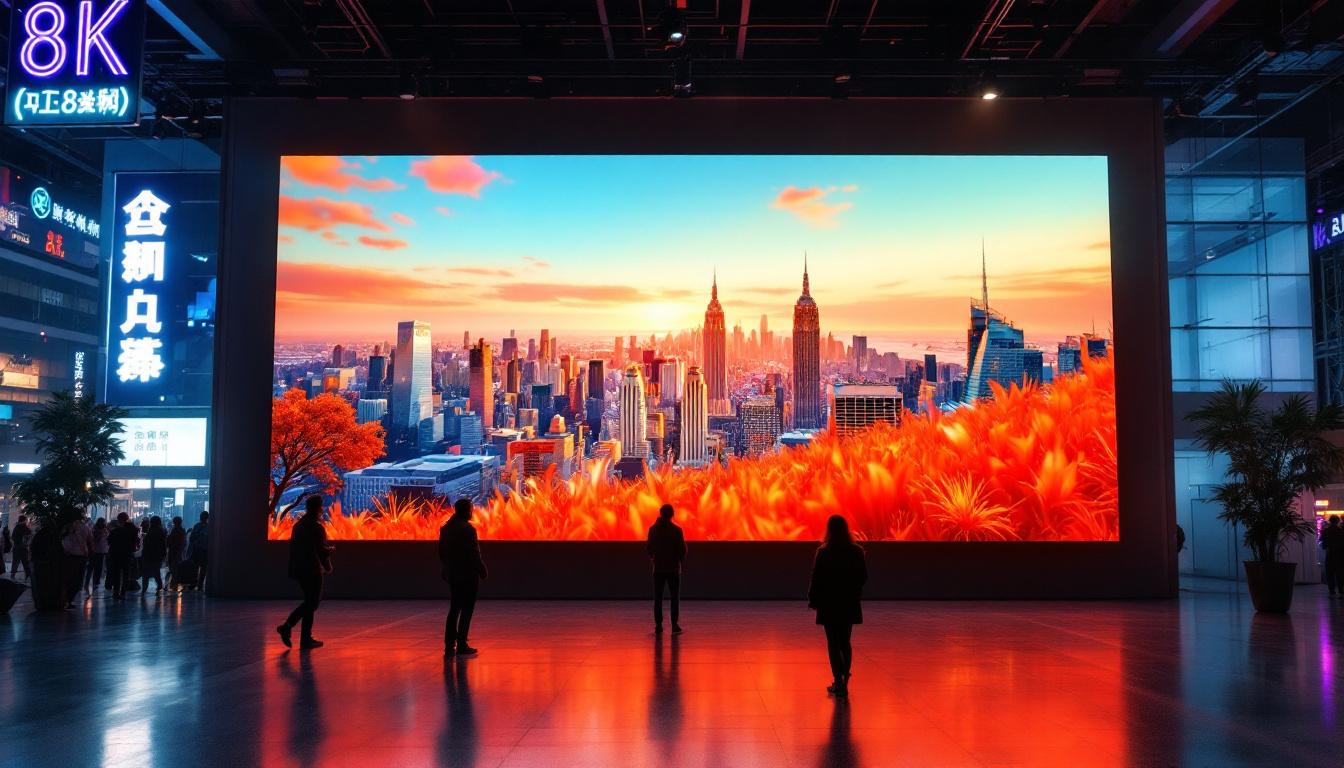
In the rapidly evolving world of display technology, 8K resolution and LED displays represent the cutting edge of visual experience. As consumers and professionals alike seek sharper images, richer colors, and more immersive viewing, understanding the technology behind 8K LED displays becomes essential. This article delves into what 8K resolution means, how LED displays work, and why this combination is transforming everything from home entertainment to digital signage and professional broadcasting.
Understanding 8K Resolution: The Next Frontier in Visual Clarity
What Is 8K Resolution?
8K resolution refers to a display resolution with approximately 8000 pixels across the horizontal axis. The most common standard for 8K is 7680 × 4320 pixels, which totals over 33 million pixels. This is four times the pixel count of 4K UHD (3840 × 2160) and sixteen times that of Full HD (1920 × 1080).
The increased pixel density means images and videos are incredibly detailed and sharp, even on very large screens. This level of detail is particularly noticeable when viewing content up close or on displays larger than 65 inches, where lower resolutions might appear pixelated or blurry. The clarity provided by 8K resolution allows for a more lifelike representation of scenes, making it easier for viewers to feel as if they are part of the action. This immersive quality is not just about the number of pixels; it also enhances the color depth and dynamic range, resulting in richer visuals that can evoke stronger emotional responses.
Why 8K Matters
While 4K has become mainstream in recent years, 8K pushes the boundaries of image quality further. For professionals in film production, medical imaging, and design, 8K provides a canvas for precision work that demands the highest fidelity. For consumers, it promises a more immersive viewing experience, especially as screen sizes grow and content availability expands. The advent of 8K technology also coincides with advancements in display technologies, such as OLED and microLED, which further enhance the viewing experience by offering deeper blacks and more vibrant colors.
Moreover, 8K content allows for greater flexibility in post-production, such as cropping or zooming without losing image quality. This is a game-changer in industries like sports broadcasting and live event coverage, where multiple angles and close-ups are essential. Additionally, the rise of streaming platforms is beginning to incorporate 8K content, making it more accessible to the average consumer. As internet speeds improve and compression technologies evolve, the potential for widespread 8K streaming becomes increasingly viable, paving the way for a new era of home entertainment that prioritizes visual excellence and viewer engagement.
LED Display Technology: How It Works and Why It’s Preferred
The Basics of LED Displays
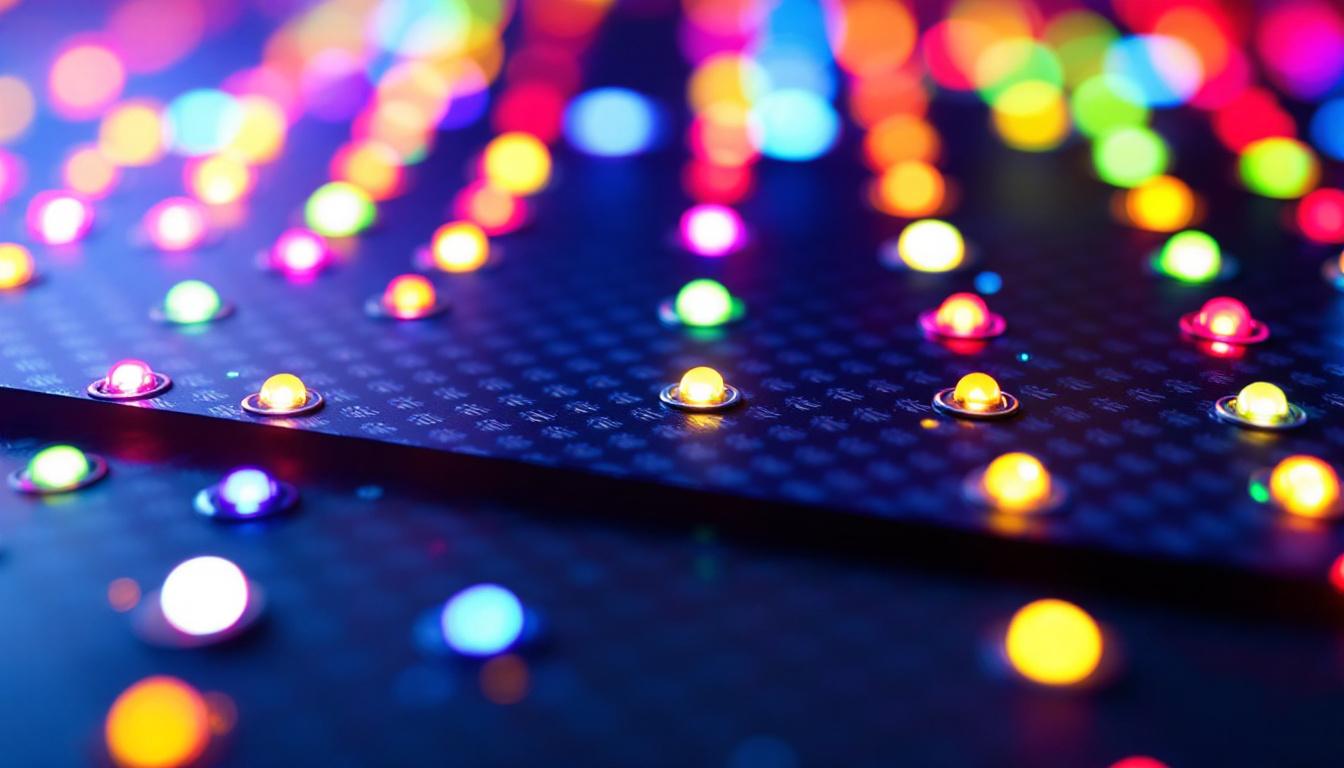
LED stands for Light Emitting Diode, which is a semiconductor device that emits light when an electric current passes through it. LED displays use an array of these tiny diodes as individual pixels to create images. Unlike traditional LCD screens that require a backlight, LED displays generate their own light, resulting in better contrast and energy efficiency.
There are two primary types of LED displays: direct-view LED and LED-backlit LCD. Direct-view LED displays use LEDs as the actual pixels, while LED-backlit LCDs use LEDs as a backlight behind an LCD panel. For 8K displays, direct-view LED technology is increasingly favored due to its superior brightness, color accuracy, and viewing angles.
Advantages of LED Displays for 8K Content
LED displays excel in several areas crucial for displaying 8K content effectively:
- Brightness and Contrast: LEDs can produce very high brightness levels and deep blacks, enhancing the dynamic range of images.
- Color Accuracy: Modern LED displays support wide color gamuts and high color accuracy, essential for 8K’s detailed visuals.
- Energy Efficiency: LEDs consume less power compared to older display technologies, making large 8K screens more sustainable.
- Thin and Lightweight Design: LED technology allows for thinner panels, which is beneficial for wall-mounted or portable 8K displays.
How 8K and LED Displays Combine to Enhance Visual Experience
Pixel Density and Viewing Distance
One of the key benefits of combining 8K resolution with LED technology is the remarkable pixel density achievable. On large LED panels, 8K resolution ensures that individual pixels are virtually indistinguishable to the naked eye, even at close viewing distances. This is vital for applications such as digital signage in retail environments or control rooms where viewers may be near the screen.
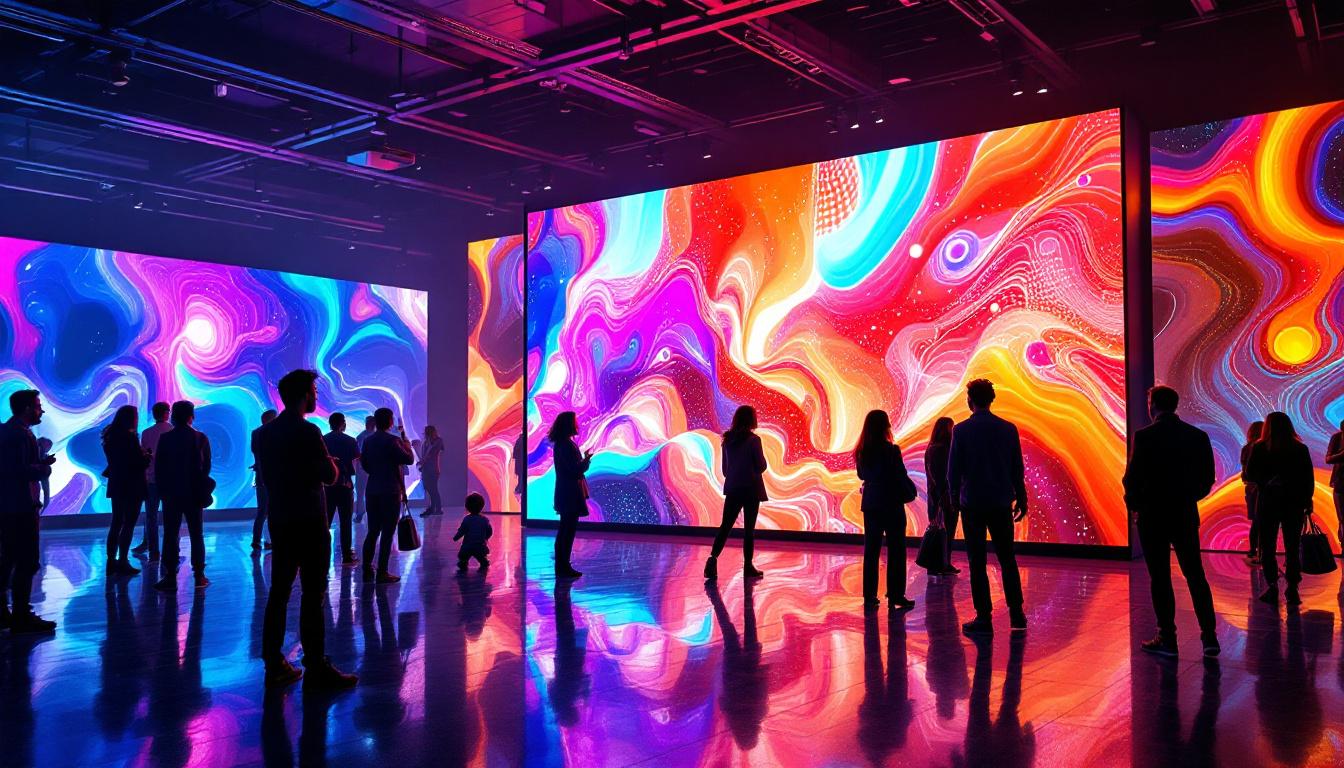
For example, a 100-inch 8K LED display can deliver an immersive, cinema-quality experience without the visible pixel grid that lower resolutions might show. This enhances realism and viewer engagement, whether in a home theater or a public venue.
Seamless Large-Scale Displays
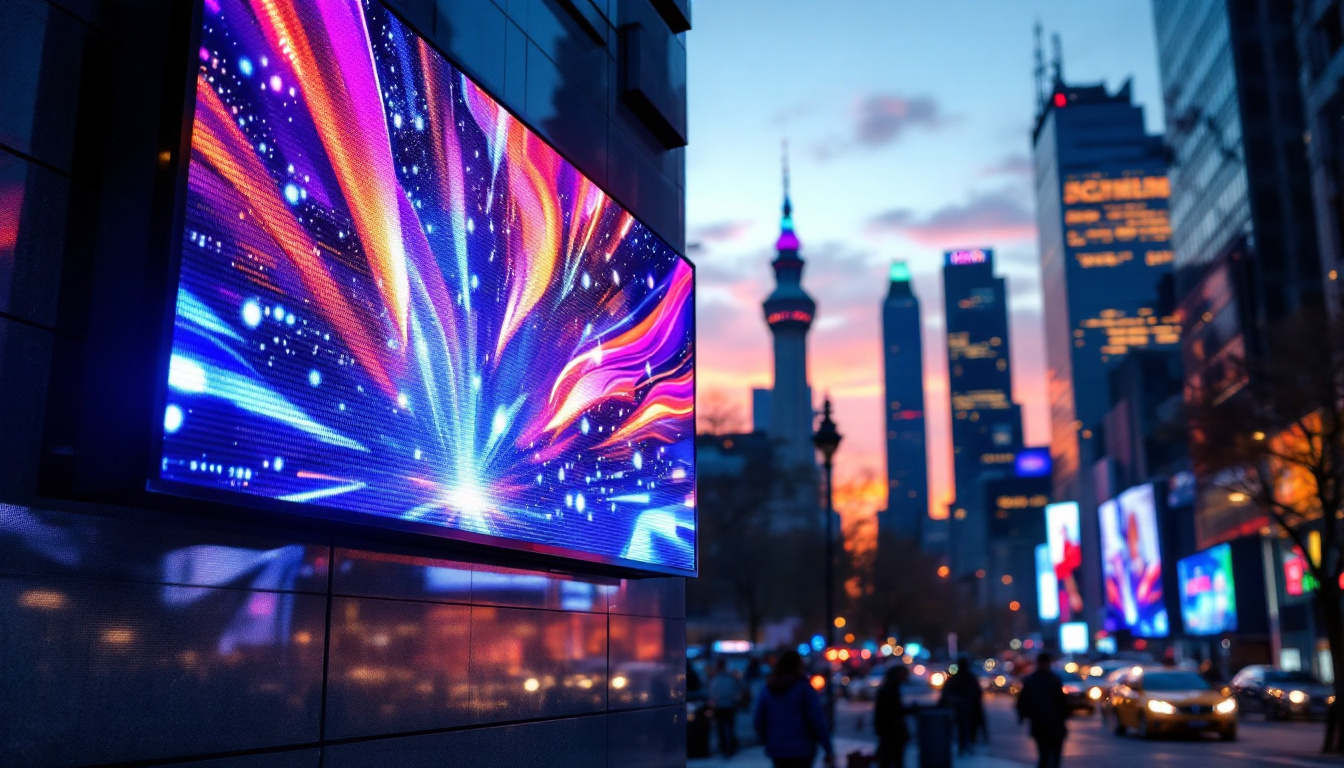
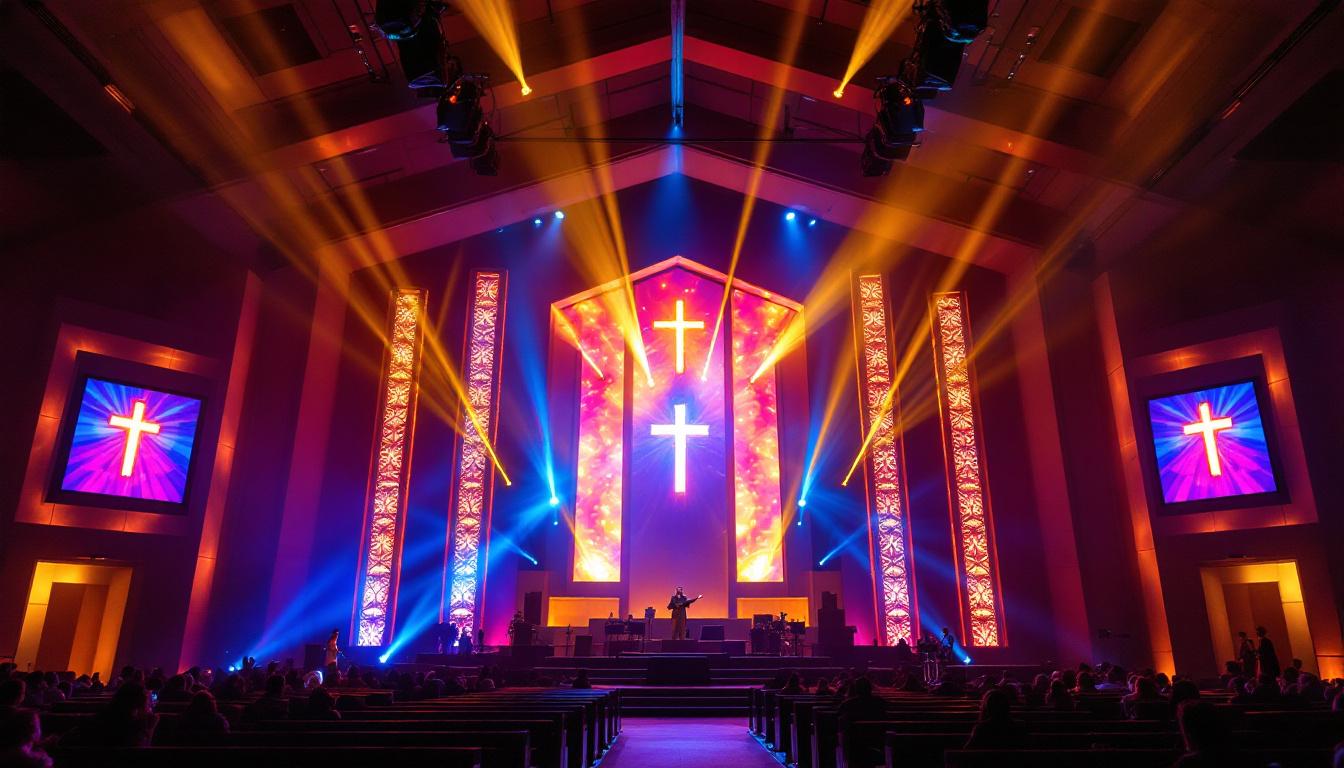
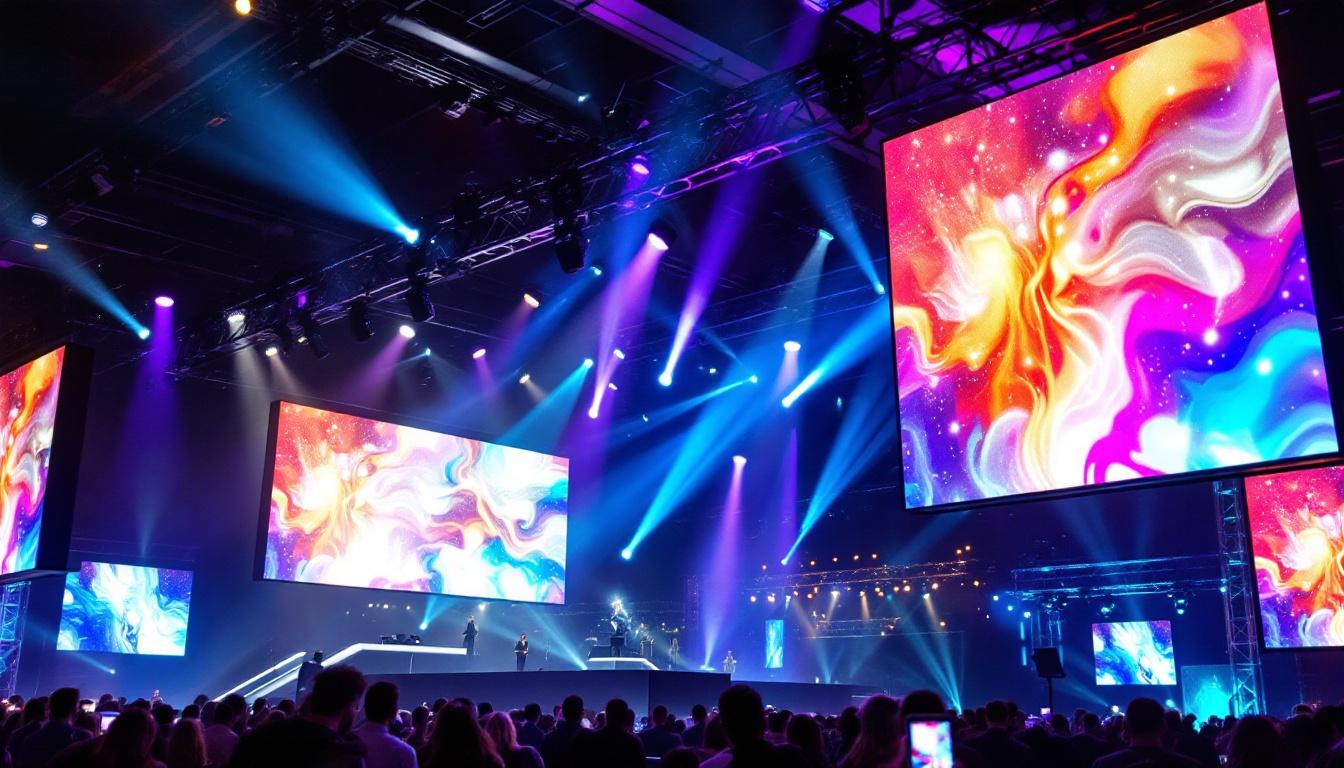
LED displays are often modular, composed of smaller panels tiled together to form massive screens. This modularity is crucial for achieving large-scale 8K displays, such as those used in stadiums, concert venues, or outdoor advertising. The precision manufacturing of LED modules allows for near-seamless joins, ensuring the 8K image is continuous and free from distracting gaps.
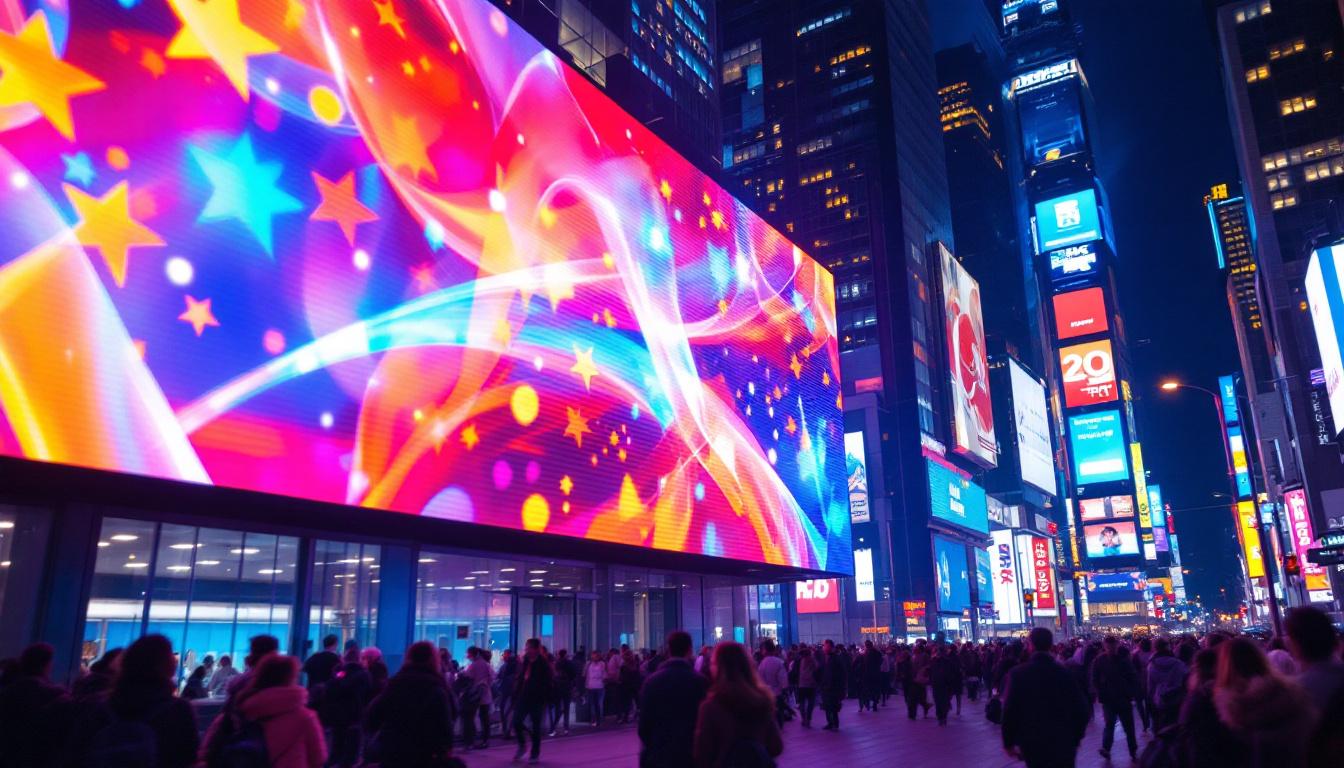
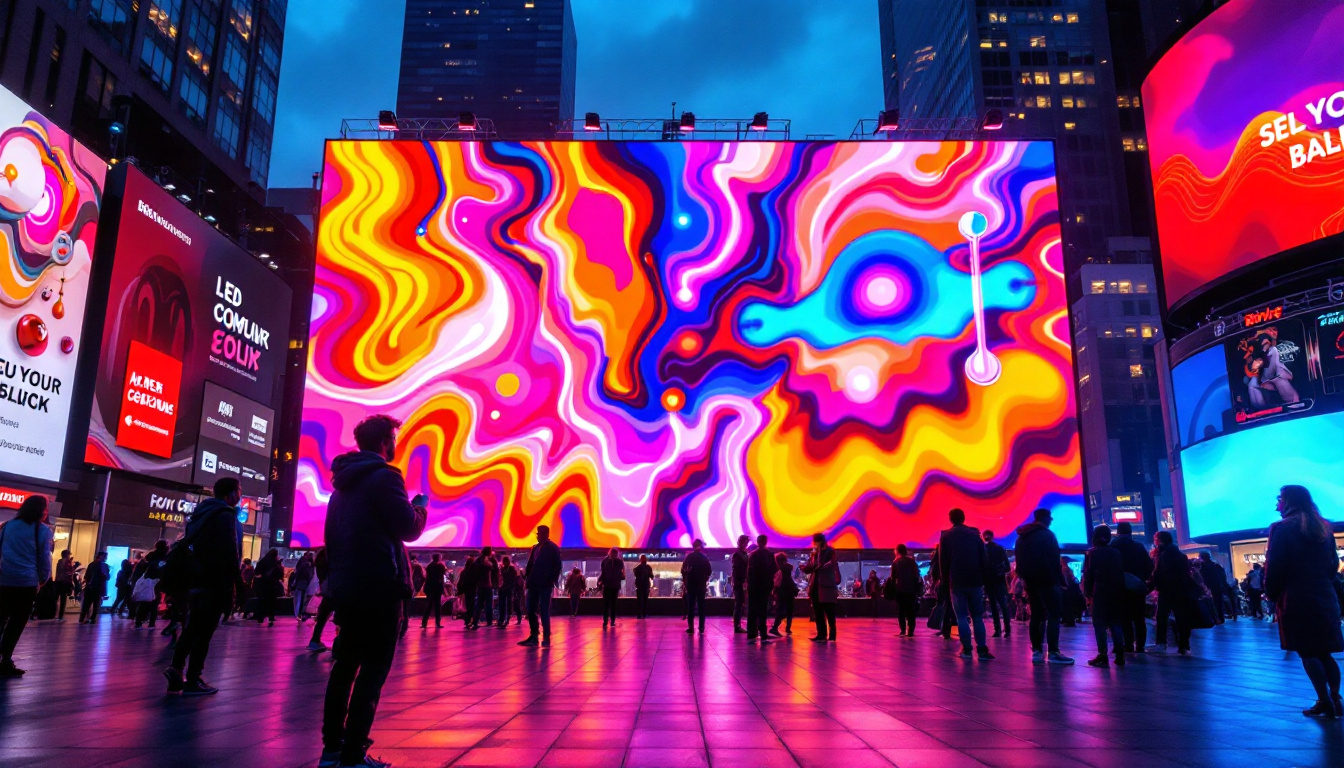
This capability has led to the rise of ultra-large digital billboards and immersive event backdrops capable of displaying 8K content with stunning clarity and brightness, even in daylight conditions.
Applications of 8K LED Displays Across Industries
Home Entertainment and Consumer Electronics
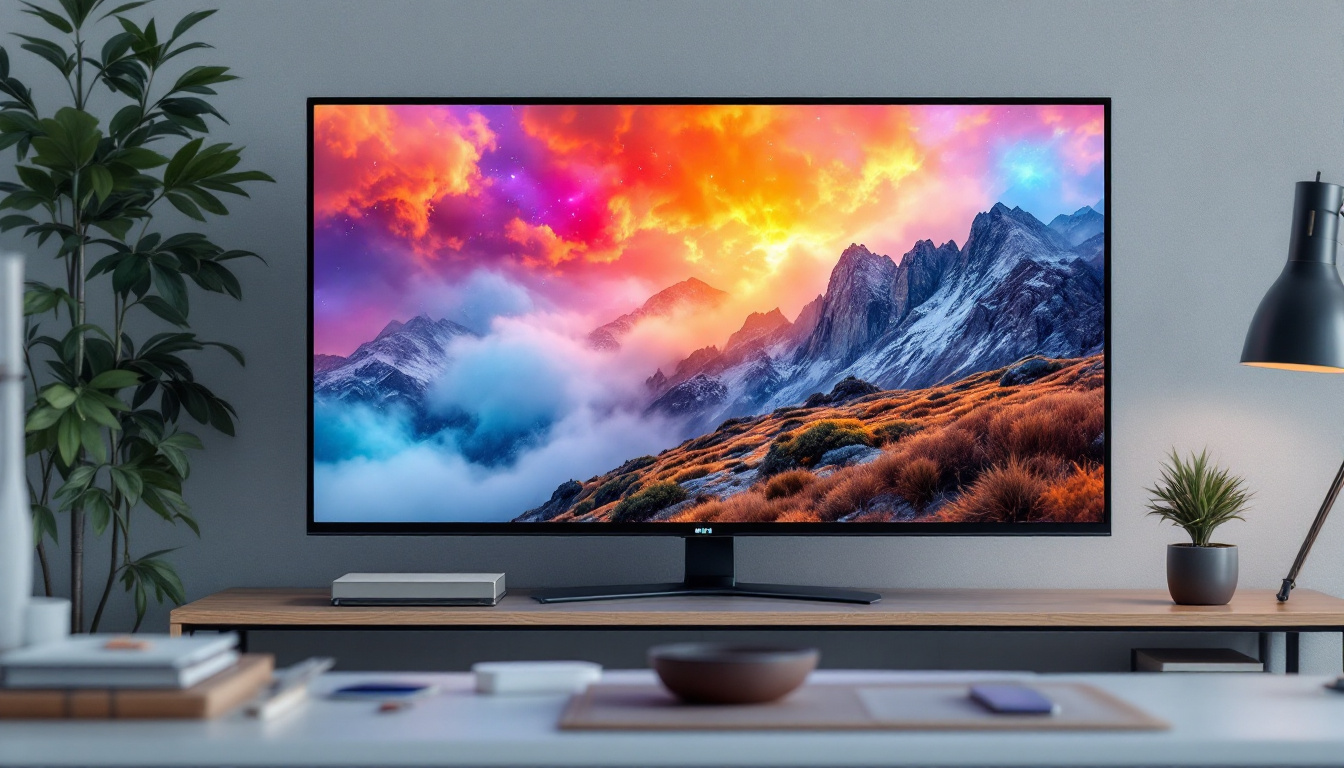
8K LED TVs and monitors are becoming increasingly accessible to consumers, with major manufacturers releasing models that support 8K content playback and upscaling. While native 8K content is still limited, AI-driven upscaling technologies help enhance lower-resolution videos to near-8K quality, making the investment worthwhile.
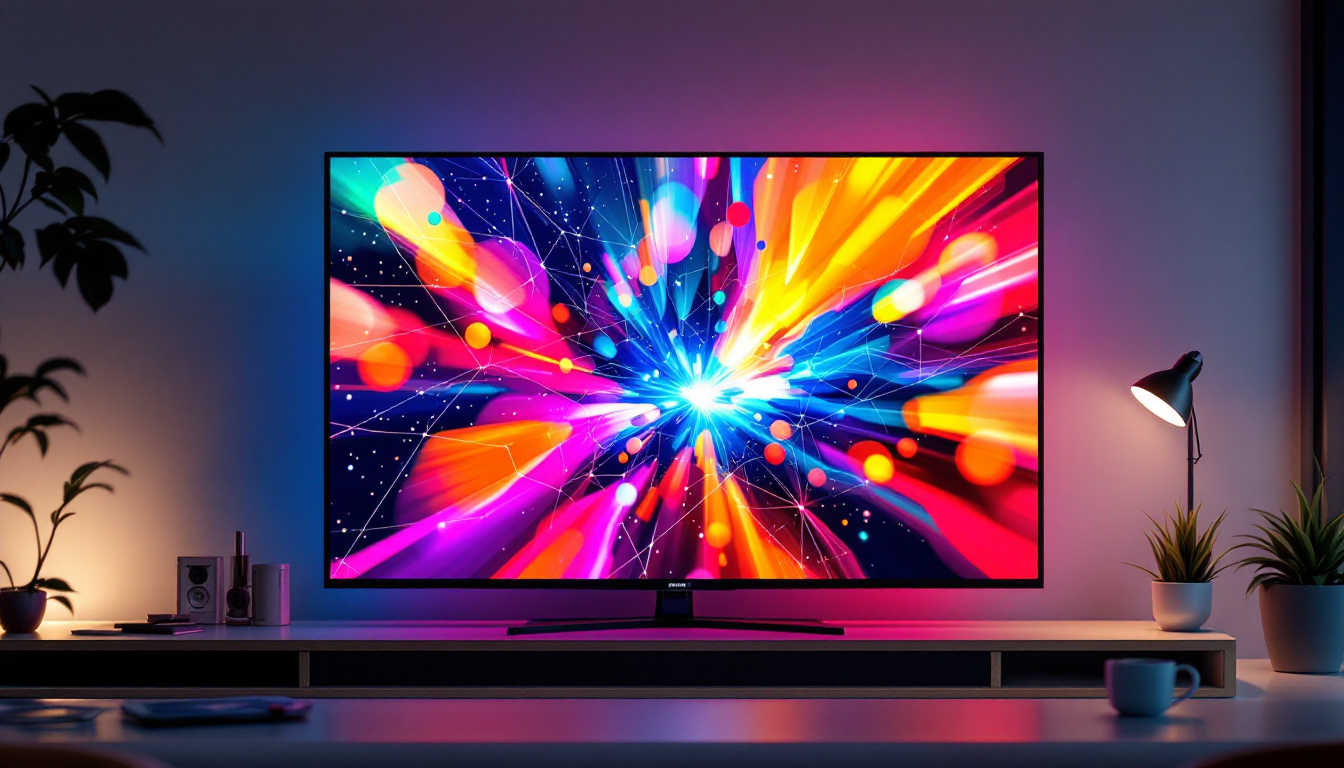
For home users, 8K LED displays offer the ultimate viewing experience for movies, gaming, and streaming. The combination of high resolution and LED’s superior contrast makes scenes more lifelike and immersive.
Professional Broadcasting and Film Production
In the professional realm, 8K LED displays are invaluable for content creation, editing, and live broadcasting. Broadcasters use 8K LED walls for live event coverage, providing audiences with ultra-high-definition visuals that capture every detail.
Film studios employ 8K LED volumes—large LED screens used as dynamic backgrounds during filming—to replace traditional green screens. This technology allows real-time rendering of virtual environments with accurate lighting and reflections, enhancing realism and reducing post-production costs.
Medical Imaging and Scientific Visualization
Medical professionals benefit from 8K LED displays in diagnostic imaging, where high resolution and color accuracy can aid in identifying subtle anomalies. Similarly, researchers and scientists use these displays for detailed visualization of complex data sets, such as molecular structures or astronomical images.
Corporate and Public Spaces
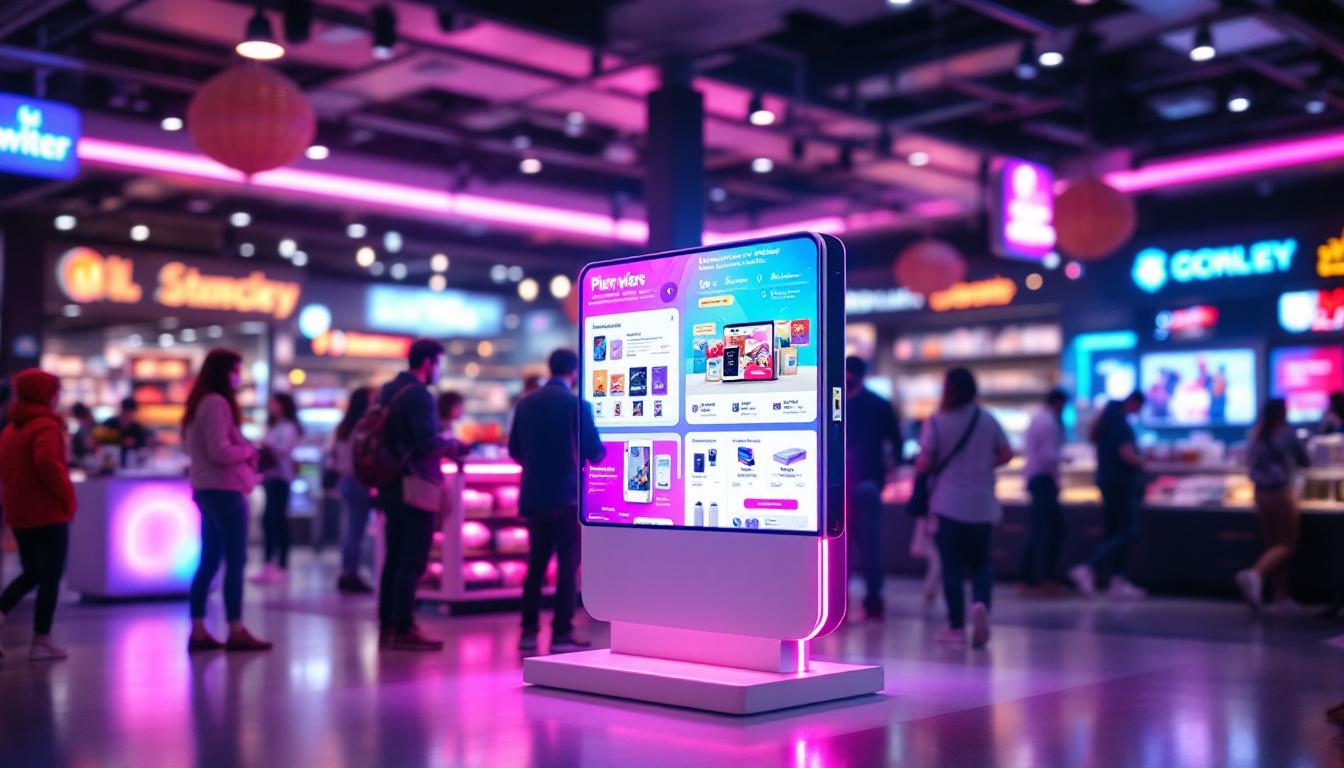
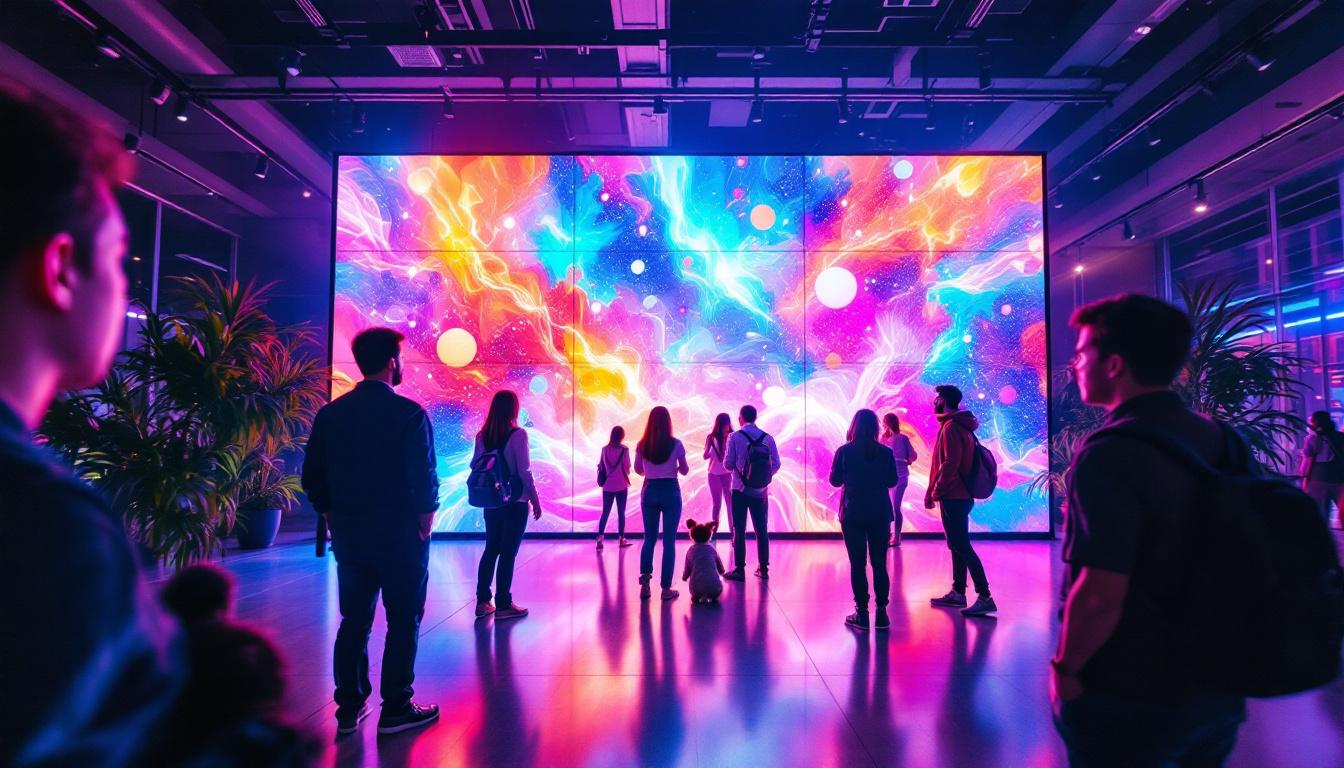
In corporate settings, 8K LED displays are used for presentations, video conferencing, and digital signage, providing clear visuals that improve communication and engagement. Public spaces such as airports, museums, and shopping centers employ large 8K LED screens for advertising and informational displays, capitalizing on their brightness and visibility even in challenging lighting conditions.
Challenges and Considerations in 8K LED Display Adoption
Content Availability and Bandwidth Requirements
One of the biggest hurdles for widespread 8K adoption is the limited amount of native 8K content. Producing, streaming, and broadcasting 8K video requires significant bandwidth and storage capacity. Streaming 8K video can demand internet speeds of 50 Mbps or higher, which is still beyond the reach of many consumers globally.
However, as internet infrastructure improves and compression technologies advance, content availability is expected to grow. Meanwhile, AI-based upscaling and content enhancement help bridge the gap.
Cost and Accessibility
8K LED displays, especially large direct-view models, remain expensive compared to 4K and Full HD alternatives. The cost includes not only the display hardware but also the supporting infrastructure such as high-performance graphics processors and cabling.
For many consumers and businesses, the investment must be justified by use cases that truly benefit from 8K resolution. As manufacturing scales and technology matures, prices are expected to decrease over the next few years.
Technical Limitations and Compatibility
Implementing 8K LED displays requires compatible hardware and software. Devices must support HDMI 2.1 or DisplayPort 1.4 standards to handle 8K signals at 60Hz or higher. Additionally, content creation tools, playback devices, and broadcasting equipment need to be 8K-ready.
Ensuring seamless integration and avoiding latency or signal degradation are critical for professional applications, particularly in live environments.
The Future of 8K LED Displays: Trends and Innovations
MicroLED and MiniLED Technologies
Emerging display technologies such as MicroLED and MiniLED promise to enhance 8K LED displays further. MicroLED, in particular, offers even better brightness, contrast, and energy efficiency by using microscopic LEDs as pixels. This technology could lead to thinner, more durable, and more vibrant 8K displays suitable for a wide range of applications.
AI-Driven Content Enhancement
Artificial intelligence is playing a growing role in optimizing 8K content. AI algorithms can upscale lower-resolution videos, improve color grading, and reduce noise, making 8K displays more practical even when native 8K content is scarce.
Integration with Augmented and Virtual Reality
High-resolution LED displays are increasingly integrated into AR and VR systems to deliver ultra-realistic environments. 8K resolution enhances immersion by reducing the screen-door effect and providing crystal-clear visuals, which is essential for training simulations, gaming, and virtual meetings.
Conclusion: Why 8K LED Displays Are Worth Watching
The combination of 8K resolution and LED display technology represents a significant leap forward in visual quality. From the unparalleled sharpness and color fidelity to the versatility of large-scale modular screens, 8K LED displays are set to redefine how people experience video content across industries.
While challenges remain, including content availability and cost, ongoing technological advancements and growing market demand suggest that 8K LED displays will become increasingly prevalent. For professionals seeking precision and consumers craving immersive entertainment, understanding this technology is key to appreciating the future of visual media.
As 8K content becomes more accessible and LED display technology continues to evolve, the potential for richer, more engaging visual experiences is enormous. Whether in the living room, the stadium, or the operating room, 8K LED displays are poised to illuminate the next generation of digital storytelling.
Discover the Future of Visual Experience with LumenMatrix
Ready to witness the unparalleled clarity and immersive experience of 8K LED displays? LumenMatrix is at the forefront of this transformative technology, offering a wide range of innovative LED display solutions tailored to your needs. From captivating Indoor LED Wall Displays to dynamic Outdoor LED Wall Displays, and from versatile Vehicle LED Displays to sleek LED Poster Displays, our mission is to revolutionize your visual communication. Elevate your brand visibility, engage your audience, and share your message with precision and vibrancy. Check out LumenMatrix LED Display Solutions today and step into the future of digital storytelling.