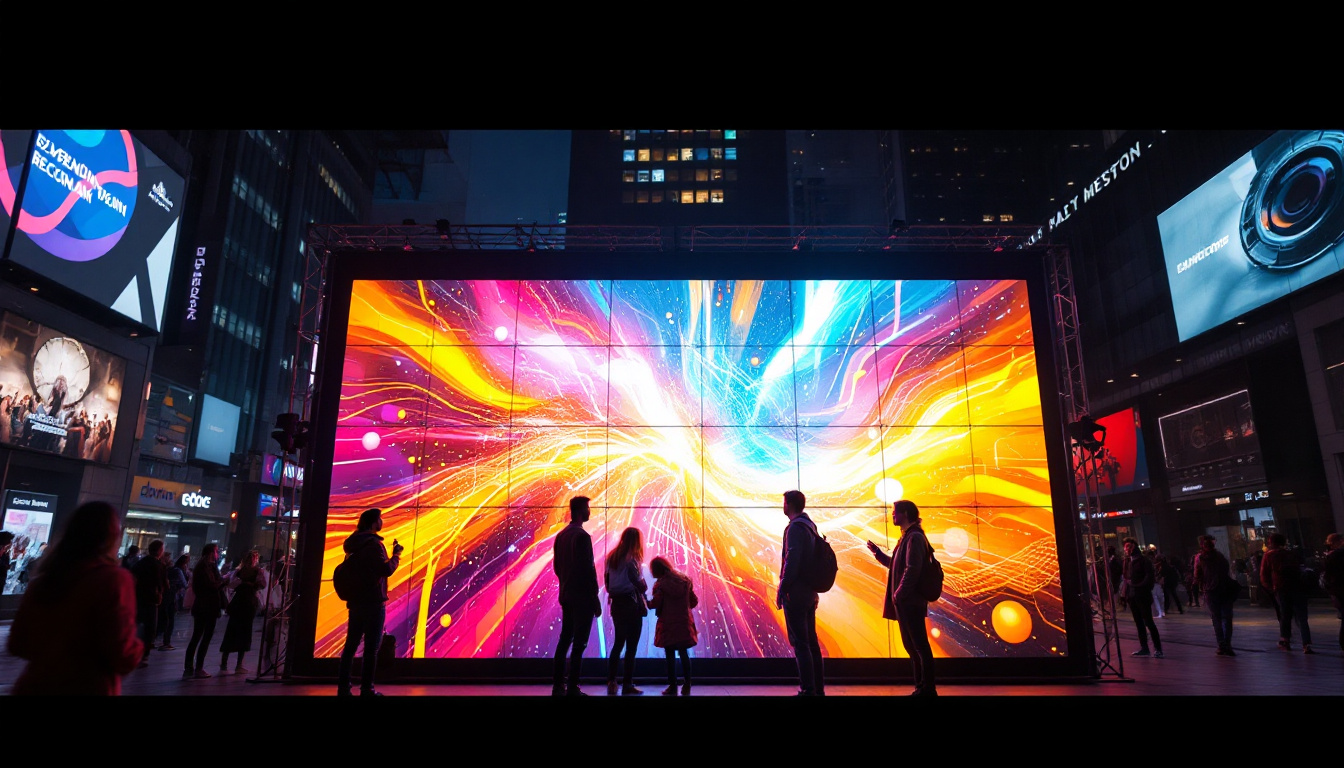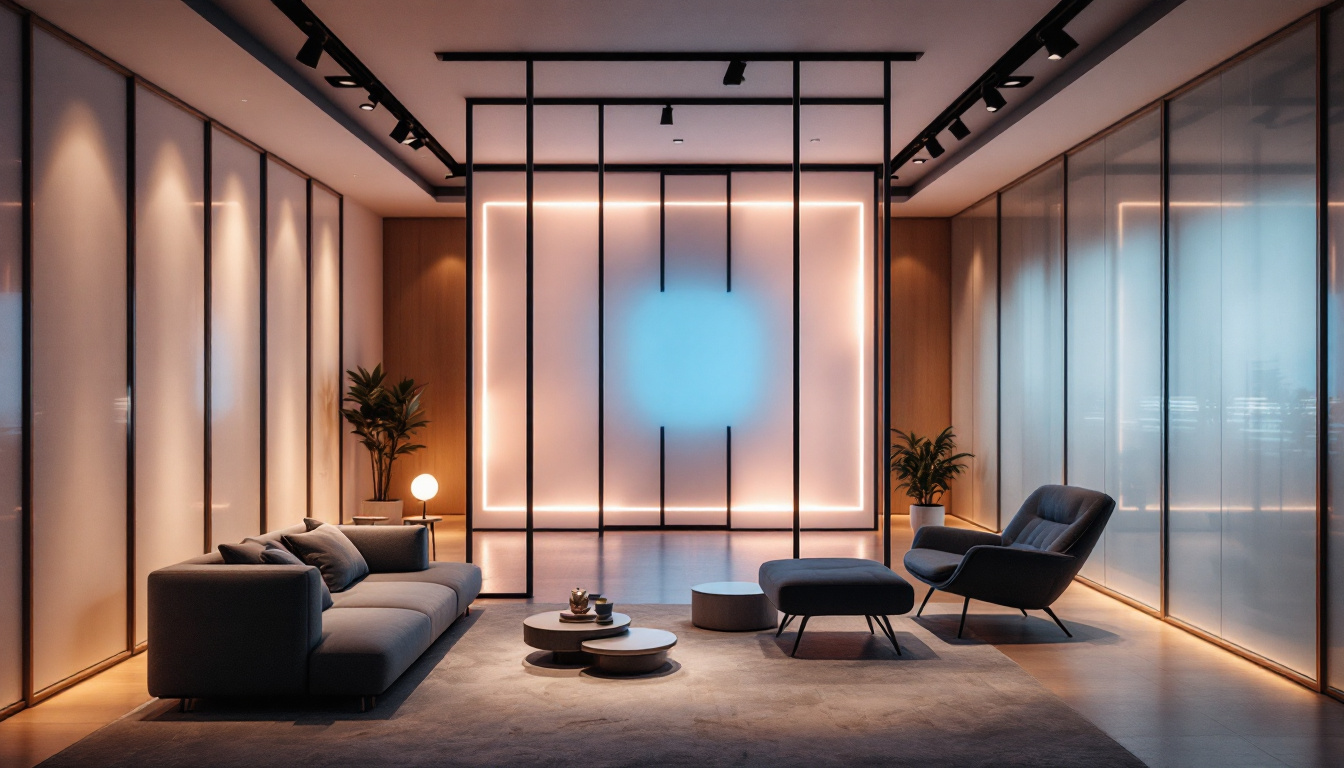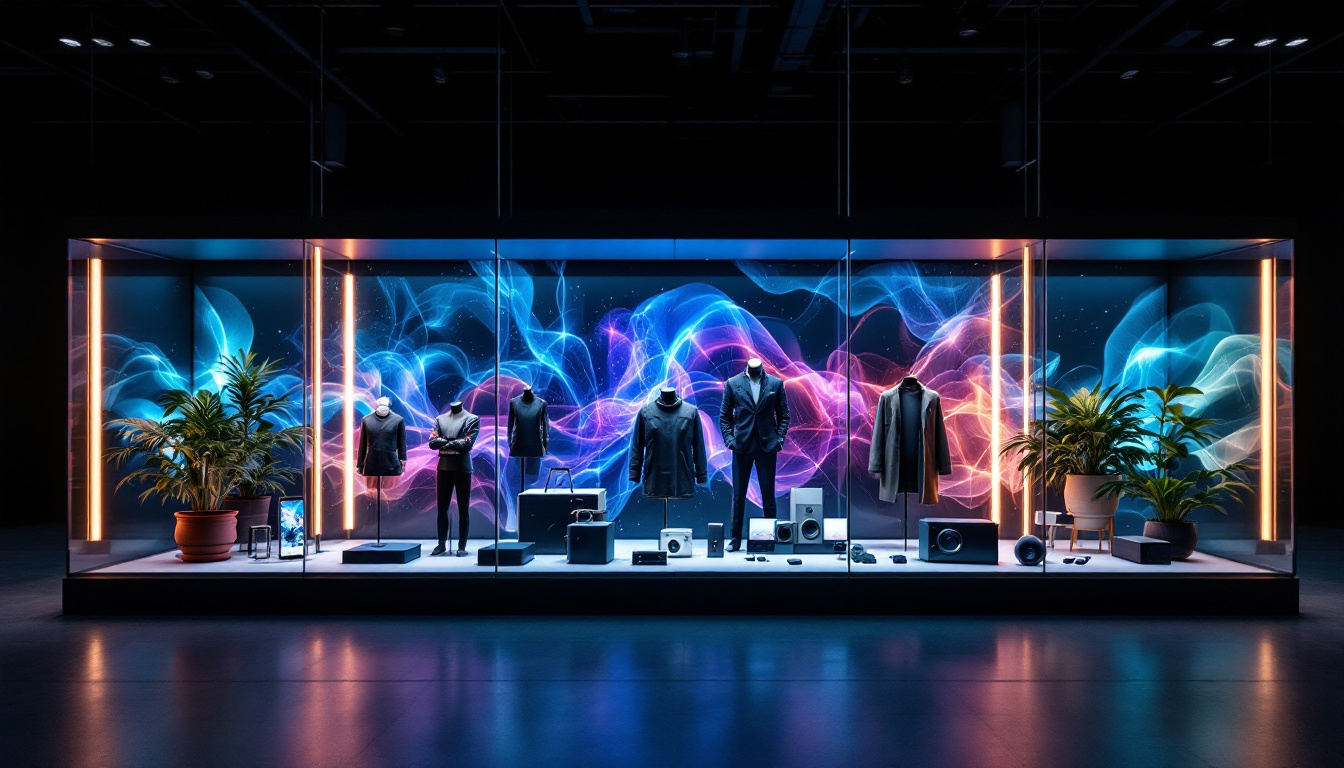
In an era where visual communication dominates, LED displays have become a cornerstone of modern advertising, information dissemination, and entertainment. Whether it’s a bustling retail store, a sports stadium, or a corporate event, LED displays offer vibrant, dynamic solutions that capture attention and convey messages effectively. This article delves into the world of LED displays, exploring their technology, types, applications, and the factors that make them indispensable in today’s digital landscape.
Understanding LED Display Technology
At the heart of every LED display lies the Light Emitting Diode (LED), a semiconductor device that emits light when an electric current passes through it. Unlike traditional display technologies such as LCD or plasma, LEDs produce their own light, which results in brighter images and better contrast ratios.
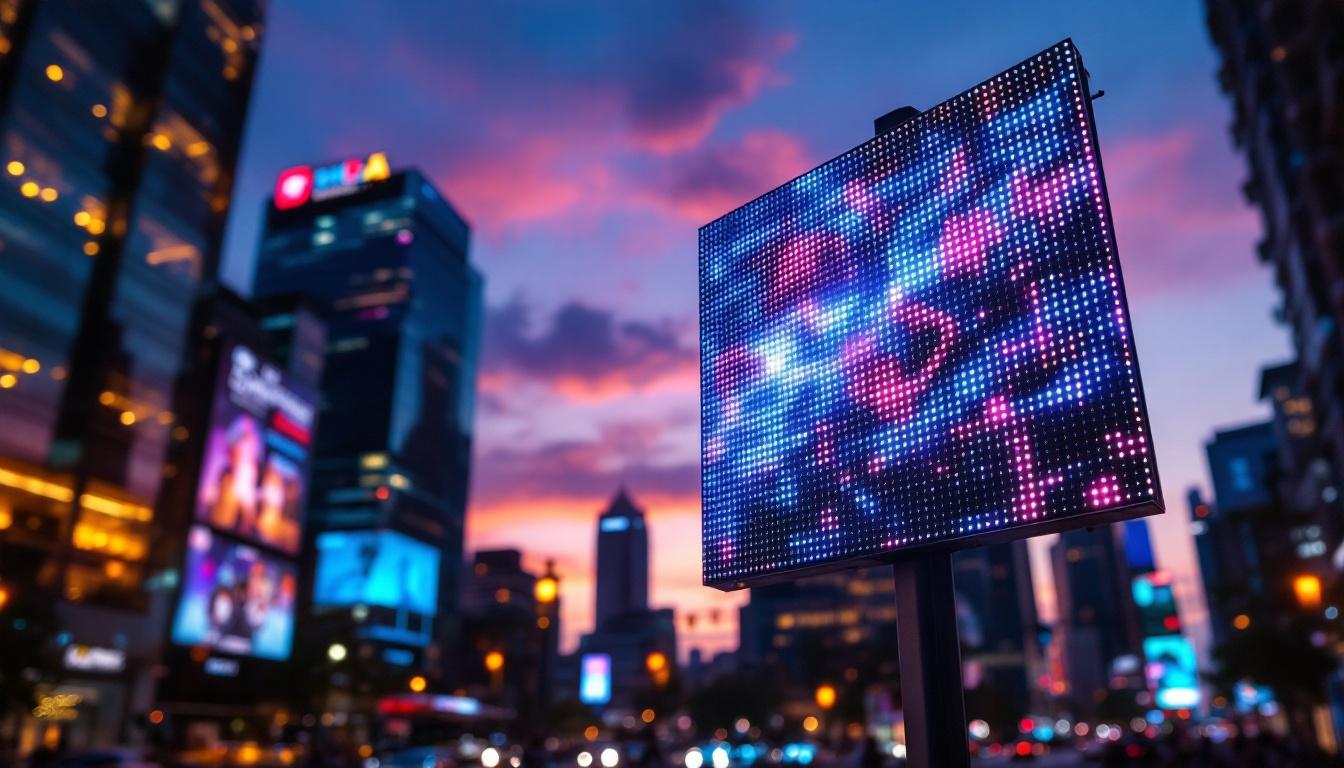
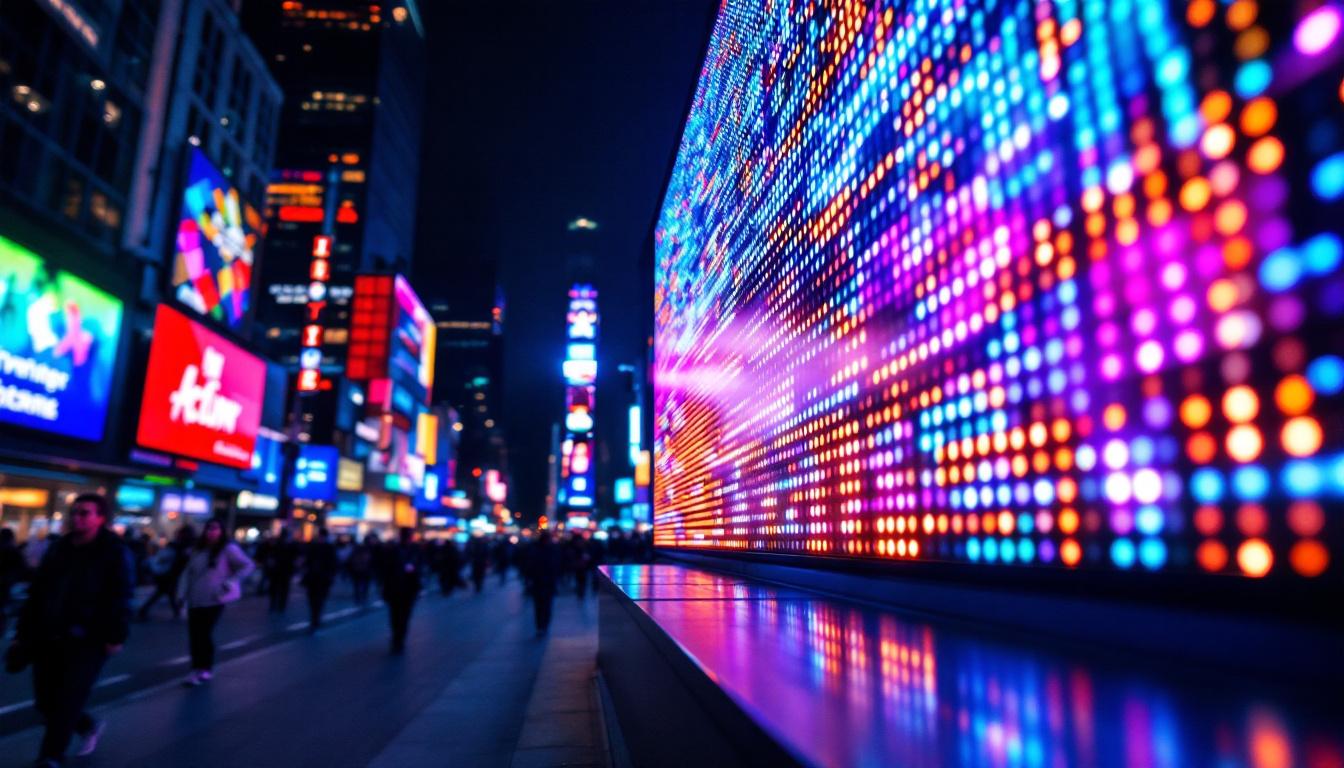
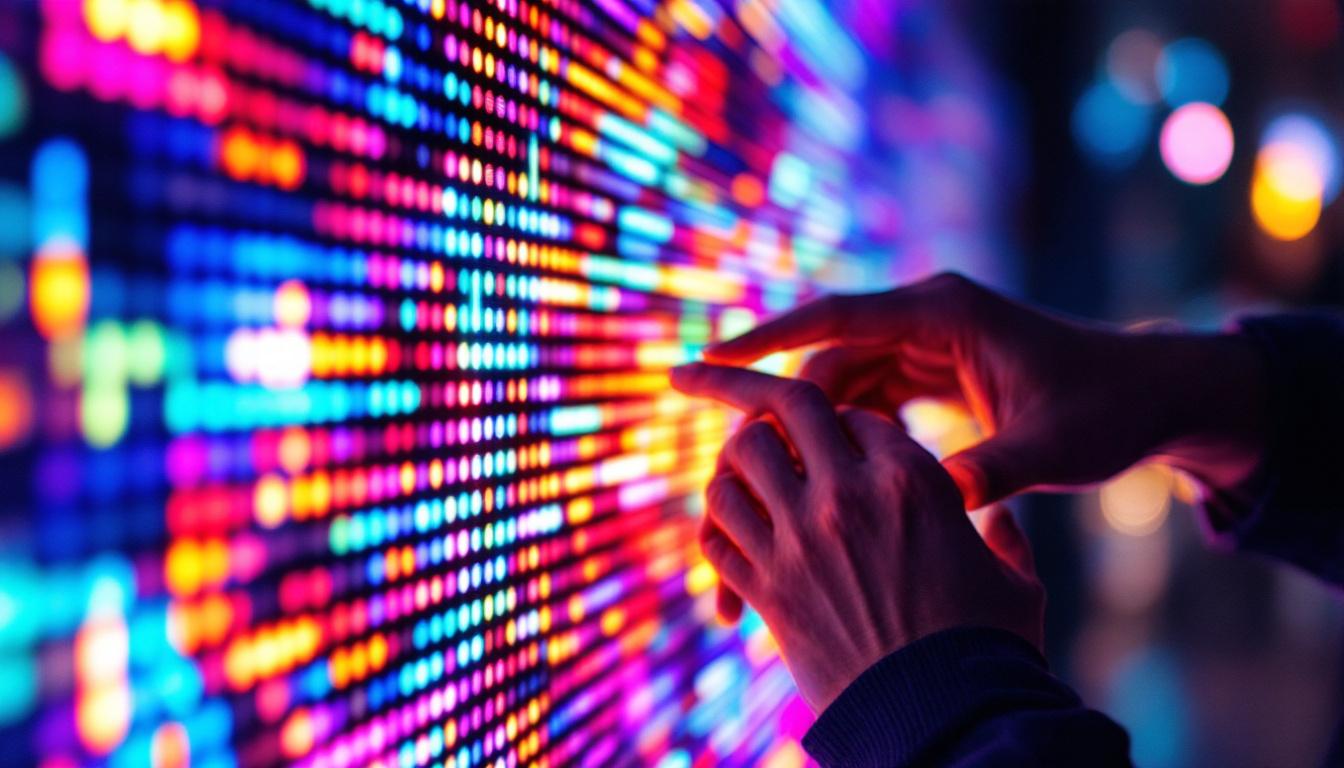
LED displays are composed of thousands to millions of these tiny diodes arranged in a matrix. Each diode can be individually controlled to emit light of varying intensity and color, enabling the creation of detailed images and videos. The combination of red, green, and blue LEDs in each pixel allows for a full spectrum of colors, making LED displays highly versatile.
One of the key advantages of LED technology is its energy efficiency. LEDs consume significantly less power compared to conventional lighting and display technologies, which not only reduces operational costs but also aligns with sustainability goals. Furthermore, LEDs have a longer lifespan, often exceeding 50,000 hours, which minimizes maintenance and replacement expenses.
How LED Displays Work
LED displays function by controlling the illumination of individual diodes in a grid. Each pixel consists of multiple LEDs that combine to produce the desired color through additive color mixing. The display’s controller sends signals to these pixels, determining their brightness and color in real-time.
This precise control allows for high-resolution images and smooth video playback. Modern LED displays also incorporate advanced processing technologies that enhance image quality, such as dynamic contrast adjustment, color calibration, and anti-glare coatings.
Types of LED Displays
LED displays come in various forms, each tailored to specific applications and environments. Understanding these types helps businesses and organizations select the right solution for their needs.
Indoor LED Displays
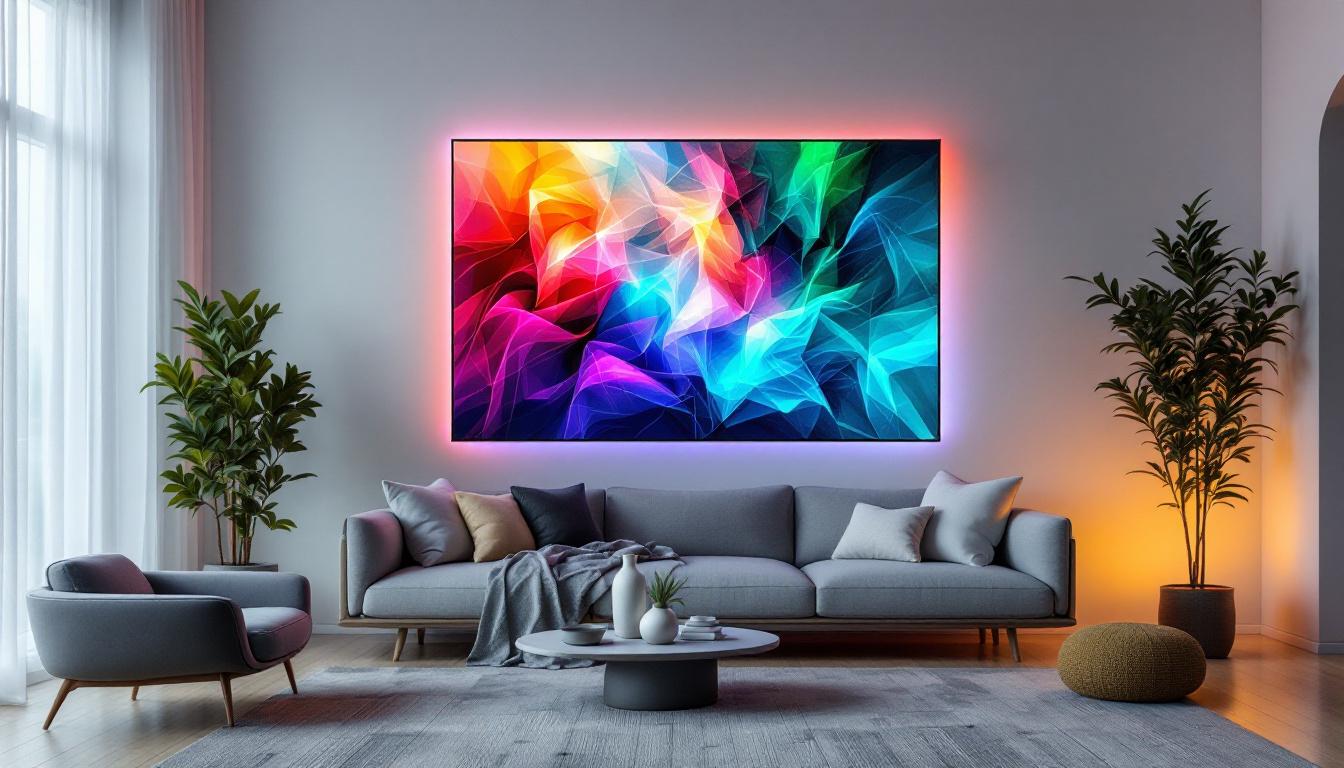
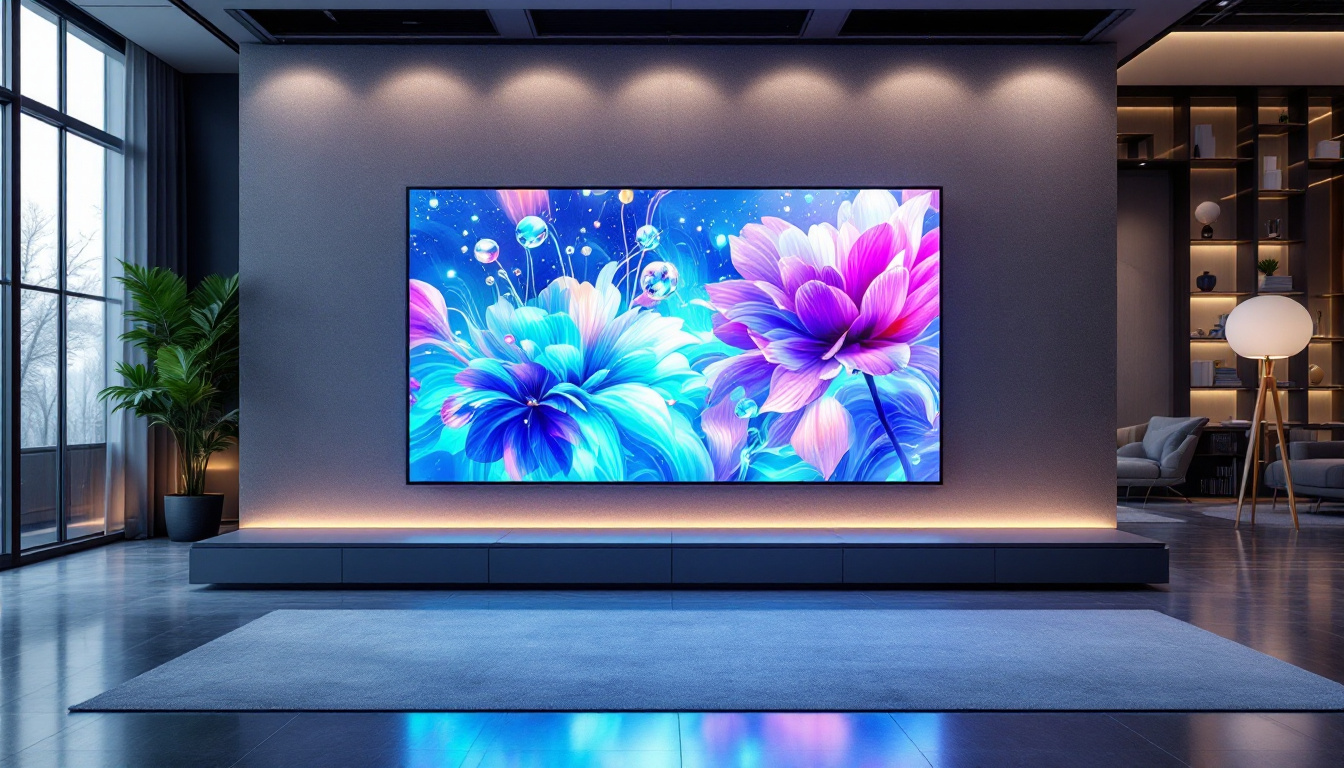
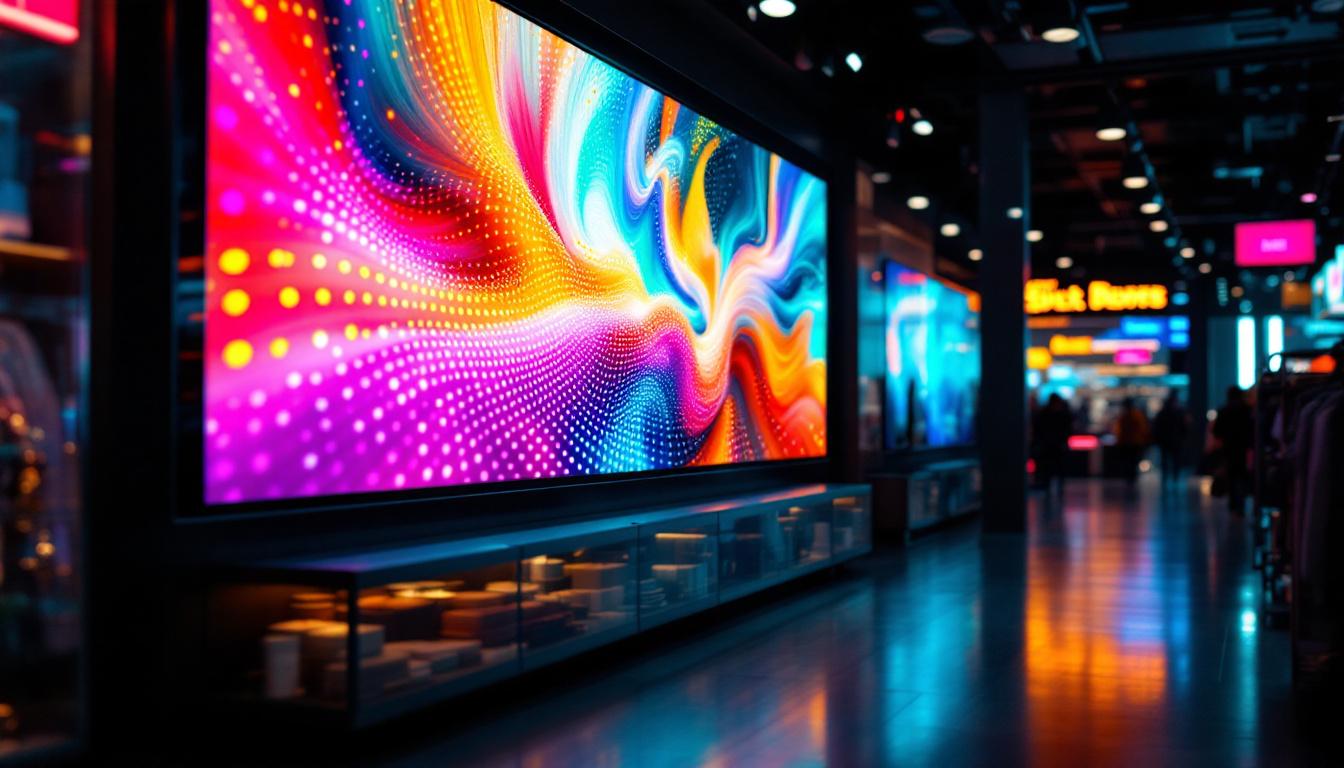
Indoor LED displays are designed for environments such as shopping malls, airports, conference rooms, and retail stores. These displays typically have a higher pixel density, meaning the LEDs are packed closer together to provide sharper images at close viewing distances.
Brightness levels for indoor LED displays usually range from 800 to 1,500 nits, sufficient for controlled lighting conditions. The focus here is on color accuracy and clarity, making them ideal for digital signage, presentations, and interactive kiosks.
Outdoor LED Displays
Outdoor LED displays are built to withstand harsh weather conditions, including rain, dust, and extreme temperatures. They feature robust enclosures with high ingress protection (IP) ratings, often IP65 or higher, ensuring durability and reliability.
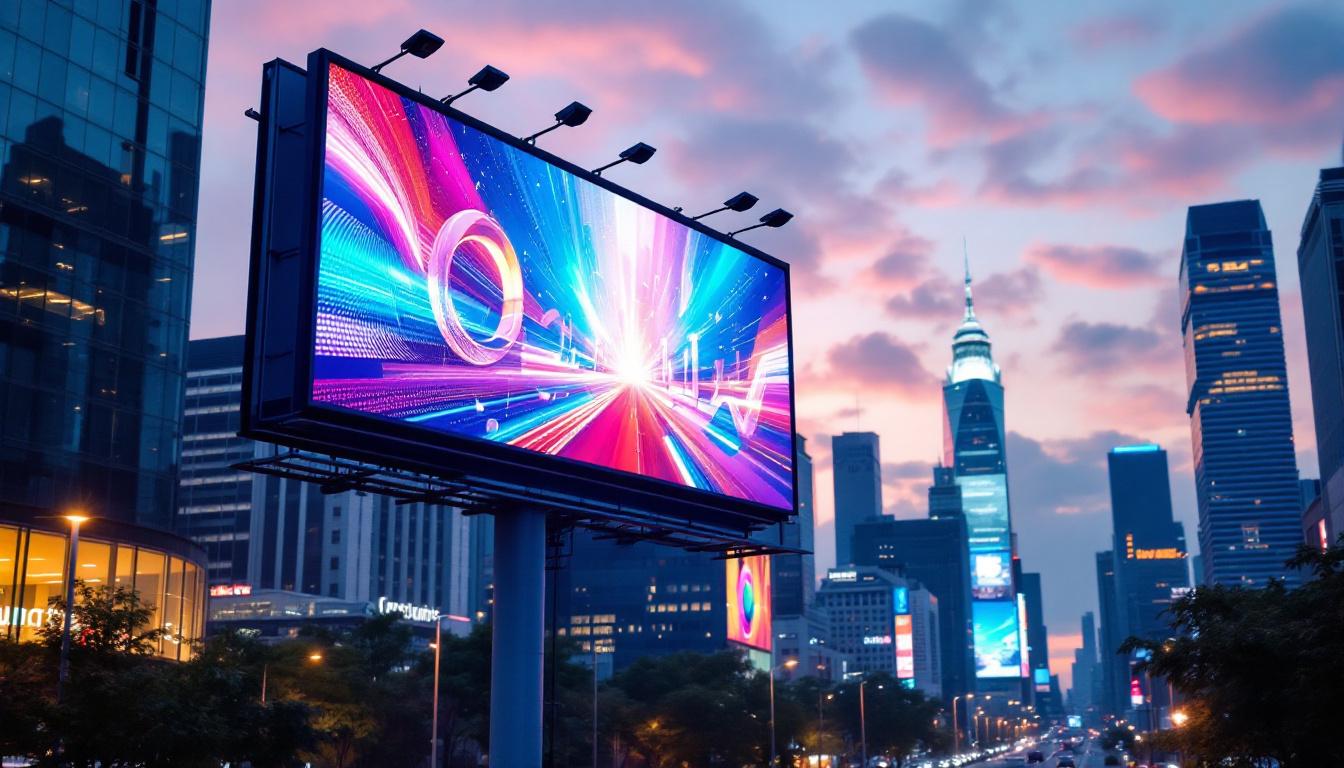
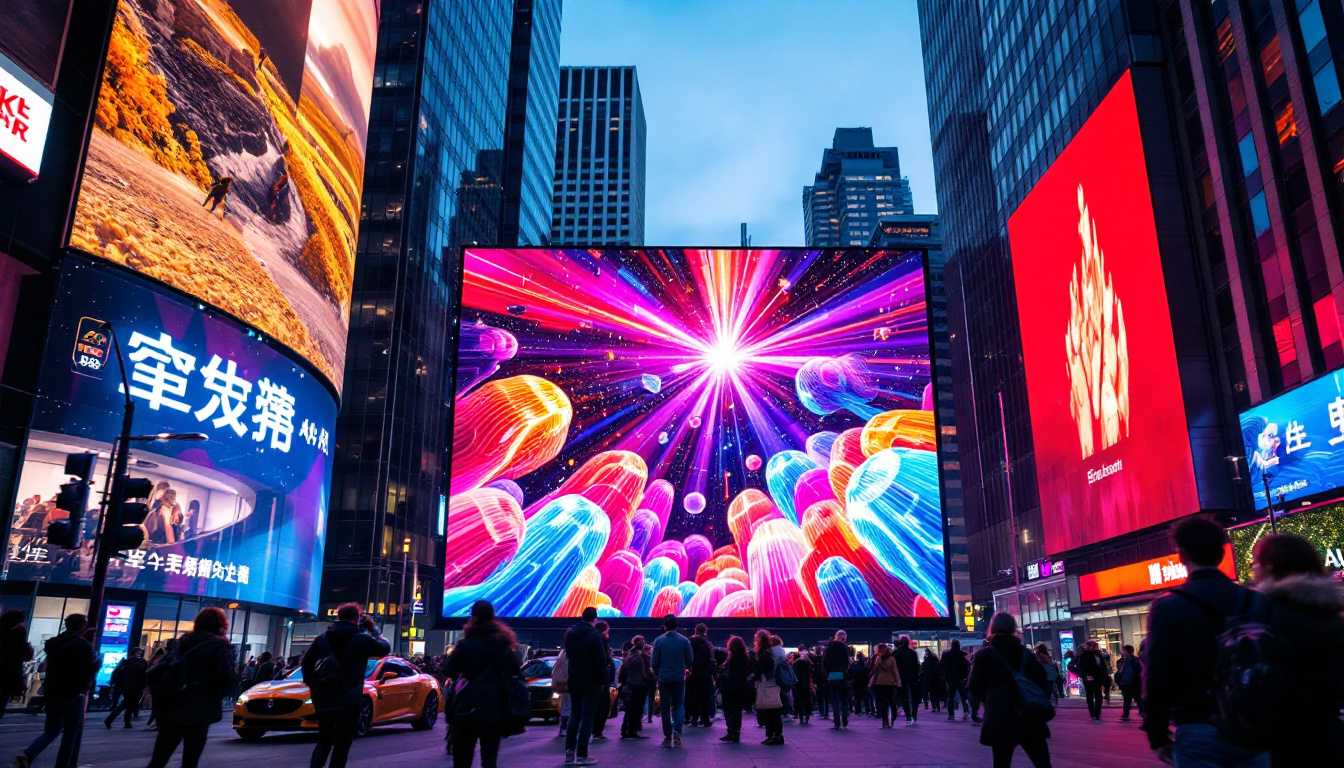
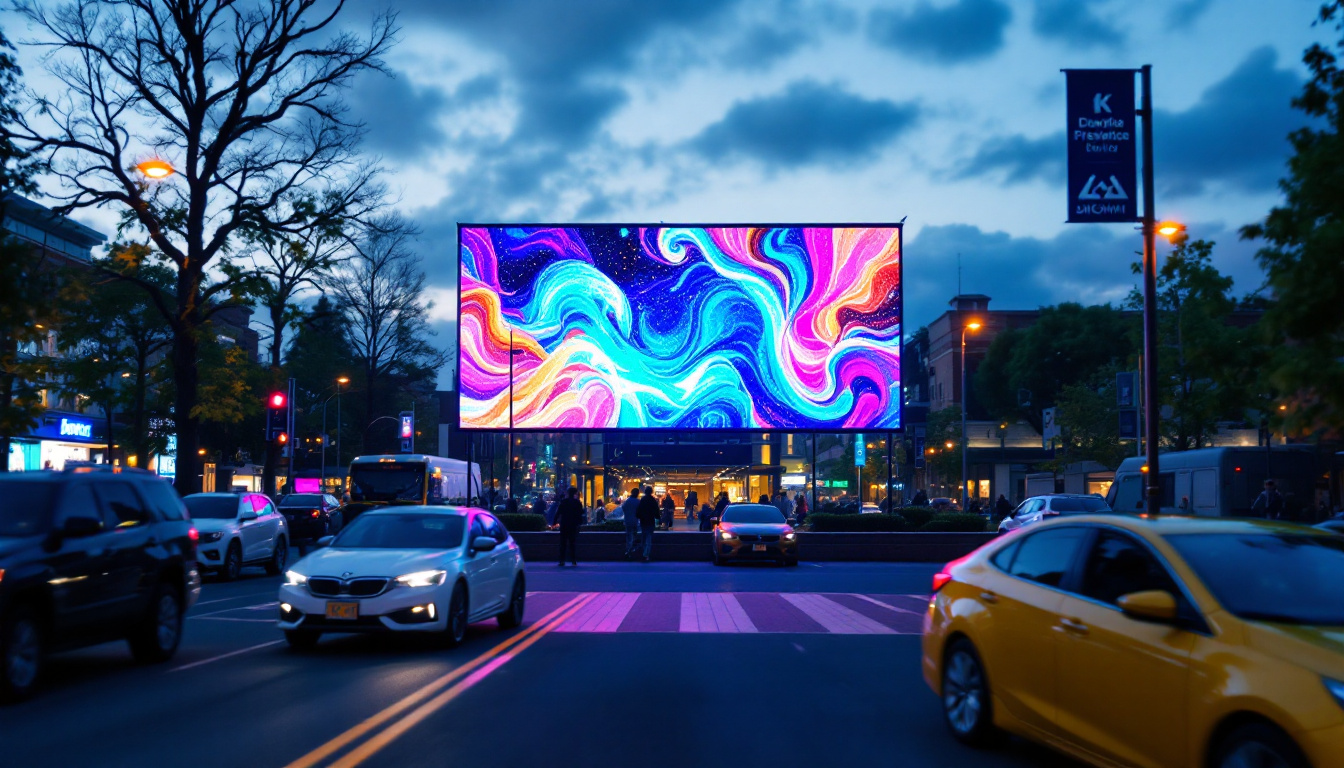
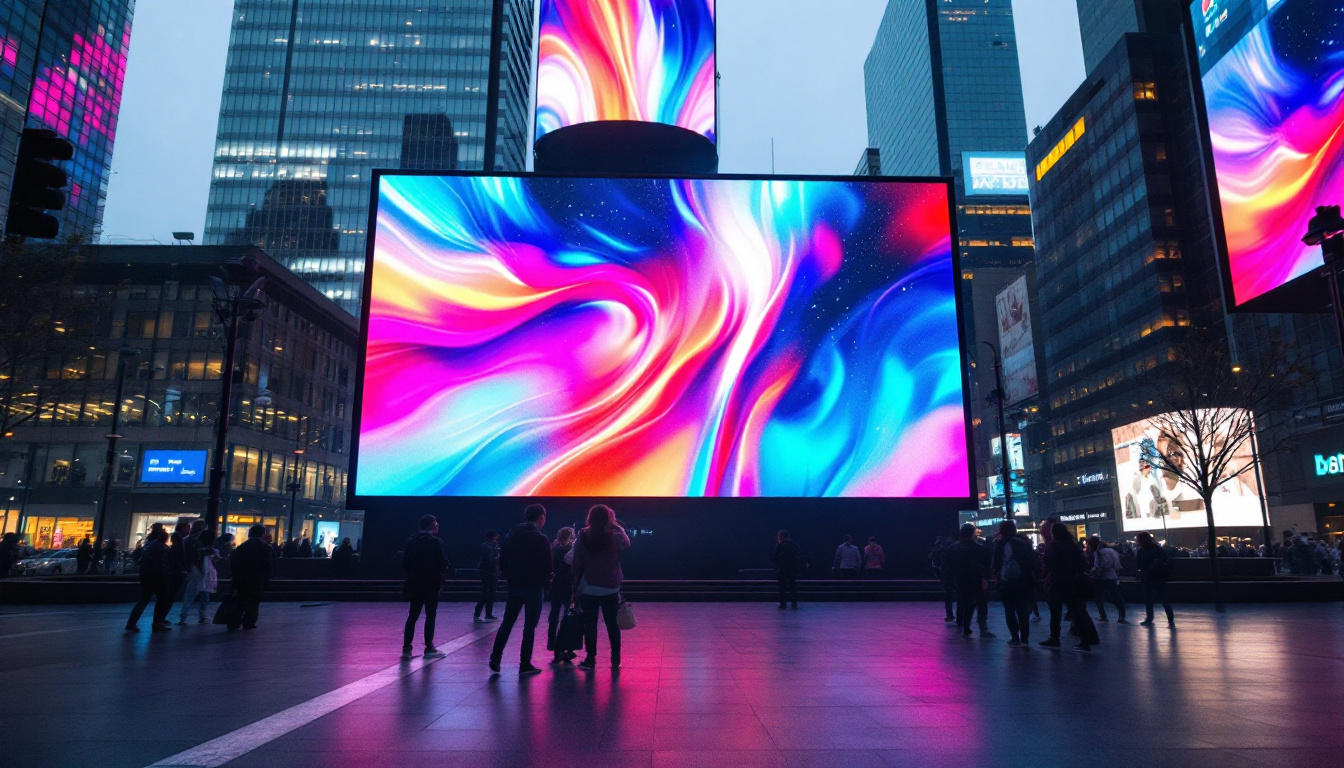
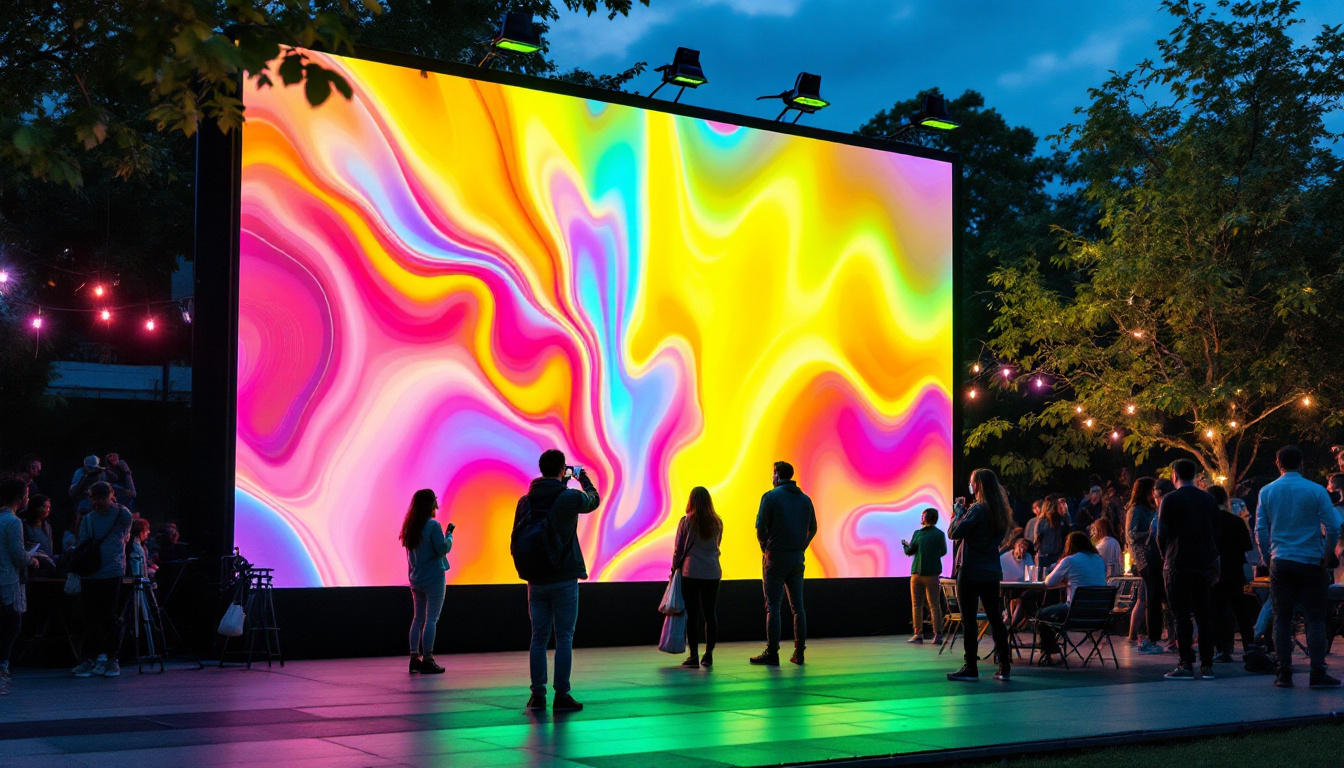
These displays boast much higher brightness levels, often exceeding 5,000 nits, to remain visible even under direct sunlight. Common uses include billboards, stadium screens, transportation hubs, and public information boards. Their large size and high brightness make them effective tools for mass communication.
Transparent LED Displays
Transparent LED displays are an innovative solution that integrates LED technology with glass surfaces. These displays allow light to pass through, maintaining visibility through the screen while projecting vibrant content.
They are popular in retail storefronts and architectural installations, where maintaining natural light and visibility is crucial. Transparent LED displays enable businesses to showcase dynamic content without obstructing views, creating a futuristic and engaging customer experience.
Flexible and Curved LED Displays
Advancements in LED technology have led to the development of flexible and curved displays. These can be bent or shaped to fit unique architectural designs, offering creative freedom for designers and marketers.
Flexible LED displays are used in exhibitions, concerts, and innovative retail environments, where immersive and eye-catching visuals are essential. Their adaptability opens new possibilities for integrating digital content into unconventional spaces.
Applications of LED Displays
The versatility of LED displays has led to widespread adoption across numerous industries. Their ability to deliver high-impact visuals in various settings makes them invaluable tools for communication and engagement.
Advertising and Marketing
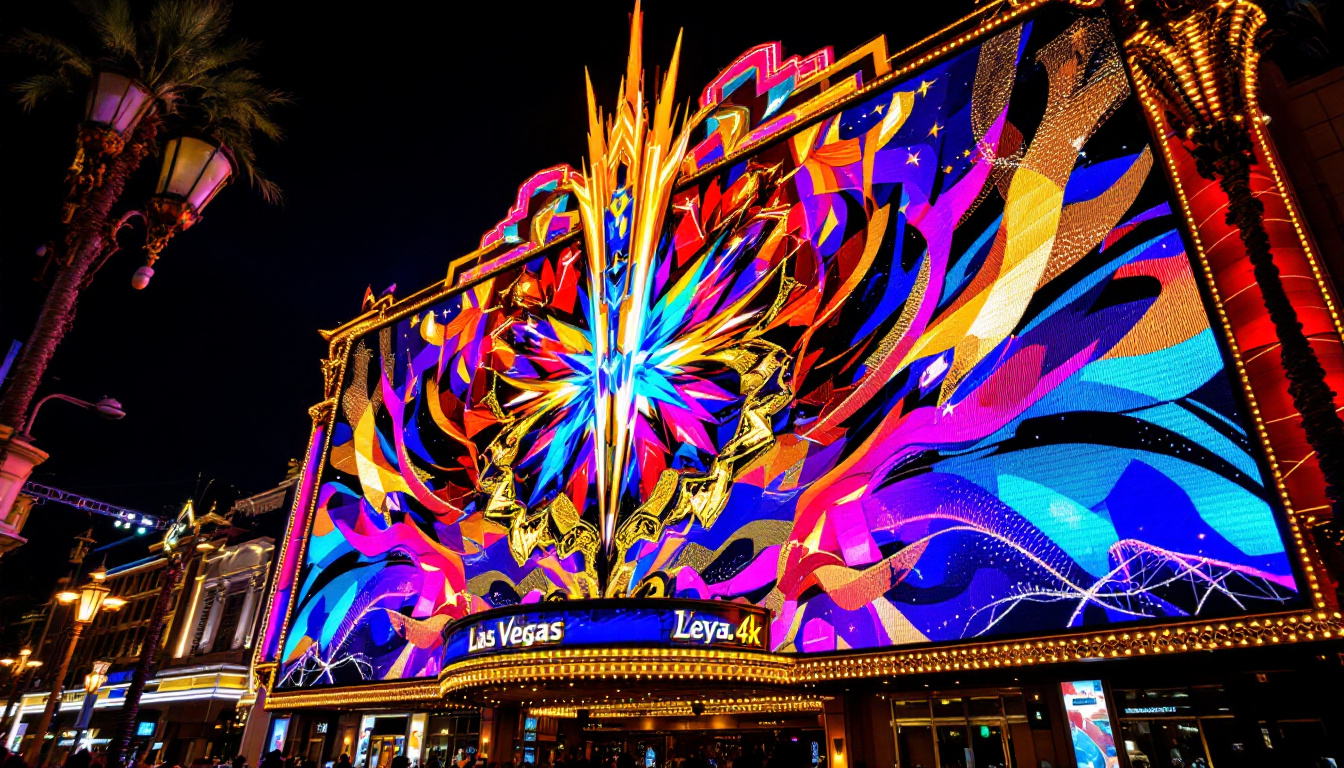
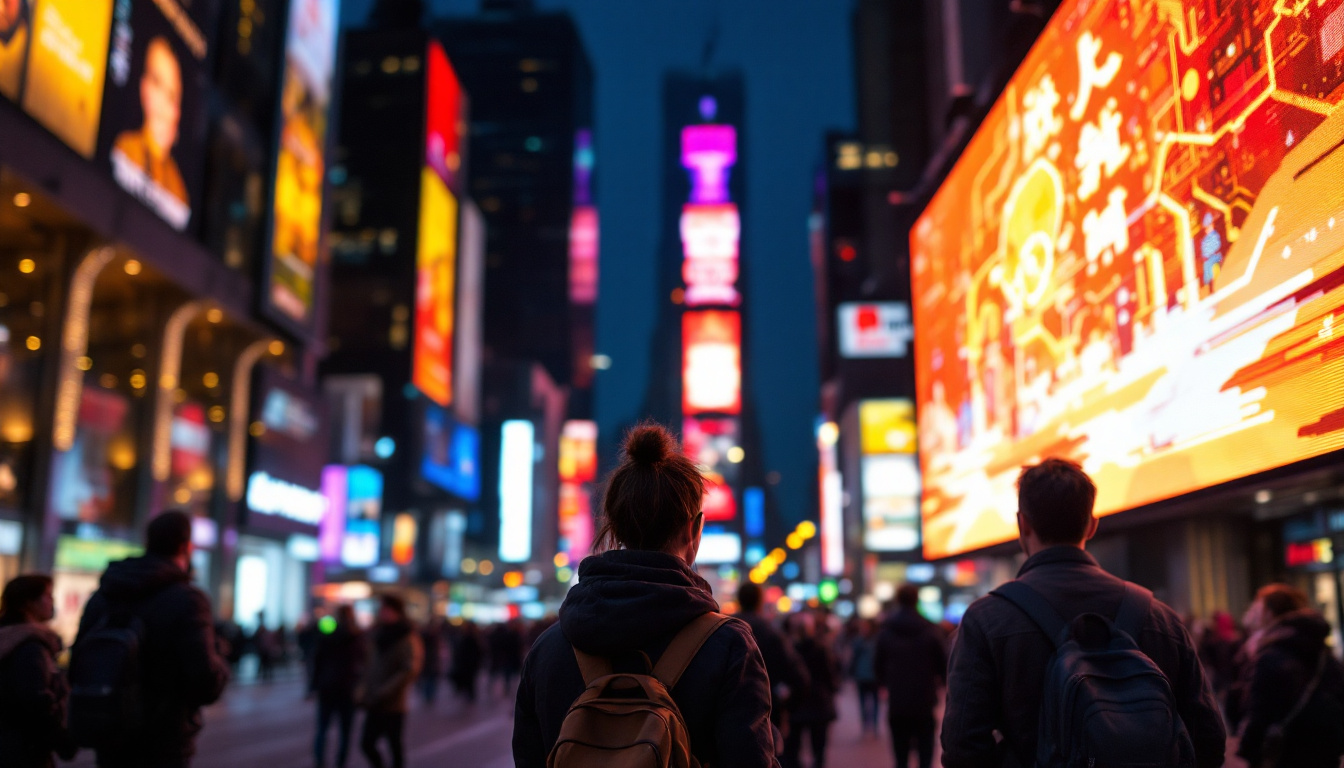
LED displays revolutionize advertising by enabling dynamic, eye-catching content that can be updated in real-time. Digital billboards and storefront displays attract customers with vibrant visuals, animations, and interactive features.
According to recent market research, digital out-of-home (DOOH) advertising, which heavily relies on LED displays, is projected to grow at a compound annual growth rate (CAGR) of over 10% through 2027. This growth underscores the effectiveness and popularity of LED-based advertising solutions.
Sports and Entertainment
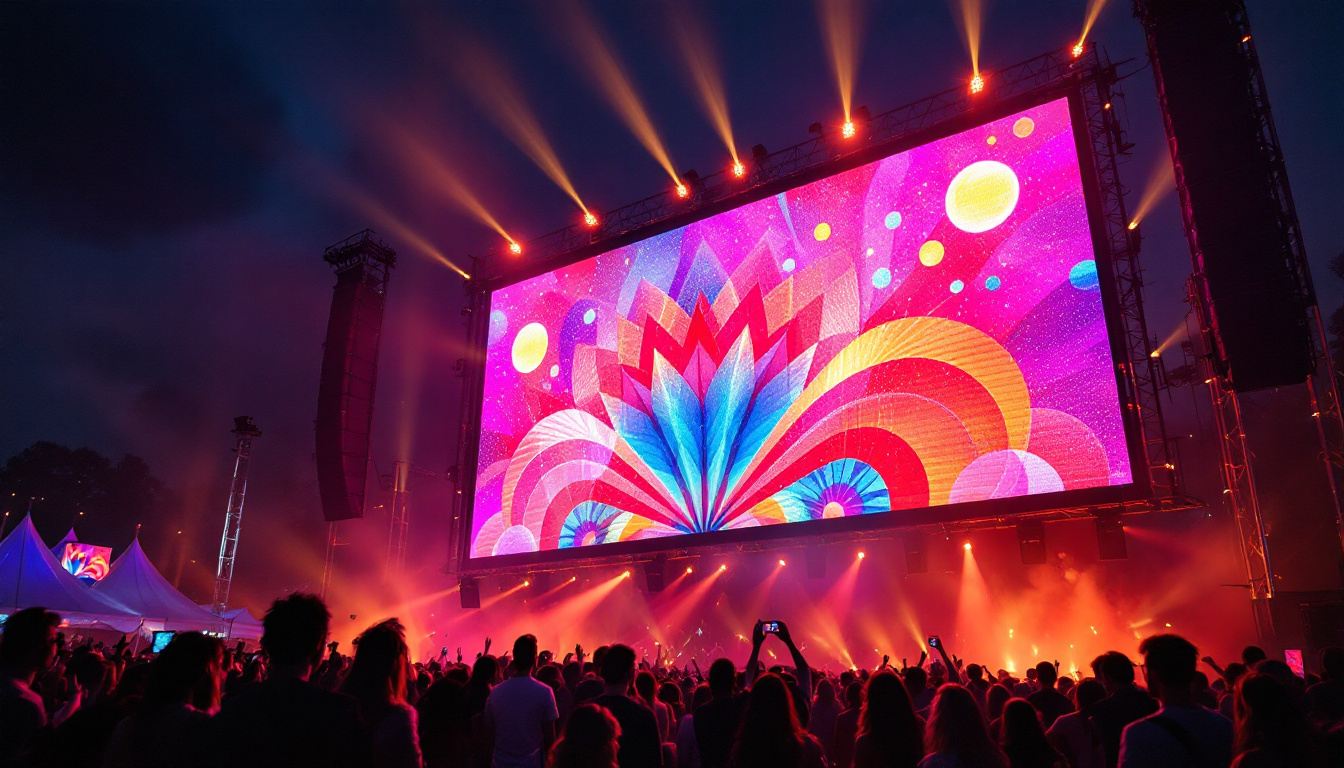
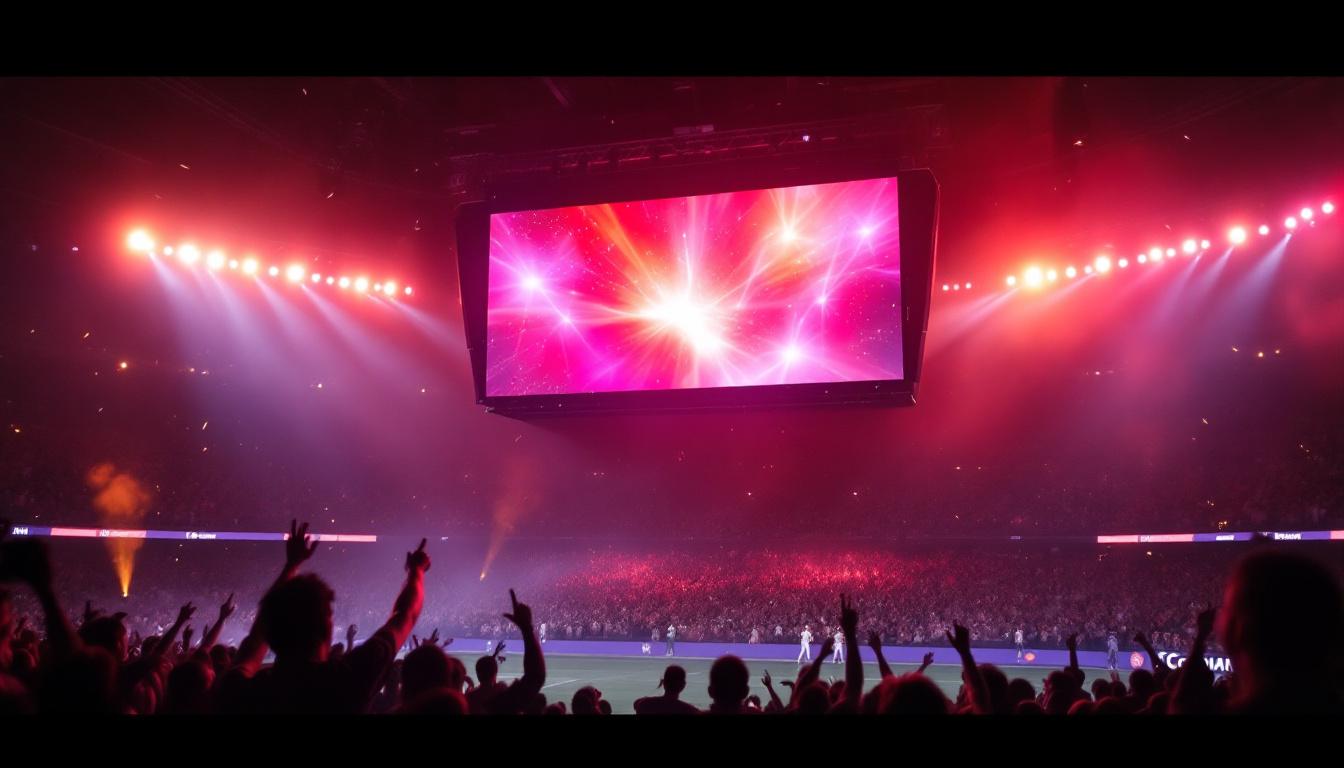
In stadiums and arenas, LED displays enhance the spectator experience by providing live scores, instant replays, and engaging content. Large-scale LED screens deliver crisp images visible from great distances, ensuring that every fan stays connected to the action.
Concerts and events also utilize LED walls and floors to create immersive environments, combining visuals with lighting and sound for unforgettable performances.
Corporate and Educational Settings
LED displays are increasingly common in corporate offices and educational institutions. They facilitate presentations, video conferencing, and digital signage, improving communication and collaboration.
High-resolution indoor LED displays in boardrooms and lecture halls ensure that information is conveyed clearly to all attendees, regardless of room size.
Transportation and Public Information
Airports, train stations, and bus terminals rely on LED displays to provide real-time information such as schedules, delays, and safety announcements. Their brightness and clarity ensure messages are visible even in crowded or brightly lit environments.
Public safety campaigns and emergency alerts also benefit from LED displays’ ability to broadcast urgent messages quickly and effectively to large audiences.
Key Factors to Consider When Choosing an LED Display
Selecting the right LED display involves careful consideration of several factors to ensure optimal performance and return on investment.
Pixel Pitch and Resolution
Pixel pitch refers to the distance between the centers of adjacent LEDs and directly affects image sharpness. A smaller pixel pitch means higher resolution and better image quality, especially important for indoor displays viewed up close.
For outdoor displays, a larger pixel pitch is acceptable since viewers are typically farther away. Balancing pixel pitch with viewing distance and budget is crucial for achieving the desired visual impact.
Brightness and Contrast
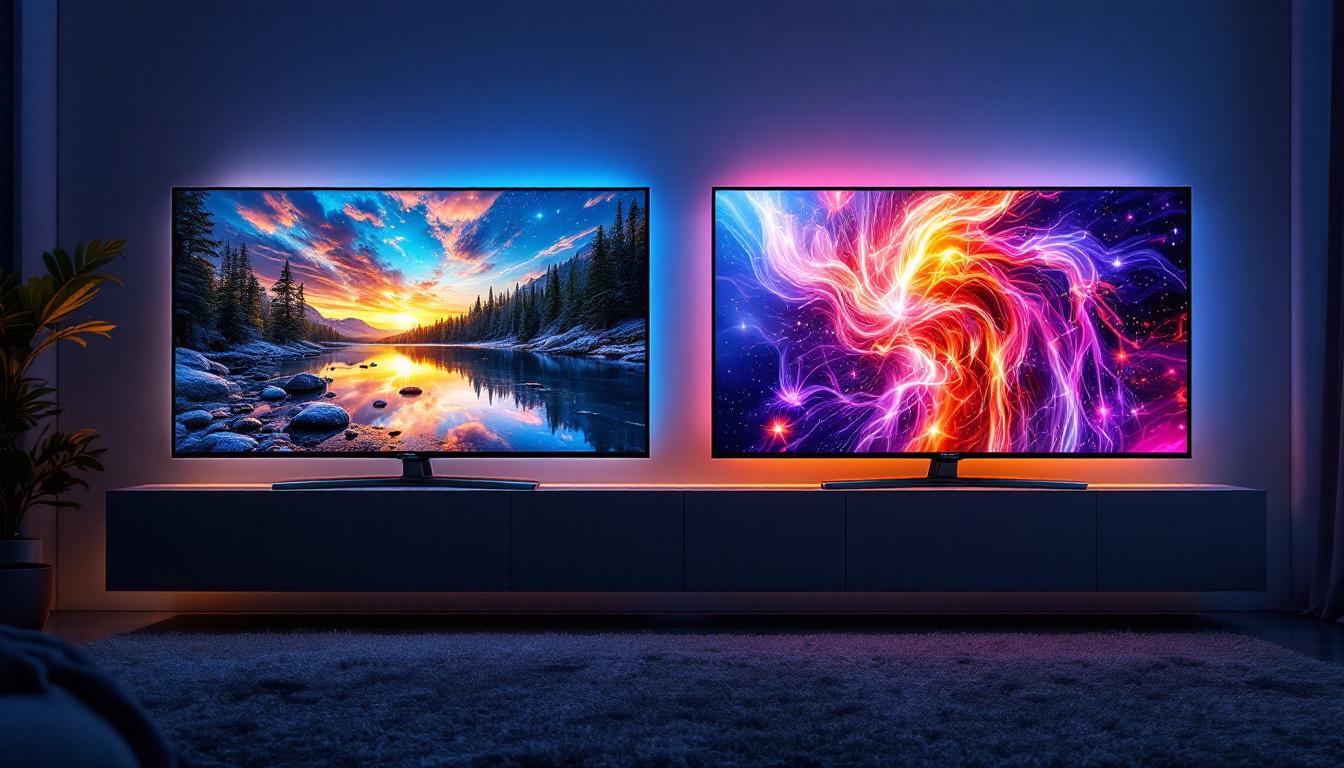
Brightness is measured in nits and determines how well the display performs under different lighting conditions. Outdoor displays require higher brightness to combat sunlight glare, while indoor displays prioritize contrast and color accuracy.
Contrast ratio, the difference between the darkest and brightest parts of the image, influences image depth and clarity. High contrast ratios enhance the viewing experience, especially for video content.
Durability and Weather Resistance
For outdoor applications, the display’s ability to withstand environmental factors is vital. Look for displays with high IP ratings, robust materials, and protective coatings to ensure longevity.
Indoor displays should also be designed for ease of maintenance and resistance to dust and accidental damage.
Control Systems and Connectivity
Modern LED displays come with sophisticated control systems that allow content management from remote locations. Compatibility with various input sources, software platforms, and network protocols enhances flexibility.
Consider displays that support real-time updates, scheduling, and integration with other digital systems to maximize utility.
Energy Efficiency and Maintenance
Energy consumption impacts operational costs, especially for large or continuously operating displays. Choosing energy-efficient LED modules and power supplies can result in significant savings.
Maintenance considerations include ease of access for repairs, modular design for quick replacement of faulty components, and availability of technical support.
The Future of LED Displays
The LED display industry continues to evolve rapidly, driven by technological advancements and changing consumer expectations. Emerging trends promise to expand the capabilities and applications of LED displays even further.
MicroLED and MiniLED Technologies
MicroLED and MiniLED represent the next generation of LED technology, offering even higher resolution, better color accuracy, and improved energy efficiency. MicroLED displays use microscopic LEDs as individual pixels, enabling ultra-thin, flexible, and highly durable screens.
These technologies are poised to challenge traditional OLED and LCD displays in markets such as smartphones, televisions, and wearable devices.
Integration with Augmented Reality (AR) and Artificial Intelligence (AI)
Combining LED displays with AR and AI technologies opens new possibilities for interactive and personalized content. For instance, AI-driven analytics can tailor advertising messages based on audience demographics detected in real-time.
AR overlays on LED screens can enhance user engagement in retail, entertainment, and educational settings, creating immersive experiences that blend digital and physical worlds.
Sustainability and Eco-Friendly Innovations
As environmental concerns grow, manufacturers are focusing on developing LED displays with recyclable materials, reduced hazardous substances, and lower carbon footprints. Advances in energy management and smart power-saving features contribute to greener digital signage solutions.
Organizations adopting sustainable LED technologies not only reduce operational costs but also demonstrate corporate social responsibility, appealing to increasingly eco-conscious consumers.
Conclusion
LED displays have transformed the way businesses and organizations communicate with their audiences. Their versatility, brightness, and dynamic capabilities make them ideal for a wide range of applications, from advertising and entertainment to corporate communication and public information.
Understanding the technology behind LED displays, the different types available, and the factors influencing their performance is essential for making informed decisions. As LED technology continues to advance, it will unlock new creative possibilities and enhance the effectiveness of visual communication in the years to come.
Investing in the right LED display solution not only boosts engagement and visibility but also supports long-term sustainability and operational efficiency, making it a smart choice for any forward-thinking organization.
Explore Cutting-Edge LED Displays with LumenMatrix
Ready to elevate your visual communication strategy with the latest in LED display technology? LumenMatrix is at the forefront of innovation, offering a diverse range of LED display solutions tailored to your unique needs. From Indoor and Outdoor LED Wall Displays to specialized options like Vehicle, Sports, and Floor LED Displays, we have the tools to make your brand shine. Our mission is to create captivating visual experiences that engage and inspire. Check out LumenMatrix LED Display Solutions today and see how we can help you communicate your message with unparalleled impact and clarity.