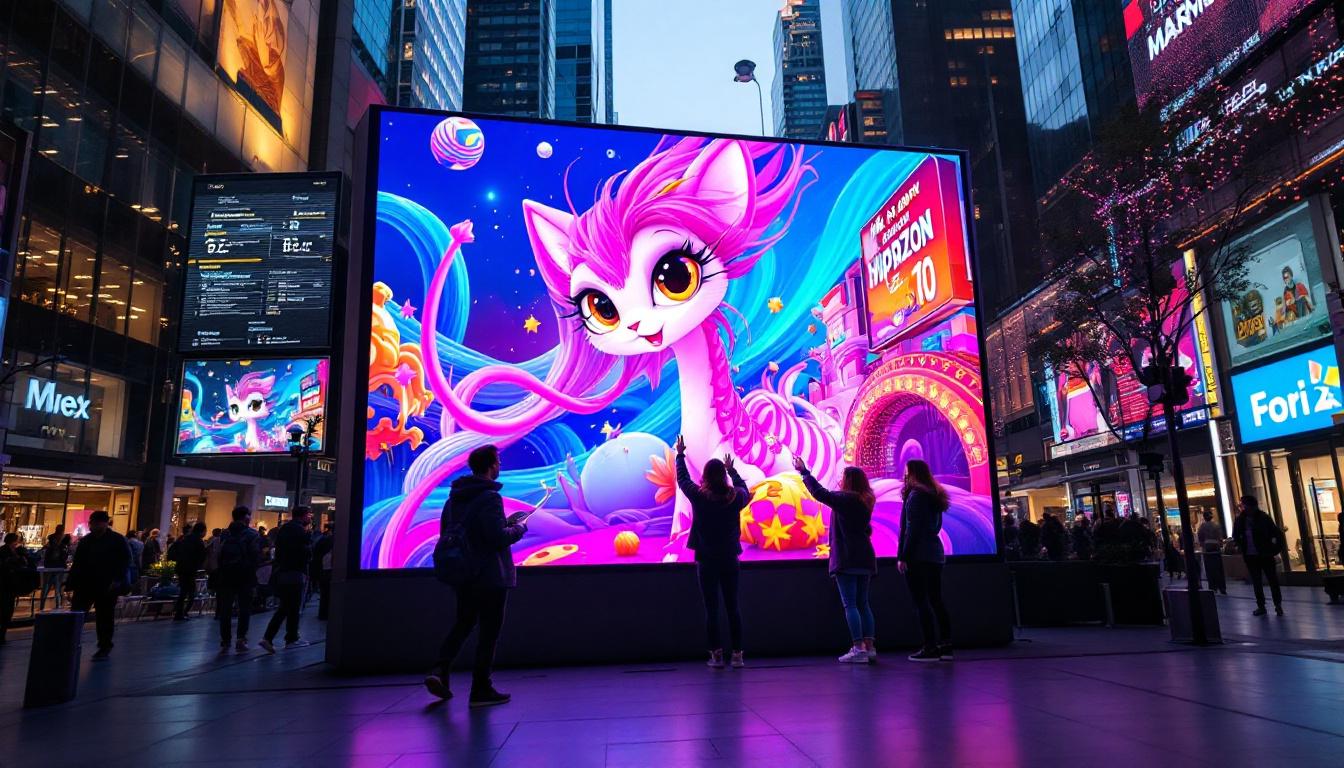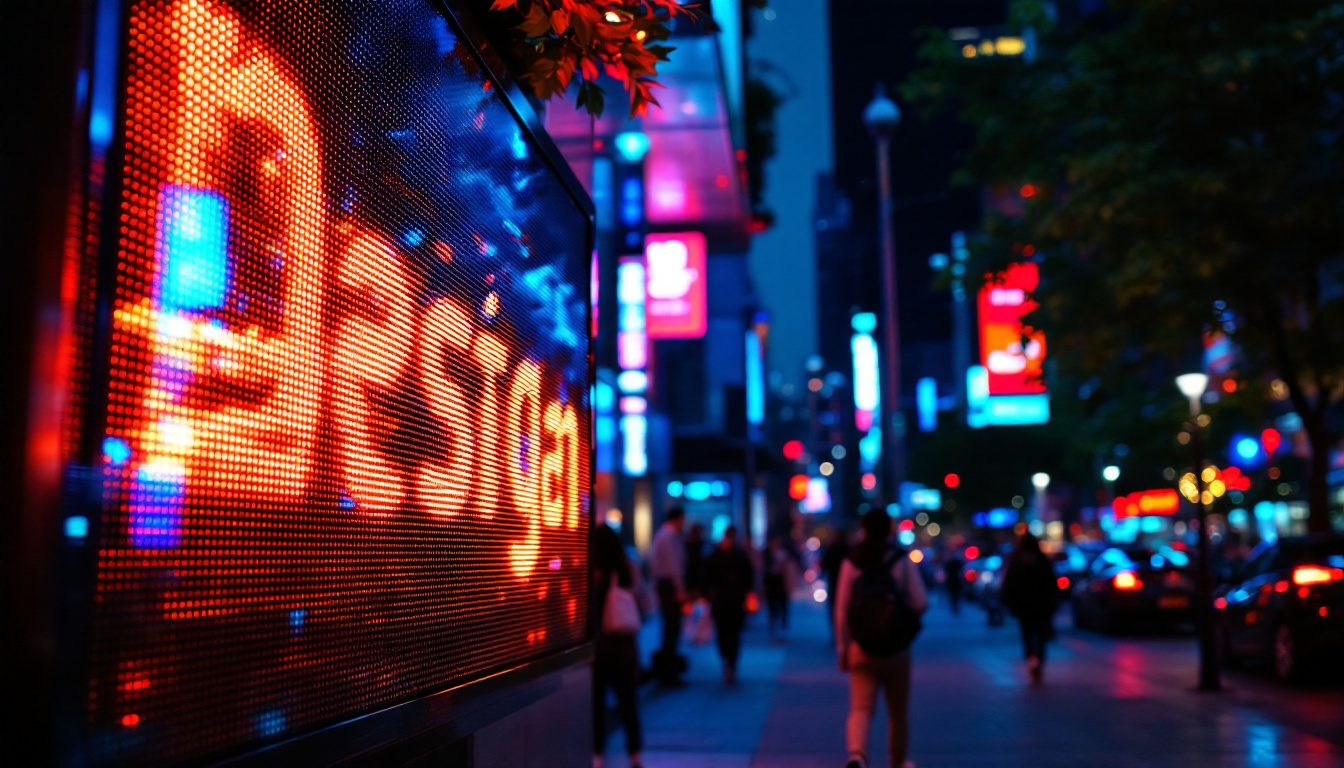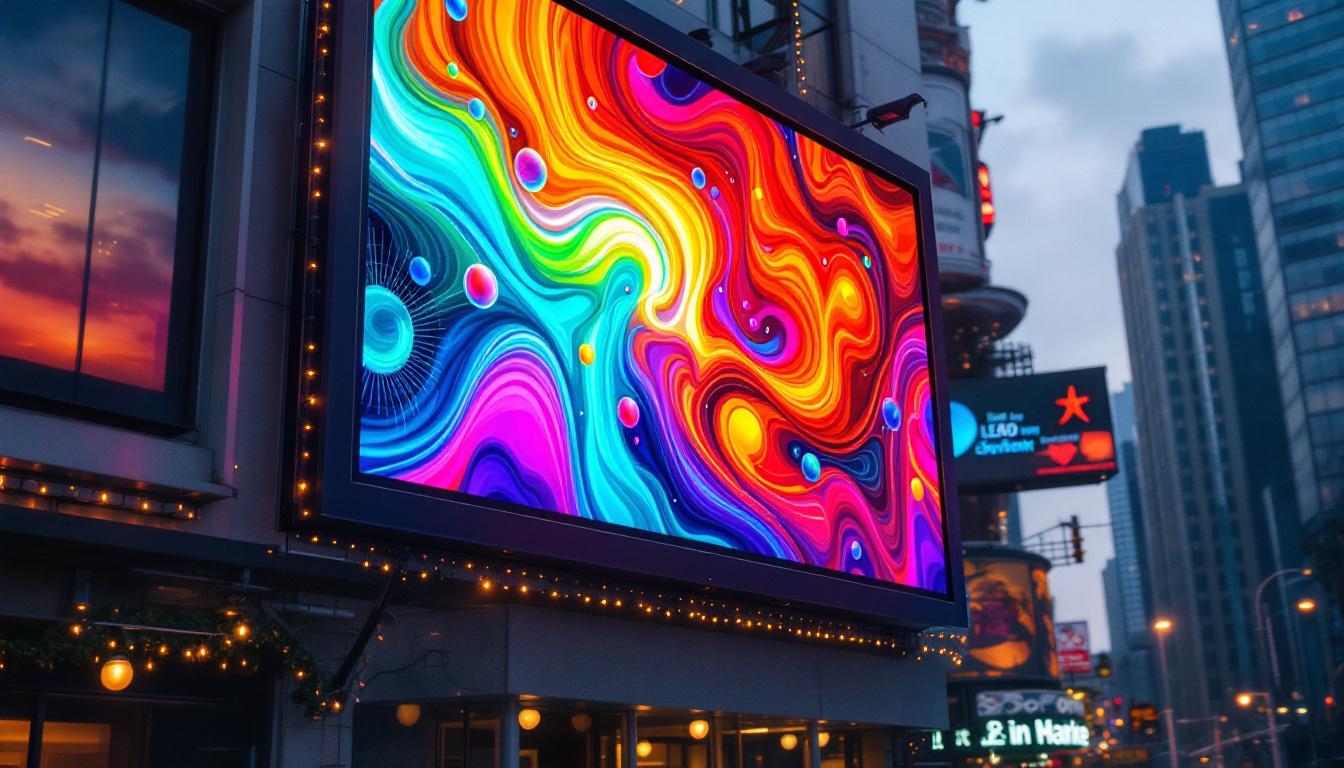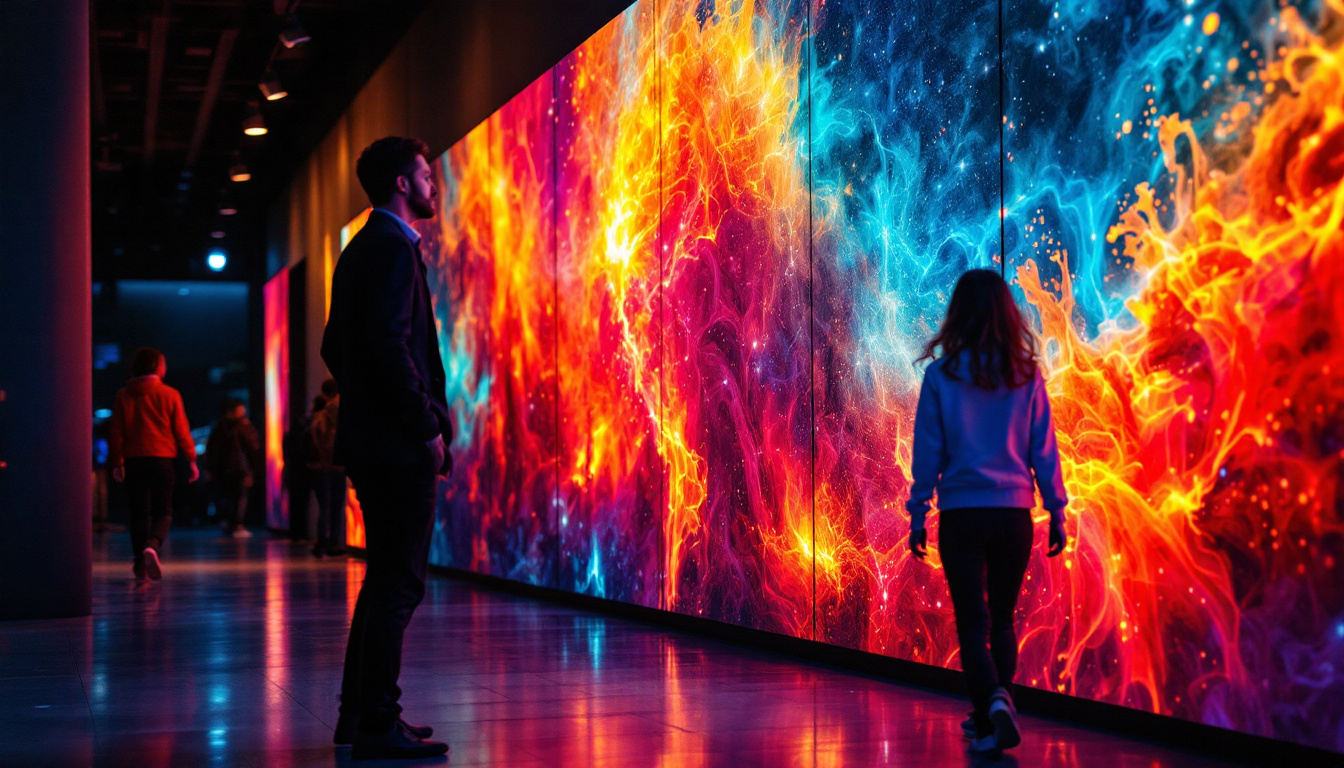
In today’s digital age, LED displays have become ubiquitous, transforming the way information is presented across industries. From vibrant billboards lighting up cityscapes to detailed screens in manufacturing environments, understanding LED display technology is essential for professionals involved in printing screens and visual communication. This article delves into the fundamentals of LED displays, their advantages, applications in printing screens, and future trends shaping this dynamic field.
Understanding LED Display Technology
What is an LED Display?
LED stands for Light Emitting Diode, a semiconductor device that emits light when an electric current passes through it. An LED display is a flat panel display that uses an array of LEDs as pixels to create images, videos, or text. Unlike traditional LCDs that rely on backlighting, LED displays generate their own light, resulting in brighter and more vibrant visuals. This intrinsic ability to produce light makes LED displays more energy-efficient compared to their predecessors, as they consume less power while delivering superior brightness and contrast ratios.
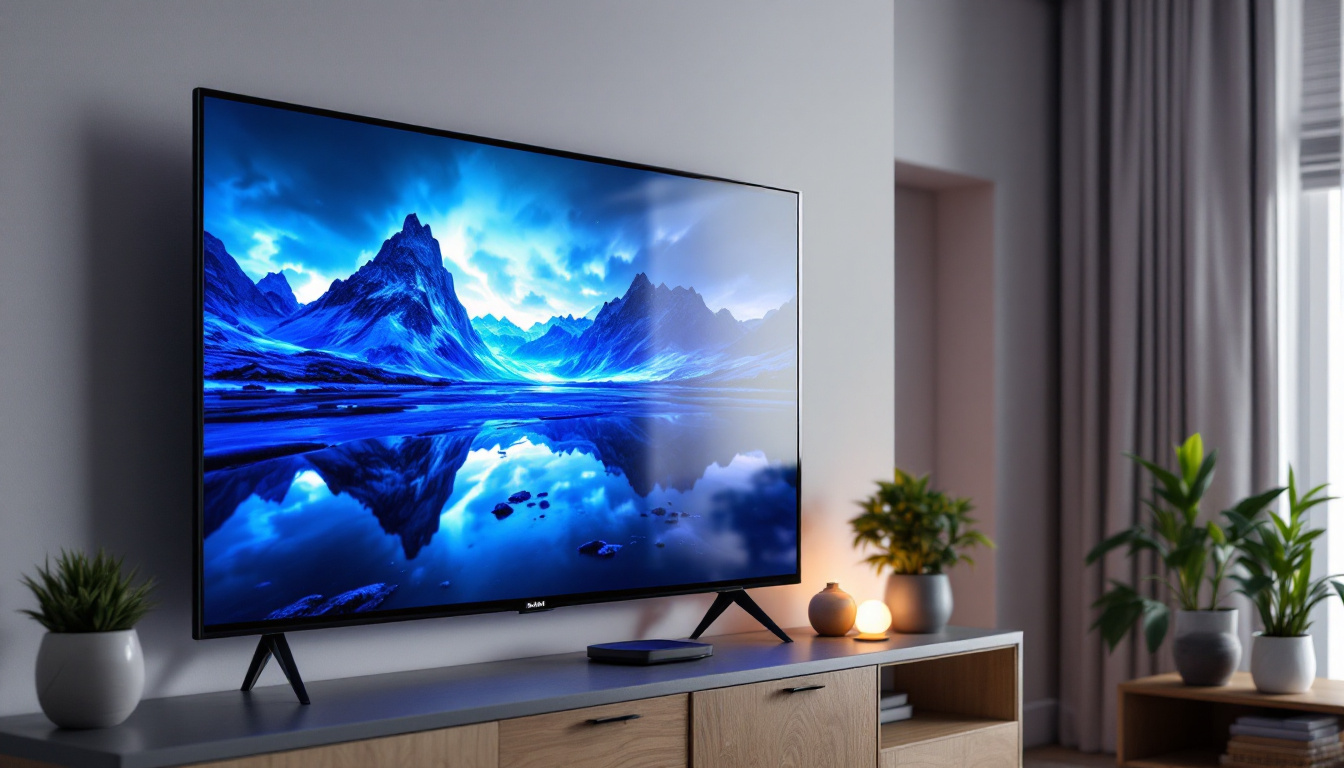
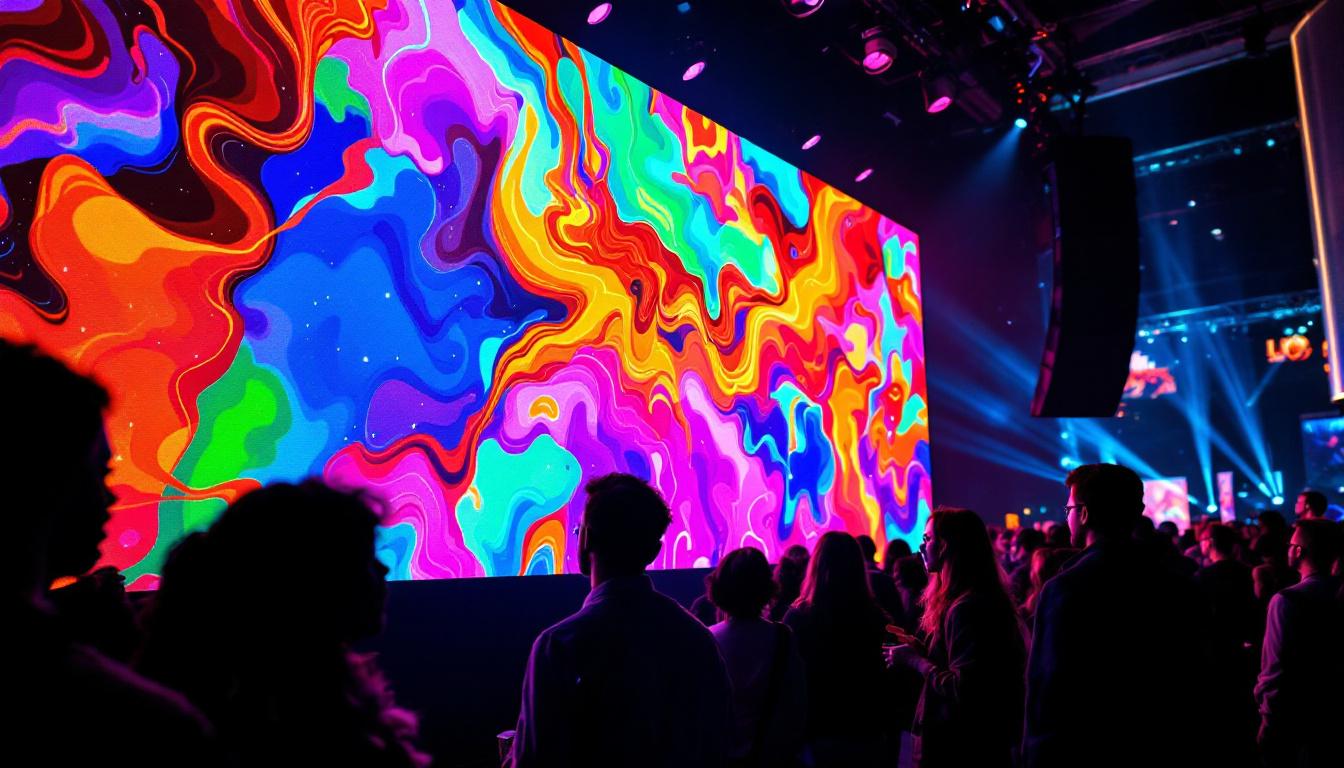
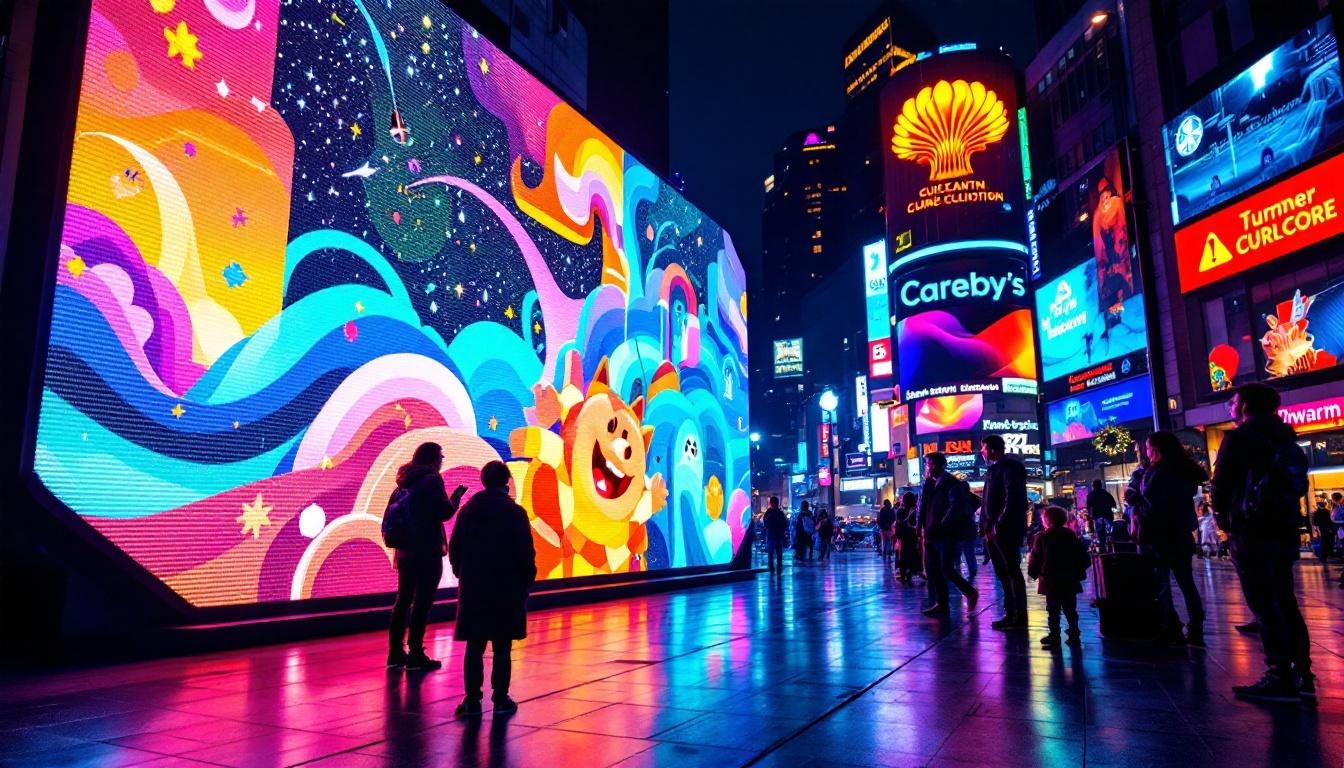
LED displays can be categorized into two main types: direct view LED and LED-backlit LCD. Direct view LED displays consist of individual LEDs arranged in a matrix, making them ideal for large-scale outdoor screens and digital signage. These displays are often used in stadiums, concerts, and billboards due to their high visibility from great distances. LED-backlit LCDs, on the other hand, use LEDs as a backlight source behind an LCD panel, commonly found in televisions and computer monitors. This type of display offers a thinner profile and is widely used in consumer electronics, providing users with a balance of quality and affordability.
How LED Displays Work
The core of an LED display is its pixels, each made up of red, green, and blue LEDs. By varying the intensity of these three colors, the display can produce a broad spectrum of colors. The control system manages these pixels to render images with precision. This pixel-level control allows LED displays to achieve high brightness levels and excellent color accuracy. Furthermore, advancements in technology have led to the development of dynamic range capabilities, enabling LED displays to reproduce deeper blacks and more vibrant colors, enhancing the overall viewing experience.
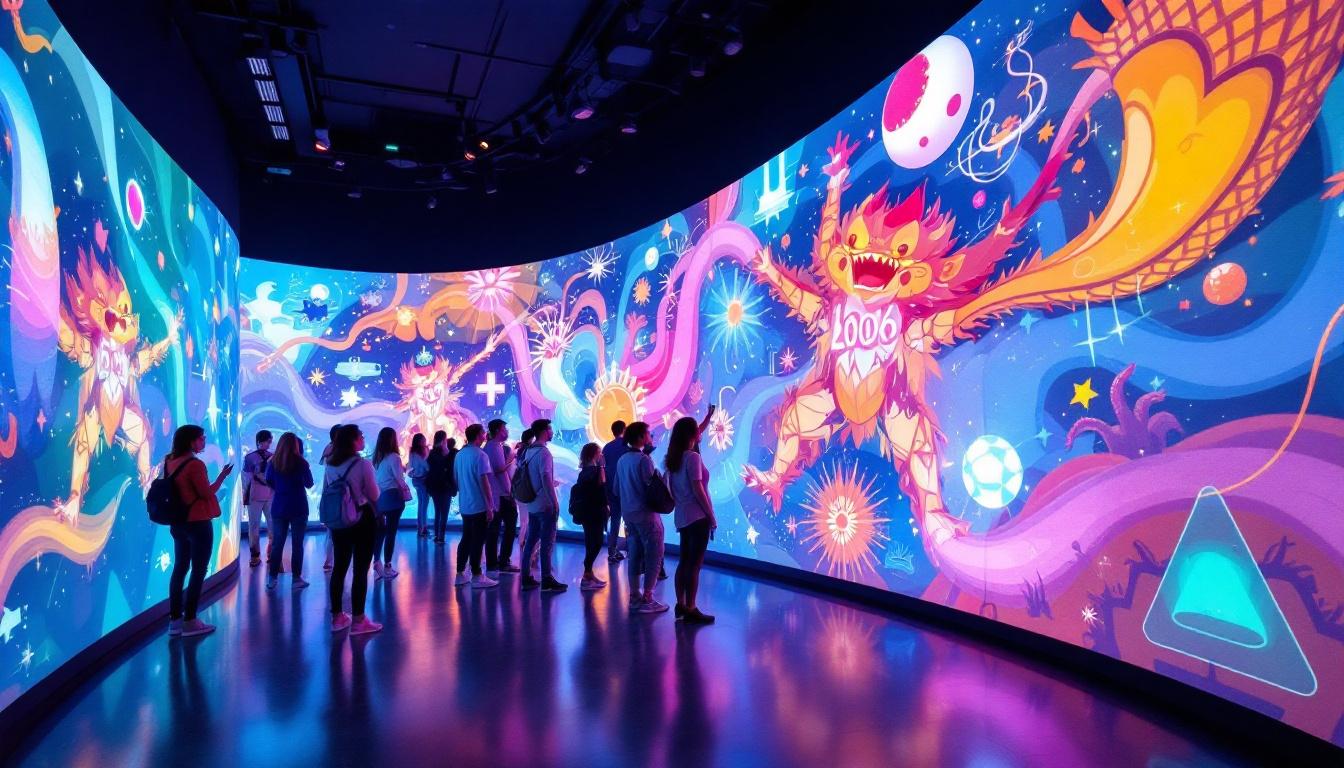
Additionally, LED displays operate on principles of modularity. Large screens are assembled from smaller LED panels, which can be configured to any size or shape. This flexibility is particularly advantageous in printing screen applications where custom sizes and resolutions are often required. The modular design also facilitates easier repairs and upgrades, as individual panels can be replaced without the need to dismantle the entire display. Moreover, the lightweight nature of LED technology allows for innovative installation solutions, such as curved or hanging displays, which can transform the aesthetics of any environment, from retail spaces to art installations.
Advantages of LED Displays in Printing Screens
Superior Brightness and Visibility
One of the most significant benefits of LED displays is their superior brightness. LED screens can achieve brightness levels exceeding 5,000 nits, making them visible even in direct sunlight. This is crucial for outdoor printing screens used in advertising, where visibility can directly impact effectiveness.
Compared to traditional printing methods, which rely on reflective surfaces and ambient light, LED displays provide consistent illumination. This ensures that images and text remain sharp and readable regardless of environmental conditions. Additionally, the high brightness levels of LED displays allow for greater contrast ratios, enhancing the overall viewing experience. This is particularly beneficial in environments where lighting conditions can change rapidly, such as busy urban areas or during events where natural light fluctuates.
Energy Efficiency and Longevity
LED technology is renowned for its energy efficiency. LEDs consume significantly less power than other lighting technologies such as incandescent or fluorescent bulbs. For printing screens that operate continuously, this translates into lower operational costs and reduced environmental impact.
Moreover, LEDs have a long lifespan, often exceeding 50,000 hours of operation. This durability minimizes maintenance needs and replacement costs, making LED displays a cost-effective solution over time. The reduced heat output of LEDs also contributes to their longevity, as it lessens the strain on internal components and prevents overheating. Furthermore, the energy savings associated with LED technology can lead to substantial reductions in carbon footprints, making them a more sustainable choice for businesses looking to adopt eco-friendly practices.
High Resolution and Color Accuracy
Modern LED displays offer high pixel density, enabling detailed and crisp images. This is essential in printing screens where fine details, such as text and intricate graphics, must be rendered clearly. Advances in LED manufacturing have also improved color accuracy, allowing displays to reproduce a wide color gamut that meets industry standards.
For printing professionals, this means that LED displays can serve as reliable proofing tools or digital canvases, ensuring that the final printed output matches the intended design. The ability to display vivid colors and sharp images not only enhances the aesthetic appeal of advertisements but also ensures that branding elements are accurately represented. As a result, businesses can maintain a consistent visual identity across various platforms, which is vital in today’s competitive market. Additionally, the rapid refresh rates of LED displays reduce motion blur, making them ideal for dynamic content that requires quick transitions, such as video advertisements or live updates, further enhancing their versatility in the printing industry.
Applications of LED Displays in Printing Screens
Digital Proofing and Prepress
In the printing industry, proofing is a critical step to verify colors and layout before mass production. LED displays are increasingly used for digital proofing due to their ability to display accurate colors and high-resolution images. Unlike printed proofs, digital proofs on LED screens can be adjusted in real-time, saving time and resources.
Some printing companies integrate LED displays into their prepress workflows to simulate how printed materials will appear under different lighting conditions, enhancing quality control.
Advertising and Outdoor Signage
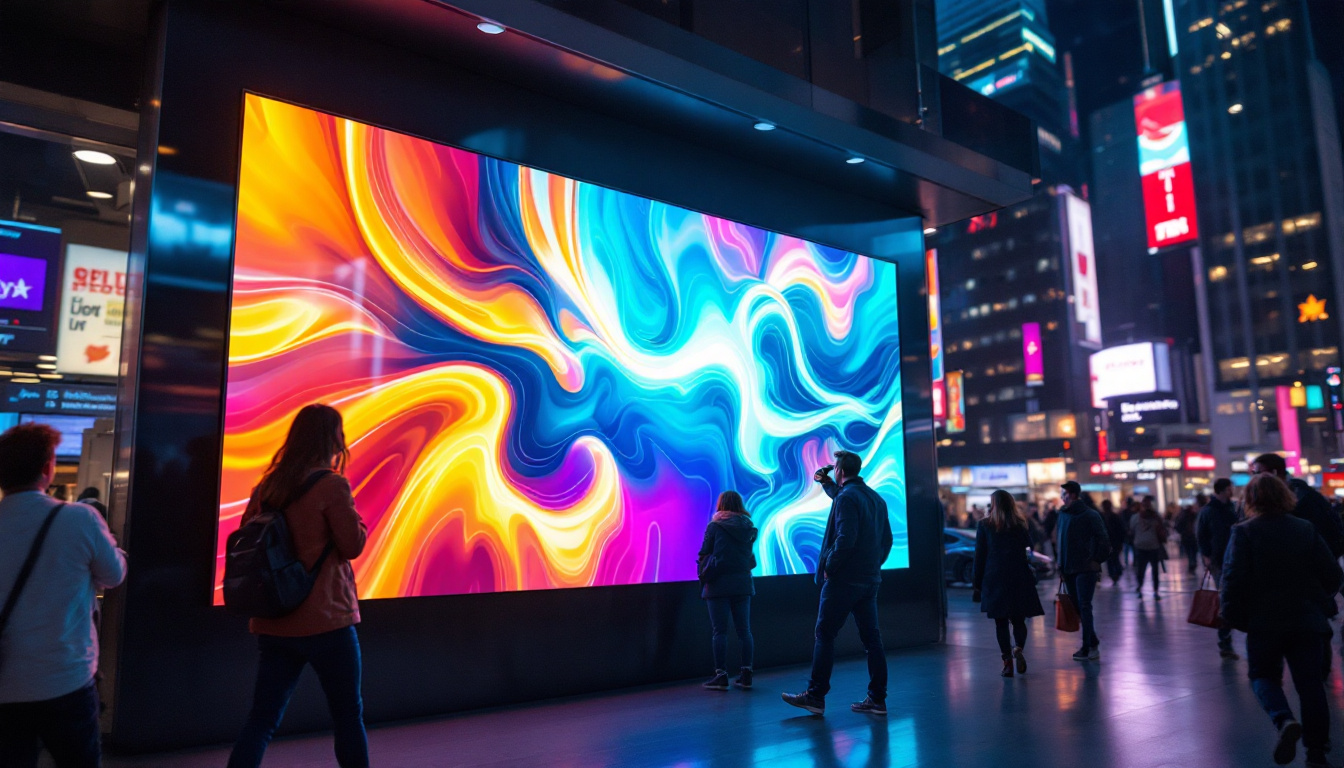
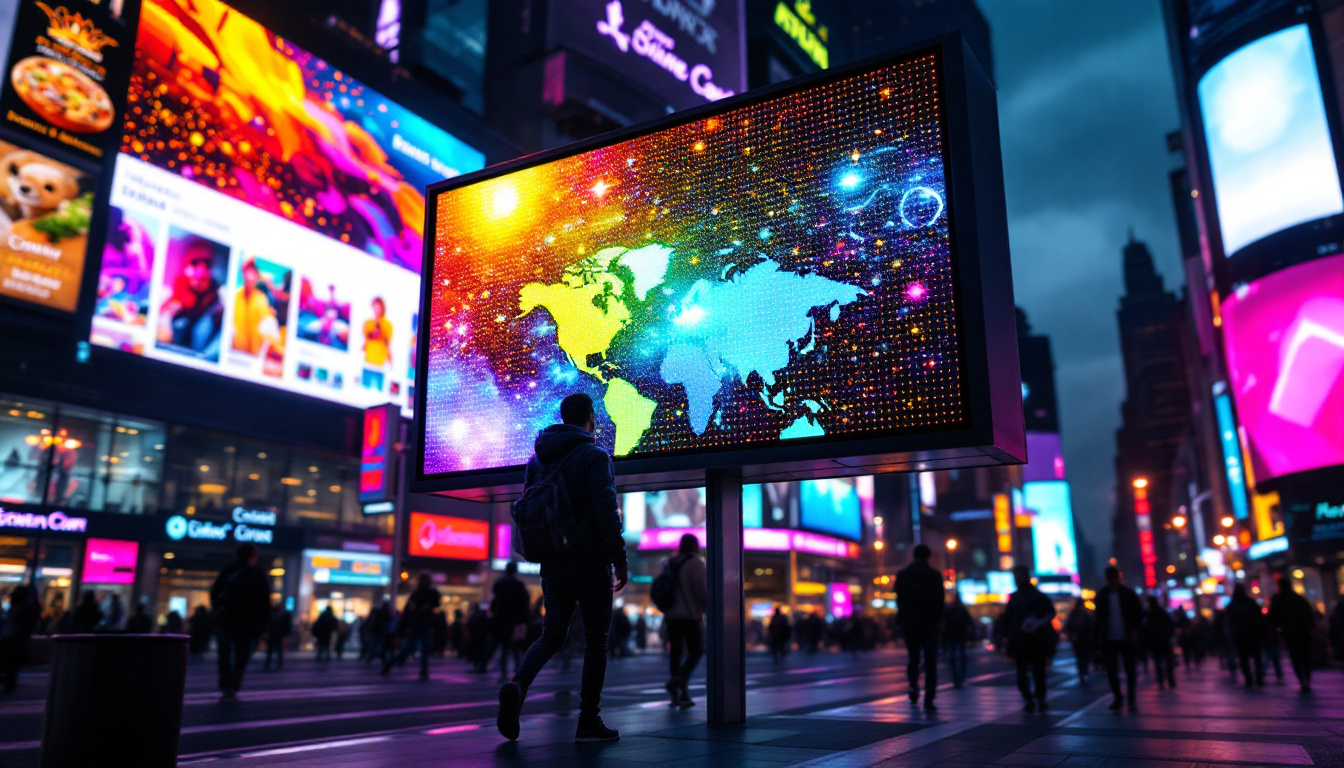
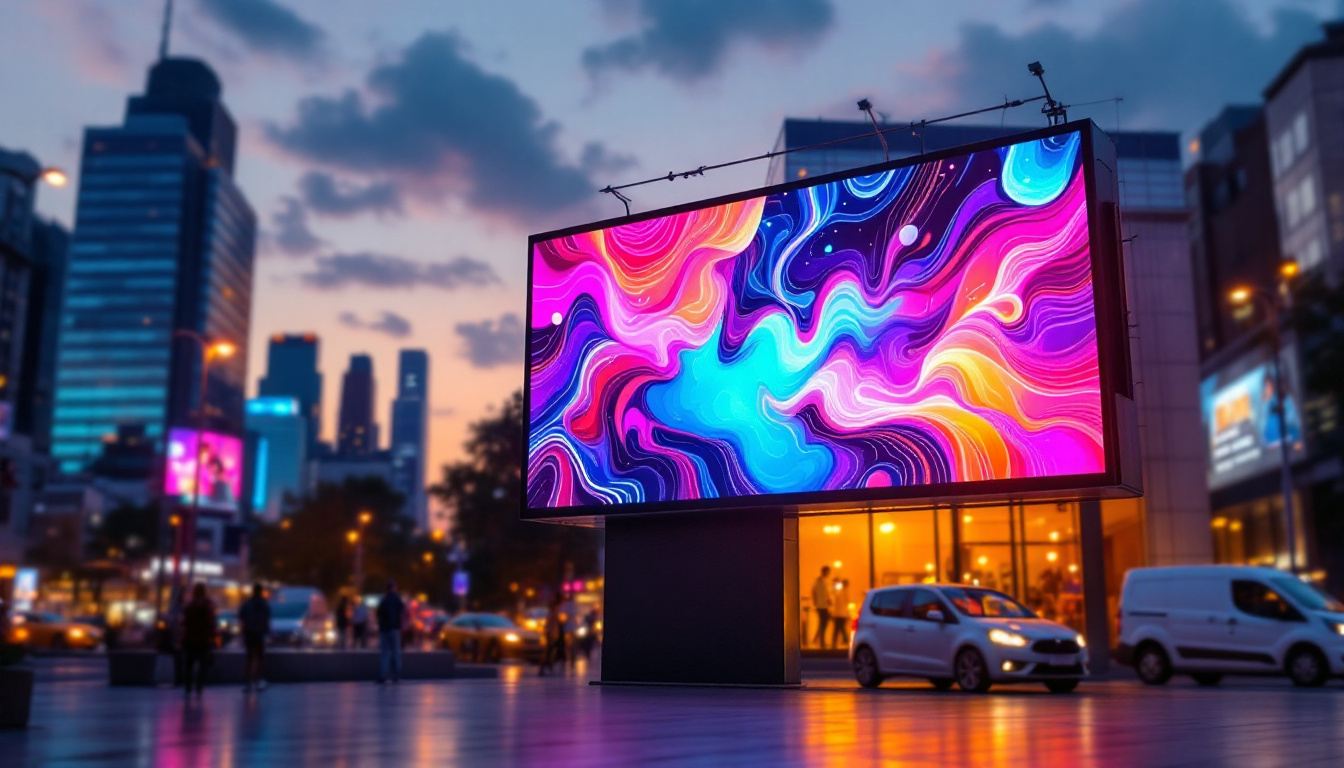
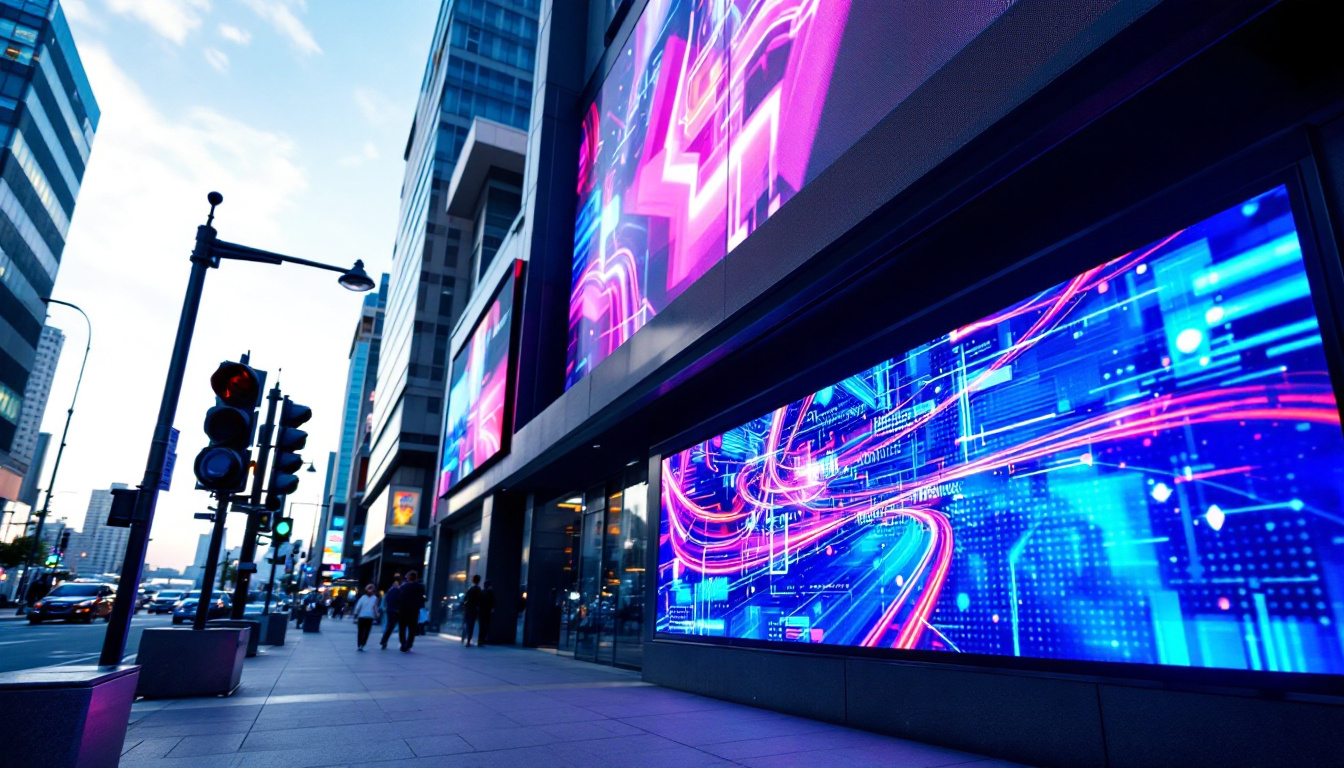
Outdoor advertising is one of the most visible applications of LED displays. Billboards, transit shelters, and storefront signs leverage LED technology to deliver dynamic, eye-catching content. The ability to change messages instantly and display animations or videos offers advertisers unparalleled flexibility.
According to recent market research, the global digital signage market is expected to grow at a compound annual growth rate (CAGR) of over 8% through 2027, driven largely by LED display adoption. This growth underscores the importance of LED technology in modern printing and display solutions.
Industrial and Manufacturing Environments
LED displays also play a vital role in industrial settings, where printing screens are used for monitoring production lines and displaying operational data. Their high visibility and durability make them suitable for harsh environments, including factories and warehouses.
In these contexts, LED displays can show real-time information such as production counts, quality metrics, or safety alerts, improving communication and efficiency on the shop floor.
Technical Considerations for Printing Screens Using LED Displays
Resolution and Pixel Pitch
When selecting an LED display for printing screen applications, resolution and pixel pitch are key factors. Pixel pitch refers to the distance between the centers of two adjacent pixels, typically measured in millimeters. A smaller pixel pitch means higher resolution and finer image detail.
For close-up viewing, such as in indoor proofing or control rooms, pixel pitches of 1.5mm to 2.5mm are common. Outdoor displays, viewed from a distance, often use larger pixel pitches, such as 10mm or more, balancing cost and visibility.
Color Calibration and Uniformity
Accurate color reproduction is essential in printing. LED displays require precise calibration to ensure uniform brightness and color across the entire screen. Calibration tools and software help maintain consistency, compensating for variations in LED performance over time.
Manufacturers often provide factory calibration, but ongoing maintenance is necessary to preserve display quality, especially in professional printing environments.
Durability and Environmental Resistance
LED displays used in printing screens must withstand environmental factors such as temperature fluctuations, humidity, and dust. Outdoor LED panels are typically rated with IP65 or higher, indicating protection against water and dust ingress.
For indoor applications, considerations include heat dissipation and ventilation to prevent overheating. Choosing the right enclosure and installation method is critical to ensure longevity and reliable performance.
Future Trends in LED Display Technology for Printing Screens
MicroLED and MiniLED Innovations
Emerging technologies like MicroLED and MiniLED are set to revolutionize LED displays. MicroLEDs are tiny LEDs measuring less than 100 micrometers, offering even higher resolution, brightness, and energy efficiency. These displays promise superior image quality and thinner form factors, ideal for advanced printing screen applications.
MiniLED technology enhances traditional LED displays by using thousands of small LEDs for backlighting, improving contrast and color accuracy. Both technologies are gaining traction in high-end displays and could soon become mainstream in printing workflows.
Integration with Augmented Reality (AR) and Smart Technologies
As printing screens evolve, integration with AR and smart systems is becoming more prevalent. LED displays can serve as interactive surfaces, enabling real-time data visualization and user interaction. This fusion enhances the functionality of printing screens, making them more versatile tools for designers and operators.
Smart LED displays equipped with sensors and connectivity can also adapt content based on environmental conditions or user preferences, offering personalized and context-aware experiences.
Sustainability and Eco-Friendly Practices
With increasing emphasis on sustainability, LED display manufacturers are focusing on eco-friendly materials and energy-saving designs. Advances in recyclable components and reduced power consumption align with broader environmental goals in the printing and display industries.
Adopting sustainable LED technologies not only reduces the carbon footprint but also resonates with environmentally conscious consumers and clients, adding value to printing screen solutions.
Conclusion
LED displays have transformed the landscape of printing screens, offering unparalleled brightness, color accuracy, and flexibility. Their applications span from digital proofing and advertising to industrial monitoring, making them indispensable in modern visual communication. Understanding the technical aspects and future trends of LED technology empowers printing professionals to make informed decisions, optimize workflows, and deliver superior results.
As innovations like MicroLED and smart integration continue to advance, the role of LED displays in printing screens will only grow, driving new possibilities in design, production, and user engagement. Embracing these technologies today sets the foundation for a vibrant, efficient, and sustainable future in printing and display solutions.
Explore Cutting-Edge LED Display Solutions with LumenMatrix
Ready to elevate your visual communication with the latest in LED display technology? Discover LumenMatrix’s comprehensive range of innovative LED display modules, designed to bring your brand to life. Whether you need an Indoor LED Wall Display for a high-impact retail environment, an Outdoor LED Wall Display for captivating advertising, or any of our specialized solutions like Vehicle LED Displays, LED Sports Displays, and Custom LED Displays, LumenMatrix has you covered. Experience the future of digital signage and create unforgettable visual experiences that engage and inspire. Check out LumenMatrix LED Display Solutions today and transform your message into a visual masterpiece.