Custom OLED Display: LED Display Explained
In the rapidly evolving world of display technology, OLED and LED displays have become household names, powering everything from smartphones and televisions to digital signage and wearable devices. For businesses and consumers alike, understanding the distinctions and capabilities of these technologies is crucial when selecting or customizing a display solution. This article delves into the fundamentals of OLED and LED displays, explores their unique advantages, and explains how custom OLED displays are shaping the future of visual technology.
Understanding OLED and LED Technologies
What is an LED Display?
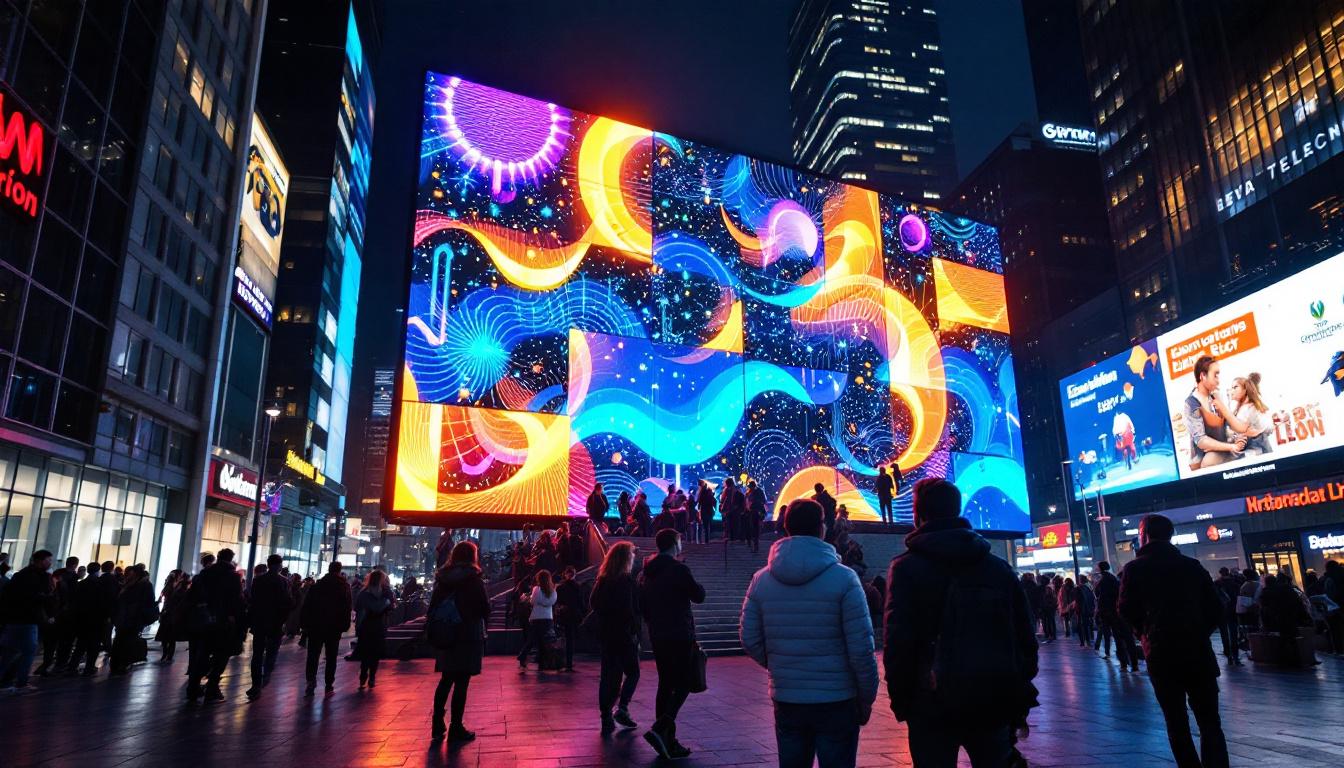
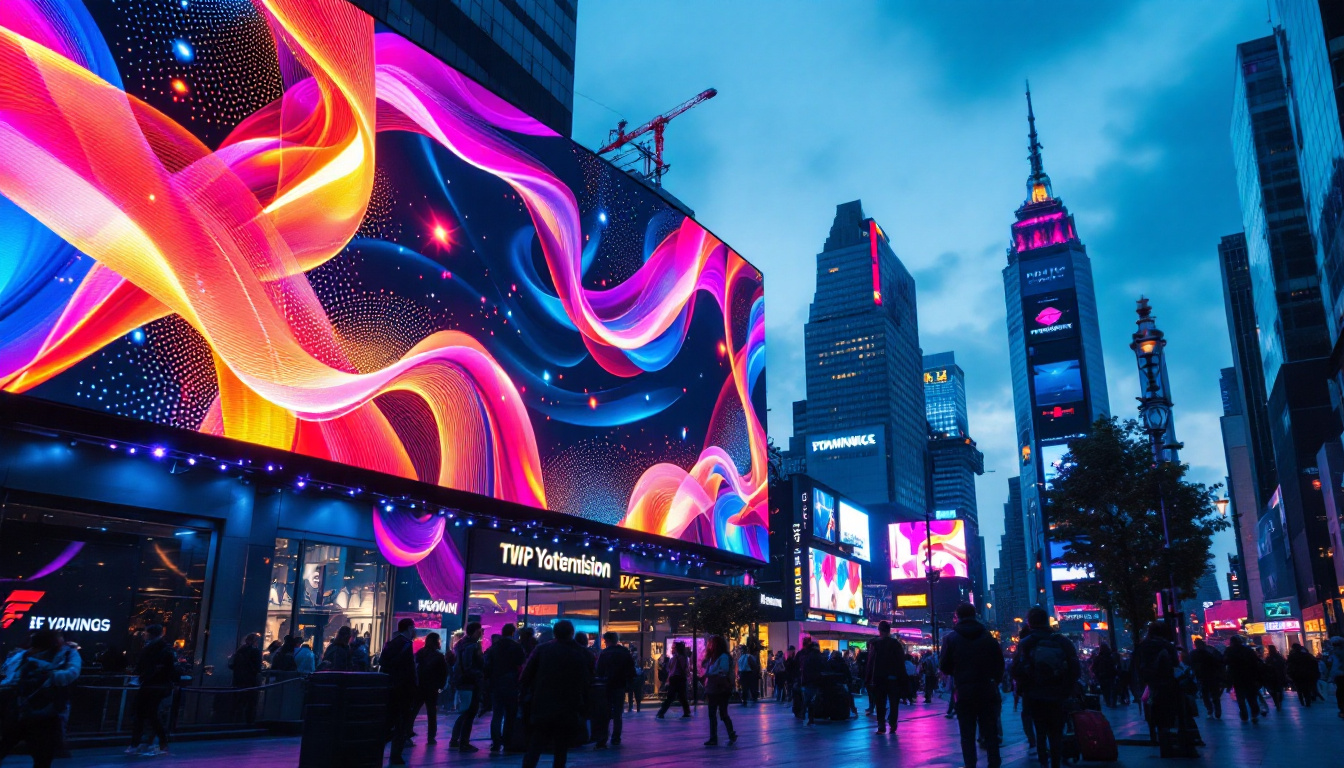
LED stands for Light Emitting Diode, a semiconductor device that emits light when an electric current passes through it. LED displays use arrays of these diodes to create images, typically by illuminating tiny red, green, and blue LEDs in various combinations to produce the full color spectrum. These displays are widely used in large-scale applications such as billboards, stadium screens, and traffic signals due to their brightness and durability.
LED displays can be categorized into two main types: direct-view LED and LED-backlit LCD. Direct-view LED displays consist of individual LEDs arranged to form pixels, while LED-backlit LCDs use LEDs as a light source behind a liquid crystal display panel. The former is common in outdoor and large-format screens, whereas the latter is prevalent in consumer electronics like TVs and monitors.
What is an OLED Display?
OLED stands for Organic Light Emitting Diode. Unlike traditional LEDs, OLEDs use organic compounds that emit light when an electric current is applied. Each pixel in an OLED display is made up of these organic materials that produce their own light, eliminating the need for a separate backlight. This self-emissive property allows OLED displays to achieve true blacks, higher contrast ratios, and thinner form factors.
OLED technology is commonly found in premium smartphones, high-end televisions, and wearable devices due to its superior image quality and flexibility. The organic layers are sandwiched between two electrodes, and when a voltage is applied, they emit light directly, enabling precise control over each pixel’s brightness and color.
Key Differences Between OLED and LED Displays
Brightness and Contrast
LED displays, particularly direct-view LED, are known for their exceptional brightness, often exceeding 1,000 nits, making them ideal for outdoor environments where sunlight visibility is essential. However, because LED displays rely on backlighting or individual diodes that cannot be completely turned off, achieving perfect black levels can be challenging.
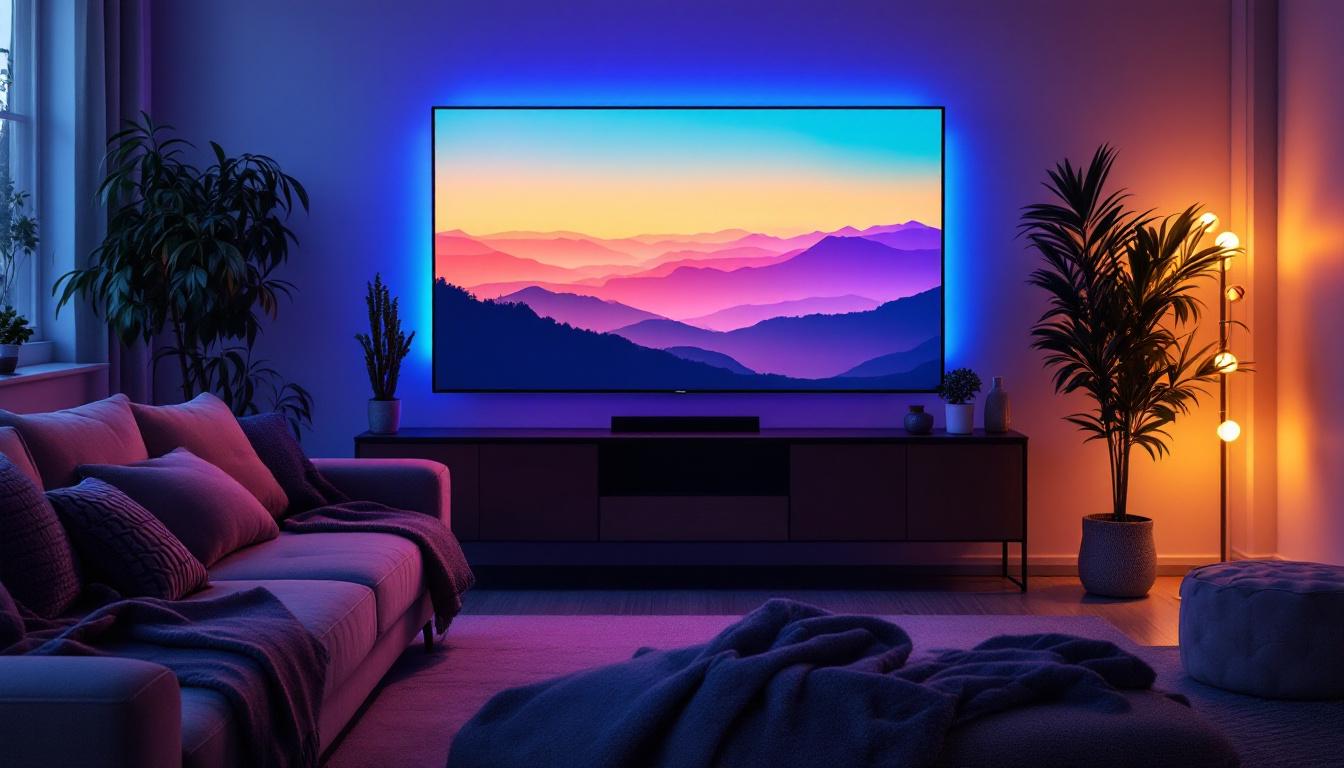
In contrast, OLED displays offer unparalleled contrast ratios because each pixel can be turned off independently, resulting in true black levels. While OLED brightness typically ranges from 400 to 800 nits in consumer devices, recent advancements have pushed these limits higher. This makes OLEDs perfect for indoor use and environments where image quality and color accuracy are paramount.
Color Accuracy and Viewing Angles
OLED displays generally provide superior color accuracy and wider viewing angles compared to LED-backlit LCDs. The self-emissive nature of OLED pixels means colors remain consistent even when viewed from sharp angles, whereas LED-backlit LCDs can suffer from color shifting and reduced contrast off-axis.
Direct-view LED displays can also have excellent viewing angles but may exhibit color inconsistencies depending on the quality of the diodes and the pixel pitch. For applications requiring precise color reproduction, such as professional photo editing or medical imaging, OLED is often the preferred choice.
Durability and Lifespan
LED displays, especially those designed for outdoor use, are built to withstand harsh environmental conditions including moisture, dust, and temperature fluctuations. Their inorganic nature contributes to a longer lifespan, often exceeding 100,000 hours of operation.
OLED displays, while offering superior image quality, face challenges related to the organic materials used. These materials can degrade over time, leading to issues like burn-in and reduced brightness. Typical OLED lifespan ranges from 30,000 to 50,000 hours, though ongoing research is extending these limits. For indoor applications where environmental stress is limited, OLED displays remain highly reliable.
Advantages of Custom OLED Displays
Tailored Design for Specific Applications
Custom OLED displays enable manufacturers and designers to create screens that perfectly fit the dimensions, shapes, and performance requirements of their products. This flexibility is particularly valuable in industries such as automotive, aerospace, and wearable technology, where space constraints and unique form factors are common.
For example, curved or flexible OLED panels can be integrated into smartwatches, foldable smartphones, or dashboard displays, offering seamless user experiences that standard rectangular screens cannot provide. Customization also extends to resolution, brightness levels, and touch sensitivity, allowing for highly specialized solutions.
Enhanced User Experience Through Superior Visuals
Because OLED displays deliver deeper blacks, richer colors, and faster response times, custom OLED solutions can significantly enhance the user experience. This is critical in sectors like gaming, virtual reality, and professional imaging, where visual fidelity directly impacts usability and satisfaction.
Moreover, custom OLED displays can incorporate advanced features such as high dynamic range (HDR) support, higher refresh rates, and adaptive brightness controls, further elevating performance to meet specific user needs.
Energy Efficiency and Thinness
OLED displays consume less power than traditional LED-backlit LCDs because they do not require a backlight and can selectively illuminate pixels. This energy efficiency is especially beneficial for battery-powered devices like smartphones and wearables, extending operational time without increasing battery size.
Additionally, the thin and lightweight nature of OLED panels enables sleeker product designs, contributing to modern aesthetics and improved portability. Custom OLED displays can be engineered to optimize these benefits, balancing performance with energy consumption.
Applications of Custom OLED Displays
Consumer Electronics
Smartphones, tablets, and laptops increasingly adopt custom OLED displays to deliver vibrant visuals and immersive experiences. Leading manufacturers utilize custom OLED panels to differentiate their products, offering features like edge-to-edge displays, curved screens, and foldable designs.
Wearable devices such as smartwatches and fitness trackers also benefit from custom OLED technology, which allows for compact, flexible displays that conform to the contours of the wrist while maintaining high visibility and color accuracy.
Automotive and Transportation
In the automotive industry, custom OLED displays are revolutionizing dashboards, infotainment systems, and heads-up displays. Their flexibility and high contrast improve readability in various lighting conditions, enhancing driver safety and convenience.
Luxury car manufacturers often incorporate curved or wrap-around OLED panels to create futuristic interiors, while electric vehicle makers use custom OLED displays to provide real-time information with minimal distraction.
Medical and Industrial Equipment
Medical devices require displays with exceptional clarity and color precision to aid in diagnostics and monitoring. Custom OLED displays meet these demands by providing high resolution and accurate color reproduction in compact form factors.
Industrial equipment benefits from OLED’s wide viewing angles and fast response times, which improve operator interaction and reduce errors. Customization allows integration into ruggedized enclosures suited for challenging environments.
Challenges and Considerations in Custom OLED Display Development
Cost Factors
Custom OLED displays generally come at a higher cost compared to standard LED or LCD panels due to the complexity of manufacturing and the use of organic materials. The initial investment in design and tooling can be significant, especially for small production runs.
However, as OLED technology matures and production scales, costs are gradually decreasing. For many applications, the benefits in performance and design flexibility justify the premium price.
Technical Limitations
While OLED displays offer many advantages, they also present technical challenges such as susceptibility to burn-in, where static images can leave permanent marks on the screen. Manufacturers mitigate this through software techniques and improved materials, but it remains a consideration for long-term use.
Additionally, OLED panels can be sensitive to moisture and oxygen, requiring robust encapsulation methods to ensure durability. These factors must be carefully managed during the design and manufacturing process.
Supply Chain and Manufacturing Complexity
Developing custom OLED displays involves coordination between multiple suppliers and specialized manufacturing facilities. Ensuring quality control and meeting tight deadlines can be challenging, particularly when working with cutting-edge or experimental designs.
Partnering with experienced OLED manufacturers and leveraging their expertise is essential to navigate these complexities and deliver reliable custom display solutions.
The Future of Custom OLED and LED Displays
Emerging Technologies and Innovations
Research in OLED technology continues to push the boundaries of performance and application. Innovations such as microOLED, transparent OLED, and foldable panels are opening new possibilities in augmented reality, heads-up displays, and flexible electronics.
Similarly, advancements in mini-LED and micro-LED technologies are enhancing traditional LED displays by improving brightness, contrast, and energy efficiency, potentially bridging the gap between LED and OLED performance.
Market Trends and Adoption
The global OLED display market is projected to grow at a compound annual growth rate (CAGR) of over 15% through 2028, driven by increasing demand in consumer electronics, automotive, and healthcare sectors. Custom OLED displays are playing a pivotal role in this expansion by enabling tailored solutions that address specific industry needs.
Meanwhile, LED technology remains indispensable for large-scale and outdoor applications, with ongoing improvements ensuring its continued relevance in the display ecosystem.
Environmental and Sustainability Considerations
As environmental concerns gain prominence, both OLED and LED manufacturers are focusing on sustainable practices. OLED displays, with their energy efficiency and potential for reduced material use due to thinness, offer environmental benefits. However, the lifecycle and recyclability of organic materials are areas of active research.
LED displays, known for their longevity and robustness, also contribute to sustainability by reducing the need for frequent replacements. Future developments aim to optimize both technologies for minimal environmental impact without compromising performance.
Conclusion
Custom OLED displays represent a significant advancement in display technology, offering unmatched image quality, design flexibility, and energy efficiency. While LED displays continue to excel in brightness and durability, particularly for large-scale and outdoor applications, OLED’s unique capabilities make it the preferred choice for many cutting-edge and specialized uses.
Understanding the strengths and limitations of both OLED and LED technologies is essential for businesses and consumers seeking the best display solution for their needs. With ongoing innovations and growing market adoption, custom OLED displays are poised to play an increasingly prominent role in shaping the future of visual experiences across diverse industries.
Discover LumenMatrix’s Advanced LED Solutions
As you consider the future of display technologies for your business or personal use, LumenMatrix invites you to explore our comprehensive range of LED display solutions. With a commitment to innovation and quality, we offer a variety of products including Indoor and Outdoor LED Wall Displays, Vehicle LED Displays, LED Poster Displays, LED Sports Displays, Floor LED Displays, Custom LED Displays, All-in-One LED Displays, and LED Transparent Displays. Elevate your visual communication and create unforgettable experiences with LumenMatrix’s cutting-edge technology. Check out LumenMatrix LED Display Solutions today and see how we can help you make a lasting impression.