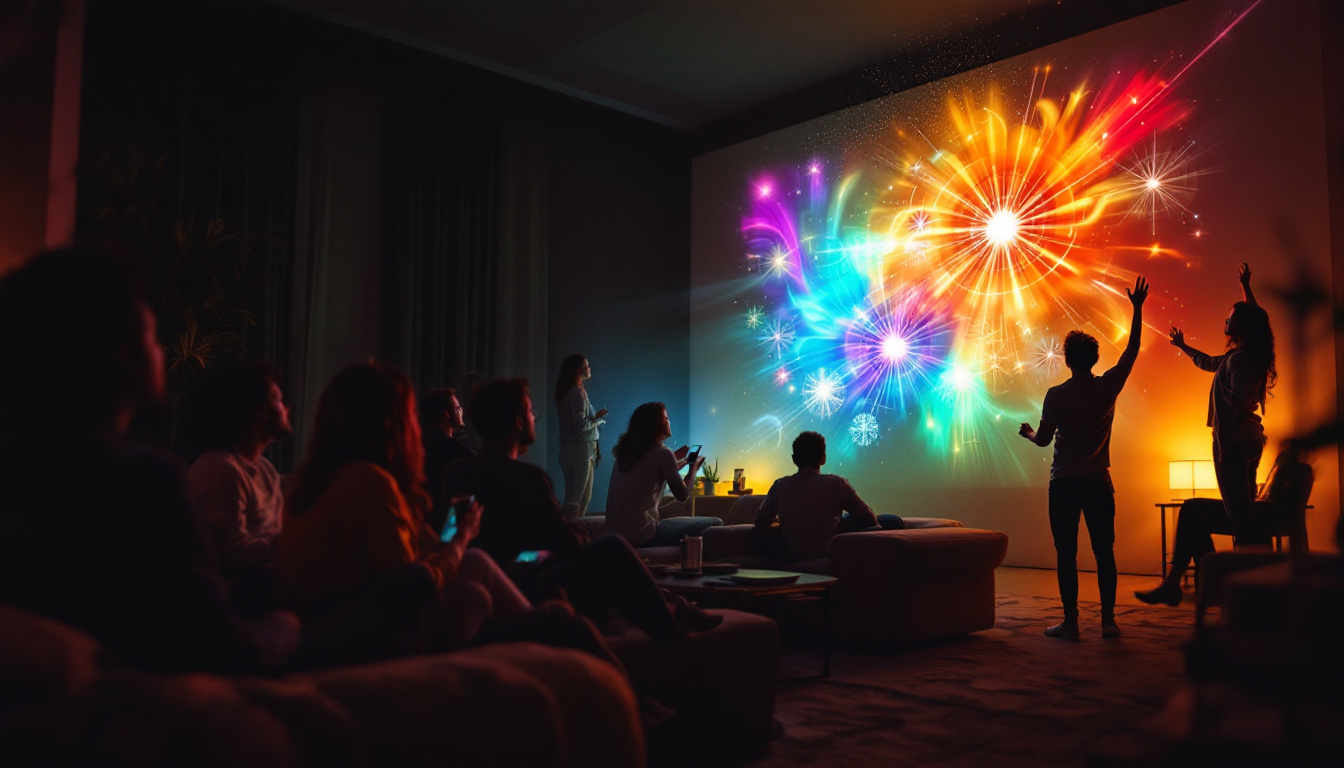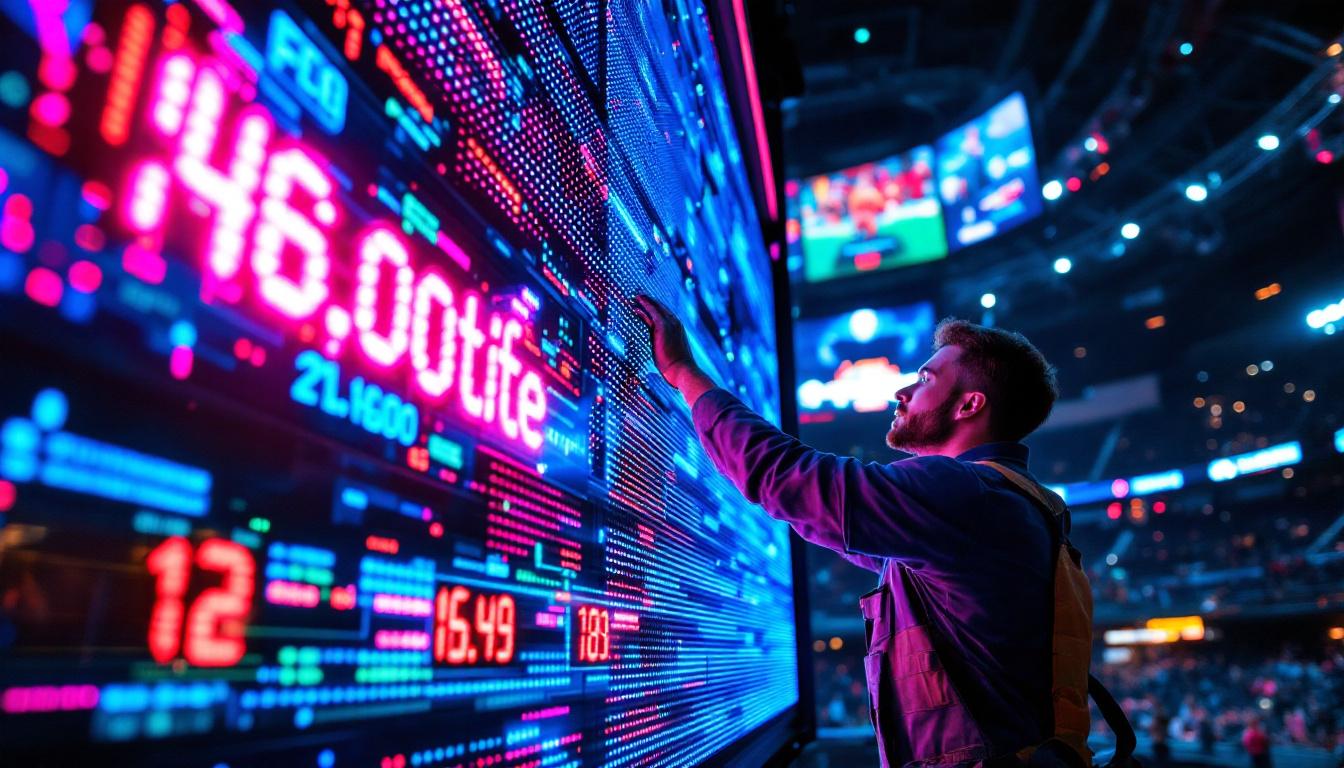
In the dynamic world of events, advertising, and live performances, visual impact is paramount. LED displays have become a cornerstone technology, transforming how audiences engage with content. Whether it’s a concert, corporate event, trade show, or outdoor festival, renting LED screens offers unparalleled flexibility and quality. This article explores the essentials of LED screen rental, explaining the technology, benefits, applications, and key considerations to help event planners, marketers, and businesses make informed decisions.
Understanding LED Display Technology
LED, or Light Emitting Diode, displays are composed of numerous tiny light sources that emit bright, vibrant colors. Unlike traditional LCD or projection screens, LED displays produce their own light, resulting in superior brightness and contrast. This self-illumination makes them ideal for both indoor and outdoor settings, even under direct sunlight. The energy efficiency of LED technology also contributes to its growing popularity, as it consumes significantly less power than older display technologies, reducing both operational costs and environmental impact.
How LED Displays Work
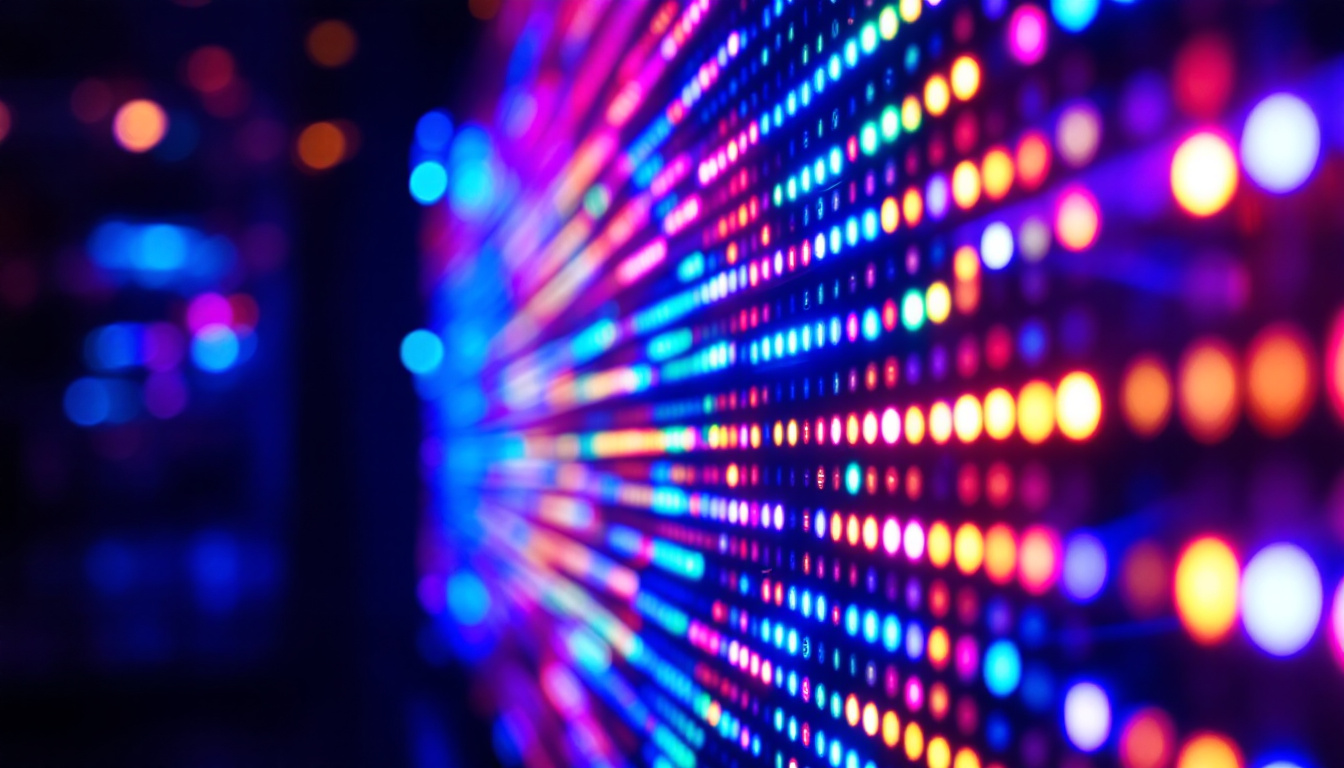
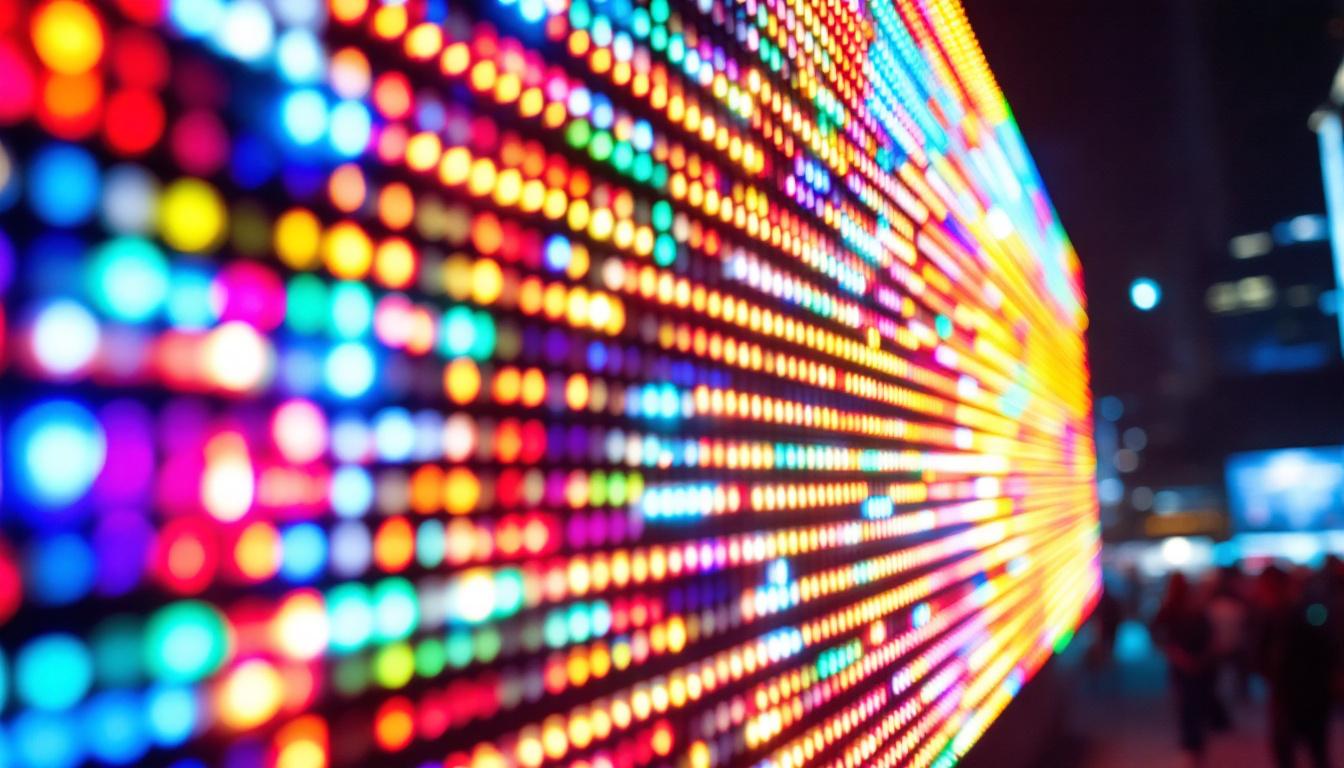
Each LED pixel consists of red, green, and blue diodes that combine to create a full spectrum of colors. These pixels are arranged in a grid, and their density determines the screen’s resolution. The higher the pixel density, the sharper and more detailed the image. Modern LED panels can achieve pixel pitches as fine as 0.9mm, delivering near-retina quality for close viewing distances. This precision not only enhances the visual experience but also allows for more intricate designs and animations, making LED displays a favorite for events and advertising.
LED modules are assembled into panels, which can be connected seamlessly to form large-scale screens of virtually any size. This modular design is a key reason why LED displays are favored for rental—they can be customized to fit diverse venue requirements. Additionally, advancements in technology have led to the development of smart LED displays that incorporate sensors and connectivity features, enabling interactive experiences that engage audiences in ways traditional displays cannot.
Types of LED Displays
There are several types of LED displays, each suited for different environments:
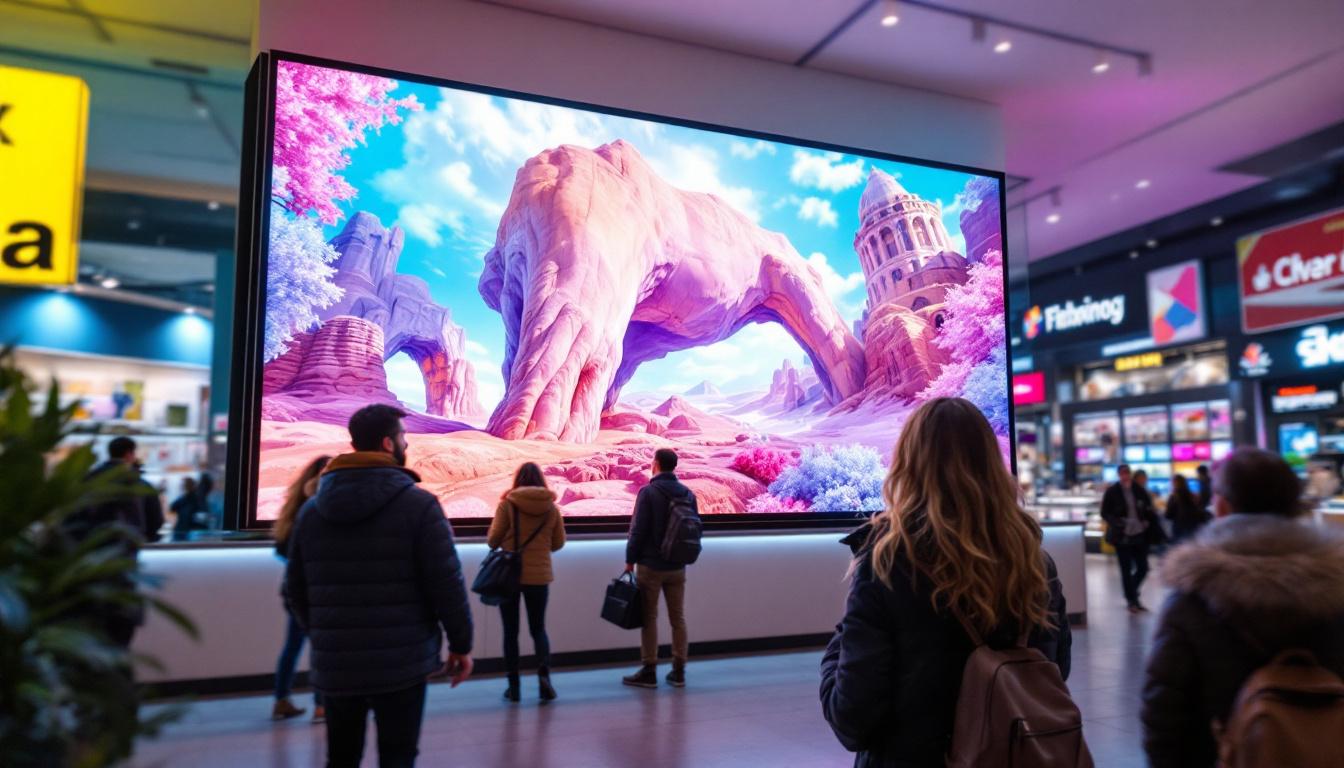
- Indoor LED Screens: Designed for controlled lighting environments, these screens have smaller pixel pitches (often between 0.9mm and 4mm) to provide crisp images at close range. They are commonly used in venues such as theaters, conference rooms, and retail spaces, where high-quality visuals are essential for presentations and advertising.
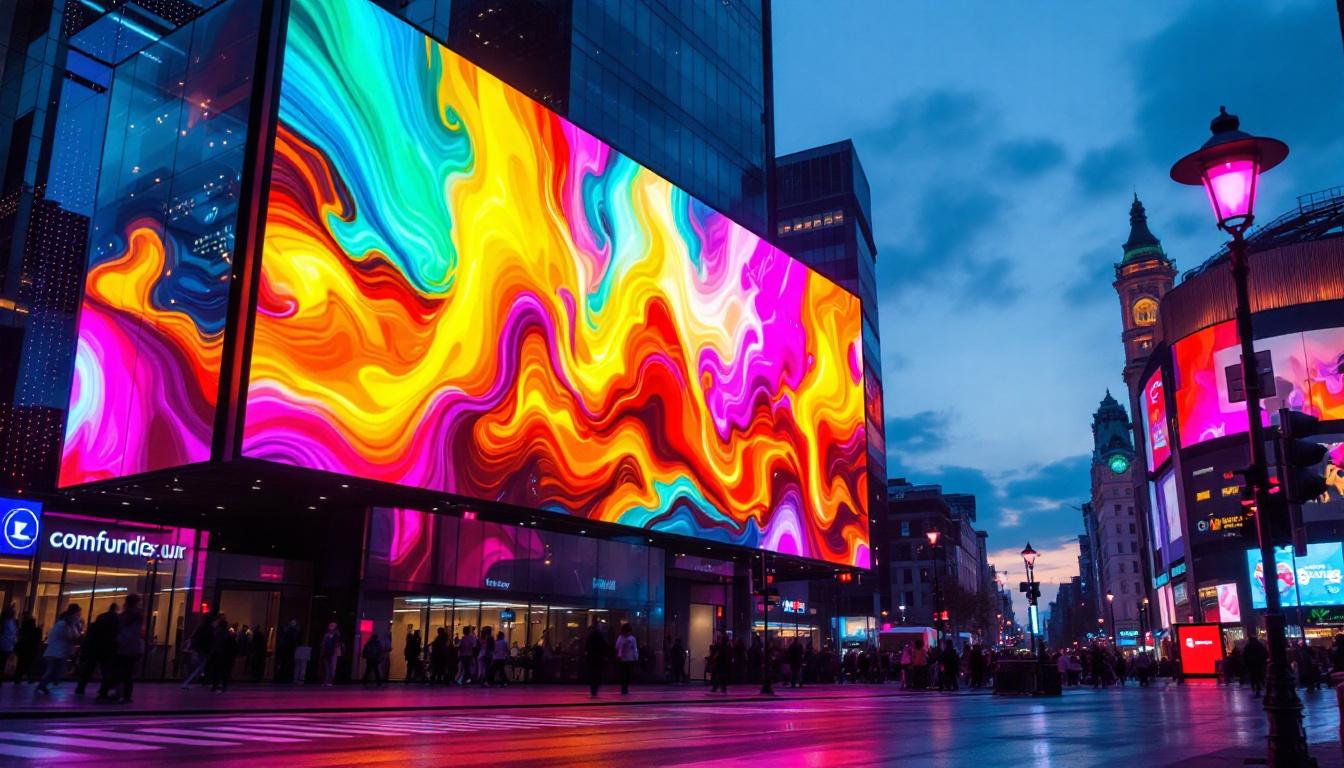
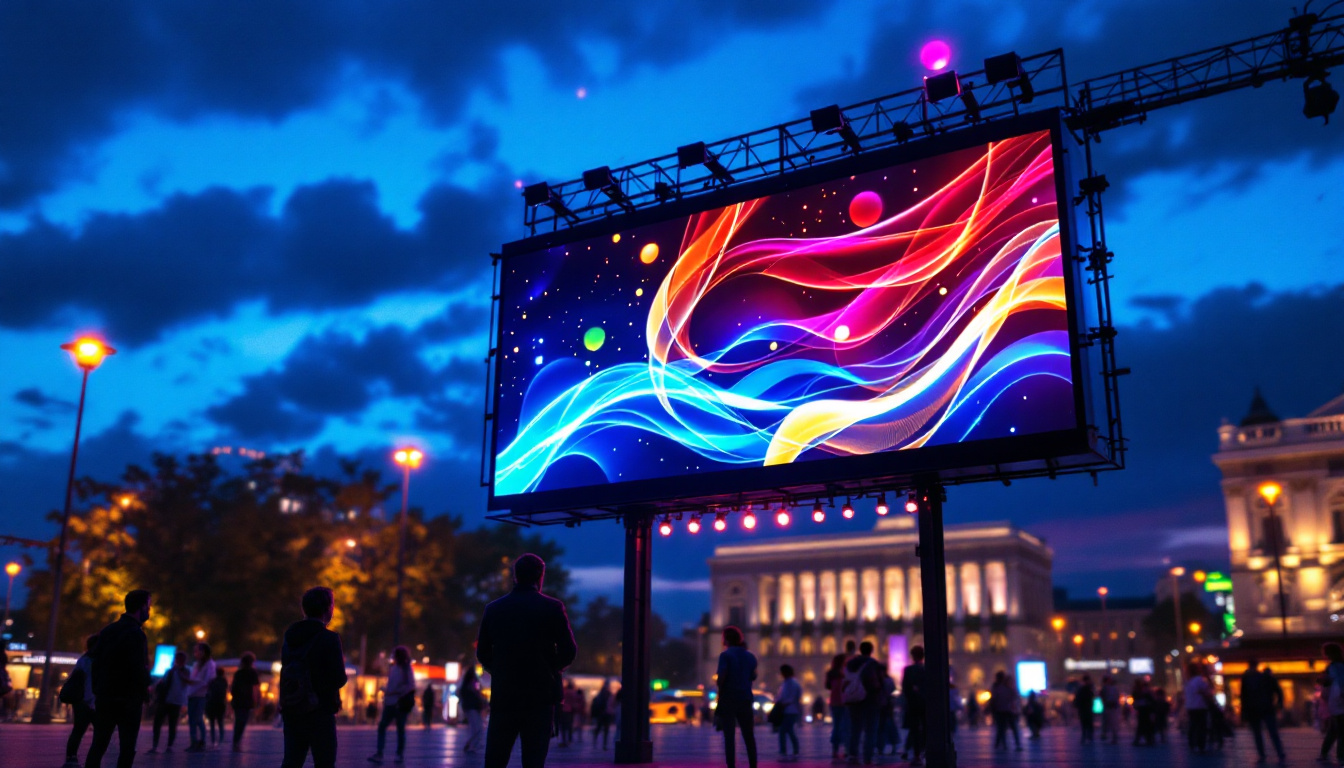
- Outdoor LED Screens: Built to withstand weather conditions, these have higher brightness levels (up to 7,000 nits or more) and larger pixel pitches (typically 4mm to 20mm) to ensure visibility from a distance. Outdoor displays are often utilized for billboards, sports stadiums, and concerts, where they must compete with natural light while delivering engaging content.
- Transparent LED Screens: These innovative displays allow light and air to pass through, making them ideal for storefronts and architectural installations. Their unique design not only enhances aesthetic appeal but also provides a functional display option that doesn’t obstruct views or natural light.
- Flexible and Curved LED Screens: Offering creative freedom, these can be bent or shaped to fit unique stage designs or immersive environments. Their adaptability makes them popular in modern artistic installations and exhibitions, where traditional flat screens may not suffice.
In addition to these types, advancements in LED technology have led to the emergence of MicroLED displays, which utilize microscopic LEDs to create even more vibrant colors and deeper blacks. This technology promises to revolutionize the market by offering higher efficiency and better performance than conventional LEDs, paving the way for new applications in both consumer electronics and large-scale installations. As the demand for high-quality visual experiences continues to grow, the evolution of LED display technology remains at the forefront of innovation in the digital age.
The Advantages of Renting LED Screens
For many organizations, purchasing LED screens outright can be cost-prohibitive and impractical, especially for one-off or infrequent events. Renting LED screens provides a flexible, cost-effective solution without compromising on quality.
Cost Efficiency and Flexibility
Renting eliminates the need for large capital investments and ongoing maintenance costs. Event organizers can select the exact screen size, resolution, and type needed for each specific event. This flexibility ensures that budgets are optimized and resources are not wasted on equipment that may sit idle. Furthermore, rental agreements can often be tailored to fit the duration of the event, whether it’s a single day or a week-long festival, allowing organizations to pay only for what they need.
Access to the Latest Technology
LED technology evolves rapidly. Rental providers often update their inventory with the newest models, offering clients access to cutting-edge features such as higher refresh rates, improved color accuracy, and enhanced durability. This means events can benefit from the latest advancements without the burden of constant equipment upgrades. Additionally, many rental companies provide options for high-definition and 4K displays, which can significantly enhance the visual experience for audiences, making presentations, performances, and advertisements more engaging and impactful.
Professional Support and Installation
Renting from a reputable provider typically includes expert installation, calibration, and technical support. This professional service ensures that the LED display performs optimally, reducing risks of technical failures during critical moments. Additionally, rental companies often provide on-site technicians to troubleshoot and maintain the screen throughout the event. This level of support not only alleviates stress for event organizers but also allows them to focus on other important aspects of their event, knowing that the technical side is in capable hands. Moreover, many rental services offer training sessions for staff, ensuring that everyone involved is familiar with the equipment and can handle minor issues if they arise.
Environmental Considerations
Renting LED screens also aligns with sustainable practices, as it promotes the efficient use of resources. By opting for rental rather than purchase, organizations can reduce electronic waste and the environmental impact associated with manufacturing and disposing of electronic devices. Many rental companies are committed to eco-friendly practices, ensuring that their equipment is maintained and refurbished rather than discarded. This not only helps in reducing the carbon footprint but also encourages a culture of sustainability within the events industry, paving the way for greener practices in future gatherings.
Variety of Applications
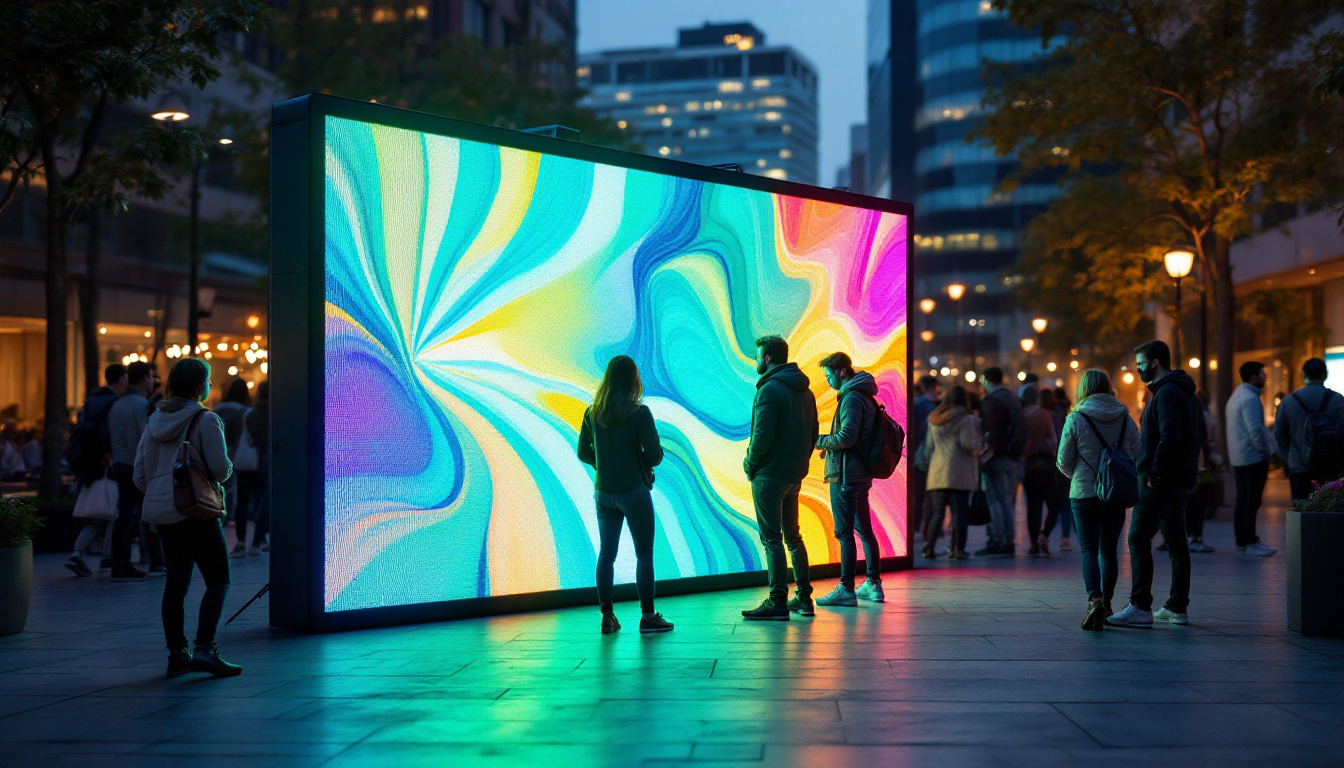
The versatility of LED screens makes them suitable for a wide range of applications, from corporate events and trade shows to concerts and sporting events. They can be used for everything from displaying live feeds and presentations to creating immersive environments with dynamic visuals. This adaptability means that organizations can leverage LED technology to enhance their branding and messaging in a way that resonates with their audience. Whether it’s a small meeting room or a large outdoor festival, renting LED screens allows for a tailored approach that meets the unique needs of each event, ensuring maximum impact and engagement.
Key Applications of LED Screen Rentals
LED screen rentals are versatile and cater to a wide range of industries and event types. Understanding these applications helps highlight the technology’s value and potential.
Live Events and Concerts
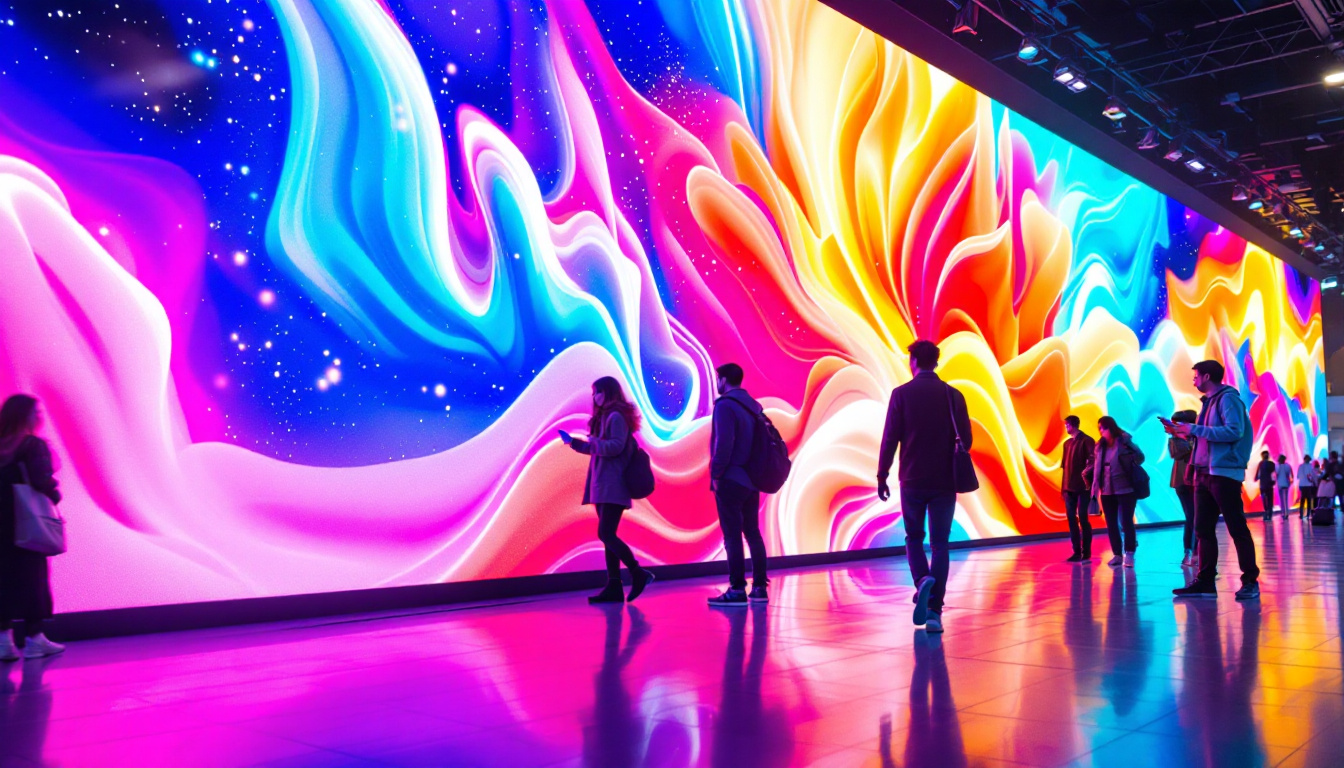
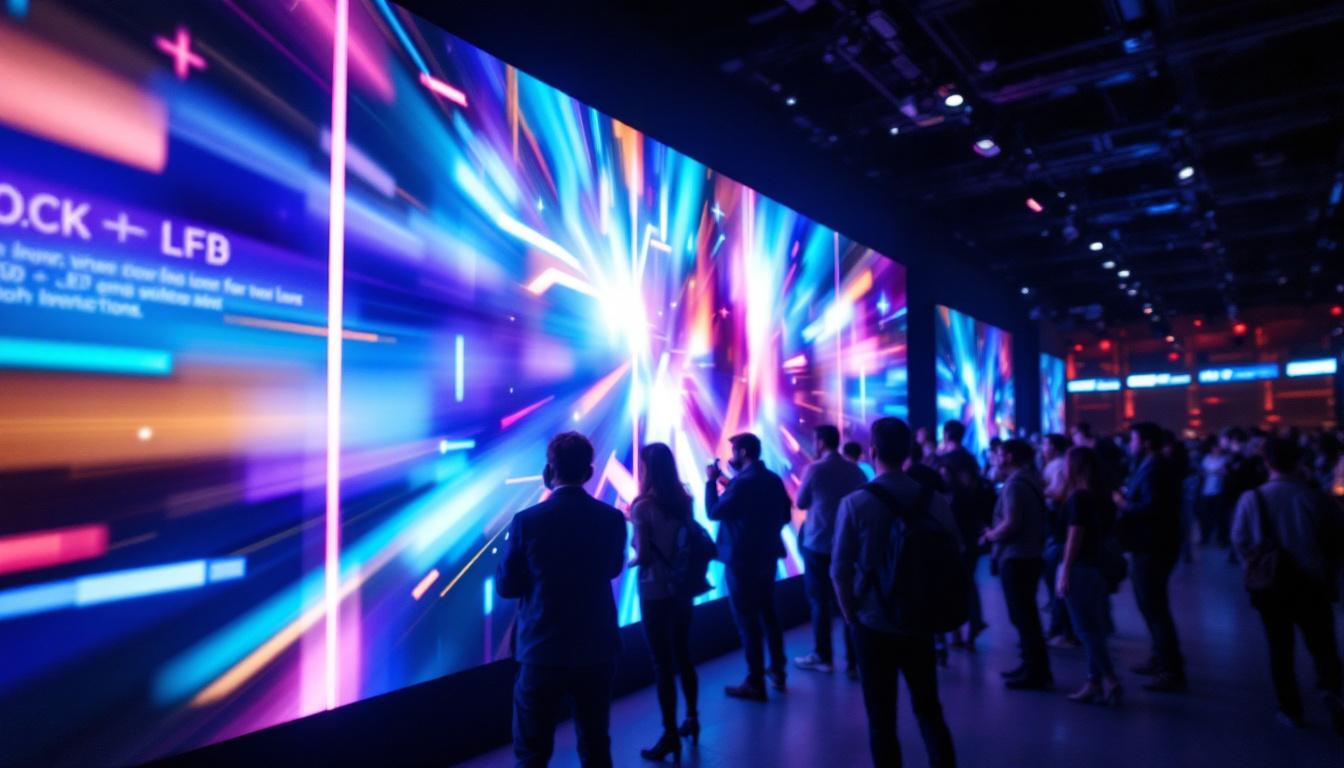
Concerts and festivals rely heavily on LED screens to engage large audiences. These displays provide clear visuals of performers, dynamic backgrounds, and interactive content that enhance the overall experience. For example, the Coachella Valley Music and Arts Festival uses massive LED walls to create immersive stage environments visible to tens of thousands of attendees.
Corporate Events and Conferences
In corporate settings, LED screens facilitate impactful presentations, product launches, and brand messaging. Their high resolution and brightness ensure that even detailed charts and videos are clearly visible to attendees, regardless of venue size. The ability to customize screen configurations also supports hybrid events, where content is streamed to both in-person and virtual audiences.
Advertising and Digital Signage
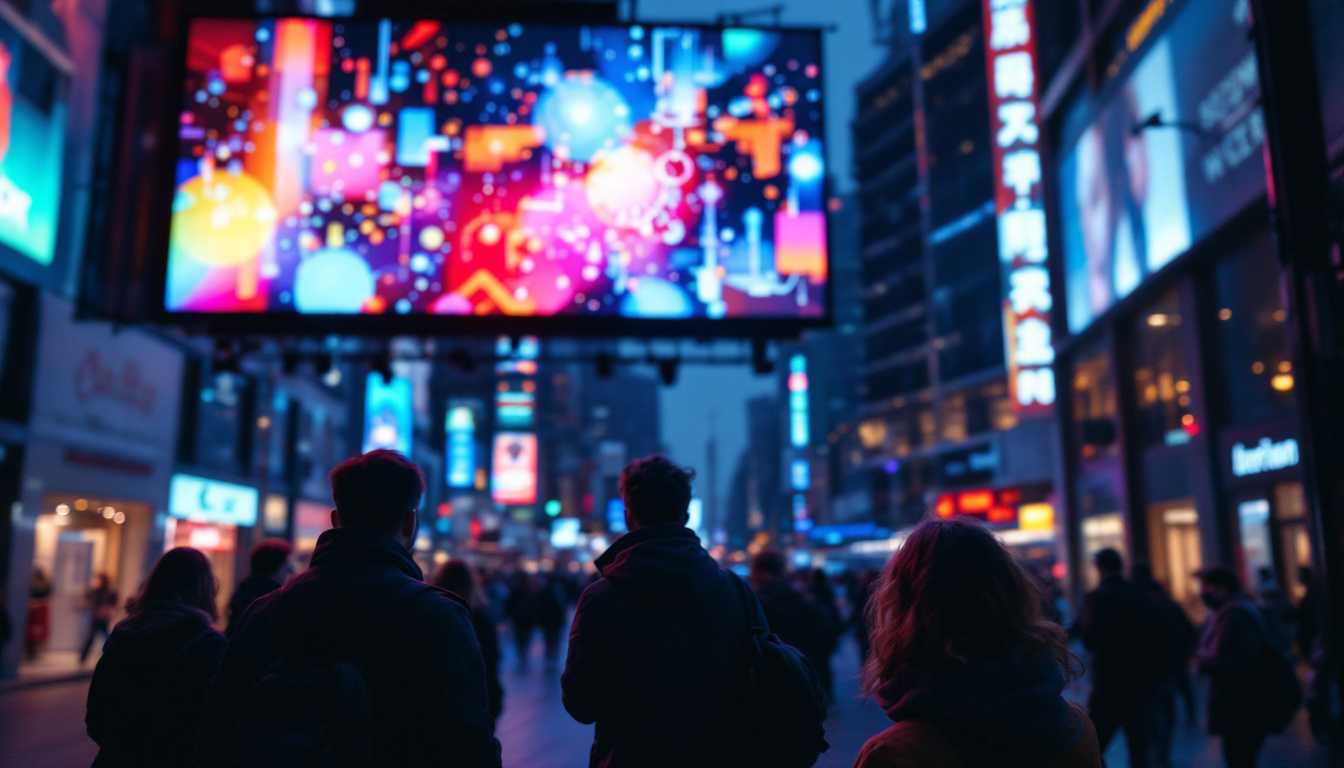
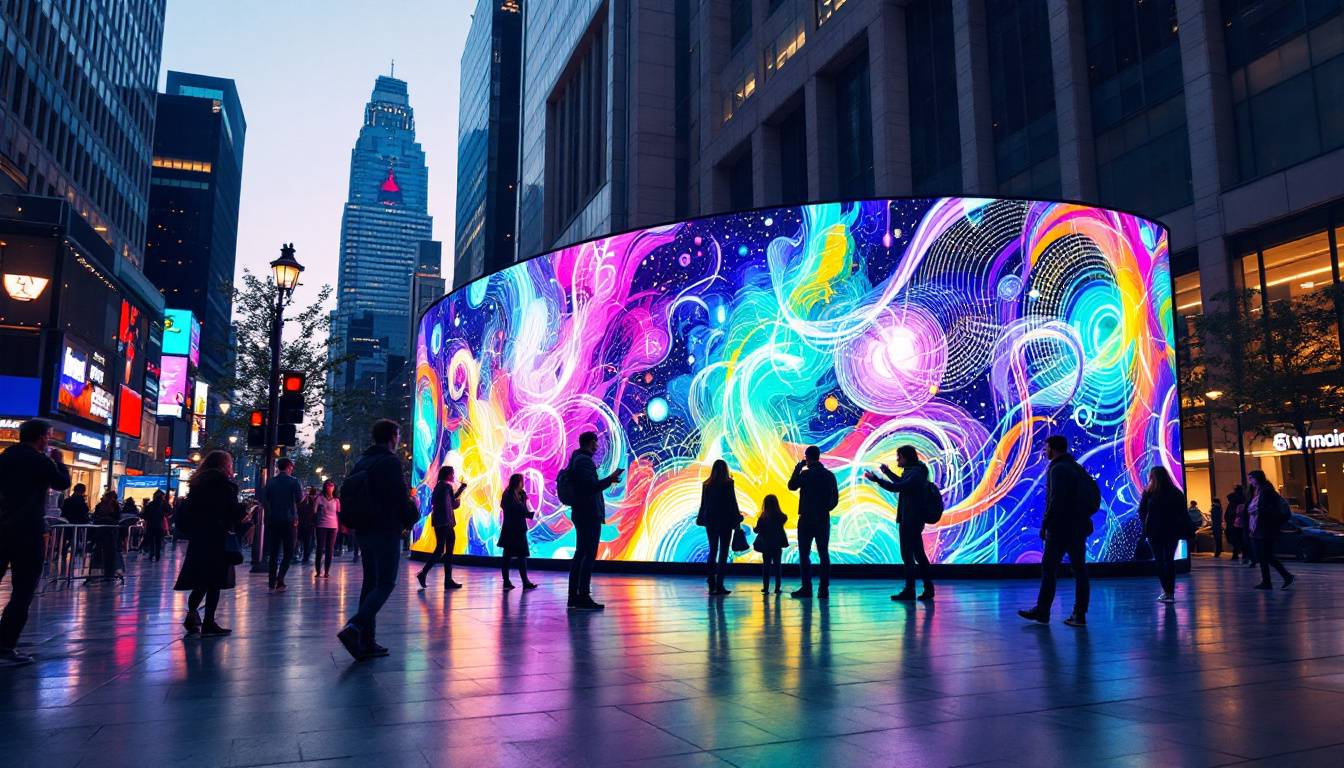
Outdoor advertising benefits enormously from LED displays due to their brightness and visibility. Digital billboards and pop-up advertising screens capture consumer attention in high-traffic areas. For instance, Times Square in New York City is famous for its vibrant LED billboards that operate 24/7, delivering dynamic content to millions of viewers.
Sports Venues and Arenas
LED screens in stadiums provide live game footage, instant replays, and interactive fan engagement features. Their large size and clarity enhance the spectator experience, making them an essential component of modern sports entertainment. Rental solutions allow venues to upgrade or supplement existing installations for special events or tournaments.
Factors to Consider When Renting LED Screens
Choosing the right LED screen rental involves several important considerations to ensure the display meets event needs and budget constraints.
Resolution and Pixel Pitch
Resolution is critical for image clarity. Pixel pitch—the distance between individual LED pixels—directly affects viewing quality. For events where audiences are close to the screen, a smaller pixel pitch (e.g., 1.5mm to 3mm) is preferable. For larger venues or outdoor events with distant viewers, a larger pixel pitch is acceptable and more cost-effective.
Brightness and Viewing Environment
Brightness is measured in nits. Indoor screens typically require 800 to 1,200 nits, while outdoor screens may need 5,000 to 7,000 nits or more to remain visible in daylight. Understanding the venue’s lighting conditions helps determine the appropriate brightness level.
Screen Size and Aspect Ratio
The physical size of the screen should complement the venue and audience size. Rental providers can customize screen dimensions and aspect ratios to fit stages, walls, or freestanding structures. It’s important to balance size with resolution and budget constraints.
Installation and Logistics
Consider the complexity of installation, including weight, mounting options, and power requirements. Rental companies with experienced crews can manage these logistics efficiently, but it’s essential to communicate venue limitations and timelines early in the planning process.
Content Management and Compatibility
Ensure the LED screen supports the required input formats and content management systems. Many rental providers offer integrated solutions that allow real-time content updates and remote control, which can be invaluable for dynamic events.
Emerging Trends in LED Screen Rentals
The LED display industry continues to innovate, offering exciting possibilities for rental clients.
Higher Refresh Rates and HDR Support
Newer LED screens support refresh rates up to 3840Hz or higher, reducing flicker and improving image smoothness, especially for live broadcasts and slow-motion video. High Dynamic Range (HDR) technology enhances color depth and contrast, delivering more lifelike visuals.
Energy Efficiency and Sustainability
Manufacturers are developing LED panels that consume less power while maintaining brightness, addressing environmental concerns and operational costs. Rental companies increasingly prioritize sustainability by recycling components and optimizing logistics.
Interactive and Touch-Enabled LED Walls
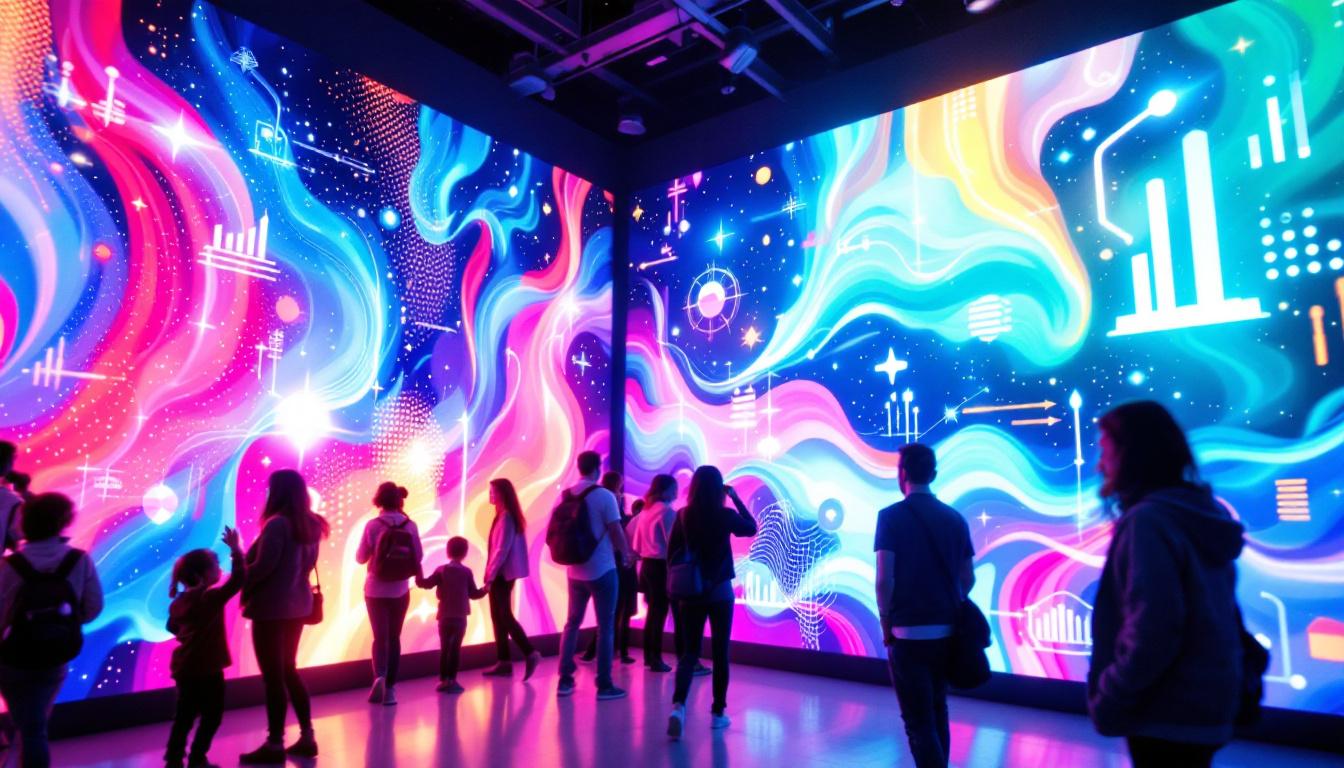
Interactive LED screens enable audience participation through touch or gesture controls, creating immersive experiences. These are gaining popularity in trade shows, museums, and experiential marketing campaigns.
Conclusion
LED screen rental is a powerful solution for delivering high-impact visual content across a variety of settings. Understanding the technology, benefits, and key considerations ensures that event planners and businesses can select the right display to maximize audience engagement and return on investment. As LED technology advances, rental options will continue to expand, offering even more creative possibilities for captivating audiences worldwide.
Discover LumenMatrix’s Innovative LED Solutions
Ready to elevate your event with the latest in LED display technology? Look no further than LumenMatrix, where innovation meets visual brilliance. Our extensive range of LED display solutions, including Indoor and Outdoor LED Walls, Vehicle Displays, LED Posters, Sports and Floor Displays, Custom Configurations, All-in-One Systems, and Transparent Displays, is designed to captivate your audience and amplify your message. Embrace the future of visual communication with LumenMatrix and create experiences that resonate. Check out LumenMatrix LED Display Solutions today and transform your event into an unforgettable spectacle.