In the rapidly evolving world of visual technology, digital projection projectors have become indispensable tools across various sectors—from home theaters and classrooms to corporate boardrooms and large-scale events. Among the many advancements in this field, LED display technology stands out as a significant innovation that has reshaped how images are projected and perceived. This article delves into the intricacies of digital projection projectors, focusing on LED display technology, its advantages, applications, and what the future holds for this dynamic technology.
Understanding Digital Projection Projectors
Digital projection projectors are devices that project images or videos onto a surface, typically a screen or wall, using digital light processing technologies. Unlike traditional film projectors, digital projectors use electronic signals to create images, offering greater flexibility, clarity, and ease of use. This transition from film to digital has revolutionized the way we experience visual media, allowing for seamless integration with various digital formats and enhancing the overall viewing experience.
There are several types of digital projectors based on the light source and imaging technology used, including LCD (Liquid Crystal Display), DLP (Digital Light Processing), and LCoS (Liquid Crystal on Silicon). Each of these technologies has its own unique advantages and applications. For instance, LCD projectors are known for their vibrant color reproduction, making them ideal for presentations that require detailed graphics. DLP projectors, on the other hand, are renowned for their sharpness and reliability, often favored in home theater setups. Recently, LED (Light Emitting Diode) technology has emerged as a powerful alternative light source, enhancing the performance and longevity of digital projectors, while also contributing to a more eco-friendly approach to projection.
The Role of Light Sources in Projection
The light source is a critical component of any projector, as it directly affects brightness, color accuracy, energy efficiency, and lifespan. Traditional projectors often use lamps such as UHP (Ultra High Performance) bulbs, which provide high brightness but have limited lifespans and consume more power. These bulbs can be costly to replace and often require time to warm up before reaching optimal brightness, which can be inconvenient for users needing quick setups.
LEDs, on the other hand, offer several advantages. They are solid-state devices that emit light when an electric current passes through them, resulting in lower heat generation, longer operational life, and better energy efficiency. These attributes make LED-based projectors increasingly popular in both consumer and professional markets. Moreover, the compact size of LED projectors allows for greater portability, making them ideal for on-the-go presentations or outdoor movie nights. Additionally, advancements in LED technology have led to improved color performance and brightness levels, further bridging the gap between LED projectors and their traditional counterparts, thus catering to a wider audience with varying needs and preferences.
What is LED Display Technology in Projectors?
LED display technology in projectors refers to the use of light-emitting diodes as the primary light source to generate the images that are projected. Unlike conventional lamp-based projectors, LED projectors utilize arrays of red, green, and blue LEDs to produce a full spectrum of colors, which are then modulated to form the desired image.
How LED Projectors Work
In an LED projector, separate LED chips emit red, green, and blue light. These lights are combined using optical components such as dichroic mirrors or color wheels to create a broad color gamut. The combined light then passes through or reflects off an imaging chip—commonly LCD or DLP technology—that shapes the light into the final image projected onto the screen.
This method contrasts with traditional lamp projectors, which use a single white light source filtered through color wheels or prisms. LED projectors’ ability to independently control each color LED allows for more precise color reproduction and improved image quality.
Types of LED Projectors
LED projectors can be broadly categorized based on their imaging technology:
- LED-LCD Projectors: These projectors use LED light sources combined with LCD panels to modulate the light. They are known for vibrant colors and sharp images.
- LED-DLP Projectors: These incorporate LED light sources with DLP chips, which use microscopic mirrors to reflect light and create images. They offer high contrast ratios and smooth video playback.
Both types benefit from the longevity and efficiency of LED lighting, but their image characteristics and price points may differ.
Advantages of LED Display Projectors
LED projectors bring a host of benefits that make them appealing for a wide range of applications. Understanding these advantages helps consumers and professionals make informed decisions when selecting projection equipment.
Longer Lifespan and Lower Maintenance
One of the most significant benefits of LED projectors is their extended lifespan. While traditional lamp projectors typically require bulb replacements every 2,000 to 4,000 hours, LED light sources can last between 20,000 and 30,000 hours or more. This reduces maintenance costs and downtime, making LED projectors highly cost-effective over the long term.
Energy Efficiency and Environmental Impact
LEDs consume considerably less power than conventional lamps, which translates to lower energy bills and a smaller carbon footprint. Additionally, LEDs do not contain hazardous materials like mercury, commonly found in traditional projector lamps, making LED projectors more environmentally friendly and easier to dispose of responsibly.
Superior Color Accuracy and Image Quality
Thanks to the precise control of individual red, green, and blue LEDs, LED projectors can produce a wider color gamut and more accurate colors than lamp-based projectors. This results in richer, more vibrant images that enhance viewing experiences, particularly in environments where color fidelity is critical, such as graphic design, medical imaging, and cinema.
Instant On/Off and Reduced Heat Output
Unlike traditional projectors that require warm-up and cool-down periods, LED projectors can power on and off almost instantly. This feature is especially useful in dynamic environments like classrooms and presentations. Furthermore, LEDs generate less heat, reducing the need for bulky cooling systems and enabling more compact projector designs.
Applications of LED Display Projectors
LED projectors have found their way into diverse settings due to their versatility and performance advantages. Here are some of the key areas where LED projection technology is making a significant impact.
Home Entertainment
With the rise of home theaters and streaming services, consumers are increasingly seeking high-quality, convenient projection solutions. LED projectors offer bright, colorful images with minimal maintenance, making them ideal for movie nights, gaming, and sports viewing. Their compact size and quiet operation also contribute to a better home entertainment experience.
Education and Training
In classrooms and training centers, LED projectors provide reliable, cost-effective solutions for displaying educational content. Their long lifespan and low heat output make them safer and easier to use in environments with children and frequent use. Additionally, the ability to switch on and off quickly supports interactive teaching methods.
Corporate and Event Use
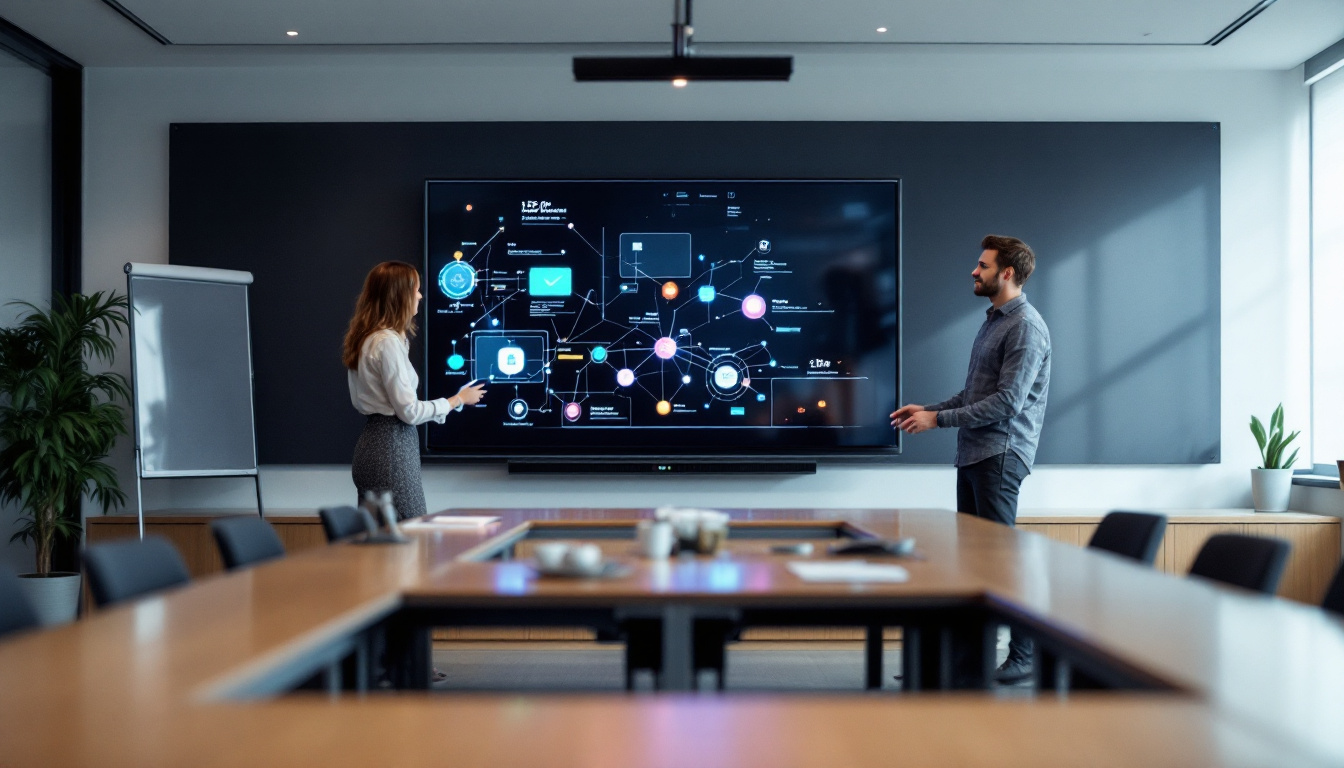
Businesses rely on projectors for presentations, video conferencing, and large-scale events. LED projectors’ superior color accuracy and brightness ensure clear visuals in various lighting conditions. Their durability and low maintenance requirements reduce operational disruptions, making them a practical choice for busy corporate settings.
Digital Signage and Advertising
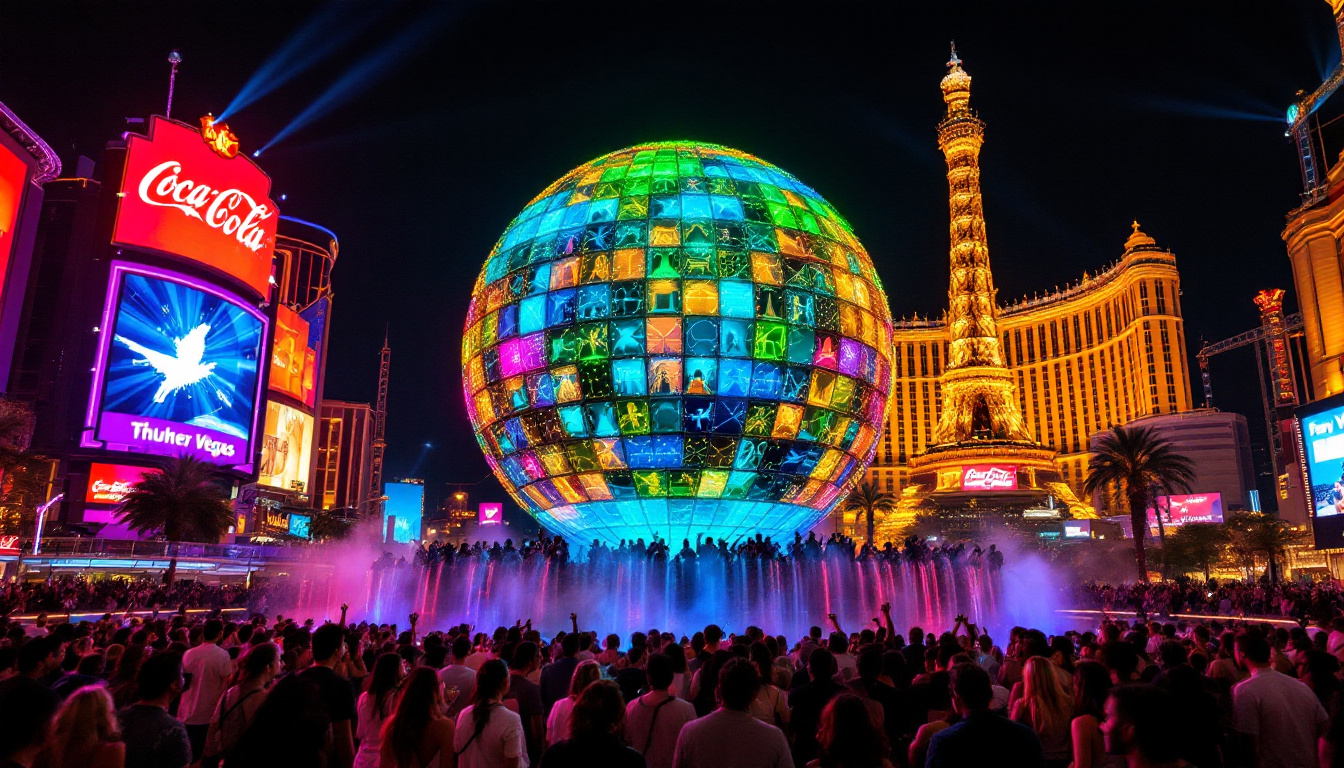
LED projectors are increasingly used in digital signage due to their ability to produce vivid images and withstand continuous operation. Retailers, museums, and public spaces utilize LED projection to create engaging, dynamic displays that capture attention and convey messages effectively.
Challenges and Considerations
While LED projectors offer many benefits, there are some challenges and factors to consider before making a purchase.
Brightness Limitations
Although LED projectors have improved significantly in brightness, they generally do not reach the high lumen outputs of some lamp-based projectors. This can limit their effectiveness in very large venues or brightly lit environments. However, recent advances in LED technology are narrowing this gap, with some models now exceeding 3,000 lumens.
Cost Factors
LED projectors tend to have a higher upfront cost compared to traditional lamp projectors. However, when factoring in the longer lifespan and lower maintenance expenses, the total cost of ownership often becomes competitive or even favorable over time.
Size and Portability
While many LED projectors are compact and portable, some high-brightness models can be larger and heavier due to the cooling requirements of high-power LEDs. Buyers should consider their specific use cases and portability needs when selecting a model.
The Future of LED Projection Technology
The future of digital projection is closely tied to ongoing advancements in LED technology. Innovations such as micro-LEDs and laser-LED hybrid systems promise even greater brightness, color accuracy, and energy efficiency.
Micro-LED Technology
Micro-LEDs consist of tiny LED arrays that can be individually controlled, offering unprecedented resolution and contrast. This technology could revolutionize projection by enabling ultra-high-definition images with exceptional color fidelity and brightness.
Laser-LED Hybrid Projectors
Combining laser and LED light sources leverages the strengths of both technologies—laser’s high brightness and LED’s color accuracy and longevity. These hybrid projectors are expected to deliver superior performance for demanding applications such as large venues and professional cinema.
Integration with Smart Technologies
Future LED projectors will increasingly integrate with smart home and office ecosystems, offering wireless connectivity, voice control, and AI-enhanced image optimization. These features will enhance user convenience and enable more interactive and immersive experiences.
Conclusion
LED display technology has transformed digital projection projectors by delivering longer lifespans, better energy efficiency, and superior image quality. While there are some limitations in brightness and initial cost, the overall advantages make LED projectors an excellent choice for a wide array of applications—from home entertainment to professional use.
As LED technology continues to evolve, it is poised to redefine the standards of projection, offering brighter, more vibrant, and more sustainable solutions. Whether for education, business, or personal enjoyment, understanding the benefits and capabilities of LED projectors helps users make informed decisions and embrace the future of digital projection.
Discover LumenMatrix’s Advanced LED Display Solutions
Ready to experience the future of digital projection with LED technology? LumenMatrix is at the forefront of this innovation, offering a comprehensive range of LED display solutions tailored to meet your needs. From captivating Indoor and Outdoor LED Wall Displays to dynamic Vehicle and Sports LED Displays, our products are designed to enhance your brand’s visibility and audience engagement. Explore our versatile LED Poster Displays, interactive Floor LED Displays, and the sleek All-in-One LED Display options. With LumenMatrix, you’re not just getting a display; you’re creating an unforgettable visual experience. Check out LumenMatrix LED Display Solutions today and see how we can transform your visual communication.