In the evolving world of display technology, LED displays have become a cornerstone for vibrant, energy-efficient visual communication. Among the many specifications that define LED displays, power consumption — often measured in watts — is a critical factor that influences performance, cost, and environmental impact. This article delves into what “150 watt in LED” means, exploring the technical aspects, practical implications, and how this power rating fits into the broader context of LED display technology.
Understanding LED Displays and Power Consumption
LED (Light Emitting Diode) displays are widely used in everything from smartphones and televisions to large-scale outdoor billboards and stadium screens. Unlike traditional display technologies such as LCD or plasma, LEDs emit light directly, which results in higher brightness, better contrast, and improved energy efficiency. This direct emission of light allows for thinner screens and more flexible designs, making LEDs the preferred choice for modern display applications. Furthermore, advancements in LED technology have led to the development of organic LEDs (OLEDs) and microLEDs, which offer even greater color accuracy and response times, pushing the boundaries of what is possible in visual technology.
Power consumption in LED displays is a vital metric, often expressed in watts (W). It indicates the amount of electrical power the display uses during operation. For example, a “150 watt” LED display means that the device consumes 150 watts of electrical power under specified operating conditions. This figure can vary depending on factors such as brightness settings, screen size, pixel density, and usage patterns. Additionally, the efficiency of the power supply unit (PSU) can also play a significant role in the overall energy consumption of the display, as a more efficient PSU reduces wasted energy and heat generation.
Why Power Consumption Matters
Understanding power consumption is essential for several reasons:
- Energy Efficiency: Lower wattage means less electricity usage, which translates to cost savings and reduced environmental impact. This is particularly important in large installations where multiple displays are used, as the cumulative savings can be substantial over time.
- Heat Management: Higher power consumption often generates more heat, requiring better cooling solutions to maintain display longevity and performance. Effective heat dissipation is crucial, especially in outdoor applications where temperature fluctuations can be extreme.
- Performance Optimization: Power consumption affects brightness and color accuracy, influencing the overall viewing experience. Displays that operate at optimal power levels can deliver vibrant colors and sharper images, enhancing the viewer’s engagement.
In commercial and industrial settings, knowing the wattage helps in planning electrical infrastructure and estimating operational costs. For instance, venues hosting large events may need to consider the total power draw of multiple LED screens to ensure their electrical systems can handle the load. Moreover, understanding the power consumption of LED displays can aid in compliance with energy regulations and sustainability initiatives, making it easier for businesses to align with green practices. As technology continues to evolve, manufacturers are also focusing on creating energy-efficient models that not only meet performance expectations but also contribute to a more sustainable future.
What Does 150 Watt Mean in an LED Display Context?
When an LED display is rated at 150 watts, this typically refers to the power it consumes under standard operating conditions. However, this number alone does not tell the whole story. To fully grasp its significance, it’s important to consider the context in which this wattage is measured.
Types of LED Displays and Their Power Profiles
LED displays come in various forms, including:
- Indoor LED Displays: Used in conference rooms, retail stores, and indoor advertising. These displays usually have lower brightness levels and consume less power.
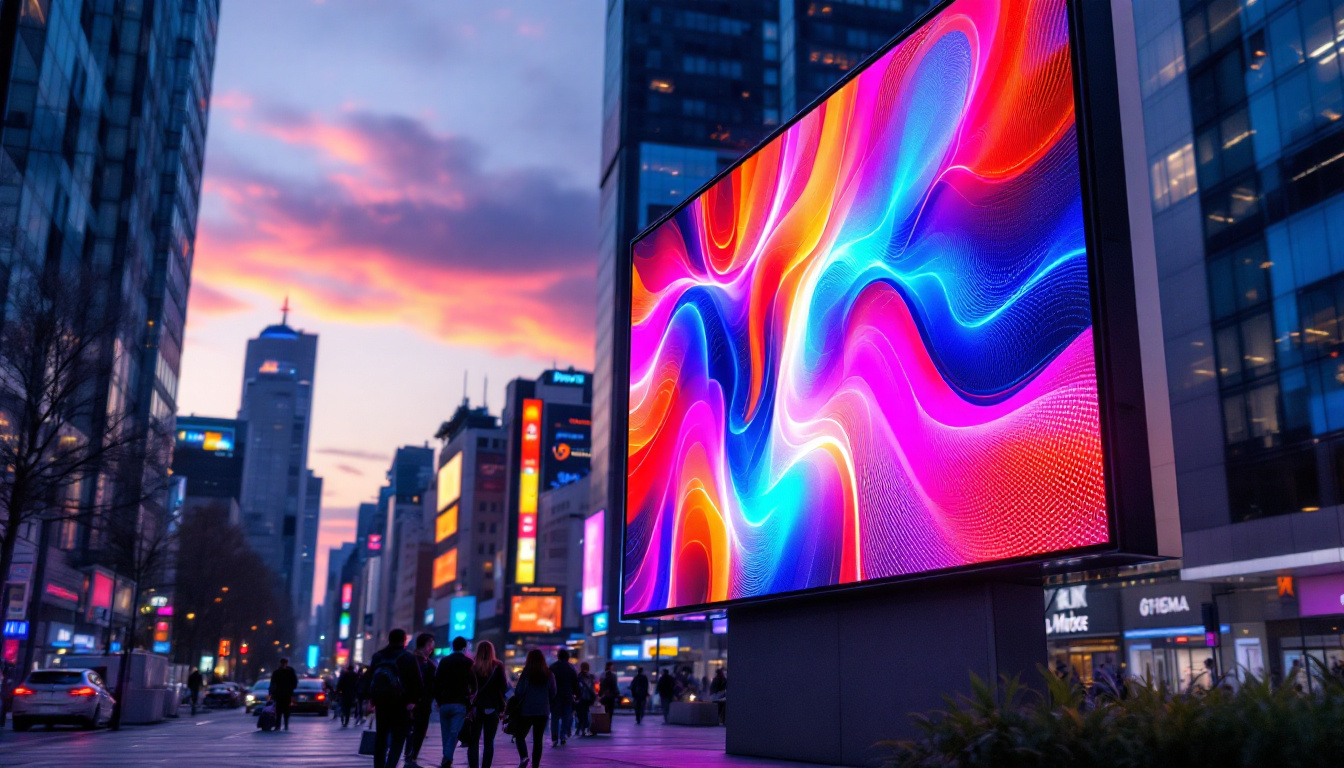
- Outdoor LED Displays: Designed for high brightness to combat sunlight, these displays often consume more power due to increased LED intensity.
- Flexible and Transparent LED Displays: Emerging technologies that may have different power requirements based on their unique designs.
A 150-watt power rating might be typical for a mid-sized indoor LED panel, but it could be considered low for an outdoor display of similar size. For example, a 2-meter by 1-meter indoor LED display might consume around 100 to 200 watts depending on brightness and pixel pitch, making 150 watts a reasonable average.
Factors Influencing Power Consumption
Several technical factors impact the wattage of an LED display:
- Pixel Pitch: The distance between individual LEDs affects the number of LEDs per square meter, influencing power draw.
- Brightness Level: Higher brightness settings require more power. Outdoor displays often operate at 5,000 nits or higher, compared to 300-500 nits for indoor displays.
- Color Depth and Refresh Rate: Displays with higher color accuracy and faster refresh rates may consume more power.
- Display Size: Larger displays naturally consume more power due to the increased number of LEDs.
Therefore, the 150-watt figure should be understood as a reference point rather than a fixed value applicable to all LED displays.
Energy Efficiency and Environmental Impact of 150 Watt LED Displays
One of the primary advantages of LED technology is its energy efficiency. Compared to older display technologies, LEDs offer significant reductions in power consumption while delivering superior image quality.
Comparing LED Displays to Other Technologies
For perspective, consider the following approximate power consumption figures for displays of similar size:
- LCD Displays: Typically consume between 200 to 400 watts depending on size and backlighting technology.
- Plasma Displays: Known for high power consumption, often exceeding 400 watts for large screens.
- LED Displays: Range widely, but a 150-watt rating for a mid-sized display is quite efficient.
This efficiency translates into lower operating costs. For businesses running multiple displays or large-scale installations, the savings can be substantial over time.
Environmental Considerations
Lower power consumption also means reduced carbon footprint. According to the U.S. Environmental Protection Agency (EPA), reducing electricity use by 150 watts for 8 hours a day can save approximately 438 kWh annually, which corresponds to roughly 0.3 metric tons of CO2 emissions avoided, depending on the energy source.
As sustainability becomes a priority, choosing LED displays with optimized power consumption like those rated around 150 watts helps organizations meet green building standards and corporate social responsibility goals.
Applications and Practical Examples of 150 Watt LED Displays
Understanding the practical applications of a 150-watt LED display helps illustrate its relevance in real-world scenarios.
Retail and Advertising
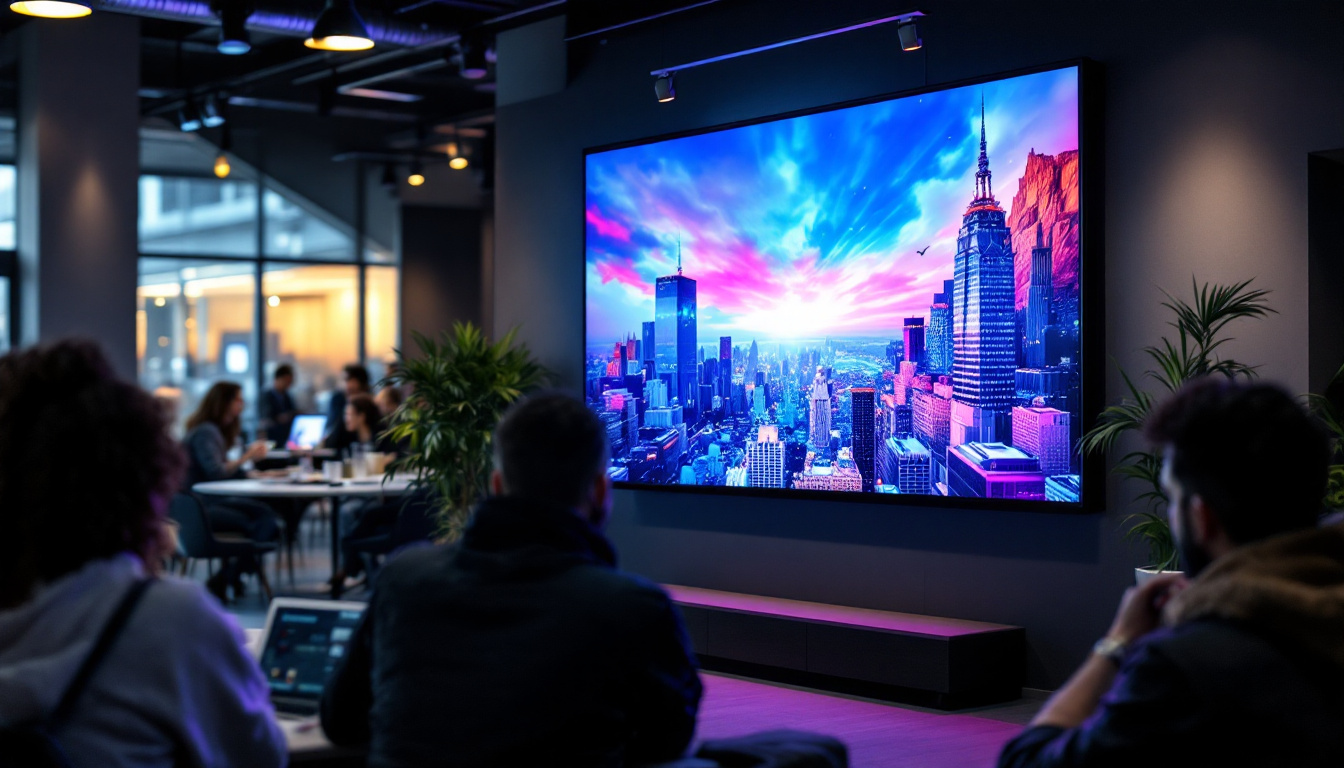
In retail environments, LED displays are used for dynamic advertising, product promotions, and interactive signage. A 150-watt LED panel offers a balance between brightness and energy efficiency, making it ideal for indoor environments where ambient lighting is moderate.
For example, a 2-meter by 1-meter LED display in a shopping mall can operate continuously throughout the day without incurring excessive electricity costs, while still capturing customer attention with vivid visuals.
Corporate and Conference Settings
Businesses use LED displays for presentations, digital whiteboards, and video conferencing. A 150-watt LED display can provide bright, clear images without the heat and noise associated with higher-power projectors or older display technologies.
This power rating ensures that the display can run for extended periods without requiring complex cooling solutions, reducing maintenance and operational overhead.
Public Information and Transportation Hubs
Airports, train stations, and bus terminals use LED displays for schedules, alerts, and advertisements. A 150-watt LED display is suitable for medium-sized installations where visibility and reliability are critical but extreme brightness is not always necessary.
Technical Considerations When Choosing a 150 Watt LED Display
Choosing the right LED display involves more than just looking at the wattage. Here are some technical factors to consider alongside the power rating.
Brightness and Viewing Distance
Brightness, measured in nits, must be appropriate for the environment. A 150-watt LED display designed for indoor use typically offers 300 to 600 nits, sufficient for most indoor lighting conditions.
Viewing distance also matters; smaller pixel pitches provide higher resolution and are better for close viewing, but may increase power consumption slightly.
Pixel Pitch and Resolution
Pixel pitch (measured in millimeters) determines the density of LEDs. A smaller pixel pitch means higher resolution but can increase power usage. For example, a 2.5mm pixel pitch display at 150 watts balances image clarity with energy efficiency for indoor use.
Durability and Lifespan
LED displays are rated for tens of thousands of hours of operation. However, higher power consumption can accelerate wear if heat dissipation is inadequate. Choosing a display with efficient power management and cooling ensures longevity.
Connectivity and Control Systems
Modern LED displays come with sophisticated control systems for brightness adjustment, color calibration, and content management. Efficient power use can be optimized through software that dims or powers down sections of the display when not in use.
Future Trends in LED Display Power Efficiency
As technology advances, LED displays continue to become more energy-efficient and versatile. Innovations that impact power consumption include:
MicroLED and MiniLED Technologies
MicroLED and MiniLED displays use smaller LEDs, allowing for higher resolution and brightness with lower power consumption. These emerging technologies promise even more efficient displays, potentially reducing power requirements below 150 watts for similar-sized panels.
Adaptive Brightness and Smart Controls
Intelligent systems that adjust brightness based on ambient light and content can significantly reduce power usage. For example, a 150-watt LED display might operate at lower wattage during nighttime or low-activity periods.
Improved Materials and Manufacturing
Advances in LED materials and manufacturing processes enhance luminous efficacy (lumens per watt), enabling brighter displays with less energy.
Conclusion
The “150 watt” power rating in LED displays is a meaningful specification that reflects a balance between brightness, size, and energy efficiency. Understanding what this figure represents helps consumers, businesses, and engineers make informed decisions when selecting LED displays for various applications.
LED technology continues to evolve, driving improvements in power efficiency and performance. Whether used in retail, corporate, or public environments, a 150-watt LED display offers a practical and sustainable solution for high-quality visual communication.
By considering factors such as pixel pitch, brightness, and usage context alongside power consumption, users can optimize their LED display choices to meet both operational needs and environmental goals.
Discover LumenMatrix LED Display Solutions
Ready to elevate your visual communication with a 150-watt LED display that balances brightness, efficiency, and size? LumenMatrix is at the forefront of LED display innovation, offering a diverse range of products from Indoor and Outdoor LED Wall Displays to specialized solutions like Vehicle, Sports, and Floor LED Displays. Our mission is to create immersive visual experiences that captivate your audience and amplify your message. Don’t miss the opportunity to transform your space with our cutting-edge LED technology. Check out LumenMatrix LED Display Solutions today and see the difference for yourself.