In today’s fast-evolving digital world, LED displays have become a cornerstone of visual communication. From retail environments to corporate offices, and from public information boards to entertainment venues, LED technology offers vibrant, energy-efficient, and versatile display solutions. One critical component that often goes unnoticed but plays a pivotal role in the performance and durability of LED displays is the wall mount cabinet. Understanding the design, functionality, and benefits of wall mount cabinets for LED displays is essential for anyone looking to invest in or maintain these systems.
This article delves into the details of wall mount cabinets for LED displays, explaining their purpose, types, installation considerations, and maintenance tips. Whether you are a business owner, an AV professional, or a facility manager, this comprehensive guide will help you make informed decisions about your LED display setup.
What Are Wall Mount Cabinets for LED Displays?
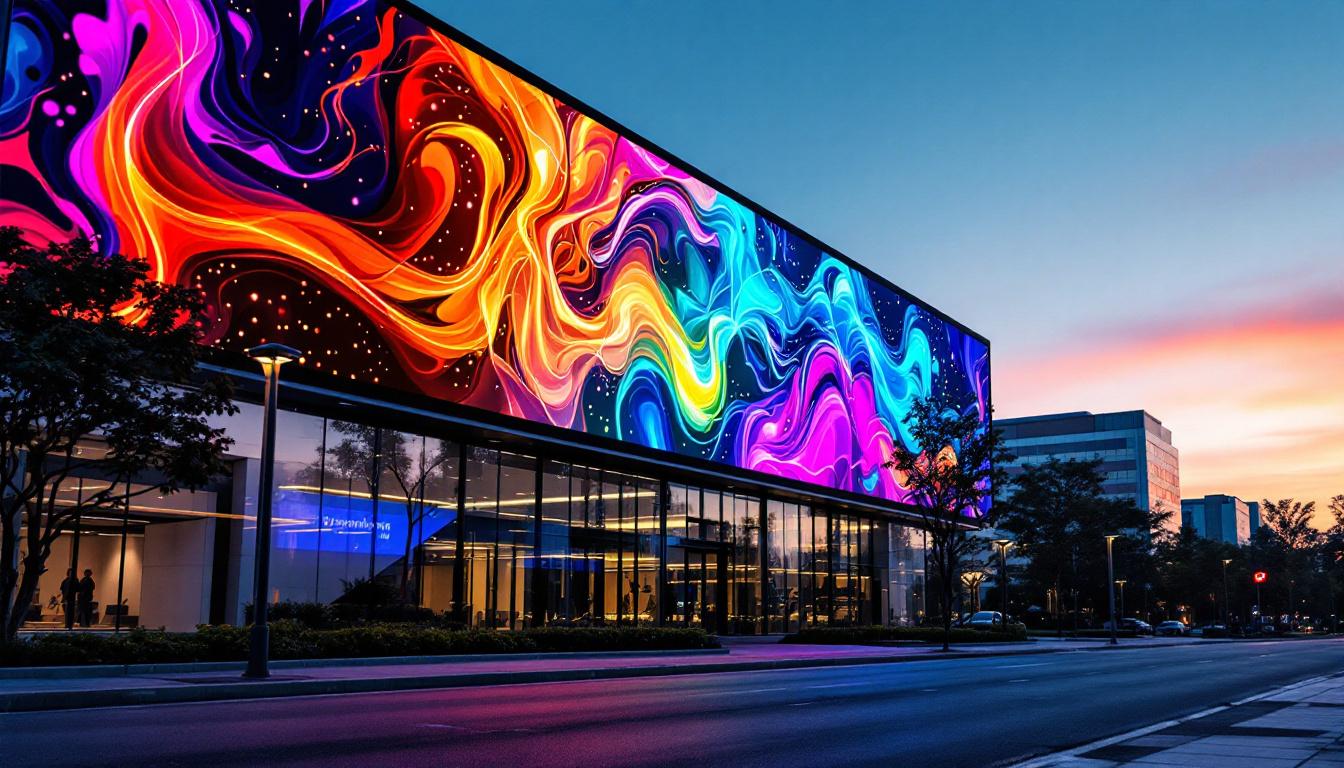
Wall mount cabinets are the structural enclosures designed to house LED display modules securely on vertical surfaces. These cabinets provide the necessary framework to support the LED panels, protect sensitive electronic components, and facilitate proper ventilation and cable management. Unlike freestanding or floor-mounted LED displays, wall mount cabinets are specifically engineered to be affixed directly to walls, making them ideal for space-saving installations in indoor and outdoor environments.
Typically constructed from durable materials such as aluminum or steel, these cabinets are designed to withstand environmental factors like dust, moisture, and temperature fluctuations. They come in various sizes and configurations to accommodate different LED panel dimensions and pixel pitches, ensuring a seamless and visually appealing display.
The Role of Wall Mount Cabinets in LED Display Performance
Wall mount cabinets do more than just hold LED modules in place. They play a crucial role in maintaining the integrity and longevity of the display. By providing a rigid, stable frame, they prevent physical damage and misalignment of LED panels, which can cause image distortion or pixel failure. Moreover, cabinets often include built-in cooling systems or ventilation slots that help dissipate heat generated by the LEDs and electronic components, thereby reducing the risk of overheating and extending the lifespan of the display.
Additionally, well-designed cabinets facilitate easier maintenance by allowing quick access to LED modules and internal wiring without dismantling the entire display. This accessibility is vital for minimizing downtime and ensuring consistent visual quality, especially in commercial settings where the display is a key communication tool.
Types of Wall Mount Cabinets for LED Displays
Choosing the right type of wall mount cabinet depends on several factors, including the installation environment, display size, pixel pitch, and budget. Below are the most common types of wall mount cabinets used for LED displays:
Indoor Wall Mount Cabinets
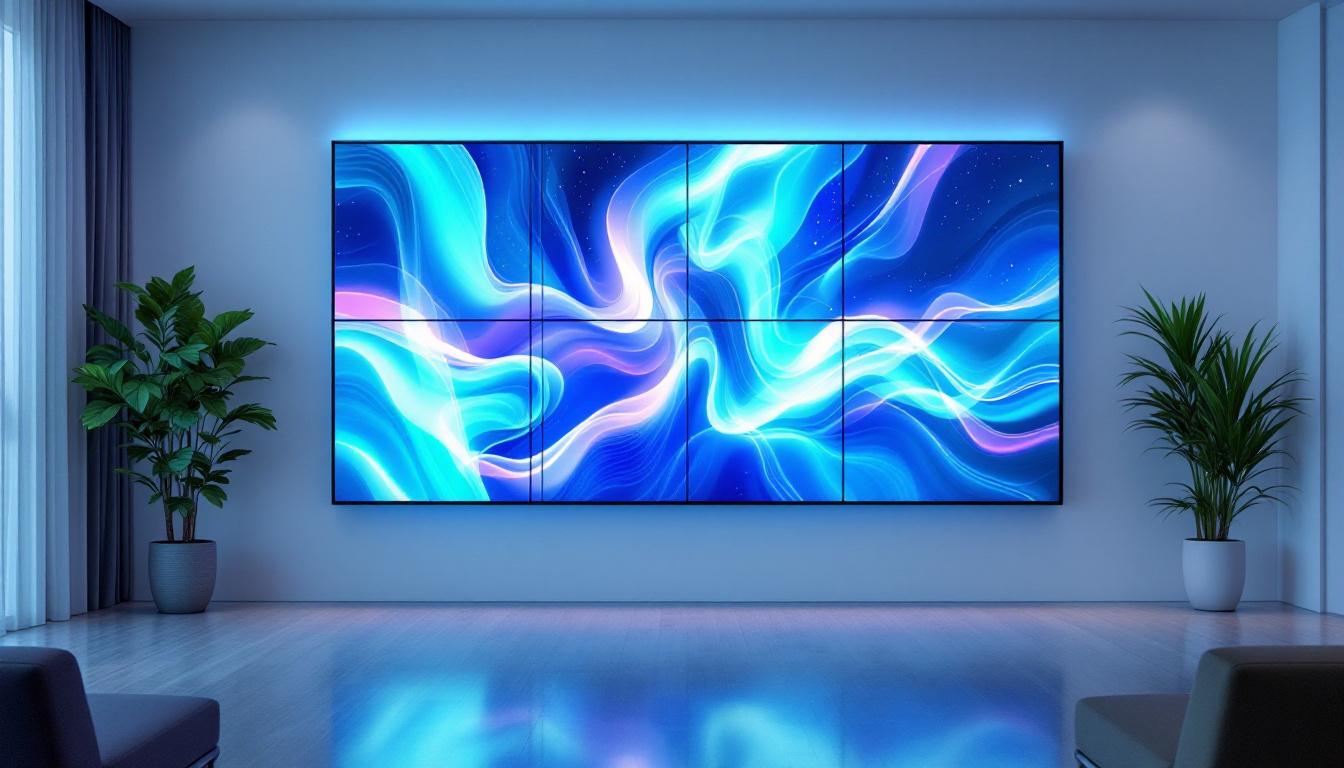
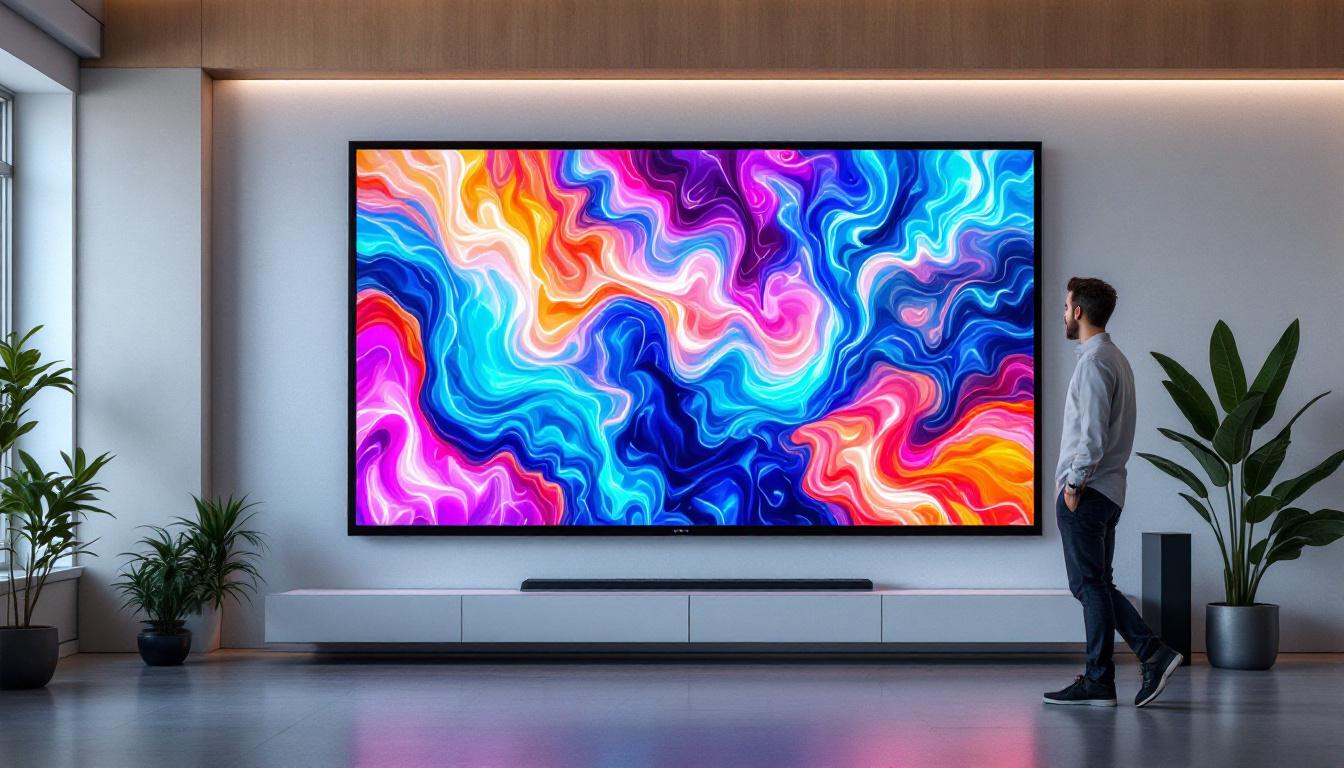
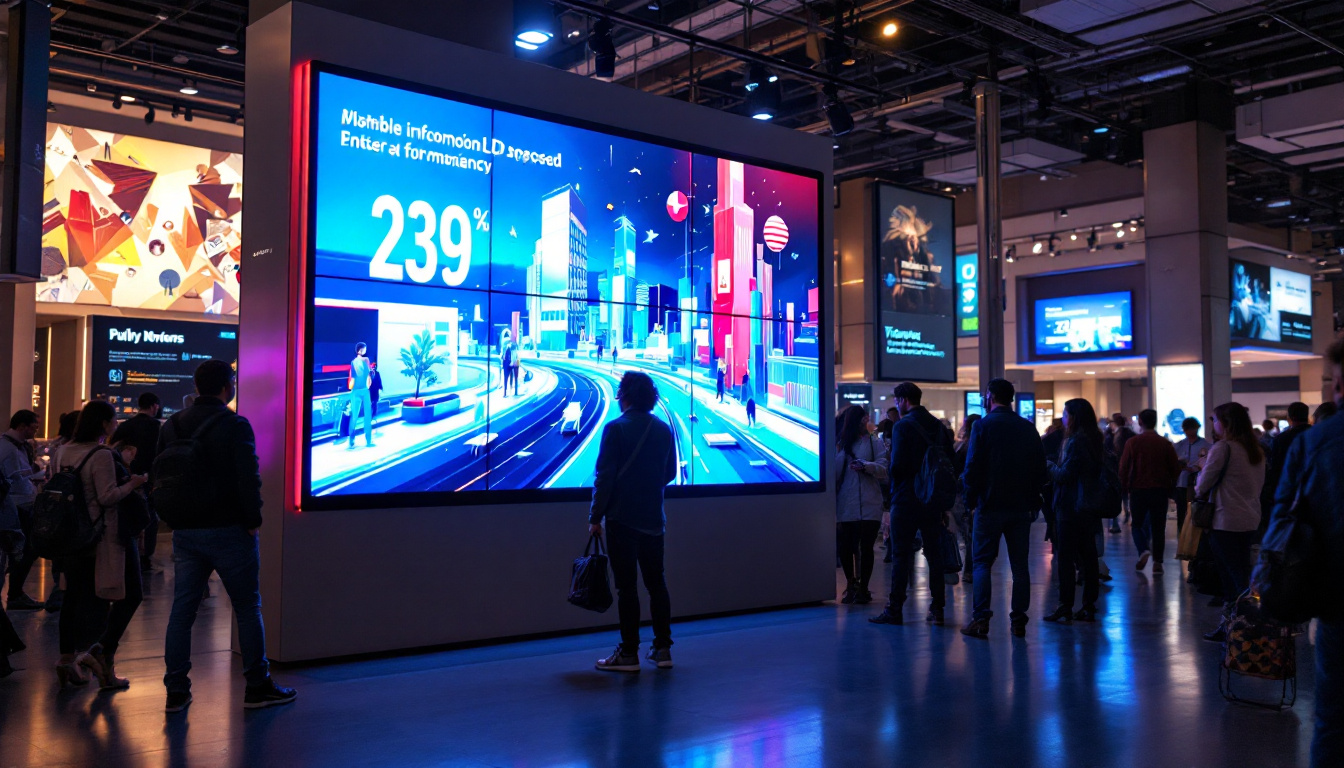
Indoor cabinets are designed with aesthetics and functionality in mind. They are typically lighter and slimmer than outdoor cabinets since they do not need to withstand harsh weather conditions. Indoor cabinets often feature high-precision manufacturing to ensure perfect alignment of LED modules, which is critical for close-viewing distances in environments like conference rooms, retail stores, and control centers.
These cabinets usually have a front or rear service design, allowing technicians to access the LED modules from the front or back, depending on the installation constraints. Front service cabinets are particularly useful when the display is mounted against a solid wall with no rear access.
Outdoor Wall Mount Cabinets
Outdoor cabinets are built to endure extreme weather conditions, including rain, wind, dust, and temperature variations. They are typically made from robust materials with high ingress protection (IP) ratings, such as IP65 or higher, ensuring the electronics remain safe from water and dust ingress.
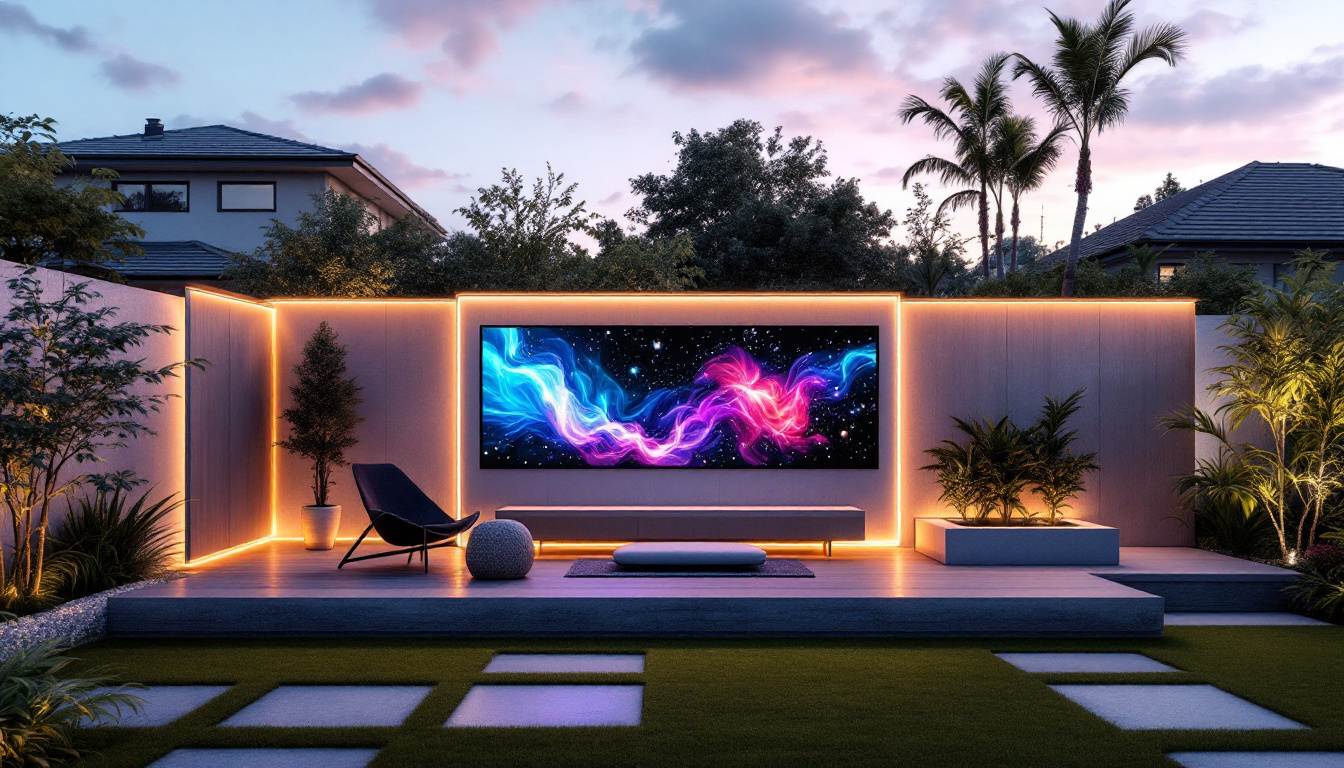
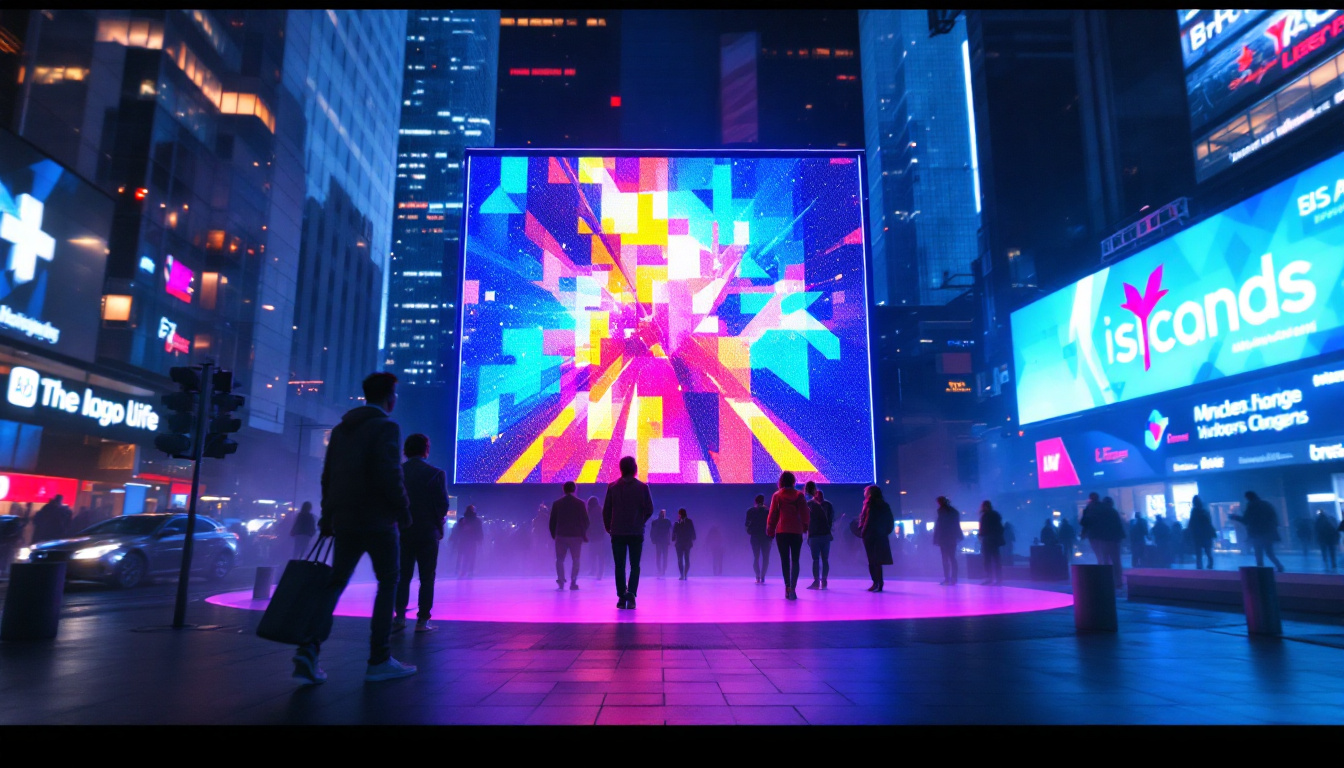
These cabinets often include additional features like waterproof seals, reinforced frames, and advanced cooling systems to maintain optimal operating temperatures. Outdoor LED displays are commonly used for advertising billboards, stadium screens, and public information displays, where durability and visibility under direct sunlight are paramount.
Custom and Modular Cabinets
For unique installation requirements, custom or modular wall mount cabinets can be designed to fit specific dimensions or architectural features. Modular cabinets allow for scalability and easy expansion of the display by connecting multiple cabinets seamlessly. This flexibility is advantageous for large-scale projects or installations requiring irregular shapes and sizes.
Custom cabinets can also incorporate additional functionalities such as integrated sound systems, lighting, or interactive touchscreens, enhancing the overall user experience.
Key Features to Consider When Selecting Wall Mount Cabinets
Choosing the right wall mount cabinet for an LED display involves evaluating several critical features to ensure optimal performance and longevity. Here are the most important factors to consider:
Material and Build Quality
The cabinet’s material directly impacts its durability and weight. Aluminum cabinets are popular due to their lightweight nature and corrosion resistance, making installation easier and reducing structural load on walls. Steel cabinets offer greater strength but are heavier and may require additional protective coatings to prevent rust.
High-quality manufacturing standards, such as precision welding and powder coating, enhance the cabinet’s structural integrity and aesthetic appeal.
Cooling and Ventilation
LED displays generate heat during operation, which can degrade components if not properly managed. Cabinets with effective cooling solutions—such as built-in fans, heat sinks, or ventilation slots—help maintain safe operating temperatures. Passive cooling designs are preferred in dust-prone environments to avoid fan failures, while active cooling may be necessary for high-brightness or large-format displays.
Serviceability and Accessibility
Ease of maintenance is a critical consideration, especially for commercial installations where downtime can affect business operations. Cabinets designed for front or rear service allow technicians to replace or repair LED modules quickly without dismantling the entire display. Magnetic or clip-in modules further simplify maintenance tasks.
Ingress Protection (IP) Rating
The IP rating indicates the cabinet’s resistance to dust and water. For indoor displays, an IP30 rating is generally sufficient, while outdoor cabinets require IP65 or higher to withstand exposure to rain and dust. Ensuring the correct IP rating based on the installation environment protects the investment and reduces maintenance costs.
Weight and Mounting Compatibility
The cabinet’s weight influences the type of mounting hardware required and the structural support needed from the wall. It is essential to assess the wall’s load-bearing capacity and select mounting brackets or frames compatible with the cabinet design. Adjustable mounting systems can facilitate precise alignment and leveling during installation.
Installation Considerations for Wall Mount Cabinets
Proper installation is crucial to maximize the performance and lifespan of LED displays mounted on walls. Several factors should be addressed during the planning and installation phases:
Wall Structure and Load Capacity
Before installation, it is vital to evaluate the wall’s structural integrity. Walls made of concrete, brick, or steel framing are generally suitable for supporting heavy LED display cabinets. Drywall or weaker materials may require reinforcement or alternative mounting solutions.
Consulting with structural engineers or installation professionals can help determine the appropriate mounting hardware and ensure safety compliance.
Mounting Hardware and Alignment
Using high-quality mounting brackets, anchors, and fasteners designed for the cabinet’s weight and size ensures a secure attachment. Adjustable brackets allow fine-tuning of the cabinet’s position to achieve a perfectly flat and aligned display surface, which is essential for optimal image quality.
Cabling and Power Management
Wall mount cabinets must accommodate power and data cables neatly to avoid clutter and potential damage. Integrated cable management systems within the cabinet or mounting frame help organize wiring and simplify troubleshooting. Additionally, planning for power supply placement and backup solutions ensures uninterrupted operation.
Environmental Factors
Consideration of environmental conditions such as ambient temperature, humidity, and exposure to sunlight informs the choice of cabinet type and cooling system. For outdoor installations, positioning the display to minimize direct sunlight exposure can reduce heat buildup and improve visibility.
Maintenance and Troubleshooting of Wall Mount Cabinets
Regular maintenance is essential to keep LED displays functioning optimally and to extend their service life. Wall mount cabinets facilitate maintenance by providing easy access to internal components.
Routine Cleaning
Dust and dirt accumulation can impair ventilation and reduce display brightness. Cleaning the cabinet exterior and ventilation openings periodically with a soft cloth and compressed air helps maintain performance. For outdoor displays, removing bird droppings, leaves, and other debris is necessary to prevent damage.
Inspection and Component Replacement
Regular inspection of LED modules, power supplies, and cables can identify early signs of wear or failure. Cabinets designed for front service enable quick replacement of faulty modules without dismantling the entire display. Keeping spare parts on hand reduces downtime during repairs.
Software and Calibration
LED displays require periodic calibration to maintain color accuracy and uniform brightness. Some wall mount cabinets integrate control systems that facilitate remote diagnostics and software updates, streamlining maintenance tasks.
Common Troubleshooting Tips
Issues such as dead pixels, flickering, or dimming can often be traced to loose connections, power supply problems, or module failures. Ensuring that the cabinet remains securely mounted and that cables are intact helps prevent these problems. In case of persistent issues, consulting with the manufacturer or a professional technician is recommended.
The Future of Wall Mount Cabinets in LED Display Technology
As LED technology advances, wall mount cabinets are evolving to meet new demands for higher resolution, thinner profiles, and smarter integration. Innovations such as ultra-lightweight materials, modular designs with tool-less assembly, and enhanced cooling solutions are becoming standard.
Moreover, the integration of IoT (Internet of Things) capabilities allows real-time monitoring of cabinet conditions, enabling predictive maintenance and reducing operational costs. Sustainable manufacturing practices and recyclable materials are also gaining importance as environmental considerations shape the industry.
With the global LED display market expected to grow at a compound annual growth rate (CAGR) of over 15% through 2028, according to recent industry reports, the demand for reliable and efficient wall mount cabinets will continue to rise. Staying informed about the latest trends and best practices is essential for stakeholders aiming to leverage LED display technology effectively.
Conclusion
Wall mount cabinets are a fundamental yet often overlooked element in the successful deployment of LED displays. Their design and quality directly impact the display’s durability, performance, and ease of maintenance. By understanding the different types of cabinets, key features to consider, installation requirements, and maintenance practices, businesses and professionals can ensure their LED displays deliver vibrant, reliable, and long-lasting visual communication.
Whether installing a small indoor display or a large outdoor advertising screen, investing in the right wall mount cabinet is a strategic decision that pays dividends in operational efficiency and customer engagement. As LED technology continues to advance, so too will the capabilities and importance of these essential enclosures.
Discover LumenMatrix’s Advanced LED Solutions
Ready to elevate your visual communication with cutting-edge LED displays? LumenMatrix is at the forefront of LED display technology, offering a wide range of solutions from vibrant Indoor and Outdoor LED Wall Displays to dynamic Vehicle and Sports LED Displays. Our mission is to transform your space with captivating visual experiences that engage and inspire. Don’t miss the opportunity to enhance your brand’s visibility with our innovative LED Poster Displays, Floor LED Displays, Custom LED Displays, All-in-One LED Displays, and LED Transparent Displays. Check out LumenMatrix LED Display Solutions today and see how we can help you make a lasting impression.