In the rapidly evolving world of digital signage and display technology, LED displays have emerged as a dominant force, transforming how businesses, event organizers, and advertisers communicate visually. Among the many technical aspects that influence LED display performance, the pitch com system plays a crucial role. This article delves into the concept of the pitch com system in LED displays, explaining its significance, technical details, and practical applications.
Understanding LED Display Technology
Before exploring the pitch com system, it’s essential to understand the basics of LED display technology. LED, or Light Emitting Diode, displays consist of numerous tiny LEDs arranged in a matrix to produce images, videos, and text. These displays are widely used in outdoor billboards, indoor advertising screens, stadium displays, and even wearable tech due to their brightness, energy efficiency, and versatility.
Modern LED displays are composed of individual pixels, each made up of red, green, and blue LEDs. By varying the intensity of these LEDs, the display can render a full spectrum of colors. The quality and clarity of the image depend on several factors, including resolution, brightness, refresh rate, and importantly, pixel pitch.
Pixel pitch, which refers to the distance between the centers of two adjacent pixels, plays a crucial role in determining the overall display quality. A smaller pixel pitch means that the pixels are closer together, resulting in higher resolution and sharper images, making them ideal for close viewing distances. Conversely, a larger pixel pitch is suitable for applications where the audience is further away, such as large outdoor billboards. This relationship between pixel pitch and viewing distance is fundamental in the design and implementation of LED displays, influencing both the visual experience and the cost of the technology.
Furthermore, LED technology has evolved significantly over the years, with advancements such as SMD (Surface Mount Device) technology, which allows for more compact designs and improved color accuracy. This has enabled manufacturers to create thinner, lighter displays that can be easily integrated into various environments, from retail spaces to concert stages. Additionally, the introduction of smart LED displays, which can connect to the internet and be controlled remotely, has transformed how businesses engage with their audiences, allowing for dynamic content updates and interactive experiences that were previously unimaginable.
What is Pixel Pitch in LED Displays?
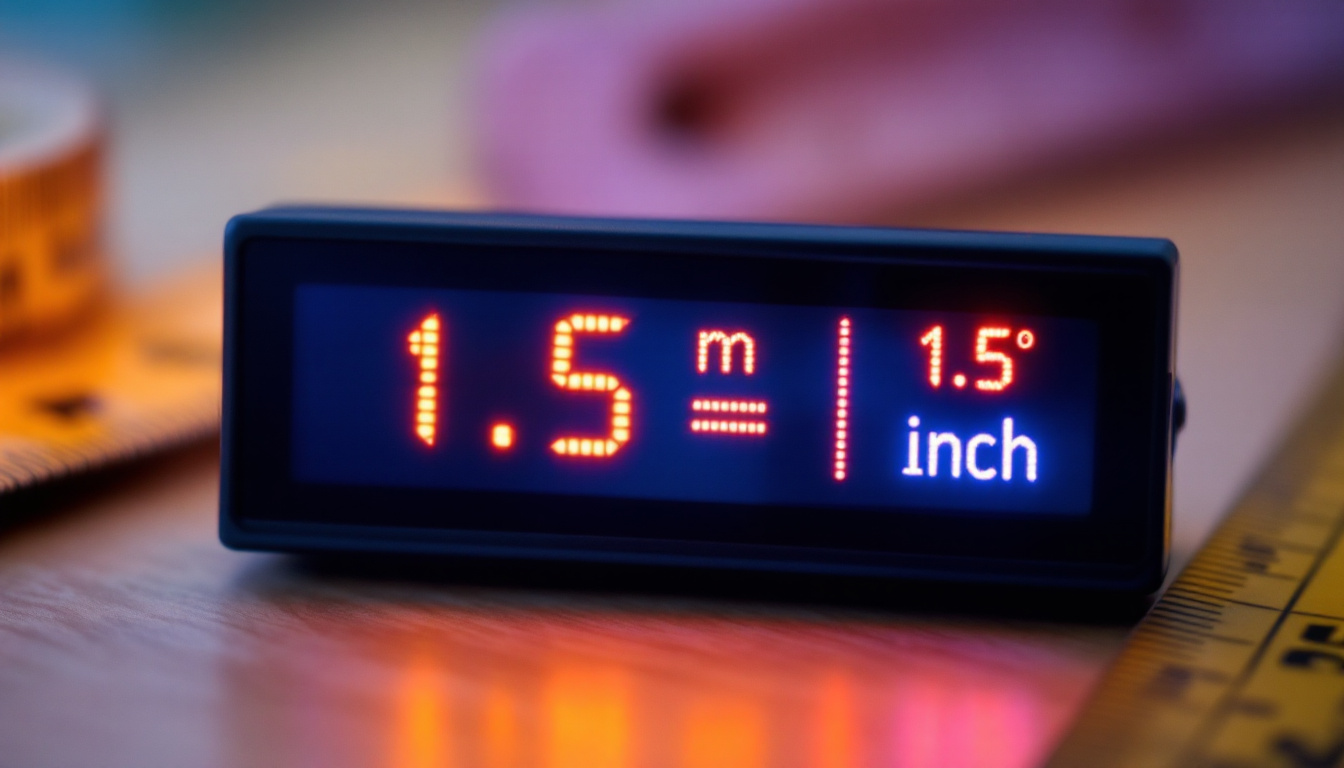
Pixel pitch is a fundamental specification that refers to the distance from the center of one pixel to the center of the adjacent pixel, usually measured in millimeters. This measurement directly impacts the resolution and viewing distance of an LED display.
A smaller pixel pitch means pixels are packed closer together, resulting in a higher resolution and sharper image quality. Conversely, a larger pixel pitch implies pixels are spaced further apart, which can be suitable for larger displays viewed from greater distances but may appear less sharp up close.
For example, a display with a pixel pitch of 1.5mm is ideal for indoor environments where viewers are close to the screen, such as conference rooms or retail stores. On the other hand, a 10mm pixel pitch display might be used for outdoor billboards or stadium screens, where viewers are typically far away.
The choice of pixel pitch is not only crucial for image clarity but also affects the overall cost and energy efficiency of the display. Generally, displays with smaller pixel pitches tend to be more expensive due to the increased number of LEDs required to achieve higher resolution. Additionally, they may consume more power, which can be a significant consideration for large installations. Therefore, businesses must weigh the benefits of high-resolution displays against their budget and energy consumption needs.
Furthermore, pixel pitch also plays a vital role in the application of LED technology across various industries. In the entertainment sector, for instance, smaller pixel pitches are preferred for concert stages and live events, where the audience is often very close to the screens. In contrast, larger pixel pitches are more common in advertising and public information displays, where the primary goal is to capture attention from a distance. Understanding the nuances of pixel pitch helps designers and engineers create displays that not only meet visual expectations but also serve their intended purpose effectively.
Explaining the Pitch Com System
The term “pitch com system” refers to the communication and control system that manages the pixel pitch configuration and data transmission within an LED display. Essentially, it ensures that the display’s pixels are accurately controlled and synchronized to produce the intended image quality.
In an LED display, the pitch com system governs how pixel data is sent to each LED module, managing timing, color calibration, and brightness adjustments. It also plays a role in maintaining the integrity of the image during operation, especially in large-scale displays composed of multiple panels.
How the Pitch Com System Works
The pitch com system operates through a combination of hardware and software components. At its core is a control unit that processes the incoming video signal and converts it into data packets tailored for the specific pixel pitch of the display. This data is then transmitted to LED driver ICs (integrated circuits) embedded in each module.
These driver ICs interpret the data to adjust the brightness and color of individual LEDs, ensuring that each pixel reflects the correct color and intensity. The pitch com system also synchronizes the timing of these signals to prevent image distortion or flickering.
Advanced pitch com systems incorporate feedback mechanisms to monitor LED performance in real-time, enabling dynamic adjustments that enhance image consistency and longevity.
Why the Pitch Com System Matters
Understanding the pitch com system is vital for anyone involved in selecting, designing, or maintaining LED displays. Its importance lies in several key areas:
Image Quality and Resolution
The pitch com system directly influences how accurately pixel data is rendered on the screen. A well-implemented system ensures that images are sharp, colors are vibrant, and transitions are smooth. This is especially critical in applications like digital advertising, where visual impact drives engagement and sales.
Scalability and Flexibility
Large LED displays are often constructed from multiple smaller panels or modules. The pitch com system manages communication across these modules, allowing for seamless scaling of the display size without compromising image quality. This flexibility is essential for venues like stadiums, concert halls, and public spaces.
Reliability and Maintenance
Modern pitch com systems include diagnostic features that detect faults such as dead pixels or communication errors. Early detection helps reduce downtime and maintenance costs, ensuring continuous operation in critical environments.
Applications of Pitch Com Systems in LED Displays
The pitch com system is integral across a broad spectrum of LED display applications, each with unique demands and challenges.
Outdoor Advertising and Billboards
Outdoor LED billboards require robust pitch com systems capable of handling high brightness levels and environmental stressors like weather and temperature fluctuations. These systems must maintain image clarity over large viewing distances, often with pixel pitches ranging from 6mm to 20mm.
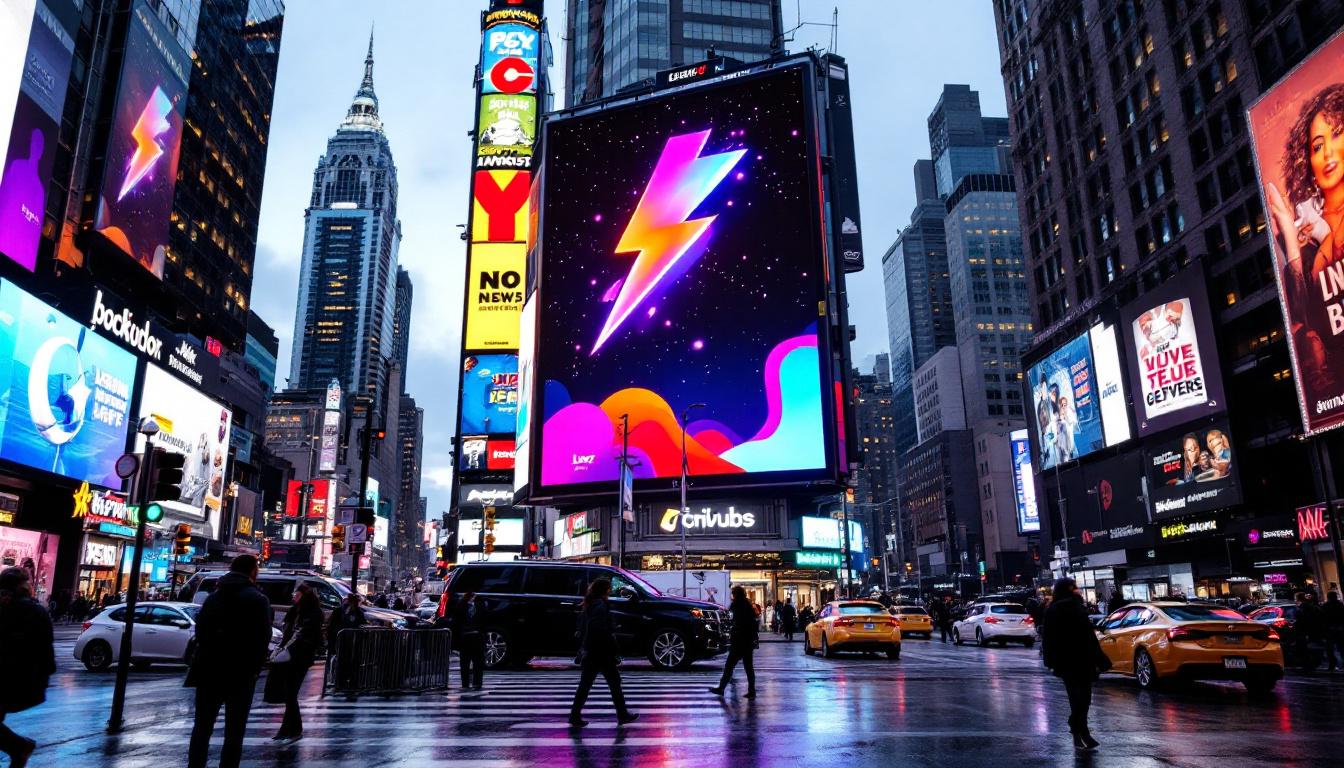
For example, Times Square in New York City features massive LED billboards with sophisticated pitch com systems that synchronize vast arrays of pixels to deliver dynamic advertisements visible from hundreds of feet away.
Sports Arenas and Stadiums
In sports venues, LED displays serve multiple purposes—from scoreboards to advertising to live video feeds. The pitch com system ensures that these displays operate flawlessly in real-time, often under intense lighting and weather conditions. Pixel pitches typically range from 4mm to 10mm, balancing resolution with viewing distance.
Indoor Digital Signage
Retail stores, conference centers, and corporate lobbies utilize indoor LED displays with fine pixel pitches (1mm to 3mm) to provide high-resolution content. The pitch com system in these displays supports high refresh rates and color accuracy, enhancing the viewer experience in close proximity.
Emerging Trends and Innovations
The LED display industry continues to innovate, and pitch com systems are evolving to meet new challenges and opportunities.
Higher Resolution and Smaller Pixel Pitches
Advancements in LED manufacturing have enabled pixel pitches as small as 0.7mm, creating near-retina-quality displays. These ultra-fine pitches demand highly sophisticated pitch com systems capable of handling massive data throughput and precise timing control.
AI and Machine Learning Integration
Some modern pitch com systems integrate AI algorithms to optimize image quality dynamically. These systems analyze ambient lighting, content type, and viewer distance to adjust brightness, contrast, and color balance in real-time, enhancing visual performance and energy efficiency.
Wireless and Remote Management
With the rise of IoT and smart city initiatives, pitch com systems are increasingly incorporating wireless communication and cloud-based management. This allows operators to monitor and control LED displays remotely, schedule content updates, and perform diagnostics without physical intervention.
Choosing the Right Pitch Com System
Selecting an appropriate pitch com system depends on several factors, including the intended application, viewing distance, environmental conditions, and budget. Here are some considerations:
Assess Viewing Distance and Resolution Needs
Determine how close viewers will be to the display. For close-range viewing, opt for a system supporting smaller pixel pitches and higher resolution. For long-distance viewing, larger pixel pitches are more cost-effective and practical.
Evaluate Environmental and Operational Requirements
Outdoor displays require pitch com systems that can withstand harsh conditions and provide high brightness. Indoor displays prioritize color accuracy and refresh rates. Additionally, consider factors like power consumption and maintenance capabilities.
Consider Integration and Scalability
Ensure the pitch com system is compatible with existing infrastructure and supports future expansion. Modular systems with flexible communication protocols are advantageous for growing businesses or venues.
Conclusion
The pitch com system is a vital component in the architecture of LED displays, directly impacting image quality, reliability, and operational efficiency. As LED technology advances, understanding the nuances of pitch communication and control becomes increasingly important for stakeholders across industries.
Whether deploying a massive outdoor billboard or a high-resolution indoor display, selecting the right pitch com system ensures that the visual message is delivered clearly and effectively. Staying informed about emerging trends and technological innovations can help businesses and organizations maximize the potential of their LED display investments.
Discover LumenMatrix’s Advanced LED Display Solutions
Ready to elevate your visual communication with cutting-edge LED technology? LumenMatrix offers a comprehensive range of LED display modules tailored to your needs. From captivating Indoor LED Wall Displays to dynamic Outdoor LED Wall Displays, and from versatile Vehicle LED Displays to innovative LED Sports Displays, our solutions are designed to make your brand shine. Experience the future of digital signage with LumenMatrix and create unforgettable visual experiences that engage and inspire. Check out LumenMatrix LED Display Solutions today and transform the way you share your message.