Understanding measurements and conversions is essential in many aspects of daily life, from home improvement projects to technology specifications. One common conversion that often comes up is converting feet to centimeters, especially when dealing with displays and screens. This article will explore the conversion of 5.9 feet into centimeters and explain how this measurement relates to LED displays, providing insights into why such conversions matter in the tech world.
Converting Feet to Centimeters: The Basics
Before diving into the specifics of LED displays, it’s important to understand the fundamental conversion between feet and centimeters. Feet and centimeters belong to two different measurement systems: the imperial system and the metric system, respectively. The imperial system, which includes feet and inches, is commonly used in the United States, while the metric system is widely adopted worldwide. This distinction can sometimes lead to confusion, especially in fields that require international collaboration or trade.
The exact conversion factor between feet and centimeters is:
- 1 foot = 30.48 centimeters
Using this conversion factor, the length of 5.9 feet can be calculated in centimeters as follows:
5.9 feet × 30.48 cm/foot = 179.832 cm
Therefore, 5.9 feet is equivalent to approximately 179.83 centimeters.
Why Precise Conversions Matter
While the difference between 179.8 cm and 180 cm might seem negligible, precision is crucial in many fields. For example, when designing or installing LED displays, accurate measurements ensure that the display fits perfectly within a designated space. Even small deviations can affect the aesthetics and functionality of a display installation. A miscalculation could lead to gaps or overlaps that not only detract from the visual appeal but may also hinder the display’s performance.
Moreover, in industries like manufacturing, construction, and technology, precise conversions prevent costly errors and rework. This is particularly true when importing or exporting products where specifications must meet international standards. In such scenarios, a minor error in measurement can lead to significant delays and financial losses, as products may need to be remade or adjusted to comply with local regulations. Additionally, understanding these conversions can facilitate smoother communication among engineers, architects, and designers who may be working with different measurement systems, ensuring that everyone is on the same page and that projects progress without unnecessary hitches.
Understanding LED Displays and Their Dimensions
LED (Light Emitting Diode) displays have revolutionized the way information and visuals are presented in public spaces, homes, and businesses. These displays come in various sizes, and understanding their dimensions is key to selecting the right model for a specific application.
What Is an LED Display?
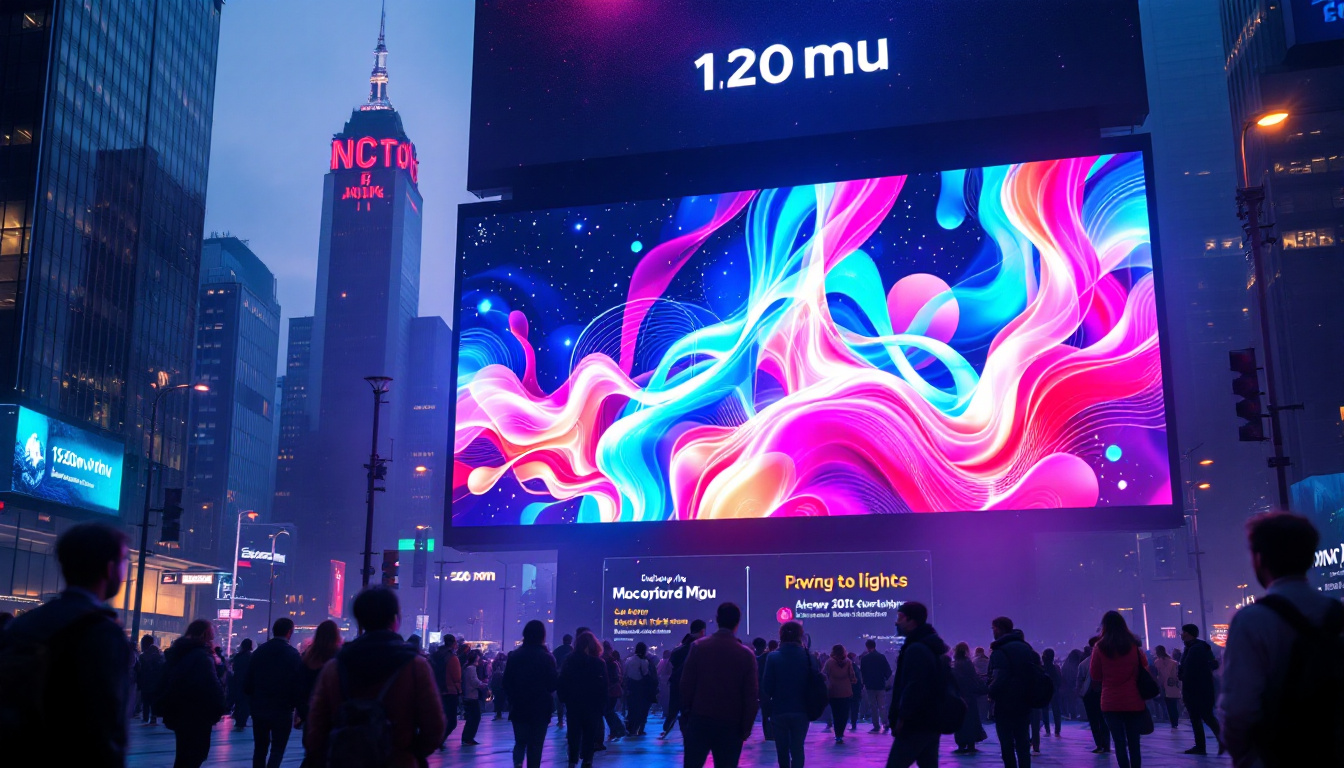
An LED display is a flat panel that uses light-emitting diodes as pixels to create images, videos, and text. Unlike traditional LCD or plasma screens, LED displays offer superior brightness, contrast, and energy efficiency. They are commonly used in digital billboards, stadium screens, retail signage, and even home entertainment systems.
The size of an LED display is typically measured diagonally, similar to televisions and monitors. However, the physical width and height are also important, especially when planning installation spaces.
Relating 5.9 Feet to LED Display Sizes
When considering an LED display that measures approximately 5.9 feet in one dimension, it’s useful to convert this to centimeters for better clarity, especially if the manufacturer provides specifications in metric units. As established, 5.9 feet equals roughly 179.83 cm.
For context, a 5.9-foot diagonal LED screen translates to about a 180 cm diagonal, which is quite large for typical consumer displays but common in commercial and professional environments. For example, a digital signage screen in a shopping mall or an event venue might be around this size.
Understanding these dimensions helps businesses and consumers make informed decisions about the suitability of a display for their needs, ensuring visibility, impact, and spatial compatibility. Additionally, the pixel pitch, which refers to the distance between the center of one pixel to the center of the adjacent pixel, plays a crucial role in determining the display’s resolution and clarity. A smaller pixel pitch means higher resolution, making it ideal for close viewing distances, such as in retail environments where customers are likely to be just a few feet away from the screen.
Moreover, the aspect ratio of the display is another important factor to consider. Common aspect ratios include 16:9 for widescreen formats and 4:3 for more traditional displays. The choice of aspect ratio can significantly affect how content is displayed, influencing the viewer’s experience. For instance, a 5.9-foot LED display with a 16:9 aspect ratio would be particularly suited for video presentations, while a 4:3 display might be better for displaying static images or text-heavy content. Understanding these nuances allows businesses to tailor their advertising and presentation strategies effectively, maximizing the impact of their visual communications.
Applications of 5.9 Feet (179.83 cm) LED Displays
LED displays around 5.9 feet in size are versatile and used across various sectors. Their size strikes a balance between visibility and manageability, making them ideal for several applications.
Retail and Advertising
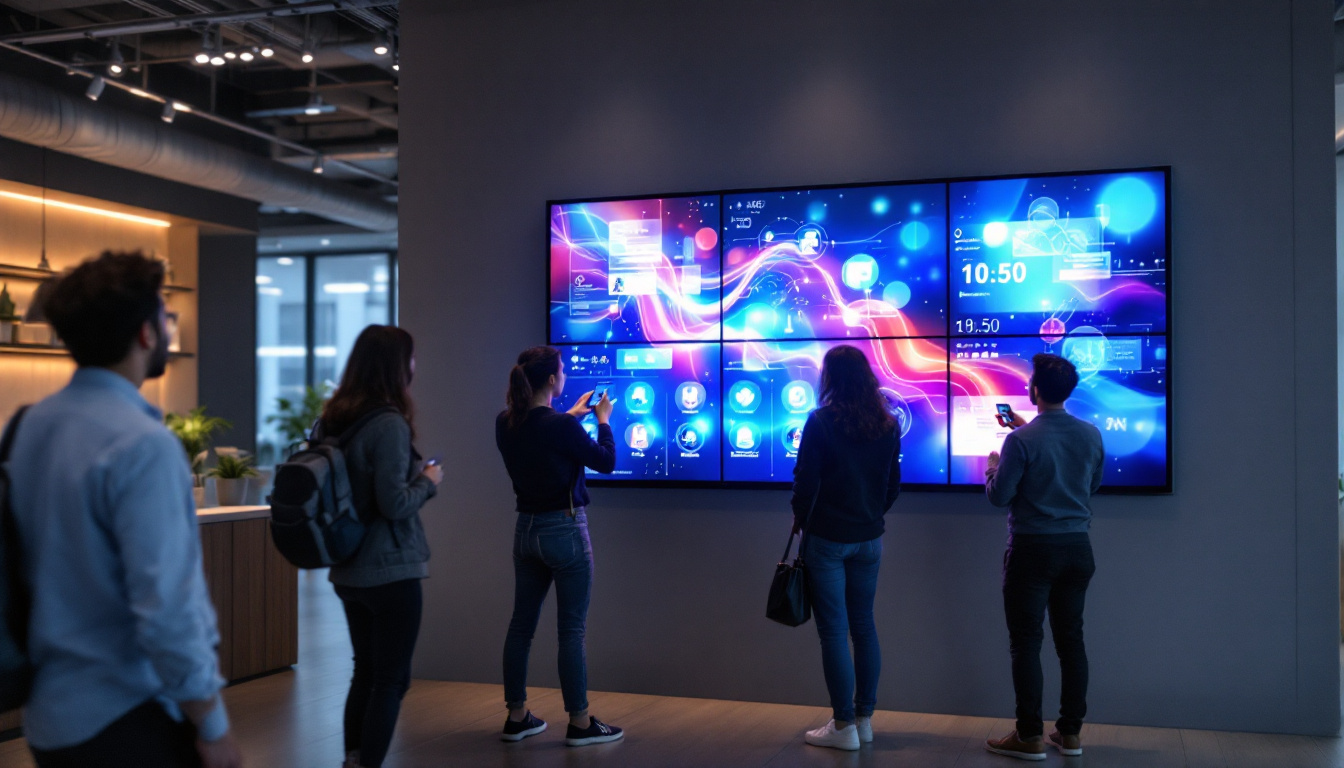
In retail environments, LED displays measuring around 180 cm diagonally are often used for digital signage to attract customers. These displays can showcase promotional content, advertisements, and interactive information. The size is large enough to capture attention but still manageable for indoor installations.
For example, a clothing store might use a 5.9-foot LED display to highlight new arrivals or seasonal sales. The bright and vivid colors of LED technology ensure that the content is eye-catching even in well-lit environments.
Corporate and Conference Settings
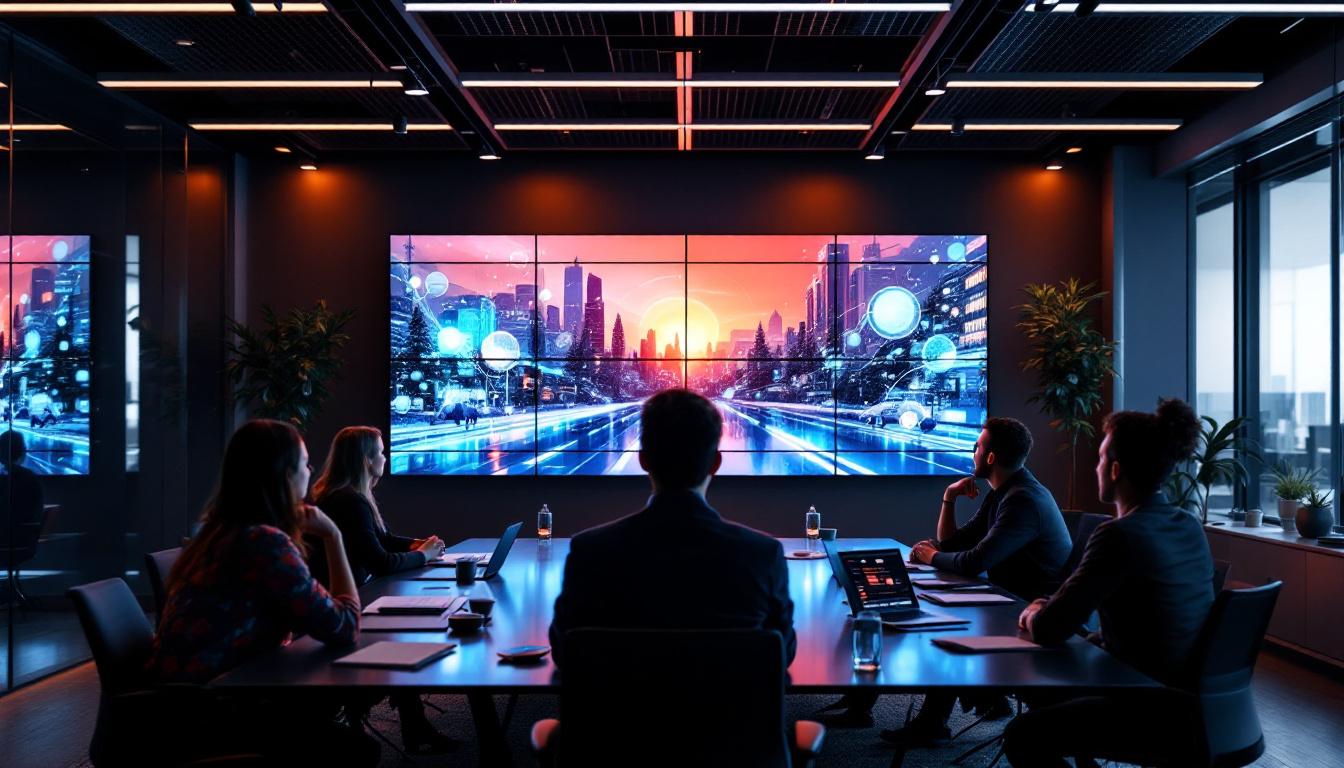
In corporate offices and conference rooms, LED displays of this size are commonly used for presentations, video conferencing, and digital whiteboards. A 5.9-foot screen provides ample space for detailed visuals and text, improving communication and collaboration.
Companies often prefer LED displays over traditional projectors because of their superior image quality and lower maintenance requirements. The precise measurement in centimeters helps facilities managers plan the installation to fit the room’s dimensions perfectly.
Event and Entertainment Venues
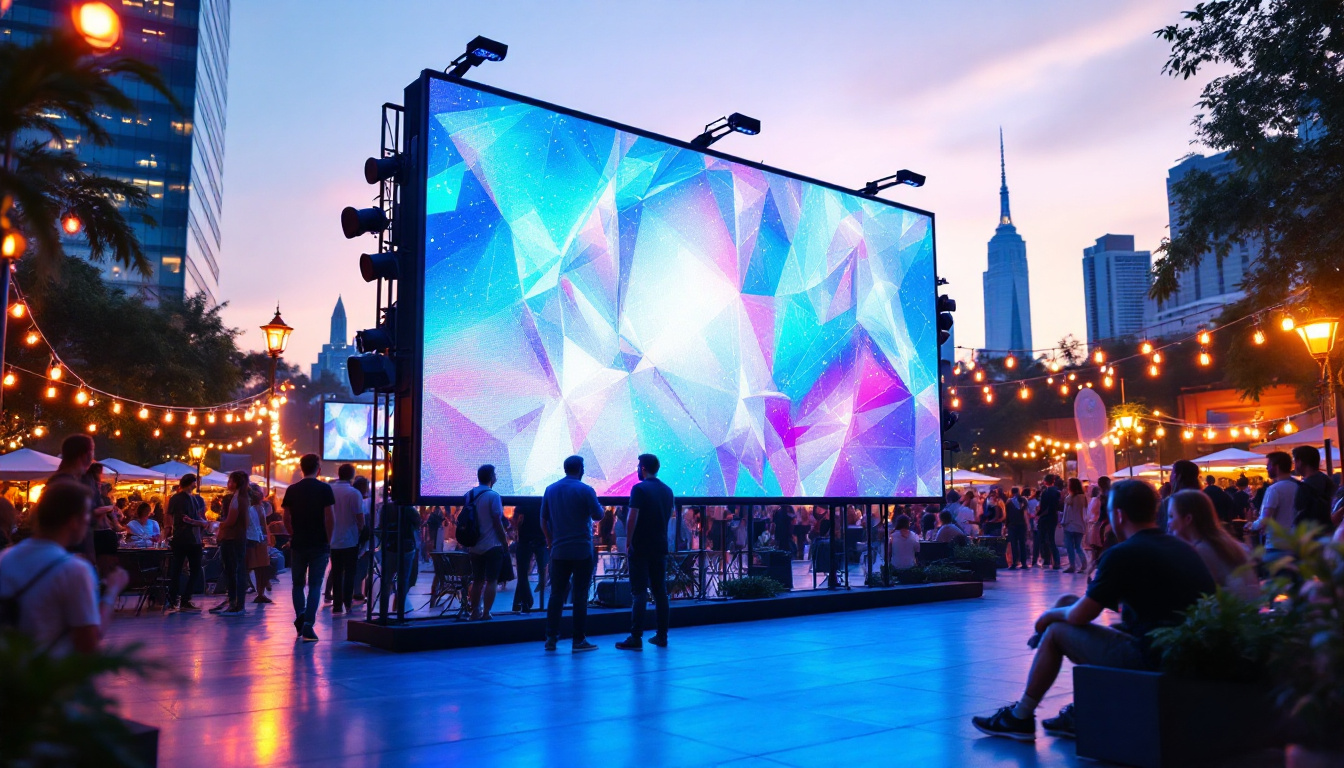
Event organizers and entertainment venues frequently use LED displays around this size for stage backdrops, information boards, and interactive installations. The 5.9-foot dimension offers a balance between portability and visibility, making it suitable for both permanent and temporary setups.
For instance, music festivals or trade shows might deploy multiple LED panels of this size to create immersive visual experiences for attendees.
Technical Considerations When Selecting LED Displays
Choosing an LED display involves more than just understanding its size. Several technical factors influence performance and suitability, especially when dealing with displays around 5.9 feet (179.83 cm).
Resolution and Pixel Pitch
The resolution of an LED display determines the clarity and detail of the images it can produce. Resolution is influenced by the pixel pitch, which is the distance between the centers of adjacent pixels. A smaller pixel pitch means higher resolution and sharper images.
For a 5.9-foot LED display, the pixel pitch selection depends on the viewing distance. For close-up viewing, such as in retail or corporate environments, a pixel pitch of 1.5 to 2.5 mm is common. For larger venues where viewers are farther away, a pixel pitch of 3 to 6 mm may suffice.
Brightness and Viewing Angles
LED displays are known for their brightness, which is measured in nits. A 5.9-foot display intended for indoor use typically requires brightness levels between 800 and 1,500 nits to ensure visibility under ambient lighting conditions. Outdoor displays need much higher brightness, often exceeding 5,000 nits, to combat sunlight glare.
Viewing angles are equally important, especially in public spaces where viewers may see the display from various positions. High-quality LED displays maintain color accuracy and brightness across wide viewing angles, typically around 140 to 160 degrees horizontally and vertically.
Installation and Maintenance
The physical size of a 5.9-foot LED display requires careful planning for installation. Weight, mounting options, and power requirements are critical factors. Modular LED panels are often used to assemble displays of this size, allowing for easier transportation and maintenance.
Maintenance considerations include accessibility for repairs, cleaning, and software updates. LED displays are designed to be durable, but proper upkeep ensures longevity and consistent performance.
Future Trends in LED Display Technology
As LED technology advances, displays are becoming more versatile, energy-efficient, and higher in resolution. Understanding the size conversions, such as 5.9 feet to centimeters, remains relevant as manufacturers often provide specifications in metric units.
MicroLED and MiniLED Innovations
Emerging technologies like MicroLED and MiniLED are pushing the boundaries of LED display quality. These displays feature smaller diodes, allowing for even higher resolutions and thinner panels. A 5.9-foot MicroLED display could offer unprecedented clarity and brightness, suitable for premium applications.
Flexible and Transparent LED Displays
Innovations in flexible and transparent LED displays are opening new possibilities for design and installation. These displays can conform to curved surfaces or be integrated into windows and glass walls, transforming how spaces use digital content.
Understanding exact dimensions, including conversions like 5.9 feet to 179.83 cm, helps architects and designers incorporate these futuristic displays seamlessly into their projects.
Conclusion
Converting 5.9 feet to centimeters results in approximately 179.83 cm, a measurement that is particularly useful when dealing with LED displays. Understanding this conversion is essential for selecting, installing, and optimizing LED screens in various environments, from retail stores to corporate offices and entertainment venues.
LED displays around 5.9 feet in size offer a versatile balance of visibility and manageability, making them popular choices across multiple sectors. By considering factors such as resolution, brightness, viewing angles, and installation requirements, users can maximize the benefits of their LED technology investments.
As LED display technology continues to evolve with innovations like MicroLED and flexible screens, precise measurement conversions will remain a foundational aspect of design and implementation, ensuring that displays meet both aesthetic and functional demands in an increasingly digital world.
Discover LumenMatrix LED Display Solutions
Ready to elevate your space with the precision and brilliance of LED technology? LumenMatrix offers a comprehensive range of LED display solutions tailored to meet your unique needs. From vibrant Indoor LED Wall Displays to robust Outdoor LED Wall Displays, and from dynamic Vehicle LED Displays to sleek LED Poster Displays, our products are designed to captivate and engage. Experience the future of visual communication with our LED Sports Displays, interactive Floor LED Displays, and customizable options that bring your vision to life. Embrace the innovation of LumenMatrix and transform your visual storytelling. Check out LumenMatrix LED Display Solutions today and see the difference for yourself.