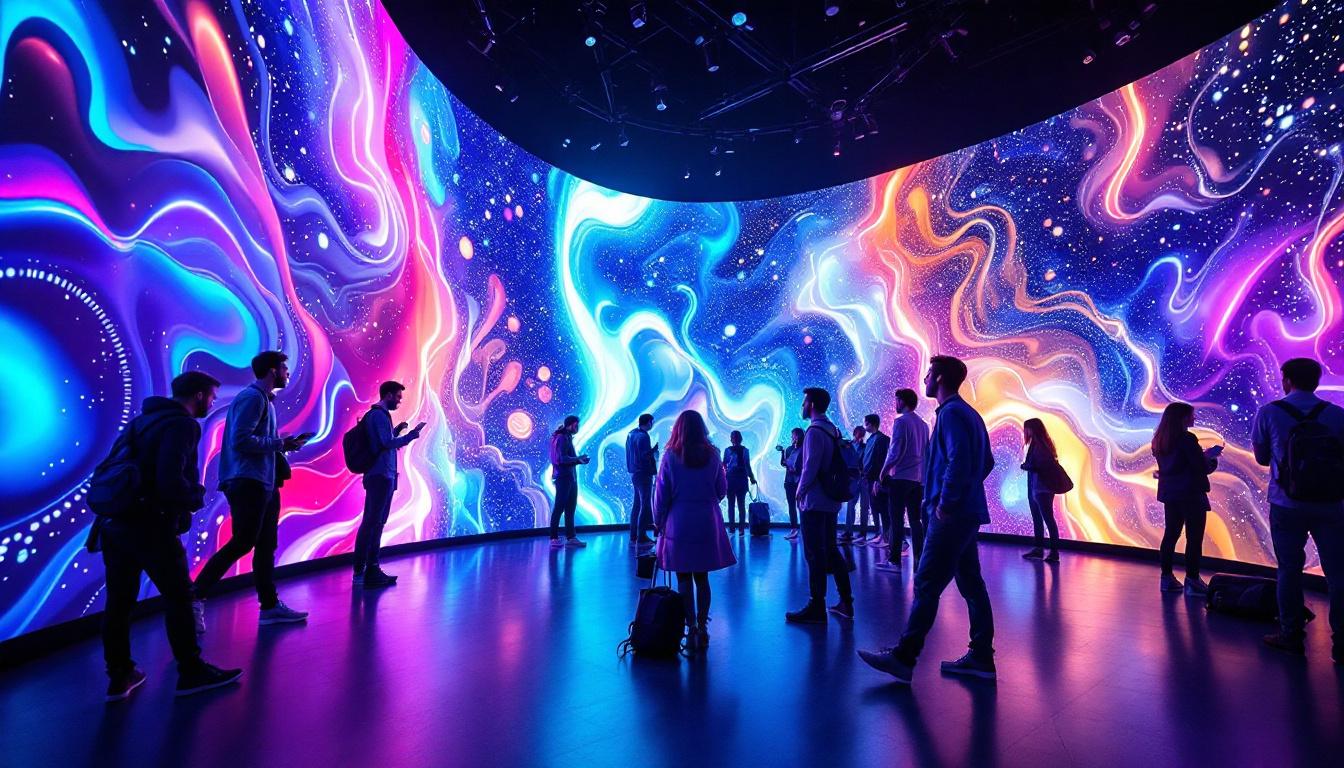
In today’s digital age, LED displays have become ubiquitous, powering everything from smartphones and televisions to massive outdoor billboards and stadium screens. Understanding the specifications behind these displays is essential for consumers, designers, and professionals who want to make informed decisions about purchasing, using, or creating content for LED technology. This comprehensive guide dives into the key specifications of LED displays, explaining what they mean, why they matter, and how they impact the viewing experience.
What Is an LED Display?
LED stands for Light Emitting Diode, a semiconductor device that emits light when an electric current passes through it. An LED display is a flat panel display that uses an array of these tiny LEDs as pixels to create images, videos, and text. Unlike traditional LCDs that rely on backlighting, LED displays can offer higher brightness, better contrast, and improved energy efficiency.
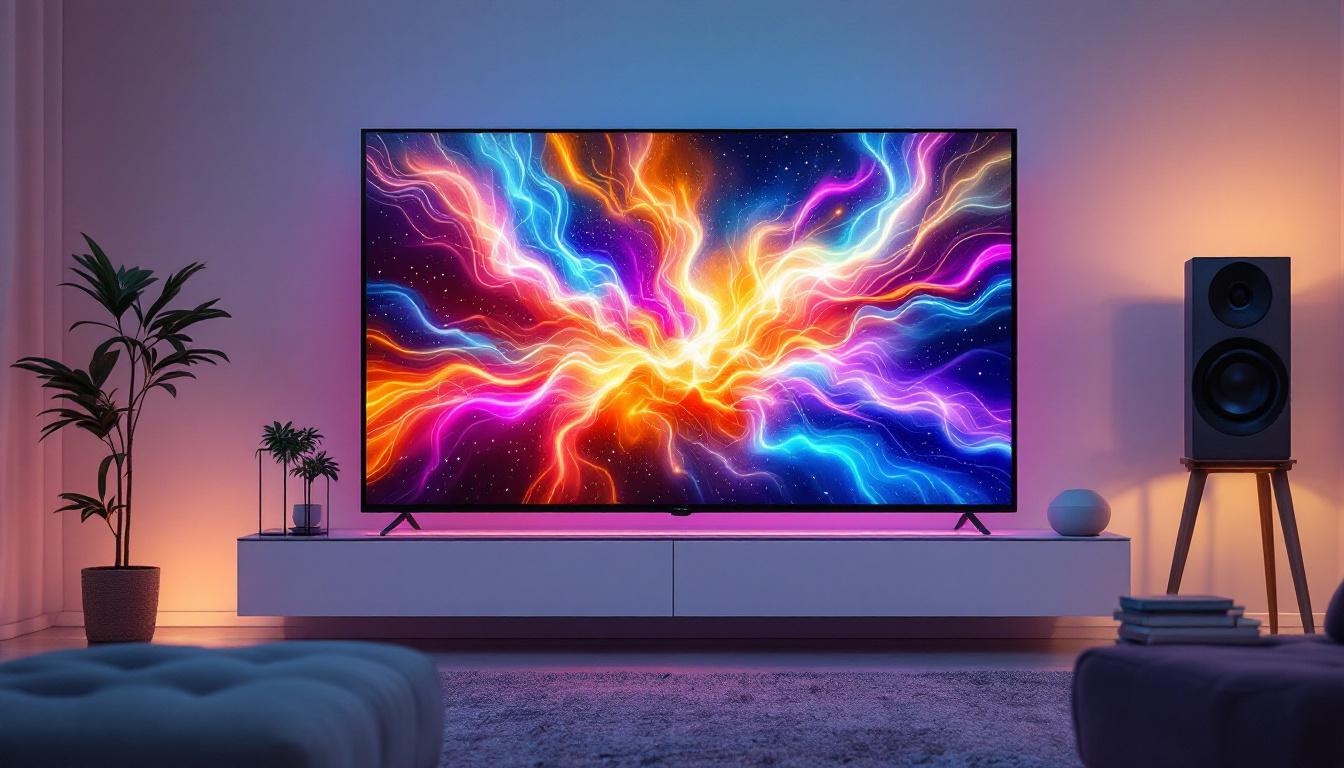
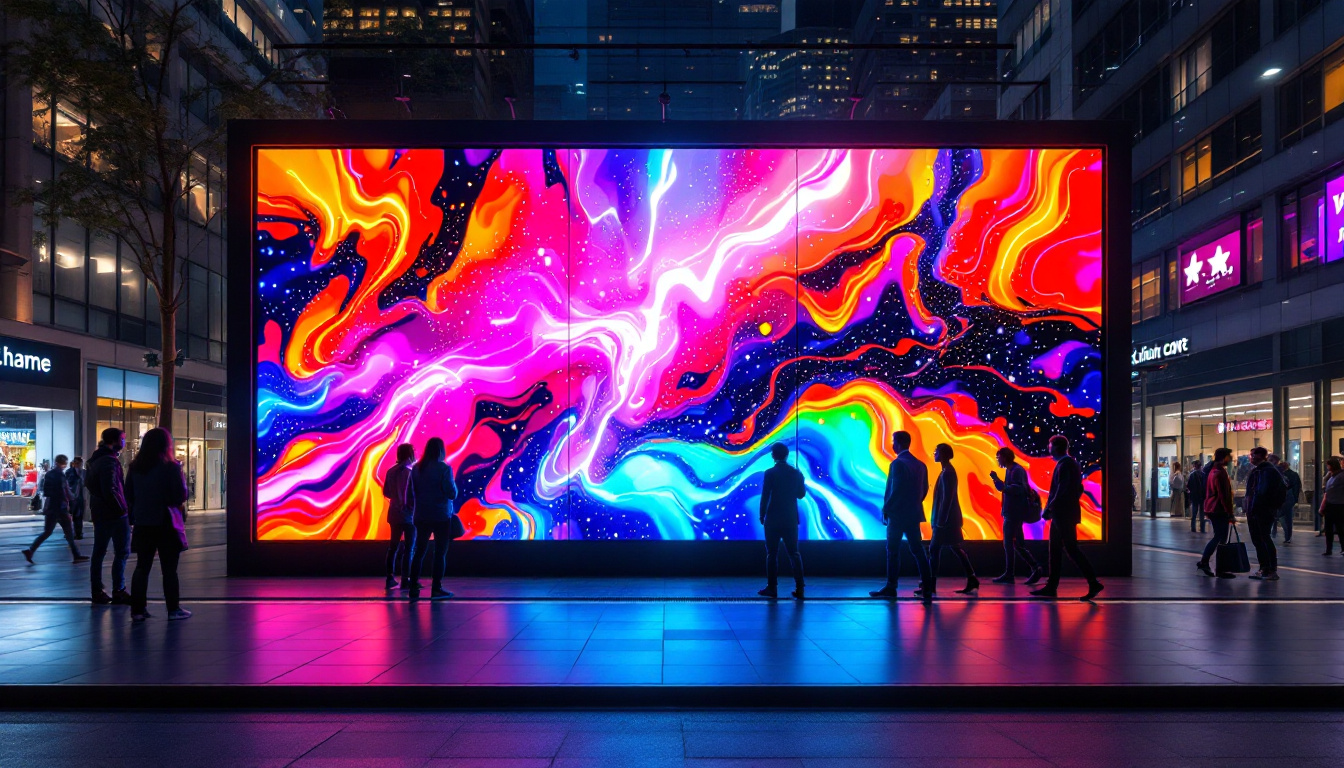
There are two main types of LED displays: direct-view LED and LED-backlit LCD. Direct-view LED displays use individual LEDs as pixels, making them ideal for large-scale applications such as digital billboards and video walls. LED-backlit LCDs, on the other hand, use LEDs to illuminate an LCD panel, which is common in consumer electronics like TVs and monitors.
Key Specifications of LED Displays
Understanding LED display specifications helps users evaluate performance and suitability for different applications. Below are the most important specs to consider.
Resolution and Pixel Pitch
Resolution refers to the total number of pixels displayed on the screen, typically expressed as width × height (e.g., 1920×1080). Higher resolution means more pixels, resulting in sharper and more detailed images. However, resolution alone doesn’t tell the full story for LED displays.
Pixel pitch is a critical spec unique to LED displays. It is the distance between the centers of two adjacent pixels, usually measured in millimeters. Smaller pixel pitch means pixels are closer together, producing finer image detail and better clarity, especially at close viewing distances. For example, an LED display with a 1.5 mm pixel pitch is suitable for indoor environments where viewers are close, while a 10 mm pixel pitch display is more appropriate for outdoor billboards viewed from far away.
Brightness and Contrast Ratio
Brightness, measured in nits (cd/m²), indicates how much light the display emits. LED displays are known for their high brightness levels, often ranging from 600 nits for indoor screens to over 5,000 nits for outdoor displays. High brightness is essential for visibility in bright ambient conditions, such as direct sunlight.
Contrast ratio is the difference between the brightest white and the darkest black a display can produce. LED displays typically offer excellent contrast ratios because LEDs can be turned off completely to produce true blacks, especially in direct-view LED screens. High contrast enhances image depth and color vibrancy, improving overall picture quality.
Color Accuracy and Gamut
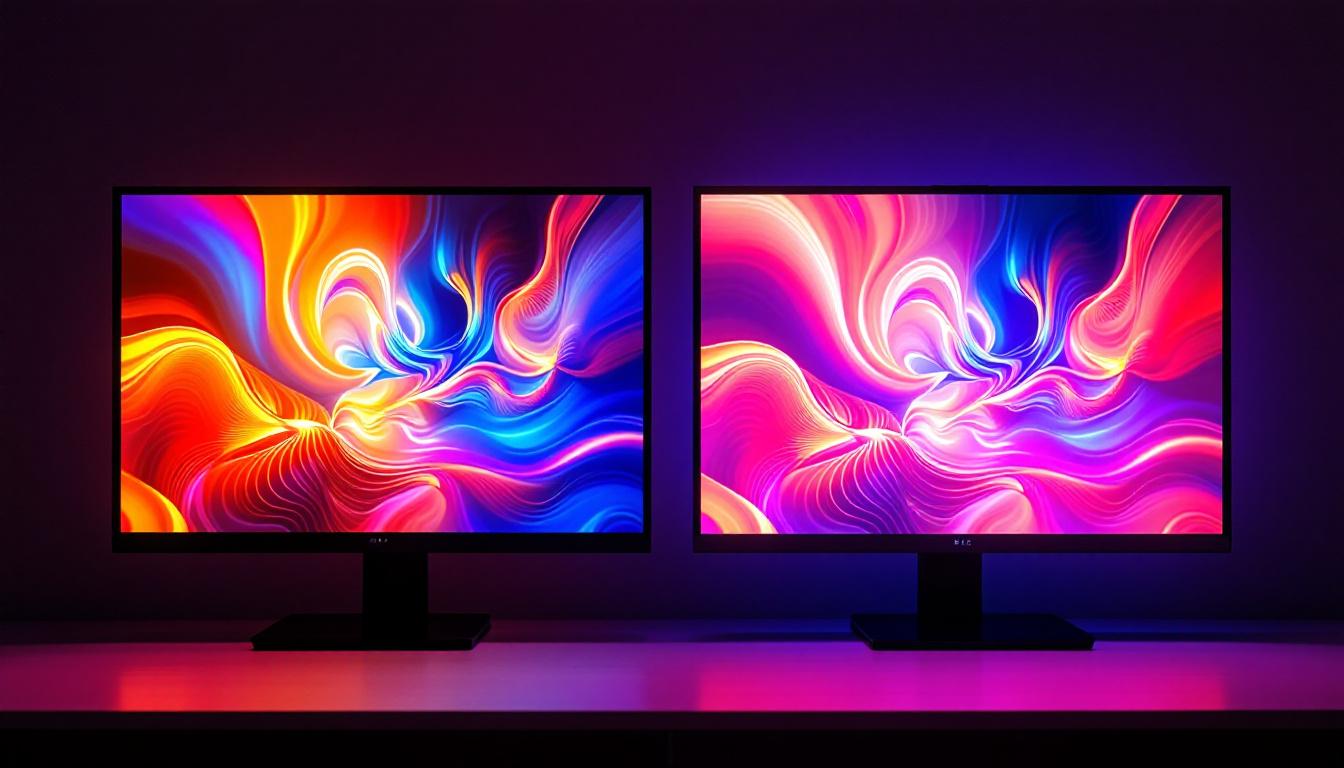
Color accuracy refers to how faithfully a display reproduces colors compared to the original source. This is particularly important in professional settings like digital signage, broadcasting, and content creation. LED displays often support a wide color gamut, which means they can display a broader range of colors than standard displays.
Many modern LED displays cover 90% or more of the DCI-P3 color space, a standard used in digital cinema. Some high-end models even approach or exceed 100% of the Adobe RGB color space, favored by photographers and graphic artists. Accurate color reproduction ensures that images and videos appear natural and consistent across different devices.
Viewing Angle
The viewing angle describes the maximum angle at which the display can be viewed without significant degradation in image quality, such as color shift or brightness loss. LED displays generally offer wide viewing angles, often exceeding 160 degrees horizontally and vertically. This makes them ideal for public spaces and collaborative environments where multiple viewers observe the screen from different positions.
Refresh Rate and Response Time
Refresh rate, measured in Hertz (Hz), is the number of times the display updates its image per second. Higher refresh rates provide smoother motion and reduce flicker, which is crucial for video playback, gaming, and dynamic content. Most LED displays operate at 60 Hz or higher, with some specialized models reaching 120 Hz or more.
Response time indicates how quickly a pixel can change from one color to another, typically measured in milliseconds (ms). Faster response times reduce motion blur and ghosting effects, enhancing the clarity of fast-moving images.
Durability and Lifespan
LED displays are valued for their long operational life, often rated between 50,000 and 100,000 hours of use before brightness diminishes significantly. This longevity makes them cost-effective for commercial and industrial applications.
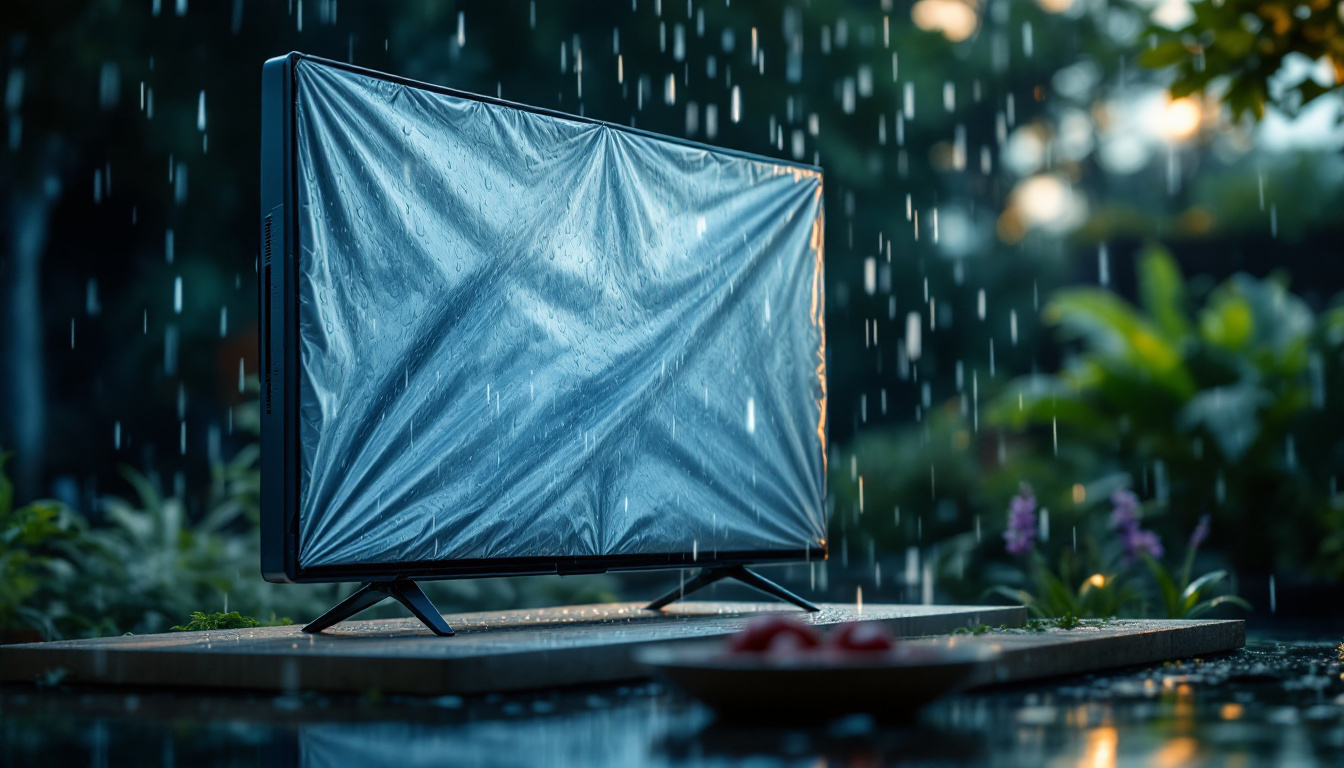
Durability is also a key factor, especially for outdoor LED displays that must withstand harsh weather conditions, including rain, dust, extreme temperatures, and UV exposure. Many outdoor LED panels come with IP65 or higher ratings, indicating strong resistance to water and dust ingress.
Types of LED Displays and Their Specifications
LED display technology varies widely depending on the intended use case. Below are common types and how their specs differ.
Indoor LED Displays
Indoor LED displays are designed for environments like conference rooms, retail stores, museums, and control centers. They typically feature small pixel pitches ranging from 0.9 mm to 4 mm, allowing for close viewing distances without visible pixelation.
Brightness levels for indoor displays usually range between 600 and 1,200 nits, sufficient for well-lit interiors but not overpowering. These displays emphasize color accuracy and high resolution to deliver crisp, vibrant images.
Outdoor LED Displays
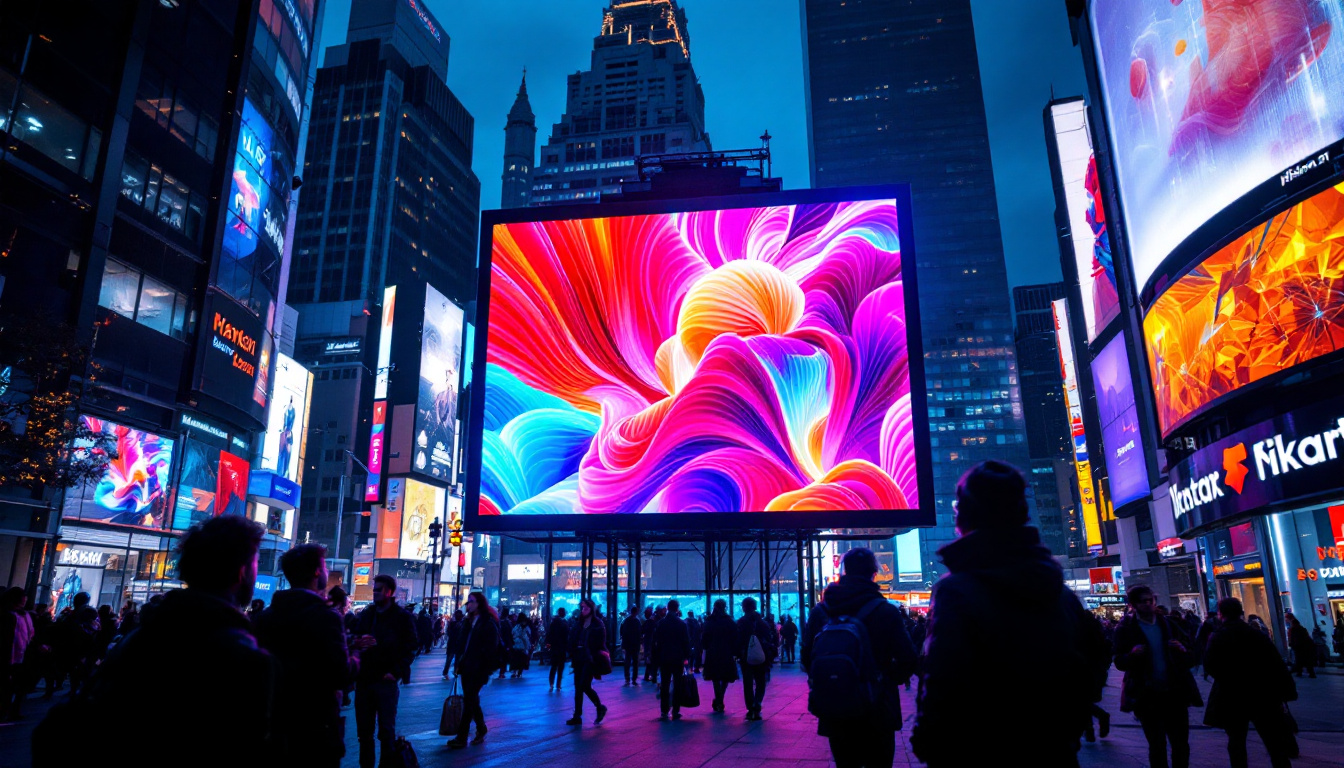
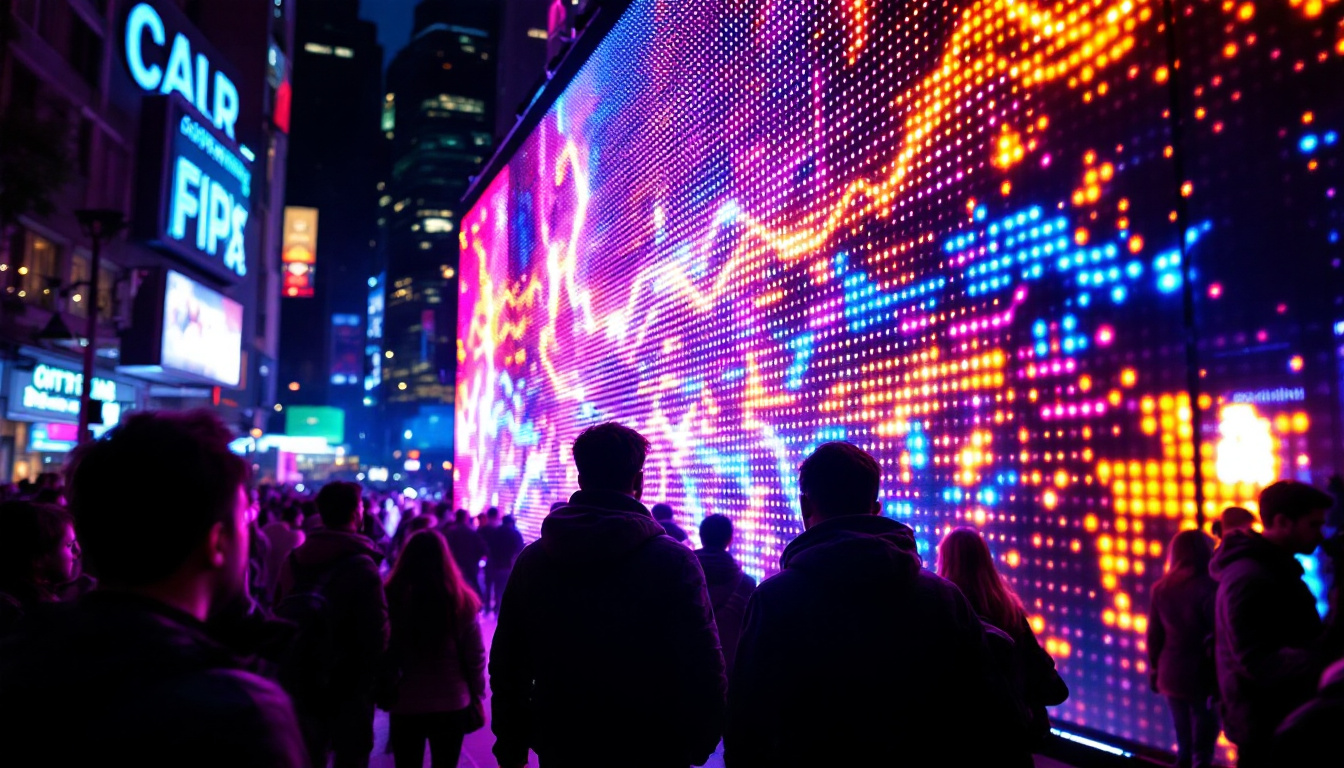
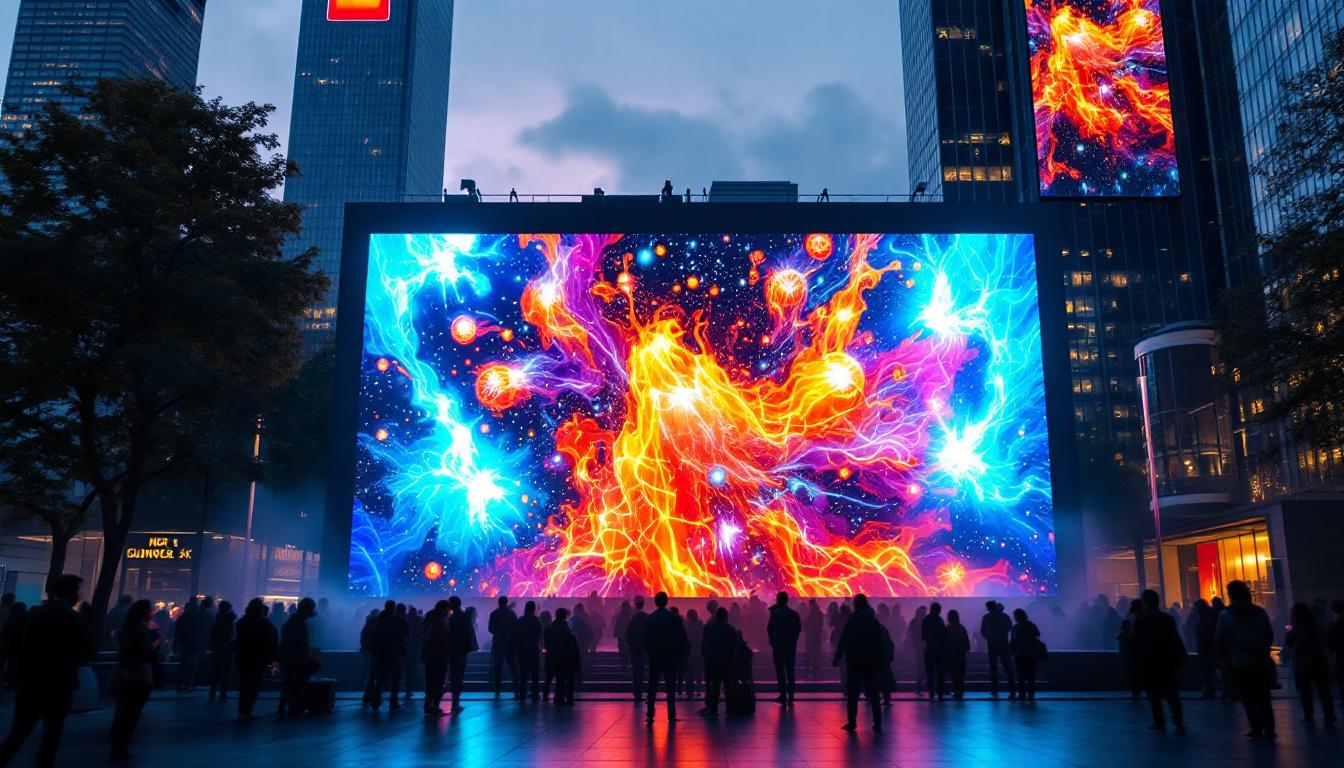
Outdoor LED displays are built to be visible in bright sunlight and withstand environmental challenges. They feature larger pixel pitches, often between 6 mm and 20 mm, since viewers tend to be farther away.
Brightness is a standout feature, with many outdoor displays exceeding 5,000 nits to maintain visibility even under direct sunlight. Additionally, these displays have robust enclosures with weatherproof ratings and temperature management systems to ensure reliability.
Flexible and Transparent LED Displays
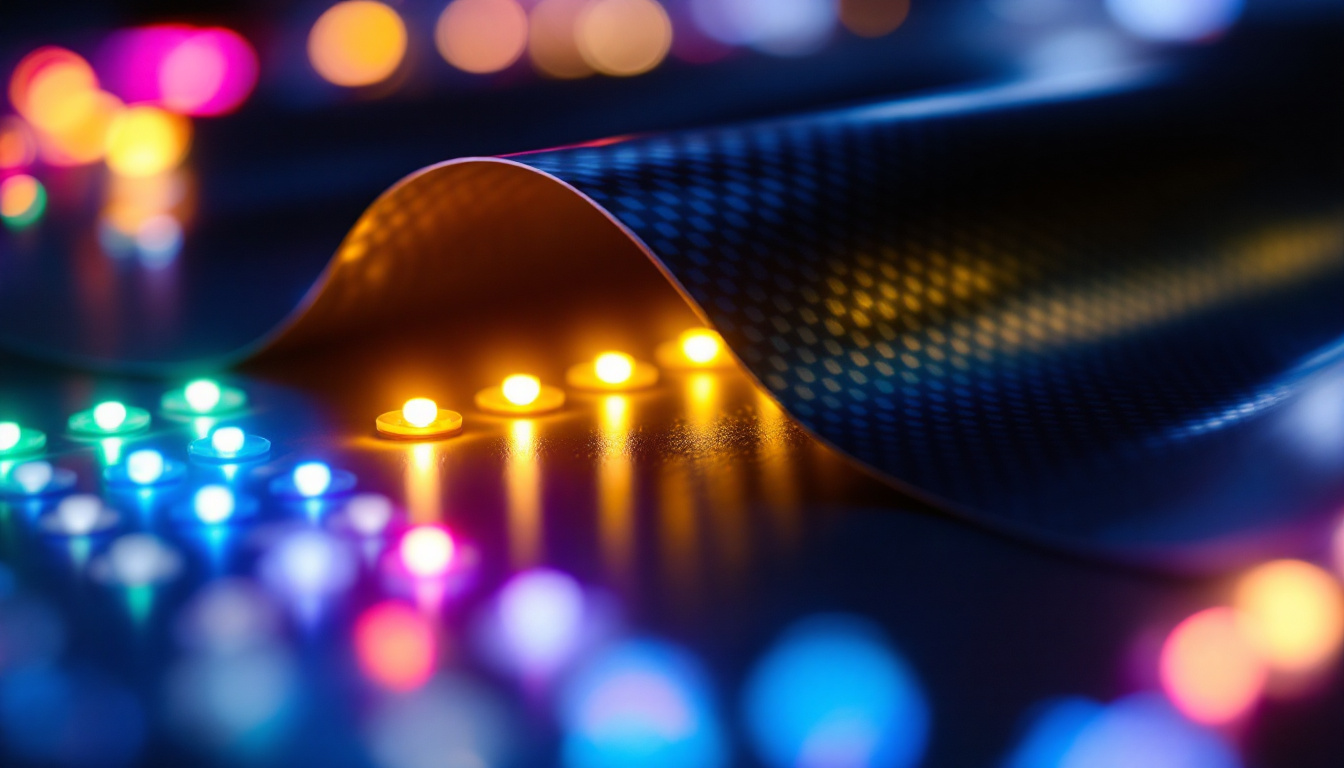
Innovations in LED technology have led to flexible and transparent LED displays, opening new possibilities in design and architecture. Flexible LED panels can curve or bend, making them suitable for creative installations on curved surfaces or wearable tech.
Transparent LED displays allow light to pass through, enabling them to be installed on glass surfaces like storefront windows without blocking the view. These displays typically have lower pixel density and brightness compared to traditional LED screens but offer unique aesthetic and functional advantages.
How to Choose the Right LED Display Based on Specs
Choosing the right LED display depends heavily on the application, environment, and budget. Here are some practical considerations when evaluating LED specs.
Assess Viewing Distance and Pixel Pitch
The closer the audience is to the display, the smaller the pixel pitch should be to avoid visible pixelation. For example, a retail store looking to install a digital sign viewed from a few feet away would benefit from a pixel pitch under 2 mm. Conversely, a sports stadium scoreboard viewed from hundreds of feet can use a pixel pitch of 10 mm or more.
Consider Ambient Lighting and Brightness Needs
Outdoor displays require high brightness ratings to combat sunlight glare, while indoor displays can operate at lower brightness levels to reduce eye strain and save energy. It’s important to match the display’s brightness to the environment to ensure optimal visibility without unnecessary power consumption.
Evaluate Color Requirements
For applications where color fidelity is critical—such as art galleries, broadcast studios, or advertising—select LED displays with wide color gamuts and high color accuracy. For general information displays, this may be less crucial.
Factor in Durability and Maintenance
Outdoor and high-usage displays should have robust build quality and easy maintenance options. Modular LED panels that allow for quick replacement of individual sections can minimize downtime and repair costs.
Future Trends in LED Display Technology
LED display technology continues to evolve rapidly, driven by advances in materials science, manufacturing, and digital processing.
Mini-LED and Micro-LED Innovations
Mini-LED and Micro-LED technologies represent the next generation of LED displays. Mini-LED uses smaller LEDs to improve backlighting precision in LCDs, enhancing contrast and brightness. Micro-LED, on the other hand, uses microscopic LEDs as individual pixels, promising superior brightness, contrast, and energy efficiency without the burn-in issues associated with OLEDs.
Higher Resolutions and Pixel Densities
As manufacturing techniques improve, LED displays are achieving higher resolutions with smaller pixel pitches, enabling seamless viewing even at very close distances. This trend is particularly significant for augmented reality (AR) and virtual reality (VR) applications, where display quality directly impacts user immersion.
Smart and Interactive LED Displays
Integration of touch sensors, AI-driven content management, and IoT connectivity is making LED displays smarter and more interactive. These capabilities allow for personalized advertising, real-time data visualization, and enhanced user engagement.
Conclusion
LED displays have transformed the way information and entertainment are presented across countless industries. Understanding the key specifications such as resolution, pixel pitch, brightness, color accuracy, and durability is essential for selecting the right display for any application. Whether for a high-definition indoor video wall or a massive outdoor billboard, the right LED display can deliver stunning visuals, reliable performance, and long-term value.
With ongoing innovations like Micro-LED and smart display technologies, the future of LED displays promises even greater clarity, efficiency, and interactivity. Staying informed about these specs and trends empowers consumers and professionals alike to make choices that maximize both impact and investment.
Explore Cutting-Edge LED Display Solutions with LumenMatrix
Ready to elevate your visual experience with the latest in LED display technology? Look no further than LumenMatrix, a pioneer in crafting dynamic and innovative LED display modules tailored for a variety of applications. From the immersive Indoor LED Wall Display to the robust Outdoor LED Wall Display, and from the versatile Vehicle LED Display to the sleek LED Poster Display, LumenMatrix offers a comprehensive range of solutions designed to captivate and engage your audience. Embrace the future of visual communication with our LED Sports Display, Floor LED Display, Custom LED Display, All-in-One LED Display, and LED Transparent Display. Discover how LumenMatrix can transform your brand visibility and create unforgettable visual narratives. Check out LumenMatrix LED Display Solutions today and join the revolution in digital signage and display innovation.