Largest TV Screen Available: LED Display Explained
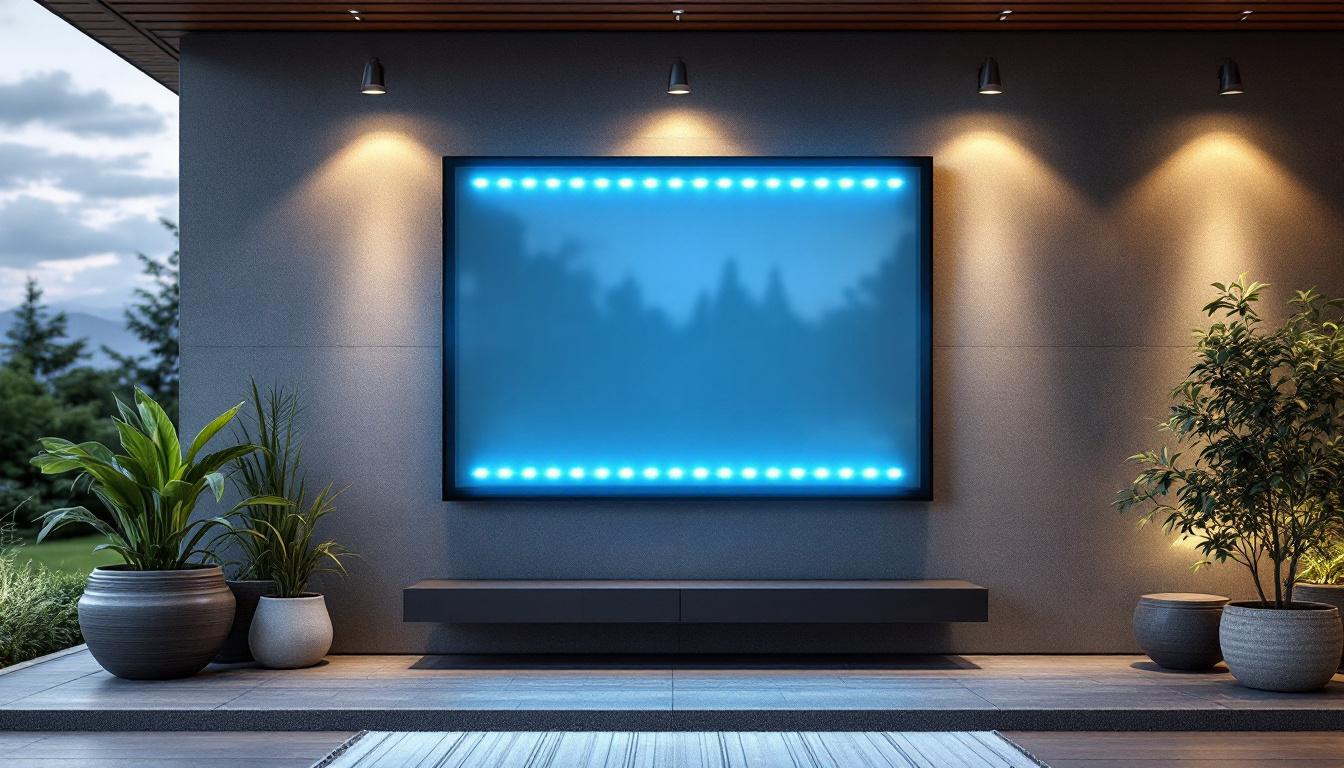
In the ever-evolving world of television technology, the quest for bigger and better screens continues unabated. Consumers and businesses alike seek immersive viewing experiences that only large-format displays can provide. Among the various display technologies, LED displays have emerged as a dominant force, offering unparalleled size, brightness, and image quality. This article delves into the largest TV screens available today, focusing on LED display technology, its advantages, and what sets it apart from other options.
Understanding LED Display Technology
LED, or Light Emitting Diode, displays are a type of flat-panel display that utilize tiny light-emitting diodes to produce images. Unlike traditional LCD screens that rely on backlighting, LED displays use individual diodes that emit light directly. This fundamental difference enables LED screens to deliver superior brightness, contrast, and color accuracy.
There are two primary types of LED displays used in large screens: direct-view LED and LED-backlit LCD. Direct-view LED displays consist of millions of tiny LEDs arranged in a matrix, each acting as a pixel that can be individually controlled. This allows for incredibly vibrant images and deep blacks. LED-backlit LCDs, on the other hand, use LEDs as a backlight source behind an LCD panel, improving brightness and energy efficiency but lacking the pixel-level control of direct-view LEDs.
How LED Displays Scale to Large Sizes
One of the reasons LED technology is favored for the largest TV screens is its modular design. Large LED displays are typically constructed from smaller panels or tiles that fit together seamlessly. This modularity allows manufacturers to create screens of virtually any size, from a few feet to hundreds of feet diagonally.
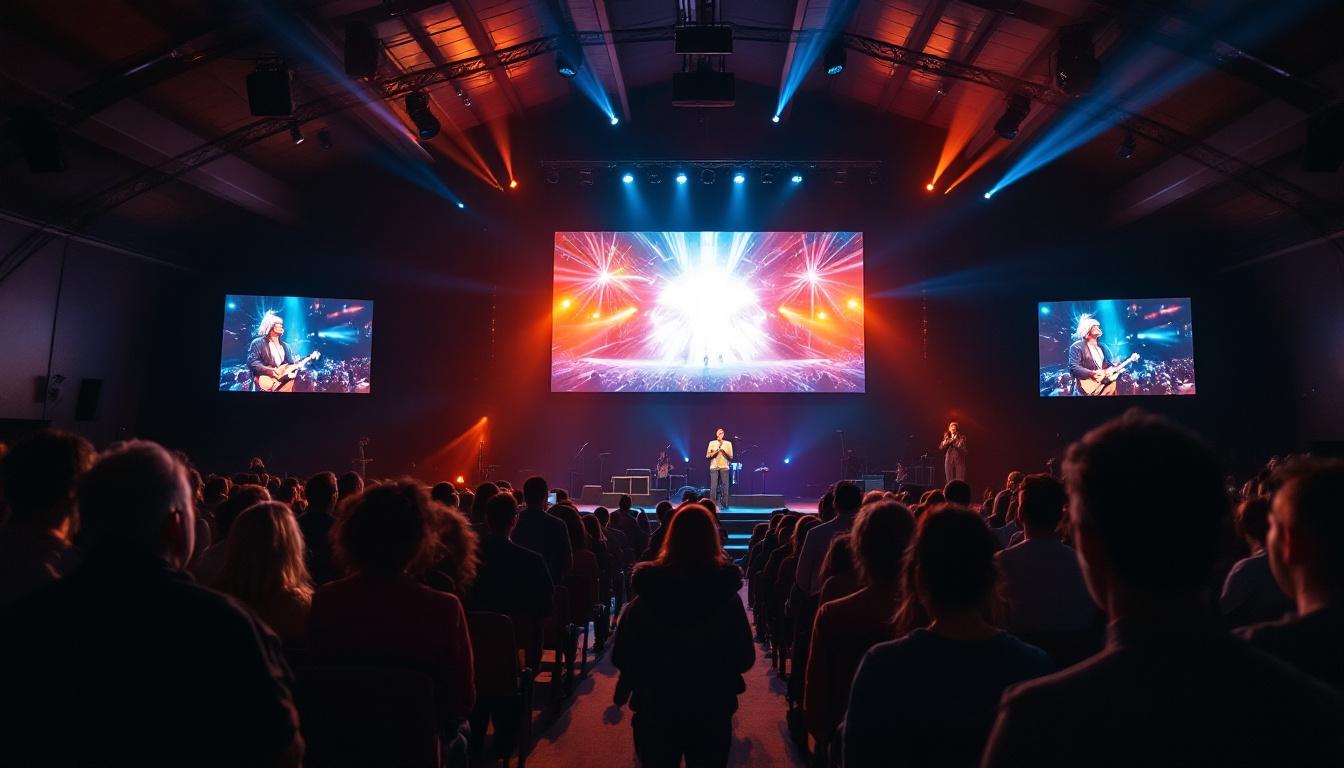
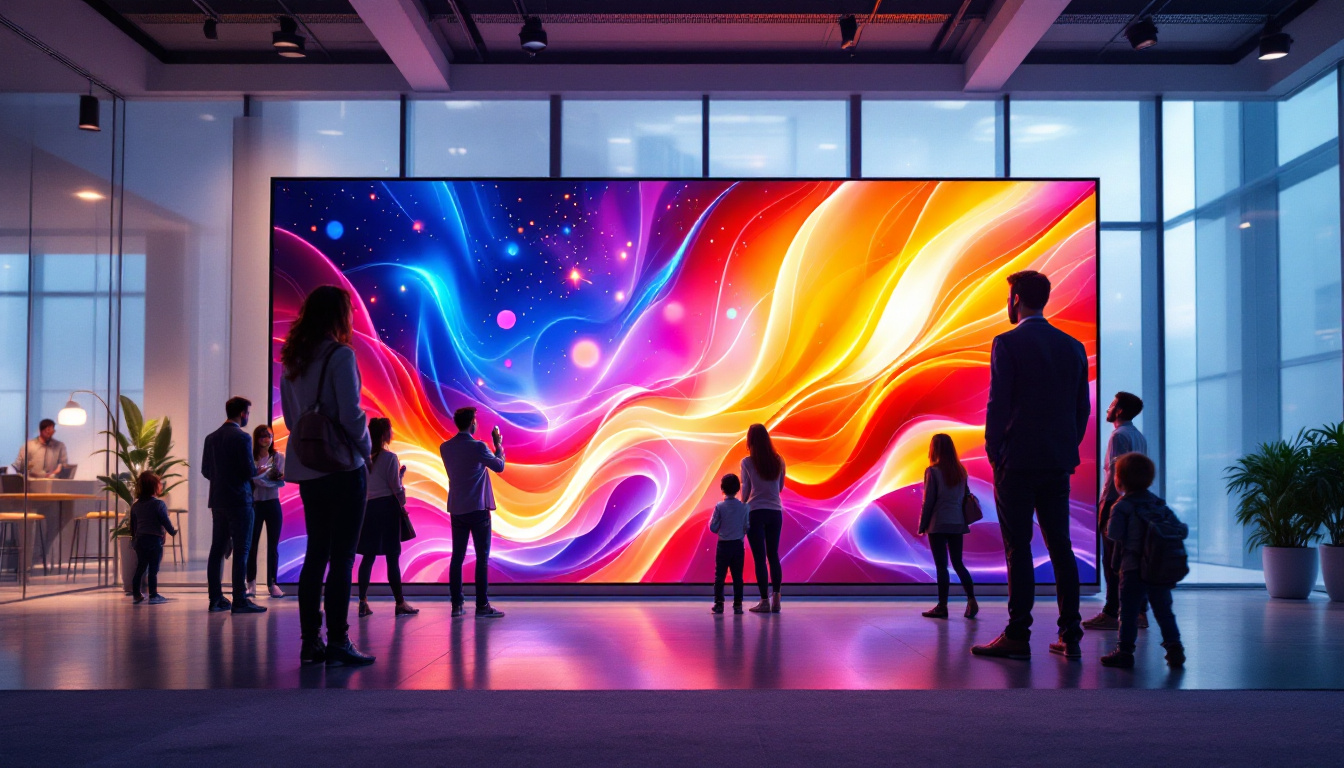
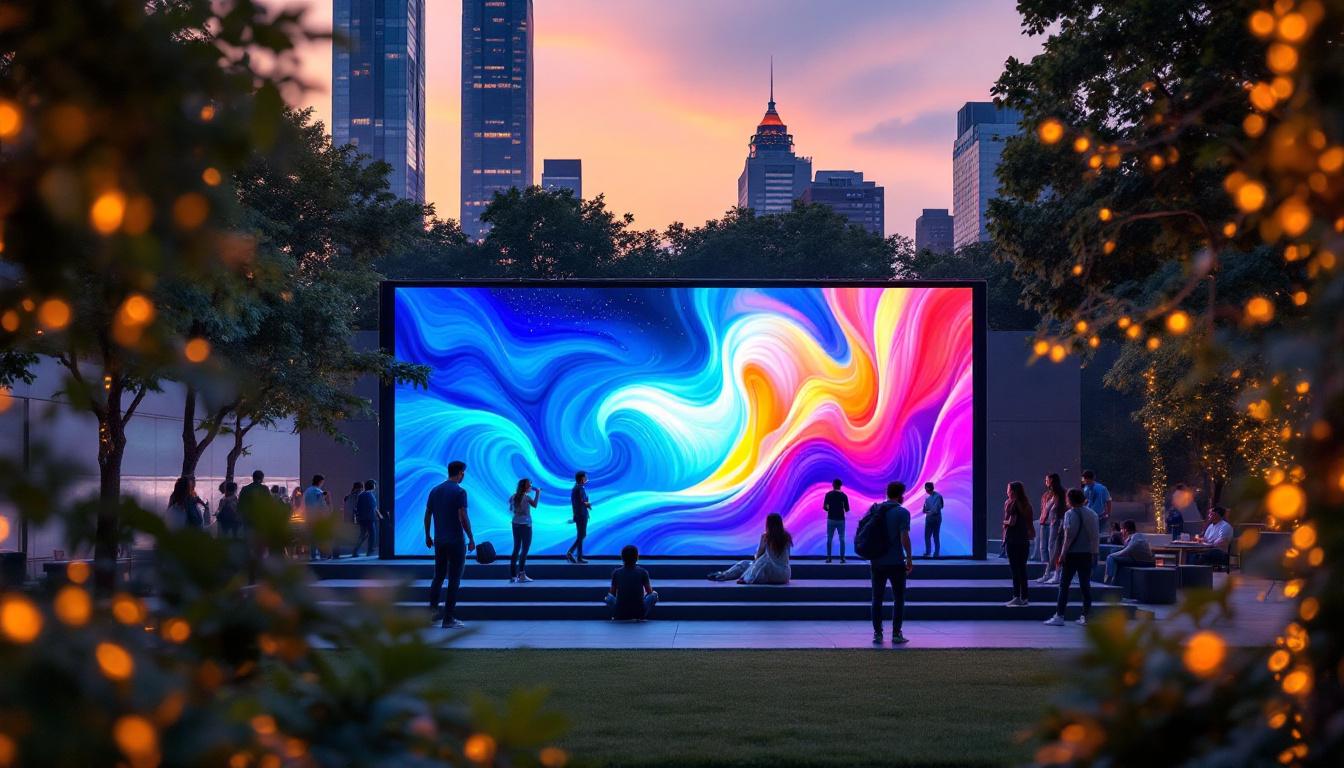
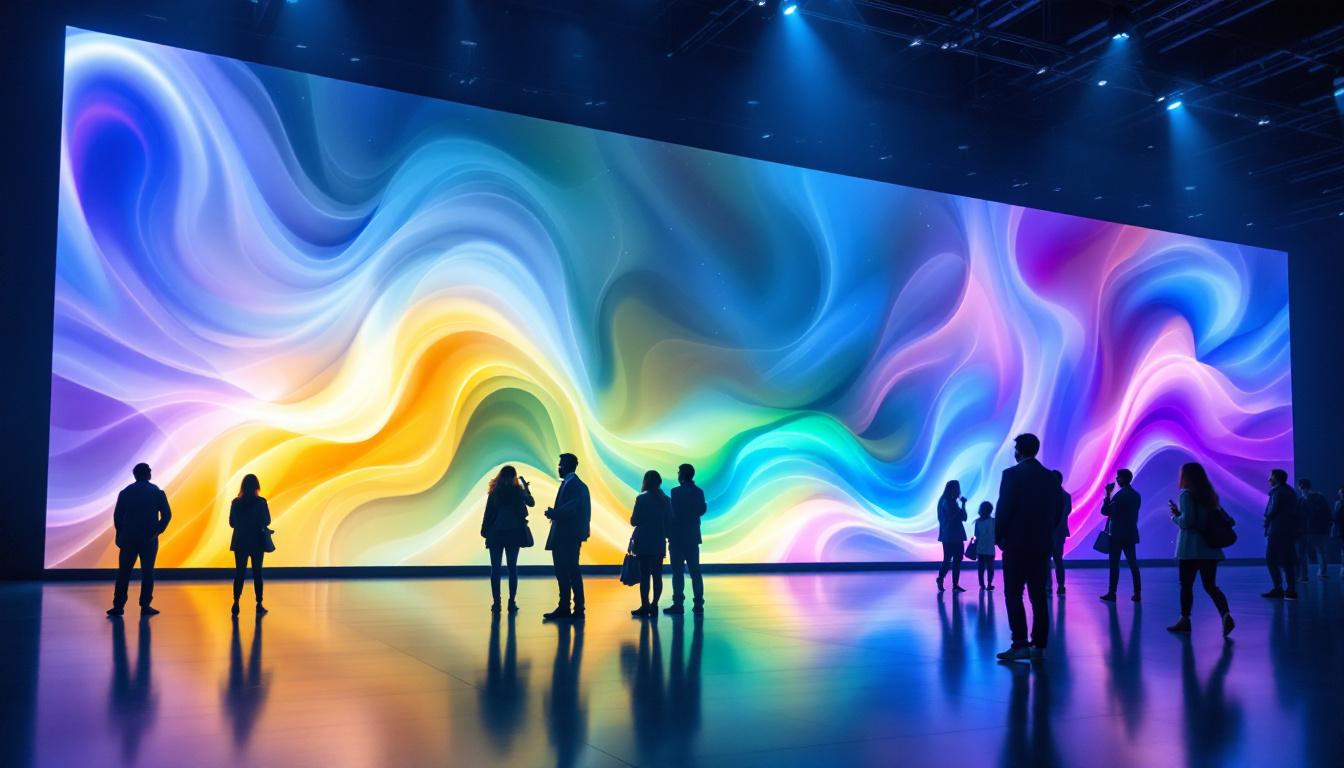
For instance, massive LED video walls in stadiums or concert venues can span over 100 feet wide, delivering clear visuals to tens of thousands of spectators. In the consumer market, ultra-large LED TVs exceeding 100 inches are becoming more accessible, though they remain premium products. The advancements in technology have also led to improvements in resolution, with many large LED displays now offering 4K and even 8K options, providing an incredibly detailed viewing experience that enhances everything from sports events to cinematic films.
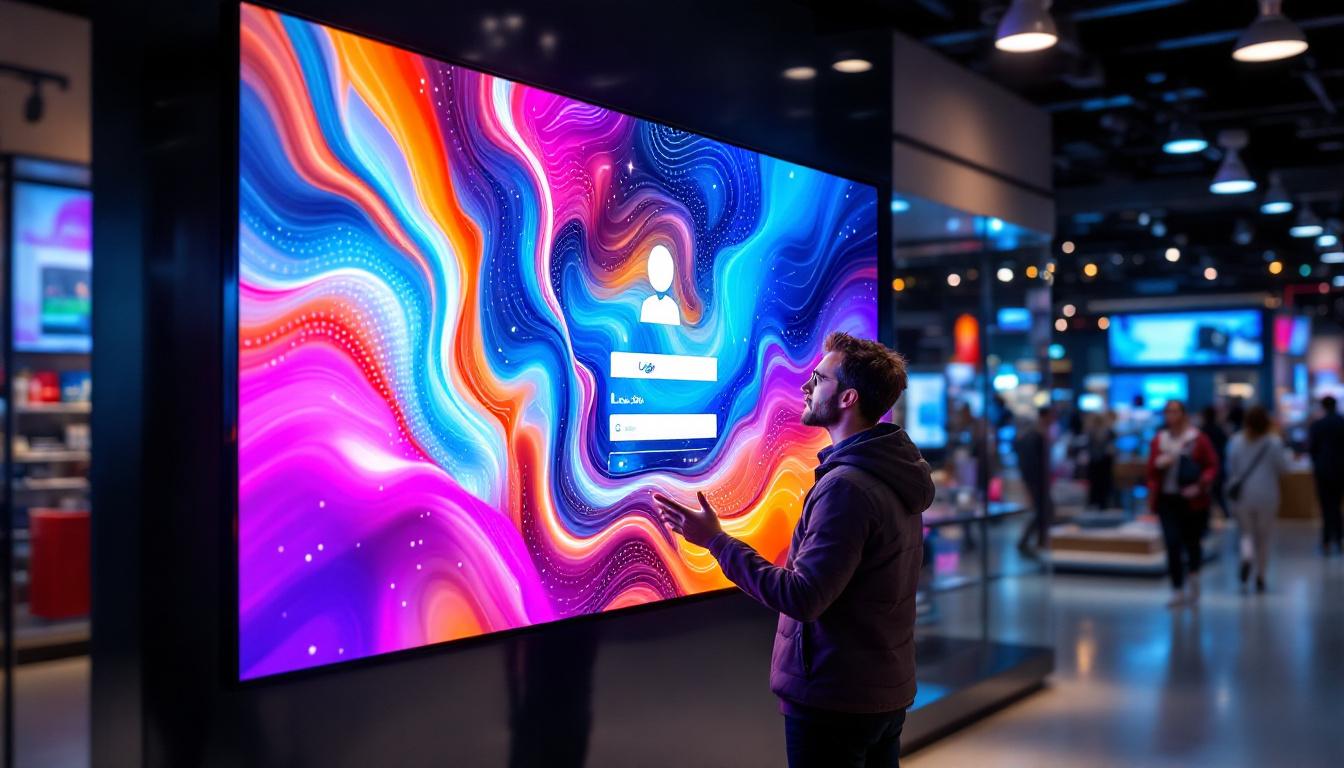
Moreover, the versatility of LED displays extends beyond just size and resolution. They are increasingly being integrated with smart technology, allowing for interactive features and connectivity with other devices. This integration enables users to stream content directly, control settings via mobile applications, and even participate in immersive experiences through augmented reality. As a result, LED displays are not only transforming how we consume media but also how we interact with it, making them a cornerstone of modern visual technology.
The Largest LED TV Screens on the Market Today
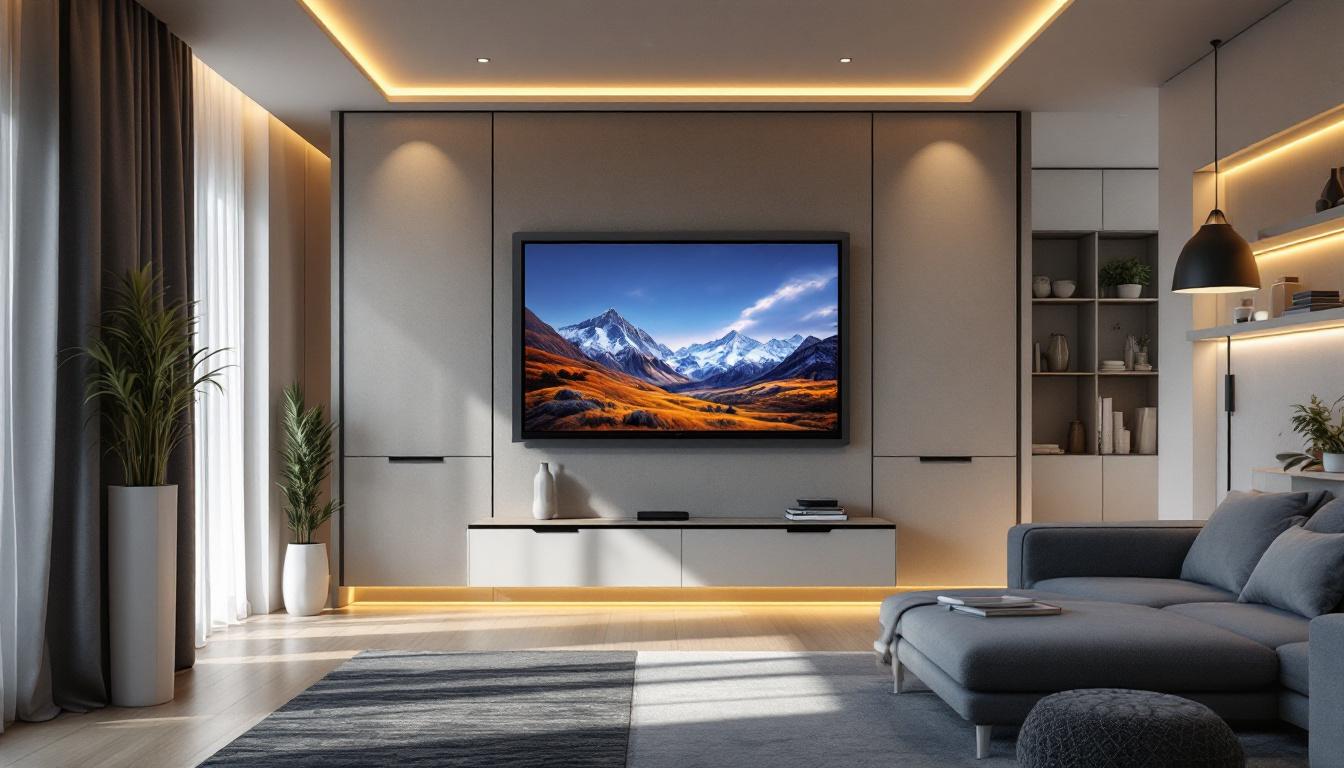
When discussing the largest TVs available, it’s important to differentiate between consumer models and commercial-grade LED displays. Consumer LED TVs typically max out around 100 to 120 inches, while commercial LED displays can be much larger.
Consumer LED TVs: Pushing the Boundaries
Leading manufacturers such as Samsung, LG, and Sony have introduced LED TVs that push the boundaries of size and resolution. Samsung’s “The Wall” series, for example, is a modular microLED display that can be customized to sizes exceeding 292 inches diagonally. MicroLED technology is a subset of LED displays that offers even better contrast and brightness by using microscopic LEDs as individual pixels.
LG has also entered the large-screen market with its OLED and LED hybrid models, offering sizes up to 97 inches. While OLED technology is renowned for its perfect blacks and color accuracy, it’s currently limited in maximum size compared to LED displays. Furthermore, Sony has made strides with its Crystal LED technology, which combines high dynamic range (HDR) with ultra-fine pixel pitch, allowing for stunning visuals that captivate viewers. This technology enables seamless integration into various environments, from home theaters to commercial installations, showcasing the versatility of large-screen displays.
Commercial and Event Displays: Beyond Home Entertainment
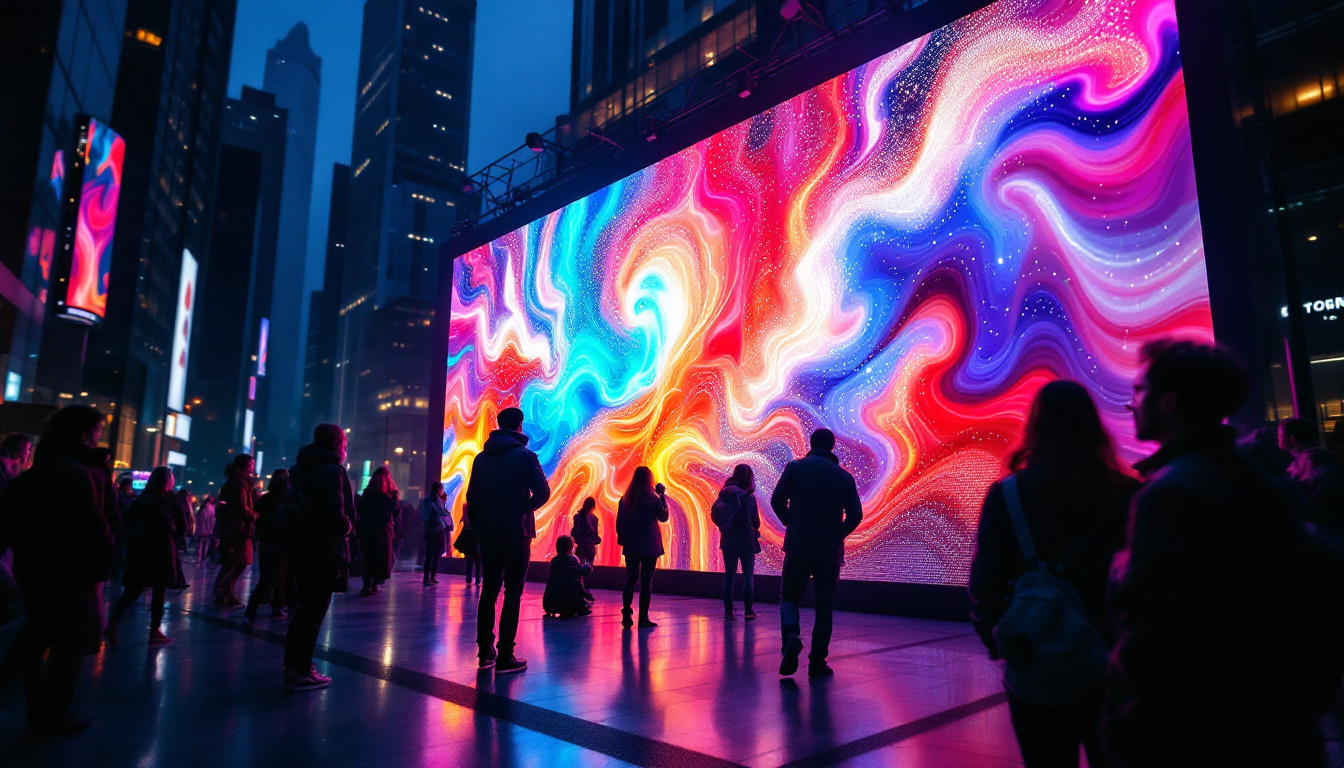
In commercial settings, LED displays reach astonishing sizes. For example, the LED screen at the Fremont Street Experience in Las Vegas measures approximately 1,500 feet long and 90 feet wide, creating a canopy of light and video over the pedestrian mall. Similarly, stadiums and arenas worldwide install LED video walls that span entire end zones or wrap around seating areas, sometimes exceeding 10,000 square feet.
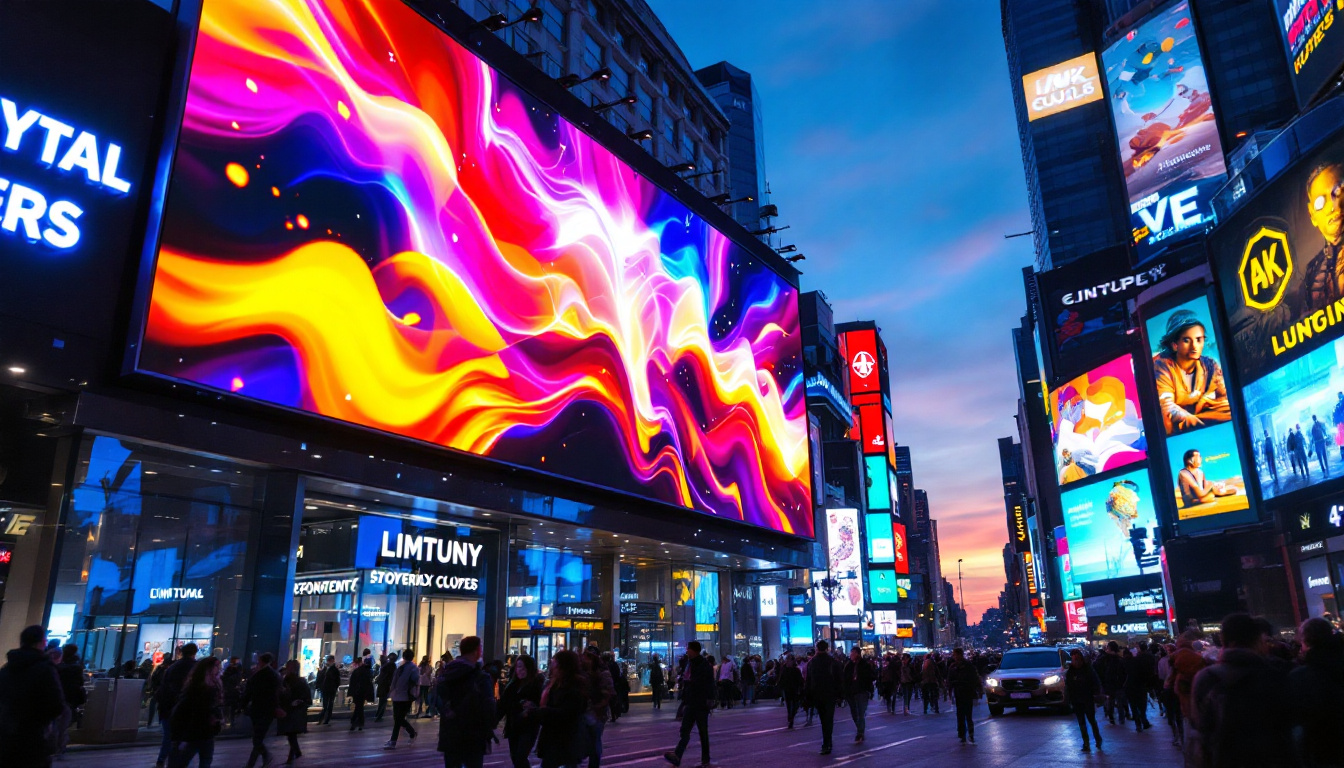
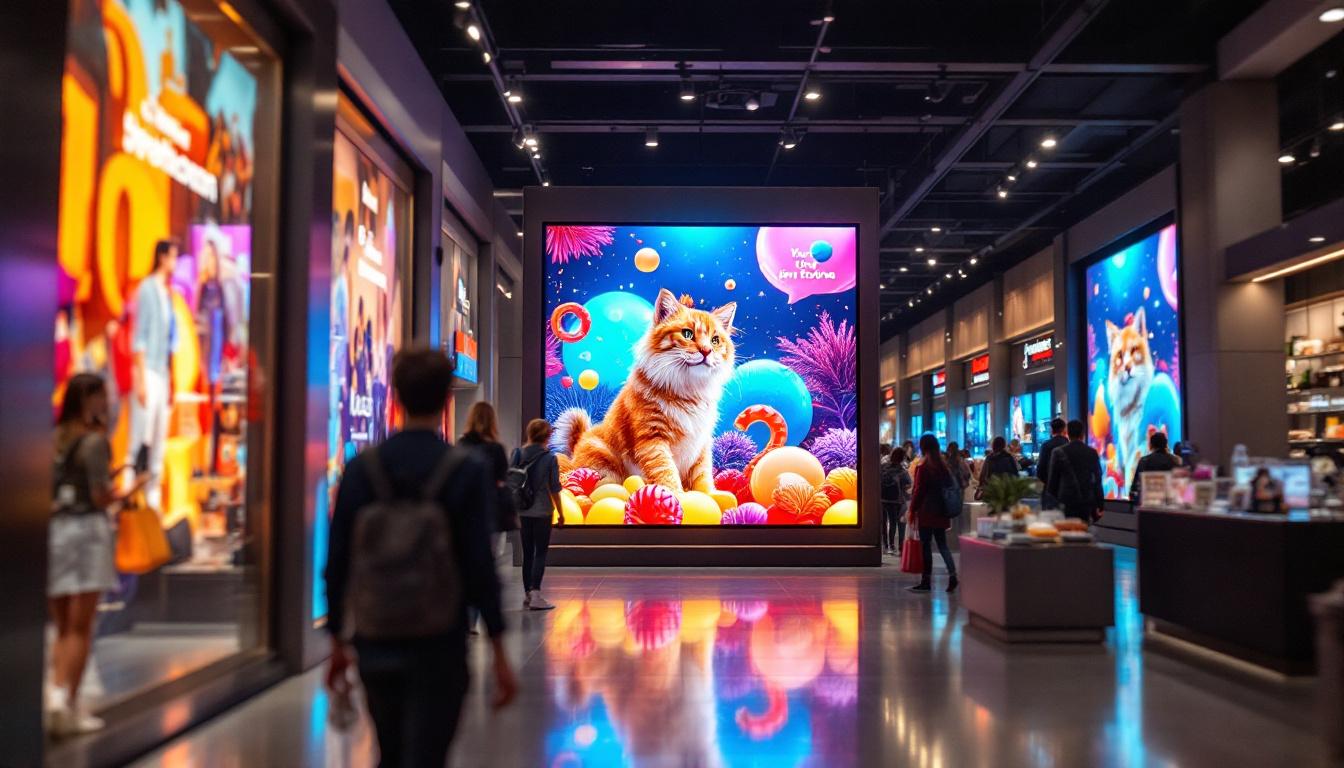
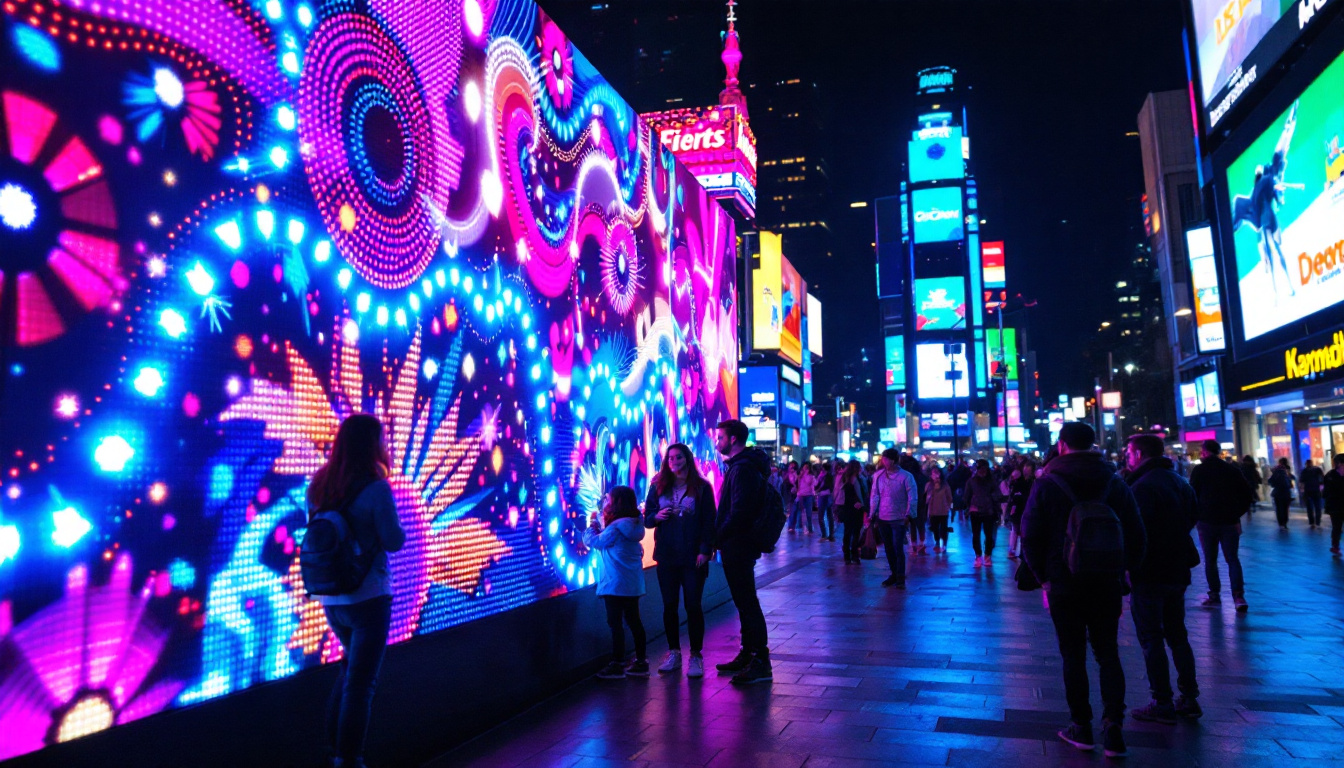
These displays are designed to withstand outdoor conditions and provide high visibility even in direct sunlight, thanks to the inherent brightness of LED technology. Their modular construction allows for easy maintenance and scalability. In addition to sports venues, large-scale LED screens are increasingly used in advertising, entertainment, and public information displays. For instance, Times Square in New York City is famous for its massive digital billboards that create a vibrant atmosphere, attracting millions of visitors each year. The integration of interactive elements, such as touch screens and augmented reality, is also becoming more prevalent, enhancing viewer engagement and creating memorable experiences.
Advantages of LED Displays Over Other Technologies
LED displays offer several advantages that make them the preferred choice for large-format screens, both in consumer and commercial applications.
Brightness and Visibility
One of the standout features of LED displays is their exceptional brightness. Direct-view LEDs can achieve brightness levels upwards of 1,000 nits for indoor displays and over 5,000 nits for outdoor models. This ensures clear visibility in bright environments, including daylight, where traditional LCD or OLED screens might struggle. The high brightness levels also contribute to a wider viewing angle, allowing audiences to enjoy clear images from various positions without significant loss of quality. This is particularly beneficial in crowded venues such as stadiums, concerts, and trade shows, where viewers are often scattered across large areas.
Color Accuracy and Contrast
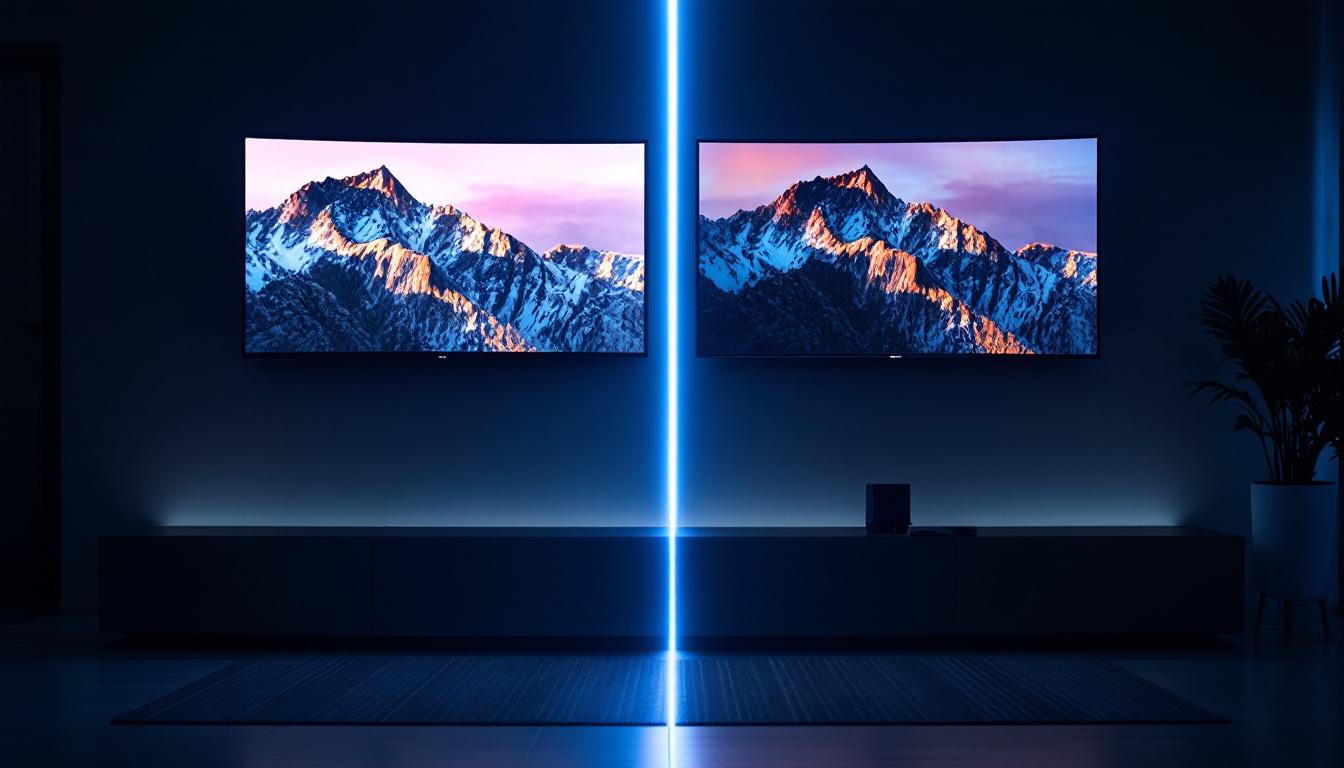
Because each LED pixel emits its own light, LED displays can produce deep blacks by turning off individual pixels, resulting in high contrast ratios. This capability rivals or even surpasses OLED technology in large-scale applications. Additionally, LED displays cover a wide color gamut, delivering vivid and lifelike images. The ability to adjust color temperature and brightness dynamically allows for a more tailored viewing experience, making LED displays ideal for diverse content, from high-energy advertisements to serene nature scenes. This adaptability ensures that the visual output remains engaging and impactful, regardless of the context.
Durability and Longevity
LEDs are solid-state devices with long lifespans, often exceeding 100,000 hours of operation. They are less susceptible to burn-in compared to OLEDs and can endure a range of environmental conditions, making them ideal for outdoor and high-usage scenarios. Moreover, the robust construction of LED displays means they can withstand vibrations, temperature fluctuations, and even moisture, making them suitable for a variety of settings, from bustling urban environments to remote outdoor locations. This durability not only reduces maintenance costs but also enhances the overall return on investment for businesses utilizing these displays.
Scalability and Customization
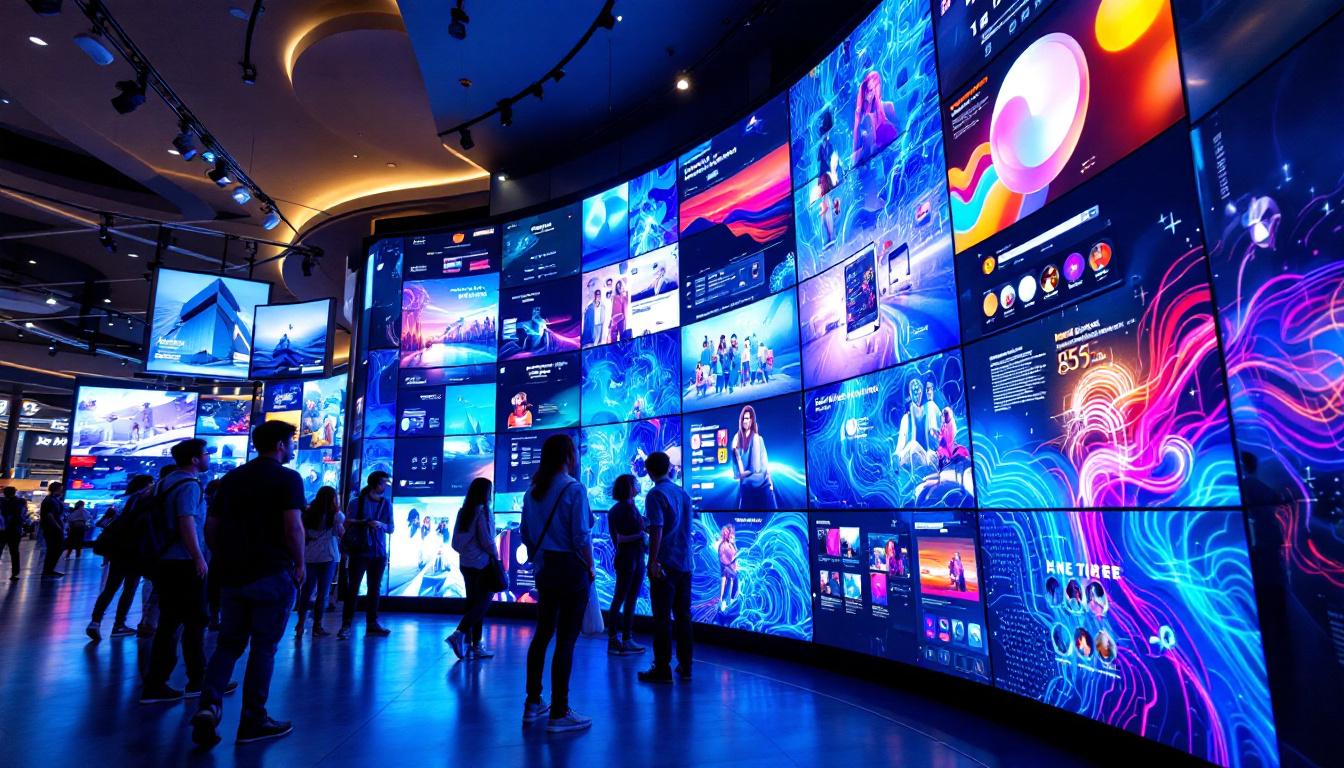
The modular nature of LED displays means they can be tailored to fit unique spaces and design requirements. Whether it’s a curved video wall in a corporate lobby or an enormous outdoor billboard, LED technology offers flexibility unmatched by other display types. This scalability allows for creative installations that can transform any environment, from immersive experiences in museums to dynamic advertising in busy city centers. Additionally, advancements in pixel pitch technology enable the creation of ultra-high-definition displays, ensuring that even at close viewing distances, the image quality remains sharp and detailed. As a result, businesses can create captivating visual experiences that resonate with their audiences and enhance brand visibility.
Considerations When Choosing the Largest LED TV Screen
While the allure of giant LED screens is undeniable, several factors should be considered before investing in one.
Viewing Distance and Room Size
Screen size should correspond to the viewing distance to maintain optimal image quality and comfort. For example, a 100-inch TV is best viewed from about 10 to 15 feet away. Oversized screens in small rooms can cause eye strain and reduce the immersive experience.
Resolution and Content Availability
Large screens demand high-resolution content to avoid pixelation. 4K resolution has become standard for large TVs, with 8K models emerging to future-proof displays. However, 8K content remains limited, so consumers should weigh the benefits carefully.
Installation and Space Requirements
Massive LED displays require professional installation, especially modular commercial units. Adequate wall support, ventilation, and power supply must be considered. Additionally, the cost of installation and maintenance can be significant.
Price Considerations
Large LED TVs, particularly those exceeding 100 inches or employing microLED technology, come with premium price tags. Commercial LED walls can cost hundreds of thousands of dollars, depending on size and specifications. Budgeting accordingly is essential.
The Future of Large LED Displays
Advancements in LED technology continue to push the envelope for screen size, resolution, and image quality. MicroLED displays, which combine the best attributes of OLED and LED, are poised to revolutionize the market with their superior brightness, contrast, and energy efficiency.
Moreover, flexible and transparent LED displays are emerging, enabling new applications in architecture, retail, and entertainment. These innovations will likely make large LED screens more accessible and versatile in the coming years.
As the demand for immersive visual experiences grows, LED display technology remains at the forefront, delivering some of the largest and most impressive screens available today.
Conclusion
The largest TV screens available today owe much of their success to LED display technology. Whether for home theaters, commercial venues, or public events, LED displays offer unmatched brightness, scalability, and image quality. While consumer models continue to grow in size and sophistication, commercial LED walls demonstrate the technology’s ability to create breathtaking visual experiences on a monumental scale.
Understanding the capabilities and considerations of LED displays is crucial for anyone looking to invest in large-format screens. With ongoing innovations and expanding applications, the future of large LED TVs promises even more impressive and immersive viewing experiences.
Discover the Future of Large-Scale Visuals with LumenMatrix
Ready to elevate your visual experience to monumental proportions? LumenMatrix, a pioneer in LED display technology, offers a comprehensive range of solutions tailored to your needs. From the immersive Indoor LED Wall Display to the dynamic Outdoor LED Wall Display, and from the mobile flexibility of Vehicle LED Displays to the innovative LED Transparent Display, LumenMatrix is your partner in creating unforgettable visual narratives. Don’t just watch the future unfold—be a part of it. Check out LumenMatrix LED Display Solutions today and transform your space with unparalleled brightness, precision, and scalability.