In an era where visual communication is paramount, LED displays have become a cornerstone of modern advertising, entertainment, and architectural design. Their vibrant colors, energy efficiency, and adaptability make them a preferred choice for businesses and consumers alike. This article delves into the world of LED displays, exploring their technology, applications, and the luxurious edge they bring to various industries.
Understanding LED Display Technology
What is an LED Display?
LED, or Light Emitting Diode, displays are screens that use tiny light-emitting diodes as pixels to create images and videos. Unlike traditional LCD or plasma screens, LED displays emit their own light, which results in brighter images and deeper contrasts. This self-illumination is a key factor behind their superior visual performance.
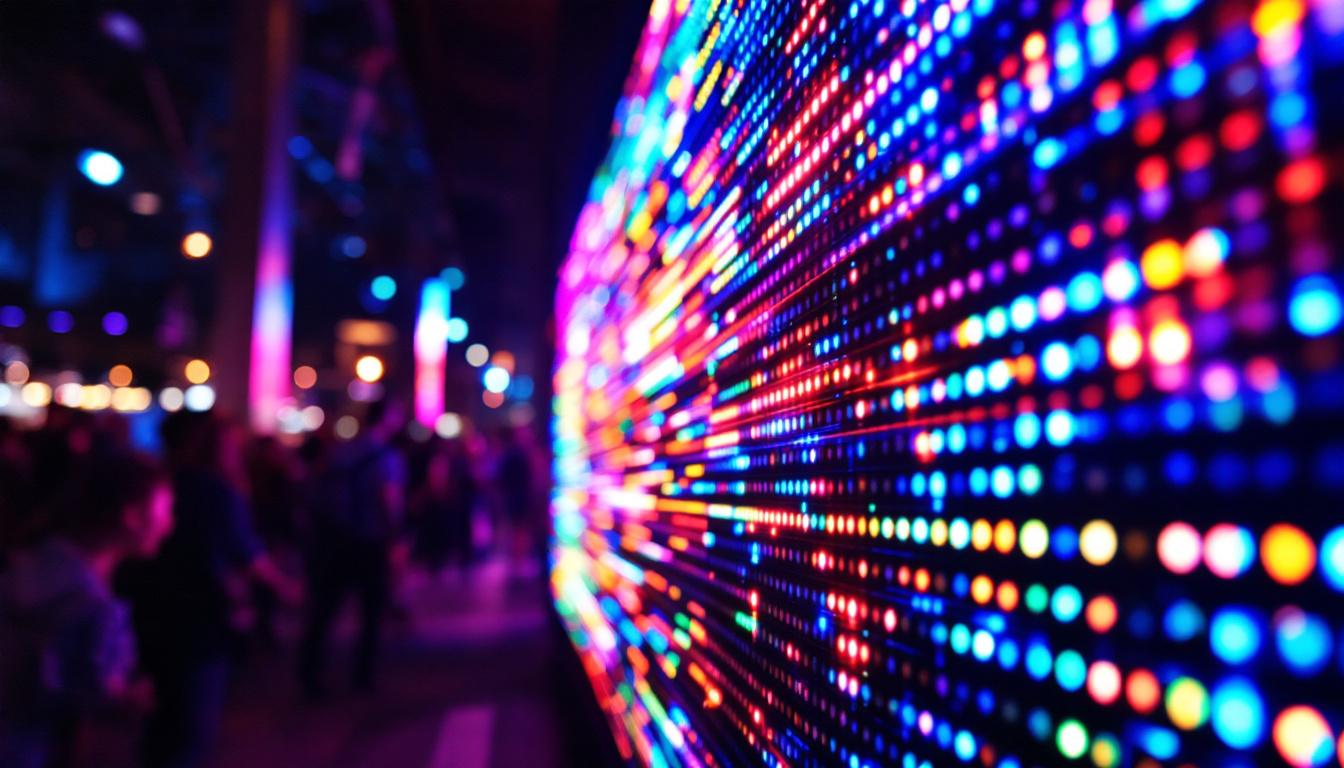
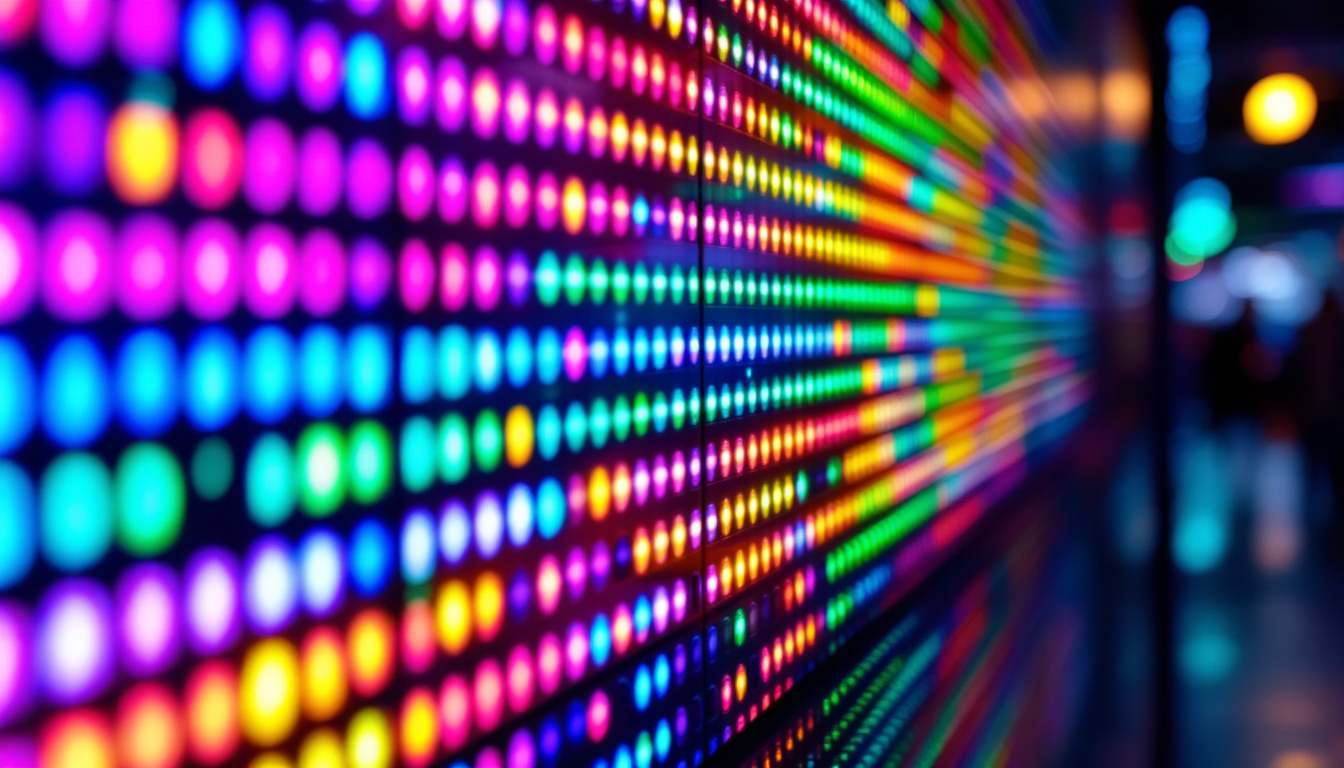
Modern LED displays are composed of thousands to millions of these microscopic LEDs arranged in a matrix. Each LED can be individually controlled to produce a wide spectrum of colors by varying the intensity of red, green, and blue diodes. This capability allows for high-definition visuals with remarkable color accuracy and vibrancy. Furthermore, the advancements in LED technology have led to improvements in energy efficiency, making them a more sustainable choice for both consumers and businesses alike. With lower power consumption compared to traditional display technologies, LED displays not only reduce electricity costs but also contribute to a smaller carbon footprint.
Types of LED Displays
There are several types of LED displays, each suited to different environments and purposes:
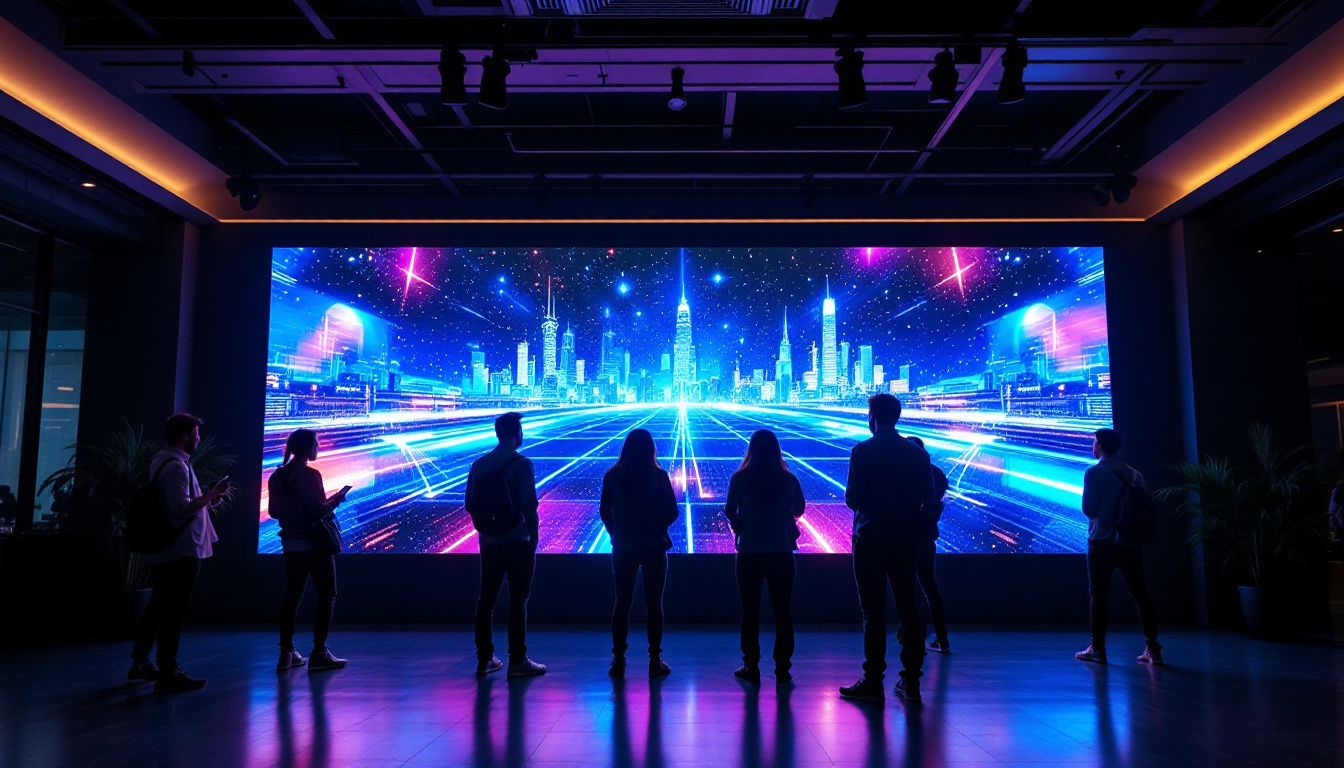
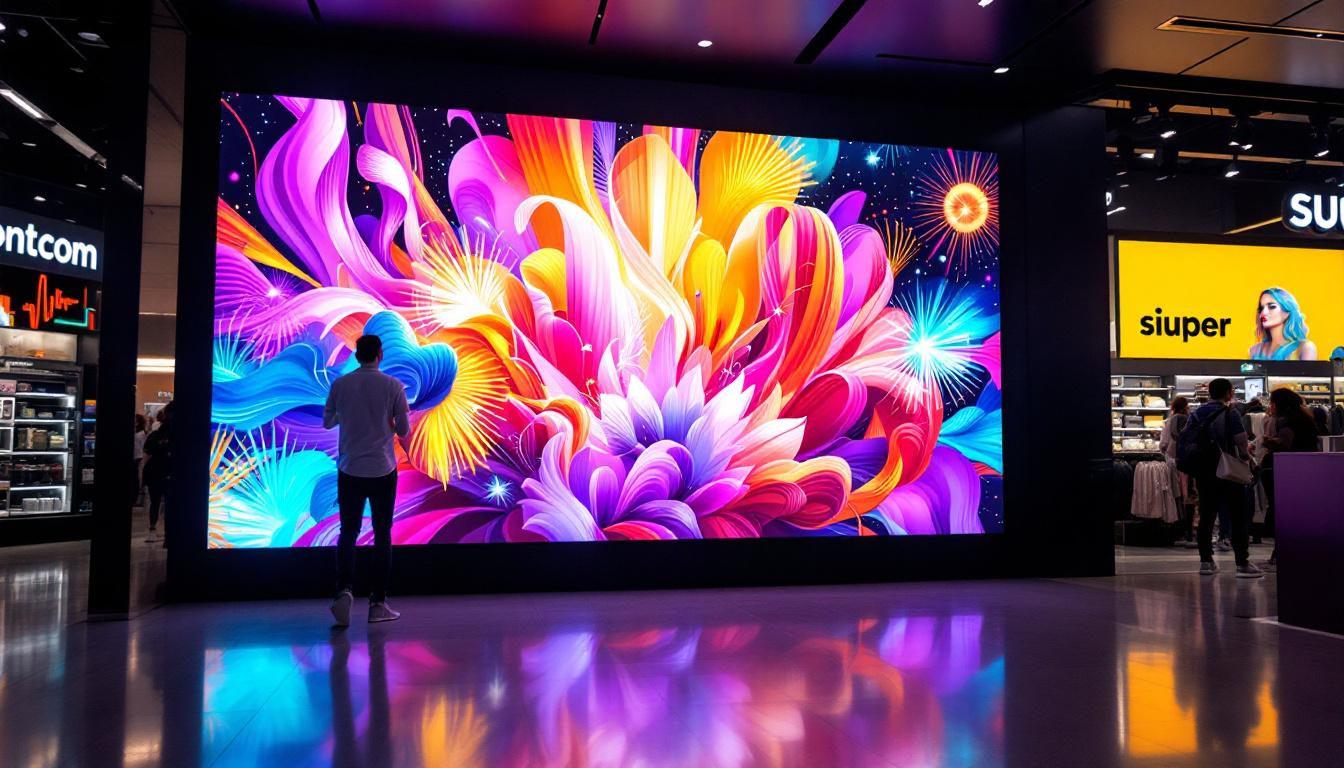
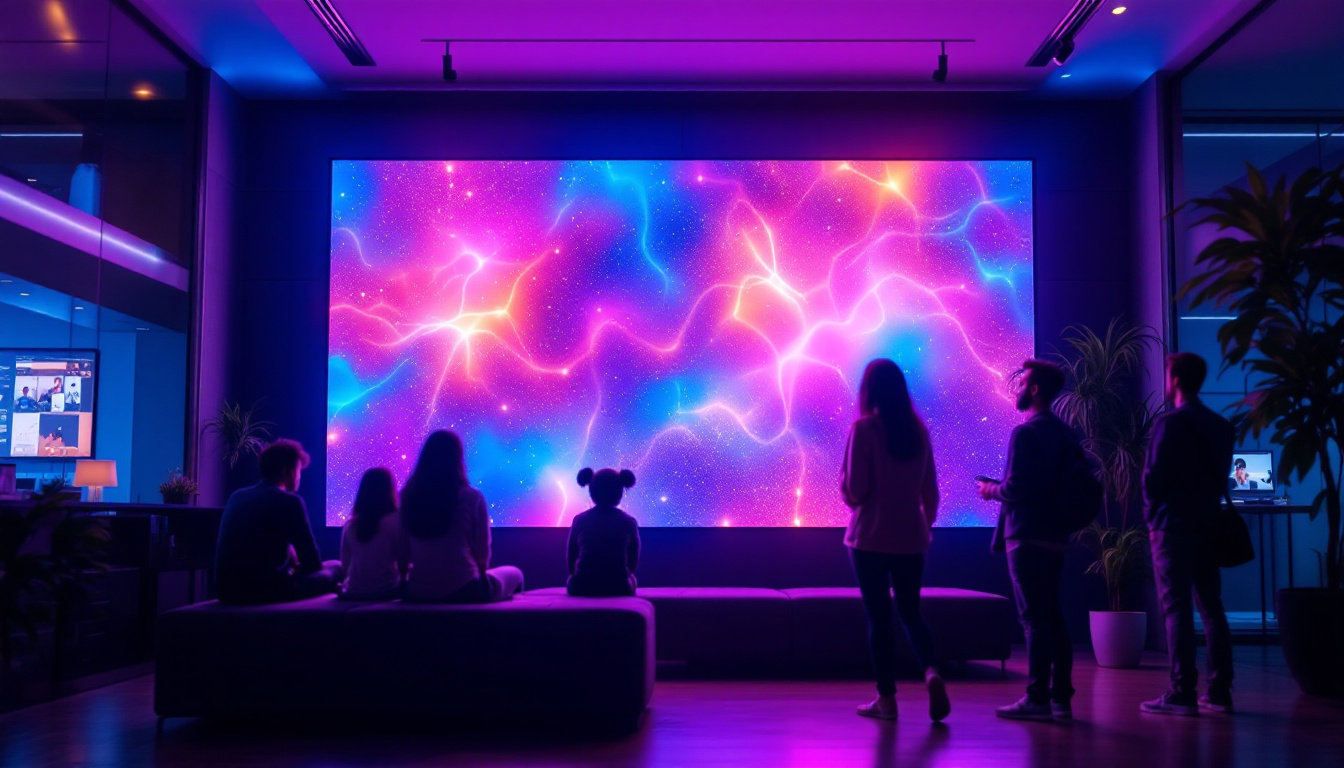
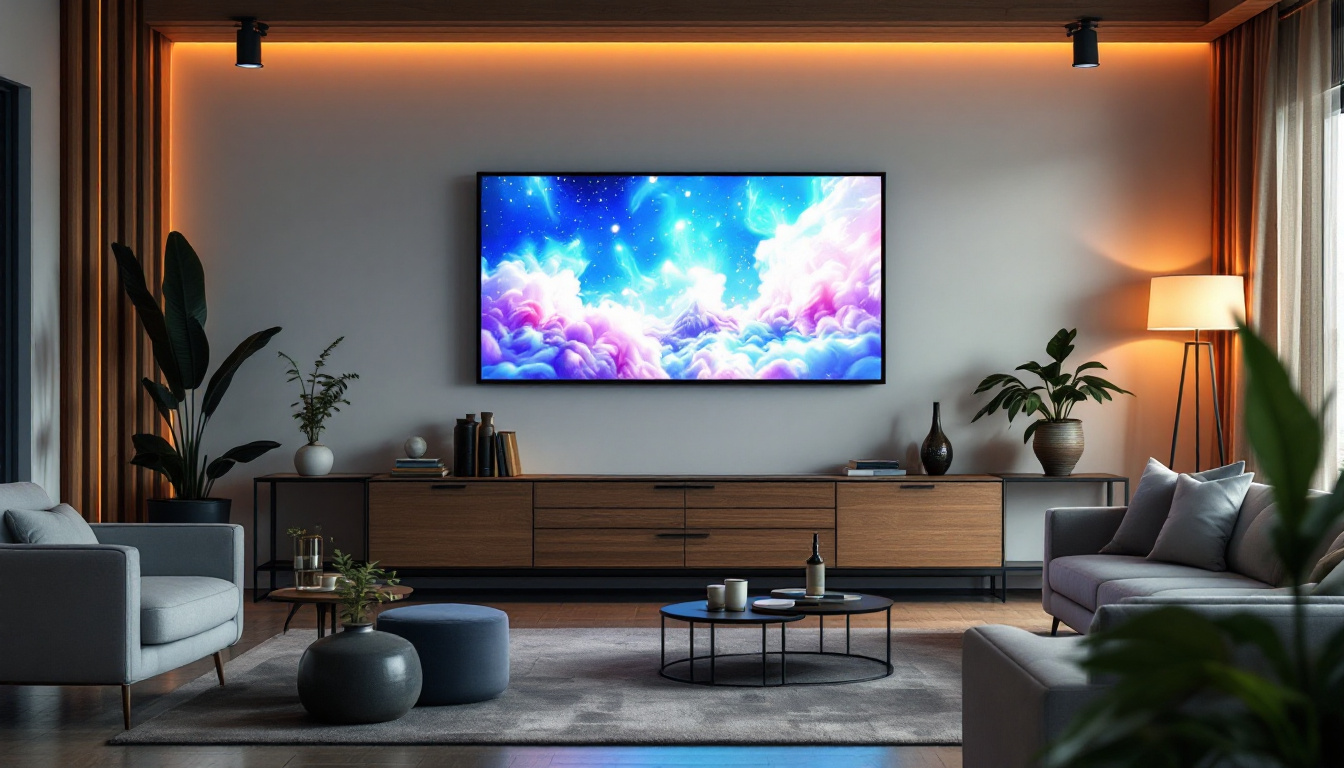
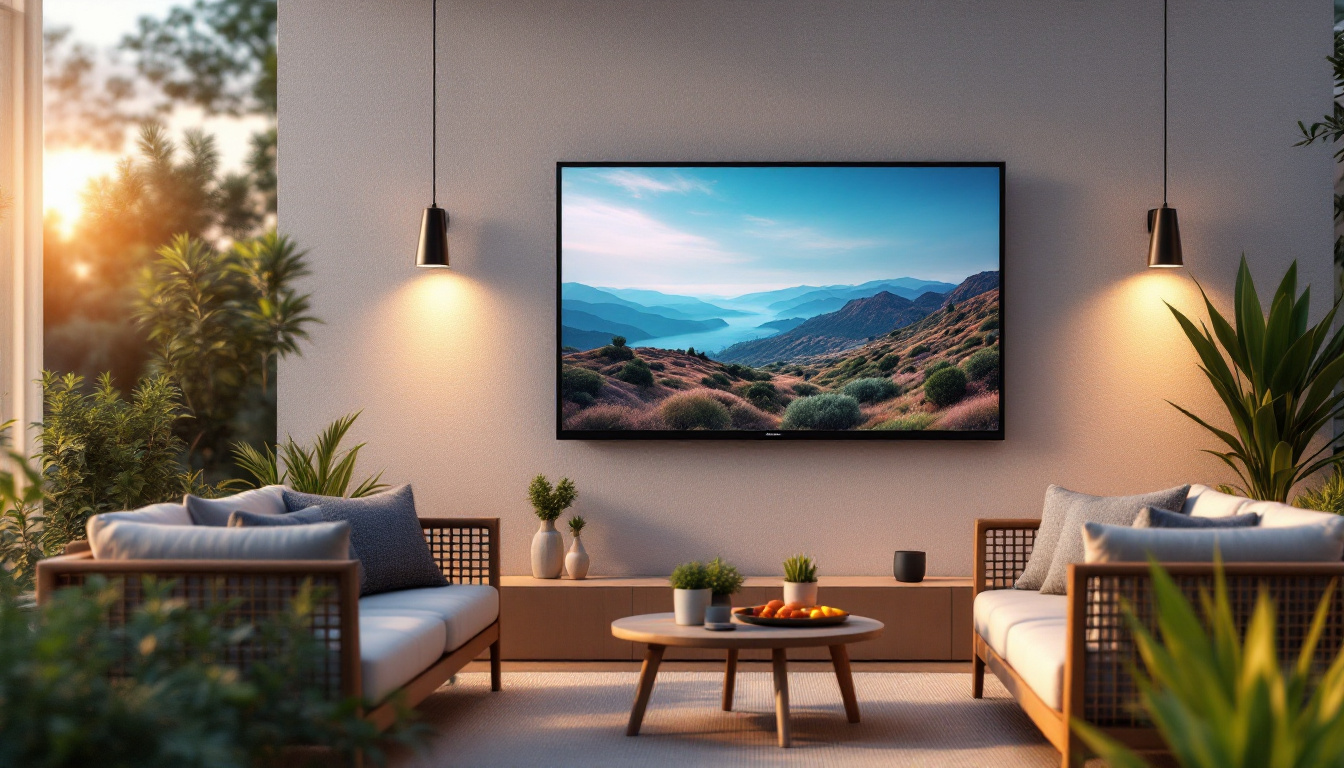
- Indoor LED Displays: Designed for close viewing distances, these displays have a higher pixel density and smaller pixel pitch, typically ranging from 1mm to 4mm. They are commonly used in conference rooms, retail stores, and indoor advertising. The clarity and brightness of indoor LED displays make them ideal for showcasing promotional content, enhancing customer engagement, and delivering presentations with impact.
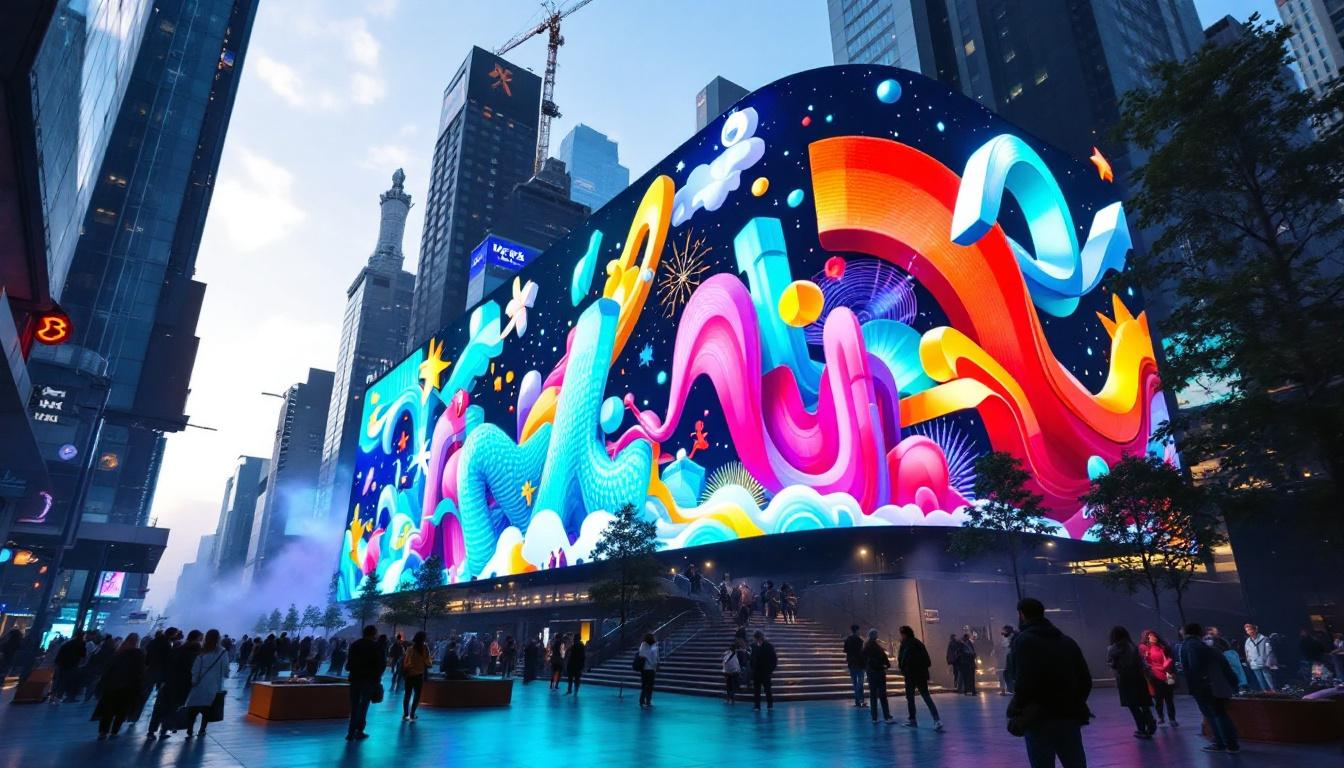
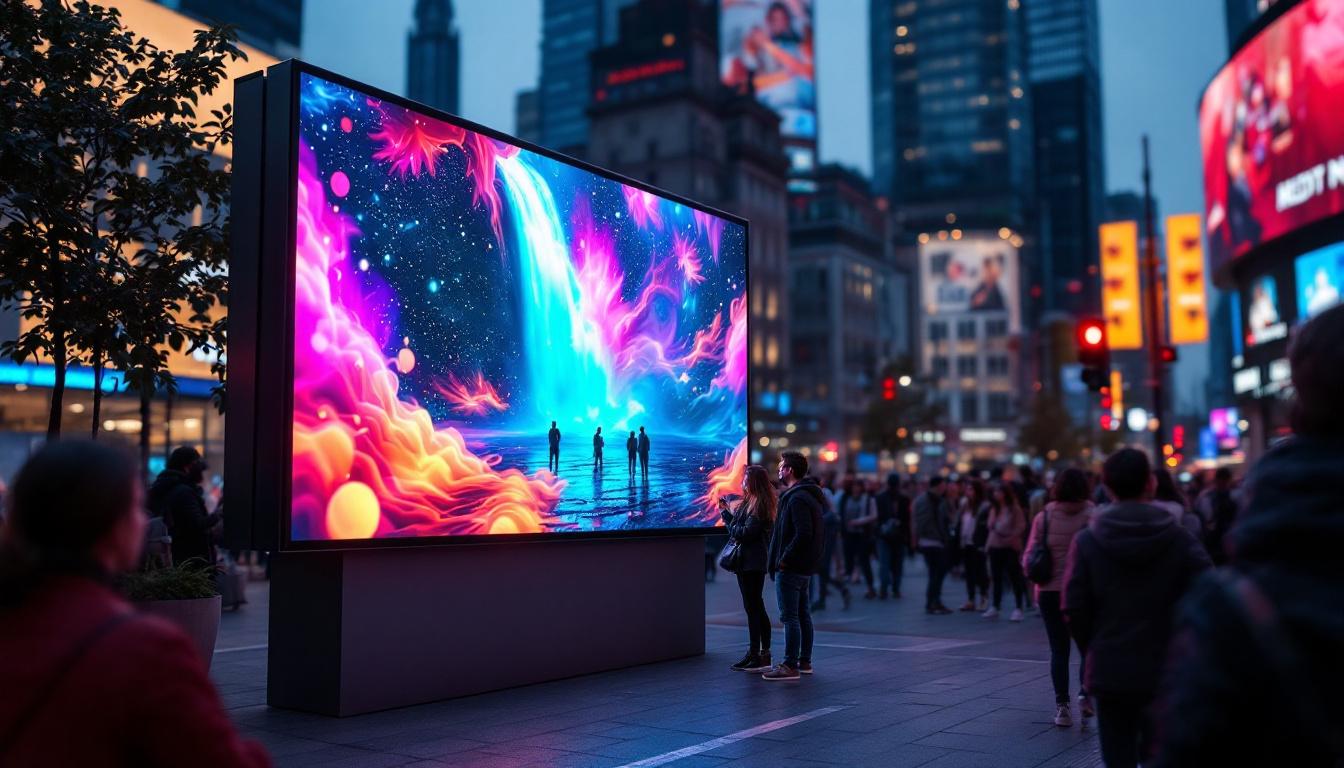
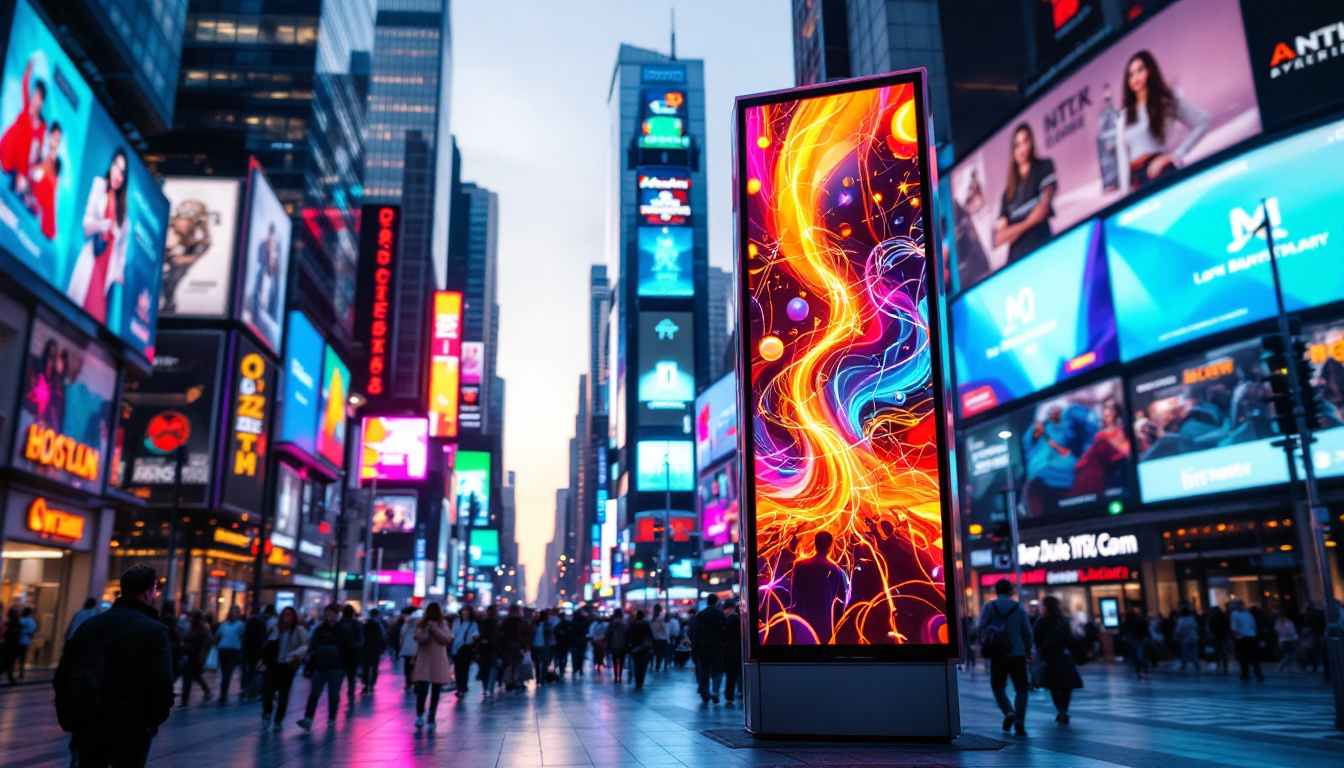
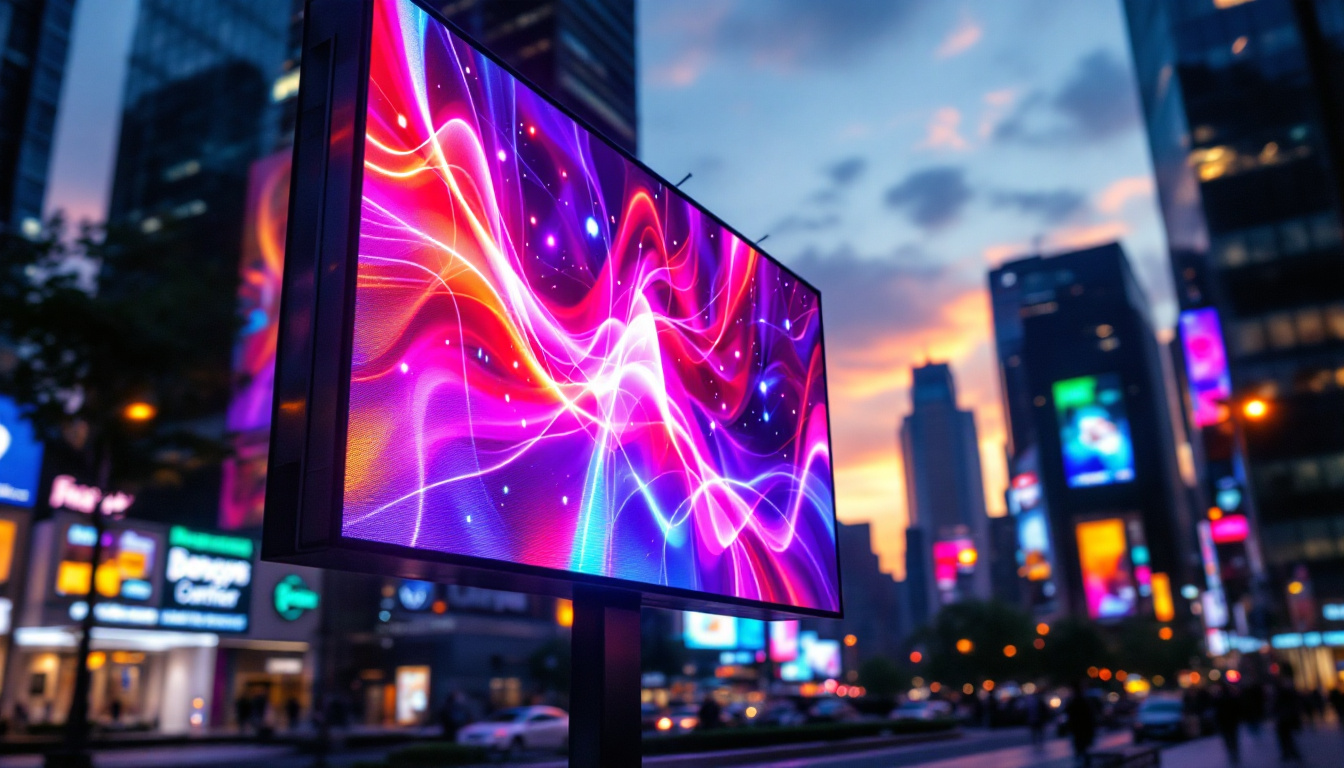
- Outdoor LED Displays: Built to withstand harsh weather conditions, these displays feature larger pixel pitches (usually 10mm or more) to maintain visibility from greater distances. They are prevalent in billboards, stadiums, and public information boards. Outdoor LED displays are engineered to resist elements such as rain, wind, and extreme temperatures, ensuring that advertisements and announcements remain visible and effective regardless of the weather.
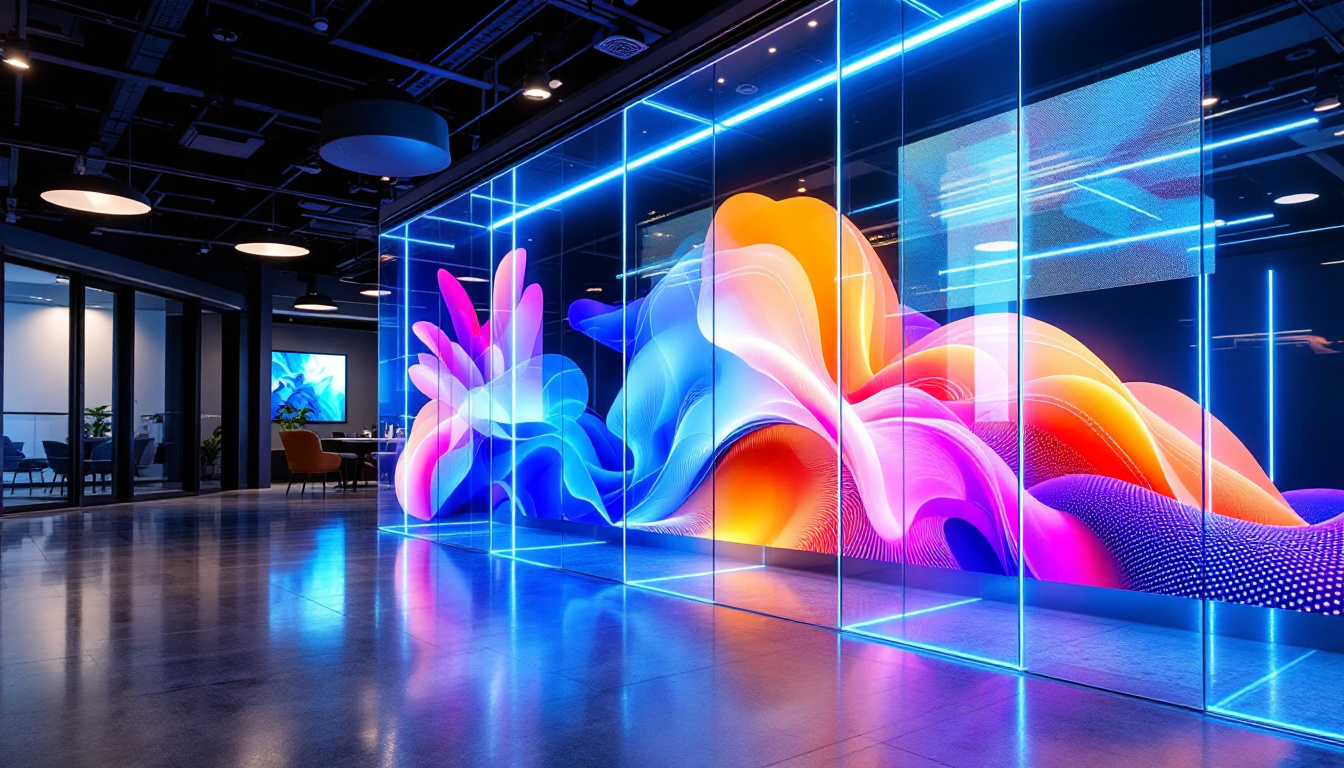
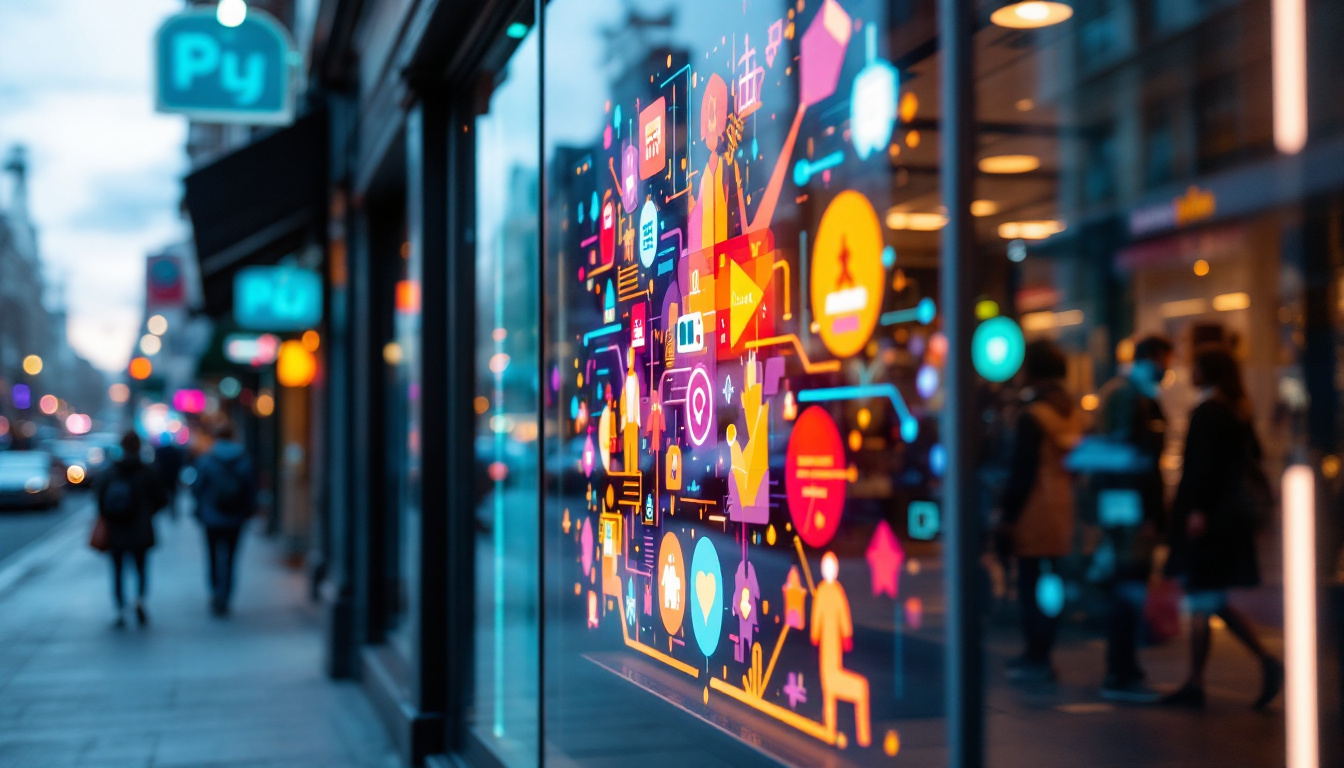
- Flexible and Transparent LED Displays: Innovations in LED technology have led to flexible screens that can curve around surfaces and transparent displays that allow light to pass through. These are increasingly popular in luxury retail and architectural applications where aesthetics are crucial. Flexible LED displays can be seamlessly integrated into various environments, creating dynamic visual experiences that captivate audiences. Transparent displays, on the other hand, offer a unique blend of functionality and style, allowing businesses to showcase products while maintaining an open and airy atmosphere.
In addition to these types, advancements in LED technology have also given rise to high dynamic range (HDR) displays, which enhance the contrast and color range of images beyond traditional standards. HDR technology enables viewers to experience more lifelike visuals, making it particularly appealing for applications in cinema and gaming. As the demand for immersive viewing experiences continues to grow, LED displays are evolving to meet these expectations, incorporating features such as higher refresh rates and enhanced viewing angles to cater to a diverse range of users.
The Luxurious Appeal of LED Displays
Enhancing Brand Presence with Visual Impact
Luxury brands rely heavily on visual storytelling to convey exclusivity and sophistication. LED displays offer an unparalleled platform for this purpose. Their ability to showcase high-resolution images and dynamic content captivates audiences and creates memorable brand experiences.
For example, flagship stores of high-end fashion houses like Louis Vuitton and Gucci often integrate large LED walls into their storefronts. These displays not only attract attention but also allow brands to update their visuals instantly, reflecting seasonal collections or exclusive events. The dynamic nature of LED displays aligns perfectly with the fast-paced luxury market. Furthermore, the use of LED technology enables brands to experiment with creative storytelling techniques, such as animated visuals and interactive content, which can engage customers on a deeper level. This innovative approach not only enhances the shopping experience but also encourages social media sharing, amplifying the brand’s reach and visibility.
Architectural Integration and Design Flexibility
LED technology has expanded beyond conventional screens to become an integral part of architectural design. Facades embedded with LED panels transform buildings into interactive canvases, blending technology and art seamlessly.
Iconic landmarks such as the Burj Khalifa in Dubai utilize LED lighting systems to create stunning night-time displays that enhance the city’s skyline. Similarly, luxury hotels and casinos employ LED facades to project vibrant visuals that elevate their brand image and create immersive guest experiences. The versatility of LED technology allows for custom installations that can adapt to various architectural styles, from sleek modern designs to more traditional aesthetics. This adaptability not only enriches the visual landscape but also invites architects and designers to push the boundaries of creativity, resulting in structures that are not only functional but also visually striking. Additionally, the energy efficiency of LED displays contributes to sustainable design practices, making them an appealing choice for environmentally conscious luxury brands looking to make a statement.
Technical Advantages Driving LED Display Popularity
Energy Efficiency and Sustainability
One of the most compelling reasons behind the widespread adoption of LED displays is their energy efficiency. Compared to traditional lighting and display technologies, LEDs consume significantly less power while delivering brighter light output.
According to a report by the U.S. Department of Energy, LED lighting can reduce energy consumption by up to 75% compared to incandescent bulbs. This efficiency translates into lower operational costs and a reduced carbon footprint, aligning with the growing emphasis on sustainability in corporate strategies. The shift towards LED technology not only benefits individual businesses but also contributes to broader environmental goals, such as reducing greenhouse gas emissions and promoting renewable energy sources. As more organizations adopt LED displays, they are not just enhancing their visibility but also participating in a global movement towards greener practices.
Longevity and Durability
LED displays are renowned for their long lifespan, often exceeding 100,000 hours of operation. This durability minimizes maintenance requirements and replacement costs, making them a cost-effective investment for luxury brands and public installations.
Moreover, LED panels are resistant to shock, vibration, and temperature fluctuations, which is particularly advantageous for outdoor and high-traffic environments. Their robust construction ensures consistent performance even under challenging conditions. This resilience is further enhanced by advancements in technology, such as improved heat dissipation mechanisms and protective coatings that guard against environmental factors like moisture and dust. As a result, businesses can rely on LED displays to maintain their visual impact and functionality over time, reducing the frequency of repairs and ensuring that their messaging remains clear and effective, regardless of external conditions.
Applications of LED Displays in Luxury Sectors
Retail and Fashion
In luxury retail, LED displays serve as dynamic digital signage that enhances the shopping experience. Interactive LED mirrors, digital mannequins, and window displays create engaging environments that entice customers and elevate brand perception.
For instance, high-end department stores like Harrods and Saks Fifth Avenue utilize LED technology to produce immersive visual merchandising that complements their exclusive product offerings. The ability to tailor content in real-time allows retailers to respond swiftly to trends and customer preferences.
Hospitality and Entertainment
Luxury hotels, casinos, and entertainment venues leverage LED displays to create captivating atmospheres. From grand lobby installations to stage backdrops and immersive projection mapping, LED technology enables stunning visual effects that enhance guest experiences.
The Wynn Las Vegas, for example, features extensive LED installations throughout its property, including a 100-foot-long LED chandelier and dynamic exterior lighting. Such applications not only impress visitors but also reinforce the venue’s reputation for opulence and innovation.
Events and Exhibitions
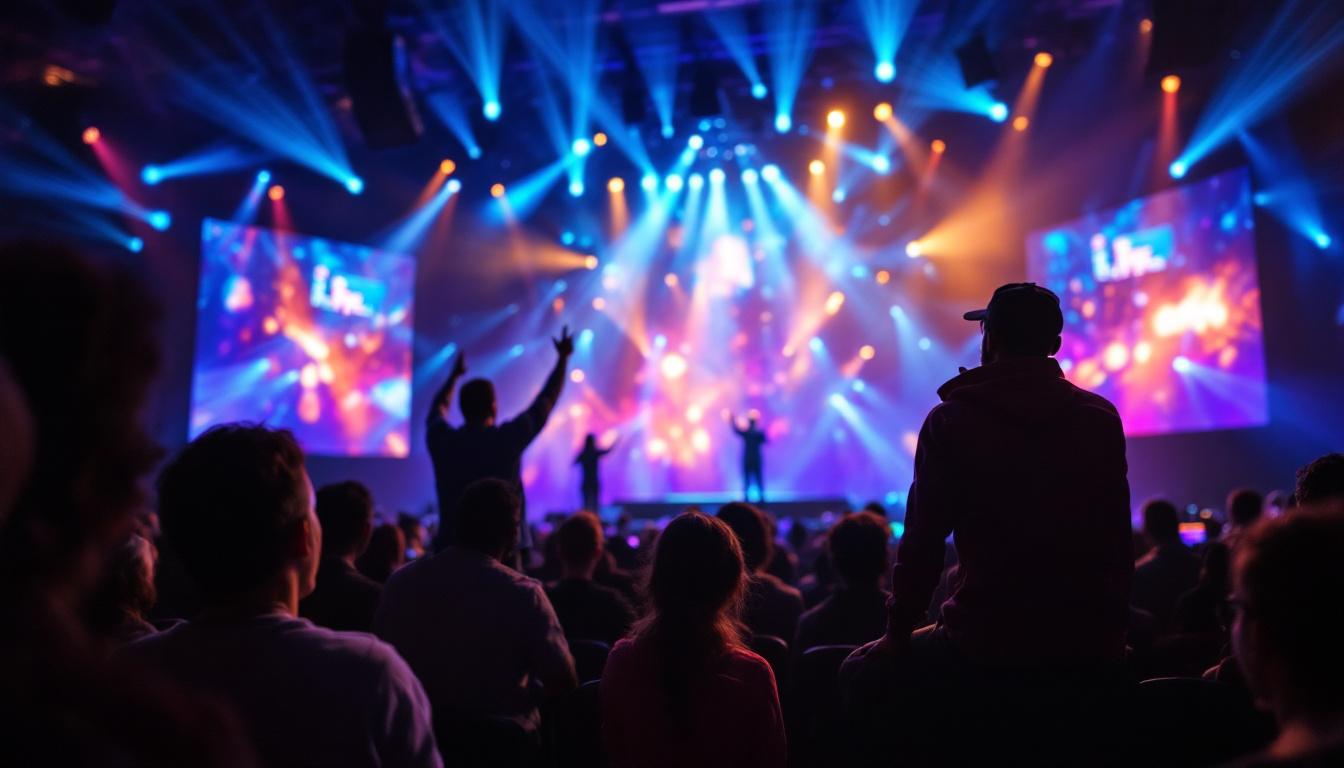
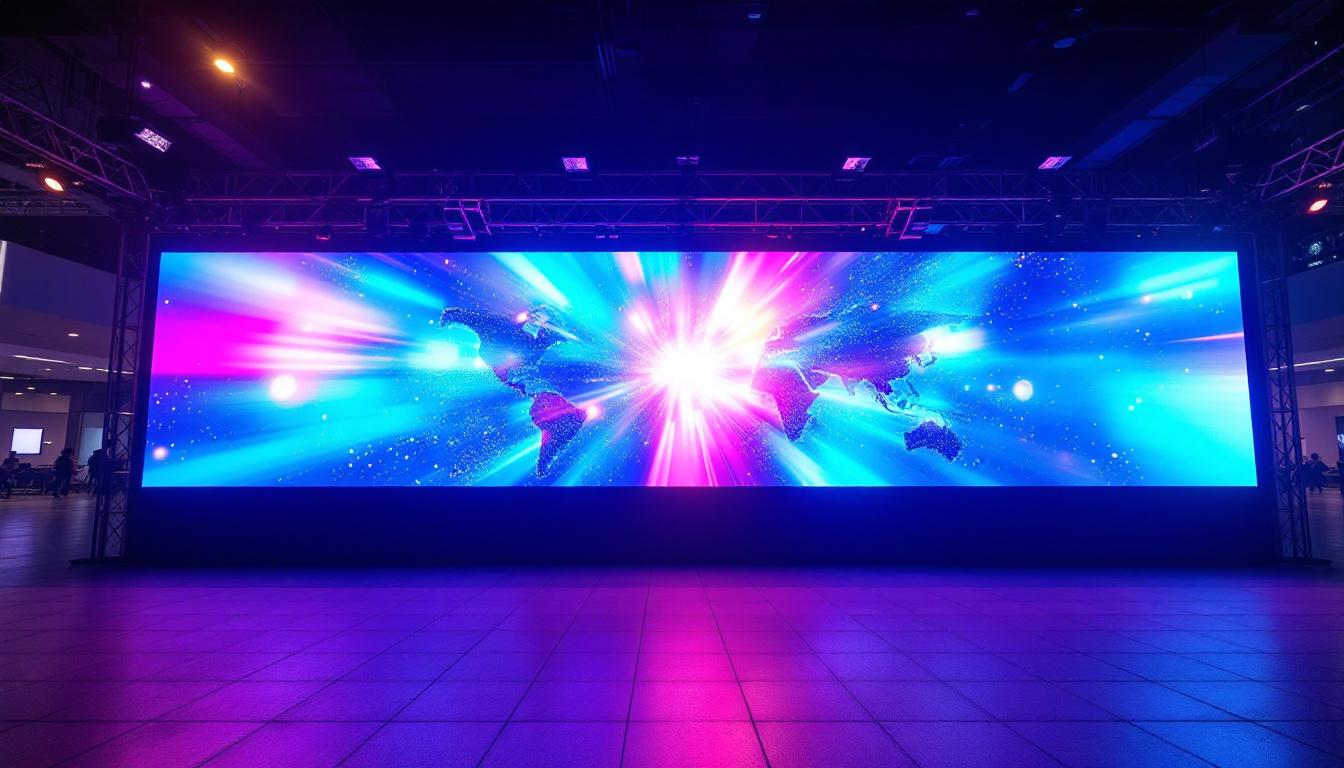
High-profile events, fashion shows, and exhibitions increasingly rely on LED displays for their versatility and visual impact. Large-scale LED walls provide vibrant backdrops that can be customized to suit the theme and mood of each event.
Brands like Chanel and Dior have incorporated LED technology into their runway shows to create immersive environments that complement their collections. The ability to synchronize visuals with music and lighting further enhances the overall sensory experience.
Future Trends and Innovations in LED Display Technology
MicroLED and MiniLED Advancements
Emerging technologies such as MicroLED and MiniLED promise to revolutionize the LED display landscape. MicroLEDs are significantly smaller than traditional LEDs, enabling even higher pixel densities and improved image quality. This advancement is particularly relevant for luxury applications where detail and clarity are paramount.
MiniLED technology, which uses thousands of tiny LEDs as backlighting for LCD panels, offers enhanced contrast ratios and brightness levels. These innovations are expected to drive the next generation of ultra-high-definition displays in both consumer and commercial markets.
Integration with Smart Technologies
The integration of LED displays with IoT (Internet of Things) and AI (Artificial Intelligence) is opening new possibilities for personalized and interactive experiences. Smart LED displays can adjust content based on audience demographics, environmental conditions, or real-time data analytics.
For luxury brands, this means delivering tailored messages and immersive storytelling that resonate more deeply with their target audiences. Smart LED installations can also optimize energy usage and maintenance schedules, further enhancing operational efficiency.
Conclusion: The Luxurious Future of LED Displays
LED display technology continues to evolve, blending cutting-edge innovation with aesthetic sophistication. Its ability to deliver vibrant, energy-efficient, and durable visual solutions makes it an indispensable tool for luxury brands and high-end environments.
From retail and hospitality to architecture and entertainment, LED displays elevate experiences by combining technology with artistry. As advancements like MicroLED and smart integration mature, the potential for creating even more luxurious and immersive visual environments will only expand, setting new standards for excellence in visual communication.
Discover the Future of Visual Excellence with LumenMatrix
As you’ve seen, LED displays are transforming the way luxury brands engage with their audiences, offering unparalleled vibrancy and innovation. LumenMatrix stands at the forefront of this revolution, providing a spectrum of LED display solutions tailored to elevate your brand’s presence. From Indoor and Outdoor LED Walls to Custom and Transparent Displays, our technology is crafted to captivate and inspire. Experience the pinnacle of visual communication and check out LumenMatrix LED Display Solutions to bring your brand’s vision to life with clarity and impact.