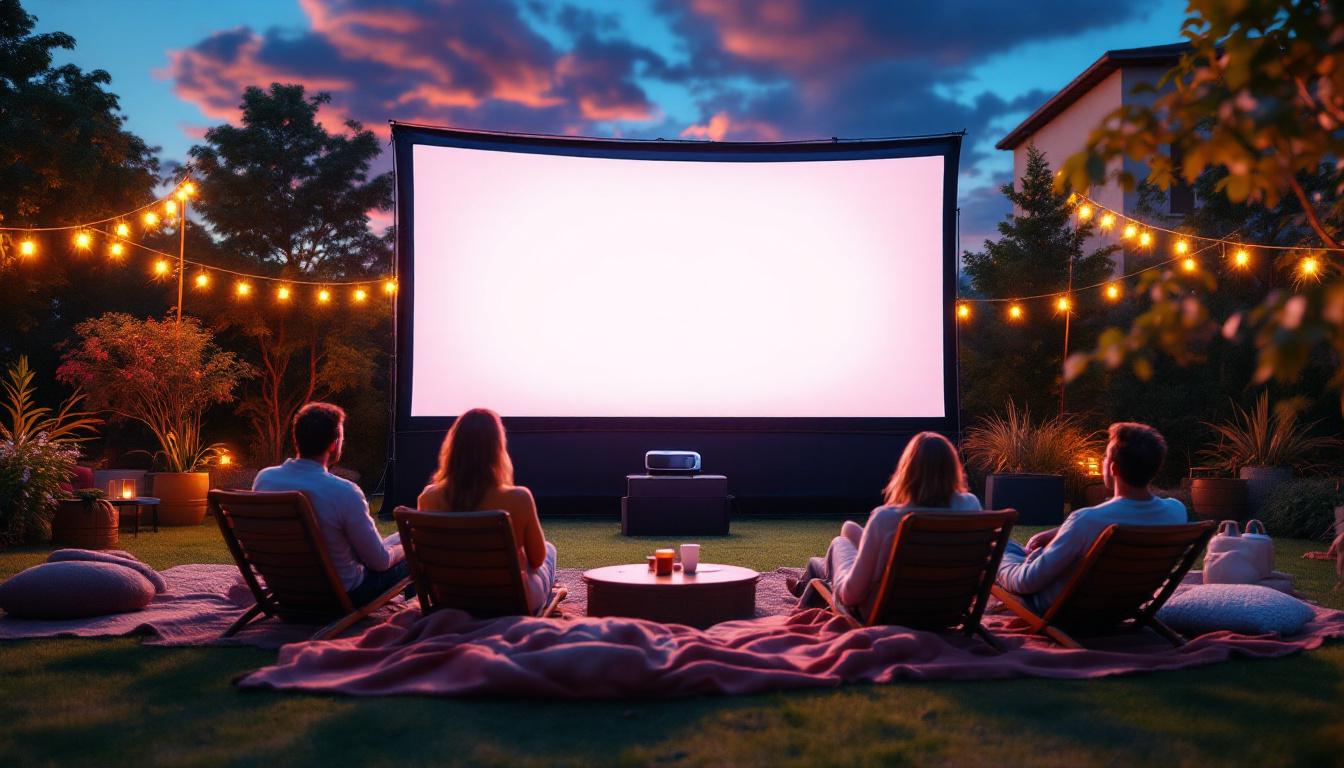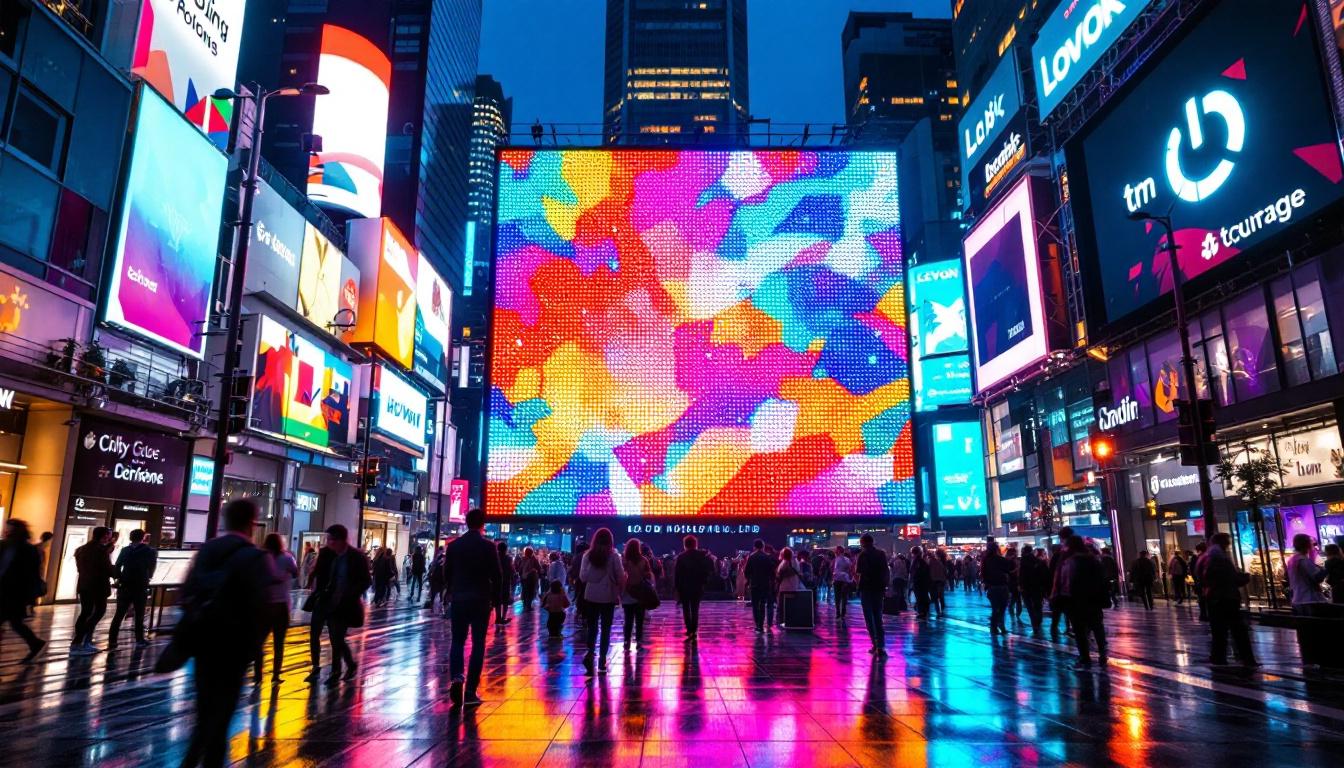
In today’s fast-paced digital world, LED displays have become an integral part of how businesses, advertisers, and event organizers communicate visually. From vibrant billboards in city centers to dynamic screens at concerts and sports arenas, LED technology offers unparalleled brightness, clarity, and flexibility. Ntek Ihub, a leader in innovative display solutions, has been at the forefront of this evolution, providing cutting-edge LED displays tailored to diverse needs.
Understanding LED Display Technology
At its core, an LED display is a screen that uses light-emitting diodes (LEDs) as pixels to create images and videos. Unlike traditional LCD or plasma screens, LED displays rely on tiny semiconductor devices that emit light when an electric current passes through them. This fundamental difference offers several advantages, including higher brightness, better energy efficiency, and longer lifespan.
How LED Displays Work
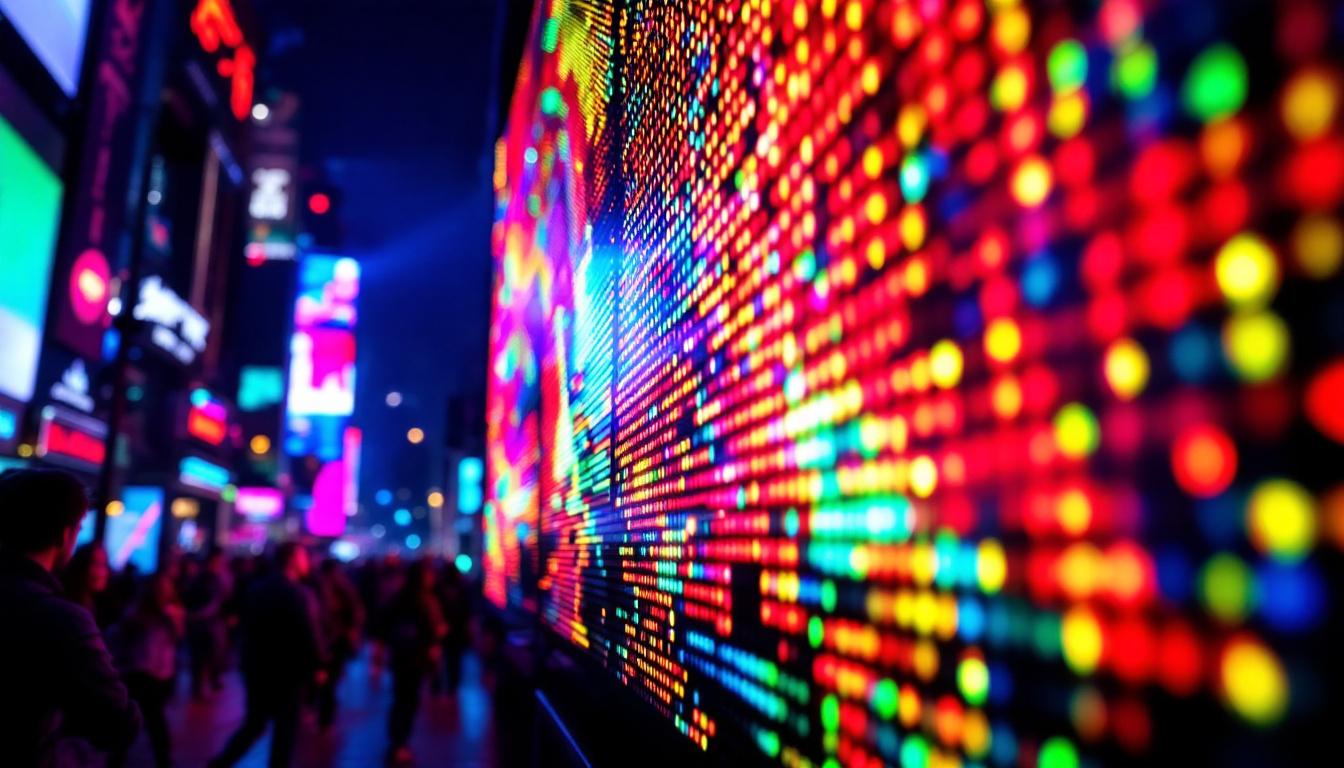
LED displays are composed of thousands to millions of individual LEDs arranged in a grid. Each LED acts as a pixel that can emit red, green, or blue light. By varying the intensity of these colors, the display can produce a full spectrum of colors, enabling vivid and sharp images. The LEDs are controlled by a driver circuit that adjusts the brightness and color of each pixel in real-time, allowing for dynamic content such as videos, animations, and live feeds.
There are two main types of LED displays: direct view LED and LED-backlit LCD. Direct view LED displays use LEDs as both the light source and the pixel itself, making them ideal for large-scale outdoor screens. In contrast, LED-backlit LCDs use LEDs to illuminate an LCD panel, common in consumer electronics like televisions and monitors.
Key Components of an LED Display
Understanding the components helps appreciate the complexity and sophistication behind LED displays. The primary elements include:
- LED Modules: These are the building blocks containing the LEDs arranged in a precise pattern to form pixels.
- Control System: This manages the content displayed by processing input signals and sending commands to the LED modules.
- Power Supply: LED displays require stable and efficient power sources to maintain consistent brightness and performance.
- Cabinet: The structural frame that houses the modules and protects them from environmental factors.
The Advantages of LED Displays in Modern Applications
LED displays have transformed visual communication across various industries. Their unique properties make them highly versatile and effective in numerous settings.
Superior Brightness and Visibility
One of the most significant advantages of LED displays is their exceptional brightness. Unlike traditional screens, LED displays can achieve brightness levels exceeding 5,000 nits, making them easily visible even under direct sunlight. This feature is particularly valuable for outdoor advertising, transportation hubs, and sports stadiums where ambient light can be intense.
Moreover, LED displays offer wide viewing angles, ensuring content remains clear and vibrant from different perspectives. This characteristic is essential for public spaces where audiences view the screen from various distances and angles.
Energy Efficiency and Sustainability
Energy consumption is a critical consideration for large-scale digital signage. LED technology is inherently energy-efficient because LEDs convert most of the electrical energy into light rather than heat. According to the U.S. Department of Energy, LED lighting uses at least 75% less energy than incandescent lighting, and similar efficiencies apply to LED displays compared to older technologies.
Ntek Ihub emphasizes sustainability by designing LED displays that minimize power usage without compromising brightness or performance. This approach not only reduces operational costs but also aligns with global efforts to lower carbon footprints.
Durability and Longevity
LED displays are known for their robust construction and long operational life. High-quality LED modules can last upwards of 100,000 hours, which translates to over a decade of continuous use under typical conditions. This longevity reduces maintenance costs and downtime, making LED displays a reliable investment for businesses.
Additionally, LED displays are resistant to shock, vibration, and temperature fluctuations, enabling them to perform well in challenging environments such as outdoor installations exposed to weather extremes.
Ntek Ihub’s Approach to LED Display Solutions
Ntek Ihub has distinguished itself by combining technological innovation with customer-centric design. Their LED display solutions cater to a wide range of applications, from retail signage and corporate communications to large-scale public displays and entertainment venues.
Customization and Scalability
One of Ntek Ihub’s strengths lies in its ability to tailor LED displays to specific client requirements. Whether a project demands a compact indoor screen or an expansive outdoor billboard, Ntek Ihub offers scalable solutions that can be customized in size, resolution, and pixel pitch.
Pixel pitch, the distance between the centers of adjacent LEDs, is a crucial factor in determining image clarity. Smaller pixel pitches are ideal for close-up viewing in indoor environments, while larger pitches suit outdoor displays viewed from greater distances. Ntek Ihub’s expertise ensures the optimal balance between cost and visual quality for each project.
Integration with Advanced Technologies
Modern LED displays are more than just screens; they are integrated platforms capable of interactive and dynamic content delivery. Ntek Ihub incorporates advanced control systems that support real-time data feeds, remote management, and synchronization across multiple displays.
For example, their solutions often include software that enables content scheduling, live streaming, and audience analytics. This integration empowers businesses to engage audiences more effectively and measure the impact of their visual campaigns.
Commitment to Quality and Support
Quality assurance is a cornerstone of Ntek Ihub’s operations. Each LED display undergoes rigorous testing to ensure performance standards are met, including brightness uniformity, color accuracy, and environmental resilience. This meticulous approach guarantees that clients receive durable and high-performing products.
Furthermore, Ntek Ihub provides comprehensive after-sales support, including installation assistance, maintenance services, and technical training. This commitment helps clients maximize the lifespan and effectiveness of their LED displays.
Applications of LED Displays Across Industries
The versatility of LED displays makes them suitable for a broad spectrum of industries, each benefiting from tailored solutions.
Advertising and Outdoor Signage
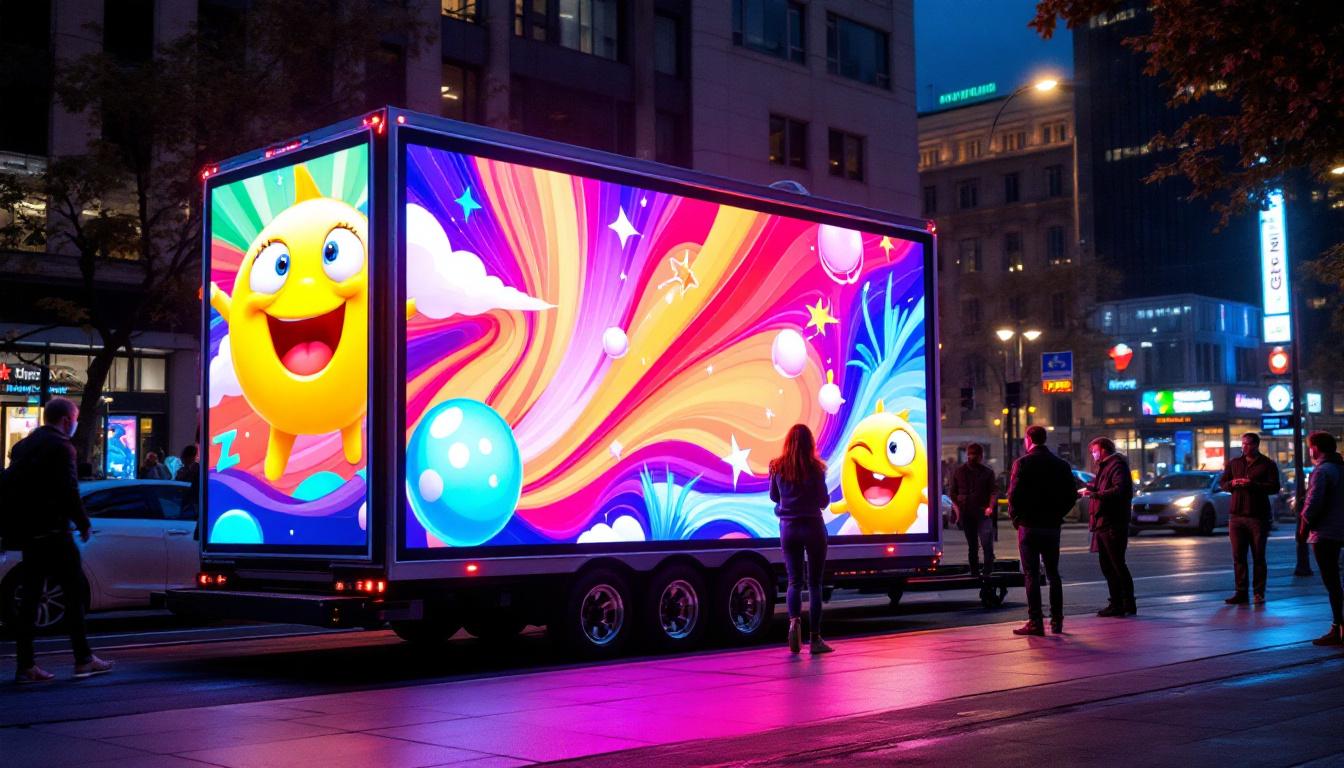
Advertising is perhaps the most visible application of LED displays. Digital billboards powered by LED technology have revolutionized outdoor advertising by enabling dynamic, eye-catching content that can be updated instantly. According to a report by Grand View Research, the global digital signage market is expected to reach $32.84 billion by 2028, driven largely by LED technology.
Ntek Ihub’s outdoor LED displays are designed to withstand harsh weather conditions while delivering vibrant visuals that capture consumer attention effectively.
Sports and Entertainment Venues
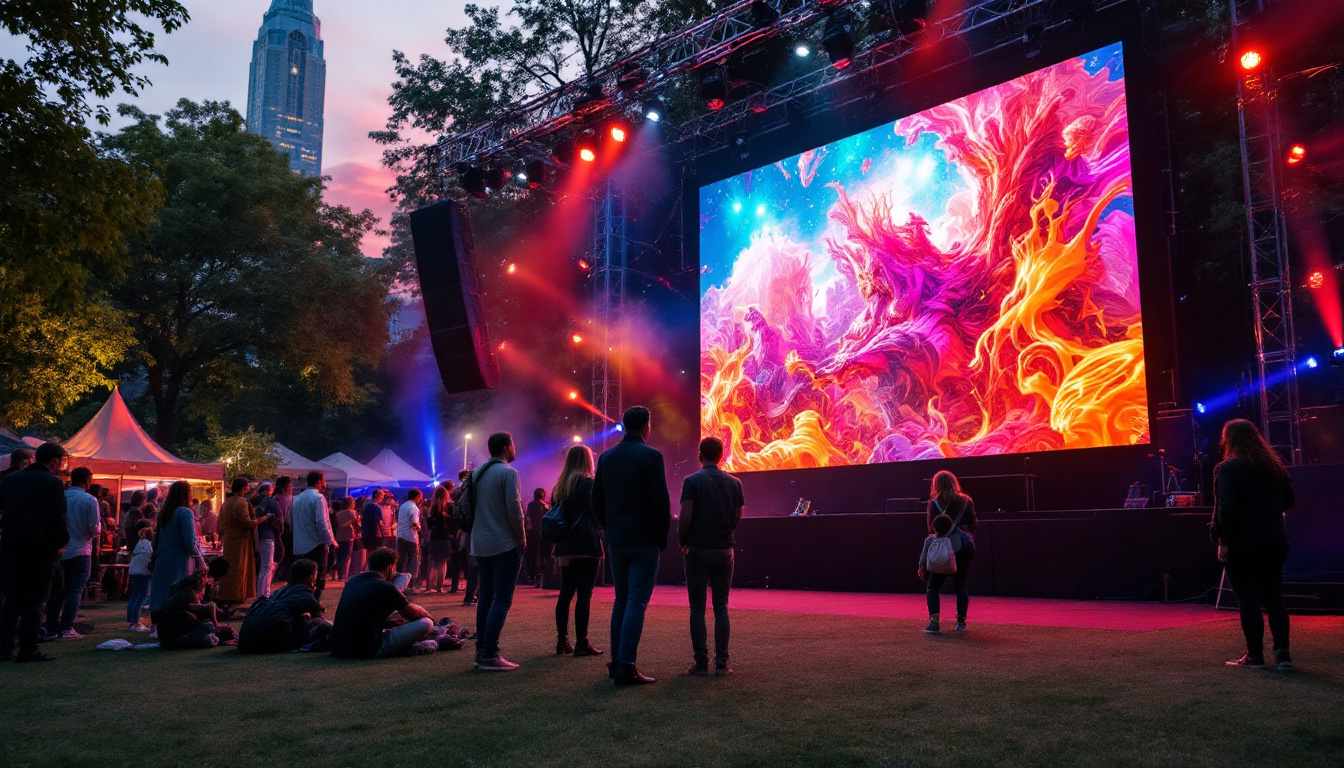
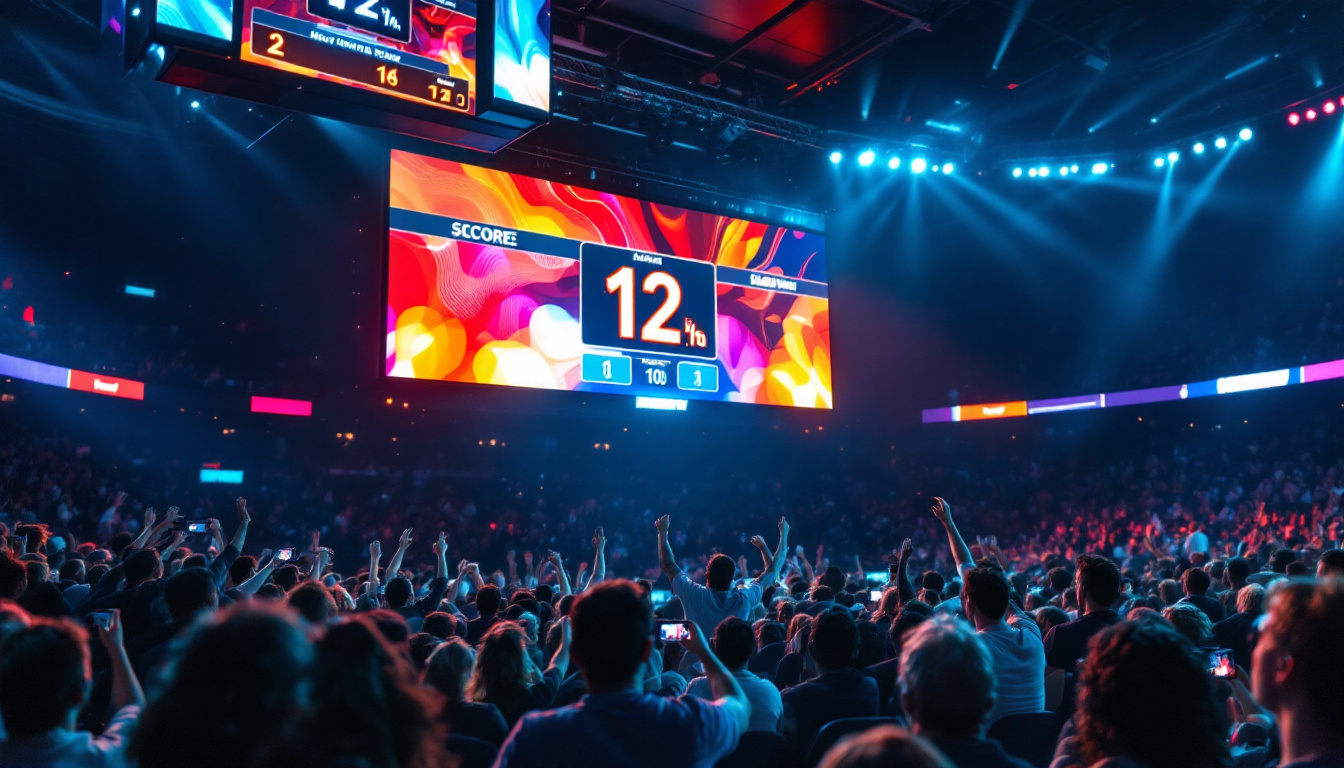
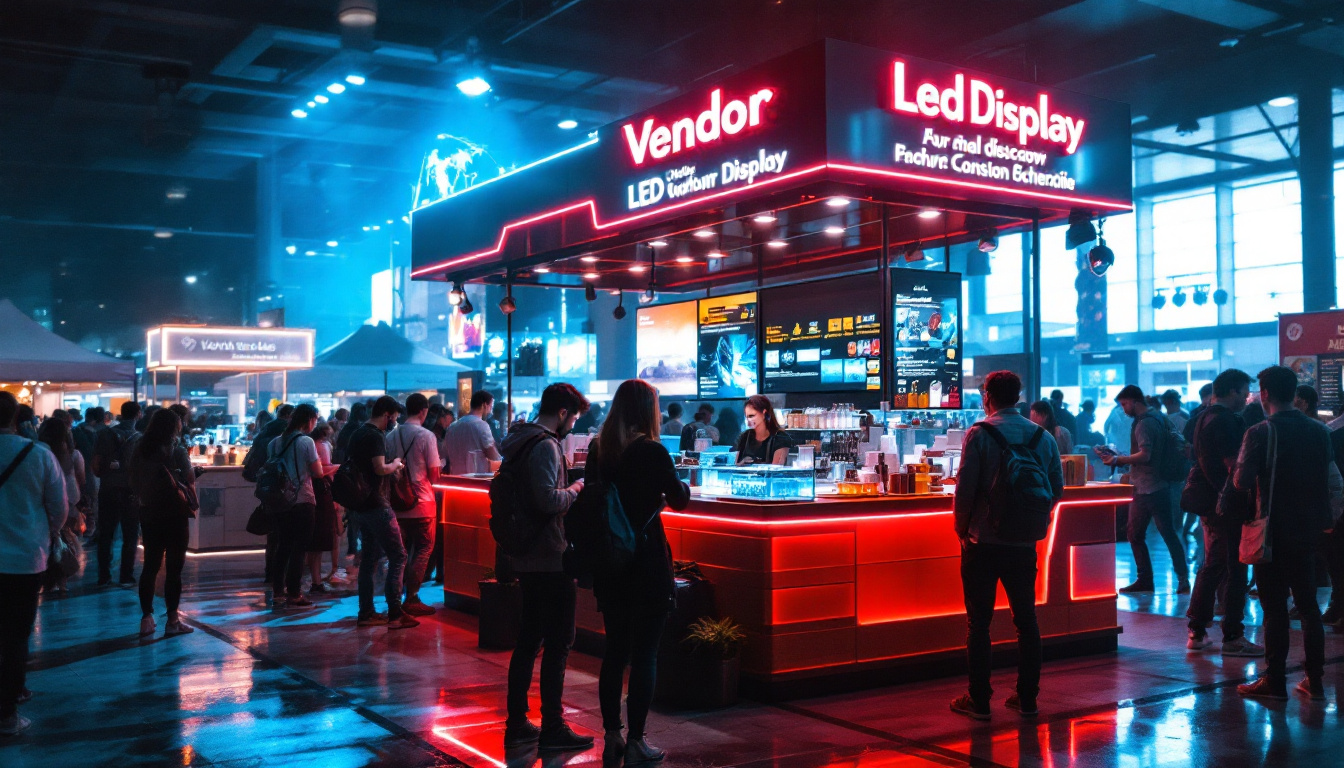
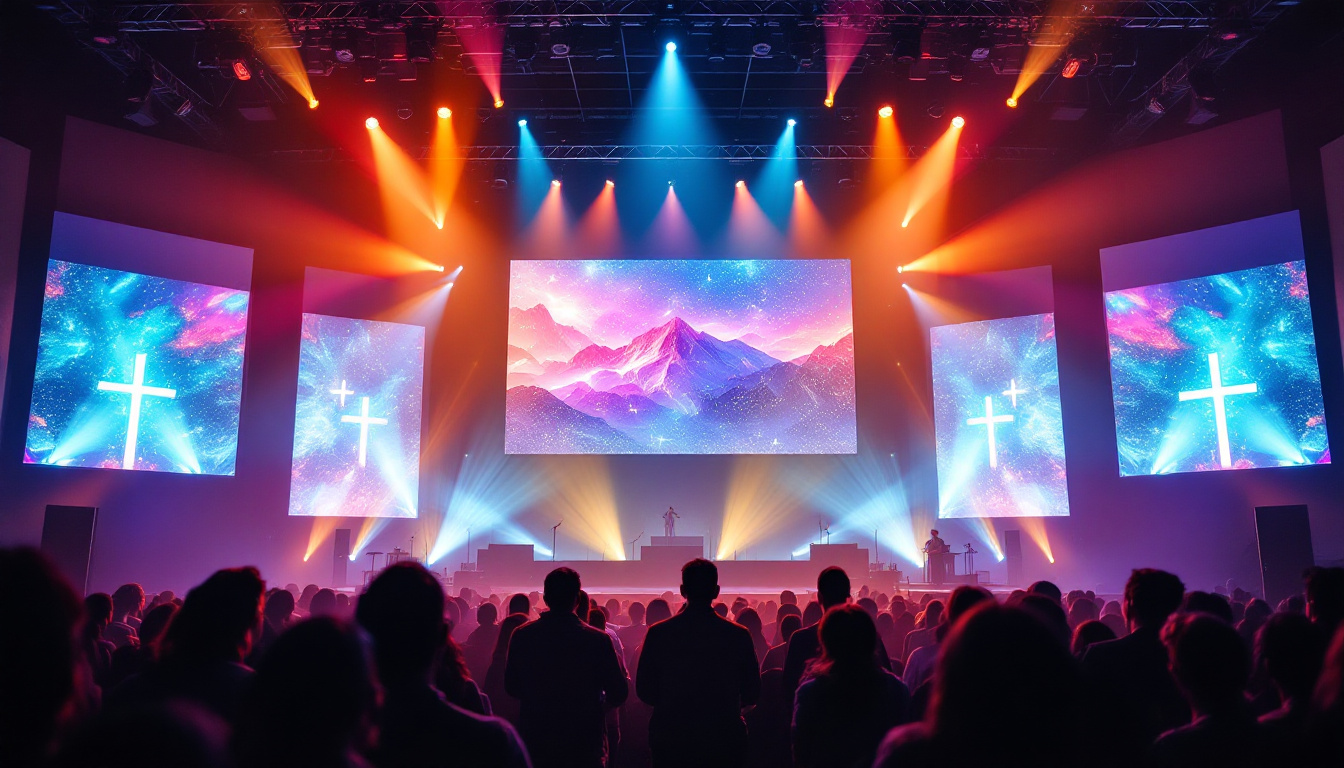
In sports arenas and concert venues, LED displays enhance the spectator experience by providing live video feeds, instant replays, and interactive content. The high refresh rates and brightness levels ensure smooth and clear visuals even in large, open-air stadiums.
Ntek Ihub collaborates with event organizers to create immersive environments using LED walls and ribbon boards that engage audiences and amplify the excitement of live events.
Corporate and Retail Environments
Within corporate offices and retail spaces, LED displays serve as powerful communication tools. They can display real-time data, promotional content, or brand messaging, helping businesses connect with employees and customers alike.
Retailers use LED displays to create dynamic window displays and in-store signage that adapt to changing promotions and customer preferences. Ntek Ihub’s indoor LED solutions offer high resolution and sleek designs that integrate seamlessly into modern interiors.
Transportation and Public Information
LED displays are widely used in transportation hubs such as airports, train stations, and bus terminals to provide real-time information on schedules, delays, and safety announcements. Their high visibility and reliability make them indispensable in these critical environments.
Ntek Ihub’s LED displays are engineered to deliver clear, legible information that enhances passenger experience and operational efficiency.
Future Trends in LED Display Technology
The LED display industry continues to evolve rapidly, driven by advances in materials, manufacturing, and digital technologies.
MicroLED and MiniLED Innovations
Emerging technologies like MicroLED and MiniLED promise to push the boundaries of LED display performance. MicroLEDs are significantly smaller than traditional LEDs, enabling displays with higher resolution, better contrast, and improved energy efficiency. While still in the early stages of commercial adoption, MicroLED displays are poised to revolutionize premium markets such as smartphones, televisions, and augmented reality devices.
MiniLED technology, which uses smaller LEDs for backlighting LCD panels, offers enhanced brightness and contrast at a lower cost, making it an attractive option for mid-range displays.
Flexible and Transparent LED Displays
Innovations in flexible and transparent LED displays are opening new possibilities for design and application. Flexible LED screens can be curved or bent, allowing for creative installations on irregular surfaces or wearable devices. Transparent LED displays enable content to be shown on glass surfaces without obstructing the view, ideal for retail windows and architectural features.
Ntek Ihub is actively exploring these technologies to expand its product portfolio and meet the evolving demands of clients.
Artificial Intelligence and Smart Displays
The integration of artificial intelligence (AI) with LED displays is enhancing content personalization and interactivity. AI-powered systems can analyze audience demographics, behavior, and preferences to deliver targeted content in real-time. This capability increases engagement and improves the return on investment for advertising campaigns.
Smart LED displays also incorporate sensors and connectivity features that allow for interactive experiences, such as touch responsiveness and gesture control.
Conclusion
LED display technology represents a dynamic and transformative force in visual communication. With their superior brightness, energy efficiency, durability, and versatility, LED displays have become essential tools across industries ranging from advertising to entertainment and public information.
Ntek Ihub’s commitment to innovation, quality, and customer-focused solutions positions it as a key player in this rapidly advancing field. By understanding the technology and its applications, businesses and organizations can leverage LED displays to create impactful, engaging, and sustainable visual experiences that resonate with their audiences.
Explore Cutting-Edge LED Display Solutions with LumenMatrix
As you consider the vast potential of LED displays to transform your visual communication, let LumenMatrix guide you through the next generation of digital signage. Our extensive range of innovative LED display modules, from Indoor and Outdoor LED Walls to specialized solutions like Vehicle Displays and Transparent LEDs, are designed to captivate and engage your audience. Embrace the future of advertising, entertainment, and public information with LumenMatrix’s commitment to excellence. Check out LumenMatrix LED Display Solutions today and see how we can illuminate your brand’s message with brilliance and precision.