In the rapidly evolving world of photography and digital imaging, the integration of touch screen technology with cameras has transformed how users interact with their devices. Among the critical components that enhance this experience is the LED display, which serves as the primary interface between the user and the camera’s functions. This article delves into the essentials of digital touch screen cameras, focusing on the role, technology, and advantages of LED displays within these devices.
Understanding Digital Touch Screen Cameras
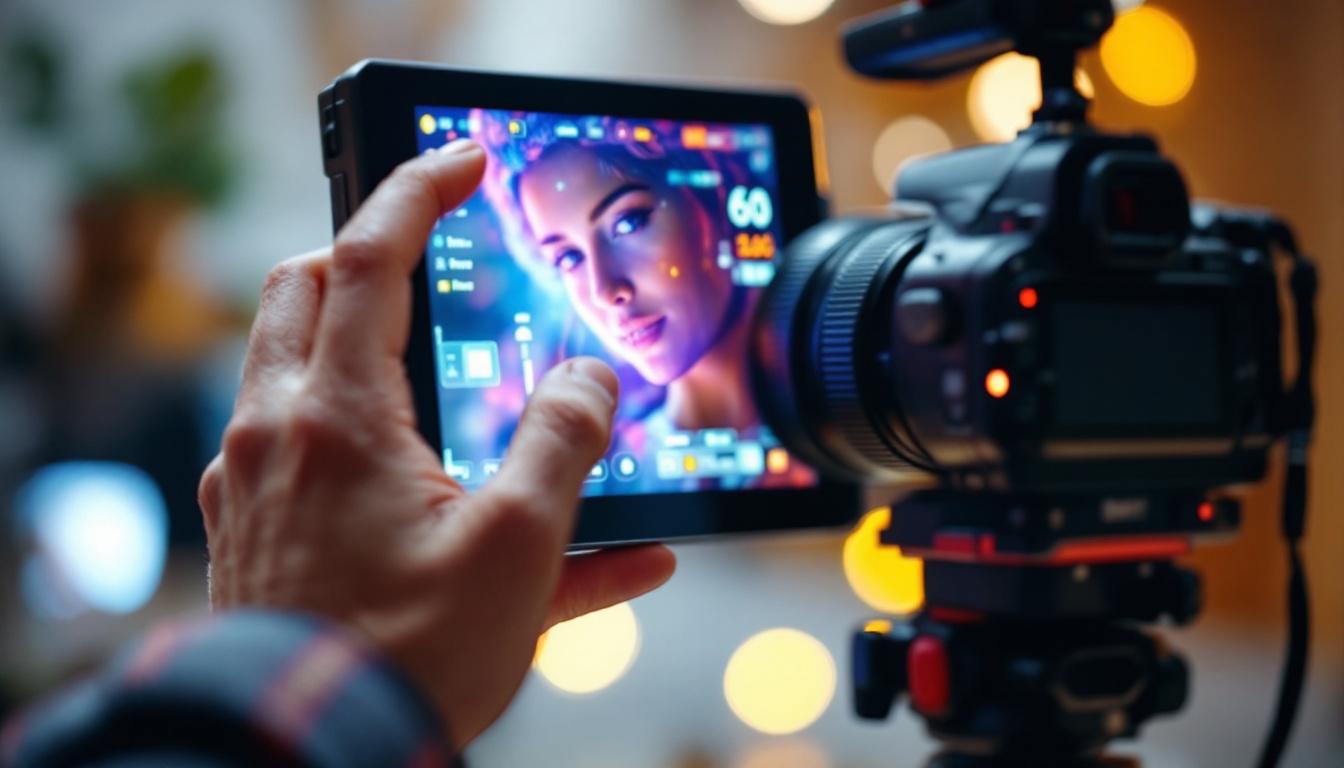
Digital touch screen cameras combine traditional camera functionalities with modern touch-sensitive displays, allowing users to navigate menus, adjust settings, and review images with intuitive gestures. Unlike conventional cameras that rely on physical buttons and dials, these devices offer a more streamlined and user-friendly interface.
The rise in popularity of digital touch screen cameras is closely linked to advances in display technology, particularly the use of LED (Light Emitting Diode) panels. These displays provide vibrant colors, sharp resolution, and responsive touch capabilities that significantly improve the photographic experience. Additionally, many of these cameras now incorporate features such as anti-glare coatings and high brightness levels, making them usable in various lighting conditions, from bright sunlight to dim indoor settings.
Key Features of Digital Touch Screen Cameras
Modern digital touch screen cameras are designed to cater to both amateur photographers and professionals. Some of the standout features include:
- Touch Navigation: Users can swipe, tap, and pinch to zoom, making it easier to control camera settings and review photos.
- Live View Shooting: The LED display acts as a viewfinder, allowing photographers to compose shots in real-time with precise detail.
- Customizable Interfaces: Many cameras allow users to customize the touchscreen layout, tailoring the experience to individual preferences.
- Enhanced Playback Options: Reviewing images and videos on a bright, high-resolution LED screen helps in assessing focus, exposure, and composition immediately after capture.
Moreover, the integration of Wi-Fi and Bluetooth connectivity in digital touch screen cameras has transformed the way users share and store their photographs. With these features, photographers can instantly upload images to social media platforms or cloud storage services directly from their cameras, eliminating the need for a computer. This capability not only enhances convenience but also encourages spontaneous sharing, allowing users to connect with their audience in real-time. Additionally, some models come equipped with mobile apps that provide remote control functionality, enabling users to take photos from a distance, which is particularly useful for group shots or wildlife photography.
Another significant advancement is the incorporation of advanced autofocus systems that leverage touch screen technology. Users can tap on the screen to select the focus point, which is especially beneficial in dynamic shooting environments where subjects may move quickly. This feature, combined with face detection and tracking capabilities, ensures that the main subject remains sharp and in focus, enhancing the overall quality of the images captured. As technology continues to evolve, we can expect even more innovative features that will further bridge the gap between professional-grade photography and user-friendly design.
The Technology Behind LED Displays in Cameras
LED displays have become the standard in digital touch screen cameras due to their superior brightness, color accuracy, and energy efficiency compared to older LCD technologies. Understanding how LED displays work helps explain why they are so effective in photography applications.
What Is an LED Display?
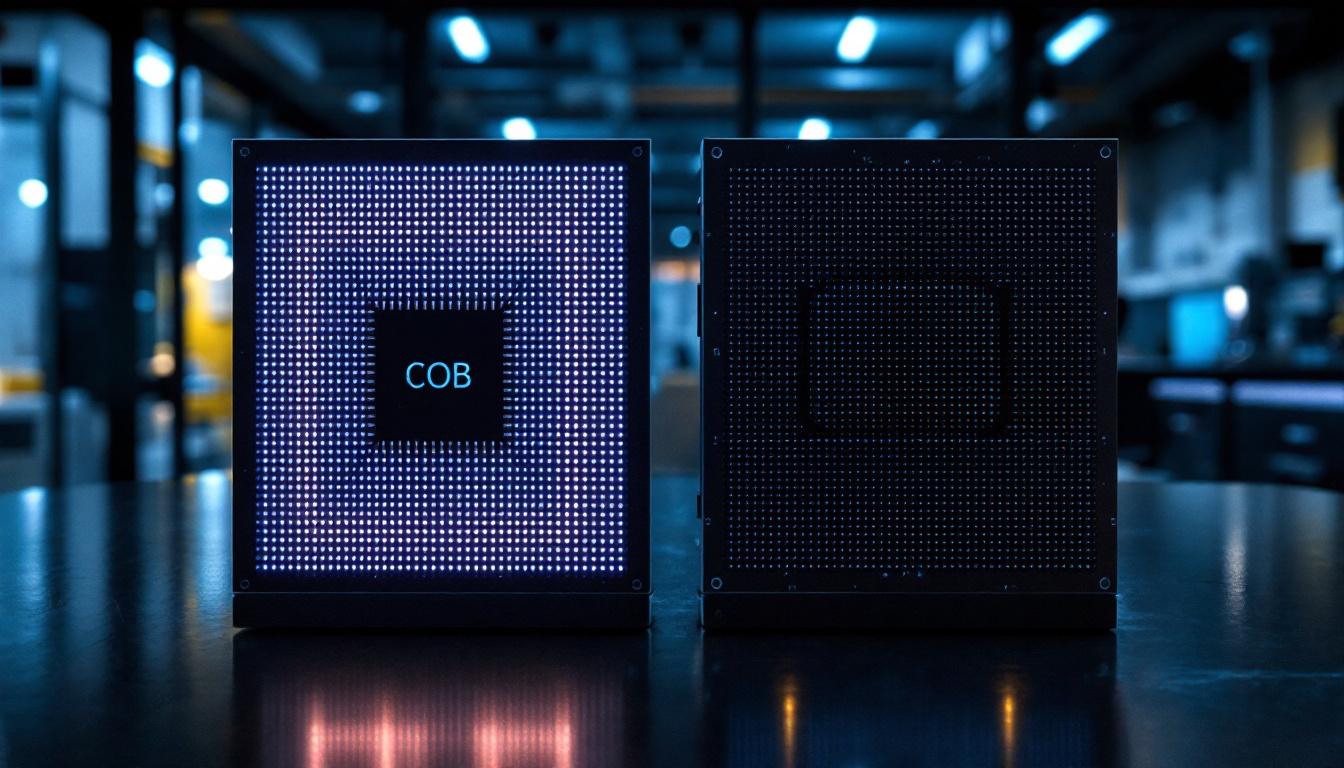
An LED display consists of a matrix of tiny light-emitting diodes that produce light when an electric current passes through them. In digital cameras, these LEDs are arranged to form pixels, which collectively create the images and interface elements seen on the screen.
There are two main types of LED displays used in cameras:
- Direct LED: Each pixel is an individual LED, allowing for excellent contrast and brightness control.
- LED-backlit LCD: An LCD screen illuminated by an LED backlight, which enhances brightness and color reproduction compared to traditional CCFL backlights.
Advantages of LED Displays in Cameras
LED technology offers several benefits that make it ideal for use in digital touch screen cameras:
- High Brightness and Visibility: LED displays can achieve brightness levels exceeding 1000 nits, ensuring clear visibility even in bright outdoor environments.
- Wide Color Gamut: They support a broad spectrum of colors, which is crucial for accurate image preview and editing on the camera.
- Energy Efficiency: LEDs consume less power than traditional display technologies, helping to extend battery life during extended shooting sessions.
- Thin and Lightweight Design: LED displays contribute to the compactness and portability of modern digital cameras.
- Fast Response Time: This reduces motion blur on the screen, which is essential for real-time viewing and video recording.
How LED Touch Screens Enhance Photography
The integration of LED touch screens in digital cameras has revolutionized the way photographers interact with their equipment, offering several practical advantages that improve both the shooting process and overall user experience.
Improved User Interface and Control
Touch screens allow for more intuitive and direct control over camera functions. Instead of navigating through complex button menus, photographers can simply tap on icons, drag sliders, or pinch to zoom. This ease of use reduces the learning curve for beginners and speeds up workflow for professionals.
For example, adjusting exposure settings or switching shooting modes can be done quickly without interrupting the creative process. This immediacy is particularly valuable in fast-paced shooting environments such as events or wildlife photography.
Enhanced Composition and Focus
Using the LED display as a live viewfinder offers photographers a larger and clearer preview of their shots compared to traditional optical viewfinders. This is especially helpful when composing images at awkward angles or in situations where the camera must be held away from the face.
Many cameras also support touch-to-focus capabilities, where tapping on the desired subject area on the screen instantly adjusts the focus. This feature improves accuracy and speed, ensuring that critical elements in a scene are sharp.
Real-Time Image Review and Editing
High-quality LED displays enable photographers to review images with excellent detail immediately after capture. This instant feedback allows for on-the-spot adjustments to settings, lighting, or composition, reducing the need for reshoots.
Some cameras also incorporate basic editing tools accessible via the touchscreen, such as cropping, rotating, or applying filters. This functionality is convenient for photographers who want to share polished images quickly without transferring files to a computer.
Current Trends and Innovations in LED Touch Screen Cameras
As technology continues to advance, LED touch screen cameras are evolving with new features and improvements that further enhance their capabilities and user experience.
Higher Resolution and HDR Displays
Manufacturers are pushing the boundaries of screen resolution, with many cameras now featuring 2.1 million to 3 million dot displays. These ultra-high-resolution screens provide incredibly sharp and detailed previews, making it easier to evaluate image quality on the spot.
High Dynamic Range (HDR) displays are also becoming more common, offering improved contrast and color accuracy. HDR technology allows the screen to display a wider range of brightness levels, which is especially useful for reviewing photos taken in challenging lighting conditions.
Improved Durability and Weather Resistance
Given that cameras are often used in outdoor and rugged environments, LED touch screens are being designed with enhanced durability. Features such as Gorilla Glass protection, anti-reflective coatings, and water resistance help maintain screen performance and longevity under harsh conditions.
Integration with Connectivity and Smart Features
Modern digital touch screen cameras often include Wi-Fi, Bluetooth, and NFC capabilities, enabling seamless connection with smartphones and other devices. The LED display serves as a hub for managing these connections, allowing users to transfer images, control the camera remotely, or update firmware directly through the touchscreen interface.
Choosing the Right Digital Touch Screen Camera with LED Display
When selecting a digital touch screen camera, understanding the role and quality of the LED display is essential to ensure it meets your photography needs.
Consider Display Size and Resolution
A larger display provides a more comfortable viewing experience, but it can also affect the camera’s size and weight. Resolutions of 1 million dots or higher are recommended for clear image previews and detailed menu navigation.
Evaluate Touch Responsiveness and Interface Design
Not all touchscreens are created equal. Look for cameras with responsive, lag-free touch controls and an intuitive user interface. Reading user reviews and testing the camera in-store can help assess these factors.
Assess Brightness and Outdoor Visibility
If you frequently shoot outdoors, prioritize cameras with high-brightness LED displays and anti-glare coatings. These features ensure the screen remains visible under direct sunlight, which is critical for composing and reviewing images in bright environments.
Battery Life Considerations
LED displays can consume significant power, especially at high brightness levels. Choosing a camera with efficient power management or a larger battery capacity will help maintain longer shooting sessions without frequent recharging.
Conclusion
The integration of LED displays in digital touch screen cameras represents a significant advancement in photographic technology. These displays not only enhance the visual quality and usability of the camera interface but also empower photographers with greater control, precision, and convenience. As LED technology continues to improve, digital cameras will become even more versatile tools, bridging the gap between creativity and technology.
For anyone looking to invest in a digital touch screen camera, understanding the nuances of LED display technology is crucial. It ensures that the chosen device will deliver a superior shooting experience, whether for casual photography, professional work, or creative exploration.
Explore Cutting-Edge LED Display Solutions with LumenMatrix
As you consider the vast potential of digital touch screen cameras with LED displays, we invite you to experience the pinnacle of LED technology with LumenMatrix. Our commitment to innovation is evident in our diverse range of LED display solutions, designed to elevate your photography and visual storytelling. From the clarity of our Indoor LED Wall Displays to the dynamic impact of our Custom LED Displays, LumenMatrix is at the forefront of creating immersive visual experiences. Check out LumenMatrix LED Display Solutions today and take the first step towards transforming your creative vision into breathtaking reality.