In today’s fast-evolving digital landscape, LED displays have become a cornerstone of modern audio-visual communication. From stadium scoreboards to dynamic advertising billboards, and from corporate presentations to immersive entertainment experiences, LED technology is transforming how images and videos are presented to audiences worldwide. This article delves into the fundamentals of LED displays, exploring their technology, applications, advantages, and future trends, providing a comprehensive understanding for professionals, enthusiasts, and decision-makers alike.
Understanding LED Display Technology
What is an LED Display?
LED stands for Light Emitting Diode, a semiconductor device that emits light when an electric current passes through it. An LED display is essentially a flat panel that uses an array of these tiny LEDs as pixels to produce images and videos. Unlike traditional LCD or plasma screens, LED displays generate their own light, which results in brighter and more vibrant visuals. This self-illuminating capability allows for deeper blacks and a wider color gamut, making LED displays particularly appealing for high-definition content.
LED displays can vary in size from small digital signage to massive outdoor billboards spanning hundreds of square meters. They are typically categorized into two main types: direct view LED displays and LED-backlit LCD displays. The former uses LEDs as the actual pixels, while the latter uses LEDs as a backlight source behind an LCD panel. Direct view LED displays are often used in environments where visibility is paramount, such as stadiums or concert venues, while LED-backlit displays are common in televisions and computer monitors due to their thinner profiles and energy efficiency.
How Do LED Displays Work?
At the core of an LED display is a grid of LEDs arranged in clusters called pixels. Each pixel consists of red, green, and blue LEDs (RGB), which combine in varying intensities to create a full spectrum of colors. By controlling the brightness of each LED within a pixel, the display can render detailed images and videos with remarkable color accuracy and contrast. This RGB configuration allows for millions of color combinations, enabling the display to present vivid graphics and lifelike images that captivate viewers.
Modern LED displays use sophisticated control systems to manage the timing and intensity of each diode. This includes driving circuits, signal processors, and software algorithms that optimize image quality and refresh rates. The refresh rate, often measured in hertz (Hz), determines how many times per second the image updates, which is crucial for smooth video playback and reducing flicker. Additionally, many LED displays incorporate advanced technologies such as dynamic contrast adjustment and local dimming, which enhance image quality by adjusting brightness levels in real-time based on the content being displayed. This ensures that bright scenes are even more striking while maintaining detail in darker areas, further enhancing the viewing experience.
Key Advantages of LED Displays
Brightness and Visibility
One of the most significant advantages of LED displays is their exceptional brightness. LEDs can produce light levels far exceeding those of traditional display technologies, making them ideal for outdoor and high-ambient-light environments. For instance, outdoor LED billboards often reach brightness levels of 5,000 to 8,000 nits, compared to typical LCD screens that max out around 300-500 nits.
This high brightness ensures that images remain clear and legible even under direct sunlight, a critical factor for advertising, public information displays, and sports venues. Furthermore, the ability to adjust brightness dynamically based on ambient light conditions enhances user experience and reduces eye strain. This adaptability is particularly beneficial for venues that operate both day and night, allowing for optimal visibility at all times.
Energy Efficiency and Longevity
LED technology is renowned for its energy efficiency. LEDs consume significantly less power than incandescent or fluorescent lighting, which translates into lower operational costs and a smaller environmental footprint. According to the U.S. Department of Energy, LED lighting uses at least 75% less energy and lasts 25 times longer than traditional incandescent lighting.
In the context of displays, this efficiency means LED screens can operate continuously for thousands of hours with minimal maintenance. The lifespan of high-quality LED modules often exceeds 100,000 hours, ensuring durability and reliability in demanding environments. Additionally, the reduced heat generation of LEDs minimizes cooling requirements, further enhancing energy savings. This combination of longevity and low energy consumption not only benefits businesses economically but also supports sustainability initiatives by lowering greenhouse gas emissions associated with energy production.
Flexibility and Scalability
LED displays offer unparalleled flexibility in terms of size, shape, and resolution. Modular design allows manufacturers to create custom-sized screens by assembling smaller LED panels, enabling seamless scalability from small indoor displays to massive outdoor installations.
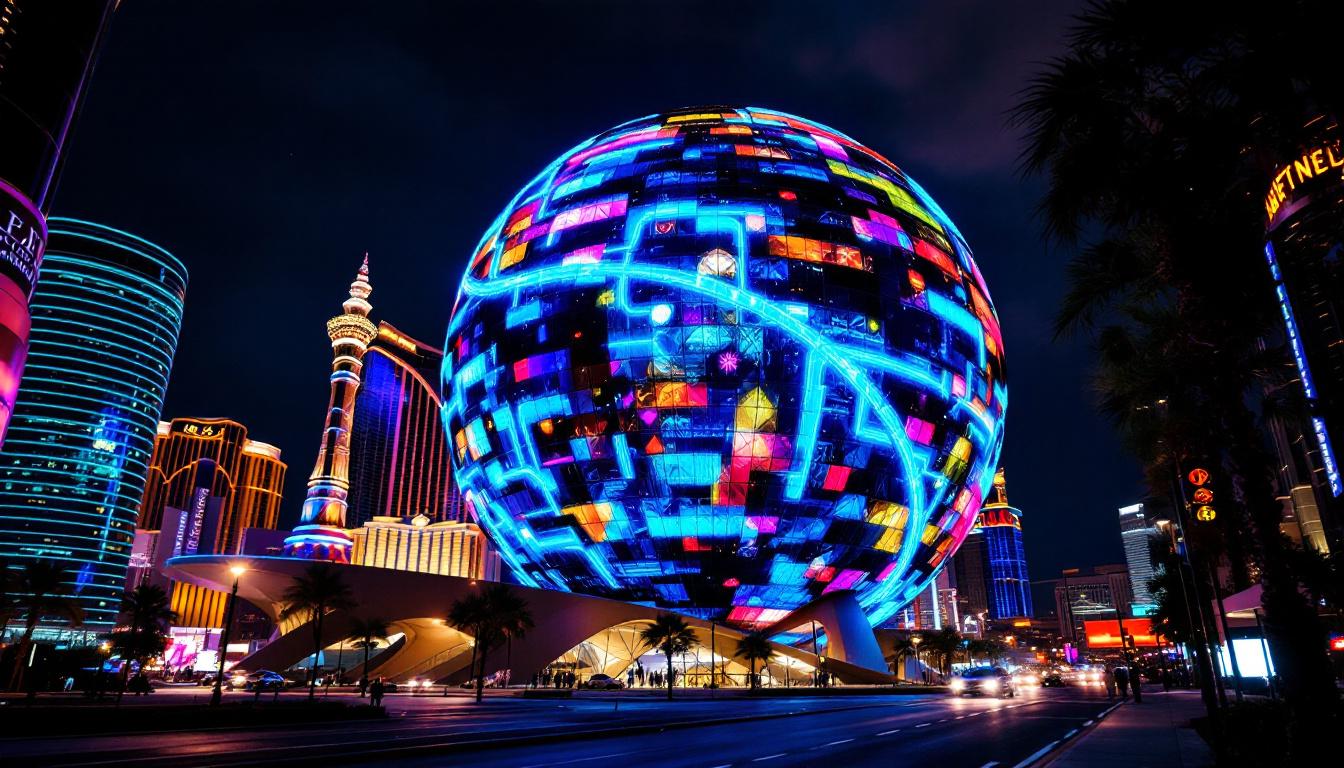
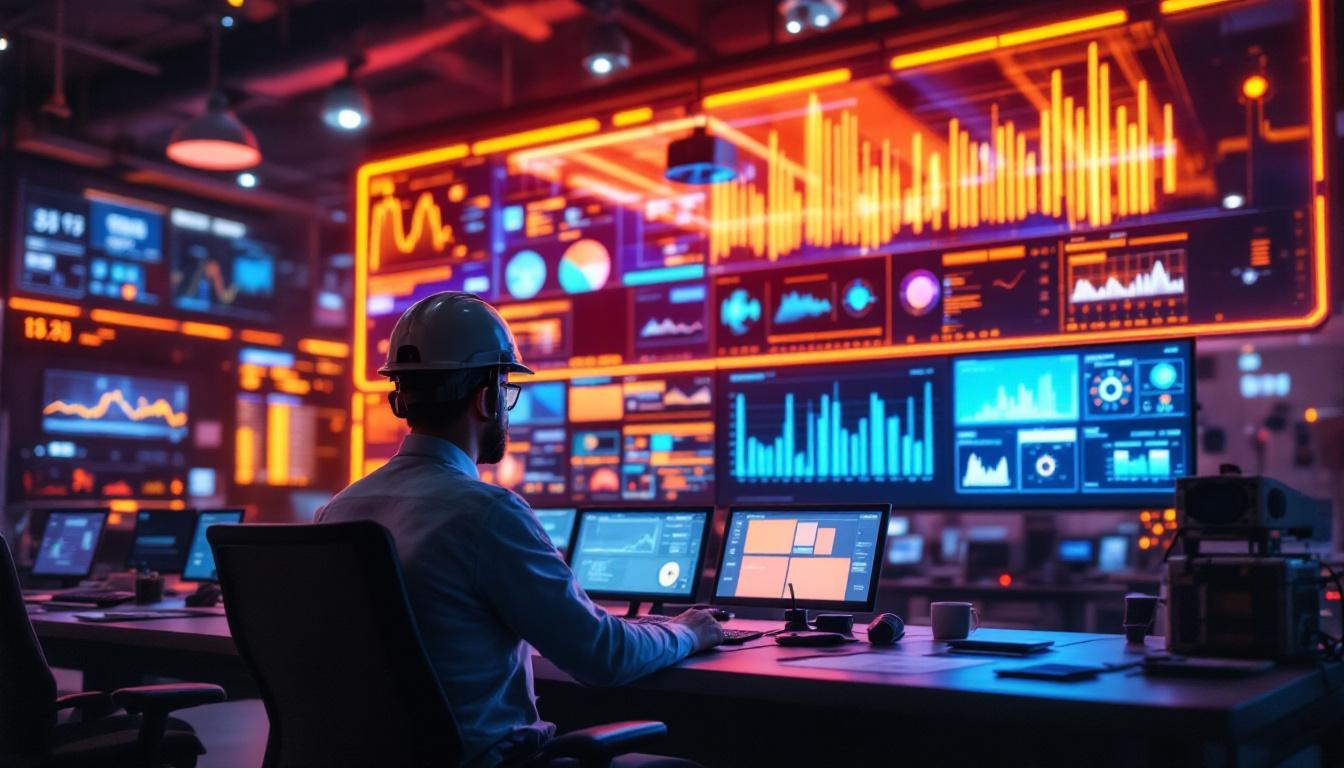
Moreover, advancements in pixel pitch—the distance between the centers of adjacent pixels—have enabled ultra-high-resolution displays. Fine pixel pitches, sometimes as small as 0.9mm, provide crystal-clear imagery suitable for close viewing, such as in control rooms or retail environments. This versatility extends to creative applications as well; LED displays can be configured into unique shapes and designs, allowing for innovative installations that capture attention and engage audiences. From curved displays that wrap around architectural features to interactive screens that respond to viewer input, the possibilities are limited only by imagination. This adaptability makes LED technology a preferred choice for events, exhibitions, and immersive experiences, where visual impact is paramount.
Applications of LED Displays in Audio-Visual Environments
Advertising and Digital Signage
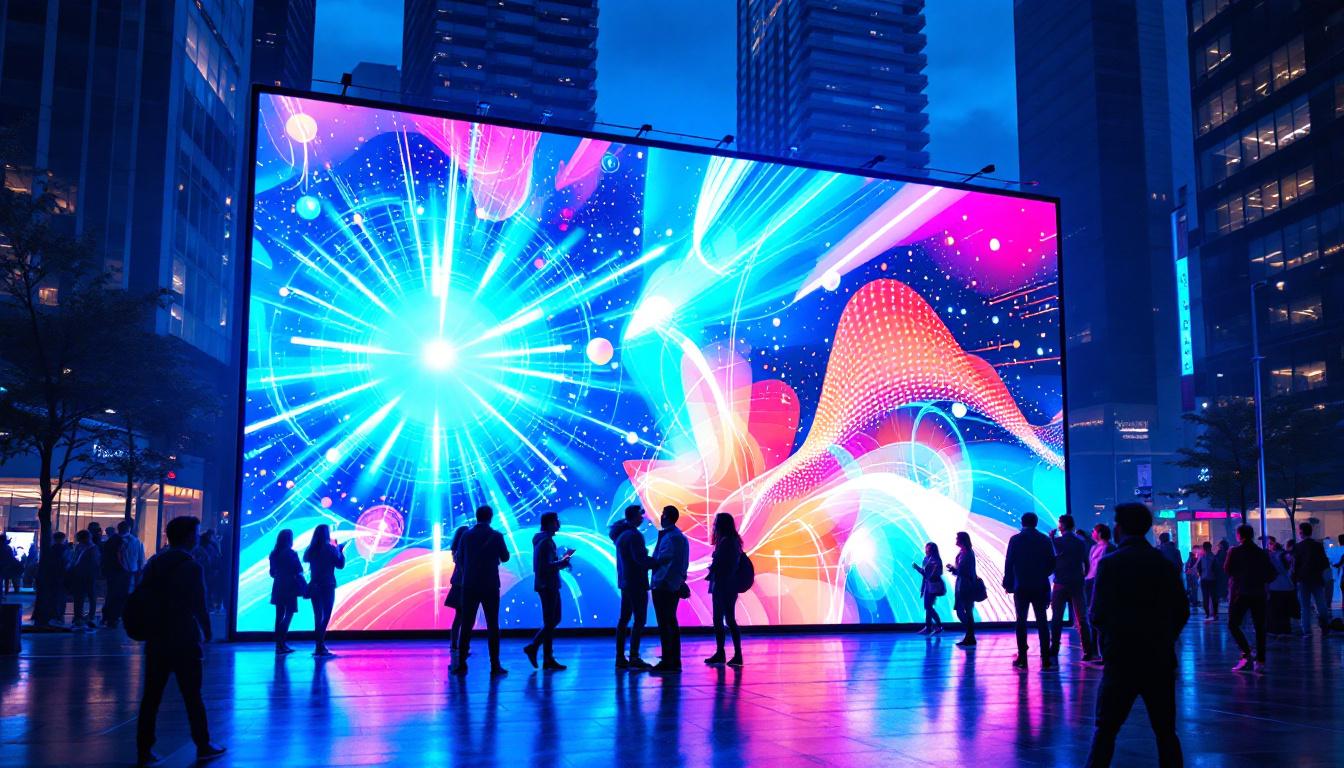
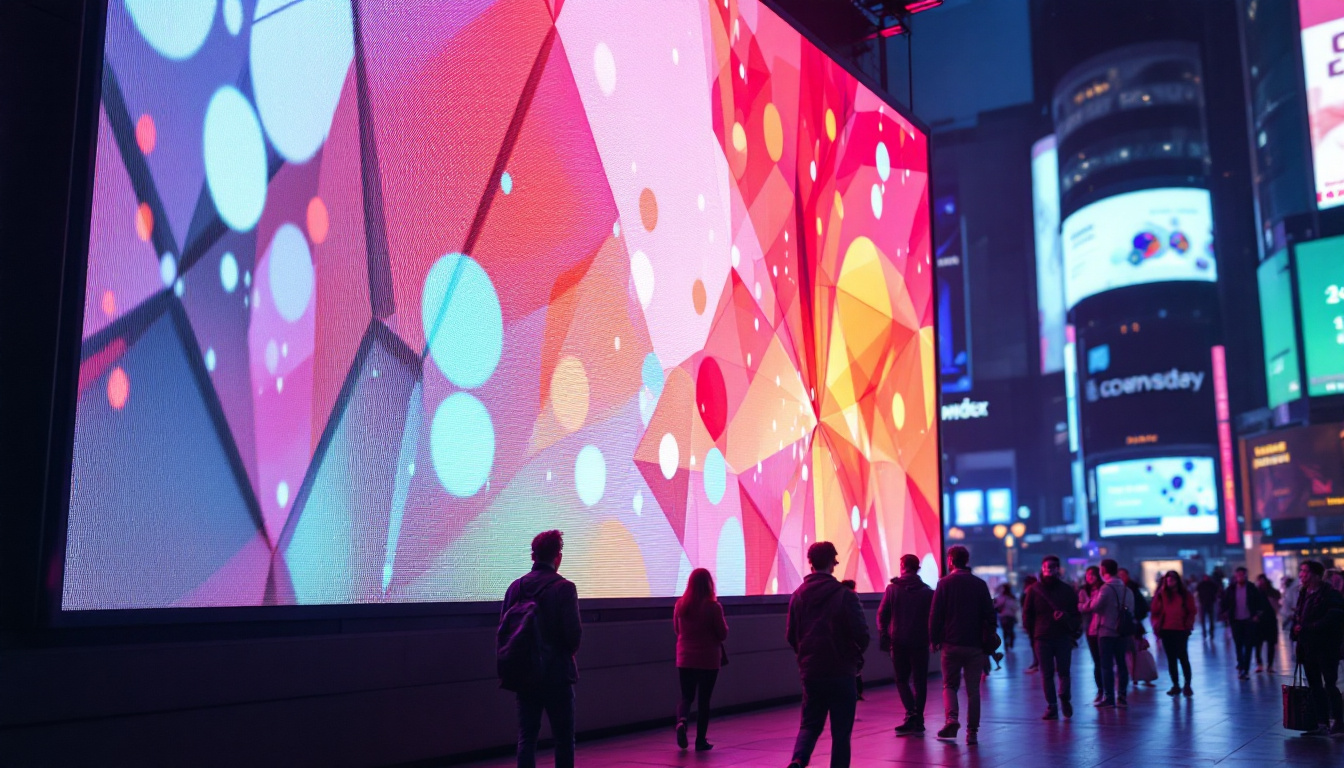
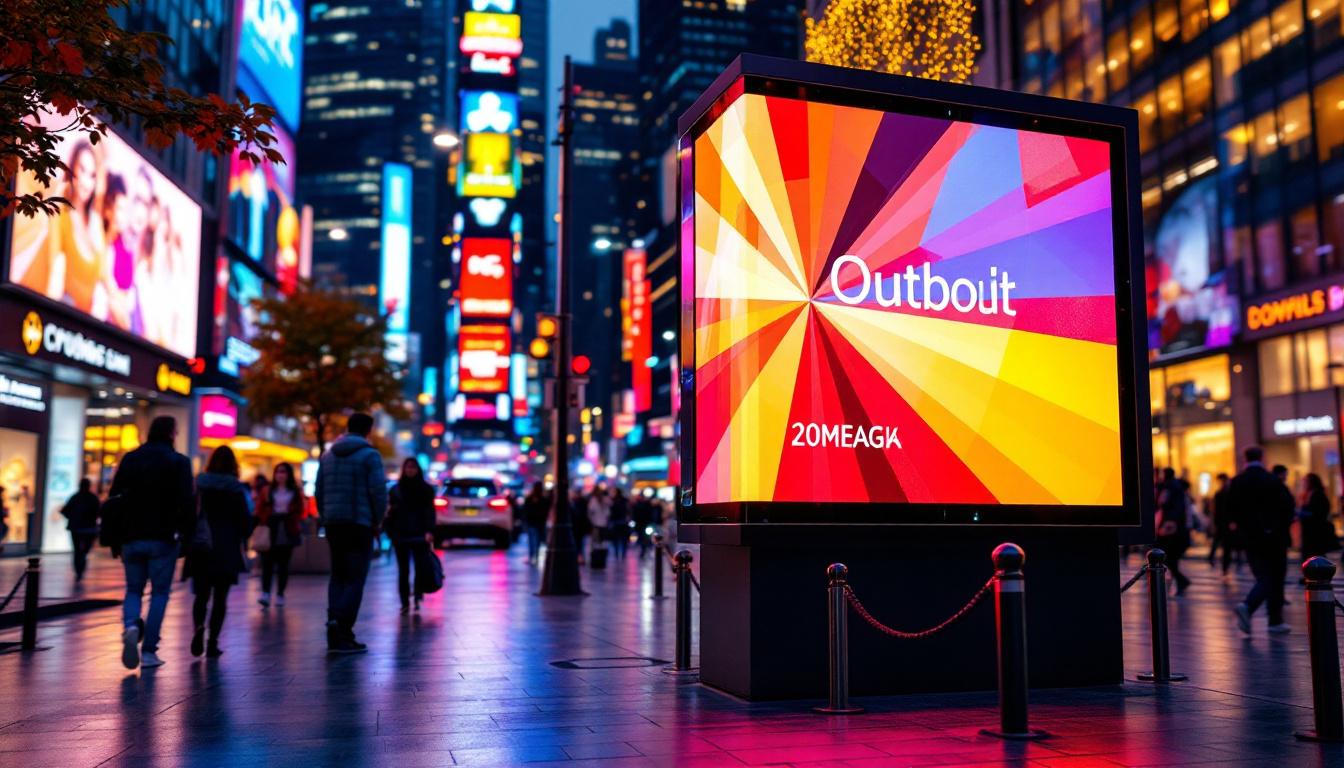
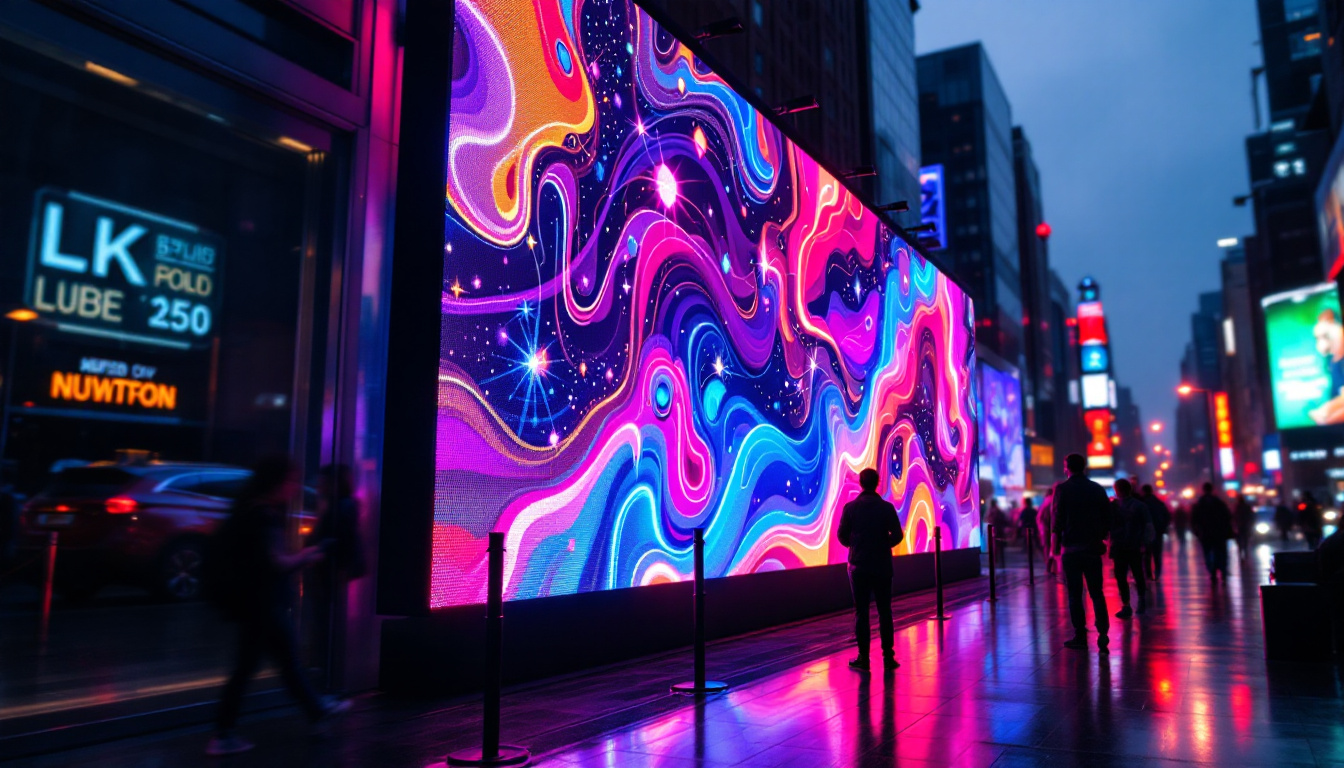
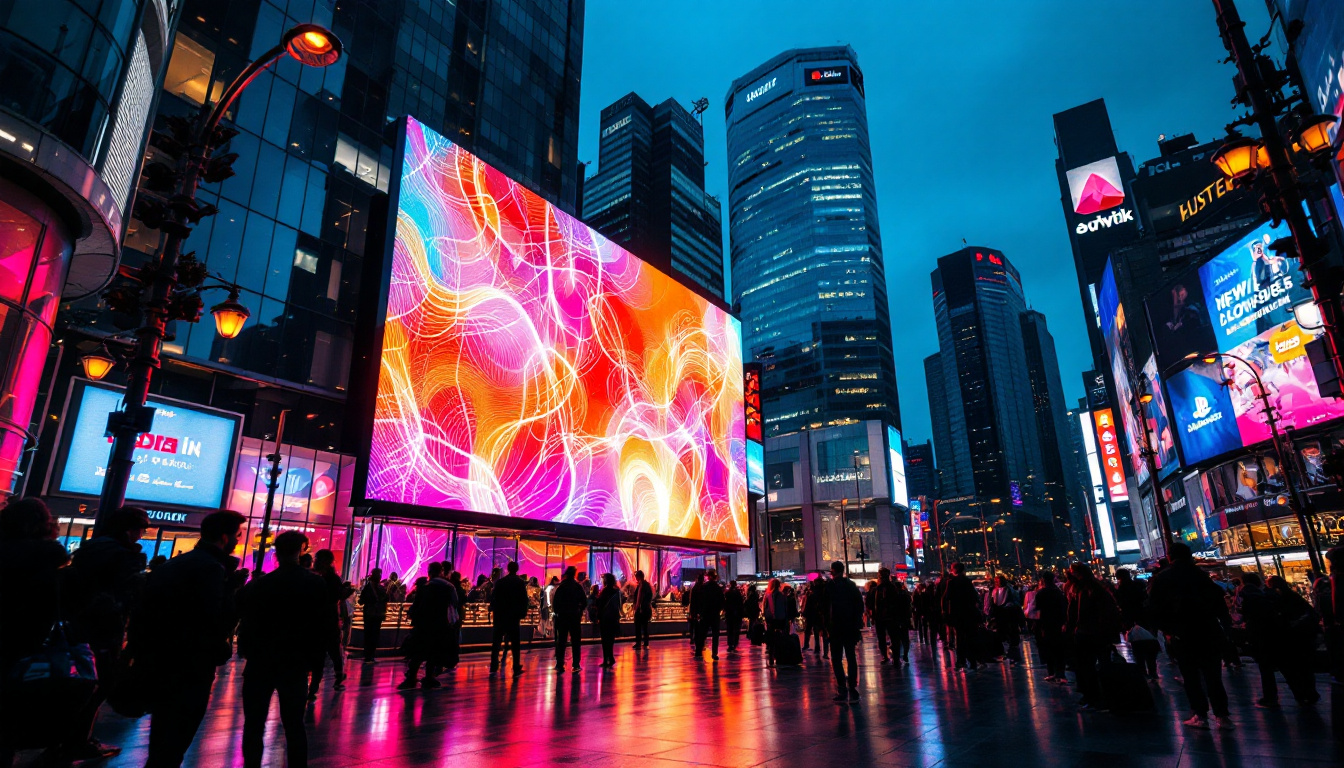
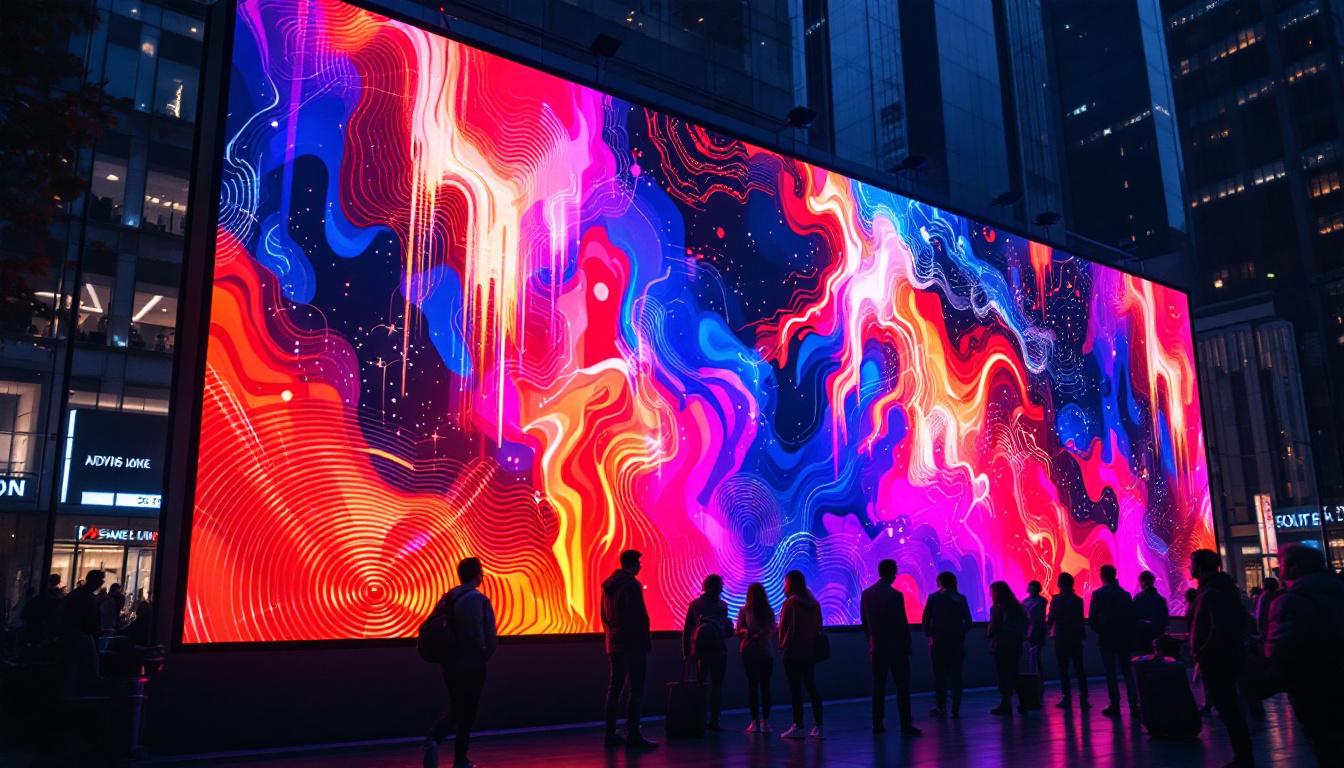
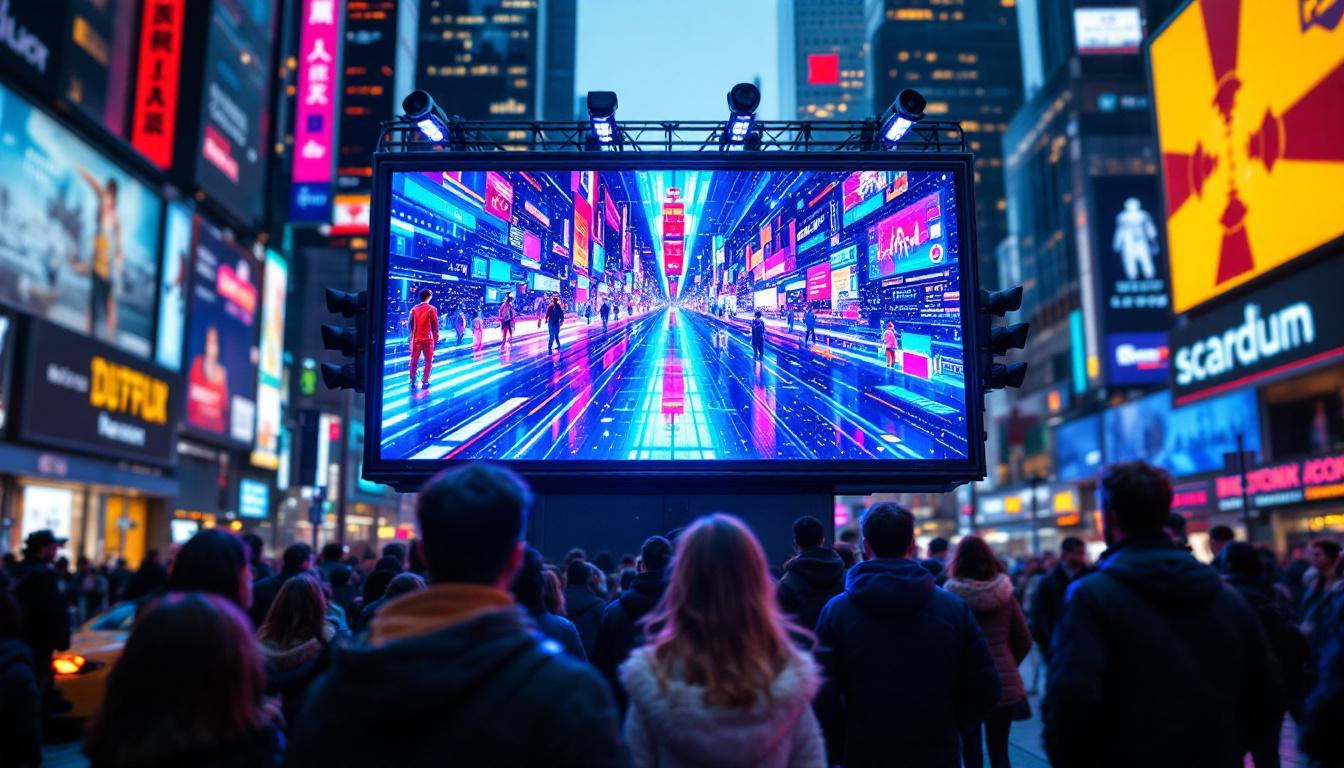
LED displays have revolutionized advertising by enabling dynamic, eye-catching content that can be updated in real-time. Digital billboards and storefront displays leverage LED technology to attract attention and engage consumers with vibrant visuals and animations.
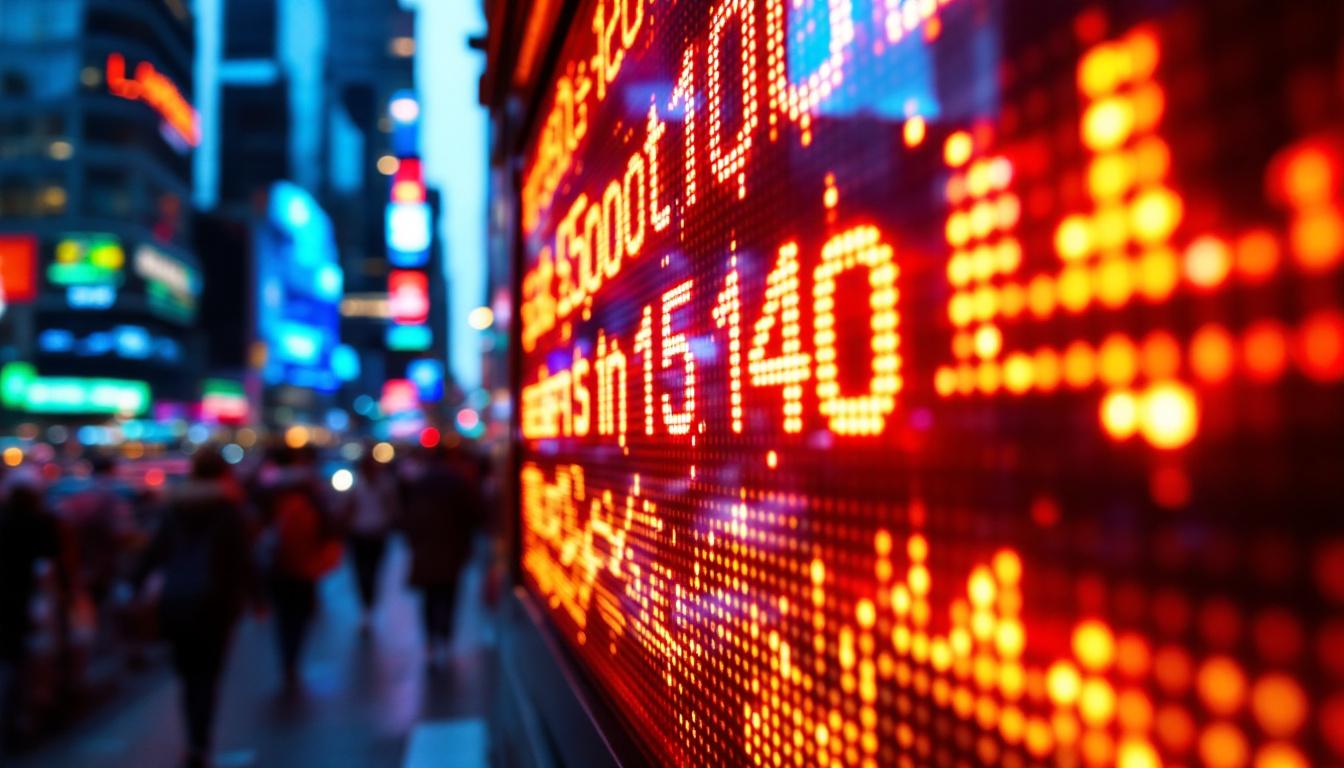
Brands like Times Square in New York City and Shibuya Crossing in Tokyo showcase the power of LED displays in urban advertising, where millions of viewers encounter high-impact messages daily. The ability to quickly change content also allows advertisers to tailor campaigns based on time of day, weather, or audience demographics.
Entertainment and Events
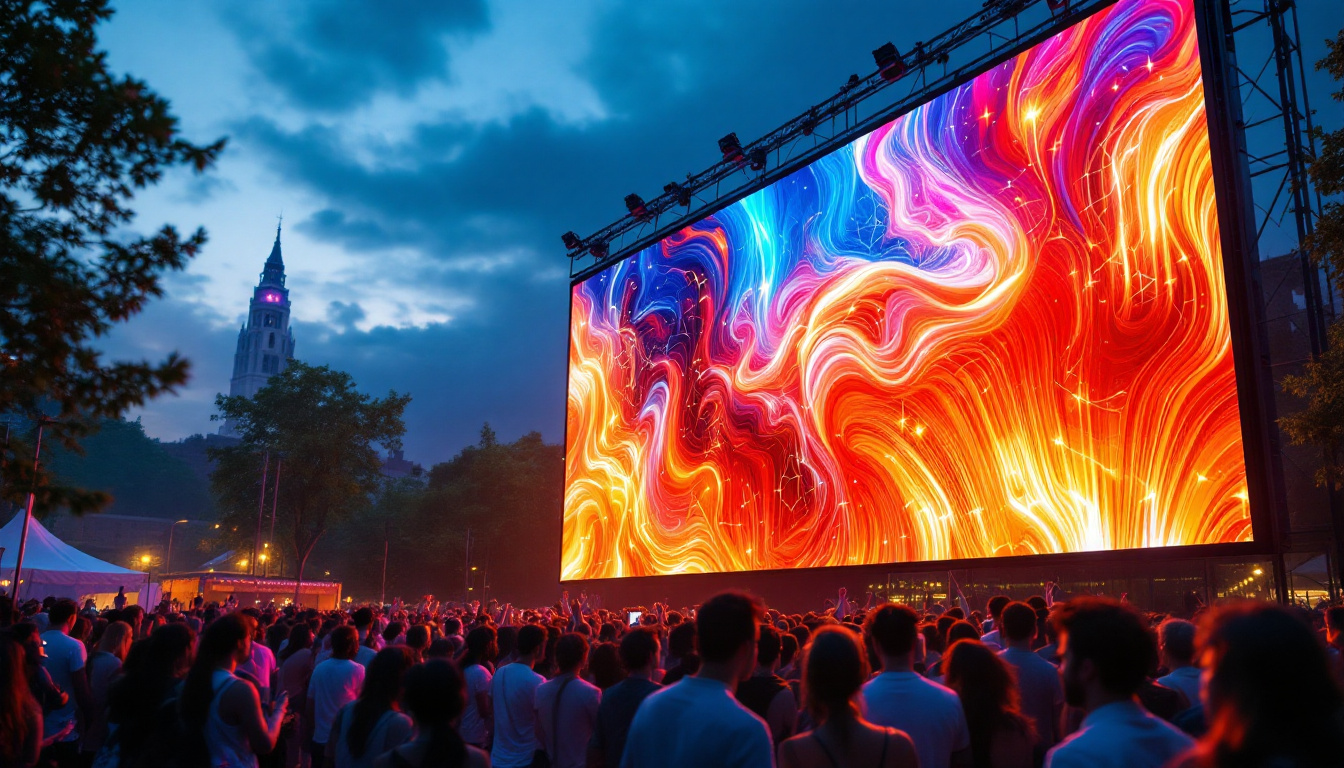
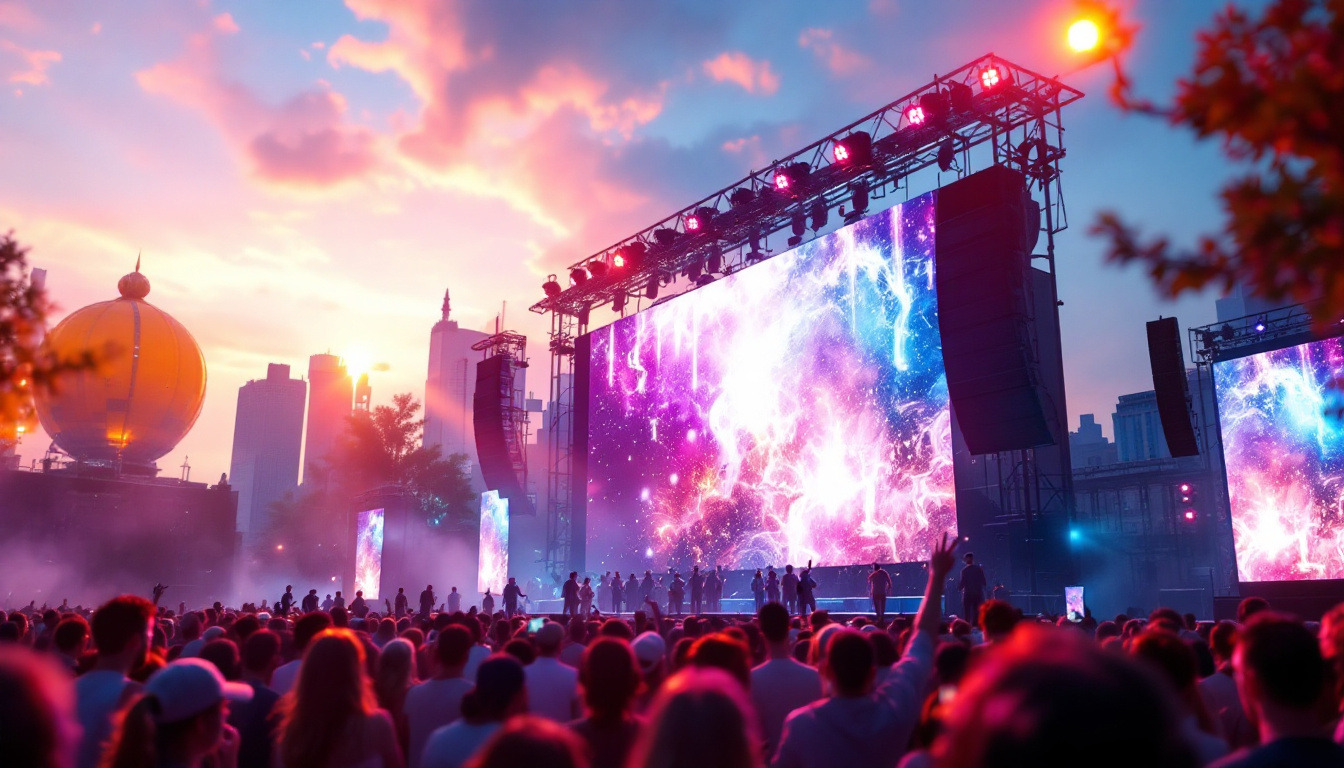
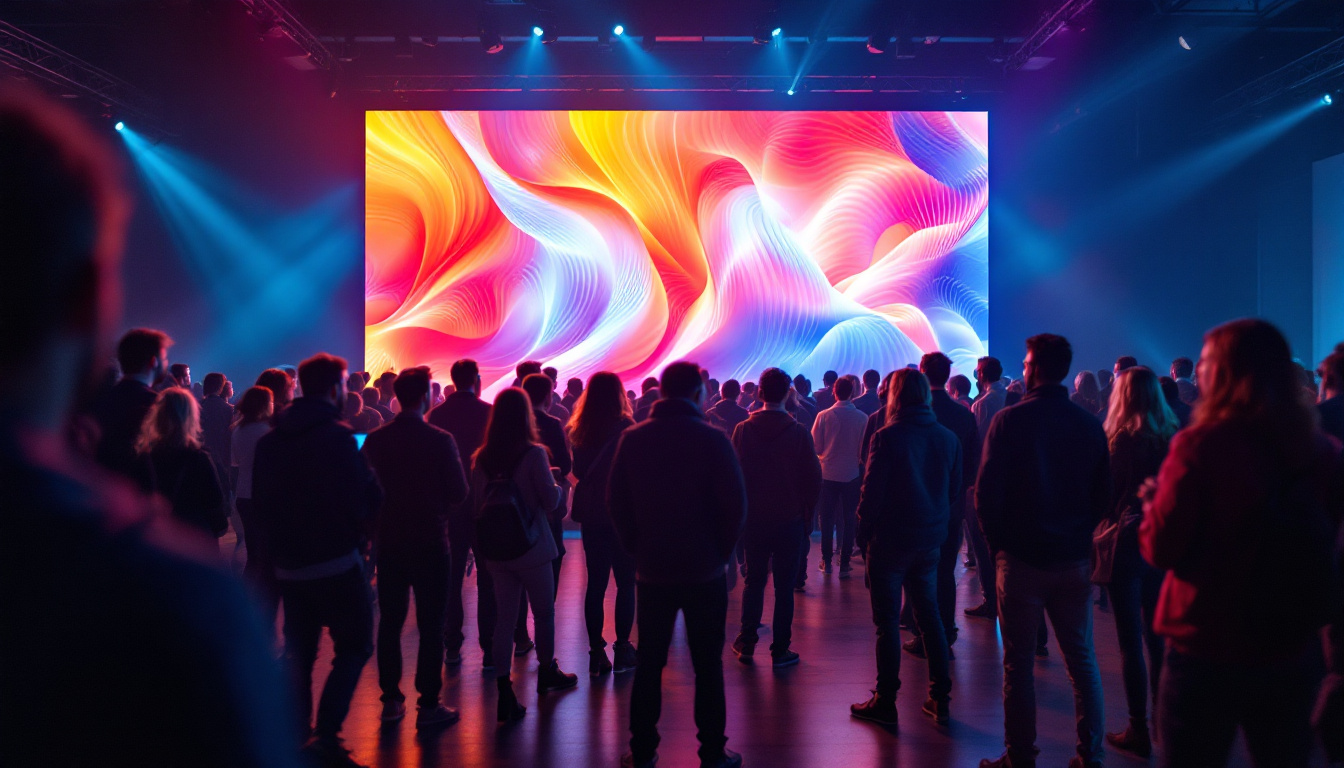
Concerts, festivals, and sporting events extensively use LED displays to enhance the audience experience. Large LED video walls provide live feeds, replays, and immersive visual effects that complement performances and gameplay.
For example, the Super Bowl halftime shows often feature massive LED stage backdrops that synchronize with music and choreography, creating unforgettable spectacles. Similarly, esports arenas employ LED screens to display game action and player stats, engaging fans both onsite and online.
Corporate and Educational Settings
In corporate environments, LED displays facilitate impactful presentations, video conferencing, and digital collaboration. Their high resolution and brightness ensure clear visibility even in well-lit conference rooms.
Educational institutions utilize LED screens for interactive learning, digital signage, and virtual classrooms. The adaptability of LED technology supports a range of formats, from small lecture hall displays to large auditorium video walls.
Technical Considerations When Choosing an LED Display
Pixel Pitch and Resolution
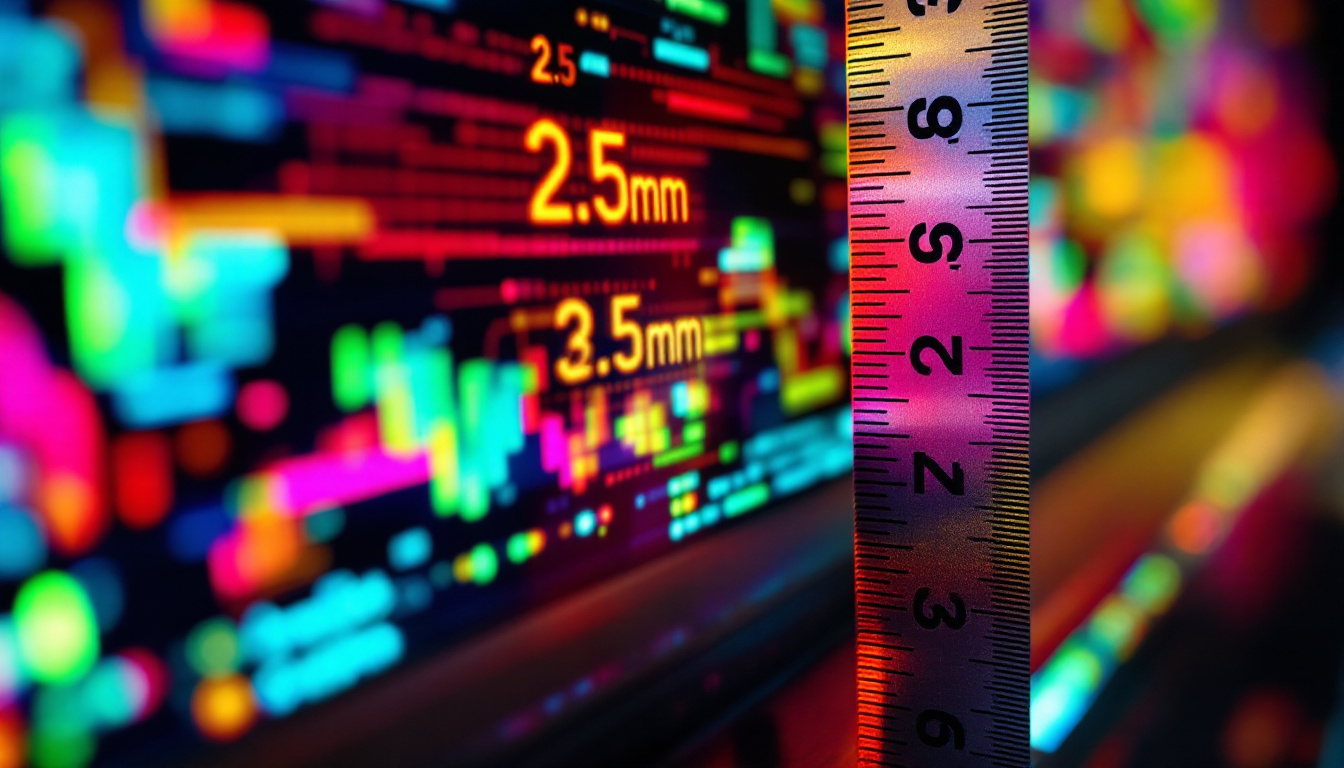
Pixel pitch is a critical specification that affects image clarity and viewing distance. Smaller pixel pitches mean higher resolution and finer detail but typically come at a higher cost. For indoor applications where viewers are close to the screen, pixel pitches between 0.9mm and 2.5mm are common. Outdoor displays, viewed from greater distances, often use pixel pitches ranging from 4mm to 20mm.
Choosing the right pixel pitch depends on the intended viewing distance and content type. For example, a retail store window display might require a finer pitch than a highway billboard.
Brightness and Contrast Ratio
Brightness must be sufficient to overcome ambient light conditions. Outdoor LED displays require higher brightness levels, often exceeding 5,000 nits, while indoor displays typically operate between 800 and 1,500 nits.
The contrast ratio—the difference between the darkest black and brightest white—also impacts image quality. Higher contrast ratios produce more vivid and lifelike images, enhancing viewer engagement.
Refresh Rate and Color Accuracy
A high refresh rate (at least 1,000 Hz) is essential for smooth video playback and reducing flicker, especially in applications involving camera recording or live broadcasts. Color accuracy ensures that the displayed content matches the creator’s intent, which is vital for branding and professional presentations.
Emerging Trends and the Future of LED Displays
MicroLED and MiniLED Technologies
MicroLED and MiniLED represent the next generation of LED display technology, offering even finer pixel pitches and improved performance. MicroLED displays consist of microscopic LEDs that can be individually controlled, enabling ultra-high resolution, better contrast, and enhanced energy efficiency.
These technologies are gaining traction in premium TVs, augmented reality (AR) devices, and high-end commercial displays, promising a future where LED screens deliver unprecedented visual experiences.
Flexible and Transparent LED Displays
Innovations in materials and manufacturing have led to flexible and transparent LED displays. Flexible LED panels can be curved or bent to fit unique architectural designs, opening new possibilities for creative installations in retail, museums, and public spaces.
Transparent LED displays allow viewers to see through the screen while still displaying vibrant images, ideal for storefront windows and vehicle windshields, blending digital content with the physical environment.
Integration with IoT and Smart Technologies
The integration of LED displays with Internet of Things (IoT) platforms and smart technologies is enhancing interactivity and data-driven content delivery. Smart LED displays can adjust brightness automatically based on ambient light, display personalized advertisements, and integrate with sensors to provide real-time information.
This connectivity also facilitates remote management and diagnostics, reducing maintenance costs and improving operational efficiency.
Conclusion
LED displays have become an indispensable component of modern audio-visual communication, offering unparalleled brightness, versatility, and longevity. Their ability to deliver dynamic, high-quality images in diverse environments—from bustling cityscapes to intimate corporate settings—makes them a preferred choice for a wide range of applications.
As LED technology continues to advance with innovations like MicroLED, flexible panels, and smart integration, the future promises even more immersive and interactive visual experiences. Understanding the technical aspects and practical applications of LED displays empowers businesses and content creators to harness their full potential and stay ahead in a competitive digital world.
Explore Cutting-Edge LED Display Solutions with LumenMatrix
Ready to elevate your audio-visual experiences with the latest in LED display technology? LumenMatrix is at the forefront of innovation, offering a diverse range of LED display modules designed to bring your brand to life. Whether you’re looking for an Indoor LED Wall Display, a vibrant Outdoor LED Wall Display, or specialized solutions like Vehicle LED Displays and LED Sports Displays, LumenMatrix has the expertise to transform your visual communication. Experience the future of digital signage with our Custom LED Displays, All-in-One LED Displays, and LED Transparent Displays. Check out LumenMatrix LED Display Solutions today and see how we can help you create unforgettable visual narratives that resonate with your audience.