In the rapidly evolving world of digital technology, LED displays have become a cornerstone of modern visual communication. From vibrant billboards to interactive museum exhibits, LED screens captivate audiences with their brightness, clarity, and versatility. But what exactly makes these displays tick, and how do they create images that seem almost tangible? This comprehensive article delves into the technology behind LED displays, exploring their components, types, applications, and the future innovations that promise to make pictures truly “touchable.”
Understanding LED Display Technology
What Is an LED Display?
LED stands for Light Emitting Diode, a semiconductor device that emits light when an electric current passes through it. An LED display is a flat panel or flexible surface that uses an array of these tiny diodes to create images, videos, or text. Unlike traditional LCDs that rely on backlighting, LED displays generate their own light, resulting in higher brightness and better contrast.
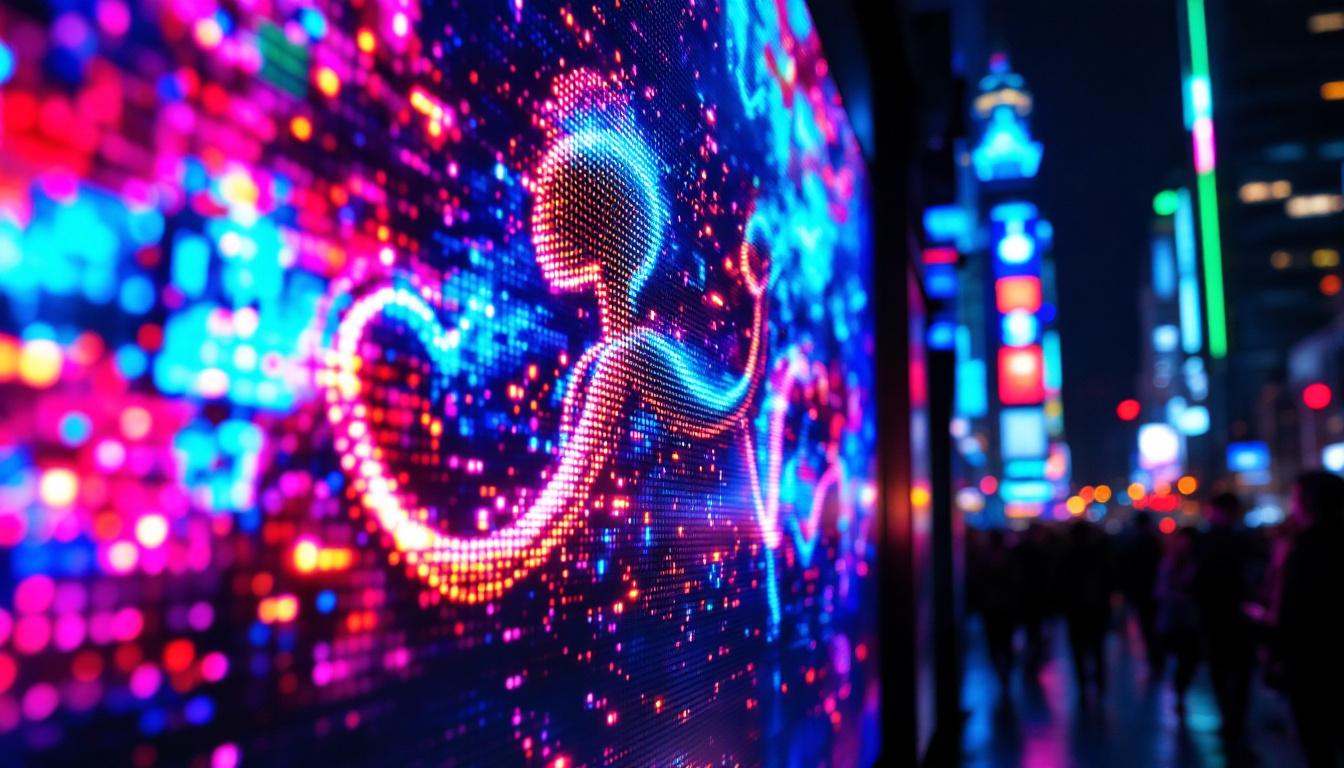
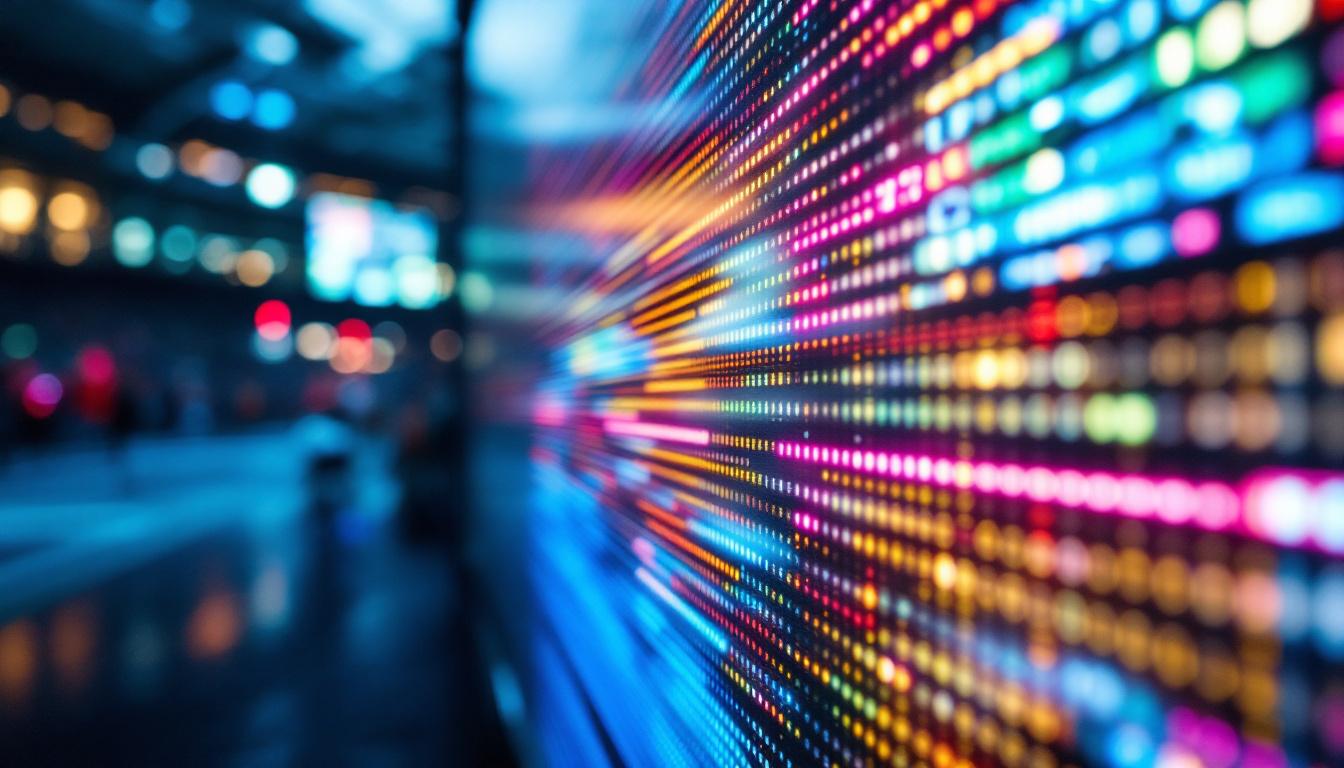
These displays are composed of thousands, sometimes millions, of individual LEDs arranged in a grid. By controlling the brightness and color of each diode, the display forms detailed images visible even in direct sunlight. This self-illumination capability is a key reason why LED technology dominates outdoor advertising and large-scale digital signage.
How Do LED Displays Work?
At the core of LED display technology is the principle of additive color mixing. Each pixel on the screen typically consists of three subpixels: red, green, and blue LEDs. By varying the intensity of each subpixel, the display can produce a wide spectrum of colors. This process is managed by sophisticated electronics that translate digital signals into precise light outputs.
Modern LED displays use surface-mounted device (SMD) LEDs, which are compact and efficient. These are mounted on printed circuit boards (PCBs) to form modules, which are then assembled into larger panels. The display’s resolution depends on the density of LEDs, often referred to as pixel pitch — the distance between the centers of two adjacent pixels. Smaller pixel pitches yield sharper images but come at a higher cost.
Types of LED Displays and Their Uses
Indoor vs. Outdoor LED Displays
LED displays are broadly categorized into indoor and outdoor types, each optimized for specific environments. Indoor LED screens have smaller pixel pitches (often less than 2mm) to provide high-resolution images at close viewing distances. These are commonly used in conference rooms, retail stores, and entertainment venues.
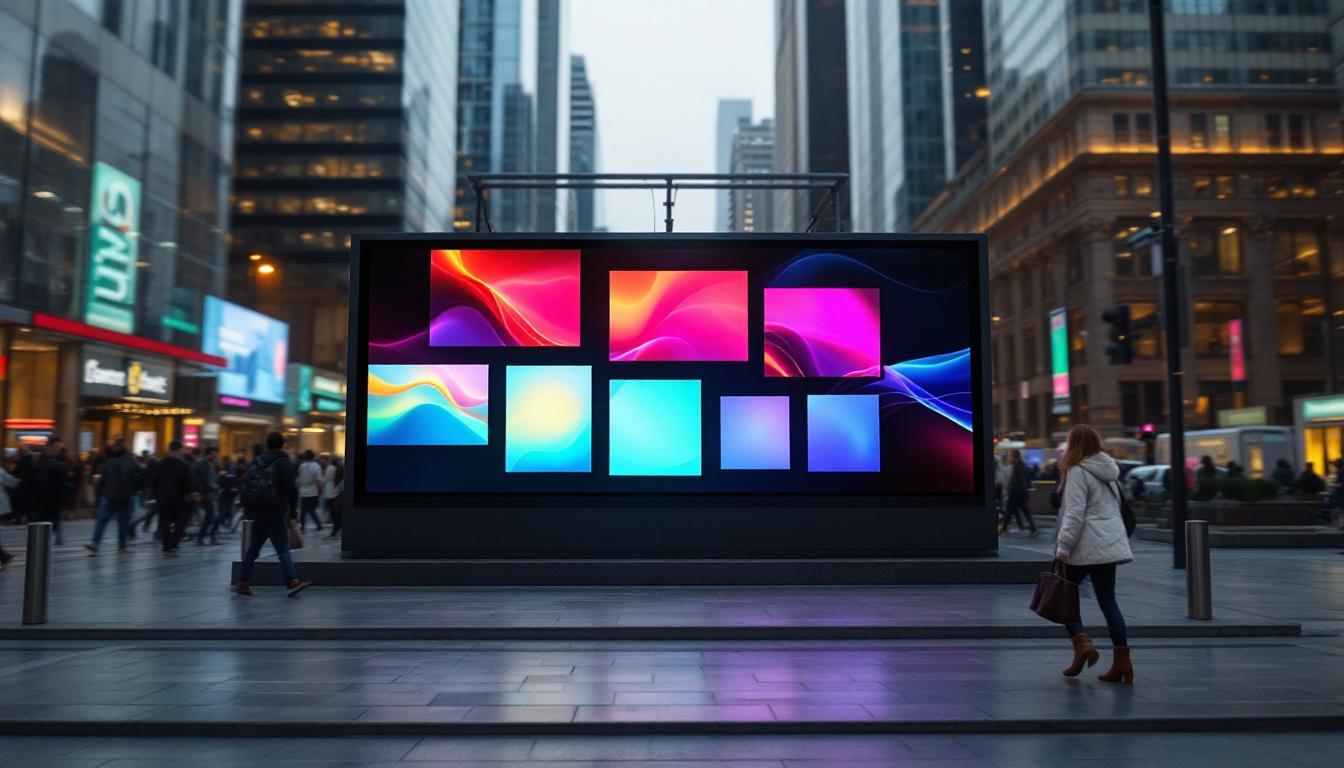
Outdoor LED displays, on the other hand, prioritize brightness and durability. With pixel pitches ranging from 4mm to over 20mm, these displays are designed to be visible from hundreds of feet away. They are weatherproof, resistant to UV rays, and built to withstand extreme temperatures, making them ideal for billboards, stadium screens, and public information boards.
Flexible and Transparent LED Displays
Recent advancements have introduced flexible and transparent LED displays, expanding the possibilities for creative installations. Flexible LED panels can bend or curve, allowing designers to integrate screens into irregular surfaces such as columns, vehicles, or wearable technology. This flexibility opens new avenues for advertising and immersive experiences.
Transparent LED displays combine LED technology with glass substrates, enabling screens that allow light to pass through while displaying vivid images. These are popular in retail storefronts and architectural applications, where maintaining natural light and visibility is important. Transparent displays can transform ordinary windows into dynamic digital canvases without obstructing views.
MicroLED and MiniLED: The Next Generation
MicroLED and MiniLED are emerging technologies that promise to revolutionize LED displays. MicroLEDs are tiny LEDs (less than 100 micrometers) that can be individually controlled, offering exceptional brightness, contrast, and energy efficiency. They are poised to compete with OLED displays in smartphones, TVs, and augmented reality devices.
MiniLEDs, slightly larger than MicroLEDs but smaller than traditional LEDs, serve as advanced backlighting for LCD panels. This hybrid approach enhances contrast ratios and color accuracy while reducing power consumption. Both technologies represent a significant leap forward in display performance and durability.
Applications of LED Displays: More Than Just Screens
Advertising and Public Information
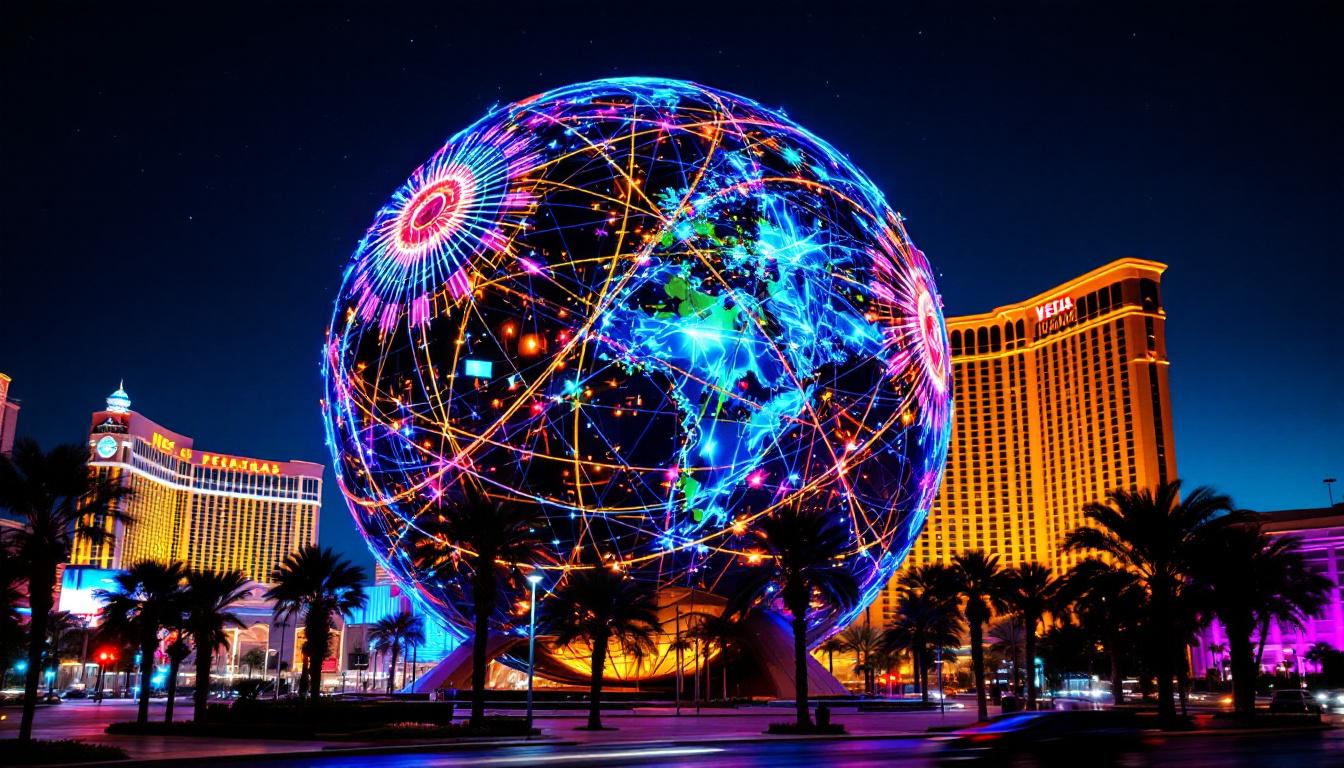
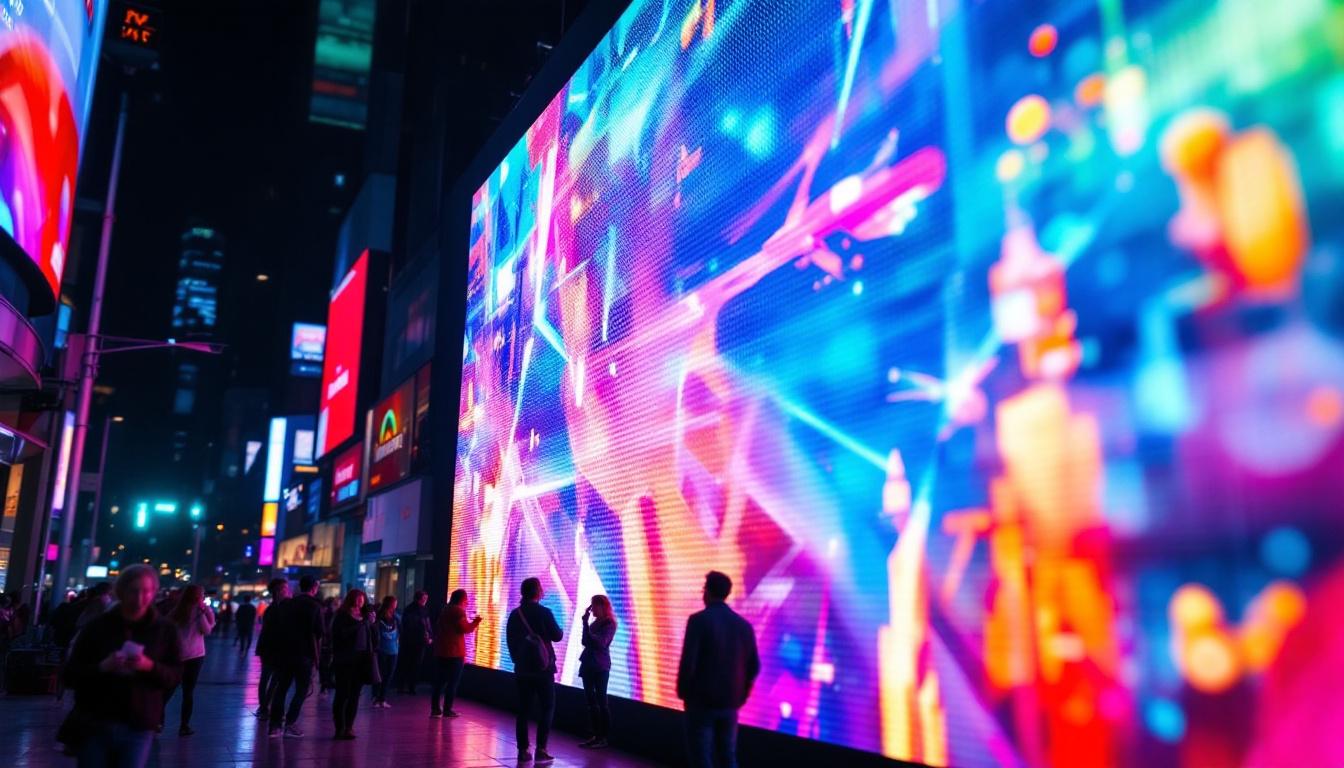
LED displays have transformed the advertising landscape, enabling dynamic, eye-catching content that can be updated in real-time. According to a 2023 report by Grand View Research, the global digital signage market is expected to reach $32.84 billion by 2028, driven largely by LED technology. Billboards, transit shelters, and retail windows use LED screens to engage consumers with vibrant visuals and interactive features.
Public information systems also benefit from LED displays, providing real-time updates on transportation schedules, emergency alerts, and event information. The high visibility and reliability of LEDs make them indispensable in urban infrastructure.
Entertainment and Events
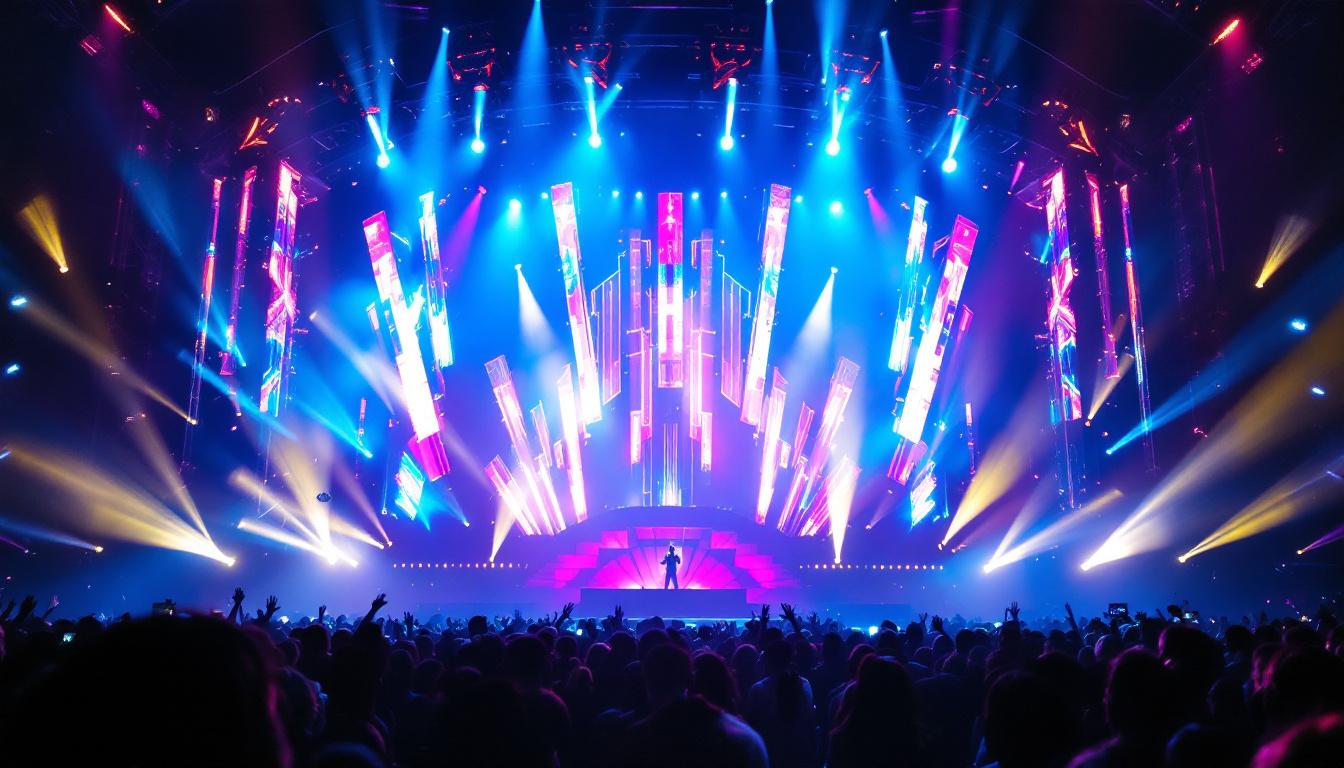
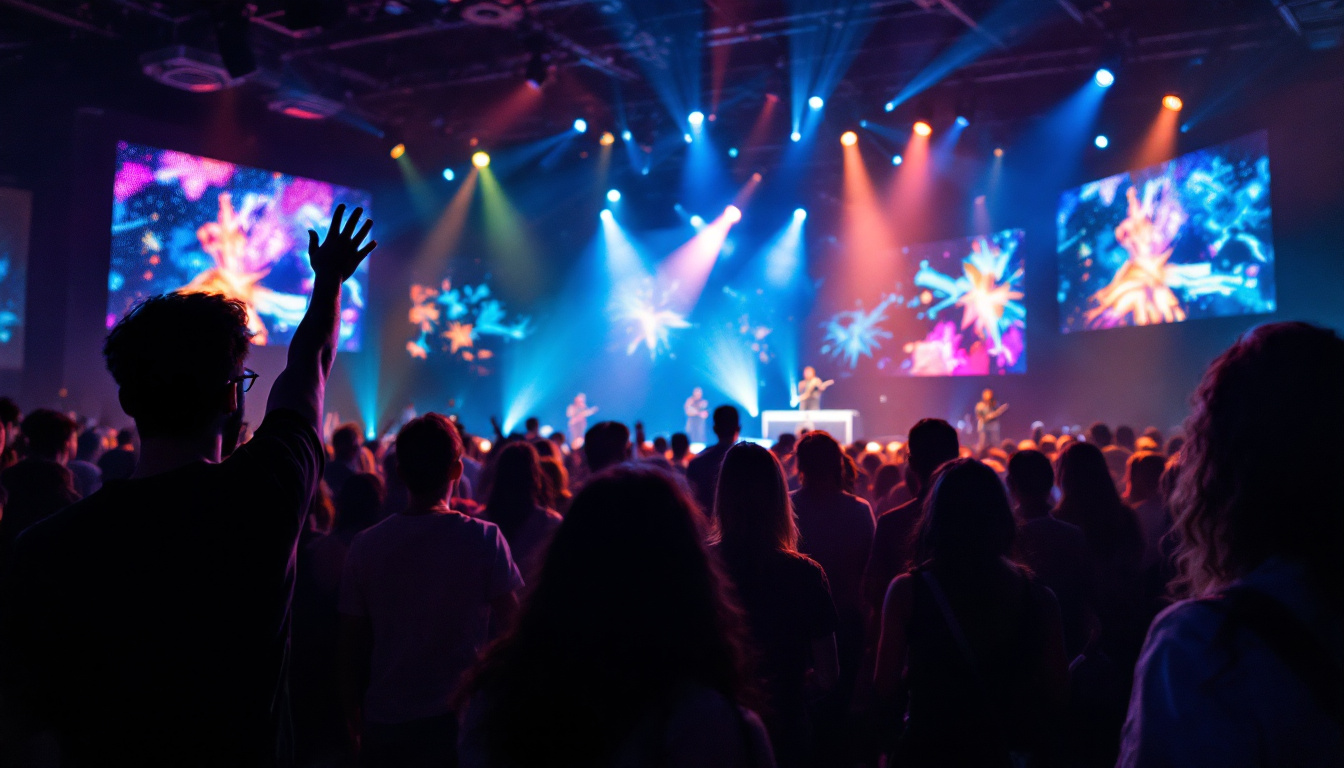
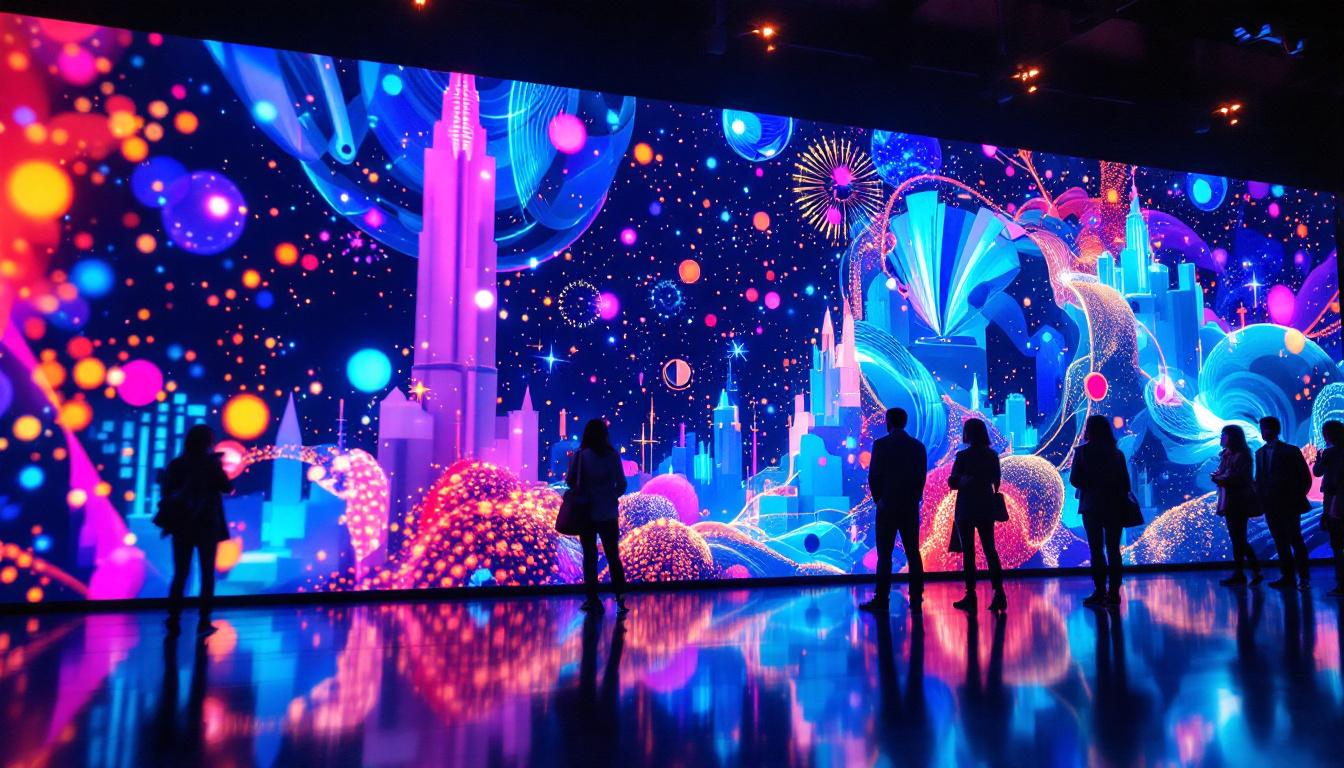
Concerts, sporting events, and festivals rely heavily on LED displays to enhance audience experience. Massive LED video walls deliver immersive visuals that synchronize with performances, creating memorable spectacles. The ability to customize screen shapes and sizes allows event organizers to design unique staging environments.
Indoor arenas use LED ribbon boards and perimeter displays to show scores, advertisements, and fan messages, increasing engagement and revenue opportunities. The flexibility and brightness of LEDs ensure visibility from all seating areas.
Education and Corporate Use
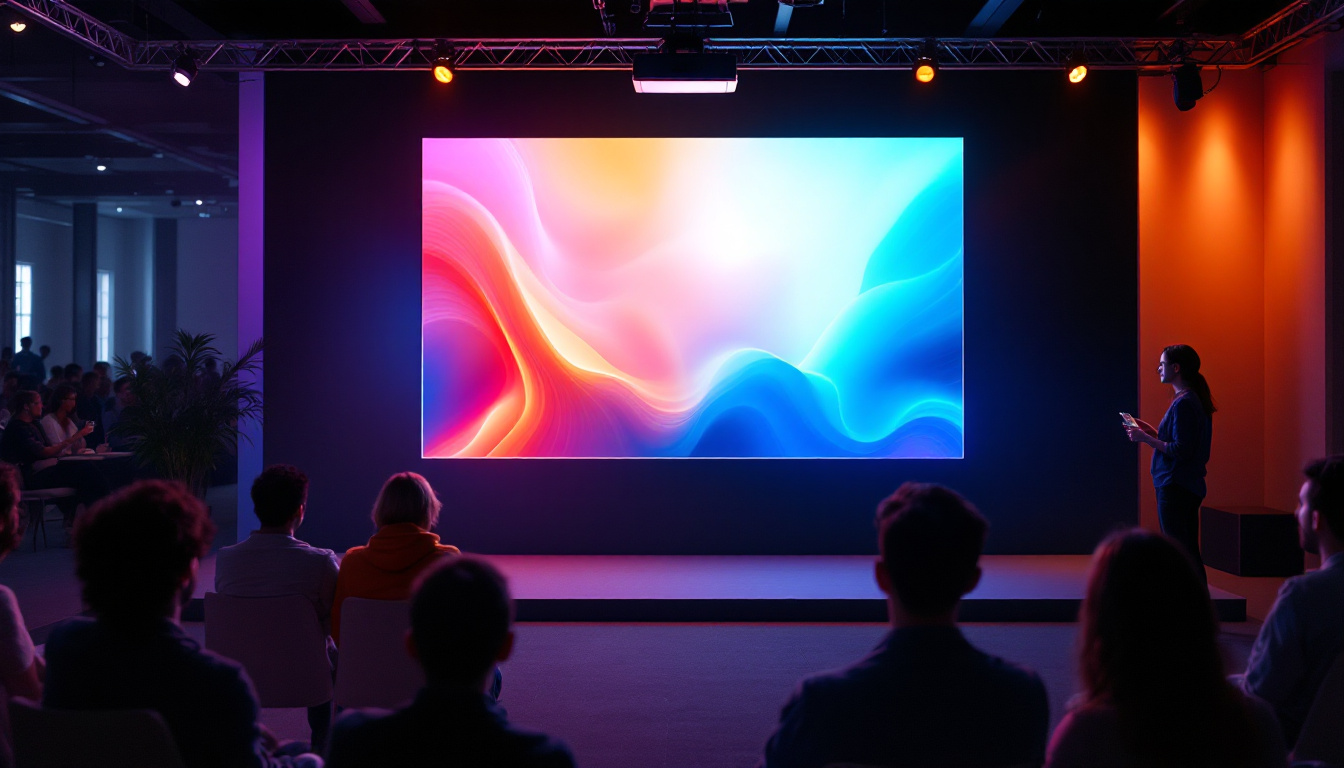
In classrooms and corporate settings, LED displays facilitate interactive learning and presentations. Large LED screens enable clear visibility of content, even in spacious rooms. Touch-enabled LED panels are increasingly popular, allowing users to manipulate information directly on the screen, fostering collaboration and engagement.
Moreover, LED technology supports video conferencing and digital whiteboarding, essential tools in today’s hybrid work environments. The durability and low maintenance of LED displays make them cost-effective solutions for institutions.
Making Pictures Touchable: The Intersection of LED and Touch Technology
How Touchscreen LED Displays Work
Combining LED displays with touch technology creates interactive surfaces that respond to human input. These touchscreens use sensors like capacitive or infrared technology layered over the LED panel to detect finger or stylus contact. Capacitive touchscreens, common in smartphones and tablets, sense electrical charges from the human body, enabling precise multi-touch gestures.
Infrared touchscreens use a grid of light beams to detect interruptions caused by touch. This method works well for larger displays and can support gloved hands or styluses, making it suitable for public kiosks and industrial applications.
Applications of Touchable LED Displays
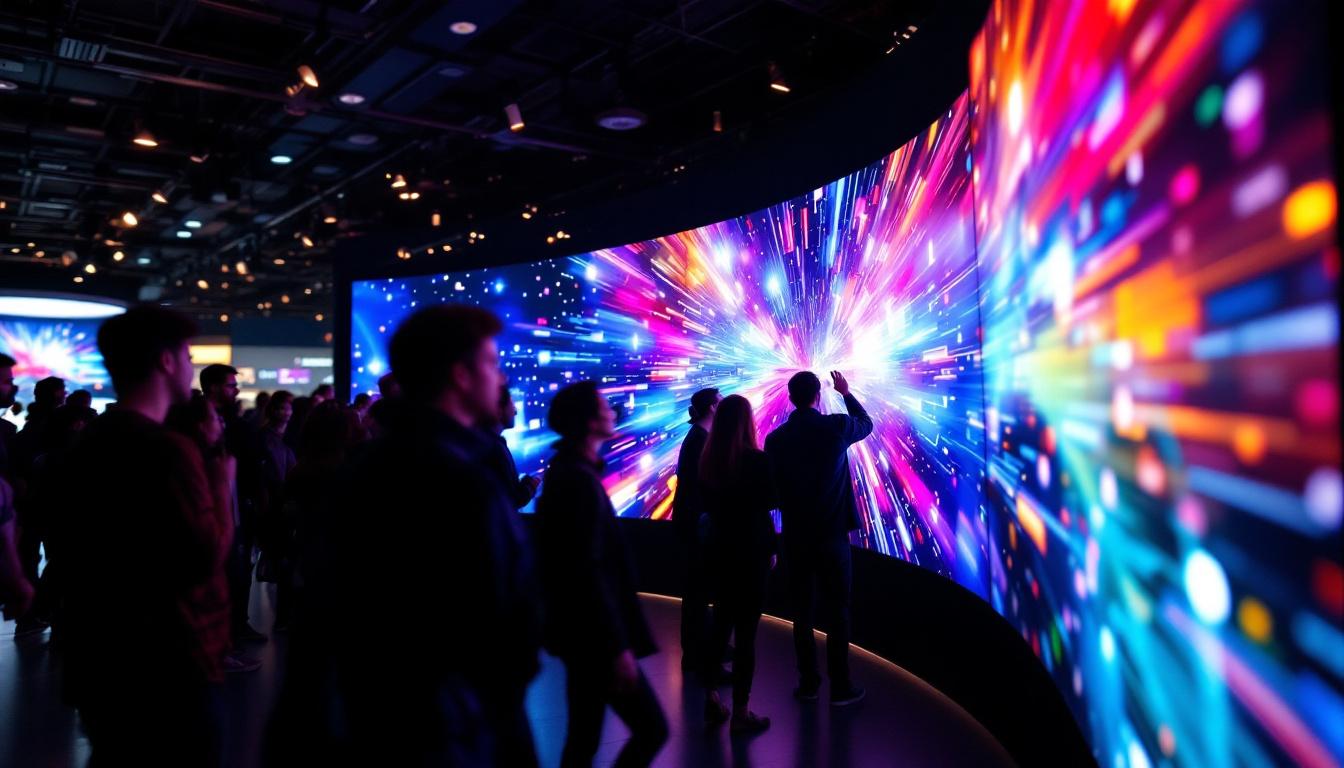
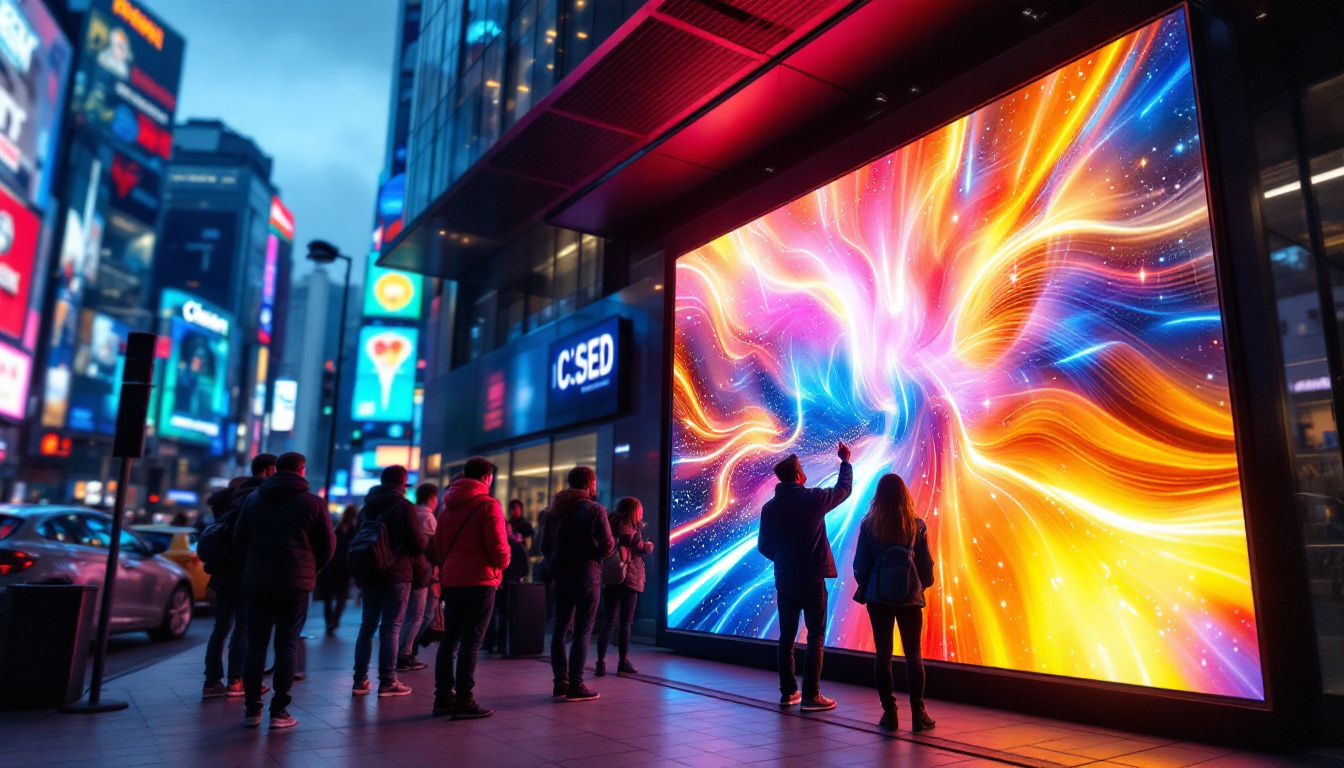
Touchable LED displays have found widespread use in retail environments, museums, and corporate settings. Interactive kiosks allow customers to browse products, check prices, or customize orders, enhancing the shopping experience. Museums use touch-enabled LED walls to provide educational content that visitors can explore at their own pace.
In corporate boardrooms, touch LED screens facilitate brainstorming sessions and data visualization, making meetings more productive. Even in healthcare, touch LED displays assist in patient education and telemedicine consultations.
Challenges and Future Prospects
Despite their advantages, integrating touch technology with large LED displays presents challenges. Ensuring accurate touch detection over expansive surfaces requires sophisticated calibration and sensor design. Additionally, the cost of manufacturing large touch-enabled LED panels remains relatively high.
However, ongoing research aims to overcome these hurdles. Innovations such as haptic feedback—where users can feel vibrations or textures on the screen—are being explored to make digital images feel even more tangible. Advances in flexible touch sensors may also lead to fully bendable, interactive LED surfaces in the near future.
Maintaining and Optimizing LED Displays
Ensuring Longevity and Performance
Proper maintenance is crucial for maximizing the lifespan and performance of LED displays. Regular cleaning prevents dust and debris from impairing brightness or causing overheating. Outdoor displays require protective coatings and periodic inspections to guard against weather damage.
Calibration is another essential aspect. Over time, LEDs can degrade unevenly, leading to color inconsistencies. Professional calibration tools adjust brightness and color balance, ensuring uniform image quality across the entire screen.
Energy Efficiency and Environmental Impact
LED displays are inherently energy-efficient compared to older display technologies, consuming up to 80% less power than incandescent lighting. This efficiency reduces operational costs and environmental impact. Many manufacturers now incorporate eco-friendly materials and recycling programs to further minimize their carbon footprint.
As sustainability becomes a priority, innovations like adaptive brightness control—where the display dims automatically in low-light conditions—help conserve energy without compromising visual quality.
The Future of Touchable Pictures and LED Displays
Emerging Trends and Innovations
The future of LED displays is bright, with several exciting trends shaping the industry. Integration with artificial intelligence (AI) enables content personalization based on viewer demographics or behavior, enhancing engagement. For example, digital signage can adapt advertisements in real-time depending on the audience composition detected by cameras.
Augmented reality (AR) and virtual reality (VR) technologies are also converging with LED displays, creating immersive environments where digital and physical worlds blend seamlessly. Interactive LED floors and walls in retail or entertainment venues offer new dimensions of user experience.
From Visual to Tangible: The Promise of Haptic LED Displays
One of the most intriguing developments is the pursuit of haptic LED displays that provide tactile feedback. By integrating micro-actuators beneath the screen surface, users could feel textures, shapes, or vibrations corresponding to the visual content. This innovation could revolutionize fields such as remote surgery, education, and gaming by adding a new sensory layer to digital interaction.
While still in experimental stages, haptic LED technology represents a step toward truly “touchable pictures,” where the boundary between the digital image and physical sensation blurs.
Conclusion
LED displays have transformed how information and entertainment are presented, offering unparalleled brightness, color accuracy, and versatility. Their evolution from simple light arrays to interactive, touch-enabled surfaces has opened new possibilities across industries. As technology advances, the line between digital images and physical interaction continues to fade, bringing the vision of touchable pictures closer to reality.
Understanding the fundamentals of LED technology, its applications, and future trends empowers businesses, educators, and creators to harness its full potential. Whether illuminating a cityscape, enhancing a classroom, or creating immersive art, LED displays remain at the forefront of visual innovation.
Explore the Future of Visual Innovation with LumenMatrix
Ready to elevate your visual communication and create experiences that resonate with your audience? LumenMatrix is at the forefront of LED display innovation, offering a diverse range of solutions tailored to your needs. From Indoor and Outdoor LED Wall Displays to Custom and Transparent LED solutions, our technology is designed to captivate and engage. Discover how our LED displays can transform your space and bring your vision to life. Check out LumenMatrix LED Display Solutions today and join the revolution in digital signage.