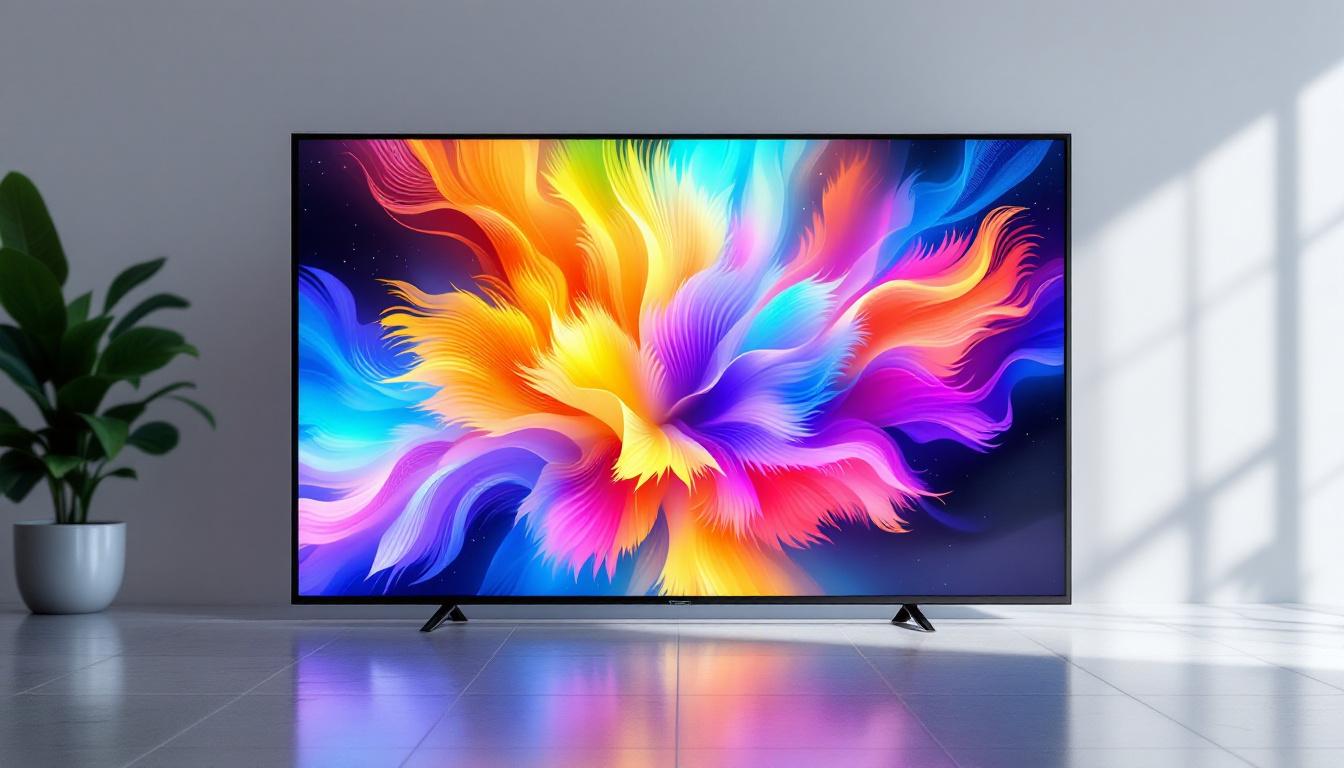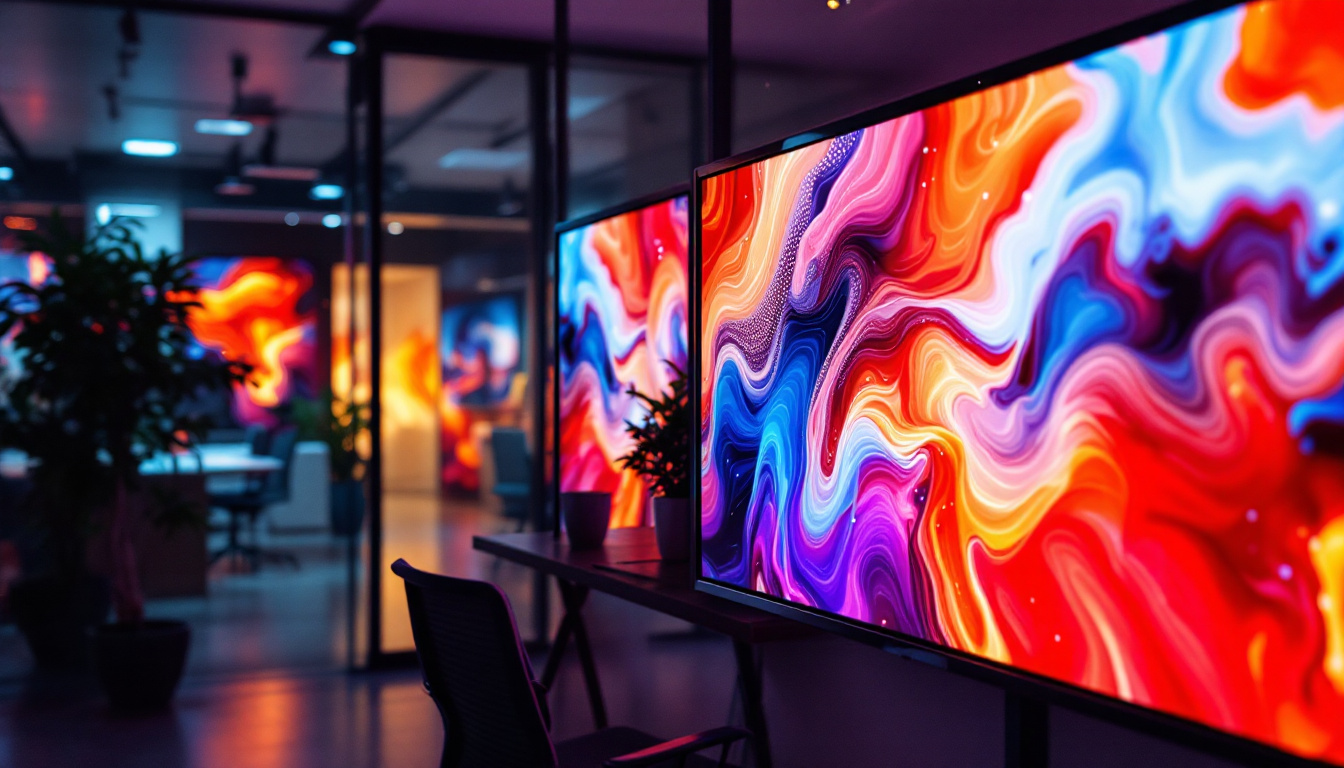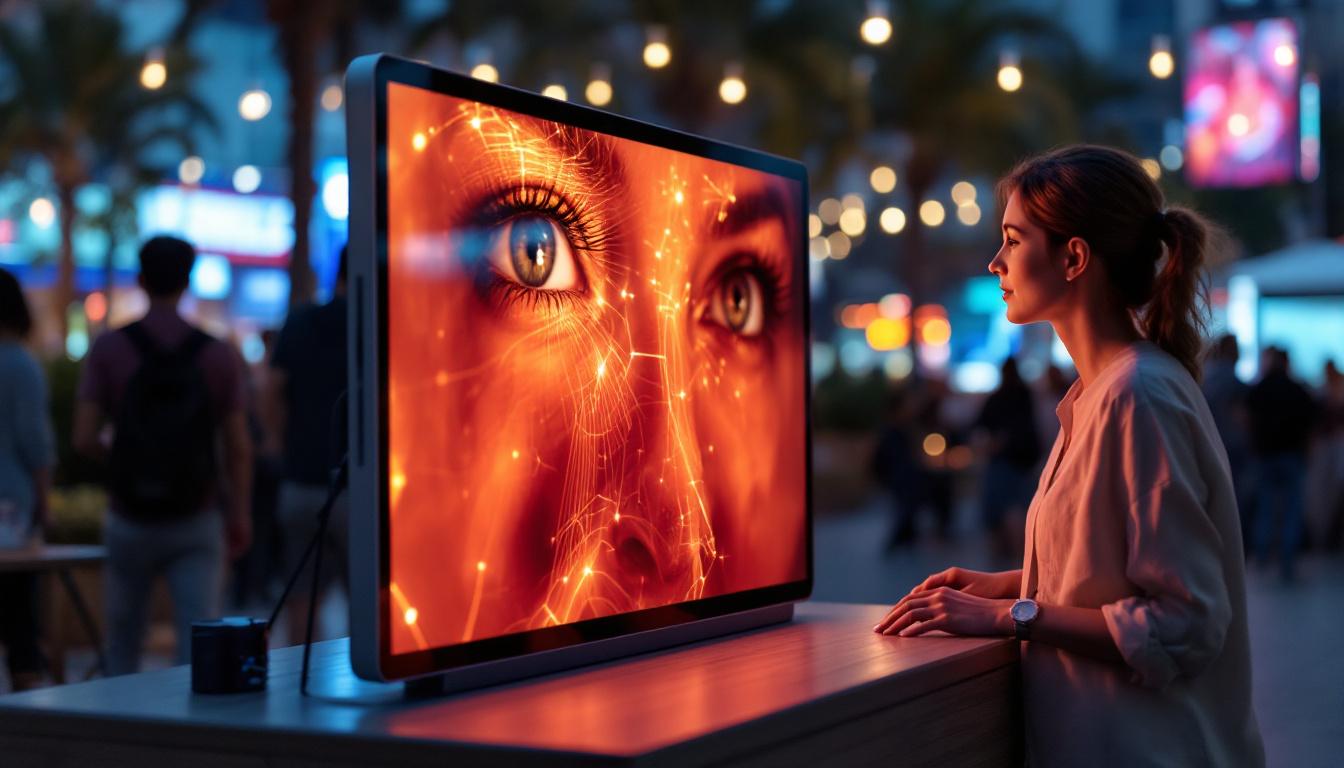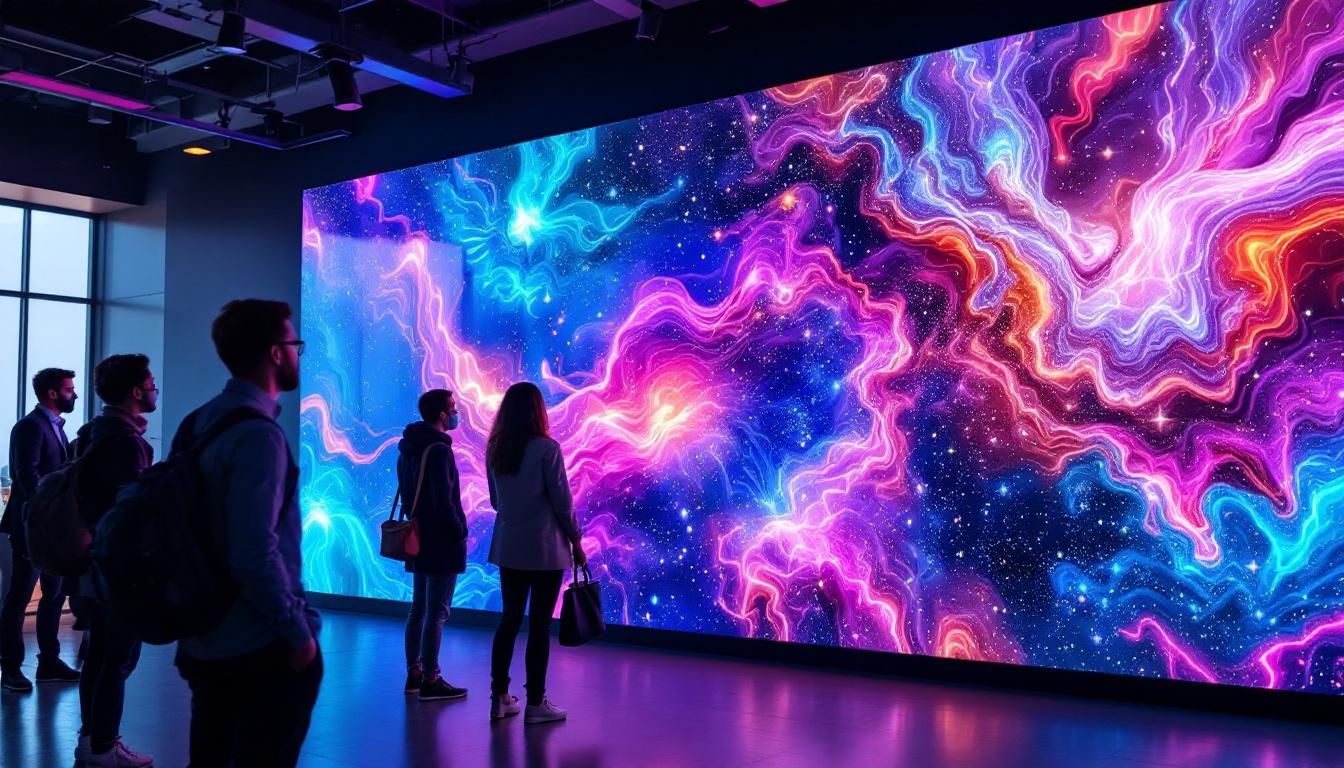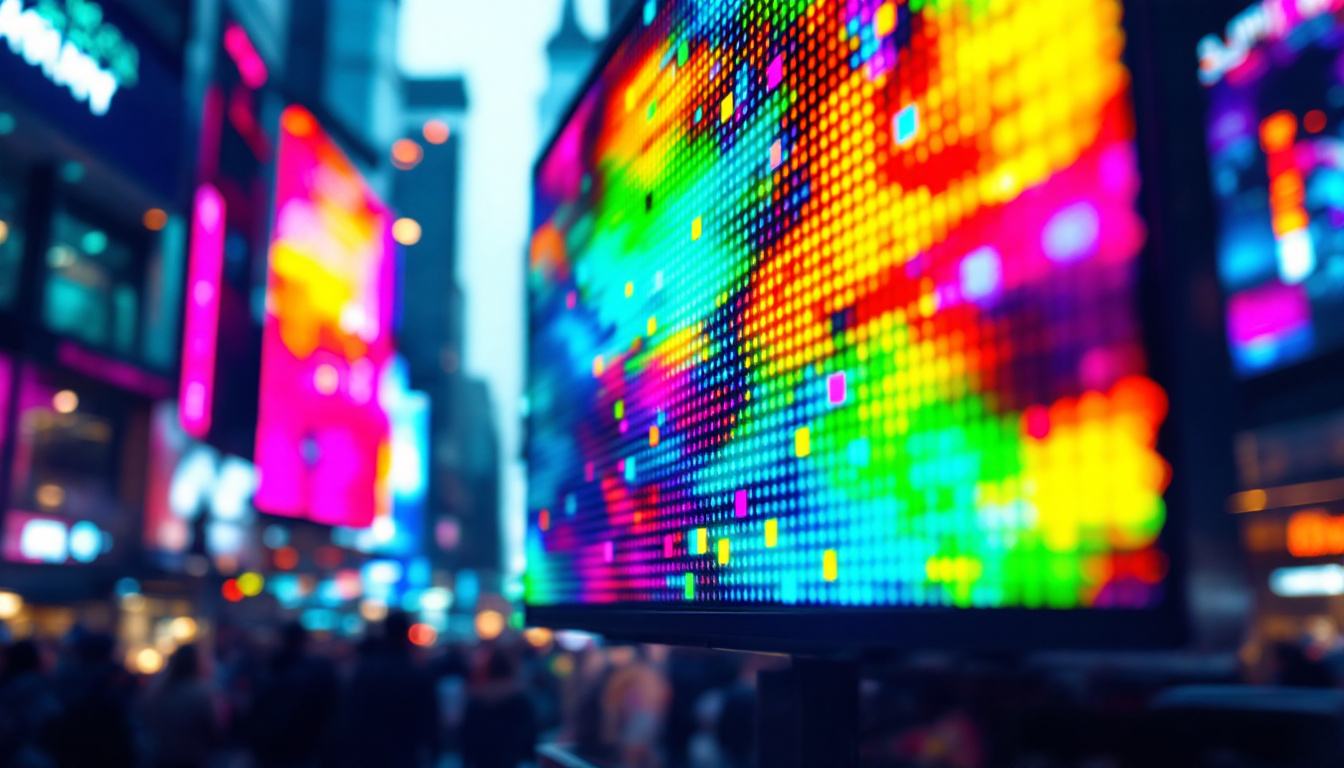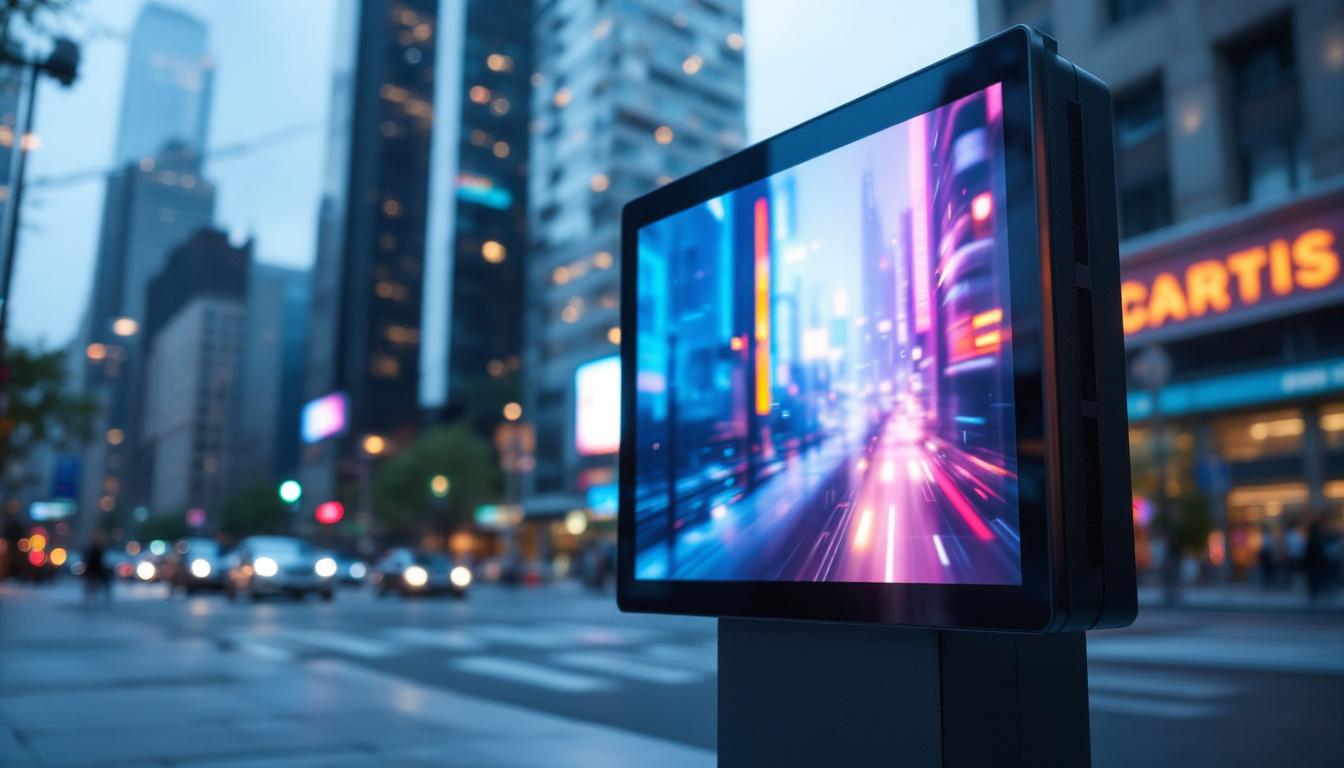
In recent years, transparent LED screens have emerged as a groundbreaking innovation in digital display technology. Combining high brightness, vivid colors, and see-through capabilities, these displays are transforming the way businesses, advertisers, and architects integrate digital content into physical environments. This article delves into the technology behind transparent LED screens, their applications, advantages, and future potential.
Understanding Transparent LED Display Technology
What Is a Transparent LED Screen?
A transparent LED screen is a type of digital display that allows light to pass through its surface, making it partially see-through. Unlike traditional LED displays that are opaque and block the view behind them, transparent LED screens maintain visibility of the background while simultaneously displaying vibrant images or videos. This dual functionality opens up unique possibilities for integrating digital content without obstructing natural light or the view.
Typically, these screens consist of LED strips or modules arranged in a grid with gaps between them, which contribute to the transparency. The density and spacing of the LEDs determine the screen’s transparency level, usually ranging from 40% to 90%, depending on the model and application. This makes them particularly suitable for retail environments, where brands can showcase products behind the screen while simultaneously displaying promotional content, creating an engaging shopping experience.
Moreover, the aesthetic appeal of transparent LED screens enhances architectural designs, allowing for creative installations in storefronts, museums, and public spaces. By seamlessly blending digital content with physical surroundings, these displays can transform ordinary environments into dynamic visual experiences, captivating audiences and drawing attention to specific areas or messages.
How Do Transparent LED Screens Work?
Transparent LED displays operate by utilizing light-emitting diodes mounted on a transparent substrate, such as glass or acrylic panels. The LEDs are arranged in such a way that they emit light only when activated, while the spaces between them remain clear, allowing light and images behind the screen to be visible.
The display is controlled by a digital processor that manages the LED illumination, color rendering, and refresh rate. Modern transparent LED screens support high resolutions and brightness levels, often exceeding 3,000 nits, which makes them visible even in direct sunlight. This is a significant advantage over traditional LCD or OLED transparent displays, which typically struggle with outdoor visibility. Furthermore, the technology allows for real-time content updates and interactivity, enabling users to engage with the display through touch or motion sensors, enhancing the overall user experience.
In addition to their impressive technical specifications, transparent LED screens are also energy-efficient, consuming less power compared to conventional displays. This efficiency not only reduces operational costs but also aligns with sustainable practices, making them an appealing choice for environmentally conscious businesses. As the technology continues to evolve, we can expect even more innovative applications, such as augmented reality experiences that blend digital and physical worlds, further pushing the boundaries of how we interact with visual information in our everyday lives.
Applications of Transparent LED Displays
Retail and Advertising
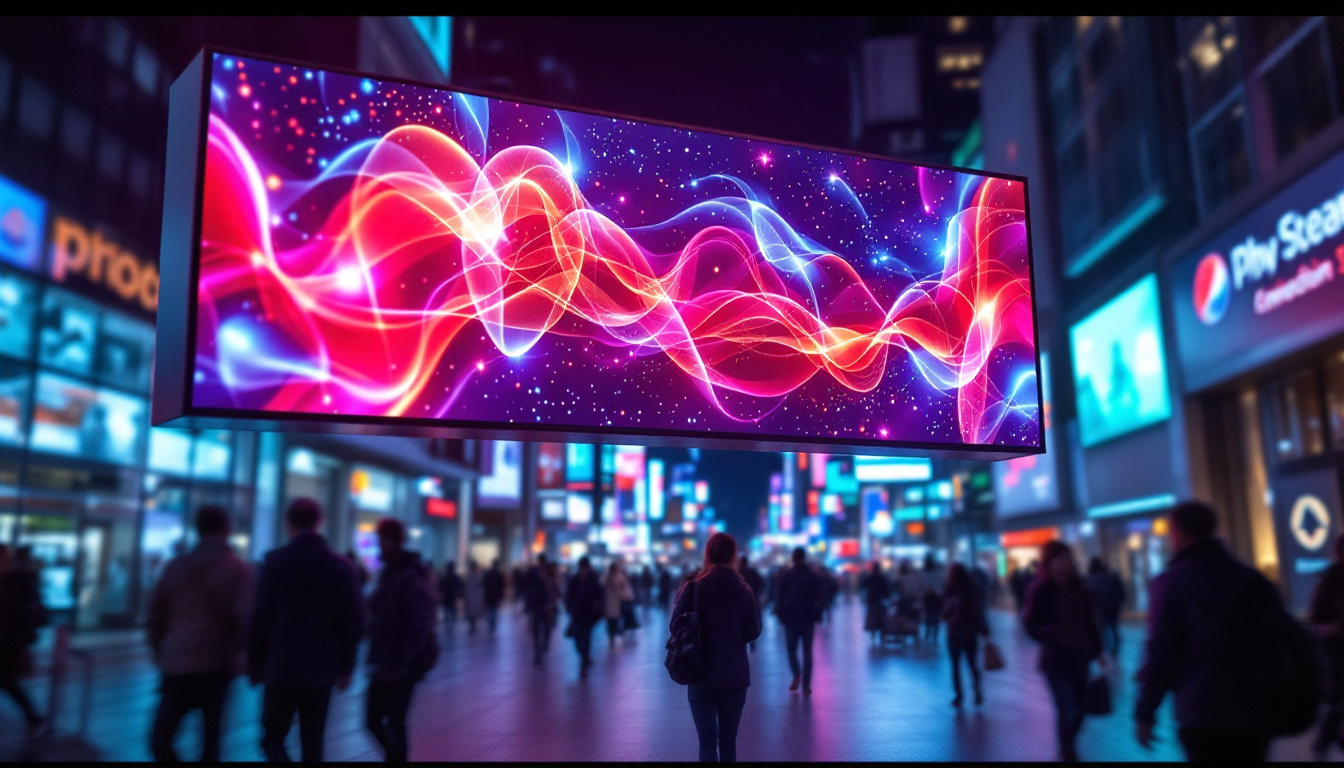
One of the most prominent uses of transparent LED screens is in retail environments. Storefront windows equipped with transparent LED displays can showcase dynamic advertisements, promotions, or brand messages without blocking the view into the store. This creates an engaging experience for passersby and enhances brand visibility.
For example, luxury brands in major shopping districts use transparent LED screens to combine product displays behind the glass with digital content layered on top, effectively blending physical and digital retail experiences. According to a 2023 report by Grand View Research, the global digital signage market, which includes transparent LED displays, is expected to grow at a compound annual growth rate (CAGR) of over 9% through 2030, driven largely by retail and advertising sectors. Furthermore, these displays can be programmed to change content based on the time of day or specific events, allowing retailers to tailor their messaging to different audiences and maximize engagement.
Moreover, transparent LED screens can also serve as a platform for interactive marketing campaigns. By integrating touch technology, customers can interact with the display, exploring product details or even making purchases directly from the window. This not only enhances customer experience but also provides valuable data on consumer behavior and preferences, enabling businesses to refine their marketing strategies.
Architectural and Interior Design
Architects and interior designers are increasingly incorporating transparent LED screens into building facades, glass walls, and partitions. This integration allows buildings to become interactive canvases that can display information, art, or branding without sacrificing natural light or openness.
For instance, skyscrapers in cities like Shanghai and Dubai have installed large-scale transparent LED facades that transform the building’s exterior into a dynamic display while maintaining the transparency required for interior lighting and views. This technology also enables smart glass solutions where windows can switch between transparent and digital display modes. The ability to change the visual output based on the time of day or specific events adds a layer of versatility, allowing buildings to adapt their appearance to suit different contexts or themes.
In addition to aesthetic benefits, transparent LED displays can also contribute to energy efficiency. By utilizing solar energy or integrating with smart building systems, these displays can help reduce overall energy consumption while providing an innovative visual experience. This dual functionality positions transparent LED technology as a sustainable choice in modern architecture.
Transportation and Public Spaces
Transparent LED screens are also finding applications in transportation hubs such as airports, train stations, and bus terminals. These displays provide real-time information, advertisements, and wayfinding without obstructing the architectural aesthetics or the flow of natural light.
In addition, museums and exhibition spaces use transparent LED screens to overlay digital content on physical exhibits, creating immersive and interactive visitor experiences. This blend of digital and physical elements enhances engagement and educational value. For instance, a historical exhibit could feature a transparent LED screen that displays animated visuals of historical events, allowing visitors to gain a deeper understanding of the context surrounding the artifacts on display.
Moreover, public art installations are increasingly utilizing transparent LED technology to create captivating displays that can change throughout the day or in response to audience interaction. This not only beautifies public spaces but also fosters community engagement, as residents and visitors alike can experience art in a new and dynamic way. As cities continue to evolve, the integration of transparent LED displays into public infrastructure promises to redefine how we interact with our urban environments.
Advantages of Transparent LED Screens
High Brightness and Visibility
One of the key advantages of transparent LED displays is their exceptional brightness, often reaching levels that outperform traditional LCD or OLED transparent displays. This makes them suitable for both indoor and outdoor environments, including locations with strong ambient light or direct sunlight.
The ability to maintain visibility of both the digital content and the background scene is a critical factor for applications where preserving natural light or views is essential.
Energy Efficiency and Durability
Transparent LED screens are generally more energy-efficient than traditional large-scale displays. LEDs consume less power while providing higher brightness, which helps reduce operational costs. Furthermore, LED technology is known for its long lifespan, often exceeding 50,000 hours of operation, minimizing maintenance and replacement expenses.
The robust construction of transparent LED modules also ensures durability in various environmental conditions, making them suitable for outdoor installation without compromising performance.
Customization and Flexibility
Manufacturers offer transparent LED screens in various sizes, pixel pitches, and transparency levels, allowing for tailored solutions that meet specific project requirements. The modular design enables easy installation on glass surfaces, curved structures, or irregular shapes, providing architects and designers with creative freedom.
Additionally, these screens support a wide range of content formats and interactive features, including touch capabilities and integration with smart building systems, enhancing their versatility.
Challenges and Considerations
Cost and Investment
Despite their numerous benefits, transparent LED screens typically come with a higher upfront cost compared to traditional displays or printed signage. The specialized materials, manufacturing processes, and installation requirements contribute to this expense.
However, when considering the long-term advantages such as energy savings, reduced maintenance, and enhanced customer engagement, many businesses find the investment worthwhile. It is essential to evaluate the total cost of ownership and potential return on investment (ROI) when planning a transparent LED screen project.
Resolution and Pixel Pitch Limitations
Due to the need for transparency, the pixel density of transparent LED screens is generally lower than that of conventional LED displays. The gaps between LEDs, which create the see-through effect, limit how closely pixels can be placed together. This can affect image sharpness, especially for close-up viewing.
For applications requiring high-resolution content viewed from a distance, this limitation is often acceptable. However, for scenarios demanding fine detail at close range, alternative display technologies may be more suitable.
Installation and Structural Requirements
Installing transparent LED screens often involves integrating them with glass facades or architectural elements, which can pose structural and engineering challenges. Proper support, weatherproofing, and electrical connections must be carefully planned to ensure safety and performance.
Collaboration between display manufacturers, architects, and engineers is crucial to address these considerations effectively.
The Future of Transparent LED Displays
Technological Advancements
Ongoing research and development in LED miniaturization, materials science, and display control systems are expected to enhance the resolution, transparency, and energy efficiency of transparent LED screens. Innovations such as micro-LED technology promise even finer pixel pitches and improved color accuracy.
Moreover, integration with augmented reality (AR) and Internet of Things (IoT) platforms will enable smarter, more interactive transparent displays that respond dynamically to user behavior and environmental conditions.
Expanding Market Opportunities
As costs decrease and technology matures, transparent LED displays will become accessible to a broader range of industries and applications. Beyond retail and architecture, sectors such as automotive, healthcare, and entertainment are exploring transparent display solutions for heads-up displays, medical imaging, and immersive experiences.
According to industry forecasts, the transparent LED market is poised for significant growth, driven by increasing demand for innovative digital signage and smart building technologies worldwide.
Sustainability and Environmental Impact
Transparent LED screens contribute to sustainability efforts by reducing the need for printed materials and enabling energy-efficient digital signage. Their ability to maintain natural light flow can also reduce reliance on artificial lighting in buildings, lowering overall energy consumption.
Future developments are likely to focus on eco-friendly manufacturing processes and recyclable materials to further minimize environmental impact.
Conclusion
Transparent LED screens represent a fascinating convergence of technology, design, and functionality. By offering high-brightness digital content without sacrificing transparency, they open new horizons for advertising, architecture, and interactive experiences. While challenges such as cost and resolution remain, ongoing advancements promise to make transparent LED displays an integral part of the digital landscape.
For businesses and designers seeking innovative ways to engage audiences and enhance environments, transparent LED technology offers a compelling solution that blends the physical and digital worlds seamlessly.
Discover the Future of Digital Displays with LumenMatrix
Ready to elevate your space with the cutting-edge technology of transparent LED screens? LumenMatrix is at the forefront of LED display innovation, offering a wide array of solutions including Indoor LED Wall Display, Outdoor LED Wall Display, Vehicle LED Display, and more. Our mission is to transform your visual communication with displays that not only engage and captivate but also deliver your message with unparalleled impact and clarity. Don’t miss out on the opportunity to create a lasting impression. Check out LumenMatrix LED Display Solutions today and join the revolution in digital signage.