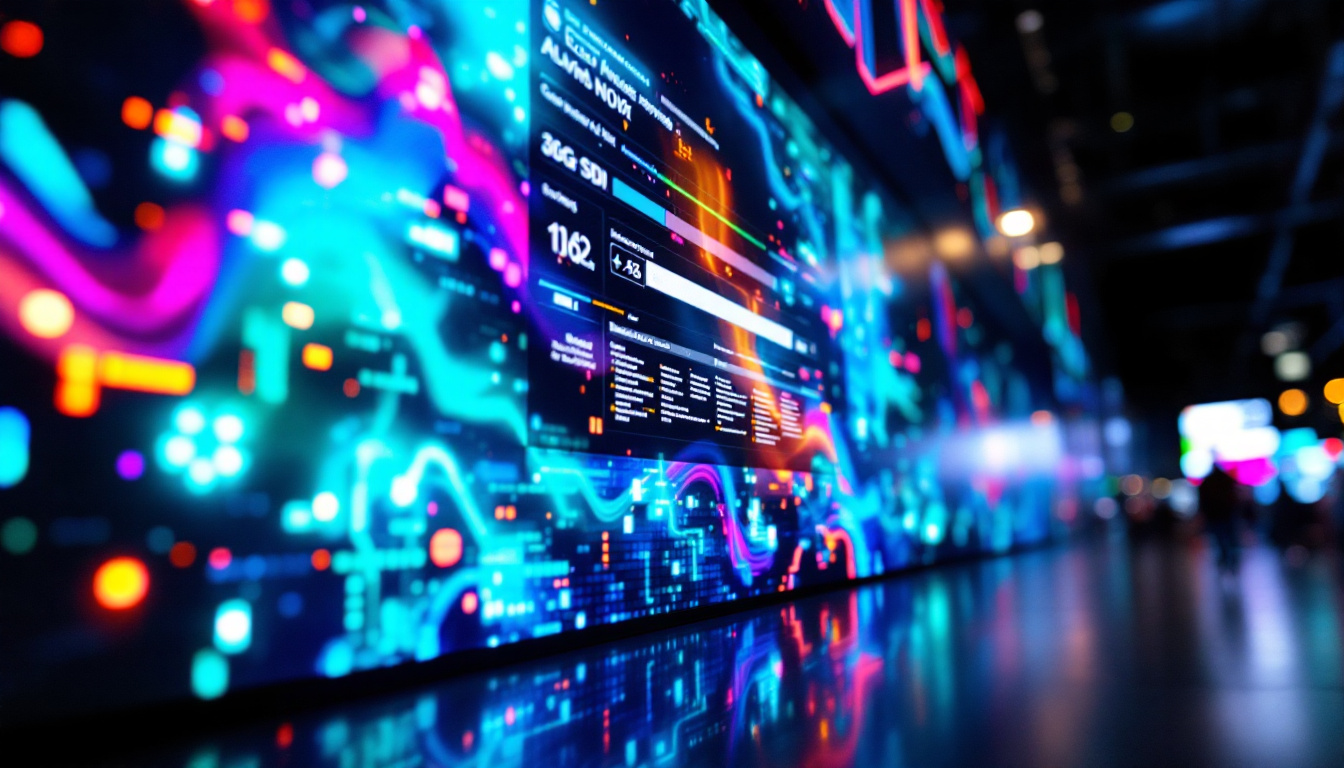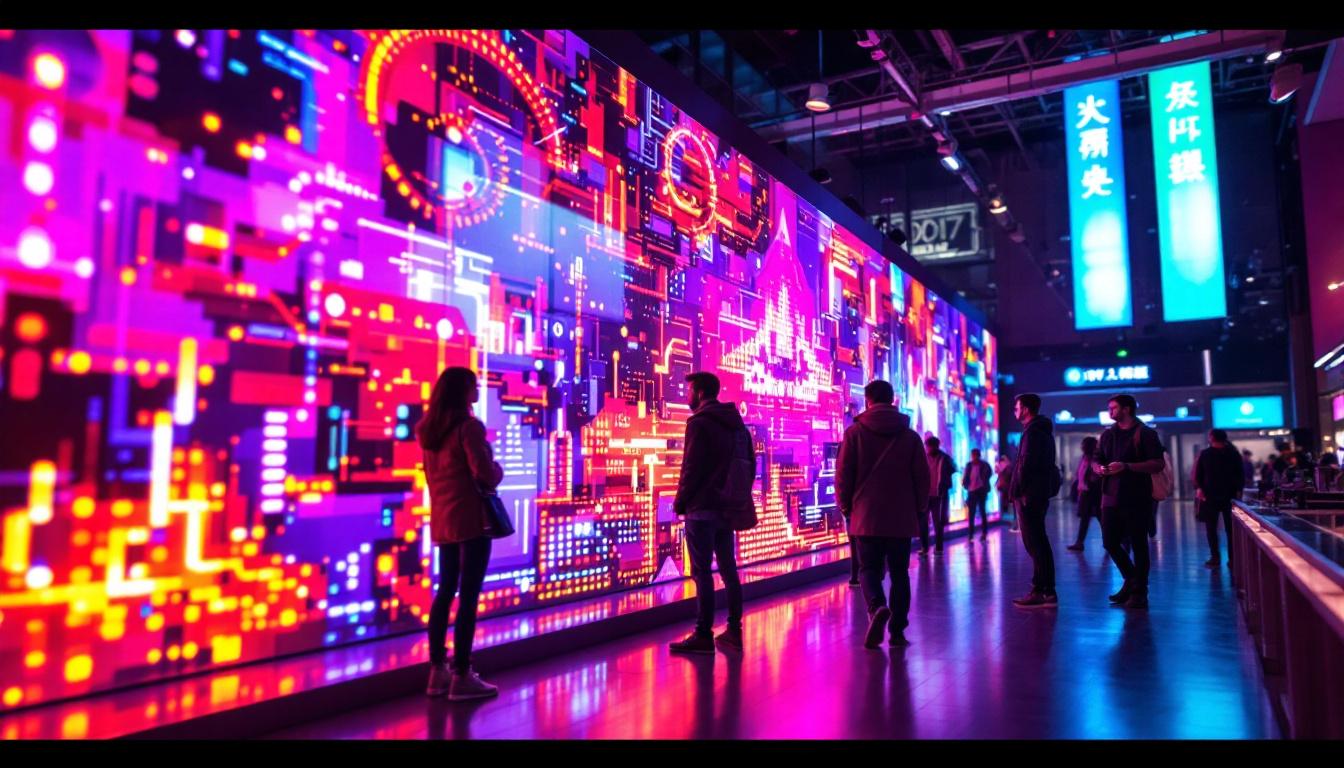
In today’s fast-paced digital world, visual communication plays a pivotal role in capturing attention and conveying messages effectively. One of the most innovative and dynamic tools in this arena is the LED display backdrop. Whether used in concerts, corporate events, trade shows, or retail environments, LED backdrops have revolutionized how audiences experience visual content. This article delves into the technology behind LED displays, their applications, benefits, and considerations when choosing the right LED backdrop for your needs.
Understanding LED Display Technology
LED stands for Light Emitting Diode, a semiconductor device that emits light when an electric current passes through it. The technology behind LED displays leverages thousands or even millions of these tiny diodes arranged in a matrix to create vivid, high-resolution images and videos. This remarkable ability to generate light from a semiconductor material has transformed not only the display industry but also the way we interact with visual content in our daily lives.
Unlike traditional display technologies such as LCD or projection screens, LED displays emit their own light, which results in brighter images and better contrast ratios. This self-illumination allows LED backdrops to perform exceptionally well in various lighting conditions, including bright outdoor environments. Furthermore, the energy efficiency of LED technology contributes to lower operational costs over time, making it a sustainable choice for businesses and consumers alike. The durability of LED displays also means they can endure the rigors of constant use, reducing the need for frequent replacements.
How LED Displays Work
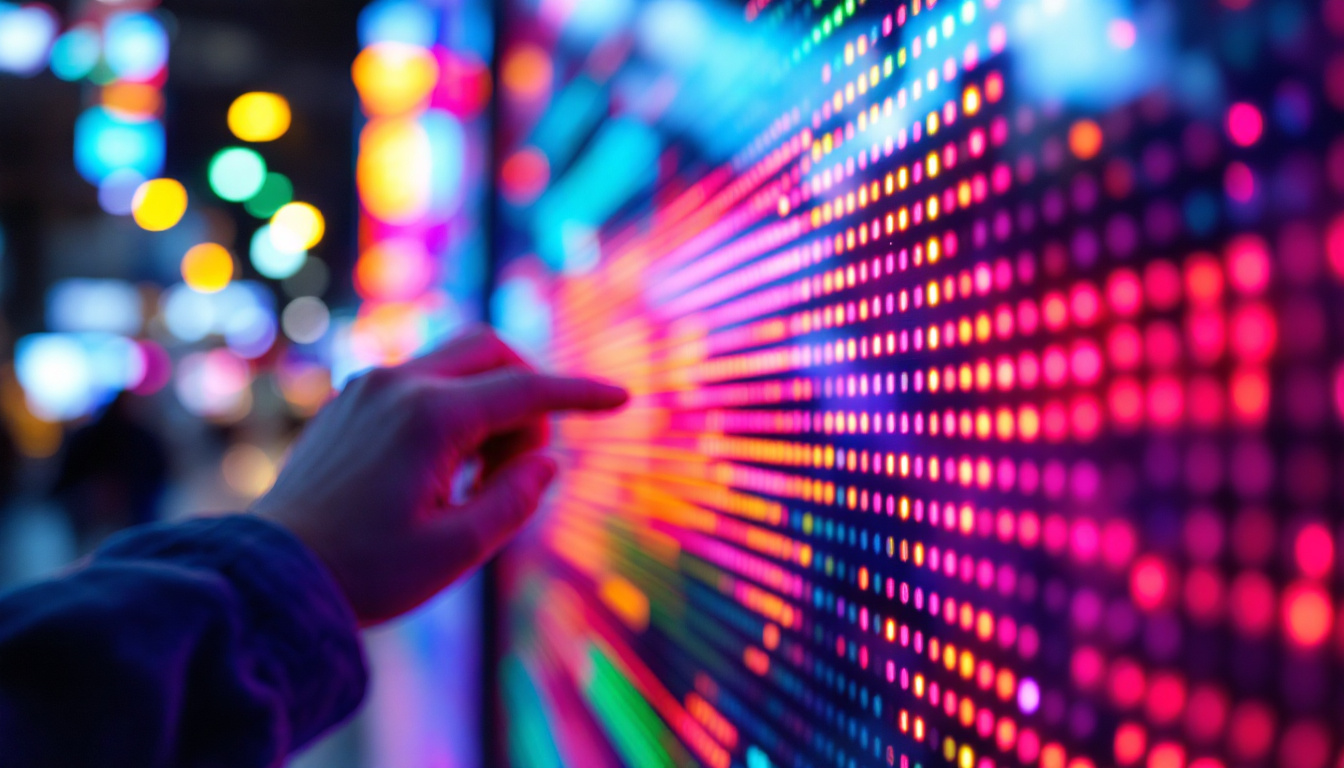
Each LED pixel typically consists of three sub-pixels: red, green, and blue (RGB). By varying the intensity of each sub-pixel, the display can produce millions of colors, enabling the creation of detailed and vibrant images. Modern LED panels use surface-mounted device (SMD) technology, where LEDs are mounted directly onto the circuit board, allowing for higher pixel density and improved image quality. This advancement has led to the development of ultra-high-definition displays that are capable of rendering intricate details, making them ideal for applications ranging from digital signage to immersive gaming experiences.
Pixel pitch, the distance between the centers of two adjacent pixels, is a critical factor in determining the display’s resolution and viewing distance. A smaller pixel pitch means higher resolution and closer optimal viewing distances, making it ideal for indoor use. Conversely, larger pixel pitch is common in outdoor displays where viewers are farther away. Additionally, the technological evolution in pixel pitch has enabled the creation of seamless video walls that can be used in large venues, providing a captivating visual experience that engages audiences in ways traditional displays cannot.
Types of LED Displays
LED displays come in various forms, including:
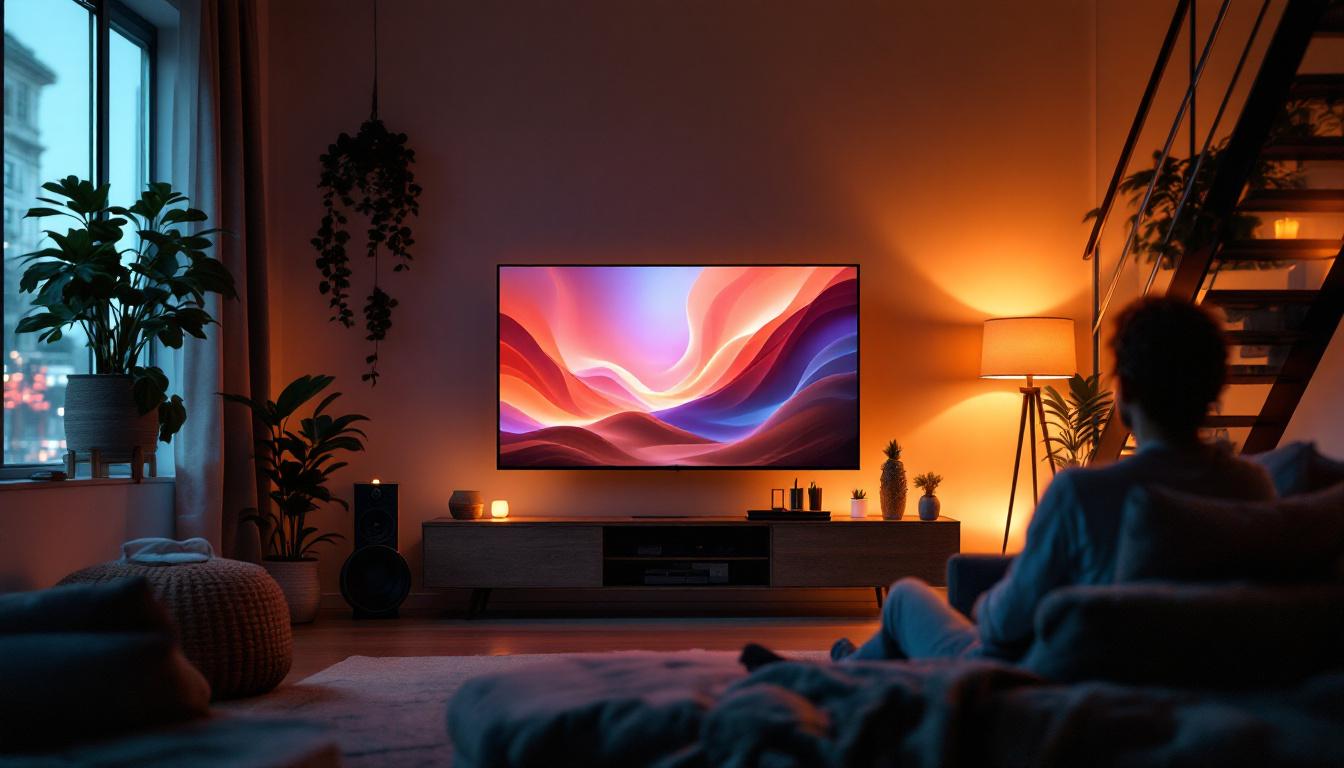
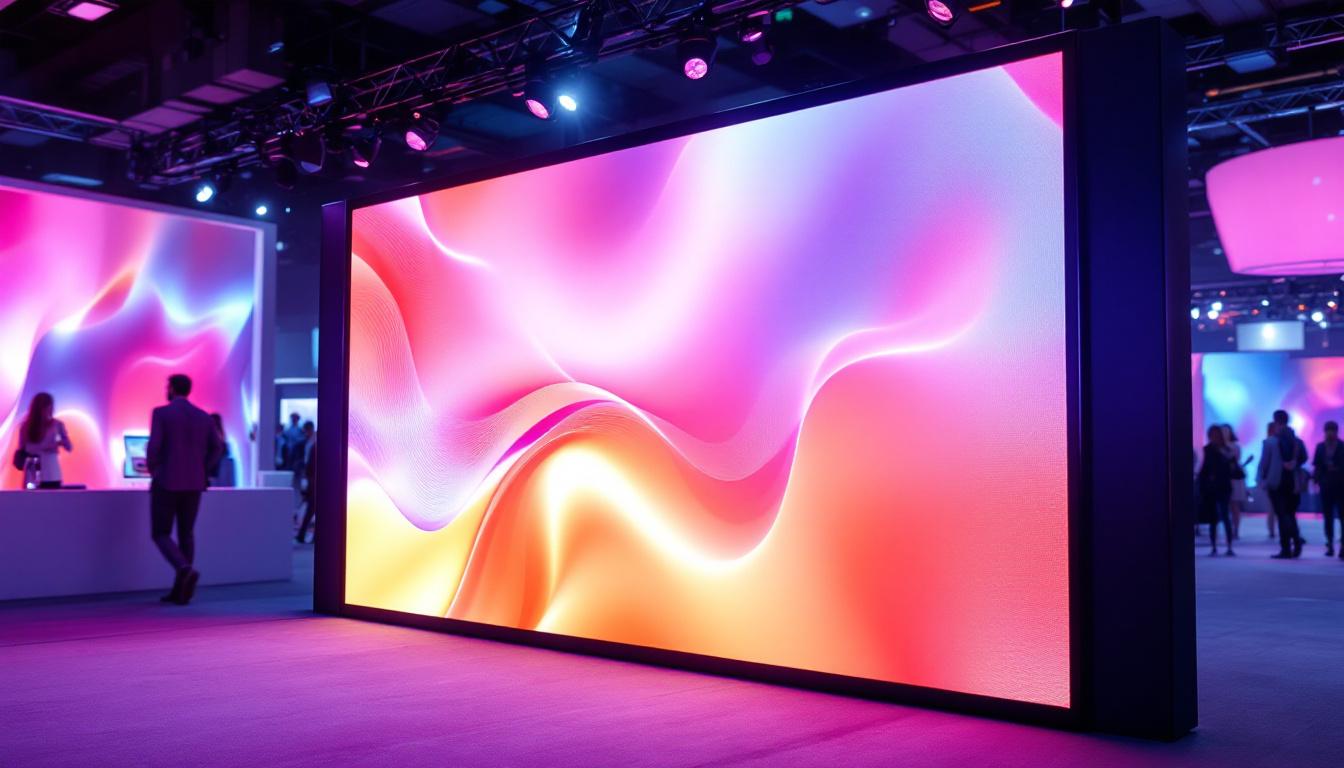
- Indoor LED Displays: Designed for close-range viewing with smaller pixel pitches (often 1.2mm to 4mm), these displays offer crisp visuals for conferences, retail stores, and indoor events. Their ability to deliver high-quality images in controlled lighting conditions makes them a popular choice for corporate presentations and exhibitions.
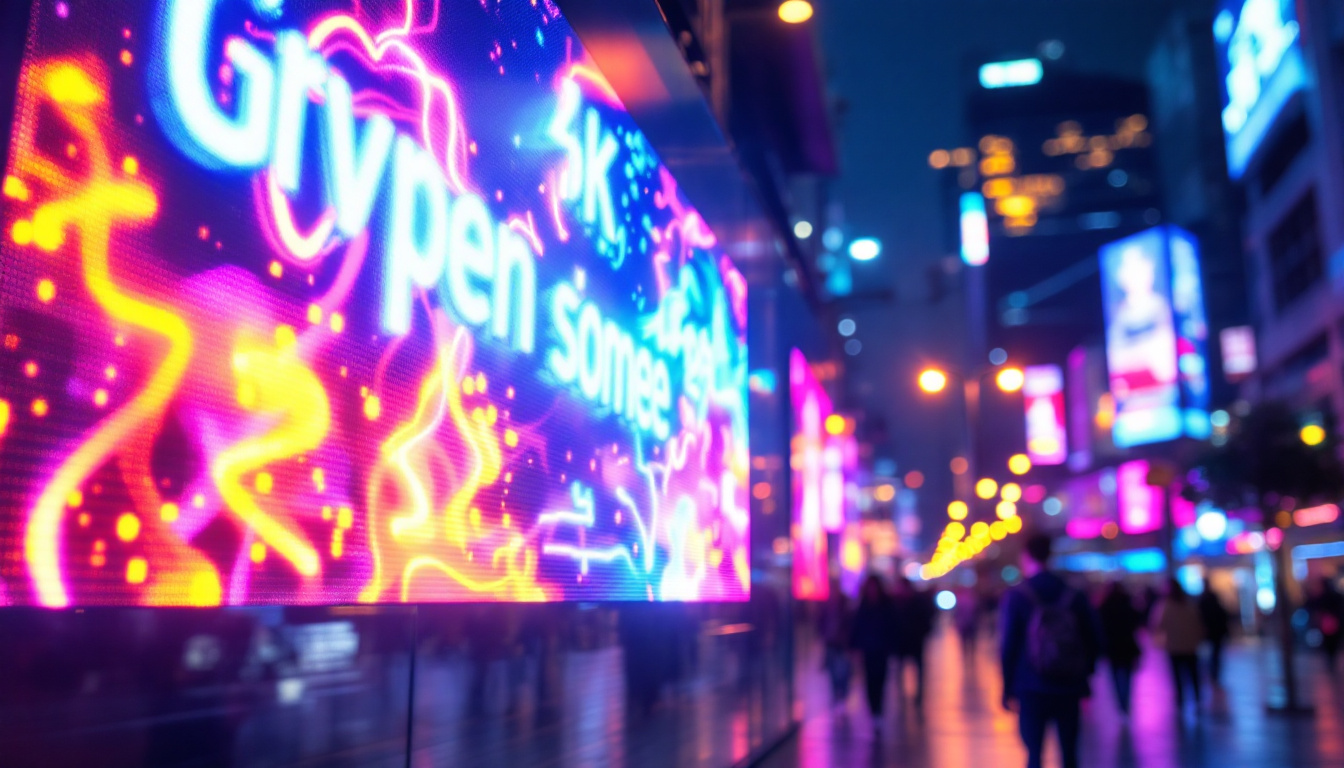
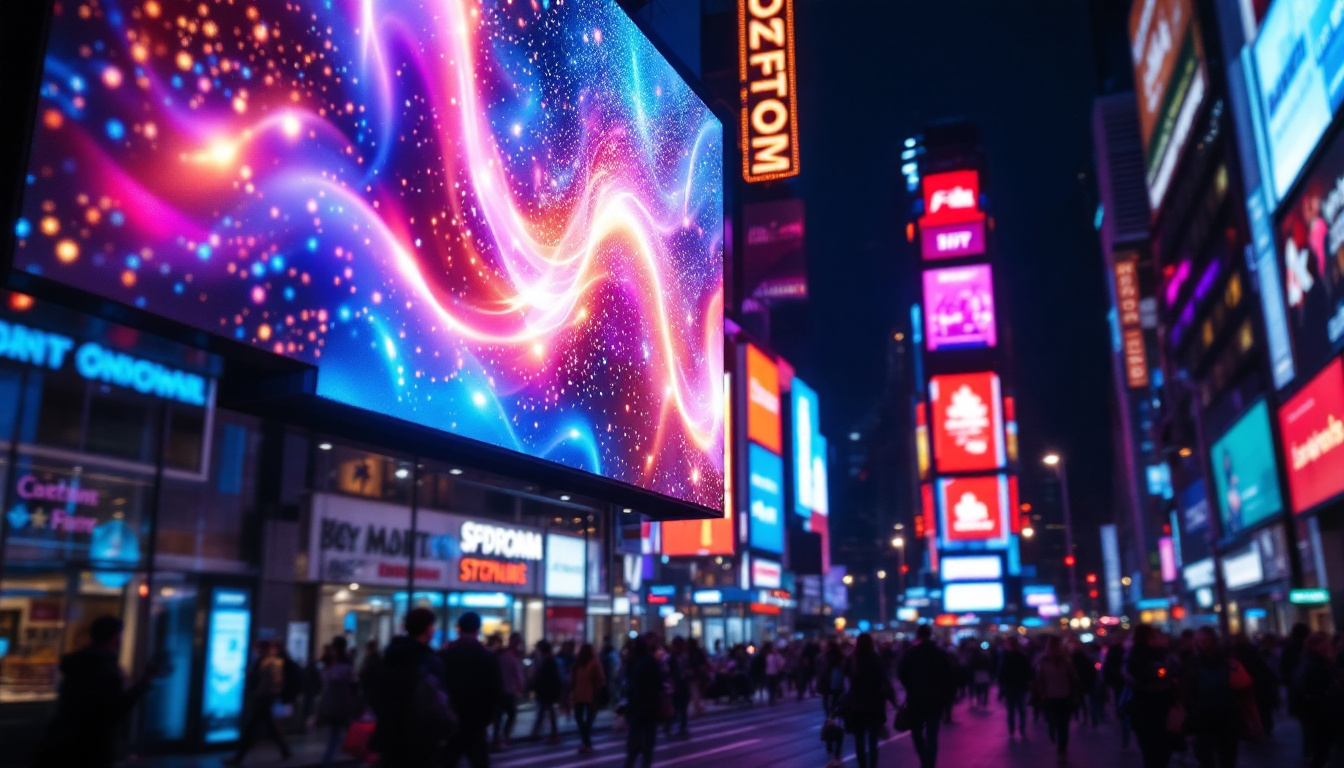
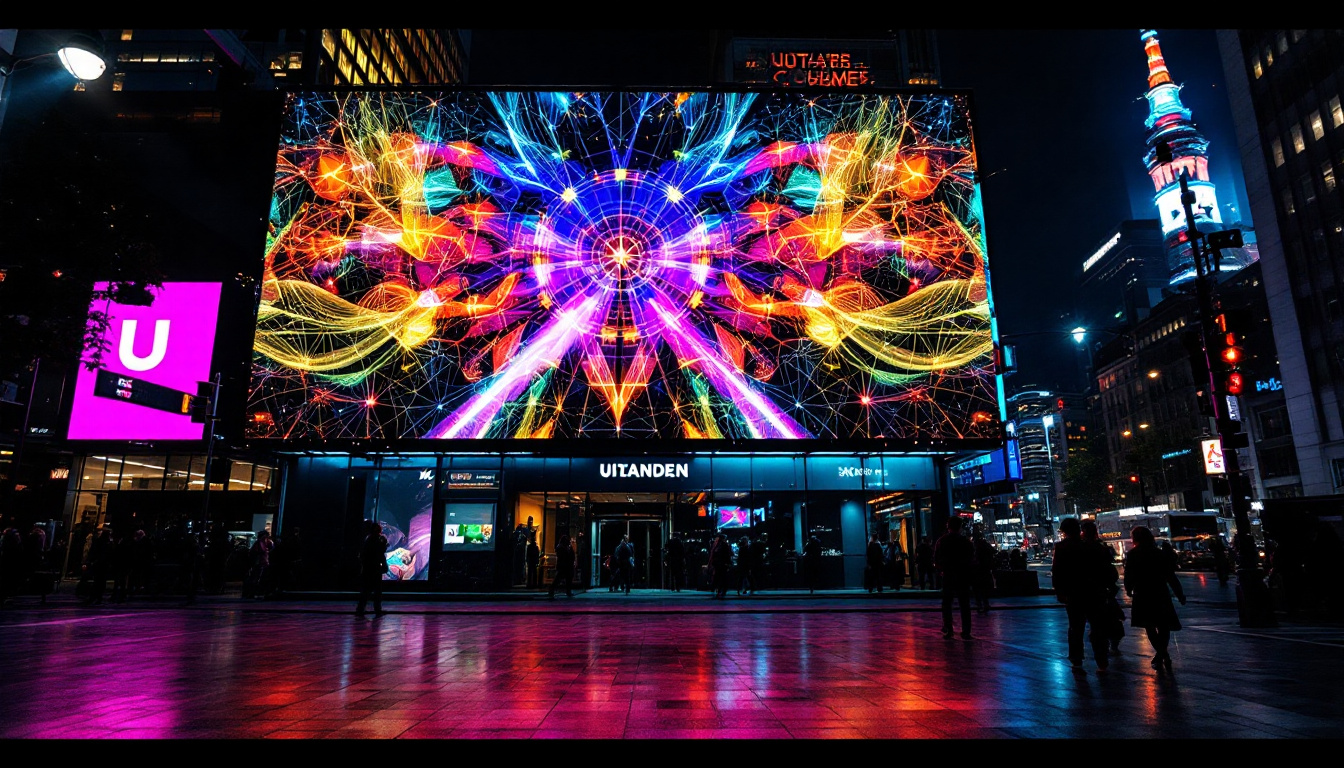
- Outdoor LED Displays: Built to withstand weather elements with higher brightness levels (up to 7,000 nits or more) and larger pixel pitches (usually 6mm to 20mm), these are ideal for billboards, stadiums, and outdoor concerts. The robust construction of outdoor displays ensures they remain functional and visually appealing, even in harsh weather conditions, thus maximizing advertising exposure and audience engagement.
- Flexible and Transparent LED Displays: Innovative designs that can curve around surfaces or allow light to pass through, expanding creative possibilities for architectural installations and retail windows. These displays not only serve aesthetic purposes but also enhance the functionality of spaces, allowing for dynamic advertising and interactive experiences that captivate viewers.
Applications of LED Backdrop Displays
LED backdrops have become a staple in various industries due to their versatility and impact. Their ability to display dynamic content makes them invaluable for creating immersive environments and enhancing audience engagement.
Events and Entertainment
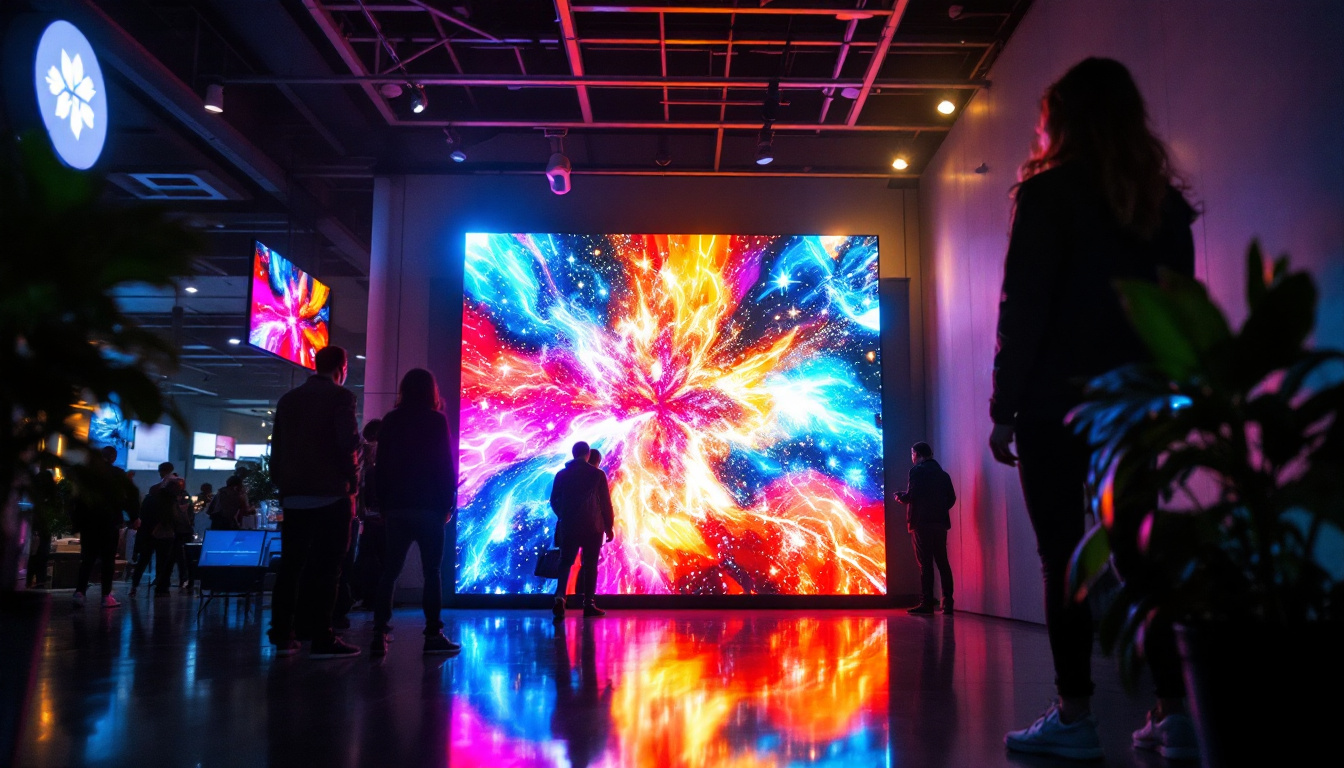
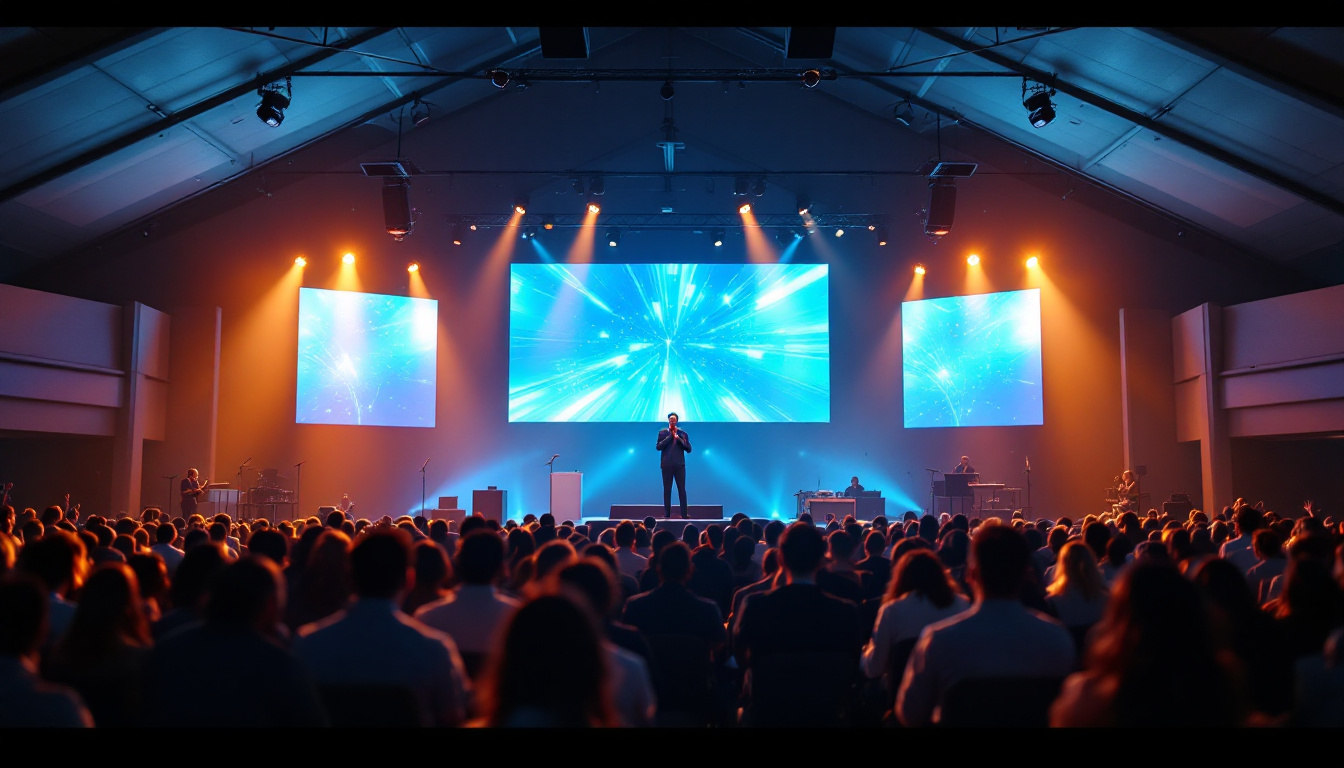
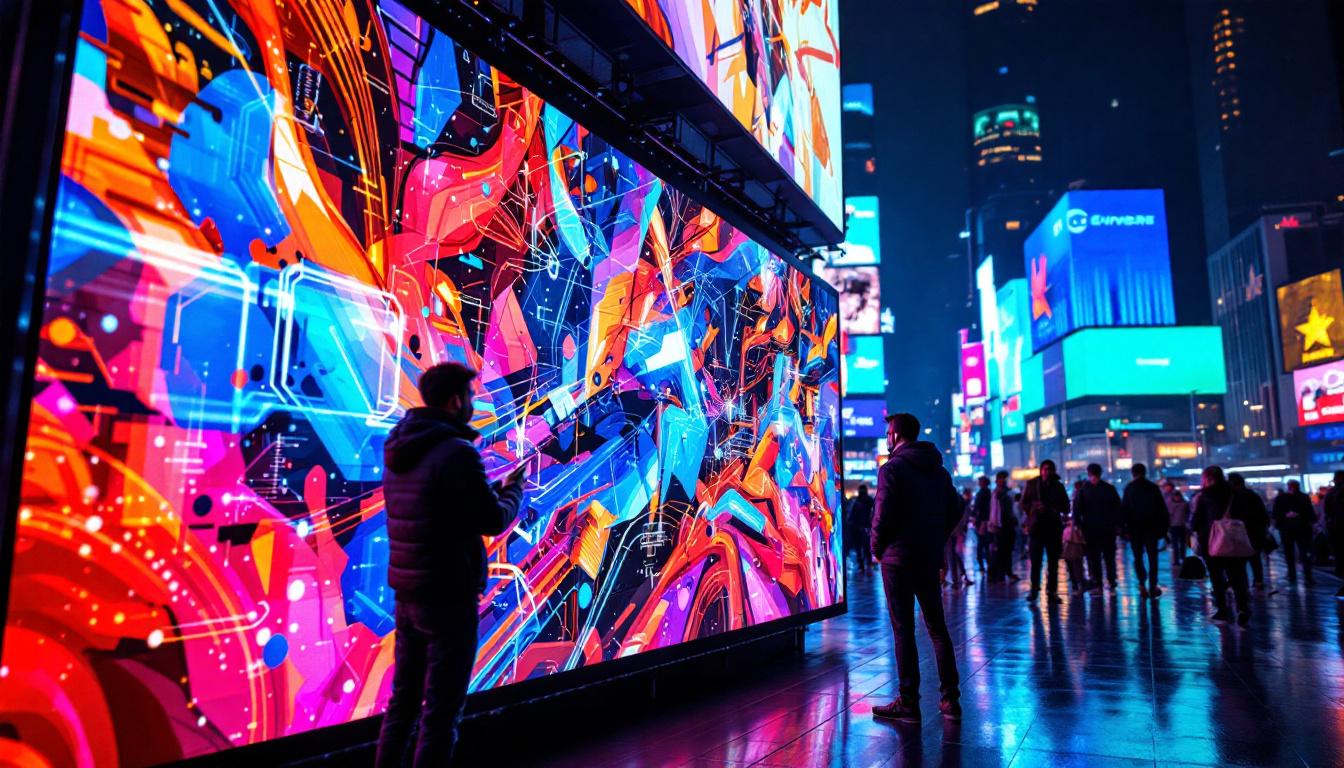
Concerts, festivals, and theater productions frequently use LED backdrops to amplify the visual experience. They enable real-time video playback, live feeds, and synchronized lighting effects that complement performances. For example, major music festivals like Coachella and Tomorrowland utilize massive LED walls to create stunning visual narratives that captivate tens of thousands of attendees.
Moreover, LED backdrops provide event organizers with flexibility to change content quickly, allowing for diverse programming without the need for physical set changes. This adaptability is particularly beneficial for multi-day events where different acts or themes may require unique visual presentations. Additionally, the integration of augmented reality (AR) with LED backdrops is on the rise, enabling performers to interact with digital elements in real-time, further blurring the lines between the physical and digital worlds.
Corporate and Trade Shows
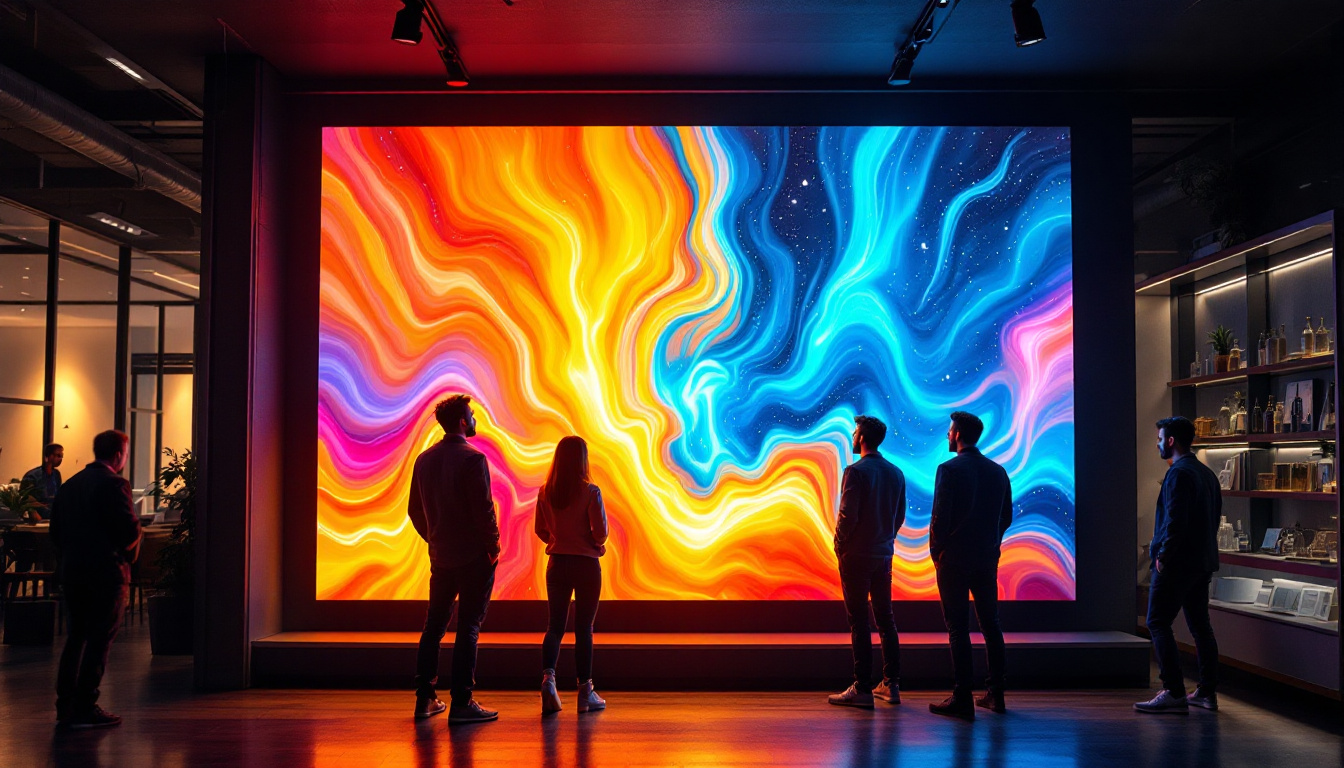
In the corporate world, LED backdrops serve as powerful branding tools. Companies use them to showcase product launches, presentations, and interactive content at trade shows and conferences. The high brightness and clarity of LED displays ensure that messages are visible even in brightly lit exhibition halls.
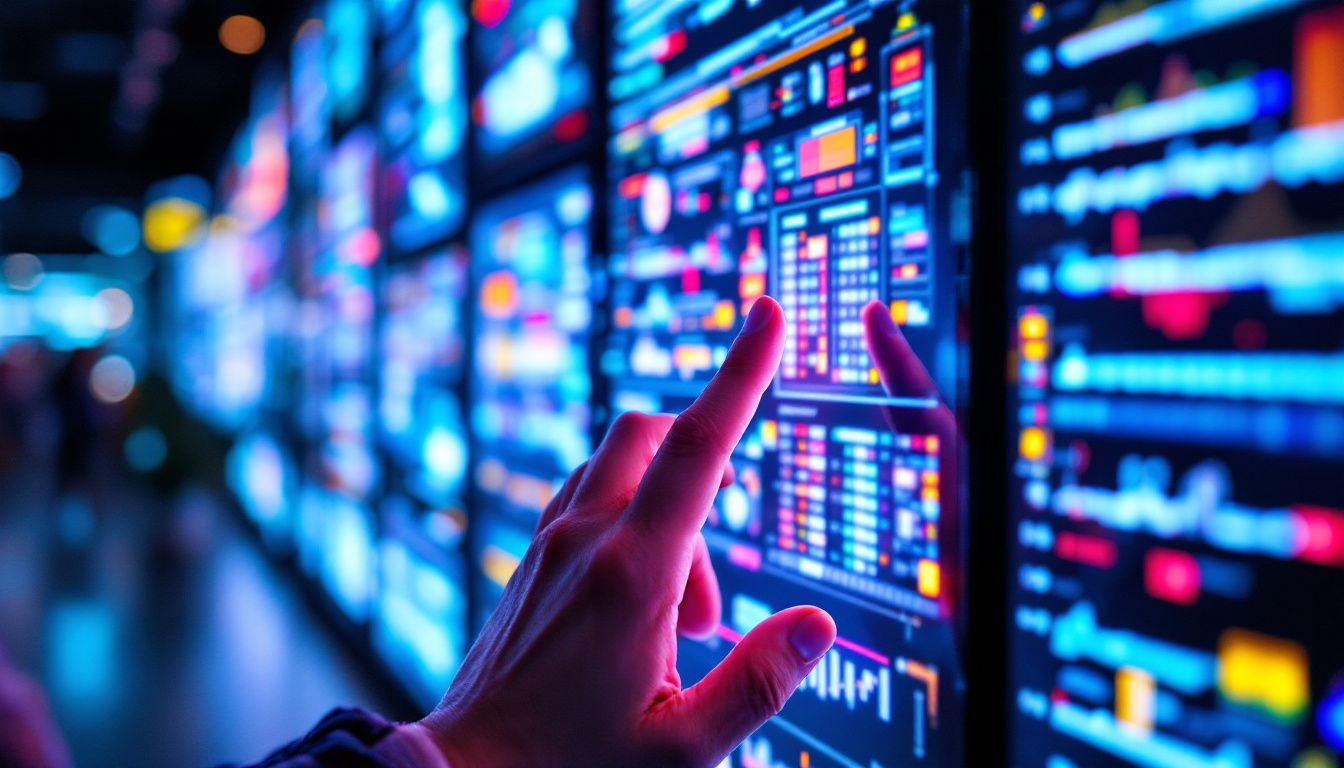
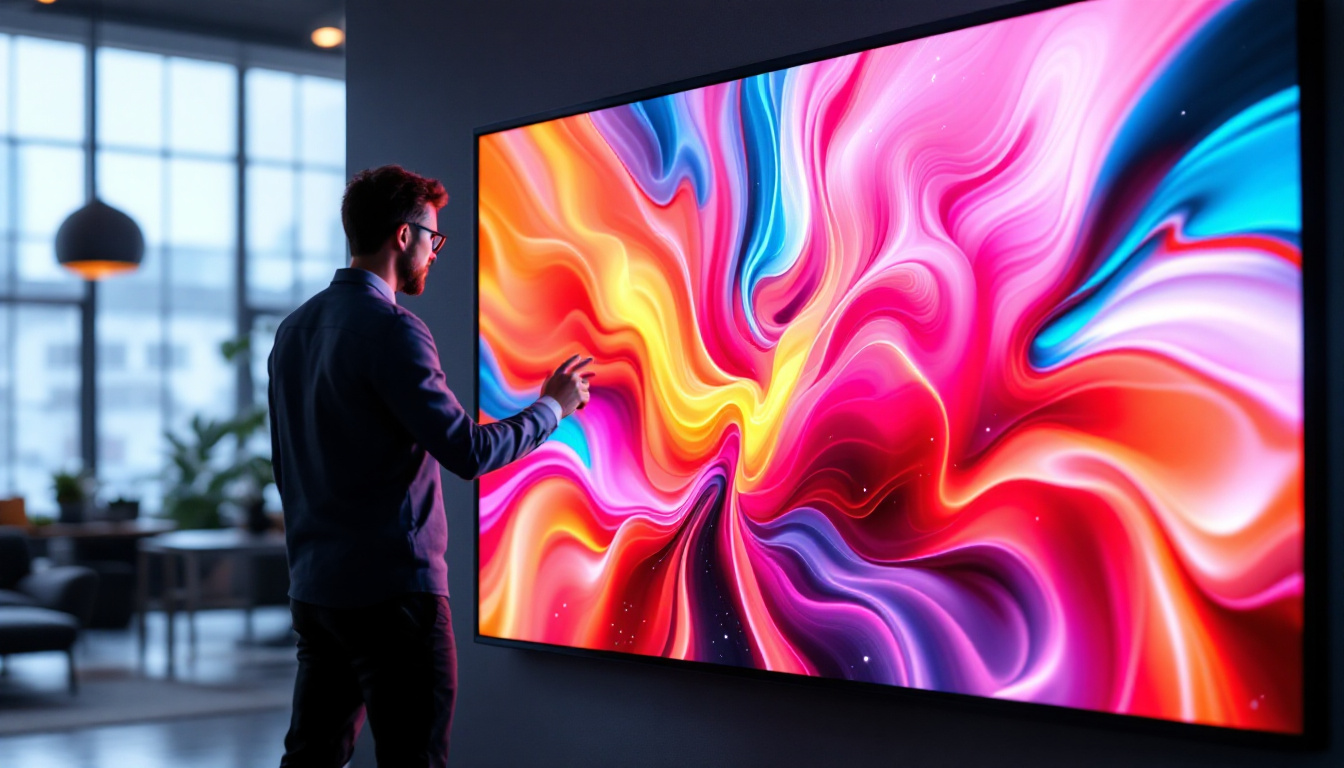
Interactive LED walls can also facilitate audience participation, such as live polling or social media feeds, fostering a more engaging and memorable experience. Furthermore, the ability to customize content for specific audiences allows brands to tailor their messaging, making it more relevant and impactful. As businesses increasingly prioritize experiential marketing, LED backdrops are becoming essential for creating immersive brand experiences that resonate with attendees long after the event has concluded.
Retail and Advertising
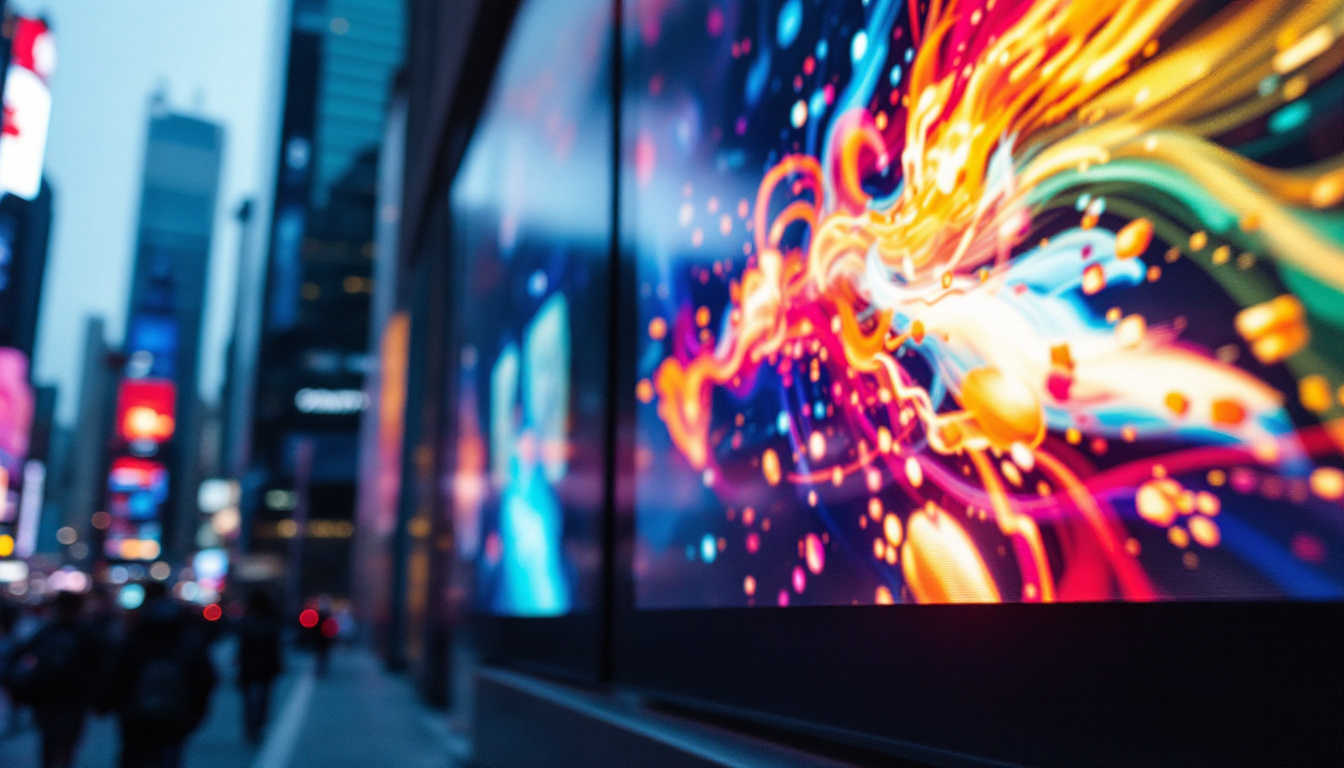
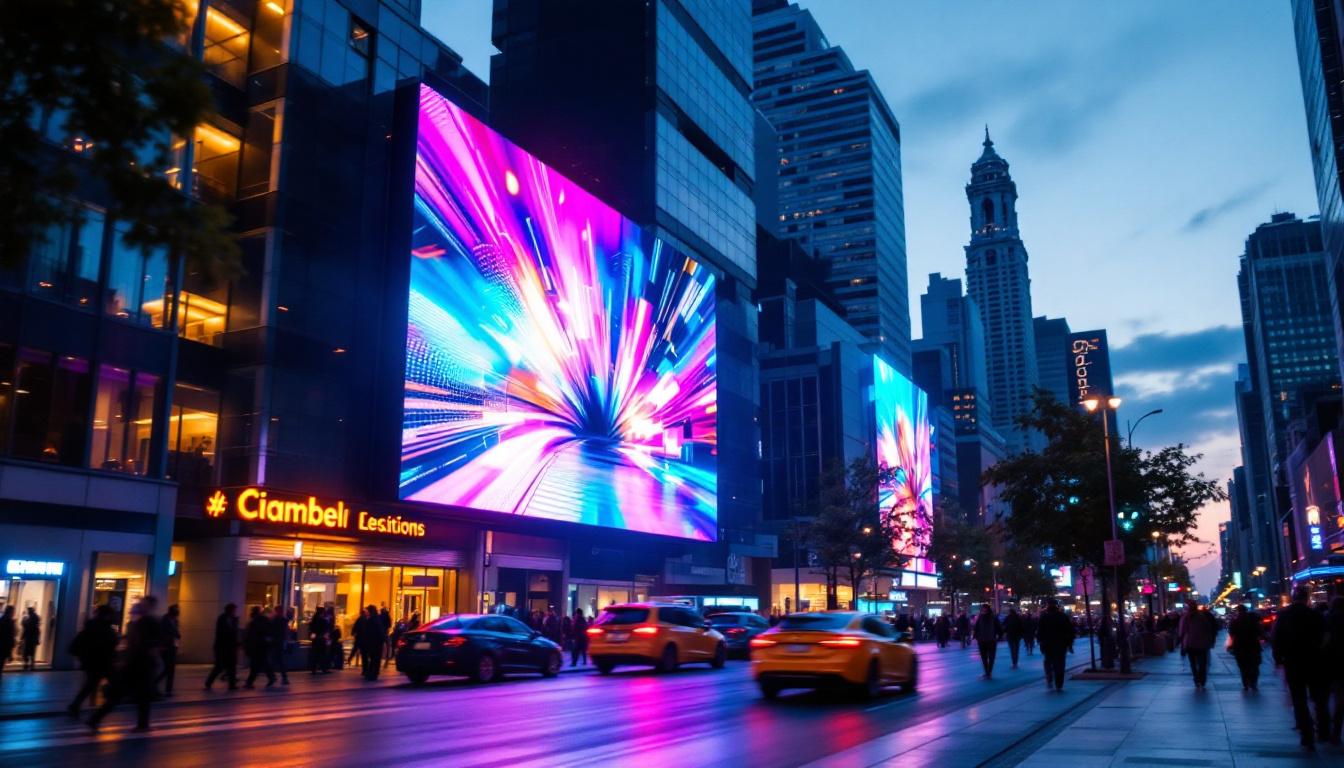
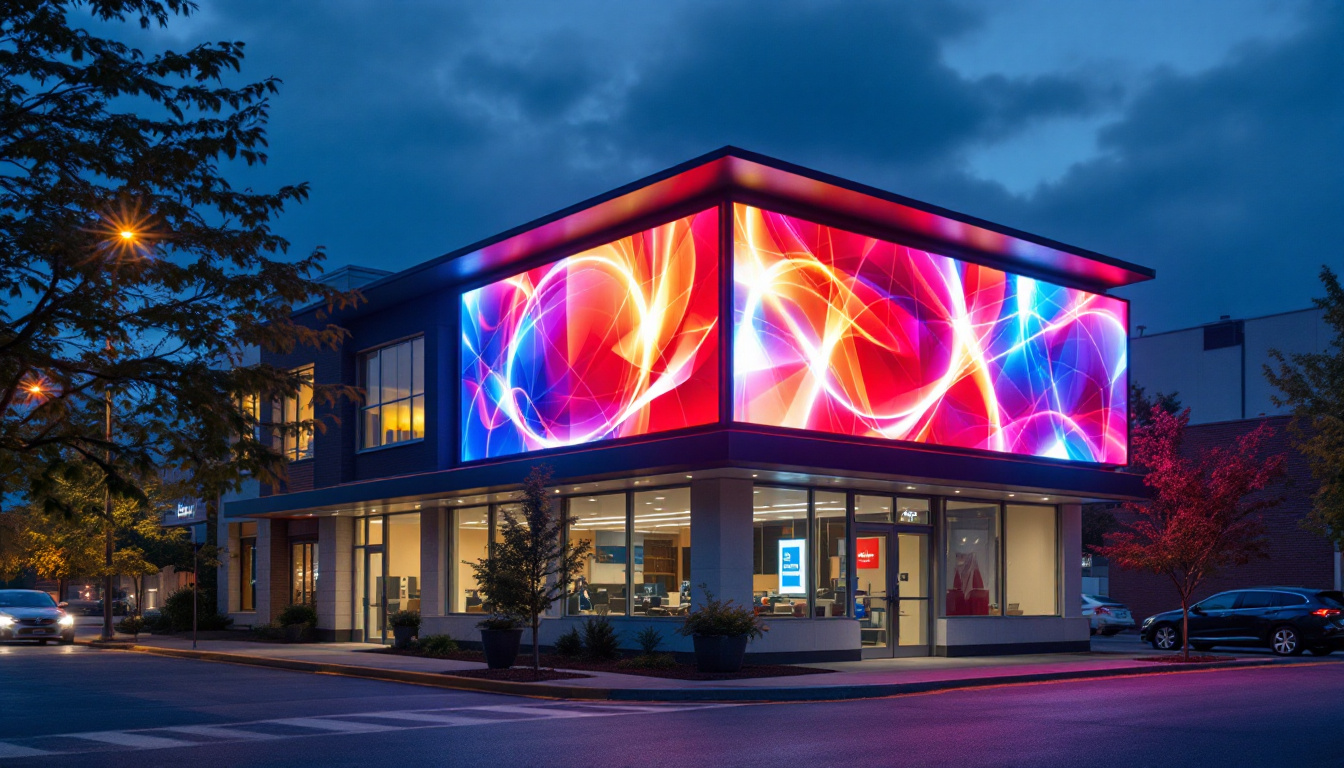
Retailers leverage LED backdrops to create eye-catching window displays and in-store promotions. The dynamic nature of LED content can attract foot traffic and increase dwell time, ultimately driving sales. Digital billboards powered by LED technology have become a dominant force in outdoor advertising, with some studies estimating that digital out-of-home advertising will account for over $10 billion in global revenue by 2025.
In addition to traditional advertising, retailers are now using LED backdrops to enhance the shopping experience through storytelling. By displaying engaging narratives about product origins, sustainability efforts, or customer testimonials, brands can forge deeper connections with consumers. This storytelling approach not only captivates shoppers but also encourages them to share their experiences on social media, further amplifying brand visibility. As technology continues to evolve, the integration of artificial intelligence with LED displays is expected to personalize advertising in real-time, adapting content based on customer demographics and behaviors, thus revolutionizing the retail landscape.
Benefits of Using LED Backdrop Displays
Choosing an LED backdrop over traditional display methods offers numerous advantages that contribute to its growing popularity across sectors.
Superior Visual Quality
LED displays deliver vibrant colors, deep blacks, and high contrast ratios, resulting in stunning image quality. Their wide viewing angles ensure consistent visuals from different perspectives, making them ideal for large venues where audiences are spread out.
Energy Efficiency and Longevity
Compared to older lighting and display technologies, LEDs consume significantly less power while providing higher brightness. This energy efficiency translates into lower operational costs. Additionally, LED panels have a long lifespan, often exceeding 100,000 hours, which reduces maintenance and replacement expenses.
Flexibility and Customization
LED backdrops can be customized in size, shape, and resolution to fit specific event or installation requirements. Modular designs allow for easy assembly and disassembly, making them suitable for touring events and temporary setups.
Content can be updated instantly via software, enabling real-time changes and dynamic programming that keeps audiences engaged.
Durability and Weather Resistance
Outdoor LED displays are built to withstand harsh weather conditions, including rain, wind, and extreme temperatures. Their robust construction ensures reliable performance in diverse environments, which is critical for outdoor advertising and large-scale events.
Key Considerations When Choosing an LED Backdrop
Selecting the right LED backdrop involves evaluating several factors to ensure it meets the specific needs of your project or event.
Resolution and Pixel Pitch
Determine the optimal pixel pitch based on the typical viewing distance. For close-up indoor events, a pixel pitch of 1.2mm to 2.5mm is recommended to ensure sharp images. For outdoor or large venue applications where viewers are farther away, a pixel pitch of 6mm or higher is sufficient.
Brightness and Contrast
Brightness is measured in nits, and higher values are necessary for outdoor displays to combat sunlight glare. Indoor displays typically require lower brightness levels but should still offer good contrast for vivid visuals.
Size and Aspect Ratio
The physical dimensions of the LED backdrop should complement the venue and content format. Consider the aspect ratio to avoid distortion of images and videos. Modular LED panels allow for flexible sizing but require careful planning to maintain uniformity.
Installation and Maintenance
Evaluate the ease of installation, especially for temporary events. Lightweight, modular panels with quick-lock mechanisms can save time and labor costs. Additionally, consider the accessibility for maintenance and repairs to minimize downtime.
Budget and Total Cost of Ownership
While LED displays can be a significant investment, it’s important to consider the total cost of ownership, including installation, operation, maintenance, and potential upgrades. Investing in high-quality panels with proven reliability often results in better long-term value.
Future Trends in LED Backdrop Technology
The LED display industry continues to evolve rapidly, driven by advancements in materials, manufacturing, and software capabilities.
MicroLED and MiniLED Innovations
Emerging technologies like MicroLED and MiniLED promise even higher resolutions and improved energy efficiency. MicroLEDs, with their microscopic size, enable ultra-fine pixel pitches below 1mm, opening new possibilities for ultra-high-definition displays suitable for close viewing distances.
Integration with Augmented Reality (AR) and Interactive Elements
Future LED backdrops may incorporate AR features and interactive sensors, allowing audiences to engage with content in unprecedented ways. Gesture recognition and real-time data integration could transform passive viewing into immersive experiences.
Sustainability and Eco-Friendly Designs
As environmental concerns grow, manufacturers are focusing on sustainable materials and energy-saving technologies. LED displays with recyclable components and reduced power consumption will become increasingly important for eco-conscious organizations.
Conclusion
LED backdrops have become indispensable tools for delivering captivating visual experiences across a wide range of applications. Their superior image quality, flexibility, and durability make them ideal for events, advertising, retail, and corporate communications. Understanding the technology behind LED displays and considering key factors such as resolution, brightness, and installation requirements can help organizations make informed decisions that maximize impact and return on investment.
As LED technology continues to advance, the potential for creative and immersive visual storytelling will only expand, making LED backdrops a cornerstone of modern visual communication strategies.
Discover LumenMatrix’s Innovative LED Display Solutions
Ready to elevate your visual communication strategy with cutting-edge LED technology? Look no further than LumenMatrix, a leader in crafting immersive LED display modules tailored to your unique needs. From vibrant Indoor and Outdoor LED Wall Displays to dynamic Vehicle and Sports LED Displays, our extensive range of solutions, including LED Posters, Floors, and Custom Displays, is designed to captivate your audience and amplify your brand’s presence. Experience the future of digital storytelling with our All-in-One and Transparent LED Displays. Check out LumenMatrix LED Display Solutions today and transform your space into a visual spectacle that leaves a lasting impression.