In the world of sports, events, and public displays, the scoreboard is an essential component that keeps audiences informed and engaged. Over the years, the traditional scoreboards have evolved dramatically, with LED display technology now at the forefront. Whether you are a sports facility manager, event organizer, or business owner looking to invest in a modern scoreboard, understanding LED displays is crucial. This article delves into the intricacies of LED scoreboards, their benefits, technology, and what to consider when purchasing one.
Understanding LED Scoreboard Technology
What is an LED Display?
LED stands for Light Emitting Diode, a semiconductor device that emits light when an electric current passes through it. LED displays are composed of numerous tiny LEDs arranged in a grid that can produce images, text, and video by varying the light intensity of each diode. This technology has revolutionized display screens by providing bright, clear visuals that are visible even in direct sunlight.
In the context of scoreboards, LED displays replace older incandescent bulbs or mechanical scoreboards, offering dynamic and customizable content. The ability to display not only scores but also animations, advertisements, and real-time statistics makes LED scoreboards highly versatile. Furthermore, the energy efficiency of LED technology means that these displays consume significantly less power compared to traditional lighting methods, leading to lower operational costs over time. This efficiency, combined with their long lifespan, makes LED scoreboards an attractive investment for sports facilities and organizations.
Types of LED Displays Used in Scoreboards
LED scoreboards generally come in two main types: single-color and full-color displays. Single-color LED scoreboards typically use red or amber LEDs and are ideal for basic score and time displays. These are common in smaller venues or sports like basketball and volleyball where the information displayed is straightforward. Their simplicity allows for quick readability, ensuring that players and fans can easily keep track of the game without distraction.
Full-color LED scoreboards, on the other hand, use RGB (Red, Green, Blue) LEDs to produce a wide spectrum of colors. These are perfect for larger stadiums, arenas, or multi-purpose venues where vibrant graphics, animations, and video content enhance the spectator experience. Full-color displays also allow for branding and advertising opportunities, which can be a significant revenue source. The integration of high-definition video capabilities means that teams can showcase highlight reels, player introductions, and even live feeds from the game, creating an immersive atmosphere for fans. Moreover, the adaptability of full-color scoreboards allows for the incorporation of social media feeds and interactive content, further engaging the audience and enhancing their overall experience during events.
Advantages of LED Scoreboards Over Traditional Systems
Superior Visibility and Brightness
One of the most significant advantages of LED scoreboards is their superior brightness. LEDs can achieve brightness levels of up to 10,000 nits or more, making them easily visible in direct sunlight. This is a crucial factor for outdoor sports venues, where glare and ambient light can obscure traditional scoreboards.
Additionally, LED displays offer excellent contrast ratios and wide viewing angles, ensuring that spectators from any seat in the stadium can clearly see the information. This enhances the overall fan experience and keeps the audience engaged throughout the event.
Energy Efficiency and Longevity
Compared to incandescent bulbs or fluorescent displays, LEDs consume significantly less power. This energy efficiency translates into lower operating costs over the lifespan of the scoreboard. Modern LED scoreboards can operate continuously for tens of thousands of hours before requiring maintenance or replacement, often exceeding 100,000 hours under optimal conditions.
The durability of LEDs also means they are less prone to damage from vibration, weather, or frequent use. This robustness reduces maintenance downtime and costs, which is especially beneficial for venues with tight event schedules.
Customization and Flexibility
LED scoreboards are highly customizable. Facility managers can tailor the size, resolution, and content to suit the specific needs of their venue. For example, a high school football field might require a simple scoreboard with basic scoring and timing functions, while a professional stadium might want a large, full-color display capable of showing live video feeds, player stats, and advertisements.
Software interfaces for LED scoreboards have also become more user-friendly, allowing operators to update content in real-time or schedule changes in advance. This flexibility ensures that the scoreboard remains relevant and engaging throughout different events and seasons.
Key Features to Consider When Buying an LED Scoreboard
Resolution and Pixel Pitch
Resolution refers to the number of pixels in the display, which directly affects image clarity. Pixel pitch is the distance between the centers of two adjacent pixels, usually measured in millimeters. A smaller pixel pitch means higher resolution and sharper images, which is important for displays viewed from close distances.
For example, a scoreboard with a pixel pitch of 10mm is suitable for viewing from 50 feet or more, while a 4mm pixel pitch is ideal for closer viewing distances. When selecting a scoreboard, consider the typical viewing distance in your venue to ensure optimal clarity.
Size and Viewing Distance
The physical size of the scoreboard must align with the size of the venue and the expected viewing distance of the audience. Larger venues require bigger scoreboards to ensure visibility from all seating areas. As a rule of thumb, the height of the scoreboard’s digits should be at least 1 inch for every 10 feet of viewing distance.
For example, if the farthest seat is 200 feet away, the digits should be at least 20 inches tall. This ensures that scores and other information are legible, maintaining the engagement and excitement of the crowd.
Weather Resistance and Durability
Outdoor scoreboards must withstand various weather conditions, including rain, snow, wind, and extreme temperatures. Look for LED scoreboards with an IP65 or higher rating, which indicates protection against dust and water ingress. Additionally, UV-resistant coatings help prevent color fading and material degradation from prolonged sun exposure.
Indoor scoreboards have fewer environmental challenges but still benefit from durable construction to resist impacts and wear from frequent use.
Control System and Software
The control system is the backbone of an LED scoreboard, enabling operators to update scores, timers, and other data quickly. Modern systems often feature wireless connectivity, allowing remote control via tablets, smartphones, or computers. Some advanced software solutions integrate with official scoring systems, reducing manual input and errors.
When purchasing a scoreboard, evaluate the user interface and compatibility with your existing technology infrastructure. Training and technical support from the manufacturer or vendor are also important considerations.
Popular Applications of LED Scoreboards
Sports Venues
LED scoreboards are ubiquitous in sports venues ranging from local community fields to professional stadiums. They provide real-time updates on scores, game time, player statistics, and fouls, enhancing the spectator experience. For example, the NFL and NBA have widely adopted large LED displays that not only show scores but also instant replays and advertisements.
Smaller venues, such as high schools and colleges, benefit from cost-effective LED scoreboards that offer essential functions without the complexity or expense of full-color displays. The flexibility of LED technology allows these venues to upgrade as budgets and needs evolve.
Event and Concert Venues
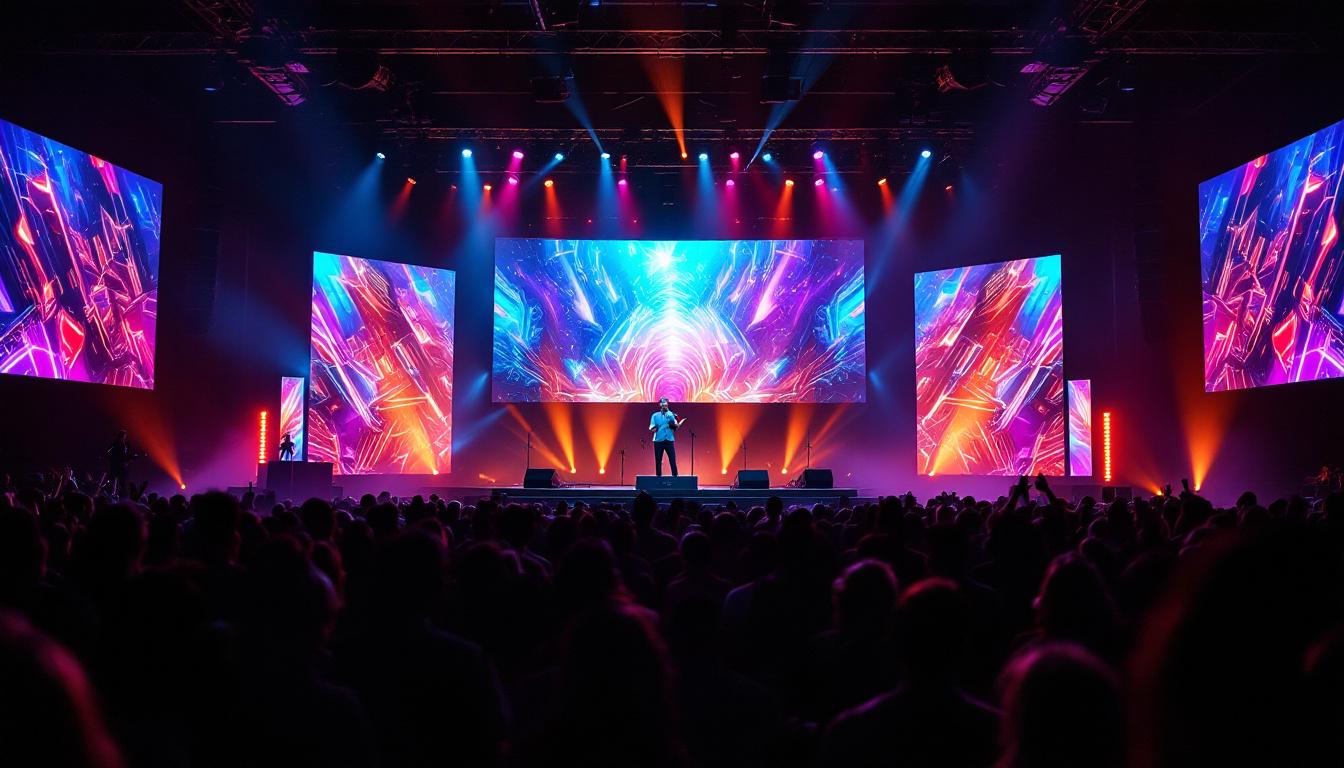
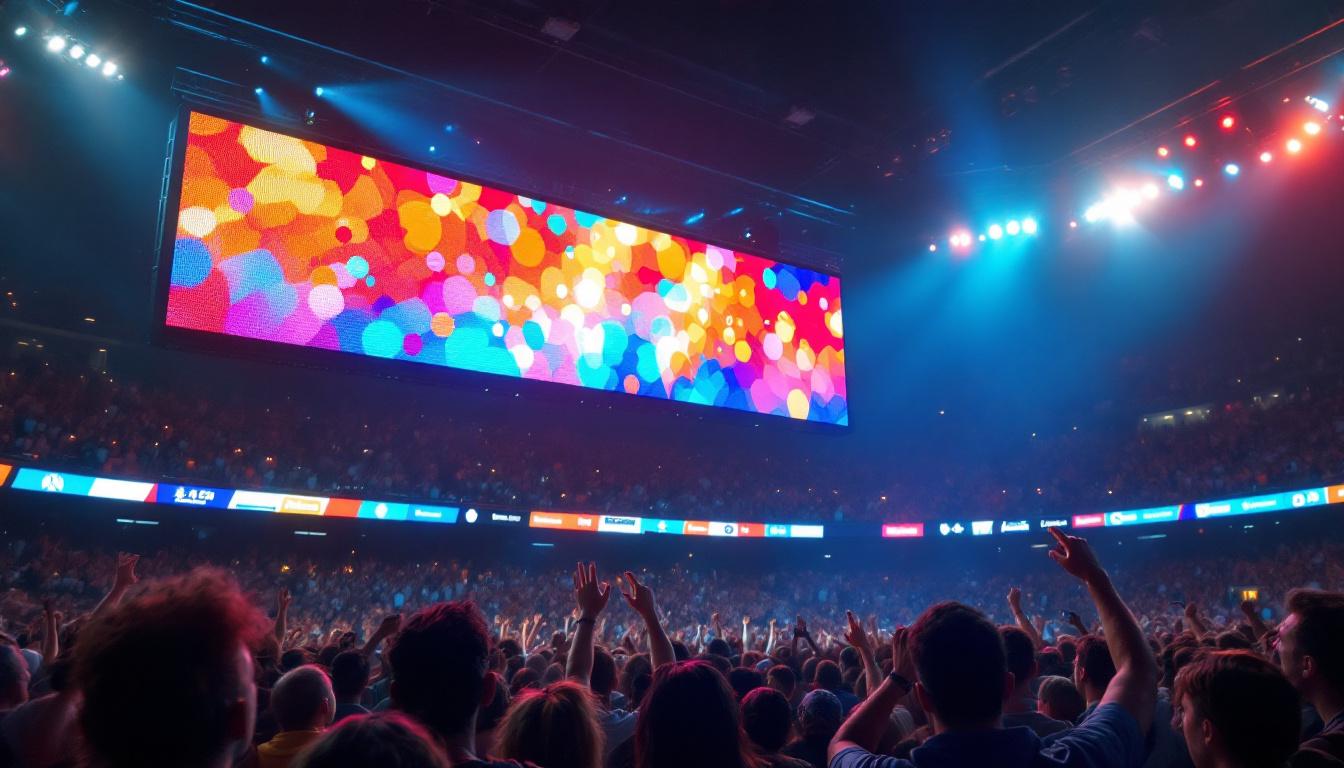
Beyond sports, LED scoreboards and displays are integral to concerts, festivals, and public events. They provide information such as event schedules, emergency announcements, and sponsor messages. The ability to display vibrant graphics and videos makes LED displays a valuable tool for audience engagement and branding.
Corporate and Advertising Uses
Many businesses use LED scoreboards and displays for advertising and promotional purposes. Digital billboards powered by LED technology can change content dynamically, targeting different audiences throughout the day. In retail environments, LED displays attract attention and convey messages more effectively than static signs.
For companies sponsoring sports teams or events, LED scoreboards offer a platform to showcase their brand prominently, often generating significant return on investment through increased visibility.
Cost Considerations and ROI
Initial Investment
The cost of an LED scoreboard varies widely based on size, resolution, color capabilities, and additional features. Basic single-color scoreboards can start from a few thousand dollars, while large, full-color, high-resolution displays for professional venues can cost hundreds of thousands of dollars.
It’s important to balance budget constraints with the desired features and quality. Cheaper options may save money upfront but could incur higher maintenance costs or fail to meet visibility requirements, ultimately affecting user satisfaction.
Operational Costs and Maintenance
LED scoreboards are energy efficient, but operational costs include electricity, software licenses, and occasional maintenance. Choosing a reputable manufacturer with good warranty and support services can reduce unexpected expenses.
Regular cleaning and software updates are necessary to maintain optimal performance. Some vendors offer maintenance contracts that include routine inspections and repairs, which can be a worthwhile investment for high-use venues.
Return on Investment
For many organizations, the ROI of an LED scoreboard comes from enhanced fan engagement, increased ticket sales, and advertising revenue. Full-color LED displays, in particular, open opportunities for dynamic sponsorships and promotions that can offset the initial cost over time.
Furthermore, improved visibility and information delivery contribute to a better overall experience, encouraging repeat attendance and positive word-of-mouth.
Conclusion: Making the Right Choice
Investing in an LED scoreboard is a decision that requires careful consideration of technology, venue needs, budget, and long-term goals. The advantages of LED displays—brightness, energy efficiency, durability, and flexibility—make them the preferred choice for modern scoreboards across various applications.
By understanding the key features such as resolution, size, weather resistance, and control systems, buyers can select a scoreboard that not only meets current demands but also adapts to future requirements. Whether for a small community sports field or a large professional arena, LED scoreboards enhance the spectator experience and provide valuable opportunities for engagement and revenue generation.
As LED technology continues to advance, scoreboards will become even more dynamic, interactive, and integrated with digital ecosystems, making them an indispensable part of the event and sports industry.
Discover the Future of Scoreboards with LumenMatrix
Ready to elevate your venue with the brightest, most energy-efficient, and flexible LED scoreboards on the market? Look no further than LumenMatrix, a leader in LED display innovation. Our extensive range of solutions, from Indoor and Outdoor LED Wall Displays to specialized LED Sports Displays, is designed to captivate your audience and amplify your message. Experience the transformative power of our LED display modules and join the revolution in visual communication. Check out LumenMatrix LED Display Solutions today and bring your scoreboard into the modern era.