In the evolving landscape of movie theaters, technology plays a pivotal role in shaping the viewing experience. Beaverton, Oregon, known for its vibrant community and growing entertainment scene, has embraced modern display technologies to enhance movie screenings. Among these innovations, LED displays stand out as a transformative force in cinema presentation. This article explores the intricacies of LED display technology in Beaverton movie theaters, explaining what makes it a game-changer for audiences and operators alike.
Understanding LED Display Technology in Cinemas
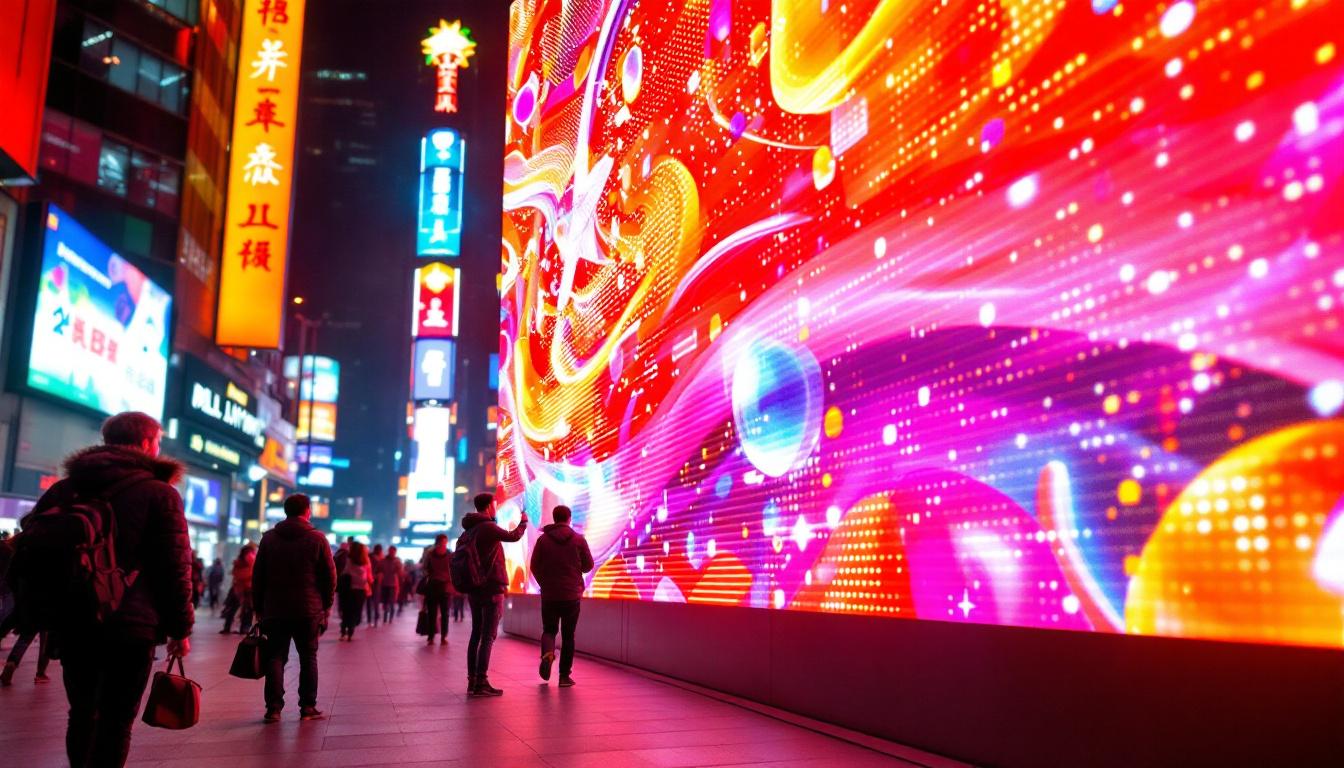
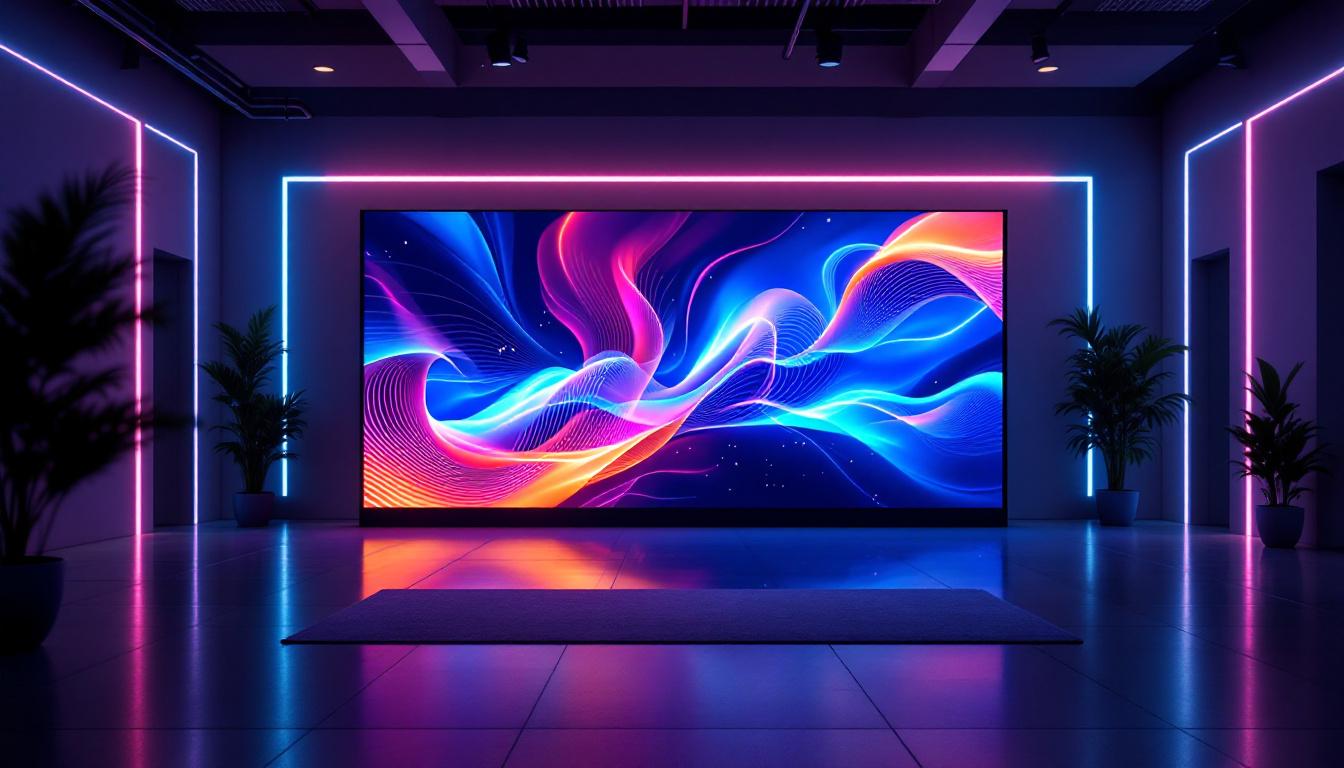
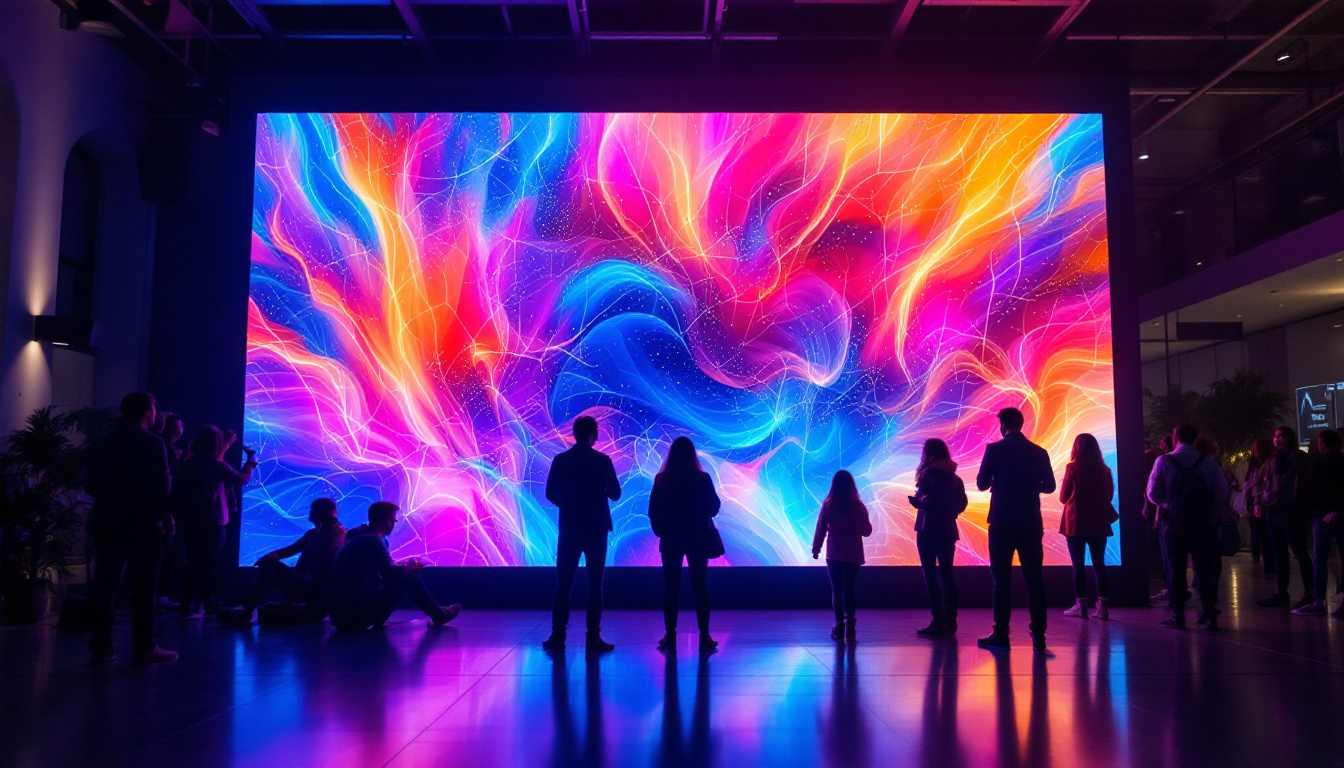
LED, or Light Emitting Diode, technology has been widely adopted across various industries due to its efficiency, brightness, and versatility. In cinema settings, LED displays represent a significant upgrade over traditional projection systems. Unlike projectors that rely on external light sources to cast images onto a screen, LED displays consist of millions of tiny light-emitting diodes arranged in panels to create vivid, high-resolution images directly.
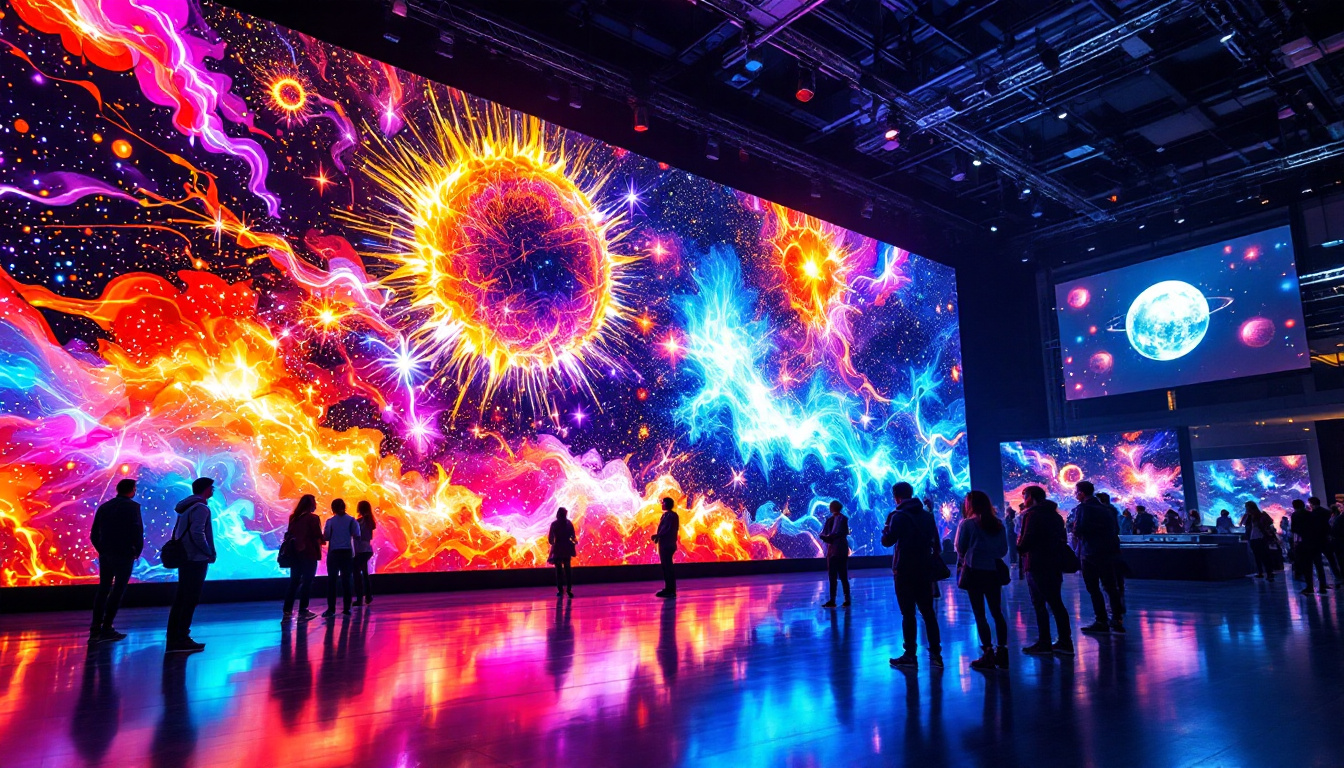
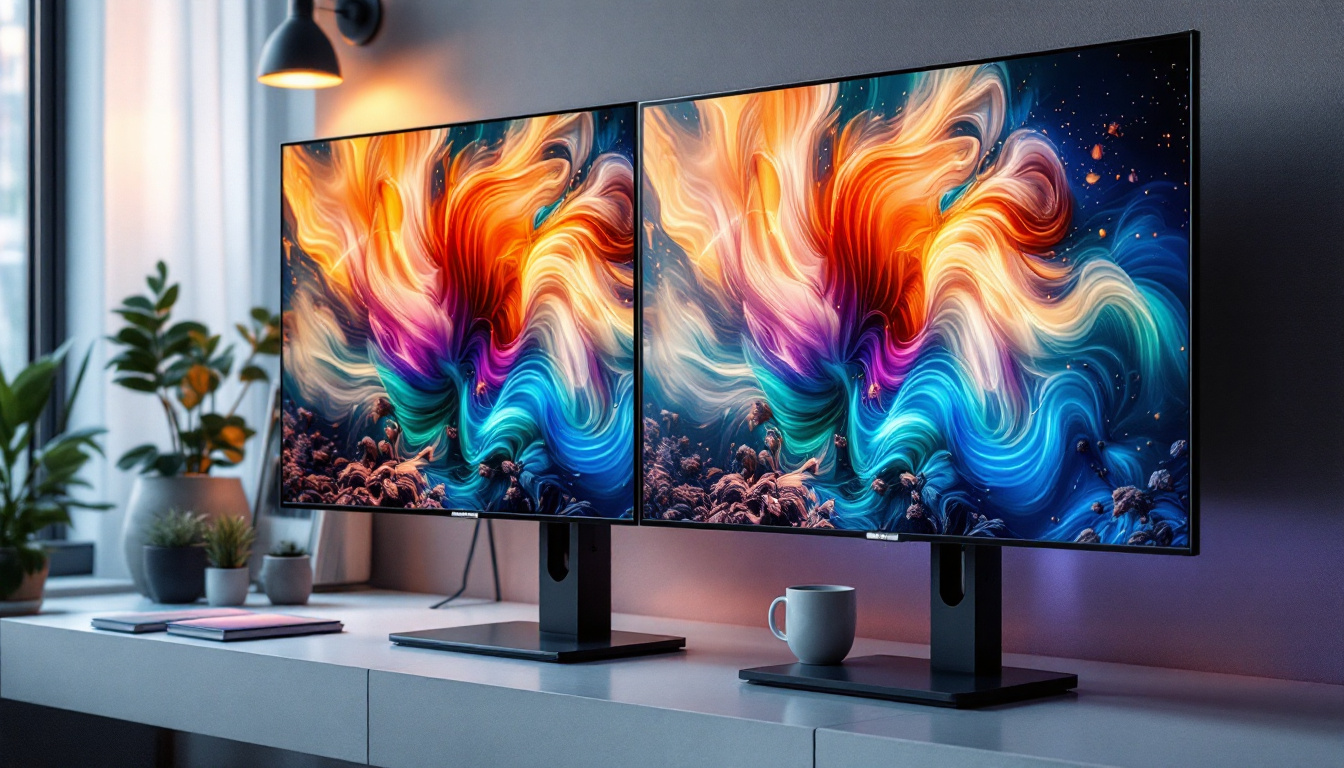
The transition from traditional film and digital projectors to LED screens marks a paradigm shift. The direct emission of light from the screen itself results in superior brightness and contrast levels, which are critical for delivering an immersive cinematic experience. This is particularly noticeable in scenes with deep blacks or vibrant colors, where LED displays can reproduce images with exceptional clarity and depth. Furthermore, the ability to adjust brightness dynamically allows for a more tailored viewing experience, enhancing the emotional impact of each scene.
Key Features of LED Displays in Movie Theaters
Several features distinguish LED displays from conventional cinema screens:
- Brightness and Contrast: LED screens can achieve brightness levels upwards of 1,000 nits, far exceeding traditional projector capabilities. This allows for clear visibility even in ambient light conditions.
- Color Accuracy: The ability to display a wider color gamut ensures that movies appear more lifelike and engaging.
- Durability and Maintenance: LED panels are robust and require less frequent maintenance compared to projector bulbs, which have limited lifespans.
- Seamless Image Quality: With high pixel density and advanced calibration, LED displays provide uniform image quality without the risk of shadows or hotspots common in projection.
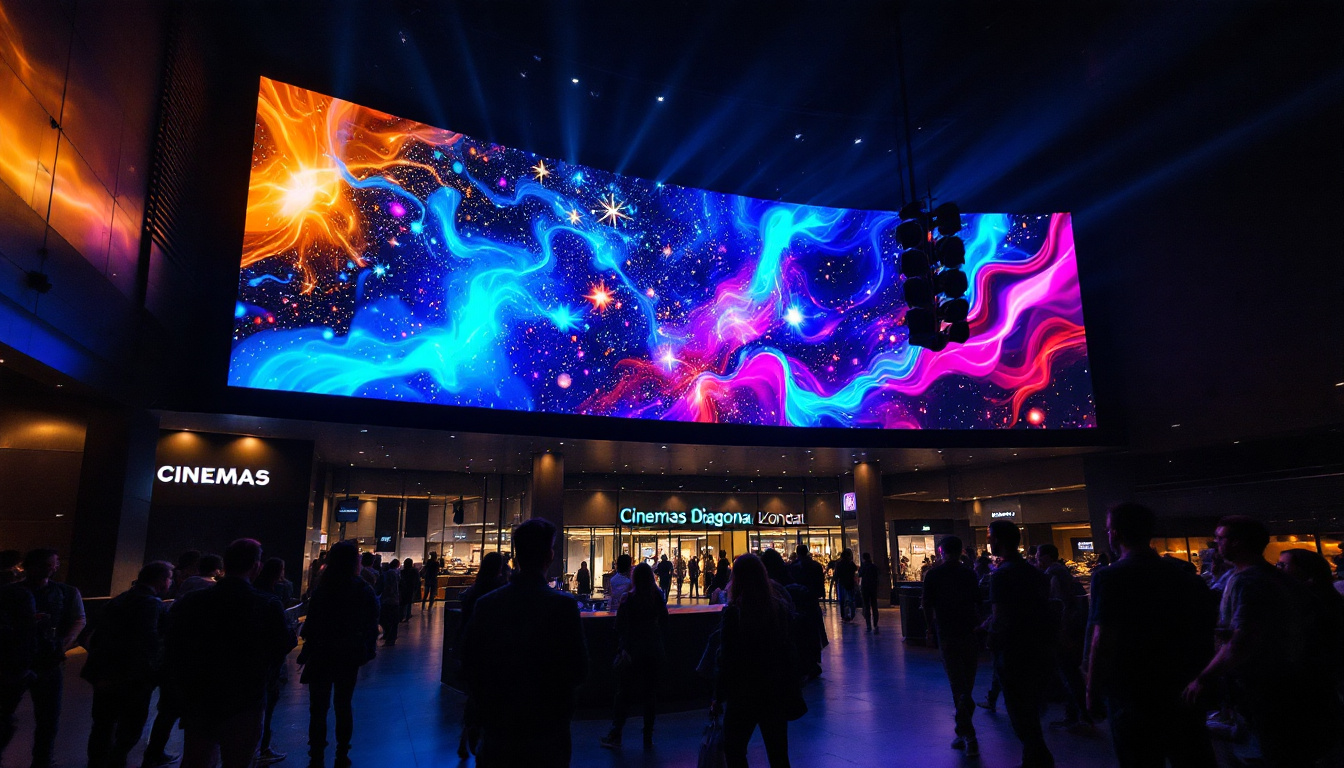
In addition to these advantages, LED technology also supports innovative formats such as curved screens and ultra-wide aspect ratios, which can further enhance the viewer’s experience. Curved LED displays wrap around the audience, creating a more immersive environment that draws viewers into the film. This is particularly effective for action-packed sequences or visually stunning landscapes, where the peripheral vision can be engaged. Moreover, the modular nature of LED panels allows theaters to customize their screen sizes and shapes, accommodating various types of films and audience preferences.
Another noteworthy aspect of LED displays is their potential for energy efficiency. Compared to traditional projection systems, which consume significant power and generate heat, LED screens operate at a lower energy cost. This not only reduces the carbon footprint of cinemas but also translates to lower operational expenses over time. As the film industry increasingly focuses on sustainability, the adoption of LED technology aligns with broader environmental goals, making it an attractive option for theaters looking to modernize while being mindful of their ecological impact.
The Rise of LED Cinema Displays in Beaverton
Beaverton’s movie theaters have been quick to adopt LED display technology, reflecting a broader trend in the cinema industry. This shift is driven by both consumer demand for enhanced viewing experiences and the operational advantages that LED technology offers theater owners.
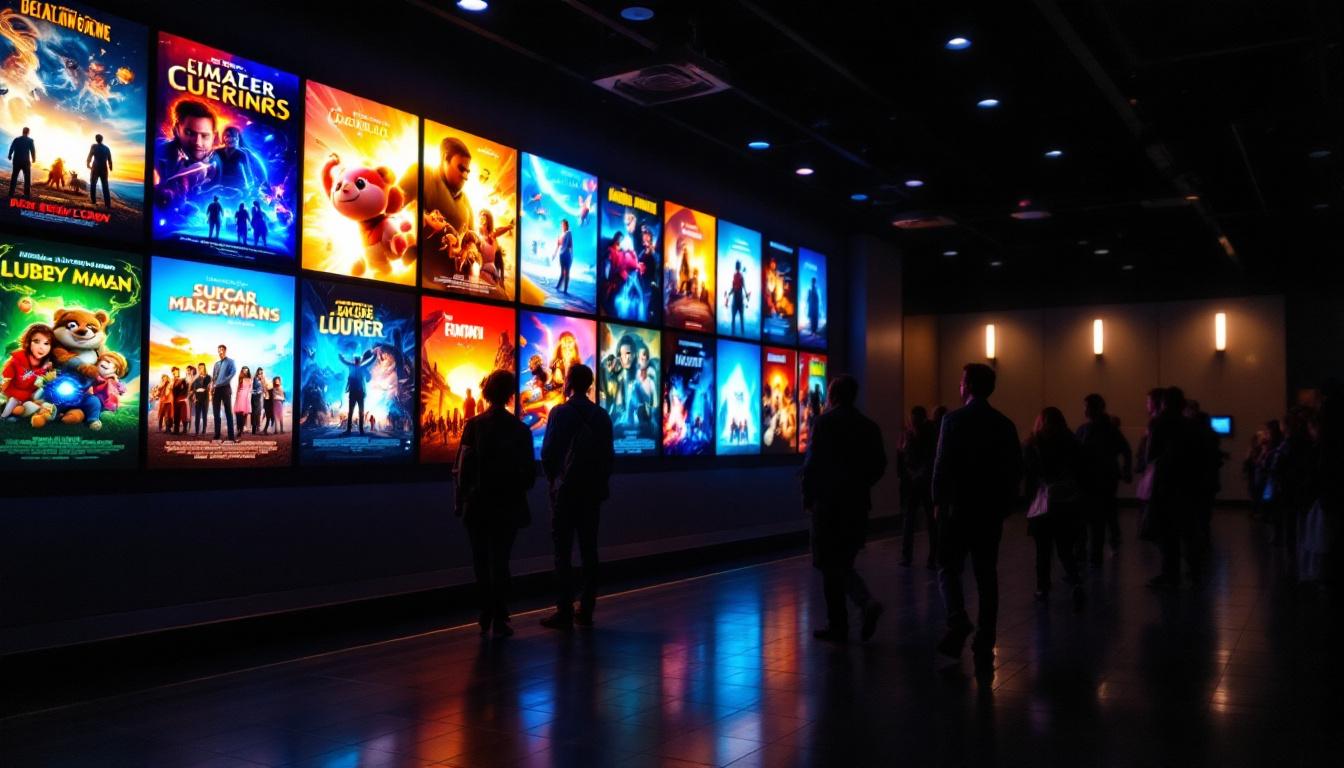
For example, the Regal Beaverton Stadium 16 & IMAX recently upgraded select auditoriums with LED screens, providing patrons with sharper images and more vibrant colors. This move aligns with the global cinema market’s trajectory, where LED cinema screen installations have grown by over 35% annually since 2020, according to industry reports. The transition to LED technology not only enhances the cinematic experience but also allows theaters to showcase a wider variety of content, including live broadcasts of concerts and sporting events, further diversifying their offerings and attracting larger audiences.
Why Beaverton Audiences Benefit from LED Displays
Beaverton’s diverse and tech-savvy population appreciates the improvements that LED displays bring. Moviegoers can enjoy:
- Enhanced Visuals: Whether watching the latest blockbuster or an indie film, the improved brightness and color fidelity make every scene more captivating.
- Consistent Quality: Unlike projection systems that can degrade over time or suffer from alignment issues, LED displays maintain consistent image quality.
- Comfortable Viewing: Reduced glare and better contrast contribute to less eye strain during long screenings.
Moreover, the environmental benefits of LED technology cannot be overlooked. These displays consume significantly less power than traditional projection systems, making them a more sustainable choice for theaters looking to reduce their carbon footprint. In a city like Beaverton, where eco-consciousness is prevalent, this aspect resonates well with the community. The longevity of LED screens also means fewer replacements and less electronic waste, aligning with the city’s commitment to sustainability.
Another exciting aspect of the rise of LED displays is the potential for interactive cinema experiences. Some theaters are exploring ways to integrate augmented reality (AR) and virtual reality (VR) elements into their presentations, creating immersive environments that engage audiences beyond the screen. This innovation could lead to unique storytelling methods and interactive film experiences, setting Beaverton apart as a hub for cutting-edge cinema technology. As theaters continue to evolve, the possibilities for entertainment in this vibrant community seem limitless.
Technical Aspects of LED Displays in Cinema
Delving deeper into the technology, LED cinema displays are composed of modular panels that can be configured to fit various screen sizes and shapes. Each panel contains thousands of LEDs that emit red, green, and blue light. By adjusting the intensity of these LEDs, the display can produce millions of colors with remarkable precision. This versatility not only allows for stunning visuals but also enables filmmakers to utilize the full spectrum of color grading techniques, enhancing the storytelling aspect of cinema.
One of the critical technical metrics for LED cinema screens is pixel pitch — the distance between the centers of adjacent LEDs. A smaller pixel pitch means higher resolution and sharper images. Modern cinema LED displays typically feature pixel pitches ranging from 0.9mm to 1.5mm, enabling ultra-high-definition presentations even on large screens. This high resolution is particularly beneficial for 3D films, where clarity and depth perception are crucial for immersing the audience in the cinematic experience.
Integration with Cinema Sound and Lighting Systems
LED displays are designed to work harmoniously with advanced sound and lighting systems. In Beaverton theaters, integration ensures that audio cues and visual effects are synchronized perfectly, enhancing the overall sensory experience. Additionally, LED screens’ ability to maintain image quality under various lighting conditions allows for more creative lighting designs within auditoriums. This adaptability is essential for creating dynamic environments that can shift from bright, vibrant scenes to darker, moodier settings without compromising visual integrity.
Moreover, the seamless integration of LED displays with immersive sound systems, such as Dolby Atmos, allows for a multi-dimensional audio experience that complements the visual spectacle. The spatial audio capabilities create a soundscape that envelops the audience, making them feel as if they are part of the action on screen. This synergy between cutting-edge visual technology and sophisticated audio engineering not only elevates the viewing experience but also sets a new standard for what audiences can expect from modern cinema, pushing the boundaries of traditional film presentation.
Comparing LED Displays with Traditional Projection Systems
While traditional projection systems have served cinemas well for decades, LED displays offer several advantages that are reshaping industry standards. Understanding these differences helps explain why Beaverton theaters are investing in this technology.
Brightness and Image Quality
Projectors rely on powerful lamps to shine light through film or digital media onto a screen. However, lamp brightness diminishes over time, and screens can suffer from uneven light distribution. LED displays emit light directly, ensuring consistent brightness and eliminating issues like shadows or hotspots.
Maintenance and Operational Costs
Projector lamps typically have a lifespan of 2,000 to 4,000 hours and require regular replacement, which can be costly and disruptive. LED panels, by contrast, can last upwards of 100,000 hours with minimal maintenance, reducing downtime and operational expenses.
Environmental Impact
LED technology is more energy-efficient than traditional projection systems, contributing to lower electricity consumption. This aligns with Beaverton’s community values around sustainability and environmental responsibility.
Challenges and Considerations for LED Cinema Displays
Despite their advantages, LED cinema displays also present certain challenges. The initial investment cost is significantly higher than traditional projection setups, which can be a barrier for smaller theaters. Additionally, installation requires careful calibration and expertise to ensure optimal performance.
Another consideration is the potential for pixel failure or color inconsistencies over time. However, advancements in LED manufacturing and quality control have minimized these risks substantially.
Addressing Audience Expectations
As audiences become more accustomed to high-quality home entertainment systems, expectations for cinema experiences rise accordingly. LED displays help theaters meet these expectations by delivering superior picture quality that cannot be easily replicated at home. This is crucial for attracting and retaining moviegoers in competitive markets like Beaverton.
The Future of LED Displays in Beaverton Cinemas
The future looks bright for LED cinema displays in Beaverton. As technology continues to advance, costs are expected to decrease, making LED screens accessible to a broader range of theaters, including independent and boutique cinemas.
Emerging innovations such as MicroLED technology promise even greater improvements in resolution, energy efficiency, and screen flexibility. These developments could enable new forms of cinematic storytelling, including immersive and interactive experiences.
Potential Impact on Local Cinema Culture
By adopting cutting-edge display technology, Beaverton’s cinemas can position themselves as cultural hubs that offer unparalleled entertainment experiences. This not only benefits moviegoers but also supports the local economy by attracting visitors and fostering community engagement.
Conclusion
LED display technology is revolutionizing the movie-going experience in Beaverton. With superior brightness, color accuracy, and durability, LED cinema screens provide audiences with stunning visuals that elevate film presentations to new heights. While the initial investment is substantial, the long-term benefits for theaters and patrons alike are clear.
As Beaverton continues to embrace these advancements, movie lovers can look forward to richer, more immersive cinematic experiences that celebrate both the art of film and the power of technology.
Discover the Future of Cinematic Visuals with LumenMatrix
Ready to experience the pinnacle of movie-going visuals? LumenMatrix is at the forefront of LED display innovation, offering an array of solutions that transform any cinematic space. From Indoor and Outdoor LED Wall Displays to immersive LED Sports and Floor Displays, our technology is designed to captivate and engage audiences like never before. Embrace the future of visual storytelling with LumenMatrix’s cutting-edge displays. Check out LumenMatrix LED Display Solutions and see how we can enhance your brand visibility and audience experience.