In the world of modern visual technology, LED displays have become ubiquitous, transforming everything from advertising billboards to stadium screens and digital signage. Among the various configurations used in LED technology, the rectangular array stands out as a fundamental and versatile design. Understanding how rectangular arrays function within LED displays is essential for professionals in electronics, digital signage, and display manufacturing, as well as for enthusiasts keen on the technical aspects of visual display systems.
What Is a Rectangular Array in LED Displays?
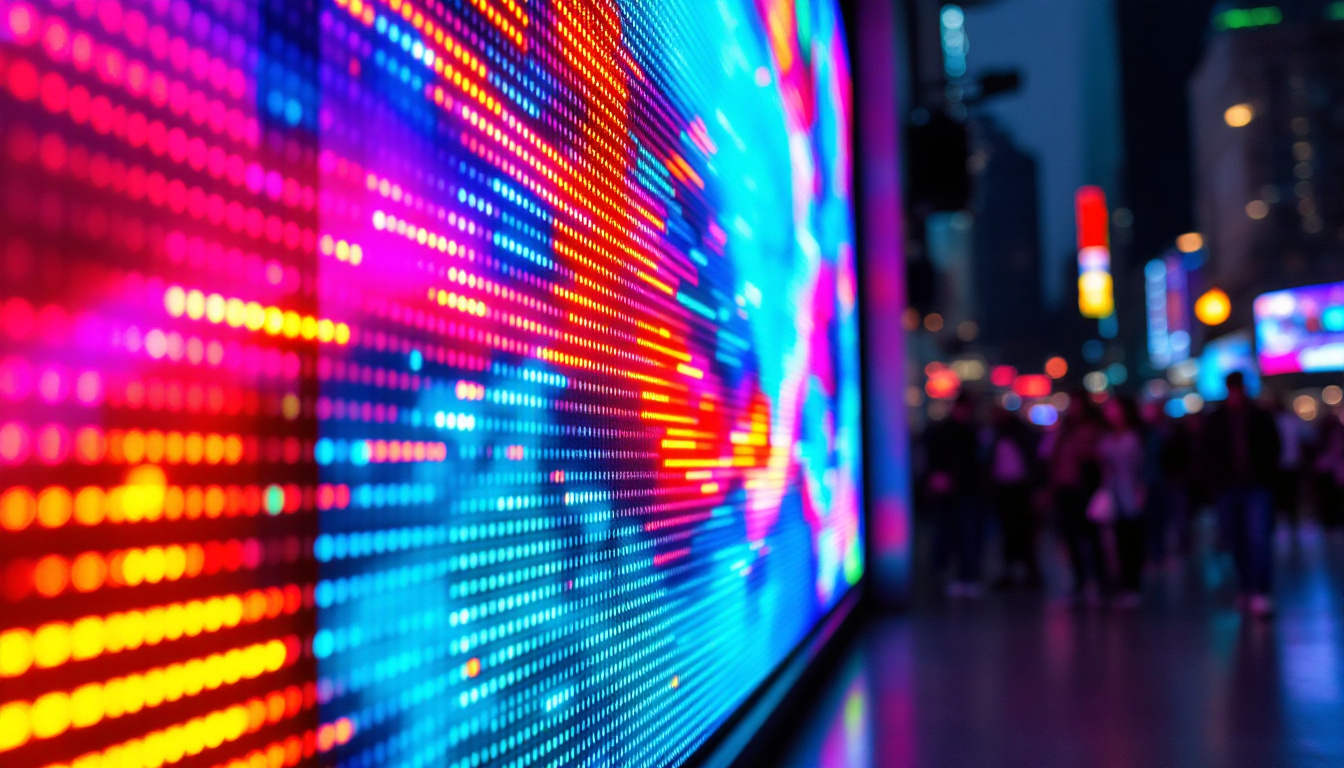
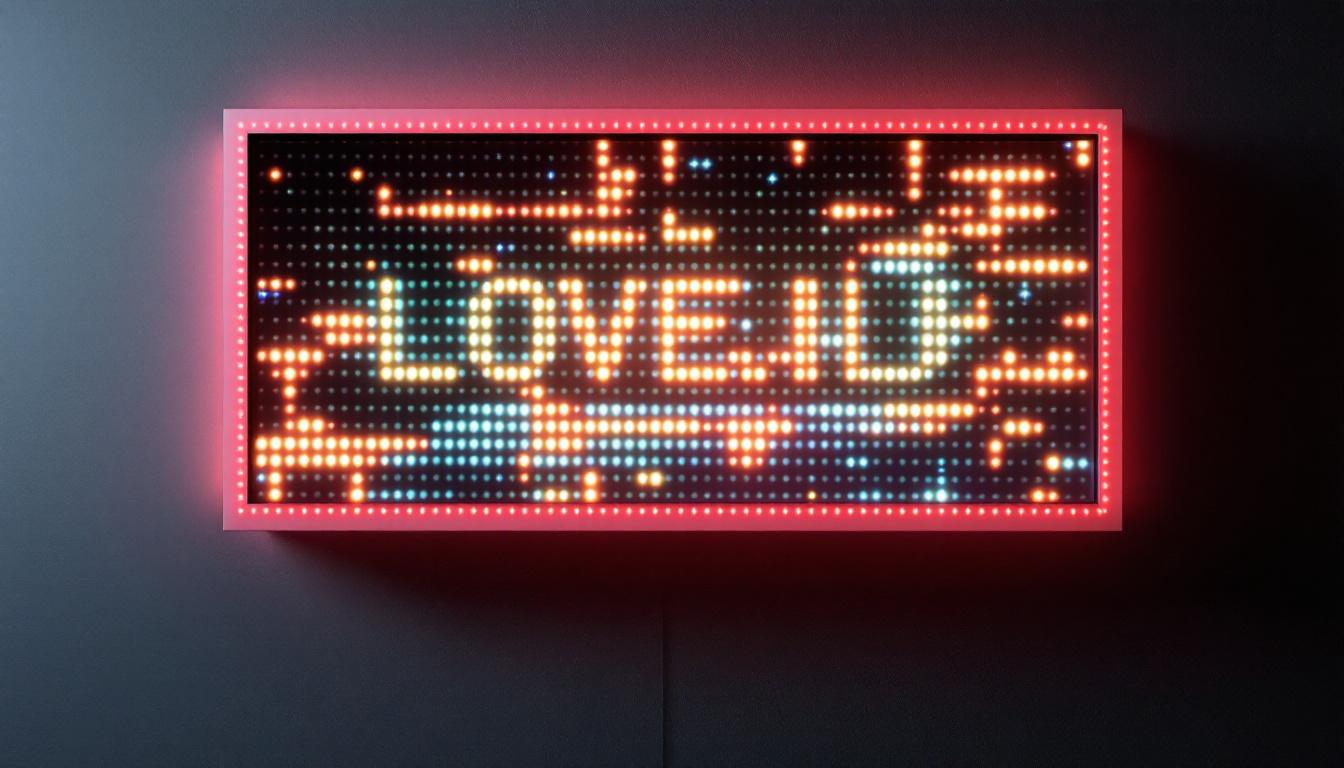
A rectangular array in the context of LED displays refers to the systematic arrangement of individual light-emitting diodes (LEDs) in rows and columns forming a grid-like structure. This geometric layout is characterized by its rectangular shape, where the number of LEDs along the width and height can vary depending on the display’s resolution and size requirements.
Unlike circular or irregular LED arrangements, rectangular arrays provide a straightforward way to map pixels for image rendering. Each LED or group of LEDs corresponds to a pixel or sub-pixel, allowing for precise control of brightness and color. This arrangement simplifies the addressing and driving of LEDs by electronic controllers, making it the industry standard for most flat-panel LED displays.
Key Characteristics of Rectangular Arrays
The rectangular array’s primary attributes include uniform spacing between LEDs, consistent pixel pitch (distance between the centers of adjacent LEDs), and a predictable matrix layout. These features are crucial for achieving high image quality and consistent brightness across the display surface.
For example, a 1920×1080 LED display contains a rectangular array of 2,073,600 individual LEDs or LED clusters, each representing a pixel in a full HD resolution. The regular grid arrangement ensures that images and videos are rendered accurately without distortion or irregular pixel shapes.
Furthermore, the rectangular array design allows for scalability in display technology. Manufacturers can easily increase or decrease the number of rows and columns to create displays of various sizes, from small screens used in mobile devices to massive outdoor billboards. This flexibility is essential in a market where customization and adaptability are key to meeting diverse consumer needs. Additionally, advancements in LED technology, such as the development of microLEDs, are pushing the boundaries of how these rectangular arrays can be utilized, enabling even higher resolutions and improved energy efficiency.
Another important aspect of rectangular arrays is their impact on viewing angles and color consistency. The arrangement allows for effective light diffusion, which helps maintain color accuracy and brightness even when viewed from different angles. This is particularly important in applications such as digital signage and television displays, where viewers may not always be positioned directly in front of the screen. As a result, rectangular arrays not only enhance the visual experience but also contribute to the overall effectiveness of communication through visual media.
How Rectangular Arrays Enhance LED Display Performance
The efficiency and effectiveness of LED displays heavily depend on the underlying array structure. Rectangular arrays contribute to several performance aspects that are critical for both consumer and commercial applications.
Improved Resolution and Image Clarity
The rectangular layout allows for dense packing of LEDs, which directly translates to higher resolution displays. As pixel pitch decreases, more LEDs fit into a given area, resulting in sharper images and finer detail. This is particularly important for applications such as digital billboards and video walls, where viewers expect crisp visuals even from close distances.
Advancements in LED manufacturing have enabled pixel pitches as small as 0.5mm in some indoor displays, made possible by the precise rectangular arrangement of LEDs. This level of detail supports high-definition content and complex graphics, enhancing viewer engagement.
Uniform Brightness and Color Consistency
Uniform spacing in rectangular arrays ensures that light distribution is even across the display. This uniformity prevents hotspots or dim areas, which can detract from the viewing experience. Additionally, the consistent layout facilitates color calibration and correction algorithms, maintaining color fidelity across the entire screen.
For outdoor LED displays exposed to varying lighting conditions, rectangular arrays enable better control over brightness levels, ensuring visibility even under direct sunlight. This adaptability is vital for advertising and public information displays that must remain legible at all times.
Scalability and Modular Design
Rectangular arrays lend themselves well to modular construction. LED display manufacturers often produce panels or modules with standardized rectangular arrays that can be seamlessly tiled to create larger screens. This modularity simplifies installation, maintenance, and scalability.
For example, a stadium might use multiple rectangular LED modules to form a massive display board, with each module containing a rectangular array of LEDs. If a module fails, it can be replaced independently without affecting the entire system, reducing downtime and maintenance costs.
Technical Considerations in Designing Rectangular LED Arrays
Designing an effective rectangular LED array involves several technical factors that influence performance, cost, and application suitability. Engineers and designers must balance these considerations to meet specific project requirements.
Pixel Pitch and Viewing Distance
Pixel pitch is one of the most critical parameters in LED display design. It determines the density of LEDs in the rectangular array and directly affects image resolution and viewing distance. A smaller pixel pitch means higher resolution but also increases manufacturing complexity and cost.
For instance, indoor displays typically have pixel pitches ranging from 0.5mm to 2mm, suitable for close viewing distances of a few meters. In contrast, outdoor displays often use pixel pitches between 6mm and 20mm, optimized for viewers several meters away. Selecting the appropriate pixel pitch ensures that the display appears sharp and clear from the intended viewing distance.
Driving Electronics and Addressing Schemes
The rectangular array’s grid structure simplifies the design of driving electronics. Each LED or cluster can be addressed using row and column coordinates, enabling multiplexing techniques that reduce wiring complexity and power consumption.
Common addressing methods include static driving, where each LED is powered continuously, and multiplex driving, where LEDs are powered sequentially at high speeds to create the illusion of continuous light. The choice of driving scheme impacts the display’s refresh rate, power efficiency, and lifespan.
Thermal Management
LEDs generate heat during operation, and in densely packed rectangular arrays, effective thermal management is essential to maintain performance and longevity. Heat dissipation mechanisms such as heat sinks, cooling fans, and thermal interface materials are integrated into the display design.
Improper thermal management can lead to color shifts, reduced brightness, and premature LED failure. Rectangular arrays, due to their predictable layout, allow for optimized thermal solutions that evenly distribute heat across the display surface.
Applications of Rectangular Array LED Displays
The versatility of rectangular array LED displays has led to their widespread adoption across various industries. Their ability to deliver high-quality visuals in diverse environments makes them indispensable for many applications.
Advertising and Digital Signage
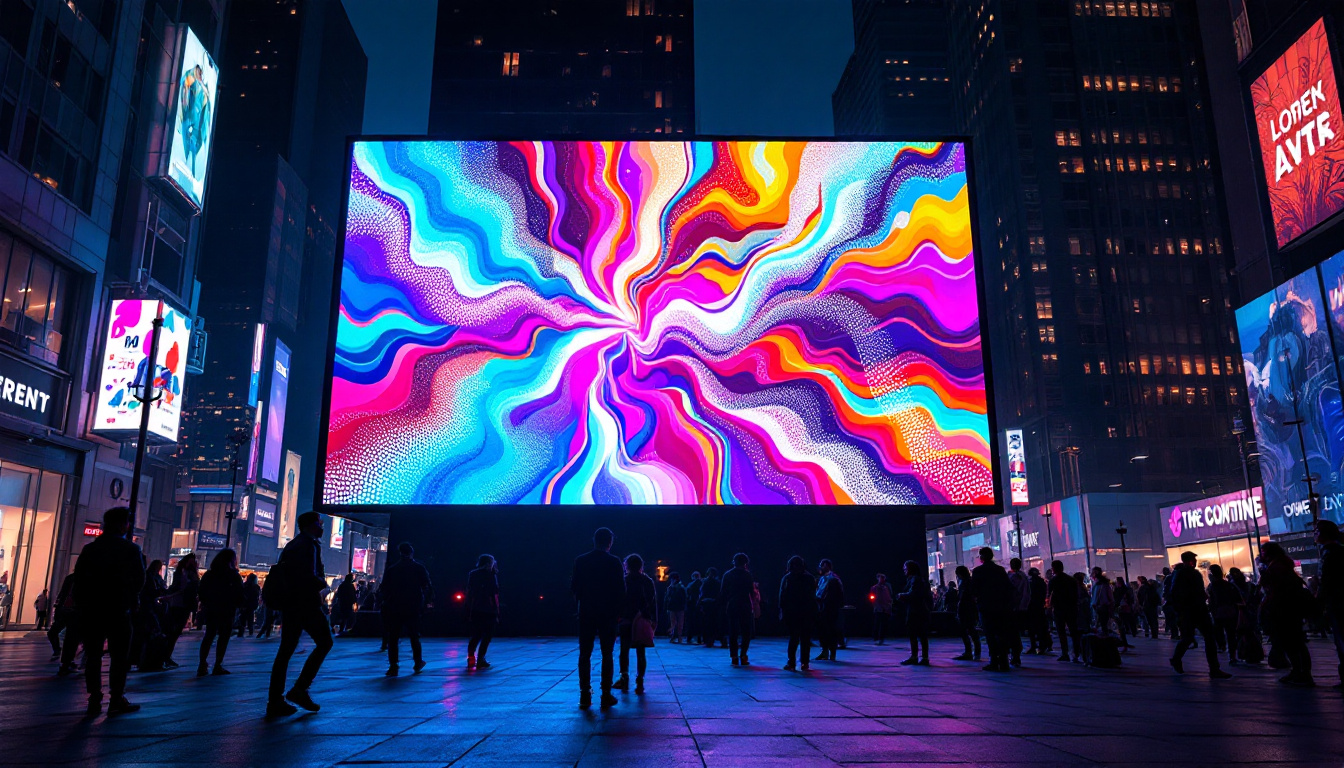
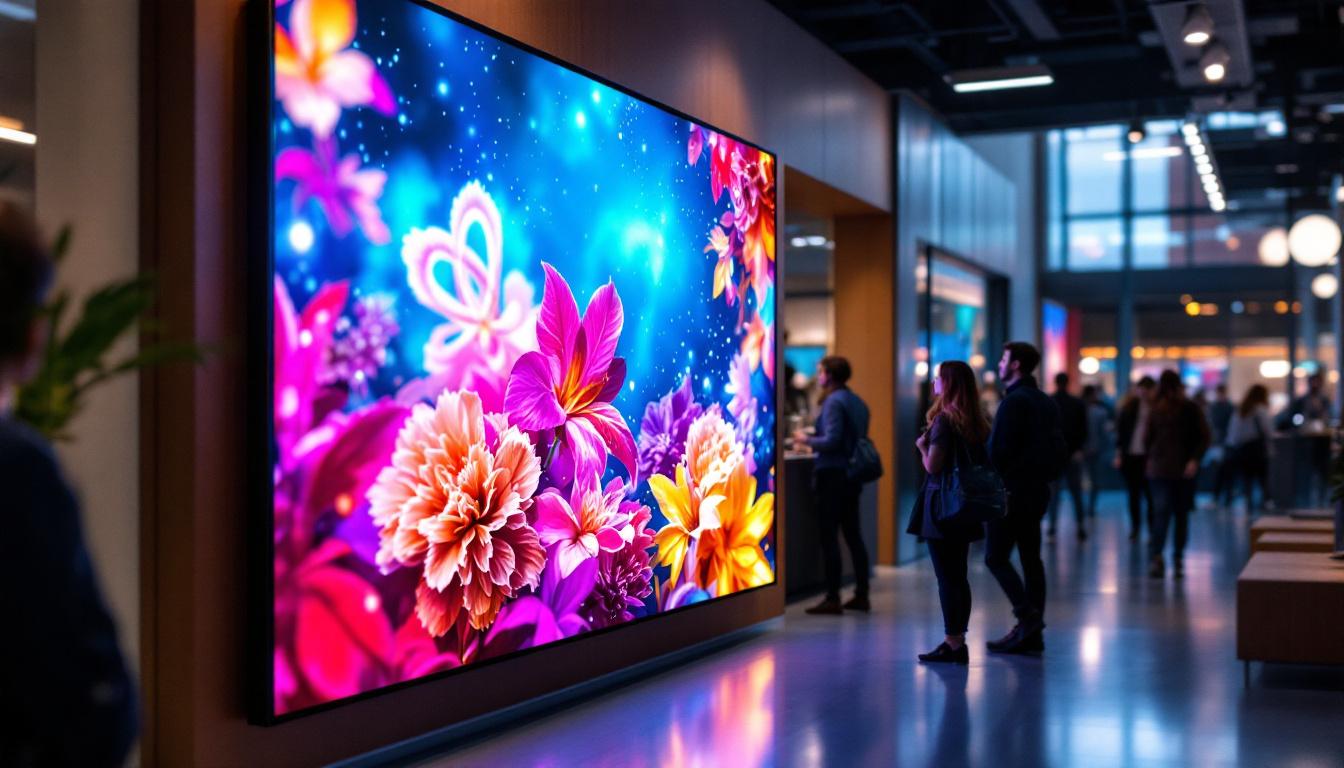
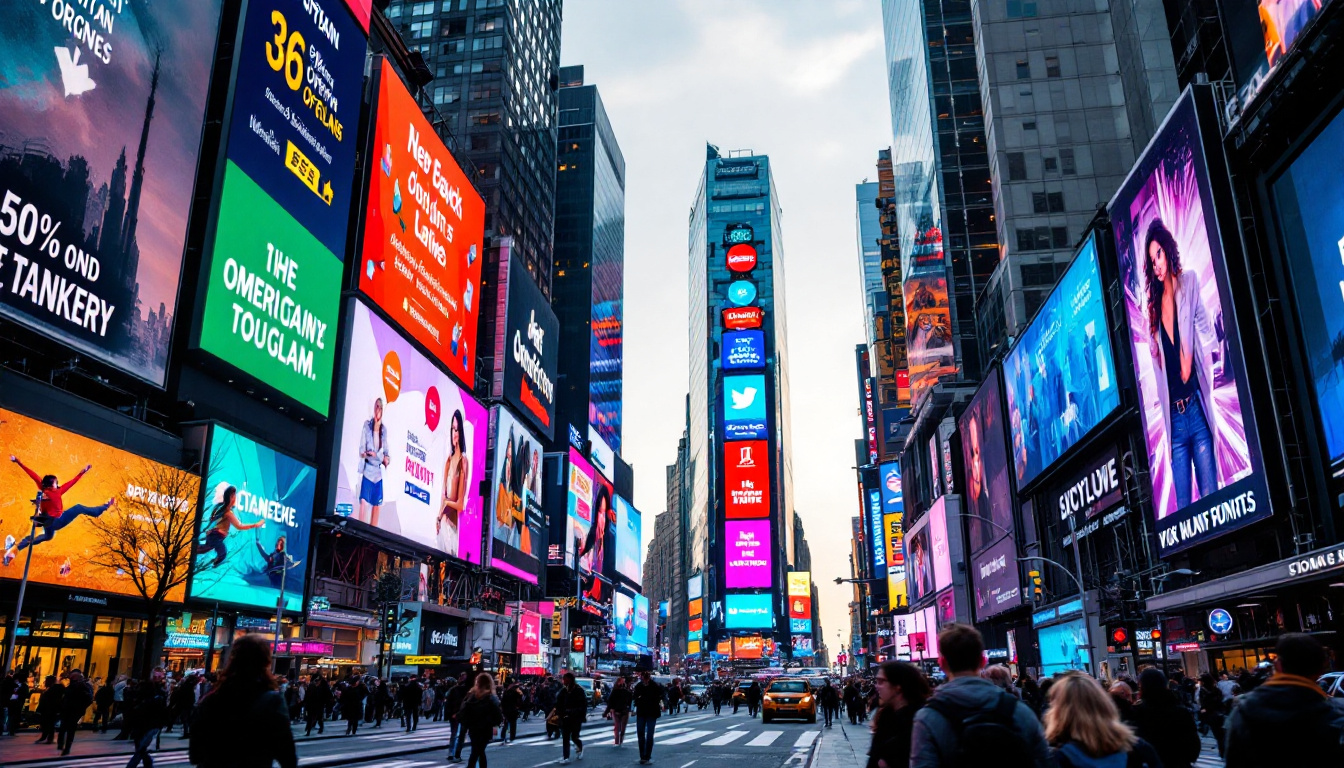
Rectangular array LED displays are the backbone of modern advertising. From roadside billboards to shopping mall screens, these displays capture attention with vibrant colors and dynamic content. Their modular design allows for custom sizes and shapes, fitting various advertising needs.
According to recent market reports, the global digital signage market is expected to grow at a CAGR of over 8% through 2027, driven largely by advancements in LED display technologies including rectangular arrays. This growth underscores the importance of understanding these displays’ technical foundations.
Sports and Entertainment Venues
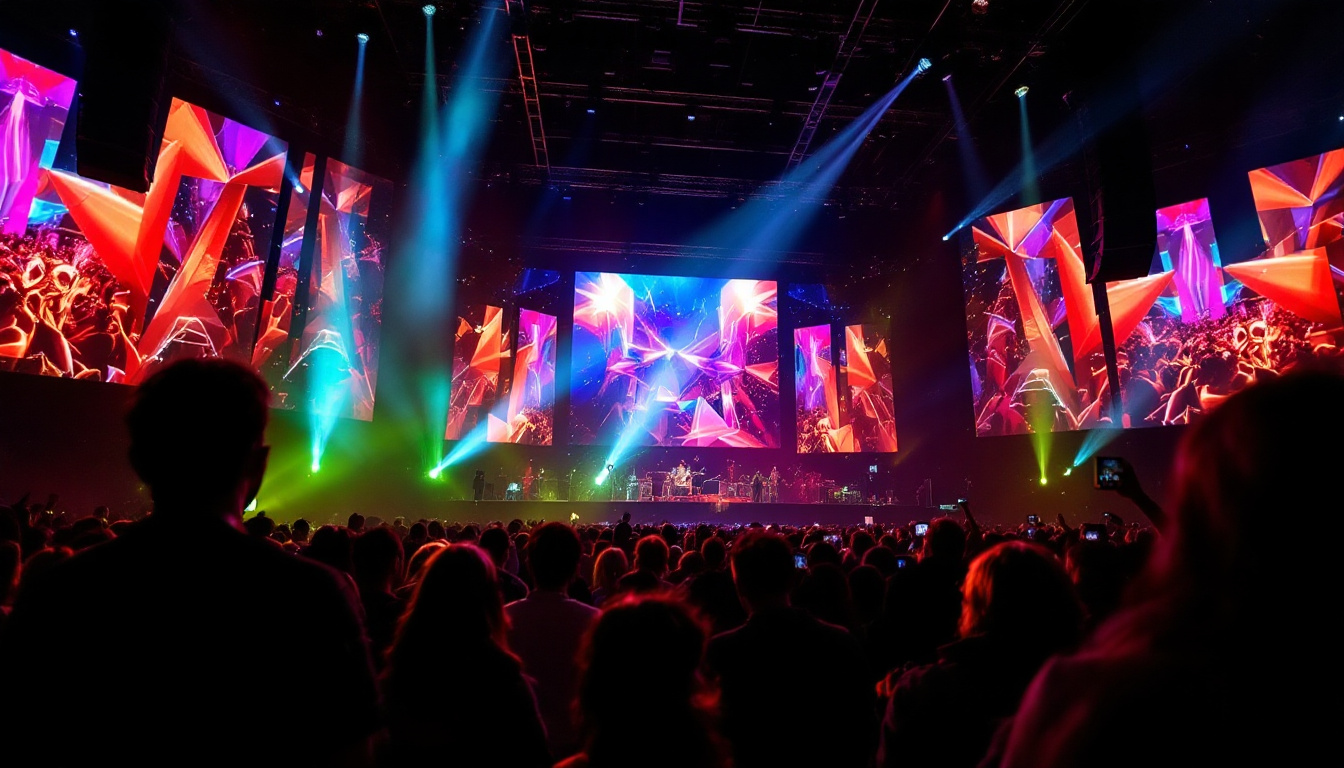
Large-scale LED screens in stadiums and arenas rely on rectangular arrays to deliver live video feeds, replays, and advertisements to thousands of spectators. The high resolution and brightness capabilities ensure visibility even under challenging lighting conditions.
For example, the iconic “Jumbotron” screens used in many sports venues are built using tiled rectangular LED modules, providing seamless, high-impact visuals that enhance the spectator experience.
Transportation and Public Information Displays
Rectangular array LED displays are commonly used in airports, train stations, and bus terminals to provide real-time information such as schedules, alerts, and directions. Their clarity and reliability are critical for effective communication in these high-traffic environments.
The robustness of rectangular arrays also makes them suitable for outdoor use in harsh weather conditions, ensuring continuous operation and visibility.
Future Trends and Innovations in Rectangular LED Arrays
The LED display industry continues to evolve, with research and development focused on enhancing the capabilities of rectangular arrays. Emerging trends promise to push the boundaries of what these displays can achieve.
MicroLED and MiniLED Technologies
MicroLED and MiniLED technologies represent the next generation of LED displays, featuring even smaller LEDs arranged in ultra-dense rectangular arrays. These technologies offer superior brightness, contrast ratios, and energy efficiency compared to traditional LEDs.
MicroLED displays, for instance, can achieve pixel pitches below 0.1mm, enabling near-retina display quality. This advancement is particularly promising for applications in virtual reality, augmented reality, and high-end consumer electronics.
Flexible and Transparent LED Displays
Innovations in materials and manufacturing have led to the development of flexible and transparent LED displays that still utilize rectangular arrays. These displays can be curved or integrated into glass surfaces, opening new possibilities for architectural and automotive applications.
The rectangular array layout remains essential in these designs, providing a reliable framework for LED placement and control despite the unconventional form factors.
Artificial Intelligence and Smart Control Systems
Integration of AI and advanced control algorithms is enhancing the functionality of rectangular array LED displays. Smart systems can dynamically adjust brightness, color balance, and content based on ambient conditions and viewer preferences, optimizing energy use and visual impact.
These intelligent displays are becoming increasingly common in digital signage and interactive installations, offering personalized and adaptive user experiences.
Conclusion
The rectangular array is a cornerstone of LED display technology, providing a structured and efficient means of arranging LEDs to deliver high-quality visual content. Its advantages in resolution, brightness uniformity, scalability, and ease of control have made it the preferred choice for a wide range of applications, from advertising to entertainment and public information systems.
As LED technology advances, the rectangular array will continue to evolve, incorporating innovations like MicroLEDs, flexible substrates, and AI-driven control. Understanding the principles and benefits of rectangular arrays is essential for anyone involved in the design, manufacture, or deployment of LED displays, ensuring that these vibrant screens continue to captivate and inform audiences worldwide.
Explore Cutting-Edge LED Display Solutions with LumenMatrix
Ready to elevate your visual displays with the latest in LED technology? Discover LumenMatrix’s innovative range of LED display modules, from vibrant Indoor and Outdoor LED Wall Displays to dynamic Vehicle and Sports LED Displays. Our mission is to revolutionize your visual communication, ensuring your message resonates with clarity and impact. Whether you’re looking for a Custom LED Display, an All-in-One solution, or the sleek aesthetics of a Transparent LED Display, LumenMatrix has you covered. Check out LumenMatrix LED Display Solutions today and transform your space into a captivating visual experience.