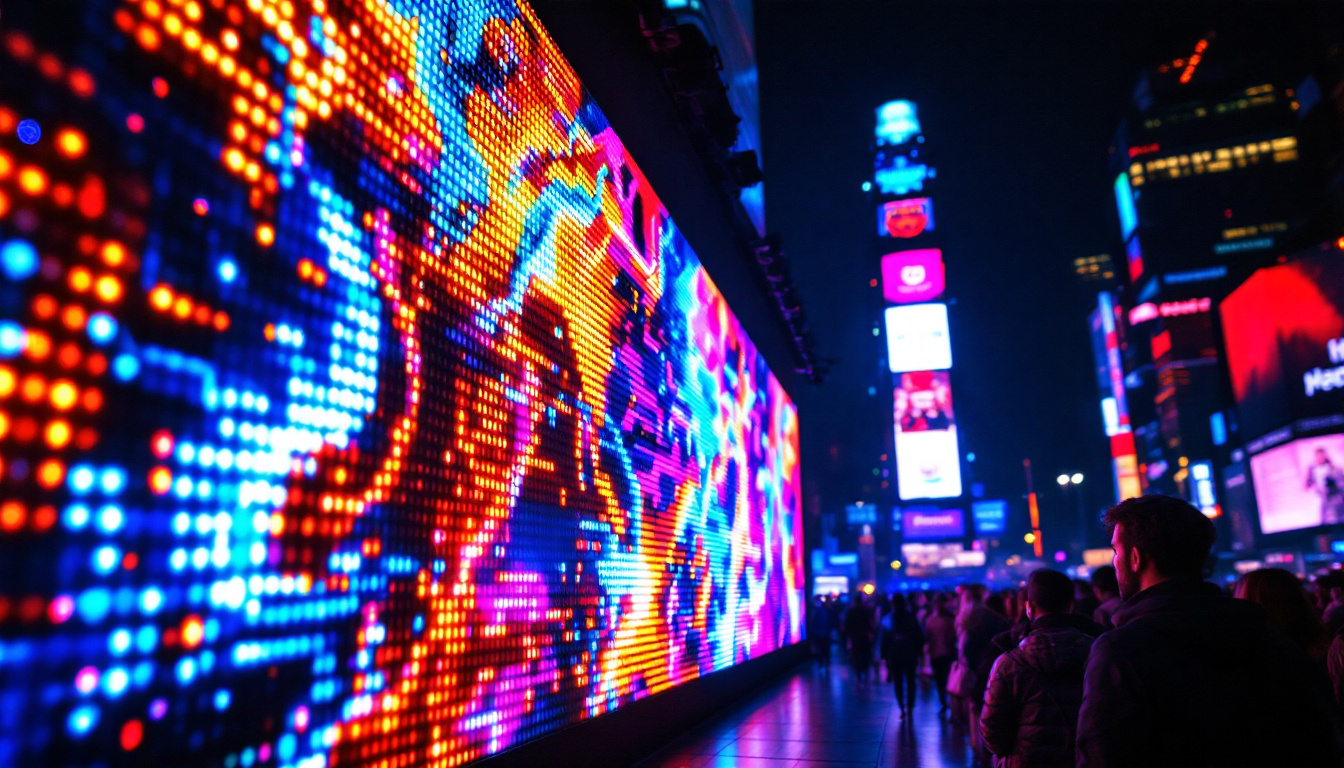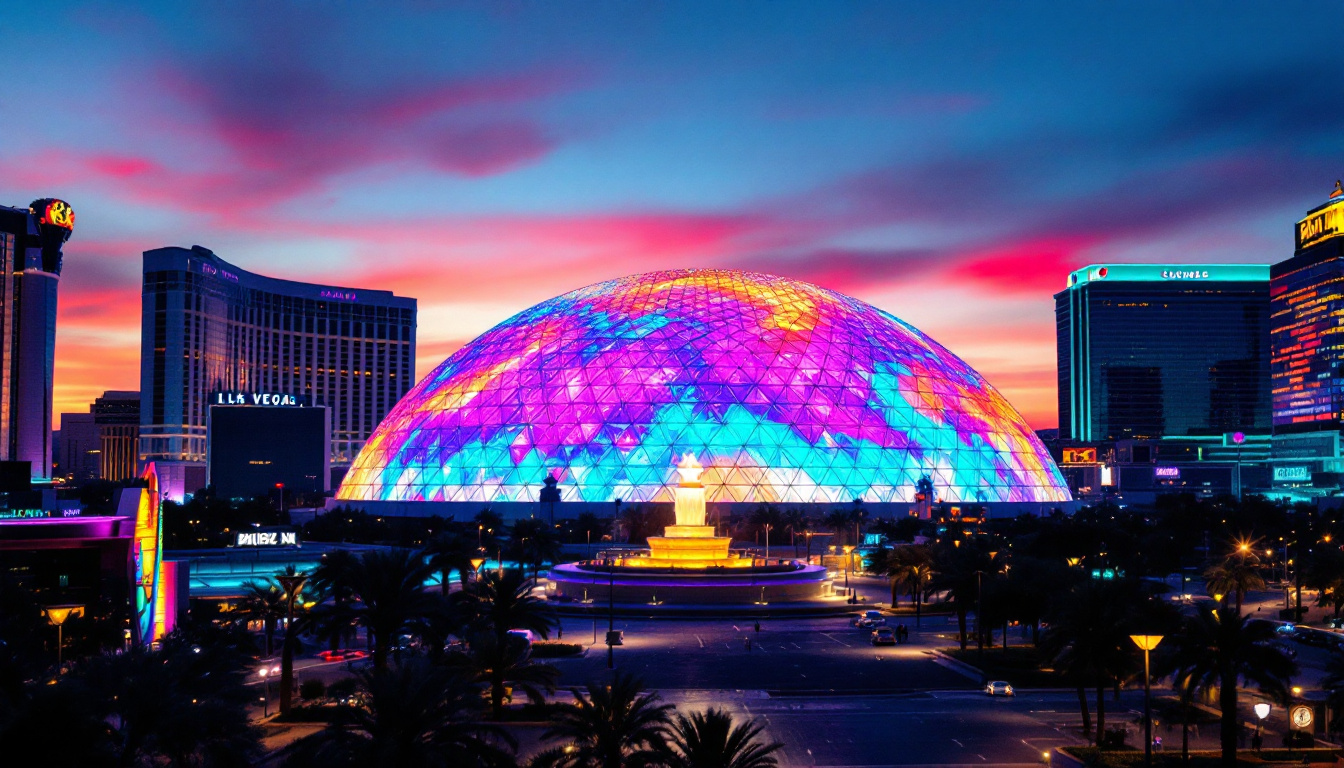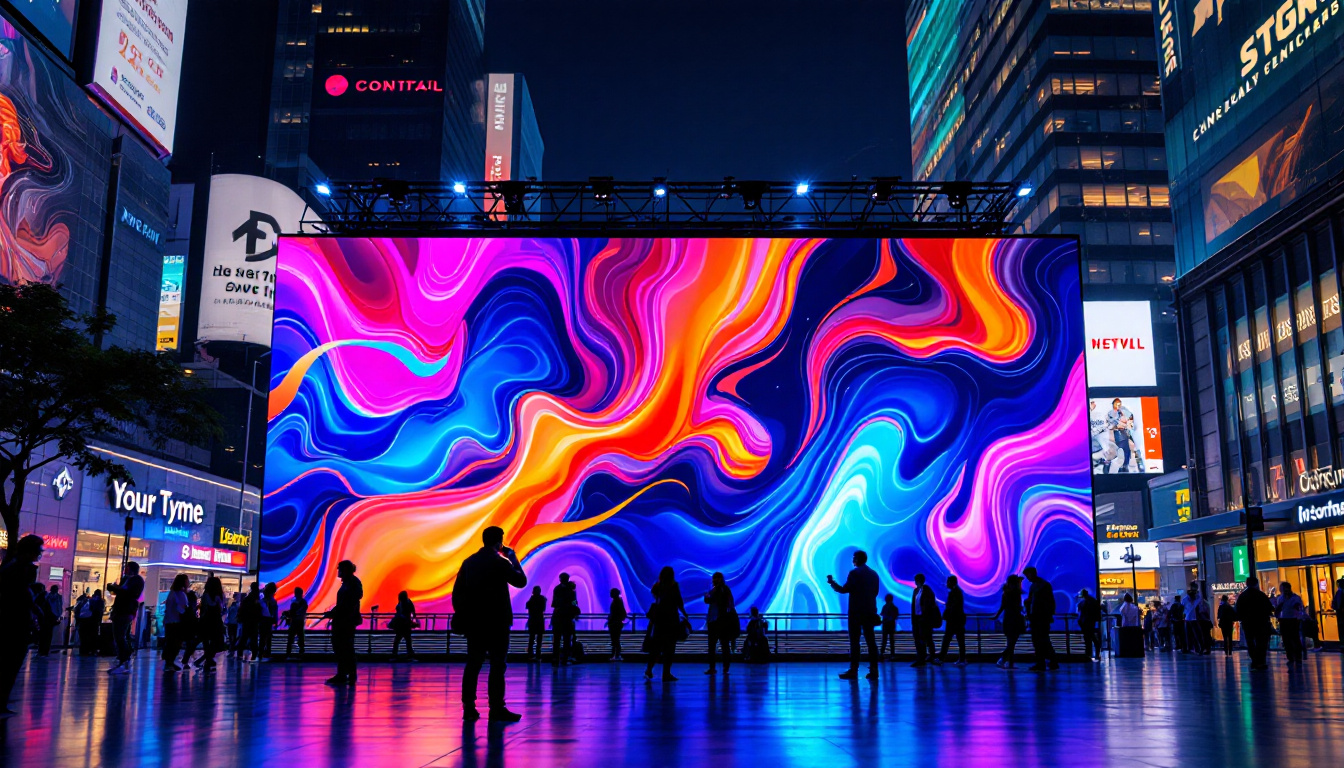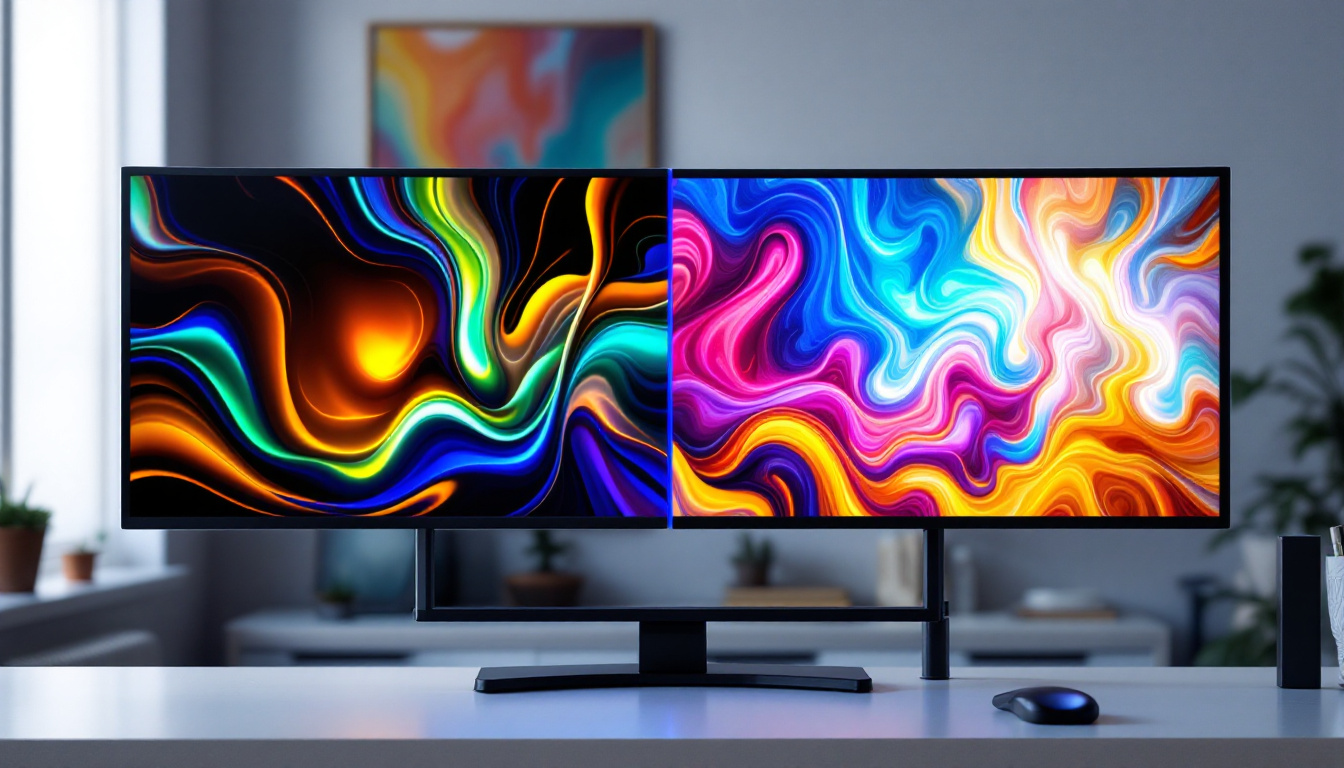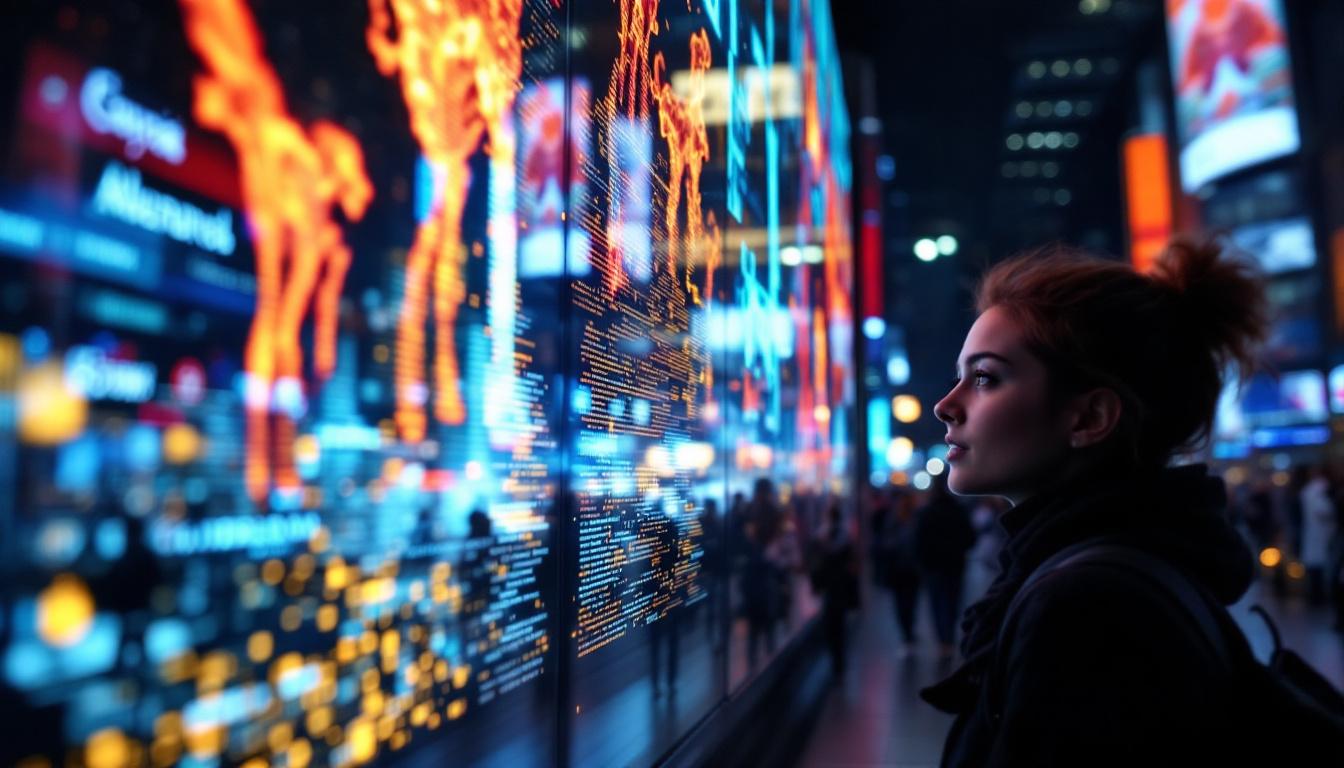
In recent years, LED display technology has revolutionized the way information and visuals are presented in public spaces, commercial environments, and entertainment venues. Among the most striking applications are LED walls—large-scale screens composed of numerous LED modules that create vivid, dynamic displays. This article delves into the fundamentals of wall LED displays, exploring their technology, applications, benefits, and future trends.
Understanding LED Wall Displays
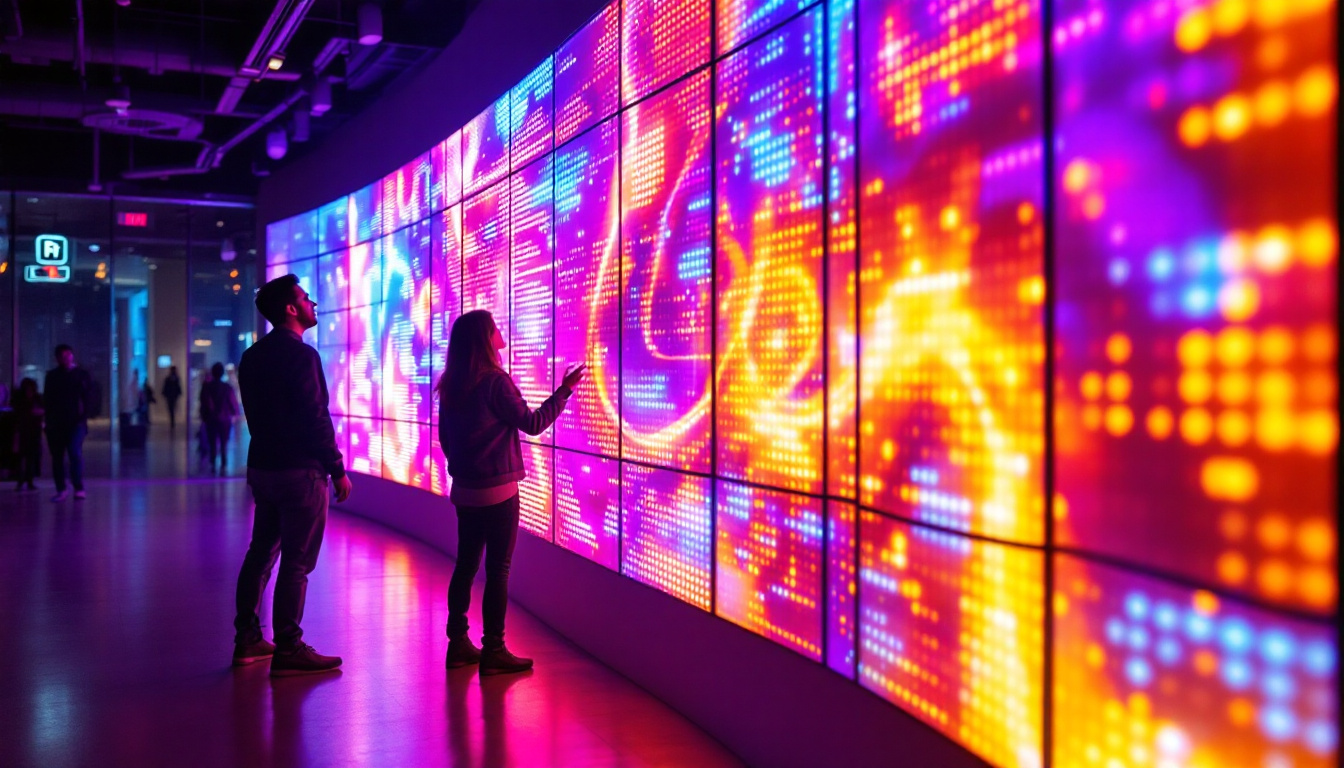
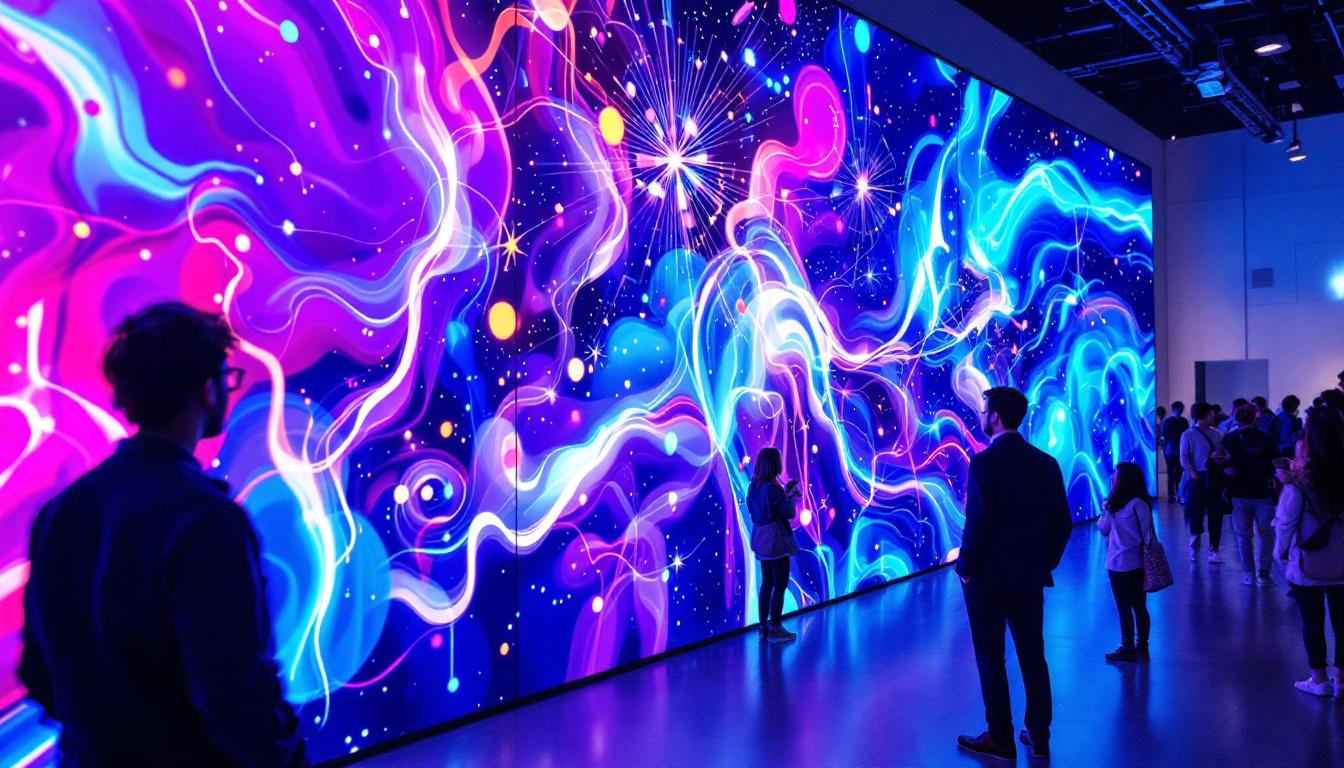
LED wall displays, often referred to simply as LED walls, are large digital screens made up of multiple LED panels seamlessly connected to form one continuous display surface. Unlike traditional LCD or projection screens, LED walls use light-emitting diodes (LEDs) as individual pixels, which emit their own light rather than relying on a backlight. This fundamental difference offers several advantages in terms of brightness, color accuracy, and viewing angles. The vibrant colors and high contrast ratios of LED walls make them particularly effective for capturing attention in bustling environments, whether in a retail setting or at a live event.
How LED Walls Work
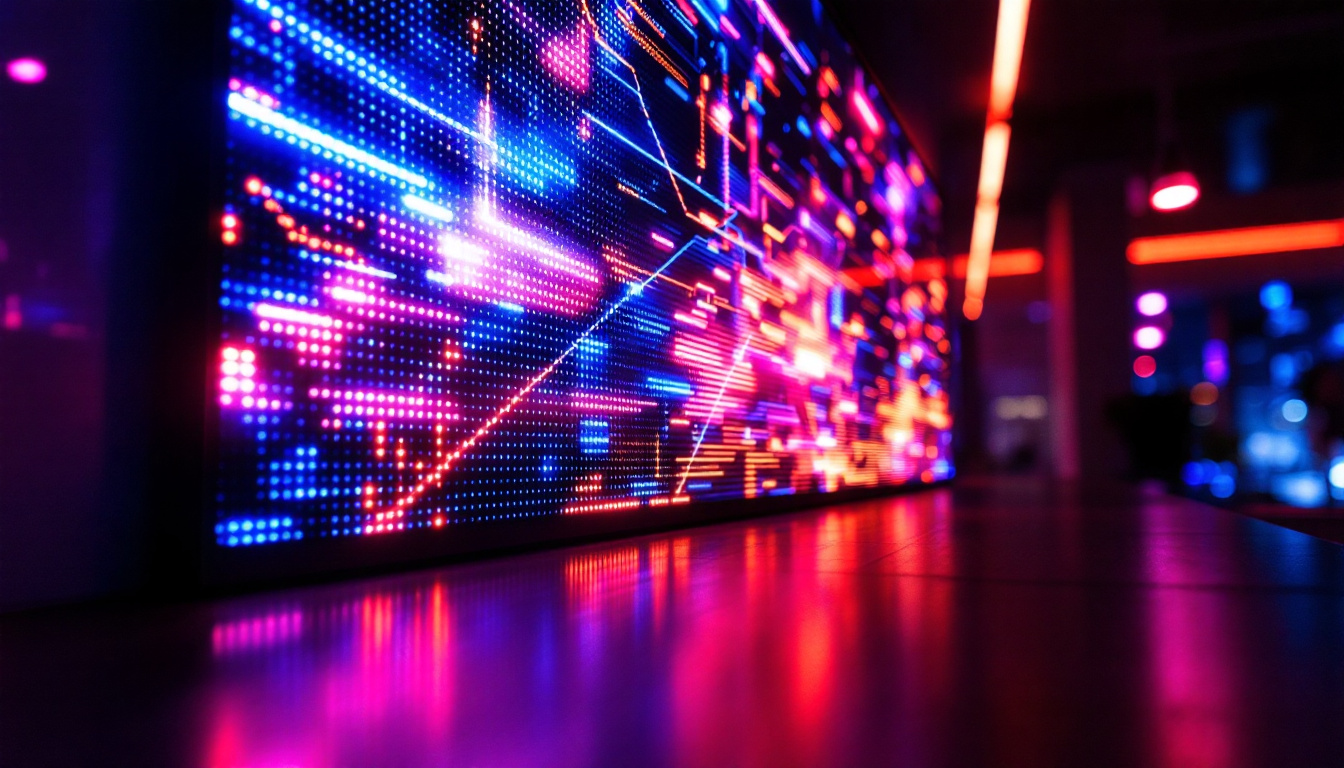
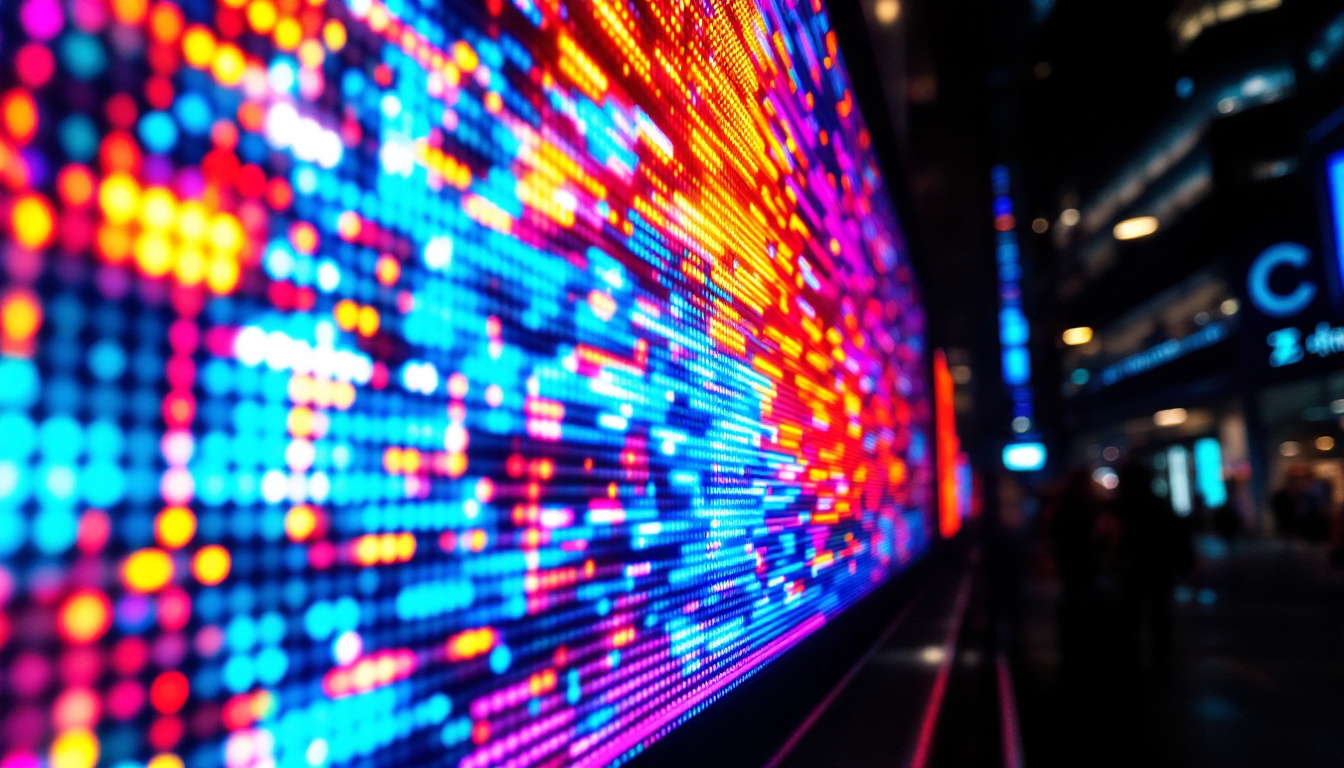
Each LED wall consists of numerous small modules, each containing an array of LEDs arranged in a grid. These LEDs can be red, green, and blue (RGB), and by adjusting the intensity of each color, the display can produce a full spectrum of colors. The modules are controlled by a central processing unit that manages the input signal, synchronizes the image across all modules, and adjusts brightness and color calibration to ensure uniformity. This level of control allows for dynamic content to be displayed, ranging from high-definition videos to intricate animations, making LED walls a versatile choice for various applications.
The pixel pitch—the distance between the centers of two adjacent LEDs—is a crucial specification. Smaller pixel pitches mean higher resolution and sharper images, making them suitable for close viewing distances. Conversely, larger pixel pitches are ideal for outdoor or large venue displays where viewers are farther away. Additionally, advancements in technology have led to the development of ultra-fine pixel pitch displays, which can achieve resolutions comparable to traditional display technologies, further blurring the lines between LED and LCD in terms of image quality.
Types of LED Walls
LED walls come in various types based on their intended use and installation environment:
- Indoor LED Walls: Designed for controlled lighting environments, these displays typically have a smaller pixel pitch (1.2mm to 4mm) for high-resolution images. They are used in conference rooms, retail stores, and broadcast studios, where clarity and detail are paramount. The ability to display rich visuals makes them a popular choice for product launches and corporate events.
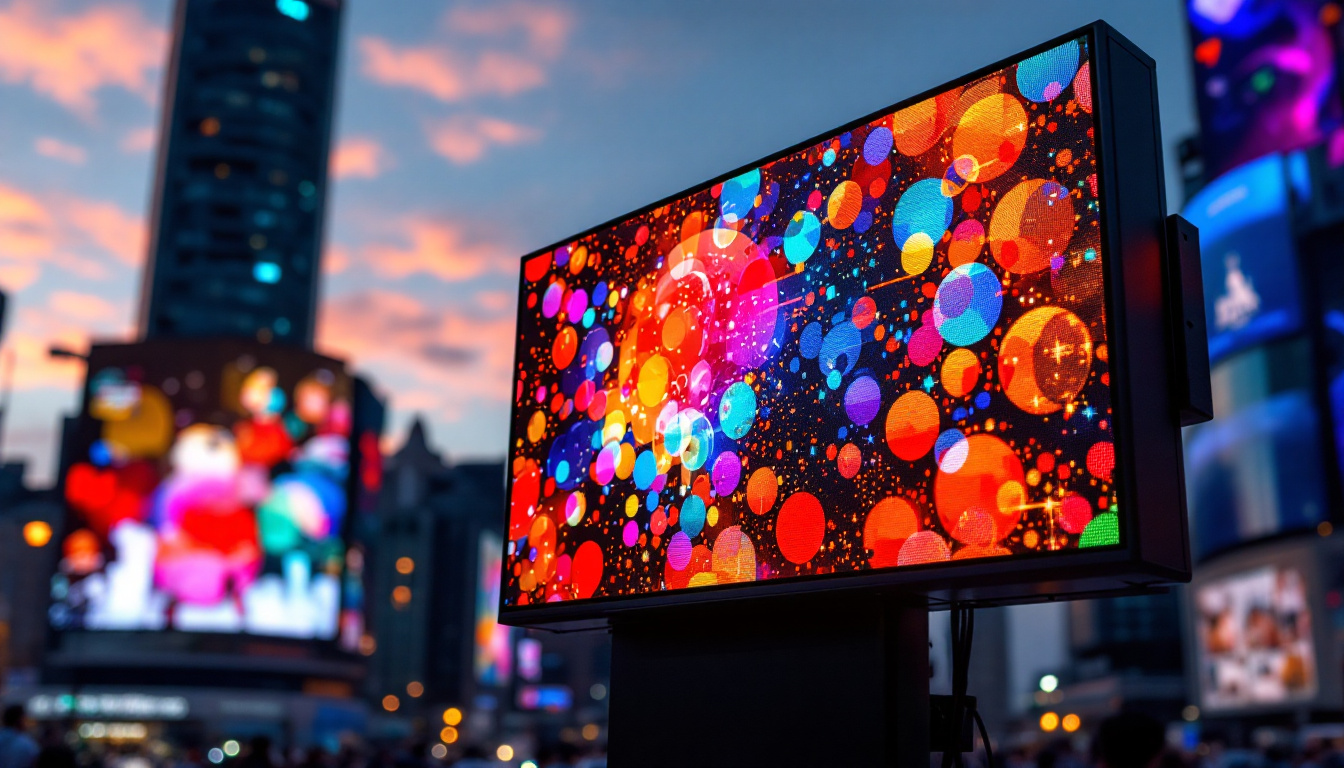
- Outdoor LED Walls: Built to withstand weather conditions, these displays have higher brightness levels (often above 5,000 nits) and larger pixel pitches (4mm to 20mm). Common applications include billboards, sports arenas, and public information displays. Their robust design ensures that they remain visible even in direct sunlight, making them ideal for advertising and event promotion in outdoor settings.
- Transparent LED Walls: These innovative displays allow light to pass through, making them ideal for storefront windows and architectural installations where natural light and visibility are important. They create a unique visual experience by blending digital content with the surrounding environment, often used in high-end retail to showcase products without obstructing the view.
- Flexible and Curved LED Walls: Utilizing flexible substrates, these walls can be curved or shaped to fit unique architectural designs, enhancing visual appeal and engagement. This adaptability opens up new possibilities for creative installations, allowing designers to create immersive environments that captivate audiences.
Applications of LED Wall Displays
The versatility of LED wall technology has led to widespread adoption across numerous industries. Their ability to deliver bright, high-resolution content in various sizes and shapes makes them a preferred choice for many applications.
Advertising and Digital Signage
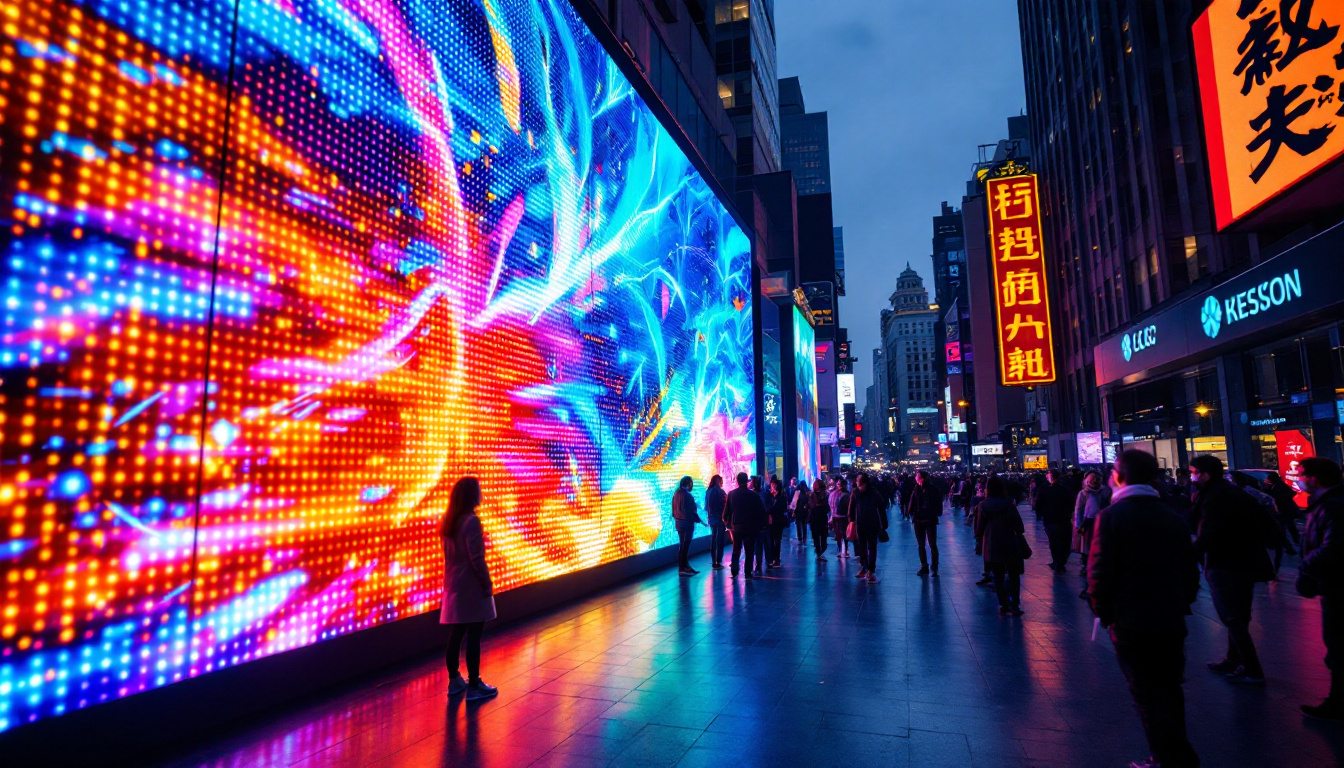
One of the most prominent uses of LED walls is in advertising. Digital billboards and signage have largely replaced static posters and banners, offering dynamic content that can be updated in real-time. According to a 2023 report by Grand View Research, the global digital signage market is expected to reach $31.7 billion by 2028, with LED displays accounting for a significant share due to their superior visibility and durability.
Retailers use LED walls to attract customers with vibrant promotions, while outdoor advertising benefits from the high brightness and weather resistance of LED walls. The ability to display video, animations, and interactive content enhances engagement and return on investment.
Entertainment and Events
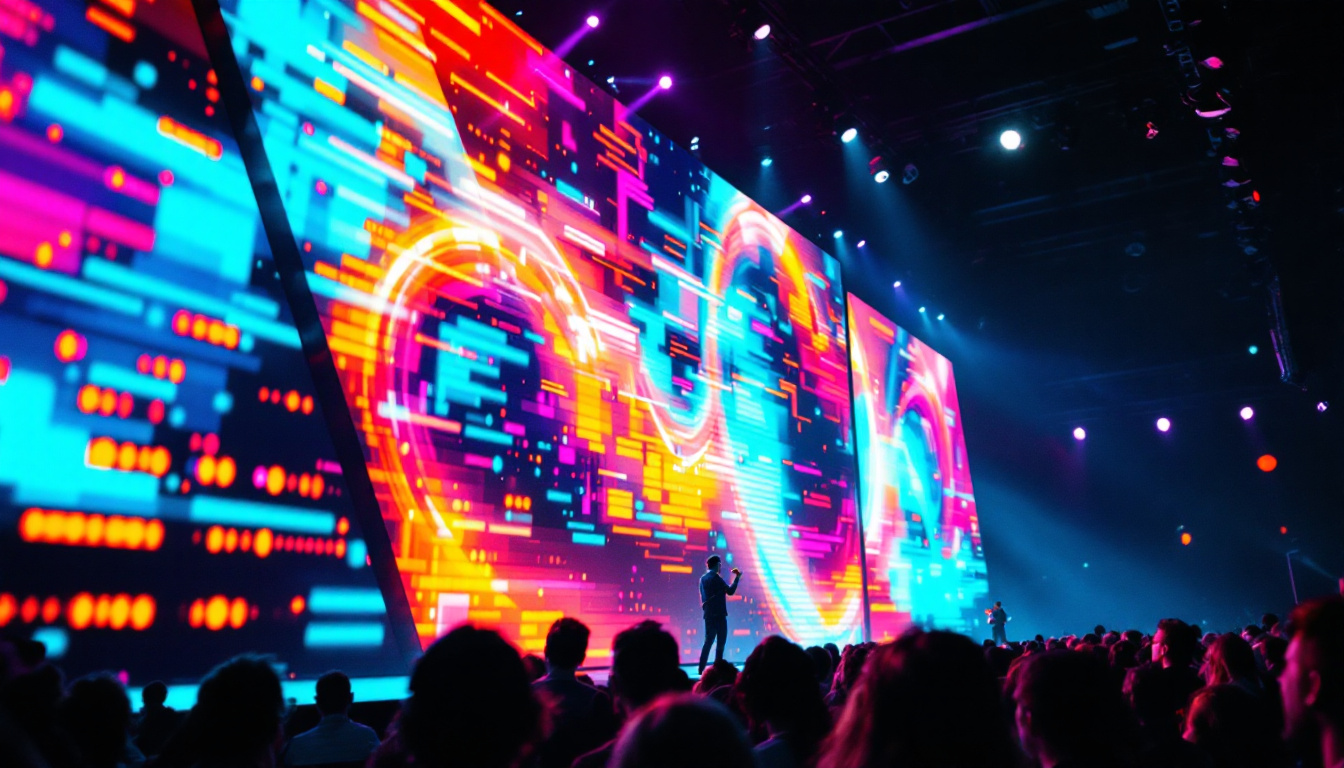
Concerts, festivals, and sports events frequently utilize LED walls to provide immersive experiences. Large LED screens behind performers or around stadiums allow audiences to see close-ups, replays, and dynamic visuals, enriching the overall atmosphere. The 2022 FIFA World Cup, for example, featured massive LED walls in stadiums and fan zones, elevating the spectator experience globally.
In theaters and broadcast studios, LED walls serve as dynamic backdrops, replacing traditional sets and enabling rapid scene changes with digital content. This flexibility reduces production costs and opens new creative possibilities.
Corporate and Educational Use
In corporate environments, LED walls are used for presentations, video conferencing, and digital collaboration. Their large size and clarity help communicate complex data and ideas effectively during meetings and conferences. Universities and museums also leverage LED walls for interactive exhibits and educational displays, enhancing visitor engagement.
Key Benefits of LED Wall Displays
Understanding the advantages of LED walls helps explain why they have become a dominant display technology in many sectors.
Superior Brightness and Visibility
LED walls can achieve brightness levels far exceeding those of LCD or projection screens. Outdoor LED walls often reach 5,000 to 10,000 nits, ensuring visibility even in direct sunlight. This makes them ideal for outdoor advertising and public information displays where ambient light can be challenging.
Energy Efficiency and Longevity
Modern LEDs are highly energy-efficient compared to older display technologies. They consume less power while delivering brighter images. Additionally, LED walls have a long operational lifespan, often exceeding 100,000 hours before significant brightness degradation occurs. This durability reduces maintenance costs and downtime.
Flexible Design and Scalability
LED walls can be custom-built to fit virtually any size or shape, from small indoor screens to massive outdoor billboards. The modular nature of LED panels allows for easy expansion or reconfiguration. This flexibility supports creative architectural integration and future-proofing of installations.
High Refresh Rates and Color Accuracy
LED walls typically offer high refresh rates (often 3,840 Hz or higher), which minimizes flicker and ensures smooth video playback, crucial for live broadcasts and fast-moving content. The precise control of RGB LEDs also enables excellent color accuracy and contrast ratios, resulting in vibrant and lifelike images.
Technical Considerations When Choosing an LED Wall
Selecting the right LED wall involves evaluating several technical aspects to ensure the display meets the specific needs of the application.
Pixel Pitch and Resolution
The pixel pitch directly affects the resolution and viewing distance. Indoor environments with close viewing distances require smaller pixel pitches (as low as 0.9mm), while outdoor installations can use larger pitches without compromising perceived image quality. Calculating the optimal pixel pitch based on typical viewer distance is essential for achieving sharp visuals without unnecessary costs.
Brightness and Contrast Ratio
Brightness is measured in nits and should be chosen according to ambient lighting conditions. Outdoor displays need higher brightness to combat sunlight, while indoor displays can operate at lower levels to reduce eye strain. Contrast ratio, the difference between the darkest black and brightest white, affects image depth and clarity.
Viewing Angle
LED walls generally offer wide viewing angles (up to 160 degrees horizontally and vertically), ensuring consistent image quality from different vantage points. This is particularly important in public spaces where viewers may be spread across a wide area.
Installation and Maintenance
Modular LED panels simplify installation and allow for easier maintenance. Front-serviceable LED walls enable repairs without dismantling the entire structure, reducing downtime. Consideration of mounting options, ventilation, and power supply is also critical for long-term reliability.
Future Trends in LED Wall Technology
As LED technology continues to evolve, several trends are shaping the future of LED walls, promising even greater capabilities and applications.
MicroLED and MiniLED Innovations
MicroLED technology, which uses microscopic LEDs as pixels, offers even higher resolution, brightness, and energy efficiency. Although still emerging, MicroLED walls are expected to deliver superior image quality with lower power consumption, making them ideal for premium indoor applications.
MiniLED backlighting is also enhancing traditional LCD displays, but in the context of LED walls, it represents a step towards finer pixel control and improved contrast.
Integration with AI and Interactive Technologies
Artificial intelligence is increasingly integrated with LED wall systems to optimize content delivery, manage brightness based on environmental conditions, and enable interactive experiences. Gesture recognition, facial tracking, and real-time data visualization are becoming common features, especially in retail and event settings.
Sustainability and Eco-friendly Designs
Manufacturers are focusing on reducing the environmental impact of LED walls by using recyclable materials, improving energy efficiency, and designing for longer product lifecycles. This aligns with growing corporate responsibility initiatives and regulatory requirements worldwide.
Conclusion
LED wall displays represent a transformative technology that has reshaped visual communication across diverse industries. Their unmatched brightness, flexibility, and image quality make them indispensable for advertising, entertainment, corporate, and public applications. As innovations like MicroLED and AI integration continue to advance, LED walls will become even more versatile and impactful.
For businesses and organizations considering an LED wall installation, understanding the technical specifications and application requirements is crucial to selecting the right solution. With the right approach, LED walls can deliver stunning visuals that captivate audiences and elevate brand presence for years to come.
Discover LumenMatrix’s Innovative LED Display Solutions
Ready to elevate your visual communication with unparalleled brightness, flexibility, and image quality? Explore LumenMatrix’s comprehensive range of LED display modules, including Indoor and Outdoor LED Wall Displays, Vehicle LED Displays, LED Poster Displays, LED Sports Displays, Floor LED Displays, Custom LED Displays, All-in-One LED Displays, and LED Transparent Displays. Embrace the future of digital signage with LumenMatrix and create captivating visual experiences that leave a lasting impression. Check out LumenMatrix LED Display Solutions today and transform your space into a dynamic visual showcase.